I en värld av rostfria högtemperaturstål, 1.4878—känd genom sitt materialnummer EN 1.4878 och motsvarande UNS S32109 (ASTM 321H)- är ett titanstabiliserat austenitiskt rostfritt krom-nickel stål som kombinerar utmärkt oxidationsbeständighet med överlägsen motståndskraft mot intergranulär korrosion efter svetsning eller långvarig exponering för förhöjda temperaturer.
Genom att införliva titan, legeringen minimerar kromkarbidutfällningen, så att den kan bibehålla korrosionsbeständighet och strukturell integritet där konventionella ostabiliserade kvaliteter kan misslyckas.
På grund av dessa egenskaper, 1.4878 rostfritt stål används ofta i värmeväxlare, ugnskomponenter, avgasningssystem, petrokemisk utrustning, tryckkärl, kraftverk, och industriell värmebehandlingsutrustning.
Den finns i många produktformer – inklusive tallrikar, ark, rör, rör, barer, förlåtelse, och precisionsgjutgods – vilket gör den lämplig för både tillverkade strukturer och komplexa konstruerade komponenter.
1. Vad är 1.4878 Rostfritt stål?
1.4878 rostfritt stål (I 1.4878 / X12CrNiTi18-9) är en titanstabiliserad austenitik rostfritt stål utvecklad för applikationer som involverar långvarig exponering för förhöjda temperaturer och cyklisk termisk belastning.
Den tillhör familjen av krom-nickel värmebeständiga rostfria stål och erbjuder en utmärkt balans mellan oxidationsbeständighet, svetbarhet, seghet, och motstånd mot intergranulär korrosion.
Till skillnad från vanliga austenitiska kvaliteter, som kan bli sensibiliserad efter svetsning eller långtidsservice mellan ca 450° C och 850 ° C, 1.4878 innehåller titan som ett stabiliserande element.
Titan reagerar företrädesvis med kol för att bilda stabila titankarbider istället för kromkarbider.
Som ett resultat, krom förblir löst i stålmatrisen, bevarar den skyddande kromoxidfilmen som ger rostfritt stål dess korrosionsbeständighet.
Varför är 1.4878 Stabiliserad med titan?
Den avgörande egenskapen hos 1.4878 rostfritt stål är dess titanstabilisering, vilket avsevärt förbättrar dess prestanda under förhöjda temperaturer och efter svetsning.
När konventionella austenitiska rostfria stål utsätts för temperaturer inom sensibiliseringsområdet (typiskt 450–850 ° C), kolatomer diffunderar genom mikrostrukturen och kombineras med krom för att bilda kromkarbider längs korngränserna.
Denna process, känd som sensation, skapar kromutarmade zoner intill korngränserna.
Eftersom krom är nödvändigt för att bilda den passiva oxidfilmen, dessa utarmade regioner blir mycket mottagliga för intergranulär korrosion.
I 1.4878 rostfritt stål, titan har en mycket starkare affinitet för kol än krom.
Under stelning och efterföljande värmeexponering, titan reagerar först för att bildas titankarbider (Tic).
Dessa stabila karbider "låser" effektivt kolet, förhindrar utfällning av kromkarbid och bevarar krominnehållet i den omgivande matrisen.
Denna stabiliseringsmekanism ger flera viktiga tekniska fördelar:
- Förbättrad motståndskraft mot intergranulär korrosion efter svetsning
- Större mikrostrukturell stabilitet under långvarig drift vid hög temperatur
- Förbättrad krypprestanda under ihållande termisk belastning
- Minskat behov av eftersvetslösningsglödgning
- Längre livslängd i cykliska värmemiljöer
Som ett resultat, 1.4878 är särskilt lämplig för stora svetsade tillverkningar som inte lätt kan genomgå värmebehandling efter svetsning, såsom tryckkärl, ugnsaggregat, och processrör.
Gemensamma standarder för 1.4878 Rostfritt stål
| Standard | Beteckning | Beskrivning |
| I 10088 | 1.4878 / X12CrNiTi18-9 | Europeisk beteckning i rostfritt stål |
| FRÅN | X12CrNiTi18-9 | Tysk materialbeteckning |
| Astm | Typ 321 (Ekvivalent) | Titanstabiliserat austenitiskt rostfritt stål |
| AISI/SAE | 321H | Tryckkärl och rörmaterial |
| Oss | S32109 | |
| Iso | X12CrNiTi18-9 | Internationella tillverkningskrav |
| Japansk JIS | SUS321H | Intyg om materialinspektion |
Skillnad från 1.4541 (Standard 321)
Den vanligaste förväxlingspunkten är förhållandet mellan 1.4878 (321H) och 1.4541 (standard 321 / X6crniti18-10).
Båda är titanstabiliserade 18-10 austenitiska rostfria stål, och de delar samma korrosionsbeständighet och allmänna metallurgiska egenskaper.
Den avgörande skillnaden ligger i kolinnehållsspecifikationen:
- 1.4541 (321): maximalt kol 0.08%, allmänt stabiliserad kvalitet
- 1.4878 (321H): kontrollerat kolintervall på 0,04–0,10 %, med avsiktlig lägsta kolhalt
Suffixet "H" i 321H står för "high carbon".
Den förhöjda minsta kolhalten är medvetet specificerad för att förbättra draghållfastheten vid hög temperatur, krypmotstånd och stressbrottsliv, tillverkning 1.4878 den värmebeständiga optimerade varianten av 321 familj.
Många fabriker dubbelcertifierar material enligt båda standarderna när sammansättningen faller inom det överlappande området.
2. Kemisk sammansättning av 1.4878 Rostfritt stål
Den enastående prestanda 1.4878 rostfritt stål (X12CrNiTi18-9) är resultatet av en noggrant balanserad kemisk sammansättning.
Varje legeringselement utför en specifik metallurgisk funktion, bidrar till korrosionsbeständighet, oxidationsbeständighet vid hög temperatur, svetbarhet, mekanisk styrka, och mikrostrukturell stabilitet.
Den kemiska sammansättningen som specificeras av EN-standarder visas nedan.
| Element | Innehåll (%) | Primärfunktion |
| Kol (C) | ≤0,10 | Förbättrar styrkan men kontrolleras för att minska risken för sensibilisering |
| Kisel (Och) | ≤1,00 | Förbättrar oxidationsbeständigheten och förbättrar flytbarheten under gjutning |
| Mangan (Mn) | ≤2,00 | Förbättrar varmbearbetbarhet och deoxidation under ståltillverkning |
| Fosfor (P) | ≤0,045 | Restelement; hålls låg för att bibehålla duktilitet och svetsbarhet |
| Svavel (S) | ≤0,015 | Styrs vid låga nivåer för att förbättra seghet och korrosionsbeständighet |
Krom (Cr) |
17.0–19.0 | Ger korrosionsmotstånd, oxidationsmotstånd, och passivering |
| Nickel (I) | 9.0–12.0 | Stabiliserar den austenitiska strukturen och förbättrar segheten |
| Titan (Av) | ≥5 × C och ≤0,80 | Förhindrar utfällning av kromkarbid och förbättrar stabiliteten vid hög temperatur |
| Järn (Fe) | Balans | Matriselement |
Notera: Den faktiska kemiska sammansättningen kan variera något beroende på tillämplig EN, FRÅN, Astm, eller kundspecifikation.
3. Fysiska egenskaper hos 1.4878 Rostfritt stål
De fysiska egenskaperna hos 1.4878 rostfritt stål avgör hur materialet reagerar på värmeöverföring, termisk expansion, elektrisk konduktivitet, och magnetiska fält under service.
Dessa egenskaper är särskilt viktiga vid design av komponenter för ugnar, värmeväxlare, avgasgrenrör, och tryckutrustning som arbetar under kontinuerlig termisk cykling.
| Egendom | Typiskt värde |
| Densitet | 7.90–8,00 g/cm³ |
| Smältområde | 1400–1425°C |
| Elastisk modul (20° C) | 193 Gpa |
| Termisk konduktivitet (20° C) | 15 W/m · k |
| Specifik värmekapacitet (20° C) | 500 J/kg · k |
| Elektrisk resistivitet (20° C) | 0.72 μω · m |
| Termisk expansionskoe (20–100 ° C) | 16.5 × 10⁻⁶ /K |
| Magnetisk permeabilitet | I huvudsak icke-magnetisk (lyrat tillstånd) |
Värdena är typiska referensdata och kan variera något med produktform, bearbetningsväg, och tillämpliga standarder.
4. Mekaniska egenskaper hos 1.4878 Rostfritt stål
De mekaniska egenskaperna hos 1.4878 rostfritt stål återspeglar dess primära roll som ett högtemperaturstrukturmaterial.
Medan dess hållfasthet vid rumstemperatur liknar den hos konventionella austenitiska rostfria stål, dess verkliga fördel ligger i att bibehålla mekanisk integritet under långvarig drift vid förhöjda temperaturer.
| Egendom | Typiskt värde |
| Dragstyrka (Rm) | ≥520 MPa |
| Avkastningsstyrka (RP0.2) | ≥205 MPa |
| Förlängning (A5) | ≥40% |
| Områdesreduktion | ≥55 % |
| Brinell -hårdhet (Hbw) | ≤215 |
| Rockwell hårdhet (Hrb) | ≤95 |
| Vickers hårdhet (Hv) | Ca. 200 |
Värdena är representativa för lösningsglödgat material och kan variera beroende på produktform och tillverkningsprocess.
5. Värmebeständighet och prestanda vid hög temperatur
Den främsta fördelen med 1.4878 rostfritt stål ligger i dess enastående prestanda under driftförhållanden vid höga temperaturer.
Till skillnad från konventionella austenitiska kvaliteter som t.ex 304, som huvudsakligen är konstruerade för korrosionsbeständighet vid omgivningstemperaturer, 1.4878 är konstruerad för att bibehålla sin strukturella integritet, oxidationsmotstånd, och korrosionsprestanda under långvarig exponering för värme.
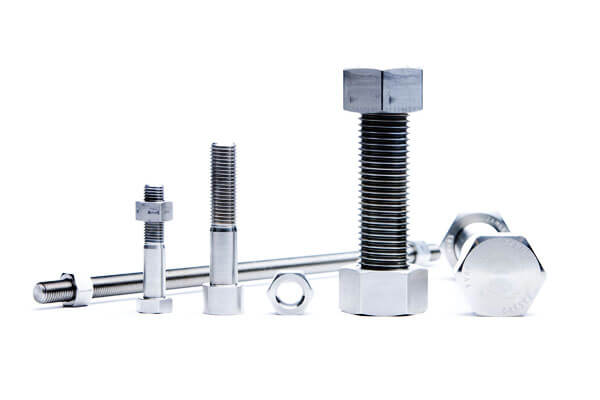
Rekommenderad servicetemperatur
Följande tabell sammanfattar de typiska driftstemperaturområdena för 1.4878 rostfritt stål.
| Servicetillstånd | Rekommenderad temperatur |
| Kontinuerlig service i oxiderande atmosfär | Upp till 850–900°C |
| Intermittent service | Upp till cirka 900°C |
| Långsiktig strukturell tjänst | 450–850 ° C |
| Kortvarig toppexponering | Cirka 950°C (beroende på belastning och atmosfär) |
Faktiska servicegränser beror på komponentens geometri, applicerad stress, ugns atmosfär, termisk cykling frekvens, och designliv.
Utmärkt oxidationsbeständighet
Vid förhöjda temperaturer, krom reagerar snabbt med syre för att bilda en tät kromoxid (Cr₂o₃) skikt som skyddar den underliggande metallen från ytterligare oxidation.
Denna passiva oxidfilm regenereras kontinuerligt om den skadas, ger långvarigt motstånd mot avlagringar i luft och många förbränningsmiljöer.
På grund av dess stabila krominnehåll, 1.4878 uppvisar utmärkt motståndskraft mot:
- Oxidation vid hög temperatur
- Ytskalning
- Avkolning
- Hetgaskorrosion i milt oxiderande atmosfärer
Dessa egenskaper gör den lämplig för ugnskomponenter, industriella värmare, termisk bearbetningsutrustning, och avgassystem.
Överlägsen motståndskraft mot termisk cykling
Många industriella komponenter upplever upprepad uppvärmning och kylning snarare än konstanta temperaturer.
Dessa termiska cykler genererar expansions- och kontraktionsspänningar som så småningom kan leda till distorsion, utmattningssprickor, eller svetsfel.
Den helt austenitiska mikrostrukturen av 1.4878 ger utmärkt motståndskraft mot termisk utmattning eftersom den kombinerar:
- Hög duktilitet
- Stabil kornstruktur
- Bra seghet
- Låg känslighet för spröd fraktur
Titanstabilisering minimerar ytterligare mikrostrukturell nedbrytning vid upprepad termisk exponering, förlänger livslängden i cykliska driftsmiljöer.
Kryp- och spänningsbrottmotstånd
För komponenter som arbetar kontinuerligt vid förhöjda temperaturer, Krypmotstånd är ofta viktigare än hållfasthet vid rumstemperatur.
Krypning är det långsamma, permanent deformation av ett material under ihållande belastning vid hög temperatur.
I industriugnar, panna, petrokemiska reaktorer, och värmeväxlare, krypdeformation kan gradvis ändra komponentdimensioner och så småningom leda till fel.
Jämfört med standard 304 rostfritt stål, 1.4878 erbjudanden:
- Förbättrad krypstyrka
- Bättre motstånd mot spänningsbrott
- Förbättrad korngränsstabilitet
- Minskad deformation under långvarig drift
Dessa förbättringar hänförs främst till titanstabilisering, som undertrycker kromkarbidutfällning och hjälper till att bevara korngränsstyrkan.
Motståndskraft mot sensibilisering under högtemperaturservice
En av de viktigaste fördelarna med 1.4878 är dess förmåga att motstå sensibilisering efter långvarig exponering för temperaturer mellan 450° C och 850 ° C.
Standard 304 rostfritt stål kan drabbas av kromutarmning nära korngränserna efter svetsning eller långvarig uppvärmning, ökar risken för intergranulär korrosion.
Däremot, titan reagerar företrädesvis med kol för att bilda titankarbider, förhindrar utfällning av kromkarbid och låter krom förbli tillgängligt för att bibehålla den skyddande passiva filmen.
Som ett resultat, 1.4878 är särskilt lämplig för:
- Svetsade ugnskonstruktioner
- Petrokemisk rörledning
- Värmebehandlingsarmaturer
- Kraftverkskomponenter
- Högtemperaturtryckkärl
6. Korrosionsmotstånd
Allmän korrosion
Vid omgivande och måttligt förhöjda temperaturer, 1.4878 uppvisar god allmän korrosionsbeständighet i atmosfäriska miljöer, färskt vatten, ånga och de flesta organiska och oorganiska kemikalier.
Dess prestanda är i stort sett jämförbar med 304 rostfritt stål i icke-sensibiliserade förhållanden.
Intergranulär korrosionsbeständighet
Det är här 1.4878 skiljer sig från ostabiliserade betyg.
I svetsat eller uppvärmt tillstånd, ostabiliserade stål som t.ex 304 drabbas av kromkarbidutfällning vid korngränserna (sensation), leder till intergranulär korrosion.
I 1.4878, titan binder kol, förhindrar betydande kromutarmning och bibehåller full intergranulär korrosionsbeständighet även efter exponering för 450–850°C sensibiliseringsintervallet.
Denna egenskap är särskilt värdefull för stora svetsade strukturer och ugnskomponenter som inte kan lösningsglödga efter tillverkning.
Lokaliserad korrosion
Korrosionsbeständigheten mot gropfrätning och sprickor är måttlig, ungefär lika med 304 rostfritt stål.
Klassen är inte avsedd för svåra kloridmiljöer; 316L eller högre legerade material föredras för sådan service.
1.4878 rostfritt stål är inte lämpligt för havsvatten eller processströmmar med hög kloridhalt.
Stresskorrosionsprickor
Som andra austenitiska rostfria stål, 1.4878 rostfritt stål är känsligt för klorid-inducerad spänningskorrosion vid förhöjda temperaturer.
För applikationer som kombinerar dragspänning med heta kloridmiljöer, alternativa material bör övervägas.
7. Tillverknings- och svetsegenskaper
Trots att den är designad för applikationer med förhöjda temperaturer, 1.4878 rostfritt stål erbjuder utmärkt tillverkningsbarhet.
Dess helt austenitiska struktur ger enastående duktilitet och seghet, tillåter materialet att formas till komplexa geometrier samtidigt som dimensionell noggrannhet och strukturell integritet bibehålls.
Bildning och tillverkning
1.4878 har utmärkta kallformningsegenskaper och kan bearbetas med konventionella plåttillverkningstekniker.
Typiska formningsoperationer inkluderar:
- Djup ritning
- Rullformning
- Böjning
- Stretchbildande
- Hydroformning
- Pressformning
- Spinning
Eftersom legeringen arbetshärdar snabbt, Allvarlig deformation kan kräva mellanglödgning för att återställa duktiliteten innan vidare bearbetning.
Varmformning utförs typiskt inom temperaturområdet för 1050–1200 ° C, följt av snabb kylning för att bevara den helt austenitiska mikrostrukturen.
Bearbetningsegenskaper
Jämfört med kolstål och fribearbetade rostfria stål, 1.4878 rostfritt stål anses vara måttligt svårt att bearbeta.
Dess höga seghet, Utmärkt duktilitet, och stark benägenhet att arbeta hårdare ökar skärkrafterna och genererar avsevärd värme vid gränssnittet mellan verktyg och arbetsstycke.
Om bearbetningsparametrar inte är korrekt kontrollerade, den arbetshärdade ytan kan påskynda verktygsslitaget och minska dimensionsnoggrannheten.
Under bearbetning, materialet tenderar att generera:
- Höga skärkrafter
- Förhöjda skärtemperaturer
- Kontinuerliga chips
- Accelererat verktygsslitage
Effektiv bearbetning kräver därför:
- Skarpa hårdmetall eller keramiska skärverktyg
- Positiva rake-geometrier
- Tillräcklig skärvätska
- Måttliga skärhastigheter
- Stabil maskinstyvhet
Användning av avbrutna skärförhållanden eller slitna verktyg bör undvikas eftersom arbetshärdade ytor snabbt kan minska bearbetningseffektiviteten.
Precision
Även om 1.4878 rostfritt stål levereras i första hand som smidesprodukter i form av plåtar, barer, rör, och smide, den är också lämplig för tillverkning av komplexa komponenter av investeringsgjutning (Lost Wax Casting).
Precisionsgjutning erbjuder betydande fördelar för geometriskt invecklade delar som annars skulle kräva omfattande bearbetning, minska både materialavfall och totala produktionskostnader.
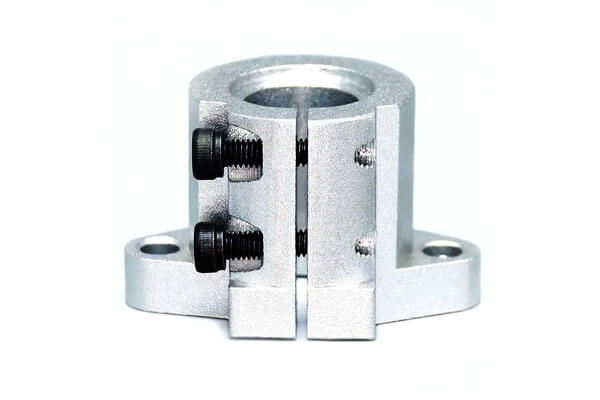
Investeringsgjutning är särskilt lämplig för produktion:
- Ugnsfixturer
- Brännarkomponenter
- Värmebeständiga fästen
- Avgassystem delar
- Komplex industriell hårdvara
Korrekt kontroll av smältpraxis, mögeldesign, och stelningsförhållanden är väsentliga för att minimera segregationen, krympningsfel, och varmsprickning samtidigt som en enhetlig austenitisk mikrostruktur säkerställs.
Efter casting, Lösningsglödgning utförs vanligtvis för att optimera korrosionsbeständighet och mekaniska egenskaper.
Svetegenskaper
En av de största fördelarna med 1.4878 är dess enastående svetsbarhet.
Eftersom titan stabiliserar kol, legeringen uppvisar betydligt lägre känslighet för sensibilisering än ostabiliserad 304 rostfritt stål.
Den är kompatibel med praktiskt taget alla vanliga smältsvetsprocesser, inklusive:
- Gtaw (Tigga)
- Gäver (MIG)
- Smaw
- SÅG
- Plasmabågsvetsning
- Lasersvetsning
Korrekt val av tillsatsmetall är viktigt för att säkerställa matchande högtemperaturprestanda och korrosionsbeständighet.
8. Värmebehandling av 1.4878 Rostfritt stål
Till skillnad från martensitiska eller nederbördshärdande rostfria stål, 1.4878 kan inte förstärkas genom konventionell värmebehandling.
Dess mekaniska egenskaper styrs främst av förstärkning av fast lösning, kallt arbete, och titanstabilisering snarare än fastransformation.
Huvudsyftet med värmebehandling är därför att återställa korrosionsbeständigheten, lösa upp oönskade fällningar, lindra tillverkningspåfrestningar, och bibehålla en stabil austenitisk mikrostruktur.
| Behandling | Temperatur | Kyl | Ändamål |
| Lösning glödgning | 1050-1100°C | Vattensläckning eller snabb luftkylning | Löser upp karbider; återställer korrosionsmotstånd. |
| Stressavlastning | 300-400°C | Luft | Lindrar kvarstående stress; ingen signifikant effekt på korrosionsbeständigheten. |
| Stabilisering | 850-900°C | Luft (inte vanligt) | Frivillig; fäller ut titankarbider för ytterligare stabilisering. |
| Härdning | Inte tillämplig | - | Austenitisk; kan inte härdas genom värmebehandling. |
9. Ytbehandlingar
Ytfinishen på 1.4878 rostfritt stål påverkar avsevärt inte bara dess utseende utan också dess korrosionsbeständighet, renbarhet, friktionsegenskaper, och serviceliv.
Att välja lämplig finish beror på driftsmiljön, tillverkningsmetod, och funktionskrav för den slutliga komponenten.
| Ytfinish | Tillverkningsmetod | Ytegenskaper | Typiska applikationer |
| Nr.1 | Varmvalsad, glödgad, inlagd | Grov matt yta med avlägsnad oxidskala | Ugnsdelar, tryckkärl, tung industriutrustning |
| 2B | Kallvalsad, glödgad, inlagd, hud passerade | Jämna, enhetlig, något reflekterande | Kemisk bearbetningsutrustning, matbearbetning, rör |
| Ba (Ljus glödgad) | Ljus glödgning i kontrollerad atmosfär | Mycket smidig och reflekterande | Dekorativa komponenter, läkemedelsutrustning, precisionsinstrument |
| Nr.4 (Borstad) | Mekanisk polering med slipband | Satinfinish med fin linjär ådring | Arkitektoniska paneler, köksutrustning, industriella kapslingar |
Spegelfinish (Nr 8) |
Progressiv finpolering | Spegelliknande reflekterande yta | Dekorativa applikationer, renrumsutrustning, premium arkitektoniska projekt |
| Inlagd & Passiverade | Kemisk rengöring och passivering | Maximal korrosionsbeständighet med rent metalliskt utseende | Svetsade tillverkningar, petrokemiska system, offshore -utrustning |
| Elektronisk | Elektrokemisk polering | Ultramät, låg ytjämnhet, förbättrad passiv film | Halvledare, farmaceutisk, bioteknik, ultrarena bearbetningssystem |
10. Typiska tillämpningar av 1.4878 Rostfritt stål
Kombinationen av utmärkt korrosionsbeständighet, oxidationsbeständighet vid hög temperatur, enastående svetsbarhet, och långsiktig strukturell stabilitet gör 1.4878 rostfritt stål ett av de föredragna materialen för krävande industriella miljöer.
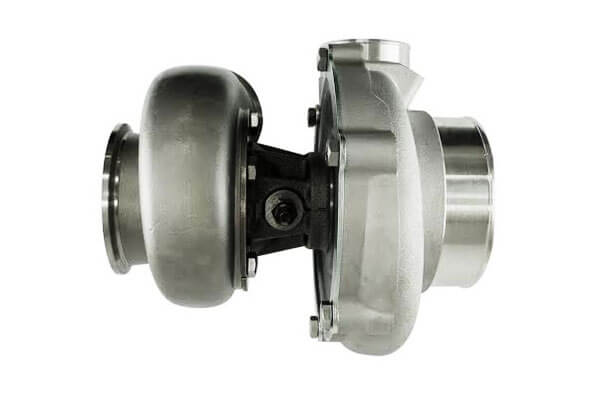
Petrokemisk och kemisk bearbetning
Kemiska anläggningar arbetar ofta under aggressiva förhållanden med förhöjda temperaturer, trycksatta vätskor, och frätande media.
1.4878 rostfritt stål ger utmärkt motståndskraft mot oxidation, organiska syror, och många industriella kemikalier samtidigt som strukturell integritet bibehålls under termisk cykling.
Typiska komponenter inkluderar:
- Värmeväxlare
- Reaktorfartyg
- Processrörledning
- Expansionsfogar
- Tryckkärl
- Destillationskolumner
- Flänsar och beslag
Industriugnar och värmebehandlingsutrustning
Ett av de viktigaste applikationsområdena för 1.4878 är en ugnskonstruktion med hög temperatur.
Legeringen tål kontinuerlig exponering för förhöjda temperaturer samtidigt som den motstår oxidation, termisk trötthet, och skalning.
Vanliga ugnskomponenter inkluderar:
- Ugnsrullar
- Strålande rör
- Ugnskorgar
- Värmebehandlingsbrickor
- Glödgningsfixturer
- Brännaraggregat
- Retorter
- Stödnät
Kraftproduktion
Ångpannor, system för återvinning av spillvärme, och termiska kraftverk utsätter strukturella komponenter för höga temperaturer och cykliska termiska påfrestningar.
Titanstabilisering förbättrar långsiktig tillförlitlighet genom att förhindra sensibilisering av korngräns under långvarig drift.
Typiska applikationer inkluderar:
- Pannrör
- Överhettningsstöd
- Avgasrör
- Rökgassystem
- Tillbehör för ångrör
Fordon och avgassystem
Legeringen fungerar bra under upprepade uppvärmnings- och kylcykler som påträffas i fordons avgassystem.
Dess oxidationsbeständighet och svetsbarhet gör den lämplig för tillverkning av hållbara avgaskomponenter.
Exempel inkluderar:
- Avgasgrenrör
- Turboladdarrör
- Avgasbälg
- Katalysatorhus
- Värmesköldar
Matbearbetningsutrustning
Även om det inte används lika mycket som 304L eller 316L i livsmedelsproduktion, 1.4878 blir fördelaktigt där bearbetningsutrustning ofta genomgår rengöring eller sterilisering vid hög temperatur.
Typisk utrustning inkluderar:
- Steriliseringskammare
- Högtemperaturtransportörer
- Industriella ugnar
- Värmebeständig bearbetningsutrustning
Precisionsgjutgods och tillverkade komponenter
Legeringen används också i stor utsträckning i precisionsgjutgods och tillverkade sammansättningar som kombinerar korrosionsbeständighet med prestanda vid förhöjd temperatur.
Representativa produkter inkluderar:
- Ventilkroppar
- Pumpkomponenter
- Ugnstillbehör
- Turbinhårdvara
- Industrisel
- Högtemperaturfästen
- Mekaniska stöd
11. Fördelar och begränsningar av 1.4878 Rostfritt stål
Fördelar
Utmärkt motståndskraft mot intergranulär korrosion
Titanstabilisering binder effektivt kol till stabila titankarbider, förhindrar utfällning av kromkarbid under svetsning eller långvarig drift vid förhöjda temperaturer.
Detta förbättrar avsevärt långvarig korrosionsbeständighet i det kritiska temperaturområdet där ostabiliserade austenitiska rostfria stål kan bli sensibiliserade.
Enastående hög temperaturprestanda
1.4878 bibehåller utmärkt oxidationsbeständighet och mekanisk stabilitet under kontinuerlig drift vid temperaturer som närmar sig 800–850 ° C, vilket gör den mycket lämplig för ugnsutrustning, avgasningssystem, och termiska bearbetningsmaskiner.
Utmärkt svetsbarhet
Legeringen kan svetsas med praktiskt taget alla konventionella smältsvetsmetoder med minimal risk för svetsnedbrytning.
Stora tillverkade strukturer kan ofta tas i bruk utan eftersvetslösningsglödgning, förenkla tillverkningen samtidigt som produktionskostnaderna sänks.
God allmän korrosionsbeständighet
I många industriella miljöer, 1.4878 ger korrosionsbeständighet jämförbar med typ 304 rostfritt stål, inklusive utmärkt motståndskraft mot atmosfärisk korrosion, färskt vatten, ånga, och många organiska kemikalier.
Hög seghet över ett brett temperaturområde
Den helt austenitiska mikrostrukturen ger utmärkt slagseghet och duktilitet vid både omgivande och måttligt förhöjda temperaturer, ger tillförlitlig prestanda under dynamisk belastning och termisk cykling.
Utmärkt tillverkningsprestanda
Legeringen stöder ett brett utbud av tillverkningsprocesser, inklusive:
- Kallformning
- Varmformning
- Precisionsinvesteringsgjutning
- CNC-bearbetning
- Djup ritning
- Rullande
- Svetsning
Denna mångsidighet gör det möjligt för ingenjörer att producera komplexa komponenter med hög dimensionell noggrannhet.
Långt livslängd
Kombinationen av oxidationsbeständighet, korrosionsmotstånd, svetsstabilitet, och termisk hållbarhet bidrar till förlängd utrustningslivslängd, minska underhållsfrekvensen och livscykelkostnaderna i krävande industriella tillämpningar.
Begränsningar
Måttlig bearbetbarhet
Som de flesta austenitiska rostfria stål, 1.4878 uppvisar betydande arbetshärdning under bearbetning.
Skärningsoperationer kräver stel utrustning, skarpa verktyg, effektiv kylning, och optimerade bearbetningsparametrar för att uppnå tillfredsställande produktivitet och verktygslivslängd.
Begränsad motståndskraft mot klorid-inducerad gropfrätning
Även om legeringen fungerar bra i många industriella miljöer, dess molybdenfria sammansättning gör den mindre motståndskraftig mot klorid-inducerad gropfrätning och spaltkorrosion än kvaliteter som 316L.
Det är därför inte det föredragna valet för marina miljöer eller högsalthaltiga processmedia.
Högre materialkostnad än standard kolstål
Förekomsten av nickel, krom, och titan ökar materialkostnaden jämfört med kolstål och vissa ferritiska rostfria stål.
Dock, den högre initiala investeringen motiveras ofta av förbättrad hållbarhet och lägre underhållskrav.
Ej avsedd för extremt höga temperaturer
Medan 1.4878 fungerar exceptionellt bra vid förhöjda temperaturer, applikationer som involverar kontinuerlig exponering över ungefär 900° C kräver generellt mer värmebeständiga kvaliteter som 310S (1.4845) eller nickelbaserade superlegeringar.
Termisk expansion
Som andra austenitiska rostfria stål, legeringen har en relativt hög termisk expansionskoefficient.
Konstruktörer bör ta hänsyn till termiska rörelser i stora svetsade strukturer, rörsystem, och ugnsaggregat genom att införliva lämpliga expansionsmöjligheter.
12. 1.4878 vs andra rostfria stålsorter
Att välja lämpligt rostfritt stål kräver balansering av korrosionsbeständigheten, temperaturförmåga, tillverkningskrav, och kostnad.
Även om 1.4878 delar många egenskaper med andra austenitiska rostfria stål, dess titanstabilisering gör den särskilt lämplig för svetsade strukturer och långvarig service vid höga temperaturer.
1.4878 mot 1.4541 (321) Rostfritt stål
Båda kvaliteterna är titanstabiliserade krom-nickel rostfria stål och ger utmärkt motståndskraft mot intergranulär korrosion efter svetsning.
Dock, 1.4878 innehåller en något högre kolhalt, vilket bidrar till förbättrad kryphållfasthet och mekanisk prestanda vid förhöjda temperaturer.
För komponenter som arbetar kontinuerligt under termisk påfrestning—såsom ugnskonstruktioner, tryckkärl, och petrokemisk utrustning—1,4878 är i allmänhet att föredra.
Typisk urvalsvägledning:
- Välja 1.4878 för långvarig drift vid hög temperatur och tryckbärande komponenter.
- Välja 1.4541 (321) för allmän högtemperaturtillverkning, flygplans avgassystem, och svetsade standardkonstruktioner.
1.4878 mot 1.4404 (316L) Rostfritt stål
Dessa två kvaliteter är designade för olika servicemiljöer.
1.4404(316L)rostfritt stål har sin överlägsna korrosionsbeständighet från cirka 2–2,5 % molybden, vilket gör den mycket motståndskraftig mot klorid-inducerad gropfrätning och spaltkorrosion.
Följaktligen, det är det föredragna valet för marina miljöer, farmaceutisk bearbetning, och aggressiva kemiska tillämpningar.
1.4878 rostfritt stål, däremot, är optimerad för prestanda vid förhöjda temperaturer snarare än kloridbeständighet.
Dess titanstabilisering förhindrar sensibilisering under långvarig uppvärmning, vilket gör att den bibehåller mekanisk integritet där 316L gradvis skulle förlora styrka.
Allmän rekommendation:
- Välja 316L för havsvattenexponering, kustanläggningar, och kloridinnehållande processmedia.
- Välja 1.4878 för temperaturer över cirka 500°C där termisk stabilitet blir viktigare än kloridbeständighet.
1.4878 mot 1.4845 (310S) Rostfritt stål
Båda kvaliteterna fungerar bra vid förhöjda temperaturer, men de är avsedda för olika driftsområden.
Med ungefär 25% krom och 20% nickel, 310S uppvisar exceptionell oxidationsbeständighet och tål kontinuerliga temperaturer som närmar sig 1100° C.
Det används ofta i ugnsfoder, strålningsrör, brännare, och termisk bearbetningsutrustning som utsätts för extremt höga temperaturer.
Även om 1.4878 kan inte matcha den maximala driftstemperaturen på 310S, det ger bättre svetsstabilitet, lägre materialkostnad, och tillräcklig värmebeständighet för många industriella tillämpningar under ungefär 850° C.
Som ett resultat:
- Välja 310S för ugnsmiljöer med ultrahög temperatur.
- Välja 1.4878 för högtemperaturkonstruktioner som kräver utmärkt svetsbarhet, krypmotstånd, och långsiktig tillförlitlighet.
13. Varför välja LangHe för 1.4878 Rostfritt stålprodukter?
Tillverkar komponenter från 1.4878 rostfritt stål kräver mer än att bara välja rätt legering.
Att uppnå tillförlitlig prestanda i hög temperatur och korrosiva miljöer är beroende av exakt processkontroll, material spårbarhet, avancerade tillverkningsmöjligheter, och rigorös kvalitetssäkring.
På Langel, vi kombinerar metallurgisk expertis med modern produktionsteknik för att leverera precisionskonstruerad 1.4878 komponenter i rostfritt stål som uppfyller de krävande kraven från industrikunder över hela världen.
| Förmåga | Information |
| Investeringsgjutning, CNC -bearbetning | Nästan nätform; komplexa geometrier; Fin ytbehandling. |
| Materiel | 1.4878 (321), 1.4541 (321L), 1.4404 (316L), 1.4845 (310S). |
| Delvikt | 0.05 kg till 100 kg. |
| Mått | Fram till 600 mm diameter. |
| Toleranser | ±0,1–0,3 mm (CT5-CT7 enligt ISO 8062). |
| Ytfin | Ra 1,6-6,3 µm som gjuten; elektropolering tillgänglig. |
| Värmebehandling | Lösning glödgning, stressavlastning. |
| Kvalitet | Iso 9001:2015 auktoriserad; 100% NDT och måttbesiktning. |
| Ledtid | 8‑12 veckor för verktyg och första artiklar; 2– 4 veckor för återkommande beställningar. |
| Certifieringar | PED 2014/68/EU, Född MR0175/ISO 15156. |
14. Slutsats
1.4878 (X8CrNiTi18-10 / 321H) upptar en väldefinierad och viktig nisch i det värmebeständiga rostfria stålspektrumet.
Genom att kombinera titanstabilisering med kontrollerat högre kolinnehåll, den ger två egenskaper som är svåra att erhålla samtidigt i austenitiska rostfria stål:
immunitet mot intergranulär korrosion efter svetsning, och avsevärt förbättrad prestanda för krypning och spänningsbrott vid förhöjda temperaturer.
Det är inte den högsta temperaturen, inte heller den mest korrosionsbeständiga kvaliteten, men den erbjuder en oöverträffad balans av värmebeständighet, svetbarhet, tillverkningsbarhet och kostnad för komponenter som arbetar i intervallet 500–900°C.
För pannrör, hårdvara för ugnen, petrokemisk processutrustning och värmebehandlingsfixturer, det förblir det riktmärke standardmaterialet mot vilket alternativen mäts.
När den globala industrin fortsätter att pressa processtemperaturerna högre i jakten på energieffektivitet och minskade utsläpp,
1.4878 rostfritt stål kommer att förbli ett grundmaterial för bärande användning vid medeltemperatur, värderas för sin bevisade tillförlitlighet, förutsägbar prestanda och mogen tillverkningsbas.
Vanliga frågor
Vad är skillnaden mellan 1.4878 och 1.4541 rostfritt stål?
Båda är titanstabiliserade 18-10 austenitiska rostfria stål. 1.4541 (standard 321) har ett maximalt kol på 0.08%, medan 1.4878 (321H) har ett kontrollerat kolintervall på 0,04–0,10 %.
Ju högre minsta kol i 1.4878 förbättrar krypning vid hög temperatur och spänningsbrotthållfasthet, vilket gör den till det föredragna valet för bärande högtemperaturservice.
Vad är den maximala driftstemperaturen för 1.4878 rostfritt stål?
Upp till 850°C för kontinuerlig service och 900°C för intermittent service. För temperaturer över 900°C, 310S (1.4845) rekommenderas.
Är 1.4878 rostfritt stål magnet?
Inga. 1.4878 är ett austenitiskt rostfritt stål och är paramagnetiskt (omagnetisk) i det glödgade tillståndet. Kallbearbetning kan inducera viss ferromagnetism.
Burk 1.4878 rostfritt stål svetsas utan fyllmedel?
För små sektioner, autogen svetsning är möjlig, men matchande filler (ER321) rekommenderas för att bibehålla stabilisering och korrosionsbeständighet.
Göra 1.4878 rostfritt stål kräver värmebehandling efter svetsning?
Inga. Titanstabilisering förhindrar sensibilisering, så värmebehandling efter svetsning krävs inte.
Vad är skillnaden mellan 1.4878 och 1.4404 (316L) rostfritt stål?
1.4878 har titanstabilisering och högre kol för kryphållfasthet vid hög temperatur, men inget molybden.
1.4404 (316L) rostfritt stål har molybden för överlägsen kloridkorrosionsbeständighet men är begränsat till lägre temperaturer (≤400°C) för långsiktig tjänst.