by Transposh - translation plugin for wordpress

Blog

Welcome to our blog for insights into different manufacturing processes.

Conventional Anodizing vs Hard Anodizing

Conventional Anodizing vs Hard Anodizing

1. Executive summary Conventional (decorative) anodizing and hard (hardcoat) anodizing are both electrochemical conversion processes that produce an aluminum-oxide (Al₂O₃) layer on aluminium alloys. They share the same basic chemistry

Read More »
PP Polypropylene

What Is PP (Polypropylene)?

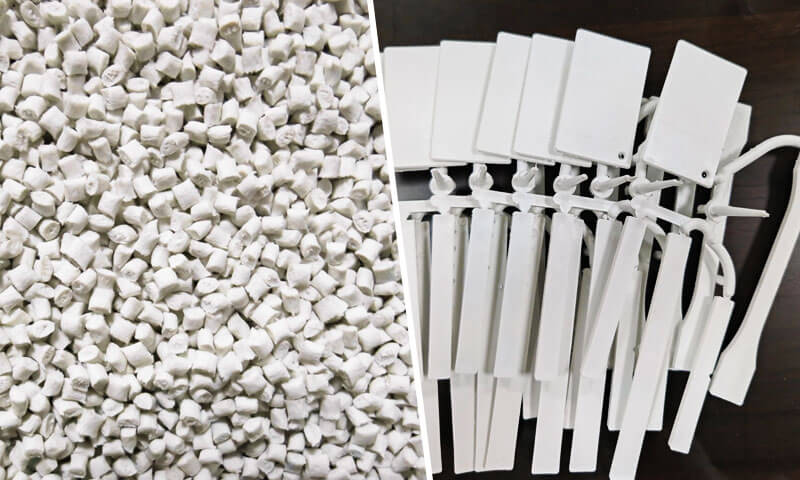
1. Introduction Polypropylene (PP) is a semicrystalline thermoplastic polyolefin notable for low density, broad chemical resistance, and cost-effective processing. It exists as isotactic homopolymer and as several copolymer families; additives

Read More »
Six High-Temperature Alloys

Six High-Temperature Alloys

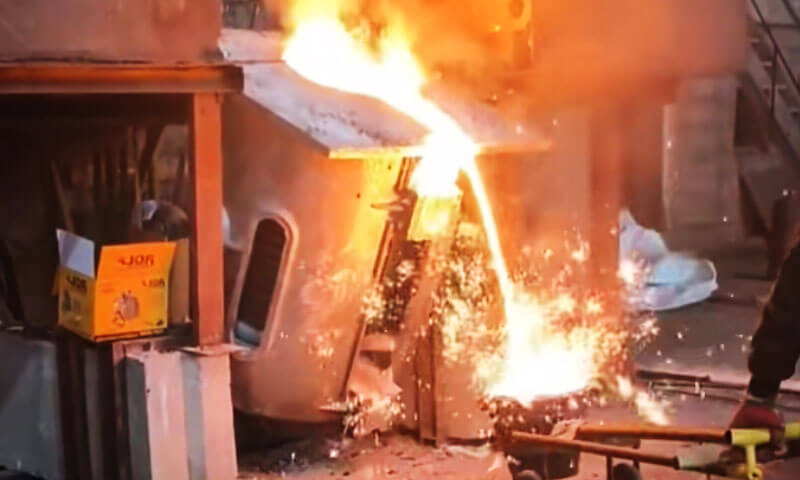
In advanced industrial systems—gas turbines, reheating furnaces, chemical reactors and aerospace hardware—materials are routinely expected to survive extreme thermal and chemical environments while retaining strength, dimensional stability and resistance to

Read More »
Common Defects in Cast Aluminum Parts

Common Defects in Cast Aluminum Parts

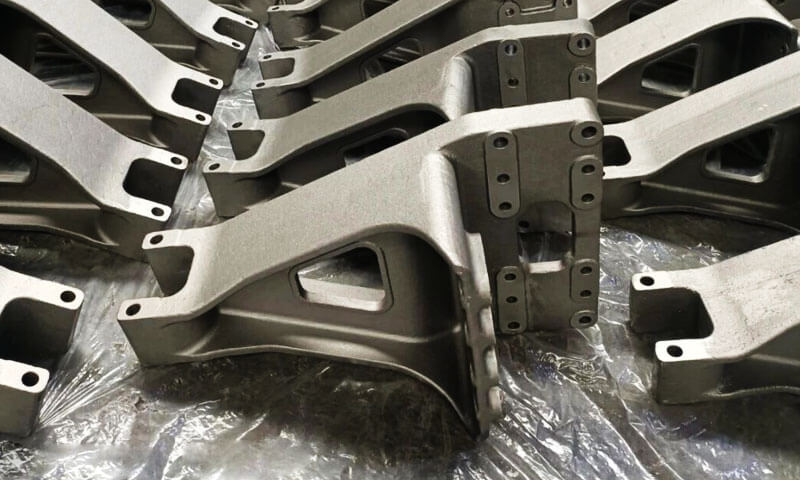
1. Introduction Aluminum alloys are widely cast in sand, permanent mold, die, gravity or investment processes for automotive, aerospace, consumer and industrial applications. Compared with ferrous castings, aluminum presents specific

Read More »
Polyethylene PE Material

What Is Polyethylene (PE)?

1. Introduction Polyethylene (PE) is a polymer produced by polymerisation of the monomer ethylene (CH₂=CH₂). First commercialised in the 1930s, PE is now available in multiple engineered forms whose properties

Read More »
Scroll to Top

Get Instant Quote

Please fill in your information and we will contact you promptly.