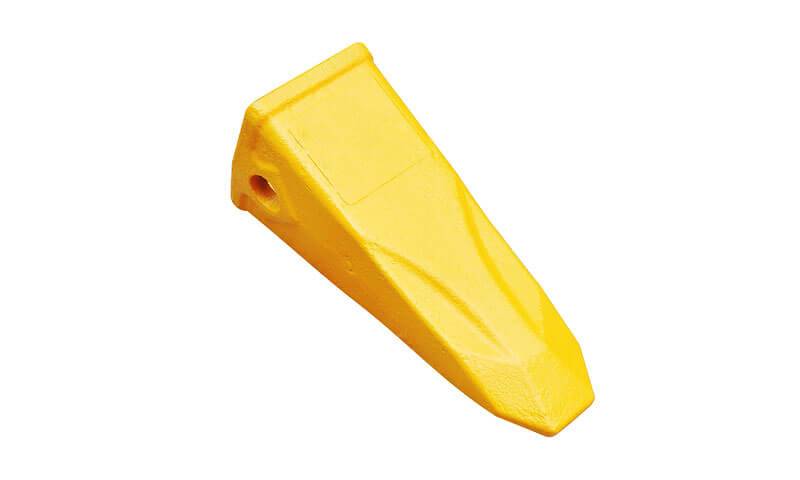
Titanium Investment Casting
1. Introduction Titanium investment casting occupies a unique position in advanced manufacturing. It is not merely a metal-forming process; it is a precision engineering solution for components that must combine
Welcome to our blog for insights into different manufacturing processes.

1. Introduction Titanium investment casting occupies a unique position in advanced manufacturing. It is not merely a metal-forming process; it is a precision engineering solution for components that must combine

1. Introduction “Red rust” on stainless steel is often mistaken for a purely cosmetic defect, but in many industrial systems it is much more than a surface stain. In pharmaceutical

Brass CNC machining is one of the most efficient forms of precision metalworking because brass combines excellent machinability, useful strength, corrosion resistance, and attractive surface character in a single material

Introduction Alloy steel investment casting is a precision manufacturing route that combines the near-net-shape capability of investment casting with the mechanical, wear, corrosion, and temperature performance of alloyed steels. In

Introduction In investment casting, the molten alloy may be identical, the ceramic shell may be identical, and the pouring conditions may even appear identical. Yet the final castings can be

Introduction In investment casting, melting is only half of the story. The real transformation begins when the molten alloy enters the ceramic shell and starts to lose heat. At that

1. Introduction Copper CNC machining occupies a special place in manufacturing because copper combines exceptional electrical and thermal conductivity with broad industrial usefulness. Copper is widely used in electrical contacts,

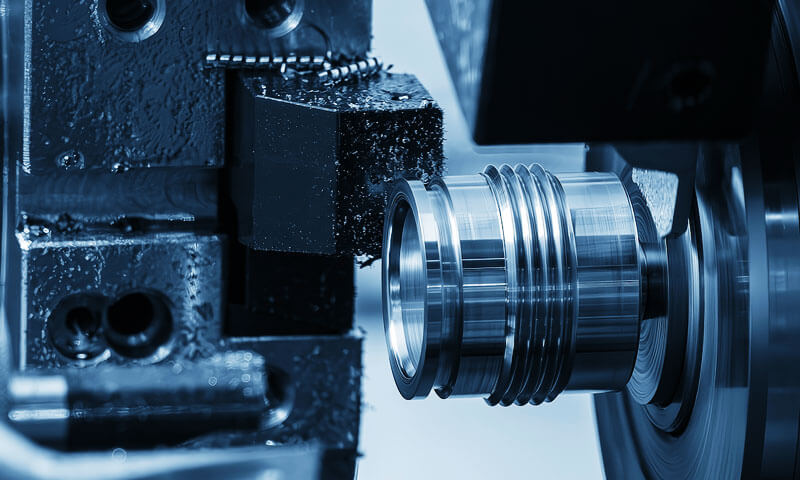
1. Introduction Titanium CNC machining sits at the demanding end of precision manufacturing because titanium combines outstanding service performance with unusually difficult cutting behavior. Titanium alloys are used in aerospace,

1. Introduction Aluminum CNC machining occupies a central position in modern manufacturing because it combines a highly workable material system with the precision, repeatability, and geometric freedom of computer numerical

1. Introduction CNC machining stainless steel is a foundational capability in modern manufacturing because stainless steels combine corrosion resistance, strength, and long service life with the geometric precision that CNC

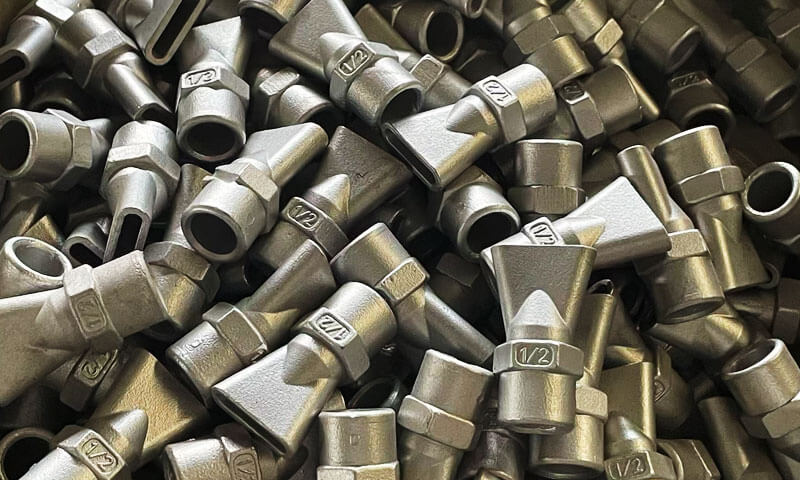
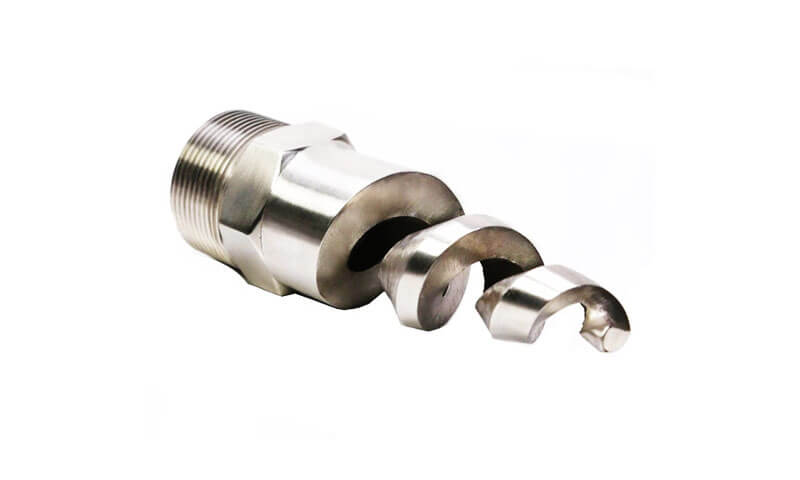
1. Introduction Industrial nozzles are far more than simple outlets for fluids. In petrochemical plants, aerospace systems, food processing lines, marine equipment, hydraulic assemblies, and precision spraying devices, nozzles play

Introduction Among the many defects that can appear in investment casting, sand inclusion and sand hole are especially frustrating because they often originate from small process lapses that multiply into

Introduction Intergranular corrosion (IGC), also called intergranular attack (IGA), is a localized form of corrosion that progresses preferentially along grain boundaries rather than through the grain interiors. In practical terms,

1. Why Shrinkage Deserves Serious Attention? Shrinkage is one of the most fundamental phenomena in casting, yet it is also one of the most frequently underestimated. In investment casting, it

1. Introduction UNS C86300 and UNS C95400 are both cast copper alloys used in demanding mechanical service, but they are built around very different design philosophies. C86300 is a manganese

1. Introduction UNS C86300 is one of the most distinctive copper alloys in industrial service because it is designed not for electrical conductivity or easy machining, but for high strength,

1. Introduction UNS C36000 (Free-Cutting Brass) and UNS C35300 (High-Leaded Brass) both belong to the wrought leaded brass family, and both are designed for good machinability, corrosion resistance, and efficient

In investment casting, deoxidation is often treated as a routine step: add deoxidizers, skim the slag, pour the heat, and hope the casting comes out clean. Yet in practice, when

1. Introduction ZAMAK 5 is one of the most established zinc die-casting alloys in modern industry. It belongs to the conventional zinc alloy family rather than the higher-aluminum ZA group,

1. Introduction Grade 5 and Grade 23 are the two best-known members of the Ti-6Al-4V family, but they are not interchangeable by default. Titanium Grade 5, commonly identified as Ti-6Al-4V

1. Introduction Titanium, a transition metal with atomic number 22 and symbol Ti, stands out in the material science landscape for its unique combination of low density, exceptional corrosion resistance,
Copyright © 2024 LangHe Industry Co., Ltd.2026
Powered by LangHe Industry Co., Ltd.2026
Please fill in your information and we will contact you promptly.