1. Introduktion
Nickelbaserade superlegeringar är arbetshästarna för modern högtemperatur- och korrosiv serviceteknik.
Två av de mest använda är Ocny 718 (US N07718) och Ocny 625 (US N06625).
Båda är nickel-kromlegeringar, men de konstruerades för olika primära prestationsmål: 718 för mycket hög hållfasthet och kryp-/utmattningsmotstånd i intervallet 400–700 °C, och 625 för exceptionell korrosions-/oxidationsbeständighet och stabilitet vid hög temperatur.
Den här artikeln jämför dem från metallurgi till applikation, tillhandahåller data och praktisk vägledning så att ingenjörer kan välja rätt legering för ett givet serviceomslag.
2. Varför jämföra dessa två legeringar?
Vid första anblicken, Ocny 718 och Ocny 625 är båda "nickel superlegeringar,” men den likheten motsäger fundamentalt olika designfilosofier och felmode-envelopper.
Att jämföra dem är inte akademiskt – det är ett praktiskt tekniskt steg som direkt bestämmer säkerhetsmarginalerna, inspektionsintervaller, tillverkningskostnad och ekonomi för hela livet.
Olika designavsikter, olika styrkor
- Ocny 718 var medvetet konstruerad för mekanik: det är en nederbördshärdande legering optimerad för att producera en mycket fin, koherent dispersion av γ″/γ′-fällningar efter lösning + åldrande.
Resultatet är exceptionell drag- och sträckgräns, mycket bra utmattningsprestanda, och starkt krypmotstånd i ungefär 400–700 ° C räckvidd.
Den kombinationen är därför 718 är allestädes närvarande i roterande maskineri, högbelastningsfästen, turbinkomponenter och strukturella föremål för flyg- och rymdfart där cykliska mekaniska spänningar och uppehållsbelastningar dominerar brottspektrat. - Ocny 625 konstruerades för miljöstabilitet: hög I + Mo + Bent nivåer producerar markerade korrosions- och oxidationsbeständighet i fast lösning, tillsammans med mikrostrukturell stabilitet vid förhöjda temperaturer.
625 är därför det logiska valet när de främsta farorna är kemisk attack, gropfrätning/spaltkorrosion, klorid-inducerad SCC, eller mycket aggressiva oxiderande atmosfärer, och där omfattande svets- eller fältreparationer förväntas.
3. Vad är Inconel 718?
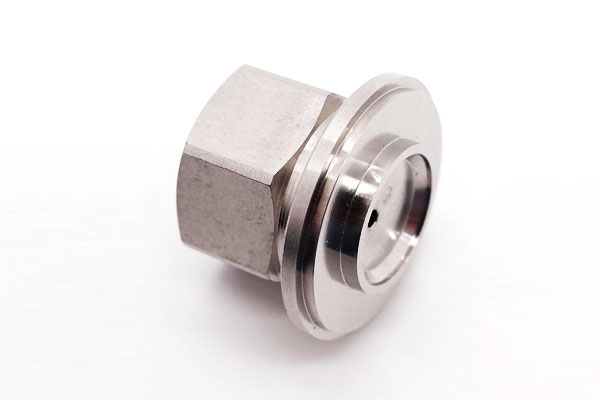
Ocny 718 (Oss N07718) är en nickel-krom-järn-superlegering som konstruerades som en höghållfast, högtemperatur konstruktionsmaterial.
Dess definierande egenskap är att det är det nederbördshärdbar: efter lösningsbehandling och en kontrollerad åldringscykel fälls den ut fint,
koherent Ni3Nb (C ″) och Ni3(Al,Av) (C ′) partiklar som ger mycket hög sträck- och draghållfasthet samtidigt som de bibehåller användbar duktilitet och brottseghet.
På grund av den kombinationen - plus god oxidationsbeständighet - 718 är ett standardval för mycket belastade delar inom flyg- och rymdindustrin, kraftproduktion, olja & gas- och rymdtillämpningar.
Nyckelfunktioner
- Nederbördshärdning för exceptionell styrka.
När den är ordentligt värmebehandlad, 718 utvecklar en tät dispersion av γ″/γ′-fällningar.
Typiska toppåldrade draghållfastheter är i ~1,2–1,4 GPa räckvidd och 0.2% ge styrkor runt ~1,0–1,1 GPa (värden beror på produktform och temperament).
Detta gör 718 en av de starkaste åldringshärdande Ni-baserade legeringarna som kan användas vid förhöjda temperaturer. - Bra kryp- och utmattningsmotstånd vid medelhöga temperaturer.
Dess designade servicefönster är ungefär 200–700 ° C; 718 bibehåller överlägsen kryp-/brottlivslängd och utmattningsuthållighet i det bandet jämfört med legeringar med fast lösning. - Balanserad seghet och duktilitet för strukturell användning.
Trots hög styrka, toppbehandlad 718 bibehåller fungerande förlängning (allmänt >10% beroende på skick) och brottseghet tillräcklig för roterande och lastbärande delar. - Acceptabel korrosions- och oxidationsbeständighet.
Dess Cr/Ni-balans ger rimlig motståndskraft mot oxidation och många industriella atmosfärer, fast gropfrätning och klorid-inducerad SCC-resistens är sämre än high-Mo-legeringar (TILL EXEMPEL., Ocny 625). - Formfaktorer & leveransformulär.
Allmänt tillgänglig som smide, bar, tallrik, ark, rör och investeringsgjutgods. Flyg- och rymdtillämpningar använder ofta smidda eller smidda former med strikt metallurgisk kontroll. - Tillverkningsöverväganden.
718 är svetsbar, men svetsning förändrar den åldershärdande mikrostrukturen; eftersvetslösning och åldringsbehandlingar krävs vanligtvis för kritiska, höghållfast komponenter.
I åldern 718 är relativt svår att bearbeta; Tillverkarna levererar den ofta lösningsbehandlad för tillverkning och åldras sedan efter slutlig bearbetning. - Typiska applikationer (belysande): turbinskivor och axlar, höghållfasta fästelement och bultar, raketmotorstrukturer, varmsektionskomponenter som kräver både styrka och seghet.
4. Vad är Inconel 625?
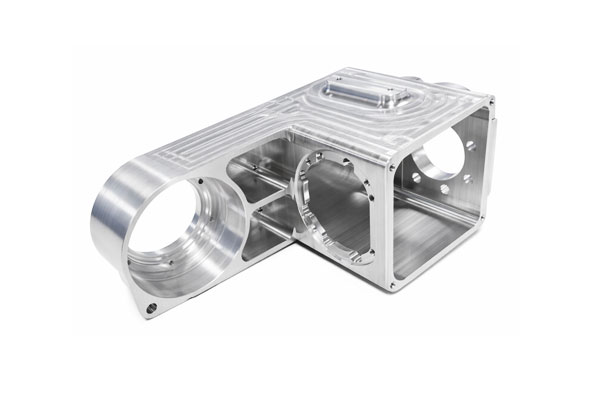
Ocny 625 (Oss N06625) är en hög nickelhalt, högmolybden, niob-stabiliserad legering formulerad för exceptionell korrosionsbeständighet och termisk stabilitet.
Till skillnad från 718, 625 får sin prestation i första hand genom solid-lösning förstärkning (hög Ni-halt med Mo/Nb-tillsatser) snarare än genom en nederbördshärdande väg.
Legeringen är känd för att motstå gropfrätning, spaltkorrosion och kloridspänningskorrosionssprickor; det är också lätt att svetsa och tillverka, vilket har gjort det till en arbetshäst inom kemisk bearbetning, undervattens- och kärnkraftsmiljöer.
Nyckelfunktioner
- Enastående korrosionsmotstånd.
Högt Ni + Mo + Nb kemi ger utmärkt resistens mot grop, spaltkorrosion och klorid SCC, och stark prestanda i många reducerande och oxiderande syror och havsvattenmiljöer.
Detta gör 625 ett standardval där korrosion driver felrisk. - Stabilitet i fast lösning & oxidationsbeständighet vid hög temperatur.
Den stabila austenitiska matrisen motstår fasförändringar och spröda intermetalliska material över ett brett temperaturområde.
625 anges ofta var kemisk stabilitet eller oxidationsbeständighet vid förhöjda temperaturer krävs (service upp till ~900 °C i vissa oxidationsmiljöer,
även om det är långvarigt bärande (krypa) förmågan är lägre än 718 i 400–700 °C-bandet). - Utmärkt svetsbarhet och reparerbarhet.
625 är förlåtande mot smältsvetsning och typiskt kräver inte eftersvetsåldring att återvinna egendomar, förenkla tillverkning och fältreparationer.
Det används vanligtvis som svetsfyllmedel eller för beklädnads-/överläggsapplikationer när korrosionsbeständighet krävs på ett strukturellt annorlunda underlag. - Bra duktilitet och seghet.
I glödgat skick 625 visas vanligtvis förlängningar ~30% och måttlig hårdhet (≤~240 HB), underlättar formning och bearbetning jämfört med härdad 718. - Formfaktorer & leveransformulär.
Finns lätt i plåt, rör, bar, rör, svetstillsatser och gjutna former; används ofta för beklädnad och korrosionsbeständiga foder. - Typiska applikationer (belysande): undervattensventiler och beslag, kemisk process värmeväxlare och rörledningar, kärnkomponenter, avgaskomponenter och beklädnad för korrosionskänsliga delar.
5. Kemi & metallurgi — vad gör att varje legering tickar
Detta avsnitt ger det praktiska, kemi på ingenjörsnivå för Ocny 718 och Ocny 625, och förklarar hur specifika element och deras interaktioner skapar legeringarnas karakteristiska mikrostrukturer och egenskaper.
Siffror är typiska sammansättningsintervall i viktprocent används av designers och inköpsingenjörer; bekräfta alltid med leverantörens certifierade kemiska analys för den batch du köper.
Ocny 718 (US N07718) — Typiskt specifikationsfönster
| Element | Typiskt sortiment (wt.%) | Anteckningar |
| I | 50.0 - 55.0 | Huvudmatriselement (austenitisk matris). |
| Cr | 17.0 - 21.0 | Oxidation och korrosionsmotstånd; stabiliserar matrisen. |
| Fe | bal. (≈ 17 - 21 typisk) | Balanselement; variabel. |
| Bent + Motståndande | 4.75 - 5.50 | Primärt förstärkande element (c″-formation). |
Mo |
2.80 - 3.30 | Förstärkare i fast lösning; bidrar till korrosionsbeständighet. |
| Av | 0.65 - 1.15 | Bidrar till γ′ och karbidkemi; arbetar med Al. |
| Al | 0.20 - 0.80 | c′ tidigare; hjälper till vid hög temperaturstyrka. |
| C | ~0,03 – 0.08 | Karbidbildare – kontrolleras för att begränsa korngränskarbider. |
Mn |
≤. 0.35 | Orenhet/ smärre legering. |
| Och | ≤. 0.35 | Rester av föroreningar/deoxidationsmedel. |
| S, P | spåra (mycket låg) | Hålls minimal för att undvika sprödhet. |
| B, Zr (spår) | mycket små ppm-nivåer | Kontrollerade spårtillskott (B ~0,003–0,01 %) kan vara närvarande för att förbättra kryp-/korngränsegenskaper. |
Ocny 625 (US N06625) — Typiskt specifikationsfönster
| Element | Typiskt sortiment (wt.%) | Anteckningar |
| I | ≥ 58.0 (balans) | Dominant matriselement (hög-Ni austenit). |
| Cr | 20.0 - 23.0 | Korrosions-/oxidationsbeständighet. |
| Mo | 8.0 - 10.0 | Större bidragande orsak till grop-/spaltmotstånd och förstärkning av fast lösning. |
| Bent + Motståndande | 3.15 - 4.15 | Nb stabiliserar karbider och förbättrar hållfastheten/korrosionsbeständigheten. |
Fe |
≈ ≤ 5.0 | Mindre balanselement. |
| C | ≤. 0.10 | Höll lågt; karbider kontrollerade. |
| Mn, Och | ≤. 0.5 varje | Mindre beståndsdelar (deoxidation och processrester). |
| N | vanligtvis mycket låg (kontrollerade) | Kväve kan kontrolleras för att förbättra hållfastheten/gropmotståndet i vissa underklasser. |
| S, P | spåra (mycket låg) | Minimerat för att undvika försprödning/segregering. |
6. Mikrostruktur & stärkande mekanismer
- 718: Åldringshärdande legering. Den huvudsakliga härdningsfasen är den metastabila Ni3Nb (C ″), med ett bidrag från Ni₃(Al,Av) (C ′).
Korrekt lösningsbehandling + åldrande ger böter, tät fällningsfördelning som stiftar dislokationer och ger hög sträck-/draghållfasthet och krypmotstånd.
Kontroll av δ-fas (ortorombisk Ni3Nb) och karbider spelar roll eftersom grova δ eller karbider minskar seghet och duktilitet. - 625: Solid lösning förstärkt med en del kortdistansbeställningar från Nb och Mo; det gör det inte förlita sig på en nederbördshärdningscykel.
Mikrostrukturen är en stabil austenit (ansiktscentrerad kubik) matris med hög Ni-halt som motstår fasomvandlingar och bibehåller seghet och duktilitet även efter svetsning eller vid förhöjda temperaturer.
Denna stabilitet hjälper också till att undvika spröda faser i många miljöer.
7. Mekaniska egenskaper: Ocny 718 mot Inconel 625
(Representant, nominella värden — bekräfta alltid med fabriks-/leverantörscertifikat för din exakta produktform och temperament.)
| Egendom | Ocny 718 (lösning behandlad & åldrig) | Ocny 625 (glödgad / typisk) |
| Oss | N07718 | N06625 |
| Densitet (g · cm⁻³) | ~8.19. | ~8.44. |
| Dragstyrka (Rm) | ≥ ~1 200–1 380 MPa typiskt (åldrig). | ~690–930 MPa (glödgad, produktberoende). |
| Avkastningsstyrka (0.2% offset) | ≥ ~1 030 MPa (åldrig) typisk. | ~275–520 MPa (glödgad, utbud beror på produkt/form). |
Förlängning |
≥ ~12 % (åldrig; tillståndsberoende). | ~ 30% (glödgat typiskt). |
| Hårdhet | ≈ 330–380 HB (värmebehandlad). | ≈ ≤240 HB (glödgad). |
| Typisk hög användningstemperatur (strukturell) | Utmärkt upp till ~650–700 °C för bärande service. | Används i varmare/oxiderande tjänster upp till ~900 °C för oxidations-/korrosionsbeständighet, men krypstyrka lägre än 718 vid måttliga temp. |
Tolkning:
718 är markant starkare i värmebehandlat tillstånd (högre sträck- och draghållfasthet), däremot 625 ger bättre duktilitet och korrosionsprestanda med rimlig hållfasthet i glödgat tillstånd.
8. Jämförelse med hög temperaturprestanda
Högtemperaturprestanda är ett sammansatt mått: oxidationsmotstånd, fasstabilitet, kort- och långsiktig styrka (krypning och bristning), termisk trötthet, och dimensionsstabilitet under termisk cykling allt materia.
| Aspekt | Ocny 718 | Ocny 625 |
| Design/strukturell temperaturfönster | Bästa strukturella användning ≈ 200–650/700 °C (nederbördshärdad styrka och krypmotstånd). | Fast lösningsstabilitet upp till högre temperaturer (~800–980 °C) för korrosions-/oxidationsservice, men lägre krypstyrka än 718 i intervallet 400–700 °C. |
| Kryp/brottstyrka | Överlägsen i intervallet 400–700 °C på grund av γ″/γ′ fällningar; beprövad långvarig krypmotstånd vid korrekt värmebehandlad. | Måttlig; bra för vissa high-T-applikationer men sämre kryphållfasthet under hög stress vs 718. |
| Termisk stabilitet / fasstabilitet | Kräver kontrollerad värmebehandling; överdriven exponering nära δ-formationsintervall (~650–980 °C) kan fälla ut δ/Laves faser som försämrar segheten. | Mikrostrukturen är mer termiskt stabil (ingen γ″-fällning att lösas upp); mindre känslig för typiska svets-/termiska cykler. |
Oxidationsmotstånd |
Bra (krombildande), men begränsad vid extrema oxiderande förhållanden jämfört med vissa högre Ni/Mo-legeringar. | Excellent, speciellt i oxiderande eller sulfidiserande atmosfärer på grund av hög Ni+Mo och stabil beläggningsbildning. |
| Termisk trötthet (cykling) | Bra när design håller temperaturen inom fällningsstabilt område; utmattningsmotstånd gynnas av hög hållfasthet. | God motståndskraft mot termisk cykling ur oxidations-/avlagringsperspektiv; lägre spänningsutmattning vid hög mekanisk belastning. |
| Typisk ingenjörskonsekvens | Använd var mekanisk livslängd (krypa, trötthet, brista) styr design. | Använd var miljöstabilitet (korrosion/oxidation vid förhöjt T) och svetsbarhetskontrolldesign. |
9. Jämförelse av värmebehandling
Värmebehandling är det enskilt viktigaste bearbetningssteget för 718 och ett relativt enkelt steg för 625.
De valda cyklerna definierar mikrostruktur, mekaniskt beteende, och långsiktig stabilitet.
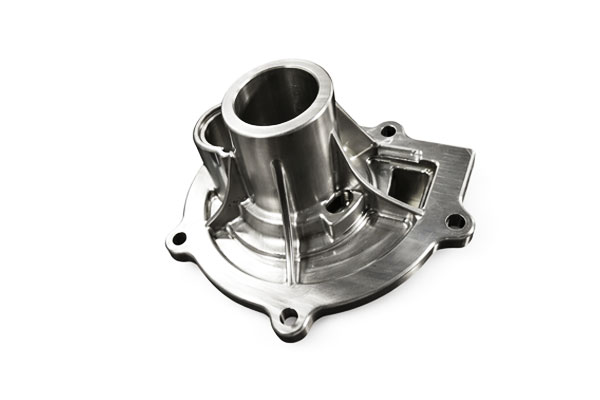
Ocny 718 (nederbörd)
- Lösningsbehandling: lösa upp oönskade Laves/δ och lösta atomer — typiskt område 980–1 020 °C (vissa specifikationer använder 1,030 ° C), hålla för att utjämna kemi, släck sedan vatten.
Detta ger en homogen y-matris med löst ämne i fast lösning. - Åldrande (tvåsteg, vanlig handelspraxis): första åldrandet kl ~720–740 °C i flera timmar, kontrollerad kylning till ~620–650 °C med ytterligare grepp, sedan luftkyla till omgivningstemperatur.
Denna sekvens producerar C ″ (N₃nb) dominanta fällningar och en del γ′.
Många OEM-tillverkare använder en standard "718 aging" som t.ex 720 ° C × 8 h → kyla till 620 ° C × 8 h → luftkyla (tider/temp varierar beroende på spec och sektionstjocklek). - Känsligheter: felaktig lösning, otillräcklig härdningshastighet, över- eller underåldring ger grova fällningar, δ-fas eller Laves som minskar seghet och utmattningsliv.
Värmebehandling efter svets (Pht) krävs ofta för att kritiska sammansättningar ska återupprätta toppegenskaper.
Ocny 625 (lösning glödgning / glödgad)
- Glödga / lösningsbehandling: vanligt för glödgning eller lösningsbehandling 625 på ≈980–1 150 °C för att lösa eventuella fällningar eller homogenisera segregering, sedan luft cool; legeringen i allmänhet kräver inte åldrande att få styrka.
- Känsligheter: 625 är tolerant mot svetsning och termiska utflykter; Undvik långvarig exponering inom områden som kan främja skadliga intermetaller om ovanliga legeringstillsatser förekommer.
För förbättrad krypning eller specifika mikrostrukturer, specialiserade underklasser eller bearbetning kan anges.
10. Korrosion, Oxidation, och miljömotstånd
- Ocny 625: enastående motstånd mot grop, spaltkorrosion och klorid-inducerad spänningskorrosion tack vare högt Ni + Mo- och Nb-nivåer.
Den motstår ett brett utbud av reducerande och oxiderande syror, havsvatten och många aggressiva medier - det är därför det är vanligt i kemisk bearbetning, undervattens- och kärntekniska tillämpningar. - Ocny 718: god allmän korrosions- och oxidationsbeständighet (bra Cr/Ni-nivåer) men inte lika motståndskraftig i sig till gropfrätning eller klorid SCC som 625. 718 används ofta där korrosionsexponeringen är måttlig men där mekanisk prestanda dominerar.
Om 718 måste användas i starkt frätande miljöer, skyddsåtgärder (beläggningar, designdetaljer) eller legeringsalternativ (625, 625 beklädnad, eller högre Mo-legeringar) övervägs.
11. Tillverkning, Svetsning, och tillverkningsbarhet
Tillverkningsbeteende driver tillverkningsbarheten, reparerbarhet, och kostnad. Nedan är praktiska, anteckningar av högt värde.
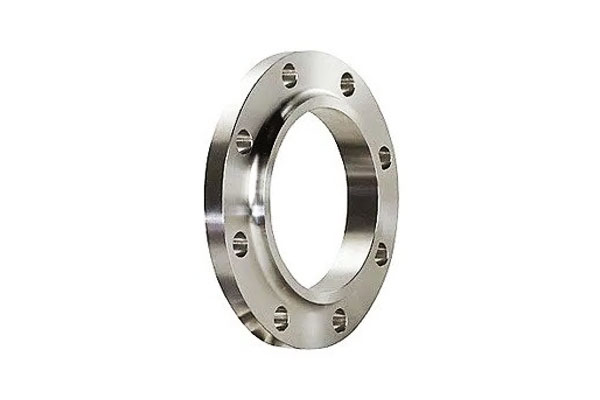
Svetsning & sammanfogning
Ocny 625
- Utmärkt svetsbarhet. Tolerant mot vanliga smältsvetsprocesser (Gtaw / turn, GMAW/MIG, Smaw).
- Fyllnadsmetall: svetsas vanligtvis med matchande Ni-Cr-Mo fyllmedel (TILL EXEMPEL., kommersiella förbrukningsvaror av ERNiCrMo-typ) för att behålla korrosionsbeständigheten.
- Ingen obligatorisk åldring: svetsar gör det i allmänhet inte kräver eftersvetsåldring för återhämtning av korrosion eller seghet; seghet och duktilitet förblir hög.
- Vanlig användning som fyllmedel/klädd: på grund av denna svetstolerans, 625 används flitigt som svetsbeläggning/beklädnad för att skydda underlag.
Ocny 718
- Svetsbar men känslig. Svetsning stör fällningsfördelningen; värmebehandling efter svets (Pht) eller åtminstone krävs ofta en lämplig åldringscykel för att kritiska delar ska återställa mekaniska egenskaper.
- Fyllnadsmetall: använd matchande Ni-Cr-Fe-Nb-fyllmedel formulerade för 718 för att minimera utspädningseffekter.
- GÖR kontroll: den värmepåverkade zonen kan bilda δ/Laves eller förgrova fällningar—kontrollera interpass temps och använd kvalificerad WPS/PQR.
- Reparationskomplexitet: fältreparationer är möjliga men måste planeras med PWHT-kapacitet om återhämtning av hållfasthet krävs.
Bearbetbarhet och formning
- Bearbetbarhet: båda är svårare att bearbeta än kolstål; 718 i åldrat/härdat tillstånd är markant hårdare.
Typisk praxis är att maskin 718 i lösningsbehandlad (mjuk) skick, utför sedan slutlig åldring. 625 (glödgad) maskiner och formar lättare.
Använd högpresterande verktyg, låga skärhastigheter, och översvämningskylning för att minimera arbetshärdning och verktygsslitage. - Formning: 625 erbjuder utmärkt duktilitet för formningsoperationer; 718 måste formas i mjukt tillstånd före åldring. Kallt arbete 718 efter åldring kan orsaka sprickbildning.
Tillsatsstillverkning (Jag är) & Pulvermetallurgi
- AM lämplighet: båda legeringarna används ofta i laser-pulverbäddfusion (Lpbf) och riktad energideposition (Djärv) processer.
-
- 718: används ofta i AM för flyg; kräver noggrann kontroll av termisk historia och lösning efter bygget + åldrande och ofta HIP för att ta bort porositet och utveckla full styrka.
- 625: populär i AM för komplexa korrosionsbeständiga komponenter; Jag är 625 kräver ofta HIP/lösning för bästa duktilitet och defektförslutning men ingen utfällning åldrande.
- AM risker: porositet, anisotropi och kvarvarande stress—specificera HIP, värmebehandling och NDT för kritiska delar.
12. Kosta, tillgänglighet och standarder
- Materialkostnad: varierar med nickel och molybden marknadspriser. På vissa marknader Inconel 625 (högre Ni & Mo) kan vara dyrare per kg än 718,
men total livscykelkostnad (inklusive underhåll och utbyte) ofta gynnar 625 när korrosiva miljöer skulle förkorta komponenternas livslängd.
Kontrollera aktuella råvarupriser och ledtider för leverantörer. - Tillgänglighet & specifikationer: båda legeringarna är standardiserade och allmänt tillgängliga i stång, förlåtelse, tallrik, rör- och svetsfyllnadsformer.
Typiska referenser: US N07718 (718) och UNS N06625 (625) och ASTM/ASME-produktspecifikationer — verifiera den specifika produktstandard som krävs för upphandling.
13. Applikationer av inconel 718 mot Inconel 625
Både Ocny 718 och Ocny 625 används i stor utsträckning inom högpresterande verkstadsindustrier.
Flyg- och luftfart
- Gasturbinskivor och kompressorrotorer (Ocny 718)
- Turbinaxlar, höghållfasta fästelement, och bultar (Ocny 718)
- Avgassystem för flygplansmotorer och komponenter för tryckomkastare (Ocny 625)
- Förbränningsfoder och kanaler utsatta för oxidation och termisk cykling (Ocny 625)
Olja & Gas- och undervattensteknik
- Högtrycksbrunnshuvudkomponenter och borrhålsverktyg (Ocny 718)
- Undervattensfästen och strukturella kopplingar som utsätts för höga belastningar (Ocny 718)
- Undervattensrörledningar, flexibla stigare, och beklädnad för offshoreutrustning (Ocny 625)
- Sjövatteninsprutningssystem, undervattensventiler, och grenrör (Ocny 625)
Kraftproduktion (Gasturbin och kärnkraft)
- Gasturbinrotorkomponenter och högtemperaturbultar (Ocny 718)
- Ångturbinfästen och strukturella stöd (Ocny 718)
- Värmeväxlarslang, bälg, och expansionsfogar (Ocny 625)
- Kärnreaktorns kylvätskesystem rörledningar och strukturella komponenter (Ocny 625)
Kemisk bearbetning och petrokemisk industri
- Reaktorns inre delar och höghållfasta fästelement som utsätts för termisk cykling (Ocny 718)
- Tryckkärlskomponenter som kräver strukturell tillförlitlighet (Ocny 718)
- Syrahanteringsutrustning, pumps, och ventiler (Ocny 625)
- Värmeväxlarrör och kemisk processrör (Ocny 625)
Marin och offshore infrastruktur
- Höghållfasta marina fästen och kopplingar (Ocny 718)
- Subsea strukturell hårdvara utsatt för cykliska belastningar (Ocny 718)
- Sjövattenexponerade komponenter som pumpaxlar och propellerelement (Ocny 625)
- Rörsystem för offshoreplattformar och korrosionsbeständig beklädnad (Ocny 625)
Fordon och högpresterande motorsporter
- Turboladdare med turbinhjul och höghållfasta avgasfästen (Ocny 718)
- Racingmotorventilkomponenter och strukturell avgashårdvara (Ocny 718)
- Avgassystem och termiska skärmningskomponenter (Ocny 625)
- Högtemperaturrör och grenrör (Ocny 625)
Additiv tillverkning och avancerad teknik
- Komplexa konstruktionsdelar för flyg- och rymdindustrin tillverkade av additiv tillverkning (Ocny 718)
- Höghållfasta gallerstrukturer och turbinkomponenter (Ocny 718)
- Korrosionsbeständiga AM-komponenter för kemisk processutrustning (Ocny 625)
- Anpassade värmeväxlare och flödesvägskomponenter (Ocny 625)
14. Ocny 718 mot Inconel 625 — Nyckelskillnader
Anteckningar: värdena är representativa tekniska intervall från typiska leverantörsdatablad och ingenjörsreferenser.
Bekräfta alltid exakt sammansättning, mekaniska data och värmebehandlingsscheman från leverantörens MTR och tillämpliga specifikationer före slutlig design eller upphandling.
| Ämne | Ocny 718 | Ocny 625 |
| Primär designavsikt | Hög strukturell styrka, krypa & utmattningsmotstånd i ~200–700 °C-bandet (fällningshärdande legering). | Korrosion / oxidationsmotstånd och miljöstabilitet vid hög temperatur; Solid-lösning förstärkt. |
| Oss | US N07718 | US N06625 |
| Förstärkningsmekanism | Nederbörd härdning | Stärkning av fast lösning |
| Typisk draghållfasthet (Rm) | ~1 200–1 380 MPa (toppåldrad; produktberoende). | ~690–930 MPa (glödgad; produktberoende). |
| Typisk sträckgräns (0.2% offset) | ~1 000–1 100 MPa (åldrig). | ~275–520 MPa (glödgad; brett sortiment efter produkt). |
| Hårdhet (typisk HB) | ~330–380 HB (åldras/härdas). | ≤ ~240 HB (glödgad). |
Densitet |
~8.19 g · cm⁻³ | ~8.40–8,44 g·cm⁻³ |
| Användbar strukturell temperatur | Bästa strukturella/cykliska service upp till ~650–700 °C. | God miljöstabilitet/oxidationsbeständighet mot högre temperaturer (~800–980 °C), men lägre kryphållfasthet under hög belastning. |
| Krypa / bristningsprestanda | Överlägsen i intervallet 400–700 °C (designad för krypmotstånd). | Måttlig; fungerar bra för korrosions-/oxidationsstabilitet men sämre kryphållfasthet vs 718 vid måttlig T. |
| Grop / skreva / kloridmotstånd | Bra general korrosionsbeständighet men mindre motståndskraftig till gropfrätning/SCC vs high-Mo legeringar. | Excellent grop-/spalt- och klorid-SCC-beständighet (hög Mo + I + Bent). |
Oxidationsmotstånd |
Bra (krom bildas), men mindre robust i de hårdaste oxiderande/sulfidiseringsatmosfärerna vs 625. | Utmärkt oxidations- och sulfideringsbeständighet i många aggressiva atmosfärer. |
| Svetbarhet / reparera | Svetsbar men känslig — Svetsning stör utfällningar; PWHT och kontrollerat åldrande krävs ofta för kritiska delar. | Utmärkt svetsbarhet; behåller seghet och korrosionsbeständighet efter svetsning; används ofta som fyllmedel/klädd. |
| Tillverkning / bearbetbarhet | Svårt i åldrigt tillstånd; typiskt bearbetad i lösningsbehandlad (mjuk) skick sedan åldras. | Mer formbart och lättare att forma/bearbeta i glödgat skick; gynnsam för fältreparationer. |
Krav på värmebehandling |
Kritisk: lösningsbehandling + kontrollerat åldrande (åldrande i två steg) att utveckla γ″/γ′. | Används vanligtvis glödgat/löst; ingen nederbörd åldras krävs för tjänstefastigheter. |
| Typiska branscher / komponenter | Aerospace roterande delar, turbinskivor, höghållfasta fästelement, raketkomponenter, högbelastningsaxlar. | Kemisk processutrustning, undervattensventiler/grenrör, värmeväxlarrör, beklädnad/överlägg, kärnkomponenter. |
| Fördelar | Mycket hög sträck-/draghållfasthet; utmärkt trötthet och kryplivslängd i avsett T-område. | Enastående korrosions-/gropmotstånd; enkel svetsning/reparation; termisk/oxidationsstabilitet. |
Begränsningar |
Mindre motståndskraftig mot aggressiva kloridmiljöer; tillverkning kräver exakt värmebehandling; högre bearbetningssvårigheter i äldre tillstånd. | Lägre maximal strukturell styrka och krypliv vid måttliga temperaturer vs 718; något högre råvarukostnad på grund av Ni/Mo-innehåll. |
| När ska man välja | När mekanisk livslängd (krypa, trötthet, stress-ruptur) är det styrande felläget. | När miljöangrepp (gropbildning/spricka/SCC, oxidation) eller tillverkning/svetsbarhet är styrande. |
| Hybridstrategi | Ofta ihopkopplad med 625 beklädnad/insatser där korrosionsexponering finns men 718 krävs strukturellt. | Används ofta som beklädnad eller fyllmedel över strukturella underlag (inklusive 718 kärnor) för korrosionsskydd. |
15. Slutsatser
Kort svar: Det finns ingen "bättre" legering - Ocny 718 och Inconel 625 briljera på olika problem.
Välja 718 när mekanisk livslängd (styrka, trötthet och krypning) är den dominerande designdrivkraften; välja 625 när miljömotstånd (gropbildning/spricka/SCC, oxidation) och tillverkning/svetsbarhet är dominerande.
Där båda kraven finns, använd en hybridlösning (TILL EXEMPEL., 718 strukturell kärna + 625 beklädnad/inlägg) eller utvärdera alternativa legeringar konstruerade för det kombinerade kravet.
Vanliga frågor
Vilken legering är bättre för turbinskivor och högt belastade fästelement?
Ocny 718. Dess nederbördshärdande (c″/c′) mikrostruktur ger mycket överlägsen avkastning, drag- och kryp-/utmattningsprestanda i ~200–700 °C-bandet.
Vilken legering ska jag välja för undervattensventiler och sjövattenservice?
Ocny 625. Högt Ni + Mo + Nb-kemi ger utmärkt motståndskraft mot gropfrätning, spaltkorrosion och klorid SCC i havsvattenmiljöer.
Kan jag svetsa Inconel 718 utan värmebehandling efter svetsning?
Du burk svetsa den, men för höghållfasta tillämpningar svetsning stör nederbördstillståndet.
För kritiska komponenter, kontrollerad PWHT (lösning + åldrande) krävs ofta för att återställa specificerade egenskaper.
Vilken legering motstår spänningskorrosionssprickor bättre?
625 uppvisar i allmänhet bättre resistens mot kloridinducerad SCC än 718.
Dock, SCC-resistansen beror på temperaturen, stress, yttillstånd och miljö – testning rekommenderas för kritiska tjänster.
Är en hybrid metod (718 kärna + 625 klädd) praktisk?
Ja — en vanlig ingenjörslösning: använda 718 för bärande konstruktion och 625 överdrag/beklädnad eller inlägg för att skydda utsatta ytor från korrosiva angrepp.
Säkerställ metallurgisk kompatibilitet och kvalificerade svets-/beklädningsprocedurer.
Vilken legering är bättre för additiv tillverkning (Jag är)?
Båda används i AM. 718 är vanligt för höghållfasta Aerospace-delar men kräver noggrann lösning efter bygget + åldrande (och ofta HIP).
625 är populär för korrosionsbeständiga AM-delar och behöver vanligtvis HIP/lösning för full densitet men ingen åldring.