


중장비 주조는 복잡한 형상을 결합한 부품을 만들기 위해 용융 금속을 금형에 부어 생산되는 구조적 및 기능적 구성 요소입니다., 높은 기계적 강도, 대규모로 비용 효율적인 생산.
건설 등 산업에 없어서는 안 될 필수품이다., 채광, 농업, 레일, 해양 및 에너지.
적절한 재료 선택, 캐스팅 과정, 열 및 기계적 후처리, 엄격한 품질 관리를 통해 서비스 수명과 수명주기 비용이 결정됩니다..
1. 중장비 주조란 무엇입니까?
중장비 주조품은 주조 공정을 통해 생산된 거의 그물 모양의 금속 부품입니다. (예를 들어, 모래 주조, 잃어버린 폼 캐스팅, 투자 캐스팅, 원심 캐스팅) 이동식 또는 고정식 중장비의 구조적 또는 기능적 하중 지지 서비스용으로 고안되었습니다..

독특한 특징
- 크기 & 규모. 질량은 일반적으로 수십 킬로그램에 이릅니다. (예를 들어, 소형 기어박스 하우징 ≒ 50 kg) 최대 수 톤 (대형 광산 트럭 프레임 및 밀 하우징 - 수십~수백 톤).
대형 어셈블리의 경우 선형 치수는 일반적으로 수 미터를 초과합니다.. - 내하중 기능. 이 부품은 정적 및 동적 하중을 전달합니다. (굽힘, 비틀림, 축방향 힘과 충격) 따라서 통제된 힘의 조합이 필요합니다., 인성과 강성.
일반적인 구성 요소에는 붐이 포함됩니다., 프레임, 주택, 커플러 및 허브. - 환경 탄력성. 먼지에 노출되도록 설계됨, 수분, 부식성 화학 물질 (비료, 염류),
연마재 및 넓은 온도 범위 (예시 서비스 창: −40°C ~ +150 ° C; 극단적인 경우에는 특수 합금이나 표면 보호가 필요할 수 있습니다.). - 디자인 균형 - 비용 대 내구성. 주조는 단순한 용접 용접물보다 부품당 생산 비용이 더 많이 들지만 통합된 형상을 제공합니다.,
조립 횟수 감소 및 용접 가랑이 제거 (일반적인 균열 발생 장소), 결과적으로 많은 중부하 작업에 대한 현장 수명이 길어지고 총 소유 비용이 낮아집니다..
대표적인 성과목표 (전형적인, 응용 프로그램별)
- 인장 강도 (Rm): 구조용 주조 부품: ≥ 400 MPA (연성 철에 공통, 중간 강도의 주강);
스트레스가 많은 구성 요소 (크레인 후크, 눈을 들어 올리다): 최대 700–900MPa 담금질을 위해 & 강화 합금강. - 충격 강인함 (Charpy v): 지정하십시오 온도에서의 절대 에너지, 예를 들어, ≥ 20 −20°C에서 J (“CVN ≥ 20 J @ −20°C”), ASTM E23에 따라 승인됨 / ISO 148.
- 내마모성: 경도 또는 표준화된 마모 테스트를 정의합니다.; 예를 들어, 브리넬 경도 HB ≥ 200 내마모성 부품용, 또는 지정 ASTM G65 모래-고무 바퀴 질량 손실 한계.
- 치수 안정성 / 공차: 대형 구조용 주물은 일반적으로 허용됩니다. 미터당 ±1~3mm 기능 중요도에 따라;
더 엄격한 공차 지정 (예를 들어, ± 0.1–0.5 mm) 마무리 가공 후 정밀 장착 표면에만 해당.
2. 시장 & 중장비 주물의 응용
중장비 주조는 다양한 중장비 응용 분야에 사용됩니다.:

- 건설 & 토공사: 버킷, 붐, 커플러, 핀 하우징.
- 채광: 크러셔 조, 연삭 매체, 밀 하우징.
- 농업: 쟁기, 기어 하우징, 트랙터 부품.
- 레일 & 수송: 커플러, 브레이크 구성 요소, 트럭 프레임.
- 선박 & 난바다 쪽으로 부는: 프로펠러 허브, 펌프 케이싱, 방향타 주식.
- 발전 & 기름 & 가스: 터빈 하우징, 밸브 바디, 펌프 케이싱.
각 부문마다 고유한 요구 사항이 적용됩니다.: 광산에서의 내마모성과 충격 인성; 해양 내식성; 철도의 피로 내구성; 유압 및 회전 장비의 엄격한 공차와 매끄러운 마감.
3. 공통 재료 선택 - 중장비 주물
주철
- 회색 주철 (미군 병사)
-
- 사용 이유: 우수한 댐핑, 좋은 압축 강도, 저렴한 비용, 크고 복잡한 형상에 대한 주조가 용이함.
- 일반적인 용도: 기계 기지, 주택, 비구조적 덮개.
- 속성: 적당한 인장 강도, 좋은 가공 가능성, 약한 연성/인성.
- 연성이 있는/구절성 주철 (sg / 연성 철, ASTM A536)
-
- 사용 이유: 강철보다 저렴한 비용으로 강도와 인성을 겸비한 제품; 흑연 회전 타원체는 연성을 제공합니다.
- 일반적인 용도: 커플 링, 특정 구조용 주물, 기어, 중부하 부품.
- 속성: 좋은 피로 저항, 주의해서 용접 가능, 오스템퍼링에 반응한다 (아디) 더 높은 성능을 위해.
- 압축 흑연 철 (CGI)
-
- 사용 이유: 회주철과 연철 사이 - GI보다 강도와 피로도가 더 좋음, 연성철보다 열전도율이 더 좋다.
- 일반적인 용도: 엔진 블록, 진동 감쇠와 강도가 필요한 중간 응력 구조 부품.
- 흰색 철 & 합금 백철
-
- 사용 이유: 매우 단단하고 내마모성 (종종 열처리에 의해 표면이 경화됨), 합금/처리하지 않으면 부서지기 쉽습니다..
- 일반적인 용도: 밀 라이너, 크러셔 조, 마모가 심한 인서트 (교체 가능한 마모 부품으로 주조 가능).
주강
- 탄소 & 저합금 주강 (예를 들어, ASTM A216 WCB, A350 L0 등)
-
- 사용 이유: 철보다 인장 강도와 인성이 더 높습니다.; 더 나은 충격 및 피로 행동; 용접 가능하고 수리 가능.
- 일반적인 용도: 구조적, 압력 하우징, 크레인 후크, 로드가 많은 프레임.
- 합금 주강 (CR-MO, In-CR-I, 등.)
-
- 사용 이유: 고강도를 위한 맞춤형, 온도 상승, 마모 또는 충격 저항. 고강도/인성 조합으로 열처리 가능.
- 일반적인 용도: 담금질 & 높은 응력을 받는 응용 분야의 강화 부품.
특별한 합금 & 스테인리스
- 오스테나이트 및 페라이트계 스테인리스 주물 (CF8/CF8M, ASTM A351 / A743)
-
- 사용 이유: 부식 저항 (해수, 화학적 노출), 좋은 연성.
- 일반적인 용도: 펌프 하우징, 해양 부품, 부식성 환경 구조 조각.
- 이중 & 초 이중 (예를 들어, 2205, 2507 이와 동등합니다)
-
- 사용 이유: 오스테나이트계 스테인리스보다 강도가 높고 염화물 응력 부식 균열에 대한 저항성이 우수합니다.; 부식시 사용 + 힘이 요구된다.
- 일반적인 용도: 해수장비, 해양 부품.

- 고니켈 & 열 내성 합금 (Hastelloy, Inconel, 합금 20, 등.)
-
- 사용 이유: 뛰어난 부식성 또는 고온 저항성; 고가 - 필요한 경우에만 사용.
- 일반적인 용도: 화학적 처리, 심각한 부식성 환경, 고온 하우징.
엔지니어링 & 복합적인 접근 방식
- 오류가 많은 연성 철 (아디) - 연성 철 베이나이트 매트릭스로 처리됨 (더 높은 강도 + 내마모성).
- 백철 오버레이, 하드 페이싱, 세라믹/금속 라이닝 — 벌크 주조를 더 강하고 저렴하게 유지하면서 마모 영역에 매우 높은 내마모성을 제공하는 데 사용됩니다..
- 기능적으로 등급이 매겨진 주물 또는 바이메탈 주물 — 견고한 모재와 단단한 표면 합금 또는 교체 가능한 마모 인서트를 결합합니다..
일반적인 기계적 특성 범위 - 예시 표
값은 지표입니다.. 최종 설계에서는 인증된 MTR/테스트 데이터와 공급업체별 열처리 결과를 사용해야 합니다..
| 재료군 | 일반적인 인장 Rm (MPA) | 연장 (%) | 전형적인 경도 (HB) | 전형적인 사용 |
| 회색 주철 (ASTM A48) | 150–350 | 0.5–2 | 120–260 | 주택, 기지 |
| 연성 철 (ASTM A536) | 400–700 | 2–18 | 140–260 | 구조용/중형 부품 |
| 오류가 많은 연성 철 (아디) | 700–1,100 | 2–6 | 200–350 | 고강도 + 부품을 착용하십시오 |
| 압축 흑연 철 (CGI) | 350–600 | 1–8 | 160–280 | 엔진 블록, 구조적 |
| 백색/합금 백색 철 | 300–900 (다루기 힘든) | <1 | 400-700+ | 연마 라이너, 입 부분 |
| 탄소/저합금 주강 | 400–800 | 8–20 | 150–320 | 구조적, 압력 부품 |
| 담금질 & 강화 합금강 | 700-1,300 | 8–18 | 250–450 | 응력이 높은 후크, 샤프트 |
| 오스테나이트계 스테인리스 주물 (CF8/CF8M) | 450–700 | 20–45 | 120–250 | 부식 환경 |
| 듀플렉스/슈퍼듀플렉스 | 600–1,000 | 10–25 | 200–350 | 해수, 난바다 쪽으로 부는 |
4. 캐스팅 프로세스 & 기술
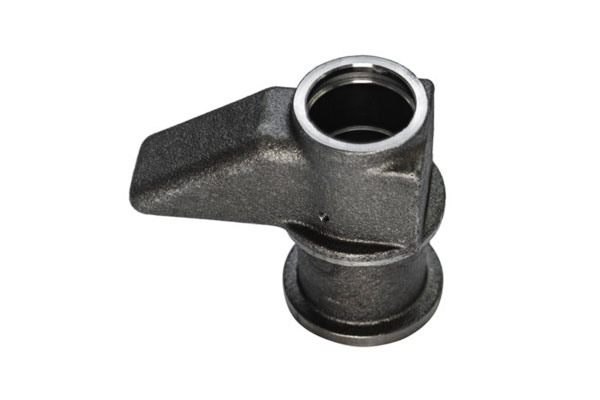
올바른 주조 공정을 선택하는 것은 중장비 부품을 생산하는 데 있어서 가장 초기이자 가장 중요한 선택 중 하나입니다..
선택에 따라 달성 가능한 형상이 결정됩니다., 야금 품질, 표면 마감, 치수 공차, 툴링 비용 및 리드 타임 - 이는 열처리에 대한 다운스트림 요구 사항에 큰 영향을 미칩니다., 가공 및 NDT.
주요 프로세스 동인
캐스팅 경로를 선택할 때, 이러한 주요 동인에 무게를 두세요:
- 부품 크기 및 무게 (kg → 톤), 하나의 부품이 필요한지 아니면 여러 개의 어셈블리가 필요한지 여부.
- 기하학적 복잡성 (언더컷, 얇은 웹, 내부 공동).
- 재료군 (철 vs 비철; 스테인리스, 이중, 니켈 합금).
- 필요한 기계적 성질 (강인함, 피로, 마모 영역).
- 치수 공차 & 표면 마감 (주조된 페이스와 마무리 가공된 페이스).
- 생산량 & 단가 (툴링 상각).
- 검사 및 야금 청결도 필요 (심각한 피로 또는 압력 구역).
- 환경, 에너지 및 안전 제약 (배출, 모래 교정).
녹색 모래 (일반 모래) 주조
- 작동 원리: 패턴은 점토/유기 결합제로 결합된 모래 주형에 압입됩니다.; 코어는 내부 공동을 형성합니다..
- 재료: 넓은 범위 - 회주철, 연성 철, 캐스트 강.
- 강점: 최저 툴링 비용, 매우 큰 부품에 유연함, 패턴 수정이 쉬움. 단일 품목 및 중소 규모에 적합.
- 제한: 거친 표면 마감, 더 큰 공차, 게이팅/라이저가 최적화되지 않은 경우 다공성 위험이 높아짐.
- 일반적인 저울 & 측정항목: 부품 중량 <10 kg to 100+ 톤; 표면 마감 ~Ra 6–20 µm (대략); 치수 공차: ±1~5mm/m (애플리케이션에 따라 다름).
- 응용: 큰 주택, 밀 베이스, 트럭 프레임, 매우 큰 펌프 케이싱.
쉘 성형 (수지 코팅 된 모래) 주조
- 작동 원리: 가열된 패턴 위에 형성된 수지 코팅 모래 껍질; 필요에 따라 코어로 조립된 두 개의 반쪽.
- 재료: 철 및 일부 강철; 연성 철 및 특정 강철에 점점 더 많이 사용됨.
- 강점: 생사보다 치수 정확성이 뛰어나고 표면 마감이 더 미세함; 더 얇은 단면 가능. 중간 볼륨에 적합.
- 제한: 생사보다 높은 툴링 비용; 녹색 모래보다 낮은 최대 크기.
- 일반적인 저울 & 측정항목: 부품 중량 최대 몇 톤; 표면 마감 ~Ra 1–6 µm; 공차 ±0.3~2mm/m.
- 응용: 기어 하우징, 중간 구조용 주물, 개선된 마감이 필요한 부품.
투자 캐스팅 (잃어버린 왁스)
- 작동 원리: 왁스 패턴(에스) 나무로 조립, 패턴을 중심으로 만들어진 세라믹 쉘, 왁스가 제거됨, 세라믹 쉘을 소성하고 용융 금속으로 채움.
- 재료: 강철 및 스테인레스에 적합; 비철금속에 널리 사용됨 (~ 안에, Cu, 알); 특별한 설정으로 더 큰 주조 가능.
- 강점: 뛰어난 디테일, 미세한 표면 마감, 얇은 부분, 거의 네트 모양. 낮은 가공.
- 제한: 높은 툴링 및 프로세스 비용; 전통적으로 중소형 부품용, 비록 크지만 투자 주조 특수 장비로 가능.
- 일반적인 저울 & 측정항목: 무게는 몇 그램에서 몇 톤까지; 표면 마감 ~Ra 0.4–1.6 µm; 공차 ±0.05~0.5mm.
- 응용: 정밀 주택, 복잡한 스테인레스 부품, 엄격한 형상과 마감 처리로 인해 가공이 줄어드는 부품.
잃어버린 폼 캐스팅
- 작동 원리: 결합되지 않은 모래에 배치된 EPS 폼 패턴; 용융 금속이 거품을 기화시킵니다., 구멍을 채우다.
- 재료: 철 및 비철; 거의 그물 모양의 철 부품에 적합.
- 강점: 복잡한 내부 형상을 위한 코어 제거; 낮은 툴링 비용 대비. 투자; 복잡한 대형 주물에 적합.
- 제한: 가스 결함 방지를 위해 공정 제어가 필요함; 표면 마감 및 공차는 모래 압축에 따라 달라집니다..
- 일반적인 저울 & 측정항목: 중대형 부품 (수만~수천kg); 모래 주조와 유사한 표면 마감 ~Ra 2–10 µm; 공차 ±0.5~2mm/m.
- 응용: 복잡한 주택, 내부 통로가 있는 펌프 케이싱, 코어가 어려운 자동차 및 장비 부품.
원심 캐스팅
- 작동 원리: 회전하는 주형에 녹은 금속을 붓는다; 원심력은 금속을 분산시키고 가스/슬래그 포착을 최소화합니다..
- 재료: 넓은 범위; 다리미에 흔히 사용되는, 강, 브론즈.
- 강점: 밀집한, 축 방향으로 우수한 기계적 특성을 지닌 건전한 주물 (반지에 탁월, 부싱, 소매). 낮은 함유량/다공성.
- 제한: 원형/축대칭 부품으로 제한된 형상; 툴링 전문.
- 일반적인 저울 & 측정항목: 반지 & 작은 직경에서 수 미터에 이르는 실린더; 우수한 내부 건전성; 공차 ±0.1~1mm 마무리에 따라.
- 응용: 원통형 구성요소: 베어링 슬리브, 부싱, 파이프, 대형 링 및 원통형 하우징.
영구금형 & 다이 캐스팅 (대부분 비철금속)
- 작동 원리: 재사용 가능한 금속 주형에 용융 금속을 붓거나 주입 (영구 금형) 또는 고압 다이캐스팅.
- 재료: 대부분 비철금속 (알, CU 합금); 특정 강철/청동을 위한 일부 저압 영구 주형.
- 강점: 우수한 표면 마감, 타이트한 공차, 대량 생산을 위한 빠른 사이클 시간.
- 제한: 높은 툴링 비용, 매우 큰 철 중장비 부품에는 일반적이지 않습니다..
- 일반적인 저울 & 측정항목: 소형에서 중소 부품; 표면 마감 Ra 0.4–1.6 µm; 공차 ±0.05~0.5mm.
- 응용: 비구조용 주택, 알루미늄을 통한 중량 감소가 필요한 부품.
연속 캐스팅 (업스트림 피드)
- 작동 원리: 다운스트림 단조/가공을 위한 빌렛/슬래브 생산; 실제 중량 부품의 마감 공정이 아닌 자재 공급과 관련된 공정입니다..
- 관련성: 업스트림 공급원료의 품질은 다운스트림 주조 공장의 개재물 함량과 합금 균질성에 영향을 미칩니다..
5. 열처리 & 열처리
열처리 주조 미세구조를 다음과 같은 조합으로 변환하기 위해 사용하는 주요 레버 주조소 및 열처리 공장입니다. 힘, 강인함, 내마모성 및 치수 안정성 중장비 주조에 필요한.
일반적인 열처리 공정과 사용 시기
아래의 온도와 시간은 일반적인 엔지니어링 범위입니다.. 최종 사이클은 특정 합금에 대해 검증되어야 합니다., 단면 크기 및 부품 형상을 확인하고 공급업체의 프로세스 시트에 기록.
스트레스 완화 어닐링 (스트레스-관계)
- 목적: 응고로 인한 잔류 응력 감소, 거친 기계로 가공 또는 용접.
- 일반적인 주기: 가열 ~500~700°C, 균등하게 유지 (시간은 단면 두께에 따라 다릅니다.), 천천히 쿨.
- 사용시: 거친 황삭 가공 또는 다중 패스 용접 후 표준; 치수 안정성을 위해 마무리 가공 전.
- 효과: 큰 미세 구조 변화 없이 왜곡 수율을 낮춥니다..
정상화
- 목적: 거친 주조 입자를 미세화하고 매트릭스를 균질화하여 인성을 향상시키고 후속 템퍼링/담금질 준비.
- 일반적인 주기: 가열 ~850~980°C (강의 오스테나이트화 이상), 공랭식으로 곡물을 정제함.
- 사용시: 담금질 전 주강 & 성질, 또는 주조 미세구조가 거친 경우.
- 효과: 더 미세한 생산, 보다 균일한 페라이트/펄라이트 미세구조 및 치수 안정화.
끄다 & 성질 (큐&티)
- 목적: 응력이 크거나 피로에 민감한 부품을 위한 고강도 및 인성을 생산합니다..
- 일반적인 주기: 오스테나이트화 ~840~950°C 합금에 따라 → 담금질 (기름/물/고분자 또는 가스) → 성질 ~450~650°C 필요한 인성/경도를 달성하기 위해.
- 사용시: 크레인 후크, 스트레스가 많은 프레임, Rm을 요구하는 안전이 중요한 단조/주강 >> 600 MPA.
- 중요 통제: 균열/왜곡을 방지하기 위한 담금질 심각도 및 부품 고정; 경도와 인성의 균형을 맞추는 템퍼링 일정.
동부 템퍼링 (ADI용 — 오스템퍼 연성철)
- 목적: 오스페라이트 매트릭스 생성 (베이나이트 페라이트 + 오스테나이트의 안정화된 탄소) 고강도 + 좋은 연성/내마모성.
- 일반적인 주기: 오스테나이트화 (예를 들어, ~900~950°C) → 담금질하다 250~400 °C의 오템퍼링 수조 변환이 완료될 때까지 유지 → 냉각.
- 사용시: 인성과 내마모성의 조합이 필요한 마모 부품 (예를 들어, 사기꾼, 일부 마모 레일).
- 효과: ADI, 높은 Rm 달성 (종종 700–1100 MPa) 유용한 연성을 가지고; 공정 제어와 청결이 중요합니다.
가열 냉각 (완전 어닐링, 구형화하다)
- 목적: 기계 가공성을 위해 부드럽게 함 (구형화하다), 스트레스 해소, 또는 고온 가공 후 연성을 회복합니다..
- 일반적인 주기: 아임계 또는 낮은 오스테나이트화 온도까지 가열 (합금에 따라 다름) 그리고 오랫동안 붙잡아라; 제어된 느린 냉각.
- 사용시: 단단한 주조 백주철이나 고탄소강의 가공을 용이하게 합니다., 또는 구형화된 탄화물을 생성하기 위해.
솔루션 어닐링 / 솔루션 처리 (스테인리스 & 이중)
- 목적: 침전물을 용해하고 내식성을 회복합니다.; 이중, 균형 잡힌 오스테나이트/페라이트 달성.
- 일반적인 주기:900–1150 ° C (재료에 따라 다름) → 급속 냉각 (담금질/물) 시그마 상 또는 탄화물 침전을 방지하기 위해.
- 사용시: 주조/용접 후 스테인리스 주조 및 이중 부품. 민감성을 피하기 위해 엄격한 통제가 필요합니다..
표면 경화 & 특수 열 공정
- 유도 경화, 화염 경화, 기화, 질화, 레이저 클래딩, 열 스프레이 — 특정 국부 영역에서만 내마모성이 필요한 경우에 사용됩니다..
- 소금 목욕 / 용융염 담금질 역사적으로 사용된 (특히 오템퍼링을 위해); 환경 및 취급 고려 사항으로 인해 유동층 또는 가스 담금질 대안이 선호될 수 있습니다..
재료군별 공정 선택 (실용적인 지침)
- 회색 주철: 대개 스트레스 해소 또는 어닐링 안정시키기 위해; Q 없음&티. 더 높은 강도가 필요한 경우 ADI 공정을 사용하십시오..
- 연성 철: 스트레스 해소나 동부 템퍼링 (ADI를 만들기 위해) 필요한 Rm/인성에 따라 다름. 연성철은 기계 가공성을 위해 조질 경화되거나 어닐링될 수 있습니다..
- 주강 (저금리):정규화 주조 개선을 위해; 끄다 & 성질 고강도; 스트레스 해소 치수 제어를 위해. 압력 부품에는 PWHT가 필요할 수 있습니다..
- 합금 강 (CR-MO, In-CR-I): 큐&높은 강도/인성을 얻기 위한 T; 오스테나이트화 및 템퍼링에 대한 엄격한 통제가 필요함.
- 스테인리스 (오스테 나이트):솔루션 어닐링 내식성을 유지하기 위해 담금질을 제어했습니다.; 민감화를 유발하는 템퍼링 범위를 피하십시오..
- 이중 스테인리스: 지정된 온도에서 용액 어닐링 후 급속 냉각을 통해 이중 균형 유지; 시그마 단계를 피하기 위해 제어된 냉각이 필요함.
- 흰색 철 / 고 크롬 철: 대개 캐스트 착용을 위해; 전체 주조물이 부서지는 것을 방지하기 위해 국부적인 열처리 또는 표면 경화가 선호될 수 있습니다..
6. 가공 & 마무리 작업 — 중장비 주조
중장비 주조 - 50 kg 트랙터 변속기 하우징부터 150톤 채광 트럭 프레임까지 - 거친 주조물을 기능성으로 변환하려면 특수 가공 및 마감 작업이 필요합니다., 내구성있는 구성 요소.

가공 전 준비 — 정밀도 보장
목적: 결함 제거, 변동성을 줄입니다, 정식 가공 전 잔류 응력 완화.
결함 제거 & 표면 컨디셔닝
- 라이저/게이트 제거: 화염절단 (옥시아세틸렌, ~3100°C) 탄소강/주철용; 탄소 아크 가우징 (30-50V) 합금강용. 응력 상승을 방지하기 위해 2mm 이하의 전환 단계를 목표로 합니다..
- 플래시 & 버 연삭: 앵글 그라인더 (15-20kW) 또는 와이드 벨트 샌더 (1.2 중) Ra 25–50 μm 달성, 잡담을 방지하기 위해 포함물 제거.
- 금이 가다 & 다공성 복구: 나 (탄소강) 또는 TIG (합금 강철) 어울리는 용가재로 용접; 용접 후 연삭 + MPI 검사.
잔류 응력 완화
- 열처리: 600–700 ° C (주철) 또는 800~900°C (강철), 2–4시간 당 25 MM 두께; 스트레스를 60~80% 감소시킵니다..
- 자연 노화: 7응력 요구 사항이 낮은 연성 철의 경우 주변 온도에서 –14일.
코어 가공 - 목표 정밀도
중요한 기능 영역만 (볼트 구멍, 베어링 좌석, 결합 표면) 정밀 가공되어 있습니다.
구조 구성 요소 (굴착기 붐, 불도저 프레임)
- 평면 밀링: 바닥형 보링밀, 초경 인서트, 평탄도 ≤0.1mm/m, RA 6.3-12.5 μm.
- 홀 드릴링 & 태핑: 내부 절삭유 드릴이 있는 M20–M60, TiN 코팅 HSS-E 탭, ISO 6H 스레드.
변속기/구동 부품 (변속 장치 & 액슬 하우징)
- 베어링 시트 보링: Ø200~500mm, CBN 도구, 직경 ±0.02mm, 진원도 ≤0.01mm, RA 1.6-3.2 μm.
- 스피곳 터닝: VTL에서 라이브 툴링을 사용하여 동축도 0.03mm 이하.
내마모성 부품 (크러셔 라이너, 양동이 치아)
- 연마: 다이아몬드 휠 (120–180 그릿), 20–30m/분, 깊이 ≤0.05mm.
- 와이어 EDM: ±0.01mm 공차, 복잡한 형상에 대한 스트레스 없는 가공.
툴링 선택 - 재료 호환성
| 주조재료 | 가공작업 | 도구 자료 / 코팅 | 절단 속도 (m/my) | 도구 수명 (PC) |
| 회색 주철 | 밀링/드릴링 | WC-CO + Tialn | 200–300 | 50–100 |
| 연성 철 | 지루한 | 60% CBN + 세라믹 | 100–150 | 20–50 |
| 탄소강 | 선회 | HSS-E + Ticn | 150–200 | 30–80 |
| 고 크롬 백철 | 연마 | 다이아몬드 (수지 본드) | 20–30 | 10–20 |
표면 마감 작업: 내구성 강화 & 호환성
중장비 주조를 위한 표면 마감은 세 가지 핵심 목적을 제공합니다.: 부식 저항 (실외/가혹한 환경용), 마모 보호 (연마용), 그리고 어셈블리 호환성 (부품 결합을 위해).
부식 방지 마감재
- 그림: 구조용 주물의 가장 일반적인 마감재 (예를 들어, 굴삭기 프레임). 프로세스에는 다음이 포함됩니다.:
-
- 전처리: 샷 폭발 (강철 가루를 사용하여, 0.5–1.0 mm) 그것은 Sa를 달성한다 2.5 청결 (ISO의 경우 8501-1) 페인트 접착을 위한 50-80μm의 표면 프로파일.
- 뇌관: 에폭시 프라이머 (60–80 μm 건조 필름 두께, DFT) 부식 장벽용.
- 가벼운 외투: 폴리우레탄 탑코트 (80–120μm DFT) 자외선 저항을 위해. 전체 시스템 DFT: 140–200 μm, 달성 5+ 산업 환경에서 수년간의 부식 방지.
- 핫 다프 아연 도금: 주철 부품에 사용 (예를 들어, 농업용 트랙터 부품) 소금이나 화학물질에 노출됨.
주물을 용융 아연에 담근다. (450° C) 80~120μm 아연-철 합금층 형성, 염수 분무 저항성 ≥500시간 제공 (ASTM B117에 따라).
마모 강화 마감
- 하드 페이싱 (용접 오버레이): 마모가 심한 부위에 중요 (예를 들어, 양동이 입술, 크러셔 조).
합금 와이어 (예를 들어, 크롬 카바이드, Cr₃C₂) MIG 용접을 통해 증착됩니다., HB 550-650으로 3-5mm 두께의 레이어 생성. 이는 마모 수명을 3~5배 연장합니다.. 코팅되지 않은 주강. - 유도 경화: 베어링 시트 및 액슬 저널 (예를 들어, 광산 트럭 차축) 유도 코일을 통해 가열됩니다. (20-50kHz) 850~900°C까지,
그런 다음 담금질, HRC 50-55로 2-4mm 깊이의 마텐자이트 층 생성. 이는 코어 인성을 유지하면서 표면 경도를 향상시킵니다..
정밀 표면 마감
- 랩핑: 매우 견고한 베어링 시트용 (예를 들어, 풍력 터빈 허브 베어링), 래핑은 연마제를 사용합니다. (알루미나, 0.5 μm) 그리고 회전하는 랩 플레이트
표면 마감 Ra 0.025–0.05 μm 및 평탄도 0.005 mm 이하 달성 - 베어링 소음 최소화 및 서비스 수명 연장에 중요. - 호닝: 유압 실린더 보어 (예를 들어, 굴착기 리프트 실린더) 다이아몬드 호닝 스톤으로 연마되어 있습니다., 크로스해칭 서피스 생성 (RA 0.2-0.4 μm) 기름을 머금고 있는 것, 마찰 감소 및 씰 성능 향상.
7. 시장 동향 및 향후 방향
중장비 주조 산업은 지속 가능성 목표를 달성하기 위해 발전하고 있습니다., 기술 발전, 글로벌 수요:
- 경량화: OEM은 장비 무게를 줄이기 위해 주철을 고강도 강철 및 알루미늄 주물로 대체하고 있습니다. (예를 들어, 10–15% 더 가벼운 굴삭기), 연료 소비량 5~8% 절감.
- 녹색 제조: 주조업체에서는 저배출 용융 기술을 채택하고 있습니다. (전기 아크로 대. 콜라를 태운 큐폴라) 그리고 스크랩 재활용 (90% 주철 스크랩이 재활용됩니다., CO2 배출 감소 30%).
- 스마트 캐스팅: 센서 내장 (온도, 부담) 실시간 성능을 모니터링하기 위한 캐스팅 (예를 들어, 부하 센서가 있는 풍력 터빈 허브) 예측 유지보수 가능, 서비스 수명을 20~30% 연장.
8. 도전과 솔루션
중장비 주조는 지속적인 문제에 직면해 있습니다., 이를 해결하기 위한 혁신적인 솔루션이 등장하고 있습니다.:
- 주조 결함이 크다: 벽이 두꺼운 부품의 수축 공동 (예를 들어, 100 mm 광산 트럭 프레임) 시뮬레이션 소프트웨어를 통해 완화됩니다. (라이저 디자인 최적화) 그리고 순차적으로 쏟아지는 (단계별로 금형 채우기).
- 비용 압박: 원자재 가격 상승 (예를 들어, 철 스크랩을 위로 20% ~에 2024) 모듈형 주조 설계로 상쇄됩니다. (2~3개의 용접 부품을 하나의 주물로 결합) 그리고 3D 프린팅된 금형 (툴링 비용 절감 40%).
- 숙련된 노동력 부족: 자동 주입 시스템 (로봇 국자) AI 기반 NDT (결함을 탐지하는 기계 학습) 육체 노동을 대체하고 있다, 일관성을 개선하고 숙련된 인력에 대한 의존도를 줄입니다..
중장비 주조를 위해 LangHe를 선택하세요
랑헤 포괄적인 제안 중장비 주물 서비스, 3D 설계부터 전 과정을 망라, 캐스팅 시뮬레이션, 대형 철강 주조 용융에 대한 금형 제작, 붓는 것, 열처리, 정밀 가공, 및 표면 보호.
이 회사는 다음과 같은 단일 주물을 생산합니다. 50 kg to 150 톤, 건설 기계와 같은 산업에 서비스 제공, 광업 장비, 에너지, 그리고 해양 공학.
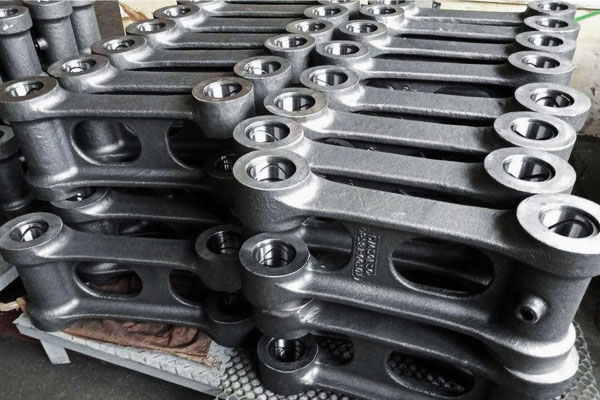
다양한 프로세스 기능을 갖춘 (모래 주조, 잃어버린 거품 캐스팅, 수지 모래 주조, 등.) 그리고 다양한 재료 (탄소강, 저금리 강철, 내마모성 강철, 스테인레스 스틸, 및 특수 합금),
랑헤 화학 성분 분석을 통해 엄격한 품질 보증을 제공합니다., 비파괴 테스트 (UT/RT/MT/PT), ASTM을 만족시키기 위한 치수검사 및 치수검사, 안에, ISO 표준, 가장 까다로운 작동 조건에서 장기적인 신뢰성 보장.
결론
중장비 주조는 거대하면서도 정밀하다는 역설을 구현합니다., 전통적이면서도 첨단 기술.
디지털화가 야금과학과 충돌하면서, 이 구성 요소는 더 강해질 것입니다, 거룻배, 그리고 더 지속가능하다.
업계의 미래는 캐스팅을 포기하는 데 있지 않다, 하지만 물리학 기반 모델링과 폐쇄 루프 재료 흐름을 통해 이를 향상시킵니다..
차세대 광산 삽이 더 깊이 파고 들거나 풍력 터빈이 더 높이 도달할 때, 그들의 심장은 알고리즘 지능과 생태학적 책임감으로 뛰게 될 것입니다..
“우리는 철을 만든다; 그러면 철이 세상을 형성합니다.”
— 미국 주조협회 문에 새겨진 주조소 속담

