1. Zavedení
Klapkové ventily patří mezi nejpoužívanější zařízení pro regulaci průtoku v průmyslových potrubních systémech.
Jejich jednoduchý, ale účinný design – otočný kotouč, který reguluje průtok – je činí nepostradatelnými při úpravě vody, Chemické zpracování, ropa a plyn, jídlo a nápoje, a výroba energie.
V srdci každého škrtícího ventilu leží tělo ventilu, konstrukční pouzdro, které obsahuje disk, sedadla, zastavit, a akční členy, a musí odolat vnitřnímu tlaku, teplota, a korozivní média.
Výroba těles klapek se tradičně opírá o lití do písku, kování, nebo výroba z desky.
Však, vytavitelné lití se ukázalo jako vynikající výrobní cesta pro vysoce výkonná tělesa klapek – zejména z nerezové oceli a duplexních slitin – nabízející bezkonkurenční rozměrovou přesnost, povrchová úprava, a integrita materiálu.
2. Co je těleso škrtícího ventilu?
A ventil motýlů reguluje průtok tekutiny přibližně otáčením kruhového kotouče 90 stupně kolem centrální hřídele.
Ve srovnání s šoupátky, Globe ventily, a kulové ventily, klapky nabízejí mnohem kompaktnější konstrukci a nižší hmotnost, díky tomu jsou zvláště vhodné pro potrubní systémy s velkým průměrem.
Ačkoli ventil vypadá poměrně jednoduše, každá součást plní kritickou mechanickou funkci.
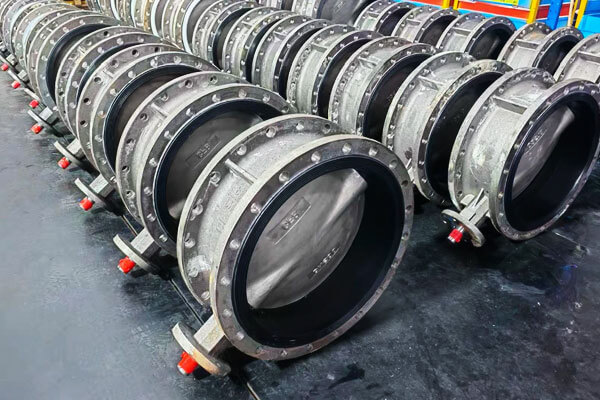
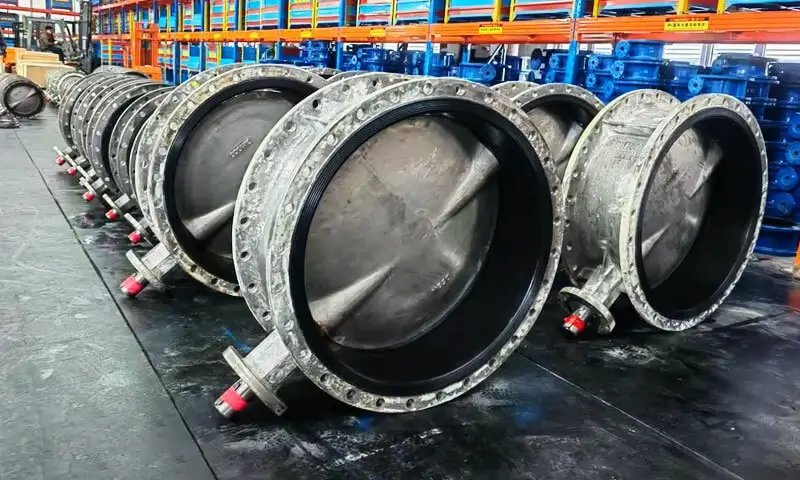
Těleso škrticí klapky je hlavní kryt škrticí klapky obsahující tlak.
Podporuje ložiska dříku, pojme sedlo ventilu, poskytuje těsnicí plochy pro potrubní spoje, a odolává jak vnitřnímu tlaku tekutiny, tak vnějšímu mechanickému zatížení.
Základní součásti klapkového ventilu
| Komponent | Funkce |
| Tělo | Pojme disk a sedadla; zajišťuje připojení potrubí (příruby, tahat se, oplatka, nebo na tupo přivařené konce). |
| Disk | Otočný uzavírací člen, který reguluje průtok; typicky odlité integrálně s dříkem nebo odděleně od dříku. |
| Zastavit / hřídel | Přenáší krouticí moment z pohonu na kotouč. |
| Sedadla | Zajistěte nepropustné těsnění mezi kotoučem a tělem. |
| Ovladač | Manuál (páka, ruční kolo) nebo automatizované (pneumatický, elektrický, Hydraulické). |
| Bonnet / horní příruba | Ukrývá vřeteno a poskytuje montáž pro pohon. |
Typy konstrukcí těles škrticích ventilů
| Typ těla | Popis | Typické aplikace |
| Oplatkový styl | Tenké tělo s průchozími otvory pro šrouby; vložené mezi příruby potrubí. | Nízký tlak, kompaktní systémy. |
| Ve stylu oušek | Závitové vložky na každé straně; lze použít jako koncový ventil. | Mírný tlak; přístup údržby. |
| Příruby | Integrální příruby na obou koncích; přišroubovány přímo k přírubám potrubí. | Vysoký tlak, velkoprůměrové systémy. |
| Svar na tupo | Konce určené pro svařování přímo do trubky. | Vysoká teplota, vysoký tlak, systémy kritické pro úniky. |
| Offset / výstřední | Disk odsazený od středu pro lepší utěsnění a snížení točivého momentu. | Vysoký výkon, aplikace s těsným uzavřením. |
Kritické funkční požadavky
| Požadavek | Inženýrská implikace |
| Integrita tlaku | Musí odolat vnitřnímu tlaku bez úniku nebo deformace (až do třídy ASME 150-2500). |
| Odolnost proti korozi | Odolává médiím (voda, chemikálie, plyny, mořská voda) bez degradace. |
| Rozměrová přesnost | Přesný průměr otvoru a čelní rozměry pro kompatibilitu přírub. |
| Povrchová úprava | Hladký otvor a čela přírub snižují odpor proudění a zajišťují utěsnění. |
| Konstrukční tuhost | Udržuje vyrovnání disku a sedel při tepelném a tlakovém cyklování. |
| Odolnost proti únavě | Odolává opakovaným cyklům a kolísání tlaku. |
3. Proč zvolit investiční odlitek pro tělesa klapkových ventilů?
Způsob výroby zvolený pro těleso škrticí klapky má zásadní vliv na její rozměrovou přesnost, Mechanický výkon, odolnost proti korozi, Efektivita výroby, a celkové náklady.
Mezi různé dostupné výrobní procesy, Investiční obsazení se stala jednou z preferovaných voleb pro výrobu vysoce kvalitních těles klapek, zejména ty, které se používají v náročných průmyslových aplikacích.
Na rozdíl od konvenčních metod odlévání, Investiční lití využívá spotřební voskové vzory a přesné keramické formy k výrobě součástí téměř čistého tvaru s výjimečnou rozměrovou přesností a povrchovou úpravou.
Proces je schopen reprodukovat složité geometrie, které by byly obtížné, nákladné, nebo dokonce nemožné vyrobit pomocí tradičního lití do písku nebo rozsáhlého obrábění.
V důsledku toho, investiční lití nejen zlepšuje kvalitu produktu, ale také zvyšuje efektivitu výroby a snižuje plýtvání materiálem.
Pro tělesa klapek, které obsahují složité průtokové kanály, Těsnění povrchů, STEM otvory, a přírubové spoje, investiční lití nabízí jedinečnou kombinaci flexibility designu, strukturální integrita, a konzistence výroby.
Klíčové výhody investičního lití pro tělesa ventilů
| Výhoda | Vysvětlení |
| Složitá vnitřní geometrie | Průtokové průchody, žebra, a montážní prvky lze odlévat přímo, eliminace vícedílné výroby. |
| Téměř síťový tvar | Minimální obrábění snižuje plýtvání materiálem a snižuje výrobní náklady. |
| Vynikající povrchová úprava | As-cast Ra 1,6-6,3 µm snižuje průtokový odpor a zlepšuje těsnění sedla. |
| Těsné dimenzní tolerance | Zajišťuje vyrovnání příruby, soustřednost sedadla, a nepropustnou sestavu. |
Univerzálnost slitiny |
Odlévá jakoukoli odlévatelnou nerezovou ocel, Duplex, superslitina, nebo slitina niklu. |
| Integrita tlaku | Zvukové odlitky se správným vstřikováním dosahují tlakotěsnosti až do třídy ANSI 2500. |
| Jednotná mikrostruktura | Jemnozrnná litá struktura poskytuje konzistentní mechanické vlastnosti. |
| Cenová efektivita při středních objemech | 100-10 000 dílů/rok; ideální pro vlastní a standardní velikosti. |
4. Výběr materiálu pro tělesa škrticích ventilů z litého litého ventilu
Volba vhodného materiálu je jedním z nejkritičtějších rozhodnutí při návrhu a výrobě tělesa klapky na vytavitelný model.
Zatímco proces vytavitelného lití určuje rozměrovou kvalitu a geometrickou složitost součásti, slitina určuje její mechanické vlastnosti, odolnost proti korozi, tlaková schopnost, teplotní rozsah, a předpokládanou životností.
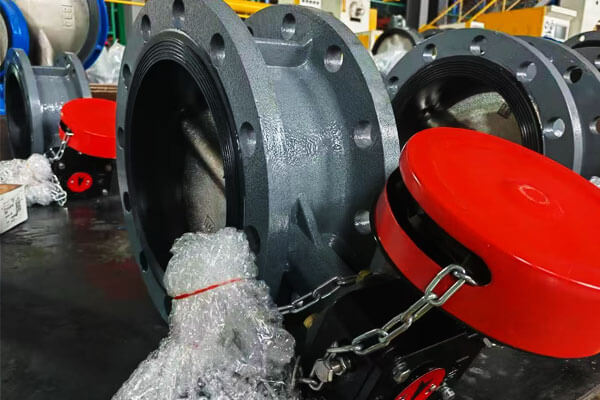
Nerez
Nerez je nejběžněji používaným materiálem pro tělesa klapek vytavitelných litím díky vynikající rovnováze odolnosti proti korozi, Mechanická síla, Výroba, a dlouhodobá spolehlivost.
Pasivní oxidový film bohatý na chrom vytvořený na povrchu poskytuje účinnou ochranu proti atmosférické korozi a mnoha průmyslovým chemikáliím.
CF8 (Ekvivalent ASTM A351 Grade CF8)
CF8 je odlitý ekvivalent kovaného typu 304 nerezové oceli a obsahuje cca 18% chrom a 8% nikl.
Nabízí dobrou odolnost proti korozi ve vodě, pára, potravinářské výrobky, a mnoho mírně korozivních chemikálií.
Mezi jeho výhody patří:
- Dobrá obecná odolnost proti korozi
- Vynikající castiability
- Dobrá svářetelnost
- Stabilní mechanické vlastnosti
- Konkurenční cena materiálu
CF8 je široce používán v:
- Systémy úpravy vody
- Zpracování potravin
- HVAC zařízení
- Obecné průmyslové potrubí
- Služby nízkokorozní chemie
Však, CF8 se nedoporučuje pro prostředí obsahující vysoké koncentrace chloridů, kde může docházet k lokalizované důlkové a štěrbinové korozi.
CF8M (Ekvivalent ASTM A351 Grade CF8M)
CF8M odpovídá kovanému typu 316 nerezová ocel, ale obsahuje přibližně 2–3 % molybdenu.
Přídavek molybdenu výrazně zlepšuje odolnost proti:
- Chloridové důlky
- Štěrbinová koroze
- Mořské prostředí
- Organické kyseliny
- Chemické procesní kapaliny
Mezi typické aplikace patří:
- Offshore inženýrství
- Systémy chlazení mořské vody
- Chemické rostliny
- Farmaceutické vybavení
- Celulózový a papírenský průmysl
Ačkoli CF8M je obecně dražší než CF8, jeho zvýšená odolnost proti korozi často vede k podstatně nižším nákladům na údržbu během provozní životnosti ventilu.
Nízkohlíkové nerezové oceli (CF3 a CF3M)
CF3 a CF3M jsou nízkouhlíkové verze CF8 a CF8M, respektive.
Jejich snížený obsah uhlíku minimalizuje srážení karbidu během svařování, čímž se zlepšuje odolnost proti mezikrystalové korozi v tepelně ovlivněných zónách.
Tyto třídy jsou běžně vybírány pro:
- Svařované potrubní systémy
- Farmaceutická výroba
- Zařízení pro zpracování potravin
- Vysoce čisté chemické systémy
Tam, kde se předpokládá rozsáhlé svařování, Nízkouhlíkové nerezové oceli jsou obecně preferovány před standardními třídami.
Uhlíková ocel
Přestože nerezová ocel dominuje v korozivních aplikacích, uhlíková ocel zůstává ekonomickou volbou pro mnoho těles klapek pracujících v nekorozivních nebo mírně korozních podmínkách.
WCB uhlíková ocel
ASTM A216 WCB je jednou z nejrozšířenějších uhlíkových ocelí na lití v průmyslu ventilů.
Mezi jeho výhody patří:
- Vysoká mechanická pevnost
- Dobrá rázová houževnatost
- Vynikající machinabilita
- Nízká cena materiálu
- Dobrá odolnost vůči tlaku
Mezi typické aplikace patří:
- Ropovody
- Přenos zemního plynu
- Parní systémy
- Požární ochrana
- Průmyslové služby
Však, WCB vyžaduje ochranné nátěry nebo vnitřní obložení, když je vystaveno korozivnímu prostředí.
Nízkoteplotní uhlíková ocel LCC
LCC je speciálně vyvinut pro provoz při nízkých teplotách.
Ve srovnání s WCB, vykazuje zlepšenou rázovou houževnatost při teplotách pod nulou a běžně se používá v:
- Zařízení LNG
- Kryogenní skladování
- Chladicí systémy
- Infrastruktura arktického potrubí
Duplexní nerezová ocel
Protože průmyslové prostředí je stále agresivnější, duplexní nerezové oceli si získaly široké uznání pro vysoce výkonná tělesa klapek.
Duplexní nerezové oceli obsahují přibližně stejný podíl feritu a austenitu, kombinující výhody obou mikrostruktur.
Mezi jejich vlastnosti patří:
- Velmi vysoká pevnost v tahu
- Vynikající odolnost vůči chloridům
- Vynikající odolnost proti praskání korozí pod napětím
- Dobrý výkon při únavě
- Vynikající odolnost proti erozi
Ve srovnání s konvenčními austenitickými nerezovými oceli, duplexní slitiny často poskytují téměř dvojnásobnou mez kluzu při zachování vynikající odolnosti proti korozi.
Mezi běžné třídy investičního odlitku patří:
- CD4MCU
- ASTM A890 Stupeň 4A
- ASTM A890 Stupeň 5A
Mezi typické aplikace patří:
- Pobřežní ropné plošiny
- Odsolovací rostliny
- Námořní potrubí
- Chemické reaktory
- Systémy chlazení mořské vody
Duplexní slitiny jsou sice dražší než běžné nerezové oceli, jejich prodloužená životnost často ospravedlňuje dodatečné investice.
Slitiny na bázi niklu
Některé průmyslové procesy fungují za podmínek, které přesahují možnosti nerezových ocelí.
Vysoce koncentrované kyseliny, zvýšené teploty, oxidační chemikálie, a redukční prostředí vyžadují specializované slitiny s výjimečnou odolností proti korozi.
Vytavitelné lití umožňuje vyrábět tělesa klapek ze slitin na bázi niklu jako např:
Hastelloy
Slitiny Hastelloy vykazují vynikající odolnost vůči:
- Kyselina chlorovodíková
- Kyselina sírová
- Kyselina fosforečná
- Chloridy
- Oxidační chemikálie
Jsou široce používány v chemických zpracovatelských závodech, kde by běžné nerezové oceli rychle korodovaly.
Inconel
Slitiny Inconel poskytují:
- Vynikající pevnost při vysokých teplotách
- Oxidační odolnost
- Odolnost tepelné únavy
- Odolnost vůči tlaku při zvýšených teplotách
Aplikace zahrnují:
- Výroba energie
- Petrochemické zpracování
- Letecké podpůrné systémy
- Vysokoteplotní chemické závody
Monel
Monel slitiny mají výjimečnou odolnost vůči:
- Mořská voda
- Kyselina fluorovodíková
- Solné roztoky
- Mořské biologické znečištění
Často se vybírají pro námořní a pobřežní klapky.
Ačkoli slitiny niklu představují významnou materiálovou investici, mohou dramaticky snížit náklady na údržbu a prostoje v náročných servisních prostředích.
5. Mechanický výkon těles škrticích ventilů litých zatavením
Primárním účelem jakéhokoli tělesa klapky je poskytovat spolehlivou mechanickou podporu v náročných provozních podmínkách.
Zatímco investiční lití je často uznáváno pro svou vynikající rozměrovou přesnost a povrchovou úpravu, stejně důležitá je jeho schopnost vyrábět komponenty s vynikajícím mechanickým výkonem.
Odolnost vůči tlaku
Zadržování tlaku je základní funkcí každého tělesa ventilu.
Během provozu, tělo je vystaveno vnitřnímu hydrostatickému tlaku, který vytváří tahová napětí v průběhu odlévání.
Mezi kritické oblasti napětí patří:
- Otvory pro stonky
- Kořeny příruby
- Otvory pro šrouby
- Přechody stěn
- Výztužné průsečíky žeber
Investiční lití přispívá k vynikajícímu tlaku prostřednictvím:
- Jednotná tloušťka stěny
- Snížené napětí vyvolané obráběním
- Hladké geometrické přechody
- Vysoká rozměrová konzistence
Tlaková schopnost je v konečném důsledku ověřena hydrostatickým tlakovým testováním v souladu s platnými průmyslovými normami.
Strukturální pevnost
Strukturální pevnost označuje schopnost těla ventilu odolávat trvalé deformaci při mechanickém zatížení.
Mezi důležité vlastnosti materiálu patří:
- Výnosová síla
- Pevnost v tahu
- Modul pružnosti
- Tvrdost
Nerezové oceli odlévané vytavením obvykle poskytují vynikající kombinaci pevnosti a tažnosti, umožňující tělesu ventilu odolávat:
- Zatížení potrubí
- Kroutící moment pohonu
- Montážní síly
- Tepelná roztažnost napětí
Správné tepelné zpracování dále zlepšuje pevnost zjemněním mikrostruktury slitiny.
Odolnost proti únavě
Na rozdíl od statických tlakových nádob, škrticí klapky se často po celou dobu své životnosti opakovaně zatěžují.
Každý provozní cyklus generuje:
- Kolísání tlaku
- Kroutící moment vřetene
- Vibrace
- Tepelná roztažnost
- Mechanický náraz
Přes tisíce – nebo dokonce miliony – cyklů, mohou vzniknout mikroskopické únavové trhliny.
Investiční lití zlepšuje výkonnost při únavě:
- Hladká povrchová úprava
- Snížená koncentrace stresu
- Jednotná mikrostruktura
- Vysoká dimenzní přesnost
Konstrukční prvky, jako jsou velkorysé zaoblení a optimalizované umístění žeber, dále zvyšují odolnost proti únavě díky rovnoměrnějšímu rozložení napětí.
Ovlivnit houževnatost
Průmyslové ventily mohou být během přepravy vystaveny náhlým mechanickým nárazům, instalace, nebo operace. V prostředí s nízkou teplotou, nedostatečná houževnatost může vést ke křehkému lomu.
Rázová houževnatost je tedy zásadní vlastností, zvláště pro:
- LNG systémy
- Kryogenní potrubí
- Offshore instalace
- Infrastruktura pro studené klima
Materiály jako uhlíková ocel LCC a duplexní nerezová ocel si zachovávají vynikající houževnatost při snížených teplotách, aby byly vhodné pro náročné aplikace.
Odolnost proti opotřebení a erozi
Ačkoli tělo ventilu obecně není vystaveno přímému kluznému kontaktu jako kotouč nebo sedlo, stále může docházet k erozi od vysokorychlostních kapalin nesoucích abrazivní částice.
Mezi typická erozivní média patří:
- Kalivy
- Voda plná písku
- Těžební hlušina
- Popílek
- Chemické suspenze
Duplexní nerezové oceli a slitiny na bázi niklu odlévané vytavením poskytují vynikající odolnost proti erozi díky vyšší tvrdosti a pevnější mikrostrukturě.
Optimalizované vnitřní průtokové kanály také snižují lokalizovanou turbulenci, minimalizace eroze během prodloužených servisních období.
Odolnost proti korozi
Koroze zůstává jednou z hlavních příčin selhání ventilů v průmyslových systémech.
V závislosti na operačním prostředí, mohou narazit tělesa škrticích klapek:
- Obecná koroze
- Koroze
- Štěrbinová koroze
- Galvanická koroze
- Intergranulární koroze
- Praskání koroze
Investiční lití podporuje použití vysoce korozivzdorných slitin při výrobě hutných materiálů, vysoce kvalitní odlitky s minimálními povrchovými vadami.
Správné povrchové úpravy – jako je pasivace nebo elektrolytické leštění – mohou dále zvýšit odolnost proti korozi posílením ochranné oxidové vrstvy na površích z nerezové oceli..
Vysokoteplotní výkon
Vysokoteplotní provoz představuje další technické problémy.
Jak se teplota zvyšuje:
- Mez kluzu klesá
- Odolnost vůči tečení se stává důležitou
- Oxidace se zrychluje
- Může se vyvinout tepelná únava
Pro aplikace při zvýšených teplotách, Tělesa ventilů na vytavitelné odlévání jsou běžně vyráběna z tepelně odolných nerezových ocelí nebo superslitin na bázi niklu, které jsou schopné zachovat mechanické vlastnosti při dlouhodobém tepelném zatížení.
Rozměrová stabilita
Rozměrová stabilita je obzvláště důležitá, protože klapky se spoléhají na přesné vyrovnání mezi tělem, zastavit, disk, a sedadlo.
Špatná rozměrová stabilita může vést k:
- Zvýšený provozní točivý moment
- Opotřebení sedadla
- Únik
- Předčasné selhání ložiska
Investiční lití poskytuje vynikající opakovatelnost rozměrů minimalizací zkreslení během výroby.
Řízené tepelné zpracování a přesné obrábění dále zajišťují, že kritické rozměry zůstanou v rámci specifikovaných tolerancí.
Tato vysoká míra rozměrové stability přímo přispívá k hladkému chodu ventilu, spolehlivý těsnící výkon, a dlouhá životnost.
6. Tepelné zpracování a povrchová úprava tělesa klapkového ventilu litého zatavením
Tepelné zpracování a povrchová úprava nejsou při výrobě ventilů sekundárními kroky následného zpracování;
spíše, jsou to kritické fáze, které přímo určují Mechanická spolehlivost, odolnost proti korozi, rozměrová stabilita, a životnost těles škrticích klapek odlitých z vytavitelného materiálu.
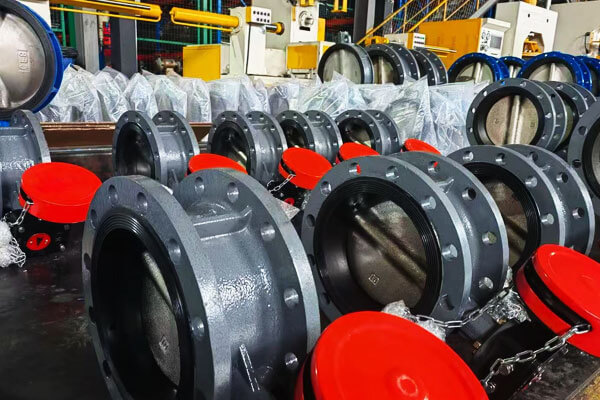
Tepelné zpracování: Mikrostrukturní inženýrství pro optimalizaci výkonu
Tepelné zpracování se používá k úpravě mikrostruktury odlévané slitiny, eliminovat zbytková napětí, a dosáhnout požadované rovnováhy sil, houževnatost, a odolnost proti korozi.
Tepelné zpracování řešení (Austenitické nerezové oceli)
Pro jakosti nerezové oceli jako např CF8, CF8M, CF3, a CF3M, roztoková úprava je nejkritičtější proces.
Proces zahrnuje:
- Zahřátí odlitku na cca 1040°C–1120 °C
- Udržování při teplotě pro rozpuštění karbidů a homogenizaci struktury
- Rychlé zhášení (obvykle vodní chlazení)
Mezi klíčové výsledky patří:
- Eliminace srážení karbidu chrómu
- Obnovení odolnosti proti korozi
- Zlepšená tažnost a houževnatost
- Homogenizovaná austenitická mikrostruktura
Bez řádného ošetření roztokem, Tělesa ventilů z nerezové oceli mohou trpět mezikrystalovou korozí a předčasným selháním v prostředích bohatých na chloridy.
Tepelné ošetření proti stresu (Uhlíkové a slitinové oceli)
Tělesa ventilů z lité uhlíkové oceli (NAPŘ., WCB, LCC) často uchovávají zbytková napětí z tuhnutí a ochlazování.
Úleva od stresu se provádí při 550°C–650 °C na:
- Snižte vnitřní zbytková napětí
- Zlepšení rozměrové stability
- Minimalizujte zkreslení během obrábění a servisu
- Zvyšte odolnost proti únavě
Tento proces je zvláště důležitý pro tělesa škrticích klapek s velkým průměrem, kde jsou výraznější nerovnoměrné gradienty chlazení.
Normalizace a zhášení & Temperování
Pro uhlíkové a nízkolegované oceli vyžadující vyšší pevnost:
- Normalizace zjemňuje strukturu zrna a zlepšuje jednotnost
- Zhášení a temperování výrazně zvyšuje pevnost a tvrdost při zachování dostatečné houževnatosti
Tyto úpravy se běžně používají ve vysokotlakých aplikacích, jako jsou ropovody a parní systémy.
Povrchová úprava: Funkční a ochranné vylepšení
Povrchová úprava je stejně důležitá, protože přímo ovlivňuje odolnost proti korozi, čistota, hydraulický výkon, a estetickou kvalitu.
Tryskání a čištění
Tryskání je obvykle prvním dokončovacím krokem po odstranění odlitku.
Mezi jeho funkce patří:
- Odstranění zbytků keramických skořápek
- Odstranění oxidových usazenin
- Jednotné texturování povrchu
- Příprava povrchu pro další úpravu
Pro odlitky z uhlíkové oceli, běžně se používají ocelové broky, zatímco součásti z nerezové oceli často používají broky z nerezové oceli nebo kontrolovaná média, aby se zabránilo kontaminaci.
Moření a odstraňování vodního kamene
Moření je chemický proces používaný především pro nerezové odlitky.
Odstraňuje:
- Tepelný odstín
- Oxidové vrstvy
- Povrchová kontaminace z vysokoteplotního zpracování
Směsi kyselin (typicky dusičné + systémy kyseliny fluorovodíkové) obnovit čistý kovový povrch, který je nezbytný pro odolnost proti korozi.
Pasivační léčba
Pasivace zvyšuje přirozenou odolnost korozivzdorné oceli tím, že podporuje tvorbu stabilní vrstvy oxidu chrómu.
Výhody zahrnují:
- Zlepšený odolnost proti jámu
- Zvýšená chemická stabilita
- Dlouhodobá ochrana povrchu
- Snížené riziko lokální koroze
Tento krok je kritický pro tělesa ventilů CF8M používaná v mořském a chemickém prostředí.
Elektropolizace (High-end aplikace)
Elektroleštění je elektrochemický dokončovací proces, který odstraňuje mikroskopické povrchové vrcholy, výsledkem je extrémně hladký a čistý povrch.
Mezi výhody patří:
- Ultra nízká drsnost povrchu
- Zlepšený hygienický výkon
- Snížená přilnavost bakterií
- Zvýšená odolnost proti korozi
- Zlepšené průtokové charakteristiky
Je široce používán v:
- Farmaceutické systémy
- Biotechnologické potrubí
- Zařízení na zpracování potravin
- Systémy ultračisté vody
Ochranné povlaky (Aplikace z uhlíkové oceli)
Pro tělesa ventilů z uhlíkové oceli, ochranné nátěry jsou nezbytné pro zabránění korozi v prostředí.
Mezi běžné nátěrové systémy patří:
- Fusion lepený epoxid (FBE)
- Polyuretanové nátěry
- Základní nátěry bohaté na zinek
- Práškové lakovací systémy
Tyto nátěry poskytují dlouhodobou odolnost proti vlhkosti, chemikálie, a atmosférickou korozi.
7. Obrábění těles ventilů zalitých litím
Přesným litím vznikají tělesa téměř čistého tvaru, ale kritické rozměry vyžadují opracování.
Typické obráběcí operace
| Operace | Účel | Tolerance |
| Čelní frézování příruby | Dosáhněte plochosti a rovnoběžnosti | ± 0,05 mm |
| Soustružení vývrtu | Dosáhněte přesného vnitřního průměru | ±0,05-0,10 mm |
| Vrtání otvorů pro šrouby | Vytvořte otvory pro šrouby příruby | ±0,1–0,2 mm |
| Řezání závitů (výstupky) | Vytvořte závity pro ventily ve stylu očka | ISO / standard ASME |
| Soustružení drážky sedla | Přesné vybrání pro kroužek sedla | ±0,02-0,05 mm |
| Vrtání otvoru v kmeni | Pro dřík ventilu | ±0,02-0,05 mm |
| Obrábění montážní podložky | Pro montáž pohonu | ±0,05-0,10 mm |
Výzvy obrábění
| Výzva | Příčina | Řešení |
| Kalení práce | Austenitická nerezová ocel mechanicky vytvrzuje | Ostré tvrdokovové nástroje; vhodné posuvy/rychlosti. |
| Opotřebení nástroje | Nerez je abrazivní | Povlakovaný karbid (Tialln, PVD); chladicí kapalina. |
| Klábosení / vibrace | Tenkostěnné sekce | Používejte stabilní odpočinek; zvýšit tuhost; snížit převis. |
| Rozměrová stabilita | Zbytkové napětí z lití | Úleva od stresu; hrubé obrábění → stárnutí → dokončovací obrábění. |
8. Kontrola a kontrola kvality
Tělesa škrticích klapek odlévaných na investici vyžadují přísné zajištění kvality, aby splňovaly průmyslové normy.
Nedestruktivní testování (Ndt)
| Metoda NDT | Detekuje | Norma | Frekvence |
| Vizuální kontrola | Povrchové vady | ASTM E430 | 100% |
| Pronikání barviva (Pt) | Povrchové praskliny, pórovitost | ASTM E165 | 100% (kritických oblastech) |
| Radiografie (Rentgen) | Vnitřní pórovitost, Inkluze | ASTM E94 | 10-25 % (šarže) |
| Ultrazvukové | Vnitřní vady, Tloušťka stěny | ASTM E114 | 10-25 % (šarže) |
| Testování tlaku | Netěsnost | API 598 | 100% |
Rozměrová inspekce
| Měření | Zařízení | Tolerance |
| Průměr vrtání | CMM nebo vrtoměr | ± 0,05 mm |
| Rovinnost čela příruby | Optický nebo číselník | ≤0,05 mm/m |
| Rozměr tváří v tvář | CMM nebo svinovací metr | ±0,5-1,0 mm |
| Vzor otvorů pro šrouby příruby | CMM nebo šablona | ±0,1–0,2 mm |
| Rozměry drážky sedla | CMM nebo speciální měřidlo | ±0,02-0,05 mm |
Mechanické testování
| Test | Účel | Norma |
| Tahové | Výtěžek, tahové, prodloužení | ASTM E8 / V 10002 |
| Tvrdost | HB nebo HRB | ASTM E10 / ASTM E18 |
| Dopad (Charpy) | Houževnatost | ASTM E23 |
| Hydrostatický test | Integrita tlaku | API 598 / ASME B16.34 |
9. Průmyslové aplikace tělesa škrticího ventilu zatavovacího lití
Tělesa škrticích klapek odlévaných vytavením jsou široce používána v mnoha průmyslových odvětvích, protože kombinují vysokou rozměrovou přesnost, Vynikající mechanické vlastnosti, a vynikající odolnost proti korozi.
Jejich schopnost přizpůsobit se složitým geometriím při zachování integrity tlaku je činí vhodnými jak pro standardní průmyslové služby, tak pro vysoce náročná provozní prostředí.
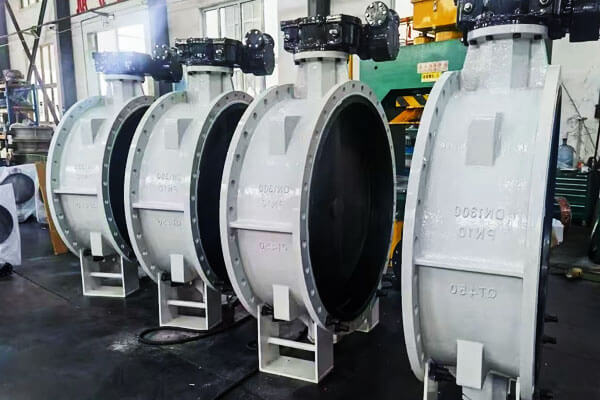
Úpravy a distribuce vody
Úprava vody je jedním z největších aplikačních sektorů pro klapkové ventily.
Městské vodárny, Odsobní zařízení, čistíren odpadních vod, a zavlažovací systémy všechny vyžadují spolehlivé zařízení pro řízení průtoku schopné nepřetržitého provozu s minimální údržbou.
Tělesa škrticích klapek odlévaných vytavením jsou zvláště výhodná, protože poskytují:
- Vynikající rozměrová konzistence pro spolehlivé utěsnění
- Hladké vnitřní povrchy snižující odpor proudění
- Dobrá odolnost proti korozi v pitné a upravené vodě
- Dlouhá životnost při častých provozních cyklech
V závislosti na kvalitě vody a provozních podmínkách, mezi běžně používané materiály patří:
- CF8 nerezová ocel
- Nerezová ocel CF8M
- Tvárná litina s ochrannými povlaky
- Duplexní nerezová ocel pro aplikace s mořskou vodou
Pro odsolovací zařízení, duplexní nerezová ocel je často preferována kvůli její vynikající odolnosti vůči důlkové a štěrbinové korozi způsobené chloridy.
Ropný a plynárenský průmysl
Při výrobě ropy a plynu jsou tělesa ventilů vystavena některým z nejtvrdších provozních podmínek, se kterými se lze setkat v průmyslových aplikacích.
Mezi typické provozní problémy patří:
- Vysoký tlak
- Zvýšené teploty
- Sirovodík (H₂s)
- Oxid uhličitý (Co₂)
- Abrazivní částice
- Pobřežní mořské prostředí
Tělesa škrticích klapek odlévaných z litého plechu nabízejí vynikající tlumení tlaku a zároveň pojímají korozivzdorné slitiny speciálně navržené pro kyselé prostředí.
Mezi běžné materiály patří:
- WCB uhlíková ocel
- Nerezová ocel CF8M
- Duplexní nerezová ocel
- Super duplex z nerezové oceli
- Slitiny na bázi niklu
Mezi typické aplikace patří:
- Ropovody
- Offshore platformy
- Procesní jednotky rafinérie
- Přenos zemního plynu
- LNG terminály
- Petrochemické závody
Přesnost vytavitelného lití také zlepšuje spolehlivost těsnění, což je zásadní pro prevenci fugitivních emisí a zajištění souladu s životním prostředím.
Chemické zpracování
Chemické závody zpracovávají vysoce agresivní média, která mohou rychle degradovat konvenční strojírenské materiály.
Mezi typické chemikálie patří:
- Kyselina sírová
- Kyselina chlorovodíková
- Kyselina dusičná
- Hydroxid sodný
- Roztoky chloridů
- Organická rozpouštědla
Investiční lití umožňuje výrobcům vyrábět tělesa klapek z vysoce korozivzdorných slitin při zachování vynikající rozměrové přesnosti.
V závislosti na chemii procesu, mezi vhodné materiály patří:
- Nerezová ocel CF8M
- Duplexní nerezová ocel
- Hastelloy
- Inconel
- Monel
Vynikající povrchová úprava vytvořená vytavitelným litím také minimalizuje tvorbu štěrbin, snížení lokální koroze a usnadnění čištění zařízení.
Výroba energie
Elektrárny vyžadují ventily schopné nepřetržitého provozu v náročných tepelných a mechanických podmínkách.
Aplikace zahrnují:
- Systémy napájecí vody kotlů
- Distribuce páry
- Systémy chladicí vody
- Odsiření kouřového plynu
- Kondenzační systémy
Tělesa ventilů musí vydržet:
- Vysoký tlak
- Tepelné cyklování
- Zvýšené teploty
- Korozivní kondenzáty
Pro tyto aplikace jsou běžně vybírány žáruvzdorné nerezové oceli a slitiny na bázi niklu.
Rozměrová stabilita poskytovaná vytavitelným litím přispívá ke stálému výkonu ventilu během opakovaných cyklů tepelné expanze a kontrakce.
Průmysl potravin a nápojů
Zařízení na zpracování potravin musí splňovat přísné hygienické normy při zachování vynikající odolnosti proti korozi.
Mezi typické aplikace patří:
- Výroba nápojů
- Zpracování mléka
- Pivovarnictví
- Rafinace cukru
- Výroba jedlého oleje
Tělesa klapek z nerezové oceli z lité oceli nabízejí několik důležitých výhod:
- Hladký, Čistitelné povrchy
- Nízká přilnavost bakterií
- Vynikající odolnost proti korozi
- Vysoká dimenzní přesnost
- Kompatibilita se sanitárními čisticími postupy
Elektrolyticky leštěné nerezové oceli CF3 a CF3M se často používají v hygienických procesních systémech, kde je čistota produktu zásadní.
Farmaceutický a biotechnologický průmysl
Farmaceutická výroba klade ještě přísnější požadavky než zpracování potravin.
Tělesa ventilů se musí vystavovat:
- Extrémně hladké povrchy
- Minimální riziko kontaminace
- Výborná čistitelnost
- Odolnost vůči agresivním sterilizačním chemikáliím
- Soulad se standardy GMP
Investiční lití poskytuje výjimečnou geometrickou přesnost a zároveň minimalizuje nedokonalosti povrchu, které by mohly obsahovat mikroorganismy.
Dodatečné elektrolytické leštění dále zlepšuje:
- Drsnost povrchu
- Odolnost proti korozi
- Sterilita
- Čistota produktu
Díky těmto vlastnostem jsou tělesa škrticích klapek odlitých litím vhodná pro sterilní zpracovatelské systémy.
Marine Engineering
Mořské prostředí kombinuje několik agresivních faktorů:
- Slaná koroze
- Vysoká vlhkost
- Biologické znečištění
- Mechanické vibrace
- Cyklické zatížení
Tělesa ventilů používaná na palubách lodí, Offshore platformy, a pobřežní zařízení vyžadují vynikající odolnost proti korozi.
Mezi běžné materiály patří:
- Duplexní nerezová ocel
- Super duplex z nerezové oceli
- Monel
- Bronzové slitiny
Investiční lití umožňuje složité konstrukce námořních ventilů a zároveň zajišťuje vynikající mechanickou integritu při nepřetržitém vystavení mořské vodě.
Těžba a zpracování nerostů
Důlní operace představují jedinečné výzvy kvůli vysoce abrazivním kalům obsahujícím suspendované pevné látky.
Tělesa ventilů musí odolávat:
- Abrazivní opotřebení
- Načítání dopadu
- Koroze
- Vysoké rychlosti proudění
Zatavená duplexní nerezová ocel nabízí vynikající kombinaci odolnosti proti opotřebení, pevnost, a odolnost proti korozi, takže je vhodný pro systémy přepravy kejdy.
HVAC a služby budov
Velké komerční budovy často používají klapky:
- Chlazená voda
- Topné systémy
- Chladicí věže
- Požární ochrana
- Distribuce vody
Tělesa ventilů z investičního odlitku poskytují lehkou konstrukci, accurate dimensions, a spolehlivé těsnění při snížení nákladů na údržbu po dlouhou dobu provozu.
10. Budoucí vývojové trendy
| Trend | Popis | Vliv na tělesa ventilů litých po vytavení |
| Aditivní výroba voskových modelů | 3D-tištěné vzory eliminují nástroje pro malé objemy. | Umožňuje rychlé prototypování; vlastní velikosti bez nákladů na matrici. |
| Digitální dvojče a simulace | Simulace odlévání a obrábění v reálném čase. | Snižuje vady; optimalizuje proces. |
| Predikce defektů řízená umělou inteligencí | Strojové učení předpovídá poréznost a inkluze. | Zlepšuje výnos; snižuje kontrolu. |
Vysoce výkonné duplexní slitiny |
Nové duplexní slitiny s vyšší pevností a odolností proti korozi. | Umožňuje tenčí sekce; Snížení hmotnosti. |
| Udržitelné materiály pláště | Pojiva na biologické bázi; recyklovatelný plášť. | Snižuje dopad na životní prostředí. |
| Inteligentní tělesa ventilů | Vestavěné snímače teploty, tlak, koroze. | Umožňuje prediktivní údržbu; sledování stavu. |
| Velkoprůměrový investiční odlitek | Velikosti odlitků do DN1200 / 48„. | Rozšiřuje rozsah použití na velká potrubí. |
| Elektrifikace tavení | Indukční tavení pomocí obnovitelné elektřiny. | Snižuje uhlíkovou stopu. |
11. Závěr
Investiční lití je přední výrobní proces pro vysoce výkonná tělesa klapek, zejména u nerezové oceli a duplexních slitin.
Nabízí jedinečnou kombinaci geometrická složitost, rozměrová přesnost, povrchová úprava, a integrita materiálu kterému se lití do písku nevyrovná, kování, nebo zhotovení.
Tento proces poskytuje součásti téměř čistého tvaru s minimálním obráběním, vynikající integrita tlaku, a konzistentní mechanické vlastnosti.
Pro tělesa ventilů vyžadující odolnost proti korozi, těsné tolerance, a dlouhou životnost – ať už v chemických provozech, Offshore platformy, nebo potravinářské linky – metodou volby je investiční lití.
Úspěch těles škrticích klapek odlitých na investici závisí na přísné kontrole v celém výrobním řetězci: Výběr slitiny, Návrh vzorů, budova skořápky, tání, nalévání, tepelné zpracování, obrábění, a inspekce.
Pokroky v simulaci, automatizace, a udržitelné materiály tento proces dále zlepšují, dělat to efektivnější, spolehlivý, a šetrné k životnímu prostředí.
Protože průmyslová odvětví vyžadují vyšší výkon, lehčí hmotnost, a delší životnost ze zařízení pro řízení průtoku, investiční lití bude i nadále hrát ústřední roli při řešení těchto výzev.
Časté časté
Jaká je maximální velikost tělesa škrticí klapky, které lze odlévat na investici?
Typická kapacita vytavitelného lití: až do 600 mm (24„) průměr pro tělesa plátků/oček; větší velikosti až 900 mm (36„) jsou možné u specializovaných skořepinových staveb.
Pro velmi velké ventily (>48„), odlévání do písku nebo výroba je ekonomičtější.
Jaký je rozdíl mezi tělesy ventilů ve tvaru destičky a očka?
Těla ve stylu plátků jsou tenká a upnutá mezi příruby; Tělesa ve tvaru oka mají závitové vložky na každé straně a lze je použít jako koncové ventily. Oba jsou investiční.
Lze opravit tělesa ventilů odlitých z investičního odlitku?
Drobné vady odlitku lze opravit svařováním (s vhodným plnivem a předehřejte), ale velké vady obvykle vedou ke zmetku. HIP může odstranit pórovitost, ale nemůže opravit povrchové vady.
Jaká je typická dodací lhůta pro tělesa ventilů litých na investici?
8-12 týdnů na nářadí a první články; 2-4 týdny pro opakované objednávky (se stávajícím nářadím). Urychlené objednávky mohou být urychleny za příplatek.