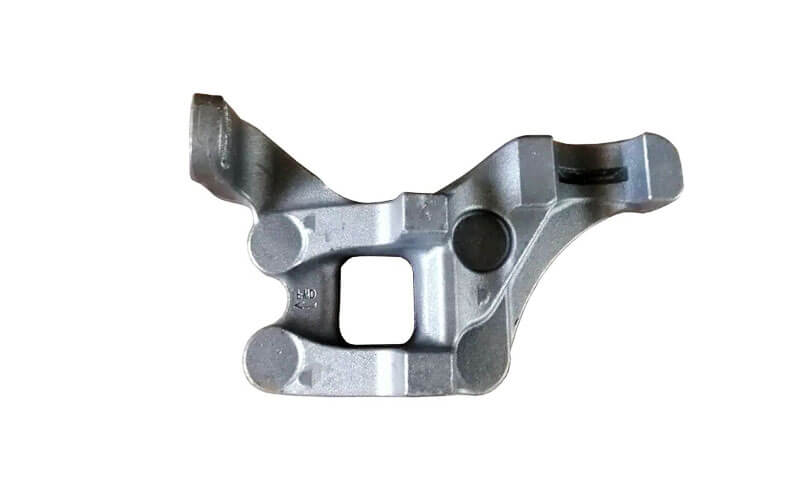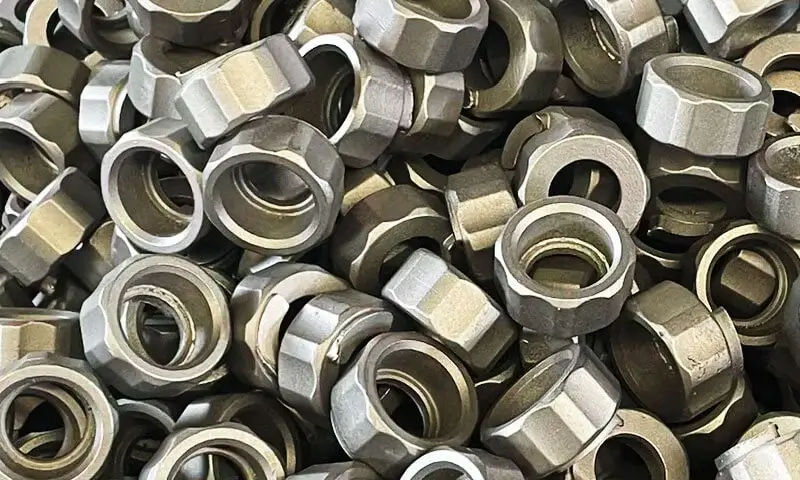
Závitové matice patří mezi nejzákladnější a nejrozšířenější upevňovací součásti ve všech průmyslových odvětvích, sloužící jako kritické nosné rozhraní pro sestavy šroubových spojů.
Pro standardní univerzální aplikace, matice z uhlíkové oceli se studenou hlavou a matice z nerezové oceli dominují hromadné výrobě.
Však, když aplikace vyžadují odolnost proti korozi, Stabilita vysoké teploty, nestandardní rozměry nebo integrované funkční prvky, konvenční výrobní procesy dosahují jasných technických a ekonomických limitů.
Mezi dostupné výrobní technologie, Investiční obsazení (Ztracené voskové lití) nabízí jedinečnou kombinaci flexibility designu, rozměrová přesnost, a materiální všestrannost.
Na rozdíl od konvenčního kování nebo tváření za studena, Investiční lití umožňuje výrobcům vyrábět složité geometrie matic, integrované konstrukční prvky, a součásti téměř čistého tvaru s minimálním odpadem materiálu a sníženými požadavky na obrábění.
1. Co je zakázková matice z nerezové oceli?
A zvyk nerez matice je precizně navržený závitový upevňovací prvek speciálně navržený tak, aby vyhovoval jedinečným mechanickým, dimenzionální, nebo požadavky na ochranu životního prostředí, které nelze plně splnit standardními katalogovými produkty.
Na rozdíl od konvenčních matic vyráběných podle standardizovaných specifikací, jako je ISO, Z, ANSI, nebo ASME, zakázkové matice jsou vyvinuty na základě zákaznických výkresů, Požadavky na aplikaci, nebo specializované technické normy.
Obvykle se vyrábí ze slitin nerezové oceli odolných proti korozi, tyto matice jsou navrženy tak, aby fungovaly ve spojení se šrouby, cvočky, nebo závitové hřídele pro vytvoření bezpečných a odolných mechanických spojů.
Jejich primární funkcí je přeměna utahovacího momentu na upínací sílu, zachování integrity smontované konstrukce a zároveň odolnost proti uvolnění způsobenému vibracemi, tepelné cyklování, nebo dynamické zatížení.
Pro průmyslová odvětví pracující v náročných provozních podmínkách, design zakázkové matice značně přesahuje její vnější tvar.
Inženýři musí pečlivě zvážit faktory, jako je rozložení zatížení, záběr závitu, koncentrace stresu, odolnost proti korozi, proveditelnost výroby, a efektivitu montáže.
V důsledku toho, každá zakázková matice z nerezové oceli představuje rovnováhu mezi vlastnostmi materiálu, strukturální optimalizace, a výrobní kapacity.
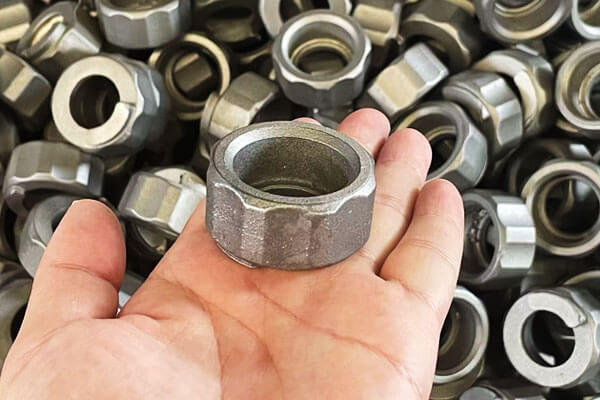
Standardní ořechy vs. Vlastní matice z nerezové oceli
Ačkoli jsou standardní spojovací prvky široce dostupné a nákladově efektivní pro obecné aplikace, nemohou vždy uspokojit specializované požadavky moderních průmyslových zařízení.
Zakázkové matice z nerezové oceli jsou vyvinuty tak, aby vyřešily tyto technické problémy tím, že poskytují optimalizovanou geometrii, výběr materiálu, a přesnost výroby.
| Funkce | Standardní matice z nerezové oceli | Zakázková matice z nerezové oceli |
| Rozměry | Standardizované velikosti | Plně přizpůsobené rozměry a geometrie |
| Typ závitu | Standardní metrické nebo anglosaské závity | Standardní nebo speciální závitové profily |
| Možnosti materiálu | Omezené standardní třídy | Široký sortiment nerezových ocelí a speciálních slitin |
| Mechanický výkon | Univerzální aplikace | Určeno pro specifické zatížení, tlak, a požadavky na životní prostředí |
| Metoda výroby | Tváření za studena nebo obrábění | Investiční lití s přesným obráběním |
| Typické aplikace | Obecné zapínání | Kritická průmyslová zařízení, ventily, čerpadla, mořské systémy, OEM sestavy |
Vlastní návrhy umožňují výrobcům integrovat funkce, které zlepšují instalaci, zvýšit nosnost, zkrátit dobu montáže, nebo zlepšit kompatibilitu s okolními komponenty.
Proč je investiční lití ideální pro zakázkové matice z nerezové oceli
I když matice z nerezové oceli lze vyrobit kováním, obrábění, nebo studený kurz, Investiční obsazení poskytuje významné výhody při výrobě zakázkových součástí se složitou geometrií nebo nestandardními konfiguracemi.
Proces odlévání začíná přesným voskovým vzorem, který přesně reprodukuje finální součást.
Po několika operacích stavby a vypalování keramických skořepin, roztavená nerezová ocel se nalije do dutiny, aby se vytvořil odlitek téměř čistého tvaru s vynikající rozměrovou přesností a kvalitou povrchu.
Kritické závitové prvky a těsnicí plochy jsou následně dokončeny CNC obráběním, aby se dosáhlo přesných tolerancí a přesnosti závitu.
Ve srovnání s konvenčními výrobními procesy, investiční lití nabízí několik důležitých výhod:
- Výjimečná svoboda designu pro komplexní vnější profily a integrované konstrukční prvky.
- Vysoká rozměrová přesnost, která minimalizuje sekundární obrábění.
- Vynikající povrchová úprava, snížení leštících a dokončovacích operací.
- Široká kompatibilita se třídami nerezové oceli, včetně austenitických, Martensitic, Duplex, a precipitační vytvrzovací slitiny.
- Lepší využití materiálu a nižší odpad ve srovnání s subtraktivním obráběním.
- Nákladově efektivní výroba prototypů, nízký objem, a středněobjemové zakázkové komponenty.
Díky těmto výhodám je zatavovací lití zvláště vhodné pro speciální upevňovací součásti používané v čerpadlech, ventily, tlakové nádoby, potrubní systémy, offshore vybavení, a další náročné průmyslové aplikace.
Běžné typy ořechů, které lze investovat
| Typ matice | Popis | Typické aplikace |
| Šestihranná matice | Šestistranné zapínání; nejběžnějším typem. | Obecné zapínání, konstrukční spoje. |
| Hranatá matice | Čtyřstranný; používá se tam, kde nejsou k dispozici šestihranné nástroje. | Nábytek, stroje, obecné upevnění. |
| Matice příruby | Matice s integrovanou širokou přírubou; rozloží zátěž. | Automobilový průmysl, průmyslový, odolný proti vibracím. |
| Pojistná matice | Matice s aretací (nylonová vložka, deformovaný závit, atd.). | Aplikace citlivé na vibrace. |
| Spojovací matice | Dlouhá matice pro spojení dvou závitových tyčí. | Sestavy závitových tyčí, napínací systémy. |
Křídlová matice |
Matice se dvěma křidélky pro ruční utahování. | Rychloupínací aplikace, spotřební výrobky. |
| T-matice | Matice s přírubovou základnou pro rámování do T-drážky. | Automatizace, modulární rámové systémy. |
| Slepá matice / nýtovací matice | Matice, kterou lze instalovat z jedné strany. | Plech, tenké zdíčky. |
| Převlečná matice | Ořech s klenutým vrcholem; zakrývá vyčnívající závity. | Dekorativní, bezpečnost. |
| Samojistná matice | Matice se zabudovaným zajišťovacím mechanismem (NAPŘ., převládající točivý moment). | Aplikace s vysokými vibracemi a bezpečností. |
Typické možnosti přizpůsobení
Zakázkové matice z nerezové oceli lze zkonstruovat tak, aby uspokojily širokou škálu požadavků specifických pro aplikaci.
V závislosti na zamýšleném provozním prostředí a montážních podmínkách, výrobci mohou přizpůsobit téměř každý aspekt součásti.
Mezi běžné možnosti přizpůsobení patří:
- Nestandardní rozměry a vnější profily
- Metrický, Unified, Bsp, VRCHOL, lichoběžníkový, nebo proprietární formy vláken
- Příruby, náměstí, šestiúhelníkový, křídlo, nebo speciálně tvarované konfigurace matic
- Integrované lokalizační prvky nebo montážní pomůcky
- Zvýšená tloušťka stěny nebo zesílené nosné sekce
- Speciální slitiny nerezové oceli odolné proti korozi nebo vysoké pevnosti
- Povrchové úpravy jako pasivace, Elektropolizace, výstřel, nebo mechanické leštění
- Zákaznicky specifické značení, identifikační čísla, nebo loga
Tyto přizpůsobené vlastnosti umožňují matici spolehlivě fungovat za podmínek zahrnujících vysoké zatížení, Agresivní chemikálie, zvýšené teploty, cyklická únava, nebo silné vibrace.
Navrženo pro náročné průmyslové aplikace
Moderní průmyslové upevňovací systémy často fungují v prostředích, kde selhání není možné.
Ať se jedná o zajištění sestav vysokotlakých ventilů, pobřežní potrubní zařízení, chemické reaktory, nebo přesné automatizační systémy, zakázkové matice z nerezové oceli musí poskytovat spolehlivý výkon v náročných provozních podmínkách.
Kombinací optimalizovaného konstrukčního návrhu s přesným litím na vytavitelný model a pokročilými technologiemi obrábění, výrobci mohou vyrábět upevňovací komponenty, které nabízejí vynikající rozměrovou konzistenci, Vynikající odolnost proti korozi, a dlouhodobou mechanickou spolehlivostí.
Díky této schopnosti přizpůsobit každý aspekt součásti na míru jsou matice z nerezové oceli na zakázku jako investiční lité nepostradatelné řešení pro dnešní vysoce výkonná průmyslová zařízení..
2. Běžné třídy nerezové oceli pro lité matice
Výběr materiálu je jedním z nejkritičtějších aspektů návrhu zakázkové matice z nerezové oceli na vytavené lití.
Zvolená slitina přímo ovlivňuje nejen korozní odolnost součásti a mechanické vlastnosti, ale i její životnost, výrobní náklady, a dlouhodobou spolehlivostí za specifických provozních podmínek.
| Cast Grade | Ekvivalent | Základní výkonnostní atributy | Typické servisní aplikace |
| CF8 | 304 Nerez | Vynikající obecná odolnost proti korozi, dobrá tažnost, ekonomické řešení | Průmyslové stroje, potravinářské vybavení, Architektonický hardware, obecné upevnění |
| CF8M | 316 Nerez | Odolnost proti korozi se zvýšenou molybdenem s vynikající odolností proti důlkové korozi vyvolané chloridy | Chemické zpracování, námořní vybavení, farmaceutické systémy, pobřežní infrastruktura |
| CF3 / CF3M | 304L / 316L Nerezová ocel | Ultranízký obsah uhlíku minimalizuje senzibilizaci a mezikrystalovou korozi po svařování | Svařované sestavy, tlakové nádoby, procesní potrubí, sanitární zařízení |
CD3MN |
2205 Duplexní nerezová ocel | Přibližně dvojnásobek výnosové síly 304 s vynikající odolností proti chloridovému koroznímu praskání | Offshore platformy, Systémy mořské vody, olej & plynové zařízení, Odsolovací rostliny |
| CD3MWCuN | 2507 Super duplexní nerezová ocel | Vynikající odolnost proti důlkové korozi, koroze štěrbiny, eroze, a agresivní chloridové prostředí | Hluboko-mořské vybavení, hornictví, pobřežní podmořský hardware, Odsobní zařízení |
| CF10 | 310S Nerezová ocel | Vynikající odolnost proti oxidaci a pevnost při vysokých teplotách až do přibližně 1050 °C | Kování pro pece, přípravky pro tepelné zpracování, zařízení pro tepelné zpracování |
CF8C |
321 Nerez | Titanem stabilizovaná struktura poskytuje vynikající odolnost vůči senzibilizaci při zvýšených teplotách | Kotlové systémy, Výfukové potrubí, vysokoteplotní potrubí, zařízení na výrobu energie |
| CA15 | 410 Nerez | Vysoká tvrdost, Dobrý odpor opotřebení, střední odolnost proti korozi po tepelném zpracování | Mechanické vybavení, komponenty ventilu, vysoce odolné průmyslové spojovací prvky |
| 17-4 Ph | 17-4 PH nerezová ocel | Vysoká pevnost díky precipitačnímu tvrzení při zachování dobré odolnosti proti korozi | Letectví, obranné vybavení, vysoce pevné konstrukční upevňovací prvky |
3. Plný průběh procesu lití na zakázku z nerezové oceli
Kvalita výroby zakázkové matice z nerezové oceli závisí nejen na výběru slitiny, ale také na přesnosti a konzistenci každé fáze procesu lití na vytavitelný model.
Ve srovnání s konvenčními metodami lití, vytavitelné lití umožňuje výrobu součástí téměř čistého tvaru se složitou geometrií, Vynikající povrchová úprava, a těsné dimenzionální tolerance.
Díky těmto výhodám je zvláště vhodný pro zakázkové upevňovací součásti, které vyžadují přesné závity, konzistentní mechanické vlastnosti, a lepší odolnost proti korozi.
Na Langhe Foundry, výrobní proces integruje přesné vytavitelné lití s CNC obráběním, tepelné zpracování, a přísná kontrola kvality, aby bylo zajištěno, že každá zakázková matice splňuje specifikace zákazníka a mezinárodní standardy kvality.
Inženýrský návrh a analýza DFM
Každý projekt začíná komplexní inženýrskou revizí.
Zákaznické výkresy, 3D CAD modely, nebo jsou vzorky analyzovány za účelem vyhodnocení vyrobitelnosti, rozměrové tolerance, Tloušťka stěny, požadavky na závit, a potenciální problémy s litím před zahájením výroby.
Během Design for Manufacturability (DFM) fáze, inženýři optimalizují součást, aniž by ohrozili její funkční výkon.
Správná pozornost je věnována smrštění kovu, úhly ponoru, vjezdová místa, Přídavky obrábění, a chování při tuhnutí pro zlepšení výtěžnosti odlitku a minimalizaci rizika defektů.
Pro zakázkové matice používané v náročných průmyslových odvětvích, jako je ropa a plyn, Chemické zpracování, nebo námořní inženýrství, Analýza konečných prvků (Fea) nebo lze také provést analýzu napětí pro ověření integrity konstrukce při provozním zatížení.
Přesné obrábění a výroba voskových vzorů
Jakmile je design dokončen, přesné nástroje jsou vyráběny pro voskový vzor injekce.
Roztavený vosk se vstřikuje do vysoce přesných hliníkových matric, aby se vytvořily rozměrově přesné voskové repliky hotové součásti.
Protože voskový vzor definuje konečnou geometrii odlitku, zachování přísné rozměrové konzistence v této fázi je zásadní.
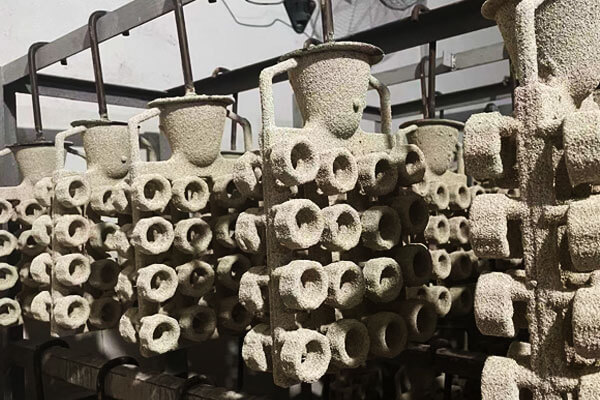
Několik voskových vzorů je pak sestaveno na centrální vtokový kanál, aby vytvořily „odlévací strom“, umožňuje výrobu mnoha dílů v jediném odlévacím cyklu a zároveň zvyšuje efektivitu výroby.
Budova keramické skořápky
Sestavený voskový strom prochází opakovaným budováním keramické skořepiny, aby se vytvořila vysoce pevná forma schopná odolat roztavené nerezové oceli.
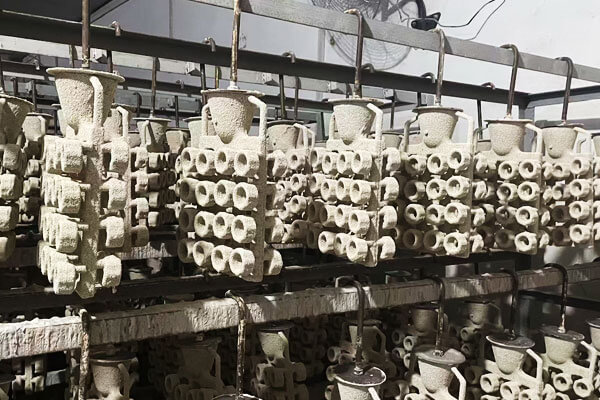
Každý cyklus se skládá z:
- Namáčení sestavy vosku do keramické kaše
- Nanášení žáruvzdorného písku (štuk)
- Řízené sušení za monitorované teploty a vlhkosti
Obvykle, je naneseno šest až deset keramických vrstev v závislosti na velikosti součásti a typu slitiny.
Hotová skořápka musí poskytovat dostatečnou pevnost, propustnost, a tepelnou stabilitu pro udržení rozměrové přesnosti během lití kovu.
Dewaxování a střelba skořápky
Po úplném vytvrzení keramického pláště, vosk se odstraňuje pomocí vysokotlaké páry v autoklávu.
Tento proces zcela eliminuje vosk při zachování vnitřní dutiny formy.
Prázdná keramická skořápka je pak vypálena při teplotách často překračujících 900° C., která slouží několika důležitým účelům:
- Spálí zbytky vosku.
- Zvyšuje pevnost skořápky.
- Odstraňuje vlhkost.
- Zlepšuje tepelnou stabilitu.
- Předehřeje formu, aby se snížil tepelný šok během lití.
Výsledkem je rigidita, vysokoteplotní keramická forma schopná přesně reprodukovat složité geometrie.
Tavení nerezové oceli a přesné lití
Vybrané slitiny nerezové oceli se taví ve středněfrekvenčních indukčních pecích za pečlivě kontrolovaných podmínek.
Po celou dobu tání, chemické složení je nepřetržitě monitorováno pomocí spektrometrické analýzy, aby byla zajištěna shoda s ASTM, AISI, nebo specifikace zákazníka.
Jakmile je dosaženo požadované teploty lití, roztavená nerezová ocel se nalévá do předehřátých keramických skořepin za kontrolovaných podmínek.
Správná teplota lití a rychlost plnění jsou rozhodující pro výrobu hustých odlitků při minimalizaci turbulencí, srážení, a závady související s plynem.
Řízené tuhnutí umožňuje roztavenému kovu přesně reprodukovat každý detail formy, včetně složitých vnějších obrysů a vnitřních prvků.
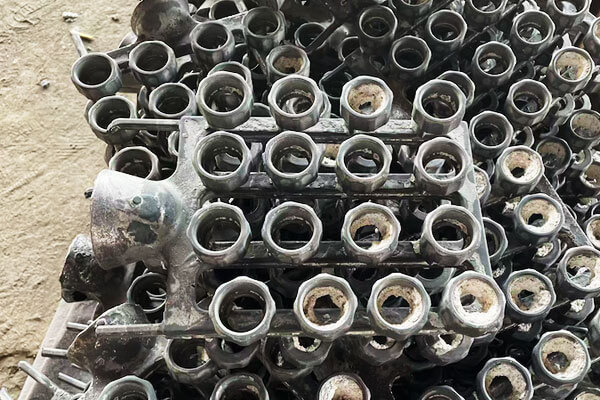
Odstraňování skořepiny a čištění odlitků
Po ztuhnutí a vychladnutí, keramická skořepina je mechanicky odlomena, aby se odhalily lité součásti.
Jednotlivé matice jsou od licího stromu odděleny přesným řezáním, následují čisticí procesy, které mohou zahrnovat:
- Výstřel
- Broušení
- Odstranění brány
- Čištění povrchu
Tyto operace odstraní zbytkový keramický materiál a připraví odlitek pro následné zpracování.
Tepelné zpracování
Mnoho litých matic z nerezové oceli prochází tepelné zpracování pro optimalizaci jejich mikrostruktury a mechanického výkonu.
V závislosti na třídě slitiny, tepelné zpracování může zahrnovat:
| Typ materiálu | Typické tepelné zpracování | Primární účel |
| Austenitická nerezová ocel | Žíhání řešení | Obnovte odolnost proti korozi a eliminujte zbytková pnutí |
| Martensitická nerezová ocel | Zhášení a temperování | Zvyšte tvrdost a odolnost proti opotřebení |
| Duplexní nerezová ocel | Ošetření řešení | Vyvážení feritových a austenitových fází pro optimální pevnost a odolnost proti korozi |
| 17-4 PH nerezová ocel | Ošetření řešení + stárnutí | Dosáhněte maximální pevnosti precipitačním tvrzením |
Správné tepelné zpracování zvyšuje pevnost v tahu, houževnatost, odolnost proti únavě, a dlouhodobá rozměrová stabilita.
Přesné obrábění CNC
I když vytavovací lití produkuje součásti téměř čistého tvaru, kritické funkční vlastnosti obecně vyžadují přesné obrábění.
Pro zakázkové nerezové matice, CNC obrábění běžně zahrnuje:
- Obrábění vnitřních závitů
- Přesná nuda
- Tváří v tvář
- Zahloubení
- Srážení hran
- Deburring
Pokročilé CNC obrábění zajišťuje přesnou geometrii závitu, vynikající soustřednost, a soulad s mezinárodními normami pro závity, jako je ISO, UNC, UNF, Bsp, nebo specifikace specifické pro zákazníka.
Povrchová úprava a závěrečná kontrola
Po obrábění, součásti jsou povrchově upraveny podle požadavků zákazníka a zamýšlených provozních podmínek.
Každá hotová matice prochází komplexní kontrolou kvality, včetně ověření rozměrů, měření závitu, Mechanické testování, identifikaci materiálu, a vizuální vyšetření.
Pro kritické průmyslové aplikace, další nedestruktivní testování, jako je kontrola průniku barviv, Rentgenová radiografie, nebo lze také provést ultrazvukové testování pro ověření vnitřní pevnosti a integrity odlitku.
Pouze komponenty, které splňují všechna specifikovaná kritéria kvality, postupují do konečného balení a expedice.
4. Možnosti povrchové úpravy pro lité matice z nerezové oceli
Povrchová úprava hraje důležitou roli při zlepšování výkonu, vzhled, a životnost zatavených matic z nerezové oceli.
Přestože nerezová ocel přirozeně tvoří pasivní vrstvu oxidu chrómu, která poskytuje odolnost proti korozi, obsazení, tepelné zpracování, a obráběcí procesy mohou vnášet povrchové nečistoty, oxidová stupnice, nebo drobné nedokonalosti.
Vhodné povrchové úpravy pomáhají obnovit odolnost proti korozi, zlepšit čistotu, zvýšit výkon při opotřebení, a splňují specifické průmyslové požadavky.
| Metoda povrchové úpravy | Popis procesu | Klíčové výhody | Typické aplikace |
| Moření a pasivace | Moření odstraňuje oxidové usazeniny, tepelný odstín, a kontaminaci železem z odlévání nebo tepelného zpracování. Pasivace chemicky zvyšuje přirozenou ochrannou vrstvu oxidu chrómu na nerezové oceli. | Zlepšuje odolnost proti korozi, obnovuje pasivní film, odstraňuje povrchové nečistoty beze změny rozměrů. | Chemické vybavení, mořské komponenty, tlakové nádoby, průmyslové potrubí, nerezové spojovací prvky |
| Elektropolizace | Elektrochemický proces, který odstraňuje mikroskopické povrchové vrcholy a vytváří ultra hladký kovový povrch. | Poskytuje vynikající čistotu povrchu, snižuje drsnost, Zlepšuje odolnost proti korozi, minimalizuje ulpívání bakterií, a usnadňuje sterilizaci. | Farmaceutické vybavení, stroje na zpracování potravin, biotechnologické systémy, polovodičové zařízení |
Mechanické leštění |
Používá abrazivní nástroje a leštící směsi k vyhlazení a zušlechtění povrchu nerezové oceli. | Zvyšuje vzhled, snižuje povrchové vady, zlepšuje hladkost povrchu, a poskytuje dekorativní povrchovou úpravu. | Architektonický hardware, přesné zařízení, ozdobné spojovací prvky, spotřební výrobky |
| Výstřel | Vysokorychlostní abrazivní částice jsou promítány na povrch odlitku, aby odstranily zbytky a vytvořily jednotnou texturu. | Odstraňuje zbytky keramických skořápek, oxidové vrstvy, a povrchových nečistot a zároveň vytváří konzistentní matný povrch. | Průmyslové stroje, ventily, čerpadla, komponenty těžké techniky |
Tryskání skleněnými perlami |
Jemné skleněné kuličky se používají k jemnému čištění a texturování povrchu nerezové oceli bez nadměrného odstraňování materiálu. | Vytváří hladký saténový vzhled, zachovává rozměrovou přesnost, a poskytuje jednotnou povrchovou strukturu. | Lékařské vybavení, Přesné komponenty, instrumentace, vysoce kvalitní průmyslové sestavy |
| Zrcadlové leštění | Vícestupňové mechanické leštění vytváří vysoce reflexní povrch s velmi nízkou drsností povrchu. | Poskytuje prémiový vzhled, zlepšuje čistitelnost, a snižuje hromadění povrchové kontaminace. | Dekorativní aplikace, sanitární zařízení, Architektonické komponenty |
CNC obrábění a odjehlování |
Přesné obrábění odstraňuje přebytečný materiál z funkčních oblastí, jako jsou závity, kontaktní plochy, a montážní vlastnosti, následuje dokončování hran. | Zajišťuje rozměrovou přesnost, zlepšuje výkon montáže, eliminuje ostré hrany, a zvyšuje spolehlivost. | Vlastní závitové matice, přesné mechanické sestavy, OEM komponenty |
| Laserové značení | Trvalé identifikační značky jsou vytvářeny pomocí technologie laserového gravírování bez ovlivnění výkonu součástí. | Poskytuje sledovatelnost, identifikace dílu, dávkové řízení, a soulad s průmyslovými požadavky. | Letectví, automobilový průmysl, lékařské vybavení, kritické průmyslové komponenty |
5. Klíčové vlastnosti litých matic z nerezové oceli
Výkon zakázkové matice z nerezové oceli je určen kombinovanými účinky složení slitiny, Kvalita obsazení, tepelné zpracování, přesnost obrábění, a povrchová úprava.
Vynikající odolnost proti korozi
Odolnost proti korozi je jednou z definujících charakteristik spojovacích prvků z nerezové oceli.
Chrom obsažený ve slitině reaguje s kyslíkem za vzniku ředidla, stabilní pasivní oxidový film, který nepřetržitě chrání kovový povrch před další korozí.
Pokud je povrch mechanicky poškozen, tato pasivní vrstva se může přirozeně regenerovat v přítomnosti kyslíku, poskytující dlouhodobou ochranu bez dalších nátěrů.
V kombinaci se správnou pasivací nebo elektrolytickým leštěním, Matice z nerezové oceli odlévané zatavením si mohou zachovat vynikající korozní vlastnosti i po letech nepřetržité služby.
Vysoká mechanická pevnost a nosnost
Zakázkové matice z nerezové oceli musí vydržet značné upínací síly při zachování integrity závitu při statickém a dynamickém zatížení.
Investiční lití vytváří rafinovanou a homogenní mikrostrukturu, která, spolu s vhodnou tepelnou úpravou, poskytuje vynikající pevnost v tahu, výnosová síla, a odolnost proti únavě.
V závislosti na zvolené slitině, mechanické vlastnosti lze optimalizovat pro aplikace vyžadující vysoké předpětí, Odolnost vůči dopadu, nebo cyklické zatížení.
Duplexní nerezové oceli a precipitačně kalené třídy nabízejí výrazně vyšší mez kluzu než běžné austenitické slitiny, umožňuje inženýrům zmenšit velikost součástí při zachování ekvivalentní nosnosti.
Přesná přesnost závitu
Účinnost jakéhokoli závitového spojovacího prvku silně závisí na přesnosti závitu.
I když vytavovací lití produkuje součásti téměř čistého tvaru, kritické závitové prvky jsou obvykle dokončeny pomocí CNC obrábění, aby byla zajištěna shoda s mezinárodními normami závitů, jako je ISO Metric, UNC, UNF, Bsp, nebo specifikace specifické pro zákazníka.
Přesná geometrie závitu poskytuje několik důležitých výhod:
- Rovnoměrné rozložení zatížení mezi lícujícími závity
- Snížené kolísání instalačního momentu
- Vylepšená odolnost proti vibracím
- Nižší riziko zadření závitu a předčasného opotřebení
- Spolehlivá montáž se standardními upevňovacími systémy
Vysoká přesnost závitu je zvláště důležitá pro tlaková zařízení, ventilové sestavy, a kritické mechanické systémy, kde spolehlivost upevnění přímo ovlivňuje provozní bezpečnost.
Vynikající rozměrová konzistence
Rozměrová konzistence je nezbytná pro vlastní komponenty, které se musí hladce integrovat do složitých sestav.
Investiční lití umožňuje vynikající opakovatelnost přesnou reprodukcí voskových vzorů v přesných keramických formách.
V kombinaci s CNC obráběním a přísnou kontrolou procesu, výsledkem jsou konzistentní rozměry napříč výrobními šaržemi.
Stabilní rozměrová přesnost snižuje montážní odchylky, zlepšuje zaměnitelnost, a minimalizuje potřebu sekundárních montážních operací během instalace zařízení.
Odolnost proti únavě a vibracím
Mnoho průmyslových spojovacích prvků pracuje při opakovaném cyklickém zatížení spíše než při konstantním statickém zatížení.
Příklady zahrnují:
- Rotační stroje
- Čerpadla a kompresory
- Větrné turbíny
- Železniční zařízení
- Těžké průmyslové stroje
Matice z nerezové oceli lité vytavením vyrobené se zdravou vnitřní strukturou a přesně obrobenými závity vykazují vynikající únavové vlastnosti.
Správné tepelné zpracování a optimalizovaná geometrie dále snižují koncentraci napětí, pomáhá prodloužit životnost při opakovaném zatížení.
Teplotní výkon
Provozní teplota průmyslových upevňovacích systémů se výrazně liší v závislosti na aplikaci.
Austenitické nerezové oceli si zachovávají vynikající houževnatost a odolnost proti korozi při kryogenních i mírně zvýšených teplotách.
Tepelně odolné třídy jako např 310S a 321 nerez nadále spolehlivě fungovat i při dlouhodobém vystavení blížícím se teplotám 1000° C., takže jsou vhodné pro zařízení pecí, výfukové systémy, a stroje na tepelné zpracování.
V opačném extrému, austenitické nerezové oceli si zachovávají vynikající houževnatost při kryogenních teplotách, díky tomu jsou ideální pro zařízení LNG, nízkoteplotní skladovací systémy, a potrubí kryogenního procesu.
Hygienický a čistý povrch
Mnoho průmyslových odvětví vyžaduje upevňovací součásti, které se snadno čistí a jsou odolné vůči bakteriální kontaminaci.
Po elektrolytickém leštění nebo jemném mechanickém leštění, Matice z ušlechtilé oceli odlévané na vytavitelné účely mají hladký povrch se sníženou drsností, minimalizace hromadění kontaminantů a usnadnění čisticích postupů.
Dlouhá životnost a nízké nároky na údržbu
Kombinace odolnosti proti korozi, Mechanická trvanlivost, a rozměrová stabilita propůjčuje maticím z nerezové oceli na vytavení výjimečně dlouhou životnost.
Na rozdíl od upevňovacích prvků z uhlíkové oceli, nerezové matice obecně nevyžadují ochranné nátěry ani častou výměnu kvůli rzi.
Jejich odolnost vůči degradaci prostředí výrazně snižuje náklady na údržbu a minimalizuje prostoje zařízení po celou dobu životnosti sestavy.
6. Výhody investičních litých matic z nerezové oceli na zakázku
Ve srovnání se standardními spojovacími prvky vyrobenými za studena nebo obráběním, Zakázkové matice z nerezové oceli lité na zakázku poskytují výrazně větší flexibilitu designu při zachování vynikajícího mechanického výkonu a přesnosti výroby.
Svoboda vyrábět složité návrhy
Jednou z největších předností investičního lití je jeho schopnost vytvářet geometrie, které jsou obtížné, nákladné, nebo nemožné vyrobit konvenčním obráběním nebo kováním.
Komplexní vnější profily, integrované funkce určování polohy, dutiny pro snížení hmotnosti, a přizpůsobené konstrukční výztuhy lze začlenit přímo do odlitku.
Tato schopnost téměř čistého tvaru minimalizuje požadavky na obrábění a zároveň rozšiřuje možnosti konstrukčního návrhu.
Vynikající rozměrová přesnost
Investiční lití důsledně produkuje součásti s vynikající rozměrovou přesností a opakovatelností.
Protože keramická forma přesně reprodukuje každý detail voskového vzoru, hotový odlitek vyžaduje minimální sekundární obrábění s výjimkou kritických funkčních povrchů, jako jsou vnitřní závity.
Vylepšená rozměrová konzistence nabízí několik praktických výhod:
- Lepší zaměnitelnost
- Zjednodušená montáž
- Snížené náklady na obrábění
- Vyšší efektivita výroby
Tyto výhody jsou zvláště cenné pro výrobce zařízení OEM, kteří vyžadují stabilní kvalitu ve velkých výrobních sériích.
Široký výběr materiálu
Investiční lití je kompatibilní se širokou škálou slitin nerezové oceli, umožňuje inženýrům vybrat materiály podle požadavků na výkon specifických pro aplikaci.
Od ekonomického 304 nerezové oceli na vysoce výkonné super duplexní a precipitačně kalené slitiny, výrobci mohou optimalizovat odolnost proti korozi, pevnost, nosit odpor, nebo vysokoteplotní výkon bez významných konstrukčních omezení.
Tato flexibilita materiálu umožňuje, aby jeden výrobní proces obsluhoval řadu průmyslových odvětví s výrazně odlišnými provozními prostředími.
Vynikající kvalita povrchu
Ve srovnání s konvenčním litím do písku, Investiční lití vytváří výrazně hladší povrchy díky jemné keramické formě a přesným voskovým vzorům.
Vynikající povrchová úprava nabízí několik technických výhod:
- Snížené požadavky na leštění
- Zlepšená odolnost proti korozi
- Lepší vzhled
- Nižší tření při montáži
- Vylepšená kvalita povlaku a pasivace
Pro dekorativní nebo hygienické aplikace, vynikající povrch odlitku také snižuje čas a náklady na následné dokončovací operace.
Snížený materiál
Investiční lití je výrobní proces téměř čistého tvaru, který přesně odpovídá geometrii hotové součásti.
Na rozdíl od CNC obrábění, který odstraňuje značné množství materiálu, lití na vytavitelné odlévání minimalizuje odpad a zlepšuje využití materiálu – zejména při použití drahých slitin nerezové oceli.
To nejen snižuje náklady na suroviny, ale také přispívá k udržitelnějším výrobním postupům.
Nákladově efektivní výroba součástí na zakázku
Zatímco vrtání za studena zůstává vysoce ekonomické pro standardní spojovací prvky vyráběné v extrémně velkých množstvích, investiční lití nabízí značné ekonomické výhody pro zakázkovou nebo středně sériovou výrobu.
Výrobci mohou vyrábět ekonomicky:
- Prototypové komponenty
- Malé výrobní série
- Složité OEM spojovací prvky
- Nestandardní geometrie
- Návrhy specifické pro aplikaci
Snížením složitosti nástrojů a doby obrábění, investiční lití dosahuje vynikající rovnováhy mezi výrobní flexibilitou a výrobními náklady.
Spolehlivá kvalita a konzistentnost procesů
Moderní investiční lití integruje digitální inženýrství, Přesné nástroje, Automatizovaná budova skořápky, řízené tání, CNC obrábění, a komplexní kontrola kvality do vysoce opakovatelného výrobního procesu.
Přísná kontrola procesu zajišťuje:
- Stabilní chemické složení
- Jednotné mechanické vlastnosti
- Konzistentní rozměry
- Vynikající integrita odlitku
- Spolehlivý dlouhodobý výkon
Tyto vlastnosti jsou zásadní pro upevňovací součásti používané v kritických průmyslových zařízeních, kde je selhání nepřijatelné.
7. Aplikace zakázkových matic z nerezové oceli
Zakázkové zatavené matice z nerezové oceli se používají všude tam, kde standardní komerční spojovací prvky nemohou vyhovět konkrétnímu inženýrství, mechanický, nebo environmentální požadavky.
Jejich kombinace odolnosti proti korozi, strukturální spolehlivost, a flexibilita designu je činí vhodnými pro řadu průmyslových odvětví pracujících v náročných provozních podmínkách.
Ropný a plynárenský průmysl
Ropná a plynová zařízení často pracují pod vysokým tlakem, zvýšené teploty, Korozivní chemikálie, a expozice na moři.
Běžně se používají zakázkové matice z nerezové oceli:
- Vybavení studny
- Potrubí systémy
- Sestavy ventilu
- Tlakové nádoby
- Pobřežní vrtné plošiny
- Zařízení LNG
Průmysl chemického zpracování
Chemické závody vyžadují upevňovací systémy schopné odolat trvalému působení kyselin, Alkalis, rozpouštědla, a agresivní procesní média.
Matice z lité nerezové oceli jsou široce používány:
- Chemické reaktory
- Výměníky tepla
- Čerpadla
- Skladovací nádrže
- Procesní systémy potrubí
Marine a offshore inženýrství
Mořská voda je jedním z nejagresivnějších prostředí, se kterým se setkávají průmyslové spojovací prvky.
Vlastní matice z nerezové oceli se široce používají:
- Budování lodí
- Offshore platformy
- Přístavní zařízení
- Mořské čerpadly
- Zařízení pro odsolování
- Pobřežní infrastruktura
Potravinářské a farmaceutické vybavení
Zařízení pro hygienické zpracování vyžaduje upevňovací součásti, které jsou odolné proti korozi, Snadné čištění, a splňující přísné hygienické normy.
Běžně se instalují matice z lité nerezové oceli:
- Stroje na zpracování potravin
- Mléčné zařízení
- Linky na výrobu nápojů
- Farmaceutické reaktory
- Biotechnologické systémy
Výroba energie a obnovitelná energie
Zařízení na výrobu energie vyžadují spolehlivé upevňovací systémy schopné nepřetržitého provozu při mechanickém namáhání a měnících se teplotách.
Aplikace zahrnují:
- Parní turbíny
- Výměníky tepla
- Pomocná jaderná zařízení
- Sestavy větrných turbín
- Solární montážní systémy
- Zařízení pro vodní elektrárny
Průmyslové stroje a automatizace
Moderní výrobní zařízení stále více zahrnuje přizpůsobené upevňovací komponenty pro zlepšení efektivity montáže a konstrukčního výkonu.
Investiční lité nerezové matice jsou široce používány:
- CNC obráběcí stroje
- Průmyslové roboty
- Dopravníkové systémy
- Automatizační zařízení
- Balicí stroje
- Systémy manipulace s materiálem
Konstrukce a infrastruktura
Architektonické a stavební projekty vyžadují upevňovací systémy, které kombinují strukturální integritu s dlouhodobou odolností proti korozi.
Používají se zakázkové matice z nerezové oceli:
- Ocelové konstrukce
- Komponenty mostu
- Systémy stěn záclon
- Architektonický hardware
- Veřejná infrastruktura
- Dopravní zařízení
8. Proč zvolit investiční lití pro matice z nerezové oceli namísto jiných výrobních metod?
Výběr správného výrobního procesu je zásadním rozhodnutím při výrobě zakázkových matic z nerezové oceli.
I když tradiční metody, jako je tváření za studena, Horké kování, CNC obrábění, a lití do písku jsou široce používány pro výrobu spojovacího materiálu, každý z nich má omezení při práci se složitými geometriemi, specializované materiály, nebo přizpůsobené návrhy.
| Kritérium | Investiční lití | CNC obrábění | Hot Heading | Formování chladu |
| Geometrická složitost | Velmi vysoká (zalévané závity, výklenky) | Vysoký | Nízký | Nízký |
| Využití materiálu | 85-95 % | 30-60 % | 80-90 % | 85-95 % |
| Rozměrová přesnost | ±0,1–0,3 mm | ±0,01-0,05 mm | ±0,1–0,3 mm | ±0,1–0,3 mm |
| Povrchová úprava (Ra) | 1.6-6,3 µm | 0.4-1,6 µm | 1.6-6,3 µm | 1.6-6,3 µm |
| Náklady na nástroje | Středně vysoká | Nízký | Vysoký | Vysoký |
| Cena za díl (100-1000/rok) | Nízko-střední | Středně vysoká | Velmi vysoká | Velmi vysoká |
| Cena za díl (>5,000/rok) | Nízký | Vysoký | Velmi nízké | Velmi nízké |
| Pružnost slitiny | Velmi široký | Široký | Omezený (Teaket) | Omezený (Teaket) |
| Přesnost závitu | Dobrý (nebo opracované) | Vynikající | Dobrý | Dobrý |
| Vhodnost malých šarží | Vynikající | Vynikající | Chudý | Chudý |
| Dodací lhůta pro nástroje | 6-12 týdnů | 1-2 týdny | 12-24 týdnů | 12-24 týdnů |
9. Vlastní investiční lití řešení od LangHe Foundry
LangHe Foundry se specializuje na přesné odlévání zakázkových nerezových matic a dalších spojovacích prvků.
| Schopnost | Podrobnosti |
| Materiály | CF-8 (304), CF-8M (316), CF-3 (304L), CF-3M (316L), CN-7M (Slitina 20), CD-3MN (2205 Duplex), CB7Cu‑1 (17-4ph). |
| Hmotnost dílu | 0.01 kg do 5 kg. |
| Rozměry | Až do 100 průměr mm; k dispozici vlastní velikosti. |
| Tolerance | ±0,1–0,3 mm (CT5‑CT7 na ISO 8062). |
| Povrchová úprava | Ra 1,6-6,3 µm jako odlitek; k dispozici elektrolytické leštění a pasivace. |
| Tepelné zpracování | Žíhání řešení, stárnutí. |
| Vlákna | Zalité nebo opracované; ISO, Z, ANSI, vlastní vlákna. |
| Kvalitní | ISO 9001:2015 certifikovaný; 100% NDT a rozměrová kontrola. |
| Dodací lhůta | 6-12 týdnů na nářadí a první články; 2-4 týdny pro opakované objednávky. |
Služby OEM a zakázkové výroby
LangHe podporuje globální zákazníky OEM flexibilními výrobními řešeními, včetně:
- Vývoj prototypu
- Malosériová výroba
- Středně objemová výroba
- Vlastní výběr slitiny
- Řešení povrchové úpravy
- Podpora balení a dodání
Od jediného prototypu až po nepřetržité výrobní zakázky, LangHe poskytuje spolehlivá řešení investičního lití přizpůsobená technickým požadavkům každého zákazníka.
Kontaktujte nás pro zakázkové přesné odlitky z nerezové oceli.
10. Závěr
Zakázkové matice z nerezové oceli vyráběné přesným litím představují vysoce hodnotné řešení pro aplikace, kde standardní spojovací prvky se studenou hlavou nemohou splňovat geometrické rozměry, požadavky na materiál nebo výkon.
Kombinací přesnosti téměř čistého tvaru, neomezená flexibilita designu, široká slitinová kompatibilita a nákladově efektivní malo až středně sériová výroba, Investiční lití řeší mnoho dlouhodobých omezení konvenční výroby matic.
Klíč ke stálé kvalitě spočívá v přísné kontrole procesu – od kalibrace nástrojů s voskovým vzorem a optimalizace vtoků až po správné tepelné zpracování v roztoku a konečnou konečnou úpravu závitu.
Při správném provedení, Matice z nerezové oceli odlévané vytavením poskytují ekvivalentní nebo lepší mechanické a korozní vlastnosti než kované spojovací prvky, s mnohem větší svobodou návrhu a mnohem nižšími investicemi do nástrojů pro vlastní geometrie.
Jak průmyslová zařízení pokračují směrem k větší specializaci a vyšším nárokům na výkon, Investiční lité zakázkové spojovací prvky z nerezové oceli budou i nadále přibývat, umožňuje inženýrům navrhovat řešení upevnění optimalizovaná pro aplikaci, která byla dříve neekonomická nebo technicky nemožné vyrobit.
Časté časté
Závity lze odlévat přímo do litých matic?
Ano, hrubé nitě lze odlévat přímo pomocí voskových vzorů a keramických jader. Pro jemné závity nebo vysoce přesné aplikace, po odlití se doporučuje řezání závitu.
Jaký je rozdíl mezi CF-8 a CF-8M?
CF-8 je ekvivalentní 304 nerez (žádný molybden). CF-8M je ekvivalentní 316 nerez, obsahující 2–3 % molybdenu pro zlepšenou odolnost proti důlkové tvorbě chloridů.
Jsou lité matice vhodné pro vysokoteplotní aplikace?
Ano. Austenitické druhy lze použít až do 800–850 °C. Pro vyšší teploty, zvážit 310 nerezová ocel nebo slitiny na bázi niklu.
Jak specifikuji vlastní matici?
Uveďte požadované rozměry (vnější průměr, výška, velikost závitu/rozteč), tvar (hex, náměstí, příruba, atd.), stupeň materiálu, množství, povrchová úprava,
a jakékoli speciální funkce (zamykací mechanismus, identifikační znaky). Kresba (2D nebo 3D) se doporučuje.
Jsou lité matice z nerezové oceli pevnější než opracované matice?
Pevnost závisí na jakosti materiálu, design, a kvalitu výroby. Zatavené lité matice mohou dosáhnout vynikajících mechanických vlastností správným výběrem slitiny a tepelným zpracováním, přičemž nabízejí větší konstrukční flexibilitu než obráběné součásti.