
430 Stainless Steel: Cost-Effective Ferritic Alloy
1. Introduction 430 stainless steel (EN 1.4016/UNS S43000) is a ferritic stainless steel grade that has carved out a significant niche in various industries due to its unique combination of


1. Introduction 430 stainless steel (EN 1.4016/UNS S43000) is a ferritic stainless steel grade that has carved out a significant niche in various industries due to its unique combination of

1. Introduction Galvanized steel vs stainless steel are two of the most widely used corrosion-resistant metals across modern industry. From bridges and high-rise buildings to kitchen equipment and chemical tanks,

1. Introduction 904L stainless steel (UNS N08904/EN 1.4539) stands at the pinnacle of the super‑austenitic family, prized for its exceptional corrosion resistance, mechanical strength, and formability. Developed jointly by Outokumpu and

1. Introduction Carbon steel vs stainless steel together account for over 90 % of global steel production, underpinning industries from construction to healthcare. Carbon steel—an iron–carbon alloy with carbon content

1. Introduction AISI 420 Stainless Steel (X20Cr13 / 1.4021) is a medium-carbon martensitic stainless steel that belongs to the 400-series of stainless steels. This series is known for its martensitic

1. Introduction Cast aluminum is a versatile material created by pouring molten aluminum alloy into a mold and allowing it to solidify. Widely used across industries, it offers a blend

1. Introduction Aluminum welding plays a pivotal role in modern fabrication, underpinning industries from aerospace to automotive. As manufacturers push for lighter, more efficient structures, they increasingly rely on aluminum’s

1. Introduction Among the 5xxx-series aluminum alloys, 5083 aluminum has earned a stellar reputation for combining high strength, superior corrosion resistance, and excellent weldability. Developed in the 1960s, 5083 aluminum
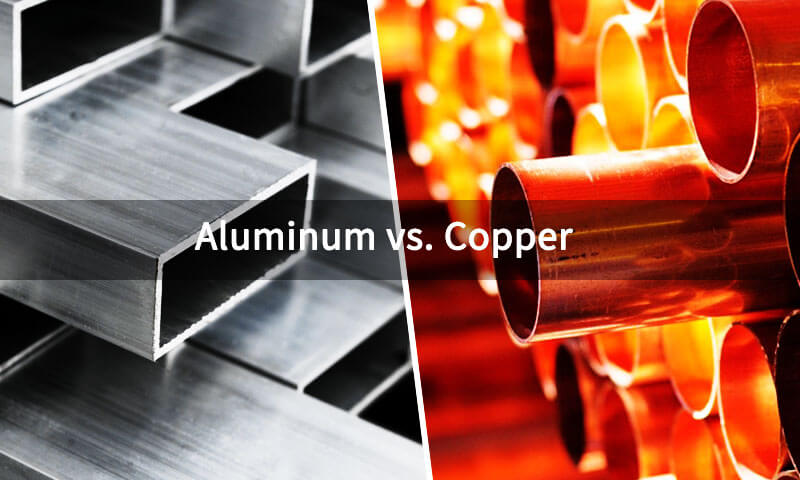
1. Introduction In the world of engineering materials, aluminum vs. copper stand out as two of the most widely used non-ferrous metals. Their applications span across electrical systems, thermal management,

1. Introduction 2024 aluminum alloy stands out as one of the most versatile heat‐treatable alloys in modern engineering. By combining high strength with good fatigue resistance, it serves critical roles

1. Introduction Aluminum vs. titanium rank among the most important engineering metals, each excelling in specific applications. Aluminum’s low density and excellent conductivity make it ubiquitous in aircraft fuselages, automotive

1. Introduction 6063 aluminum alloy—commonly designated EN AW-6063, ASTM B221, and ISO AlMg0.7Si—stands out as a versatile, extrusion-optimized material. Since its commercial debut in the mid-20th century, 6063 aluminum has

1. Introduction Aluminum vs. stainless steel ranks among the world’s most widely used engineering metals. Each material brings a distinct set of advantages—aluminum for its light weight and high conductivity,

1. Introduction Aluminum extrusion is a critical metal-forming process that enables the production of complex cross-sectional profiles with high dimensional accuracy and excellent surface finish. Its widespread application ranges from
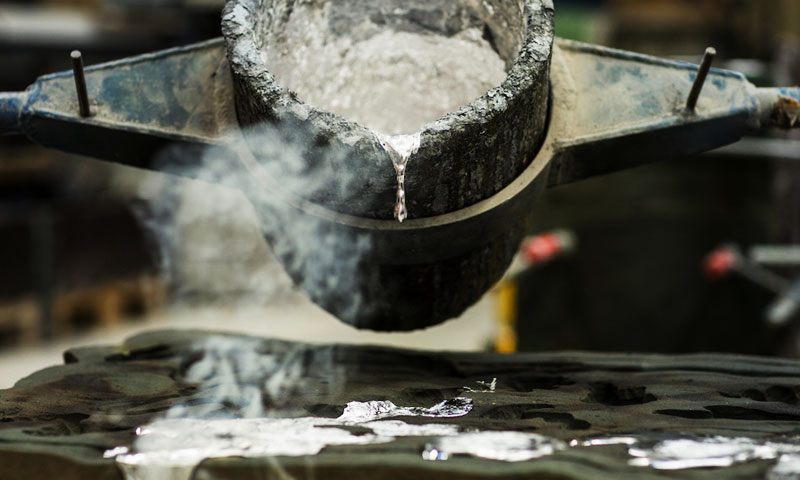
1. Introduction Aluminum ranks among the most versatile and abundant metals used today, underpinning industries from aerospace to consumer electronics. Its combination of light weight, good conductivity, and corrosion resistance