Введение
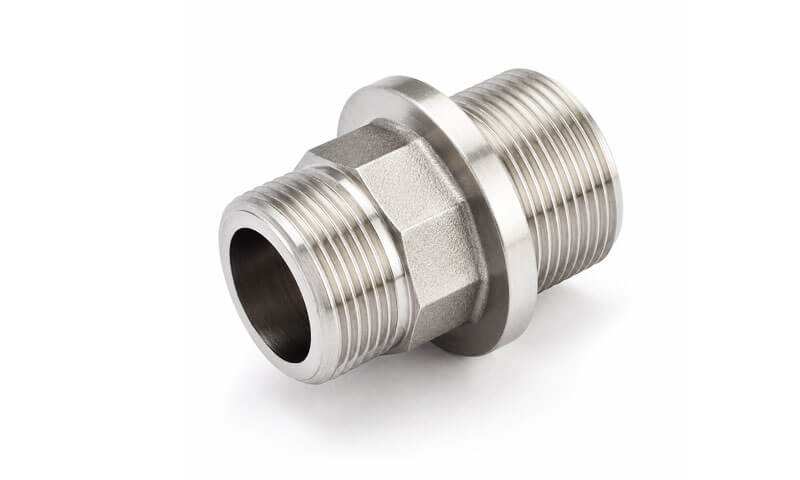
Среди семейства процессов точного литья, литье по выплавляемым моделям, часто называемое «литьем по выплавляемым моделям», выделяется своей способностью производить металлические детали почти готовой формы с исключительной чистотой поверхности., сложная геометрия, и плотные допуски.
В этой статье анализируется процесс литья по выплавляемым моделям: от основных принципов до продвинутых приложений..
Мы изучим его металлургические основы, подробный технологический процесс, варианты технологии (водяной стакан, Силика Сол, композитный), дефектные механизмы, сравнительное позиционирование по сравнению с другими методами производства, и варианты промышленного использования.
1. Что такое инвестиционный кастинг?
Литье по выплавляемым моделям, также известный как процесс потерянного воска, представляет собой метод прецизионной обработки металлов давлением, при котором одноразовый воск или плавкий шаблон покрывается огнеупорной керамической оболочкой., затем удаляется, чтобы создать полость, заполненную расплавленным металлом.
Процесс предназначен для воспроизведения исходного рисунка с высокой степенью точности., что делает его одним из наиболее эффективных маршрутов производства сложных, металлические детали почти чистой формы.
В отличие от традиционных способов заброса, которые часто оптимизированы ради простоты или объема., литье по выплавляемым моделям построено вокруг подробное копирование, Размерный контроль, и гибкость сплава.
Он используется, когда компонент должен сочетать в себе сложную геометрию., функциональная точность, и надежное металлургическое качество в единой технологической цепочке.
Именно поэтому он широко применяется в таких отраслях, как аэрокосмическая промышленность., энергия, Автомобиль, Медицинское оборудование, и прецизионное промышленное оборудование.
Основные конкурентные преимущества литья по выплавляемым моделям
По сравнению с другими процессами обработки металлов давлением, литье по выплавляемым моделям предлагает шесть основных преимуществ, которые обеспечивают ему отличительную и устойчивую позицию на рынке.:
Превосходная точность размеров и чистота поверхности
Литье по выплавляемым моделям позволяет достичь стандартных допусков на размеры CT4–CT7, значительно плотнее, чем литье в песчаные формы (CT9–CT14).
Шероховатость поверхности обычно можно контролировать при Ra 1,6–6,3 мкм, что значительно снижает необходимость в обширном шлифовании, полировка, или вторичная отделка декоративных и прецизионных функциональных поверхностей.
Исключительные возможности для сложной геометрии.
Этот процесс особенно хорошо подходит для деталей с очень сложными характеристиками., включая Внутренние полости, подписаны, тонкостенные секции (вплоть до 0.5 мм), сложные изогнутые поверхности, и узоры с мелкими отверстиями.
Он может воспроизводить практически любую геометрию, необходимую для прецизионных промышленных компонентов..
Широкая совместимость сплава
Литье по выплавляемым моделям совместимо с очень широким спектром сплавов., включая обычные черные и цветные металлы, а также требовательные высокопроизводительные материалы.
Может применяться к нержавеющим сталям., углеродные сталики, алюминиевые сплавы, медные сплавы, На основе никеля суперсплавы, на основе кобальта сплавы, и даже активные сплавы, такие как титан.
Такой широкий допуск сплава дает инженерам гораздо больше свободы в выборе материала, чем многие другие процессы формовки..
Высокое металлургическое качество
Химически инертная керамическая оболочка сводит к минимуму загрязнение расплавленного металла..
Кроме того, контролируемое затвердевание и хорошо спроектированные литниковые системы помогают снизить усадка, пористость, и сегрегация, производство деталей с плотной микроструктурой и стабильными механическими характеристиками.
Высокая эффективность материала
Как процесс, близкий к чистой форме, литье по выплавляемым моделям обеспечивает коэффициент использования материала примерно 92%–98%, существенное сокращение отходов металла по сравнению с процессами субтрактивной обработки.
Гибкая производственная шкала
Литье по выплавляемым моделям легко адаптируется, сделать это подходящим для уникальные индивидуальные прототипы, специальные детали мелкосерийного производства, и крупносерийное производство стандартизированных компонентов.
2. Основные металлургические и технологические принципы
Литье по выплавляемым моделям – это не только метод формования.. Это тесно интегрированный металлургическая система в какой точности шаблона, поведение оболочки, тепловое управление, и затвердевание сплава взаимодействуют.
Качество финальной части определяется тем, насколько хорошо эти четыре фактора контролируются вместе..
Геометрическая репликация посредством переноса узора
Процесс начинается с восковой или плавкой модели, которая с высокой точностью передает конечную геометрию детали..
Потому что керамическая форма строится непосредственно вокруг этого рисунка., полость практически точку в точку воспроизводит заданную форму.
Именно это дает инвестиционному литью преимущество в производстве:
- тонкие ребра,
- резкие переходы,
- канавки,
- маленькие дырочки,
- внутренние отрывки,
- и сложные особенности поверхности.
Другими словами, литье по выплавляемым моделям не «приближает» геометрию.
Он переносит его из выкройки в форму с очень высокой детализацией.. Это основа его способности иметь почти чистую форму..
Керамическая оболочка как прецизионный тепловой барьер
Керамическая оболочка – это не просто емкость для расплавленного металла. Это прецизионная огнеупорная конструкция который должен одновременно удовлетворять двум противоречивым требованиям.
Оно должно быть достаточно сильным, чтобы выдержать:
- Depaxing,
- Оболочка стрельба,
- залив,
- давление металла,
- и термический удар.
В то же время, он должен оставаться точным по размерам, чтобы полость не искажала геометрию детали..
Этот баланс между механическая прочность и размерная стабильность является одной из центральных технических задач литья по выплавляемым моделям..
Если оболочка слишком слабая, он трескается или разрушается. Если он плохо контролируется, он искажает или теряет точность.
Таким образом, оболочка является критически важным инженерным интерфейсом между моделью и окончательной отливкой..
Контроль затвердевания как основа металлургии
После попадания расплавленного металла в полость оболочки, процесс становится вопросом как сплав заполняется и затвердевает.
На этом этапе определяется, будет ли деталь плотной., звук, и размерно стабильный, или будет ли он содержать пористость, усадка, Холод закрывается, или структурный дисбаланс.
Ключевые переменные управления включают в себя:
- проектирование воротной системы,
- размещение стояка,
- температура предварительного нагрева корпуса,
- температура заливки,
- текучесть сплава,
- и скорость затвердевания.
Эти факторы формируют внутреннюю структуру отливки так же, как и внешнюю форму..
Деталь может выглядеть правильно снаружи, но все же выйти из строя внутри, если затвердевание не контролируется должным образом..
Почему процесс металлургический, не только геометрический
Литье по выплавляемым моделям часто называют процессом точной формовки., но это описание неполное.
Это также металлургический процесс, ведь окончательные свойства детали формируются при плавке, залив, наполнение, и затвердевание.
Это означает, что литейное производство не только воспроизводит форму.. Он активно управляет:
- зерновая структура,
- плотность,
- сегрегация,
- Формирование дефектов,
- и окончательное механическое поведение.
Именно поэтому литье по выплавляемым моделям занимает особое место среди технологий обработки металлов давлением..
Он сочетает в себе репликация формы с контролируемая металлургическая консолидация, и то и другое одинаково важно.
3. Полный рабочий процесс литья по выплавляемым моделям
Промышленное литье по выплавляемым моделям — это строго контролируемая технологическая цепочка, в которой каждый этап влияет на конечное качество отливки..
Точность размеров, состояние поверхности, Внутренняя обоснованность, и металлургические характеристики определяются тем, насколько хорошо управляется процесс от восковой модели до окончательного контроля..
На практике, литье по выплавляемым моделям — это не одна операция, а последовательность взаимосвязанных производственных этапов..
3.1 Изготовление восковой модели и выбор материала
Восковая модель — это первое физическое представление конечной детали., поэтому его размерная стабильность напрямую определяет потолок точности отливки..
Выбор воскового материала
В промышленном литье по выплавляемым моделям обычно используются три категории воска.:
- Низкотемпературный воск для простого, детали низкой точности
- Среднетемпературный воск для производства общего назначения
- Высокотемпературный воск для сверхточных или специальных применений
Среди них, среднетемпературный воск является наиболее широко используемым. Обеспечивает низкую усадку, Хорошая плавность, стабильная управляемость, и достоверное воспроизведение деталей.
Это делает его пригодным для большинства сталей., медный сплав, и отливки из алюминиевых сплавов.
Контроль литья под давлением
Впрыск воска должен контролироваться:
- температура воска,
- давление впрыска,
- время выдержки,
- и геометрия детали.
Если воск слишком холодный, заполняемость ухудшается. Если слишком жарко, стабильность размеров может пострадать.
Удержание давления также важно, поскольку внутренние усадочные пустоты в воске могут впоследствии унаследоваться металлической отливкой как дефекты..

Компенсация усадки
Восковая модель должна включать расчетный припуск на усадку в зависимости от отливаемого сплава..
Различные сплавы затвердевают с разной усадкой., поэтому компенсация должна быть встроена в инструмент с самого начала.
Контроль дефектов
Восковые модели необходимо проверять на предмет:
- пузыри,
- депрессии,
- деформация,
- вспышка,
- и повреждение поверхности.
Любая дефектная восковая модель должна быть отклонена до начала производства ракушек., потому что дефекты воска часто становятся дефектами отливки на более поздних этапах процесса.
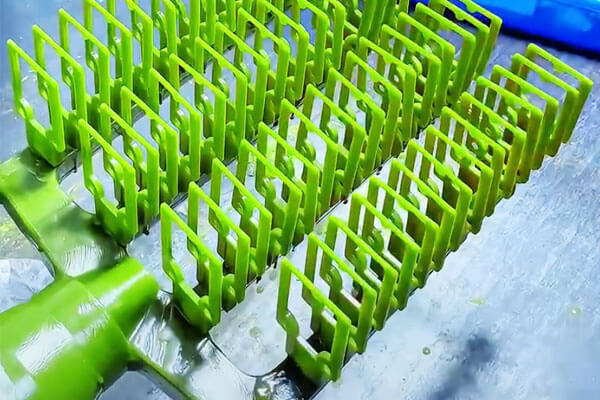
3.2 Сборка шаблона и проектирование литниковой системы
Индивидуальный восковые узоры собраны в кластер или дерево, что повышает эффективность производства и позволяет производить несколько отливок за один цикл пресс-формы..
Компоновка кластера
Расстояние между рисунками должно быть достаточным, чтобы предотвратить попадание скорлупы во время нанесения покрытия и высыхания..
Количество деталей в кластере также должно соответствовать мощности печи., ритм заливки, и поведение сплава при затвердевании.
Конструкция ворот
Система ворот должна поддерживать:
- гладкое наполнение,
- низкая турбулентность,
- и контролируемый поток металла.
Ламинарный поток предпочтителен, поскольку турбулентность увеличивает риск:
- воздушный увлечение,
- оксид складной,
- и шлаковые включения.
Для более требовательных сплавов, особенно высоколегированные стали и суперсплавы, Обычно используются устройства с нижними литниками или ступенчатыми направляющими..
Могут быть добавлены ловушки для шлака или удлинители желобов для перехвата плавающих примесей до того, как они попадут в полость..
Расположение стояка
Стояки расположены в горячих точках и зонах последней затвердевания, чтобы обеспечить подачу металла во время затвердевания.. Это важно для предотвращения:
- усаживание полостей,
- микропористость,
- и усадка по средней линии.
Для сплавов с широким диапазоном замерзания, для обеспечения стабильного режима подачи может потребоваться несколько вспомогательных стояков.
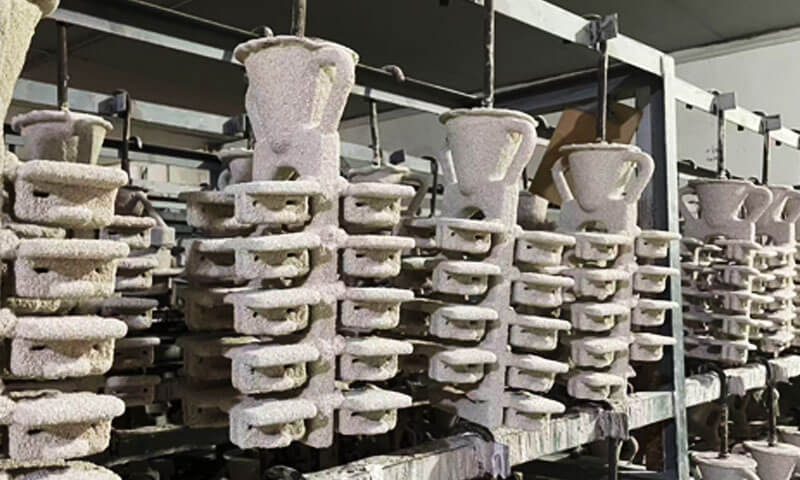
3.3 Изготовление керамической оболочки (Основной процесс литья по выплавляемым моделям)
Изготовление керамической раковины – самая трудоемкая и технически сложная процедура..
Оболочка формируется путем многократного нанесения огнеупорного раствора и сухой песчаной штукатурки., разделен на лицевую часть, переходное и резервное покрытие с различными огнеупорными материалами и функциями.
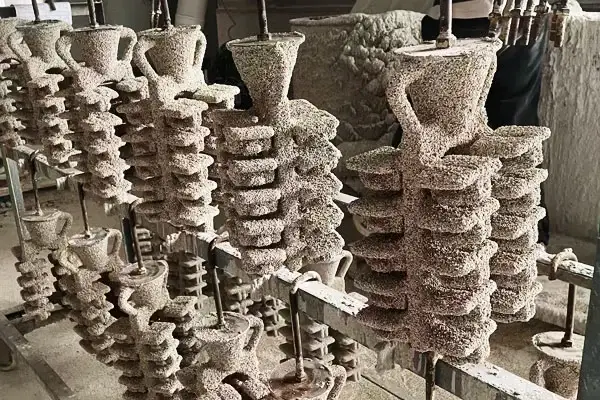
Многослойная структура и соответствие материалов
- Лицевой слой (поверхностный слой): Непосредственно контактирует с высокотемпературным расплавленным металлом., требующие сверхвысокой огнеупорности и химической инертности.
Для высококачественной нержавеющей стали и суперсплавов, используется цирконовая мука высокой чистоты и цирконовый песок.; для обычной углеродистой стали, обычно используется плавленый оксид алюминия.
Этот слой предотвращает проникновение металла., прилипание песка и химическая реакция между расплавленным металлом и огнеупором. - Переходное пальто: Повышает прочность сцепления между лицевым слоем и резервным слоем, чтобы избежать расслоения оболочки во время обжига и заливки..
- Резервное пальто (задний слой): Использует недорогой кварцевый песок и заполнитель муллита для улучшения общей структурной прочности оболочки и снижения совокупной стоимости материалов..
Контроль сушки:
Каждый слой покрытия должен пройти полное естественное высыхание при постоянной температуре. (22~26°С) и постоянная влажность (55%~65% относительной влажности).
Недостаточная сушка оставляет внутри скорлупы остатки свободной воды., который становится источником водорода и вызывает точечную пористость в отливках..
Общее количество слоев оболочки колеблется от 8 к 12; для толстостенных крупных отливок требуется более 12 слои для повышения прочности.
Дифференциация связующего:
Тип связующего определяет огнеупорность оболочки., Содержание примесей и общая производительность, что также является основой для классификации основных технических маршрутов литья по выплавляемым моделям..
3.4 Depaxing
Депарафинизация удаляет материал модели из керамической оболочки и создает полую полость, которая позже будет заполнена расплавленным металлом..
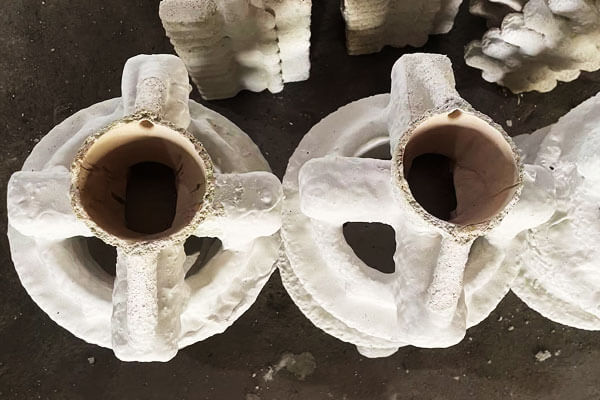
Стандартный промышленный метод
Предпочтительным промышленным методом является депарафинизация паром под высоким давлением. Он широко используется, поскольку быстро удаляет воск и снижает риск повреждения скорлупы..
Управление процессом
Паровую депарафинизацию необходимо тщательно контролировать, чтобы:
- воск полностью тает,
- оболочка не трескается от термического удара,
- и никаких остатков внутри полости не остается.
Любой остаток воска представляет собой серьезную проблему, поскольку он может разложиться при последующем обжиге и привести к загрязнению углеродом., выделение газа, или поверхностные дефекты при окончательной отливке.
Восстановление материала
Восстановленный воск обычно собирают, отфильтрован, и переработано, что улучшает экономию процесса и поддерживает повторное использование материалов.
3.5 Обжиг корпуса и предварительный подогрев заливки
Полая керамическая оболочка требует сегментированного высокотемпературного обжига для полного удаления органических остатков., спекать тугоплавкие частицы и стабилизировать структуру оболочки; предварительный нагрев проводится перед заливкой для адаптации к температуре расплавленного металла.
Сегментированная стрельба
Стрельба обычно осуществляется поэтапно.:
- Низкотемпературная ступень: удаляет остатки органики и следы воска
- Среднетемпературная стадия: выводит связанную влагу и разлагает оставшиеся остатки связующего
- Высокотемпературная стадия: спекает огнеупорную оболочку и обеспечивает окончательную прочность
Этот поэтапный нагрев предотвращает растрескивание скорлупы и обеспечивает достижение скорлупой стабильного теплового и структурного состояния..
Предварительный подогрев перед заливкой
Затем обожженную оболочку предварительно нагревают, чтобы уменьшить температурный разрыв между формой и расплавленным металлом.. Предварительный нагрев помогает:
- улучшить наполнение,
- снизить риск неправильной работы и холодного закрытия,
- минимизировать термический шок,
- и поддерживают более тонкие секции во время наполнения.
Точный диапазон предварительного нагрева зависит от сплава., толщина участка, и частично сложность.
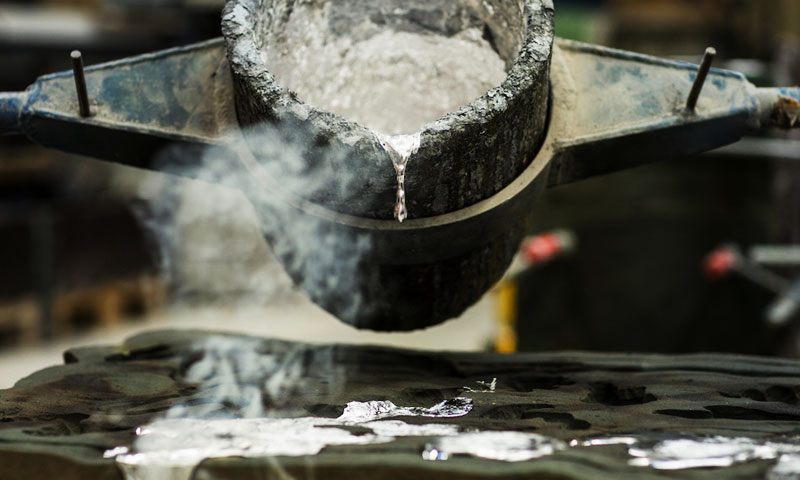
3.6 Таяние, Контроль атмосферы, и заливка
На этом этапе определяется металлургическая чистота и заполнение формы..
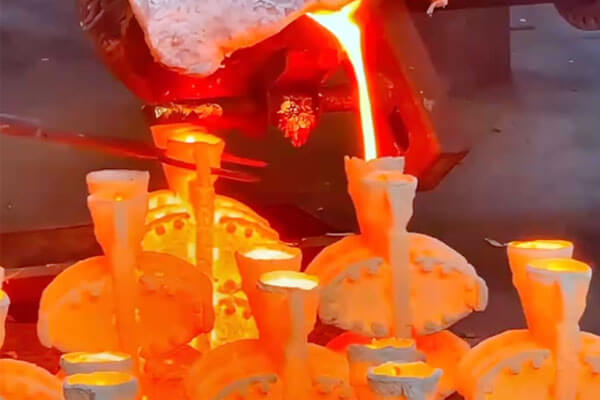
Плавильное оборудование
Метод плавки должен соответствовать семейству сплавов.:
- Среднечастотная индукционная печь для общепромышленного литья
- Вакуумная индукционная плавка (Вим) для никелевых сплавов, титановые сплавы, и нержавеющие стали высокой чистоты
Контроль атмосферы
Требования к атмосфере зависят от сплава.:
- обычные углеродистые стали можно плавить в системах на воздушной основе.,
- нержавеющие стали и медные сплавы часто требуют защиты азотом или аргоном.,
- а реактивные или высокоэффективные сплавы требуют вакуума или строго контролируемой атмосферы..
Контроль температуры заливки
Температура заливки — одна из наиболее чувствительных переменных при литье по выплавляемым моделям.. Если он слишком высок, увеличение риска сегрегации и микропористости.
Если он слишком низкий, текучесть падает, и становится вероятным сбой в работе или холодное закрытие.
Перегрев должен соответствовать химическому составу сплава., текучесть, и поведение при затвердевании.
Режим заливки
Гравитационная заливка – самый распространенный метод.. Вакуумная заливка может использоваться для ультратонких или очень сложных деталей..
Независимо от метода, поток должен оставаться устойчивым и как можно более ламинарным.
3.7 Охлаждение, Встряхивание, и первичная очистка
После заливки, металл должен затвердеть и охладиться в контролируемых условиях..
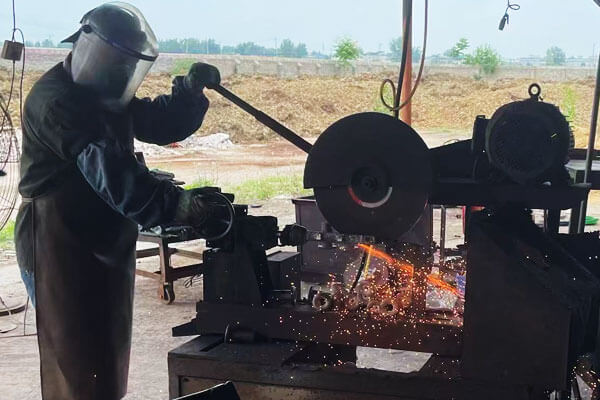
Режим охлаждения
Отливки внутри керамической оболочки имеют естественное медленное охлаждение..
Для сплавов, склонных к термическому растрескиванию (например, высоколегированная нержавеющая сталь и суперсплавы), принудительное быстрое охлаждение запрещено для постепенного снятия напряжения затвердевания.
Удаление снаряда
Как только отливка достигнет комнатной температуры, керамическая оболочка удаляется:
- механическая вибрация,
- вода под высоким давлением,
- или абразивные методы очистки, такие как дробеструйная очистка..
Цель состоит в том, чтобы удалить все остатки скорлупы, не повреждая поверхность отливки..
Первичная обрезка
На этом этапе, отливка отделена от системы желобов и стояков.
Лишний материал удаляется, и первые этапы шлифовки или очистки выполняются на участках соединителей и в точках среза..
3.8 Постобработка и финальная отделка
После изготовления литого корпуса, дополнительные операции используются для достижения окончательных размеров, механический, и требования к поверхности.
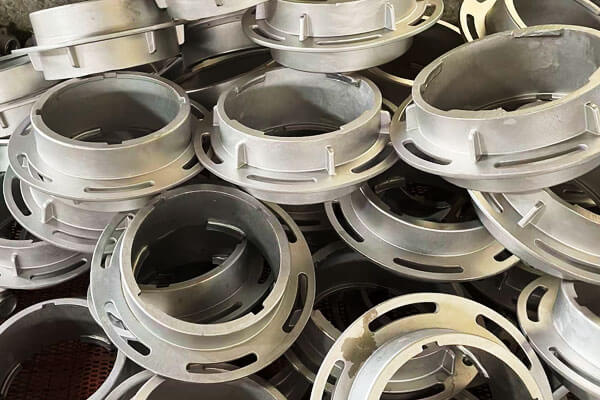
Общие этапы постобработки
- Прецизионное шлифование и удаление заусенцев
- Термическая обработка
- Поверхностная отделка
- Точная обработка
- Неразрушающий контроль
- Окончательный контроль размеров
Термическая обработка
Маршрут термообработки зависит от сплава.:
- углеродистая сталь может потребовать нормализации, гашение, и отпуск,
- нержавеющая сталь может нуждаться в отжиге на раствор,
- дисперсионно-упрочненные сплавы могут потребовать растворения и старения.
Этот шаг важен для стабилизации микроструктуры и достижения окончательных механических свойств..
Обработка поверхности
В зависимости от приложения, часть может получить:
- выстрел в взрыв,
- маринованный,
- пассивация,
- Анодирование,
- гальванизация,
- или защитное покрытие.
Точная обработка
Критические поверхности, такие как:
- монтажные поверхности,
- резьбовые отверстия,
- Поиск поверхностей,
- и уплотнительные зоны
может потребоваться дополнительная механическая обработка с небольшими припусками.
Осмотр
Окончательная проверка качества обычно включает в себя:
- Пенетрантное испытание,
- рентгенографическое тестирование,
- Ультразвуковое тестирование,
- и измерение размеров.
Классифицируются только детали, прошедшие все необходимые проверки., упакованный, и доставлено.
4. Классификация основных технологий литья по выплавляемым моделям
Самый практичный способ классифицировать массовое литье по выплавляемым моделям — это связующая система, используемая для изготовления керамической оболочки.
В современной производственной практике, три доминирующих маршрута литье по выплавляемым моделям из жидкого стекла, инвестиционное литье кремнезема, и композитное литье по выплавляемым моделям.
Эта классификация широко используется, поскольку связующее напрямую влияет на прочность оболочки., Точность размеров, Качество поверхности, цикл изготовления оболочки, и семейства сплавов, которые может поддерживать каждый маршрут.
Инвестиционное литье в воду
Литье по выплавляемым моделям из жидкого стекла Использование силикат натрия в качестве связующего для оболочки.
В отраслевых описаниях этот процесс характеризуется как процесс с относительно коротким циклом изготовления оболочки и низкой стоимостью., что делает его привлекательным для производства, где важна экономика.
В то же время, многочисленные источники отмечают, что раковины из жидкого стекла обычно дают меньшая точность размеров и более высокая шероховатость поверхности чем оболочки из силиказоля.
Поэтому этот маршрут лучше всего понимать как экономичный метод прецизионного литья.
Широко используется для углеродистой стали., низкопластная сталь, алюминиевый сплав, и отливки из медных сплавов, где баланс процесса благоприятствует производительности и цене, а не наивысшему уровню поверхности или допуска.
Инвестиционное литье кремнезема
Литье по выплавляемым моделям силиказоля Использование коллоидный кремнезем как связующее.
Технические источники последовательно описывают его как маршрут более высокой точности.: он обеспечивает лучшие размерные и геометрические допуски, более гладкое качество поверхности, и более высокие общие характеристики корпуса, чем отливка из жидкого стекла.
Это также связано с более длительным временем изготовления оболочки и более высокой стоимостью., потому что точность достигается за счет более контролируемого изготовления корпуса.
Этот маршрут обычно является предпочтительным выбором для нержавеющая сталь, жаропрочная сталь, и отливки из высокопроизводительных сплавов, особенно там, где деталь требует мелких деталей, надежное качество поверхности, и более жесткий контроль допуска.
На практике, кремниевый золь — это путь, который чаще всего связан с требовательными промышленными деталями, где качество процесса должно соответствовать характеристикам сплава..
Композитное литье по выплавляемым моделям
Композиционное литье по выплавляемым моделям – это гибридный подход который сочетает в себе элементы обеих систем связующего, чтобы сбалансировать точность, производительность, и стоимость.
Источники Foundry описывают этот тип маршрута как практическую золотую середину., где конструкция оболочки или выбор связующего корректируются таким образом, чтобы процесс не был полностью дорогостоящим, как кремнеземный золь, но также не так ограничено по затратам, как обстрел чистым жидким стеклом.
В инженерном плане, составной маршрут используется, когда деталь нуждается лучшая экономика, чем полная отливка из силиказоля но также нуждается лучшее качество, чем литье из чистого жидкого стекла.
Точная реализация зависит от литейного завода., потому что композитные системы во многом зависят от того, как облицовка, резервное пальто, и химия связующего сочетаются.
5. Типичные дефекты литья: Коренные причины и целенаправленные меры по устранению
Литье по выплавляемым моделям, несмотря на свою точность, подвержен нескольким типам дефектов. В таблице ниже приведены распространенные дефекты., их происхождение, и корректирующие действия.
| Дефект | Визуальный / подпись неразрушающего контроля | Первопричина | Меры по исправлению положения |
| Газовая пористость | Круглый, внутренние пустоты с гладкими стенками | Растворенные газы (H₂., Не) в расплавленном металле; низкое раскисление | Вакуумная плавка; дегазировать инертным газом; правильная практика раскисления |
| Пористость усадки | Зубчатый, нерегулярные пустоты | Недостаточное кормление; неудачная конструкция стояка | Увеличьте размер стояка; добавить озноб; изменить литник для содействия направленному затвердеванию |
| Горячая слеза | Трещина с рваной, окисленные края | Растягивающее напряжение при позднем затвердевании; ограничение формы | Уменьшить жесткость корпуса; более низкая температура заливки; изменить состав сплава |
| Включение (шлак, dross) | Неметаллические частицы неправильной формы | Турбулентное изливание; грязный расплав; эродированный огнеупорный материал | Используйте чистый заряд; керамические фильтры; нижняя заливка; нежное наполнение |
Шероховатость поверхности / прожилки |
Поднятые линии или «плавники» при отливке | Растрескивание скорлупы при заполнении; низкая прочность оболочки | Увеличить толщину корпуса; более высокое содержание связующего; использовать более прочный огнеупор |
| Египет / холодно закрыто | Неполное заполнение; складчатая поверхность | Низкая температура заливки; плохая текучесть; тонкий срез | Увеличить температуру заливки; улучшить стробирование; удалить плесень (вакуумный кастинг) |
| Основной сдвиг | Изменение толщины стенки | Движение ядра во время построения оболочки или заливки | Улучшенная основная поддержка (веночки); более медленное высыхание скорлупы; более низкое давление заливки |
6. Сравнение с литьем в песчаные формы, Литье под давлением, и ковка
Инженеры часто сравнивают литье по выплавляемым моделям с тремя альтернативными производственными маршрутами.. В таблице ниже представлен количественный компромисс..
| Критерий оценки | Кастинг по выплавляемым моделям | Кастинг песка | Литье под давлением (HPDC) | Ковкость |
| Поверхностная отделка (Раствор, мкм) | 1.6–6.3 | 6.3–25 | 0.8–3.2 | 0.4–3.2 |
| Размерная толерантность (мм / 25 мм) | ±0,1–0,3 | ±0,5–1,0 | ±0,1–0,3 | ±0,05–0,2 |
| Минимальный практический раздел (мм) | 0.5–1.5 | 3–5 | 0.5–1.0 | 1–3 |
| Геометрическая сложность | Очень высоко; подписаны, мелкие детали, Внутренние функции | Высокий с ядрами, но ограниченная точность | Умеренный; ограниченная возможность подрезки | От низкого до умеренного; лучше всего подходит для простых форм |
| Использование материалов | 90–95% | 60–80% | 90–95% | 60–80% |
| Стоимость инструмента | От умеренного до высокого | От низкого до умеренного | Высокий | Очень высоко |
| Стоимость за деталь при больших объемах | Умеренный | Низкий | Очень низкий | Умеренный |
| Стоимость за деталь при небольшом объеме | Высокий, если оснастка не амортизируется | От низкого до умеренного | Непрактично из-за нагрузки на инструмент. | Очень высоко |
| Типичный максимальный вес | До примерно 150 кг для стальных отливок | Очень большой; над 10,000 кг возможно | Обычно около 15 кг | Над 500 кг возможно |
| Диапазон сплавов | Почти все литейные сплавы | Почти все литейные сплавы | Преимущественно цветные сплавы | Все металлы, но ограничен геометрией |
7. Промышленное применение литья по выплавляемым моделям
Литье по выплавляемым моделям применяется в отраслях, где геометрическая сложность, Качество поверхности, производительность сплава, и повторяемость важнее, чем минимально возможные производственные затраты.
Аэрокосмическая промышленность и газовые турбины
Аэрокосмическая промышленность является одной из наиболее технически сложных областей применения литья по выплавляемым моделям..
Компоненты, такие как турбинные лезвия, лопасти, топливные сопла, корпуса диффузора, и другие детали горячей секции часто требуют сложной геометрии профиля крыла, тонкие стены, точные внутренние проходы, и превосходная высокотемпературная прочность.
Суперсплавы на основе никеля и сплавы на основе кобальта широко используются, поскольку они могут сохранять механическую целостность в суровых термических и напряженных условиях..
Медицинские изделия и имплантаты
Медицинские приложения предъявляют к процессу другой набор требований..
Такие части, как ортопедические имплантаты, бедра стебли, коленные подносы, Хирургические инструменты, и прецизионное анатомическое оборудование требуют биосовместимости, Качество поверхности, Точность размеров, и надежная механическая производительность.
Общие материалы включают 316L из нержавеющей стали, Сплавы Co-Cr-Mo, и титановые сплавы, такие как TI-6AL-4V.
Автомобили и транспорт
В автомобильном секторе, литье по выплавляемым моделям используется для таких компонентов, как колеса турбокомпрессора, выхлопные коллекторы, Компоненты, связанные с EGR, вилки переключения передач, скобки, и другое высокопроизводительное оборудование.
Эти детали часто требуют баланса термостойкости., контроль веса, и геометрическая сложность.
В зависимости от термической и механической нагрузки обычно используются нержавеющие и высокоуглеродистые или легированные стали..
Нефть и газ, химическая обработка, и работа с жидкостями
Нефтяная, газовая и химическая промышленность в значительной степени полагаются на литье по выплавляемым моделям. Клапанские тела, насосные буйства, корпуса расходомера, фитинги, и коррозионностойкие компоненты потока.
Типичные материалы включают в себя нержавеющая сталь типа CF-8M, Дуплексные нержавеющие стали, и коррозионностойкие сплавы на основе никеля.
Энергетическое и тепловое оборудование
Производство электроэнергии ставит инвестиционное литье в одни из самых тяжелых условий эксплуатации..
Компоненты, такие как вкладыши сгорания, переходные детали, кольца сопла, и другое оборудование для горячего газа подвергаются окислению, термический велосипед, и высокотемпературный газовый поток.
Нержавеющие стали, такие как 310 и сплавы на основе никеля, такие как Insonel 625 обычно используются из-за их способности работать при повышенных температурах..
10. Заключение
Инвестиционный кастинг – это зрелая, многоотраслевая и постоянно развивающаяся технология прецизионной обработки металлов давлением.
Его основная ценность заключается в преодолении структурных ограничений традиционных форм и реализации интегрированного формирования почти чистой формы сложных высокопроизводительных компонентов..
Три основных технических маршрута на основе связующих образуют четкий иерархический рынок.: недорогое литье по выплавляемым моделям из жидкого стекла доминирует над общепромышленными деталями средней точности,
в то время как литье по выплавляемым моделям из силиказоля высокой чистоты становится золотым стандартом для высококачественных прецизионных компонентов в аэрокосмической отрасли., медицина и высокотехнологичная энергетика.
Качество литья по выплавляемым моделям зависит от точного контроля всей цепочки изготовления восковых моделей., изготовление ракушек, Depaxing, стрельба, плавление и заливка.
Каждый параметр процесса и рабочая норма взаимосвязаны, и любая небрежность приведет к каскадным дефектам.
Хотя в некоторых сценариях оно ограничено производственным циклом и стоимостью., его уникальные преимущества при формировании сложных структур, металлургическое качество и адаптируемость материалов обеспечивают его незаменимый статус в высокотехнологичном производстве..
Благодаря интеллектуальному производству, Экологичное производство и внедрение новых материалов, современное литье по выплавляемым моделям позволит еще больше преодолеть технические узкие места, повысить эффективность производства и сократить комплексные затраты.
В качестве основополагающей технологии точного литья, он продолжит поддерживать модернизацию мирового производства высококачественного оборудования и расширять границы своего применения в развивающихся отраслях..
Часто задаваемые вопросы
В чем основная идея инвестиционного литья??
Одноразовый восковой или пластиковый шаблон окружен керамической оболочкой., шаблон удален, и в полость заливают расплавленный металл для создания детали, близкой к сетчатой форме..
Почему литье по выплавляемым моделям предпочтительнее литья в песчаные формы??
Потому что обычно он дает более мелкие детали, Лучшая поверхностная отделка, и более плотные допуски, что сокращает отделочные работы.
Какая система связующего обеспечивает максимальную точность?
Золь кремнезема обычно используется для обеспечения высочайшей точности., отливки по выплавляемым моделям с гладкой поверхностью, в то время как системы жидкого стекла более экономичны.
Какие дефекты встречаются чаще всего?
Включения, пористость, дефекты усадки, неправильная работа/холодное закрытие, и растрескивание оболочки являются одними из наиболее распространенных проблем при литье..