

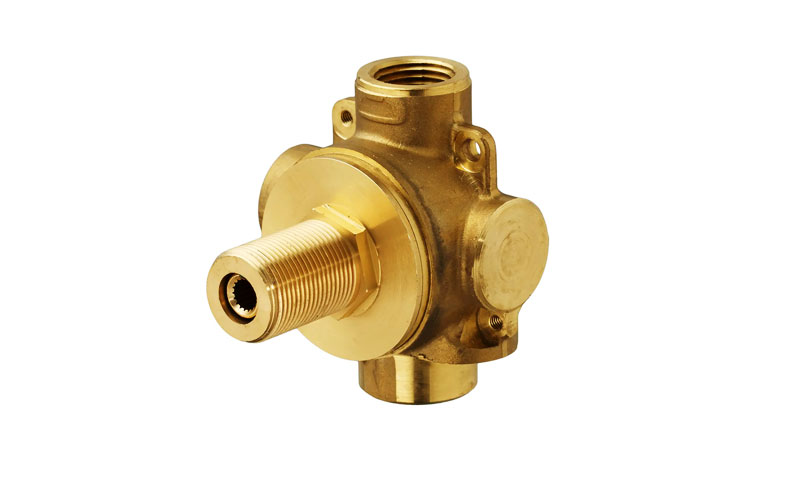
Переключающие клапаны являются важными компонентами систем обработки жидкостей., возможность перенаправить поток с одного пути на другой.
Эти клапаны широко используются в сантехнике., обогрев, вентиляция, кондиционер (HVAC), Очистка воды, и промышленная переработка.
Среди различных материалов, используемых для переключающих клапанов, латунь является предпочтительным выбором благодаря превосходной обрабатываемости, коррозионная стойкость, антимикробные свойства, и эстетическая привлекательность.
Производство высококачественных латунных перепускных клапанов требует сочетания точного литья и современной обработки на станках с ЧПУ..
Потерянный восковой кастинг (инвестиционный кастинг) идеальный метод для изготовления сложных внутренних каналов и сложной геометрии корпусов переключающих клапанов.
В сочетании с прецизионной обработкой на станке с ЧПУ., этот процесс обеспечивает клапаны с исключительной точностью размеров., Гладкая поверхность отделка, и надежная работа.
1. Что такое латунный перепускной клапан?
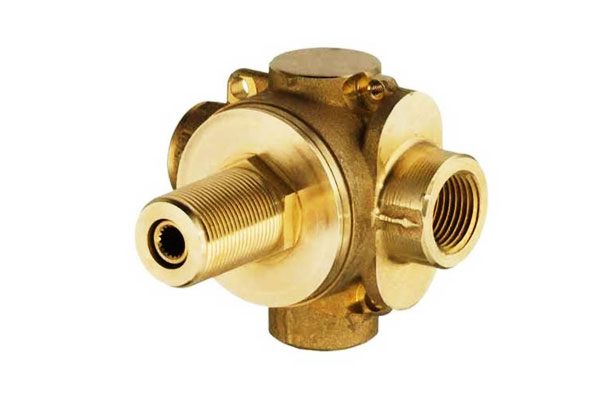
А латунный перепускной клапан представляет собой многопортовое устройство контроля жидкости, предназначенное для перенаправления, выбирать, или распределить поток жидкости между различными путями потока.
В отличие от обычного двухходового запорного клапана, переключающий клапан использует несколько портов и внутренний подвижный элемент для определения того, какие каналы соединены в данном рабочем положении..
Корпус клапана обычно представляет собой компонент, находящийся под давлением.. Он включает в себя впускные и выпускные порты., внутренние каналы потока, клапанная камера, уплотнение интерфейсов, и особенности подключения.
Внутренний элемент — обычно шар., затыкать, картридж, или механизм с приводом от шпинделя - меняет путь потока при вращении или срабатывании клапана..
Типичный трехходовой переключающий клапан, например, может работать в двух основных положениях:
Позиция А: Вход → Выход A
Позиция Б: Вход → Выход B
Более сложные конфигурации могут объединять или изолировать пути потока в зависимости от требований процесса..
Производительность латунного переключающего клапана зависит не только от его способности переключать поток..
Клапан должен сохранять целостность давления, контролируемое сопротивление потоку, надежное отключение, размерная стабильность, и повторяемость герметизации на протяжении всего предполагаемого срока службы.
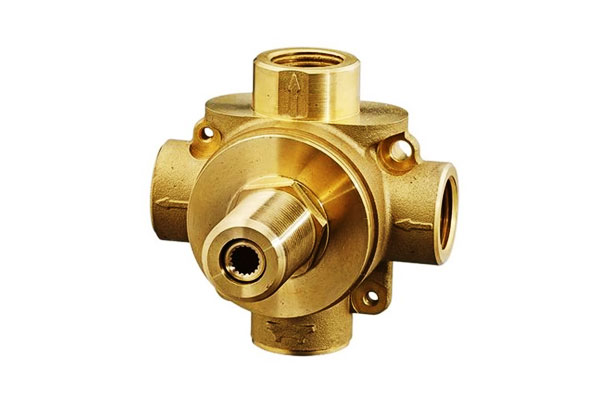
Типы переключающих клапанов
| Тип | Описание | Типичные приложения |
| 3-Путевой переключающий клапан | Один вход, две розетки (или наоборот). | Душевые системы, смесительные клапаны, HVAC, управление процессом. |
| 4-Путевой переключающий клапан | Два входа, две розетки. | Системы отопления, тепловые насосы, приложения с обратным потоком. |
| Поворотный переключающий клапан | Вращающийся элемент перенаправляет поток между портами.. | Пневматическая транспортировка, обращение с порошком, Промышленная обработка. |
| Слайд-переключающий клапан | Сдвижная пластина перенаправляет поток. | Обработка сыпучих материалов, сбор пыли. |
| Шаровой переключающий клапан | Шар с несколькими проходами вращается в направлении прямого потока.. | Сантехника, химическая обработка, газораспределение. |
2. Распространенные латунные сплавы для литья перепускных клапанов
Выбор правильного латунь сплав имеет основополагающее значение для целостности давления, коррозионная стойкость, механизм, размерная стабильность, и срок службы перепускного клапана.
Латунь — это не один материал, а обширное семейство сплавов на основе меди с существенно различающимся составом и эксплуатационными характеристиками..
Для отлитого переключающего клапана, При выборе сплава следует учитывать не только механическую прочность.
Производитель также должен оценить поведение при литье., требования к внутреннему давлению, жидкая химия, устойчивость к обесцинкованию, требования к механической обработке, температура, воздействие окружающей среды, и нормативные ограничения на компоненты сплавов.
В частности, для клапанов, предназначенных для питьевой воды или других регулируемых применений, контактирующих с жидкостями, могут потребоваться сплавы с низким содержанием свинца или без свинца, специально предназначенные для этой области применения..
Поэтому, «Лучший» латунный сплав зависит от области применения, а не является универсальным.
Обычно используемые латунные сплавы для литья распределительных клапанов
| Сплав (НАС) | Ключевые свойства | Типичные области применения клапанов |
| C84400 | Хорошая литейность и обрабатываемость; традиционный из свинцовой полукрасной латуни | Литые корпуса клапанов, сантехника, общие компоненты контроля жидкости |
| C85700 | Свинцовая морская латунь; хорошая обрабатываемость и коррозионная стойкость | Литые компоненты, работающие под давлением, морская арматура |
| C87610 | Медно-кремниевый сплав с хорошей прочностью и коррозионной стойкостью.; низкий отрыв | Компоненты системы водоснабжения и коррозионностойкие отливки, если указано. |
| C87800 | Кремниевая латунь; Хорошая литья, сила, коррозионная стойкость, и характеристики с низким содержанием свинца | Корпуса клапанов водоснабжения, сантехника, Промышленные компоненты |
C87850 |
Кремниевая латунь с хорошей обрабатываемостью., герметичность под давлением, и коррозионная стойкость | Клапанские тела, Кэкеты, корпуса водомеров, сантехника и морские компоненты |
| C89833 | Бессвинцовый висмутсодержащий сплав; хорошая обрабатываемость и коррозионная стойкость | Бессвинцовые компоненты, работающие под давлением, клапаны для питьевой воды и сантехника, если указано |
| C36000 | Отличные характеристики свободной обработки | Механически обработанные детали клапана, стебли, фитинги, адаптеры, Небольшие точные детали |
3. Латунный распределительный клапан Процесс литья по выплавляемым моделям
А процесс литья по выплавляемым моделям для латунных перепускных клапанов предназначен для преобразования сложной геометрии корпуса клапана в металлическую отливку почти готовой формы с контролируемой размерной стабильностью и надежной структурной целостностью..
Обзор САПР и инструменты
Процесс начинается с чертежа клапана или модели 3D CAD.. До изготовления оснастки, геометрия проверяется на предмет возможности литья и стабильности производства..
Производитель устанавливает необходимый припуск на усадку., припуск на механическую обработку, переходы между стенами, филе, места для ворот, и ориентация кастинга.
Для перепускного клапана, особое внимание уделяется областям, окружающим пересекающиеся каналы потока, поскольку резкие изменения толщины сечения могут повлиять на подачу металла и его затвердевание..
Затем изготавливается инструмент для воспроизведения необходимой геометрии воскового рисунка..
Производство воска
Расплавленный воск впрыскивается в прецизионную матрицу для создания жертвенного рисунка корпуса клапана..
Качество модели определяет размерную основу отливки.. Температура впрыска, давление, время выдержки, охлаждение, и состояние матрицы необходимо контролировать, чтобы минимизировать вспышку, искажение, неполное заполнение, и размерные вариации.
Готовая восковая модель проверяется перед тем, как приступить к сборке..
Восковая сборка и стробирование
Отдельные восковые модели соединяются с центральной системой литников, образуя литейное дерево..
На этом этапе, литниковая система устроена так, что расплавленная латунь может контролируемым образом заполнять полость клапана.
Положение ворот и размеры направляющих влияют на время наполнения, турбулентность, тепловые градиенты, и пищевое поведение.
Для сложных переключающих клапанов, ворота спроектированы вокруг вся геометрия кузова, а не просто максимизировать скорость наполнения.
Керамическое здание снаряда
Восковое дерево неоднократно погружают в керамический раствор и покрывают огнеупорной штукатуркой.. Последовательные слои создают вокруг рисунка жесткую керамическую оболочку..
Оболочка должна обеспечивать достаточную прочность для депарафинизации и заливки металла при воспроизведении необходимой детализации поверхности..
Основными средствами контроля процесса являются:
Вязкость в суспензии + размер огнеупорных частиц + толщина слоя + условия сушки + прочность оболочки
Неправильная подготовка скорлупы может привести к растрескиванию., изменение размеров, плохое качество поверхности, или разрушение оболочки при заливке.
DePaxing и стрельба из раковины
Керамическая оболочка нагревается для удаления воскового рисунка и создания отрицательной полости корпуса клапана..
После обезживания, скорлупа подвергается обжигу для удаления остатков органических материалов и достижения необходимой огнеупорной прочности и термической стабильности..
Полученная керамическая форма должна быть чистой., сухой, и структурно прочным до введения расплавленной латуни.
Плавление латуни и контроль сплавов
Выбранный латунный сплав плавится в контролируемых условиях..
Основная цель – обеспечить соответствие расплавленного металла заданным параметрам. Требования к химическому составу и чистоте Перед наличием.
Это особенно важно для нестандартных клапанов, где свойства материала и нормативные требования могут зависеть от конкретной марки сплава..
Управление процессом обычно включает в себя:
- Проверенные шихтовые материалы
- Контроль температуры плавления
- Химический анализ
- Контроль шлака и оксидов
- Идентификация и отслеживание плавки
Контролируемая заливка
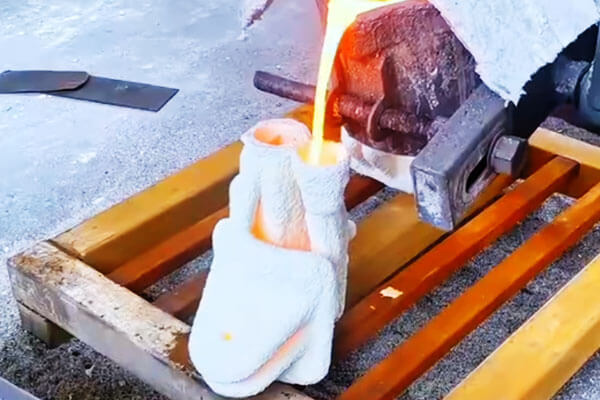
Предварительно нагретая керамическая оболочка заполняется расплавленной латунью через разработанную литниковую систему..
Температура заливки и скорость наполнения должны соответствовать сплаву и геометрии клапана..
Металл должен оставаться достаточно жидким, чтобы заполнять тонкие участки и сложные каналы без чрезмерной турбулентности или преждевременного затвердевания..
Хорошо контролируемая операция разливки направлена на достижение:
Полное заполнение + стабильный поток + минимальное увлечение + контролируемые температурные условия
Затвердевание и подача
После заполнения, латунь начинает затвердевать. Поскольку корпус клапана может иметь разную толщину стенок, боссы, и перекрестки проездов, разные области могут охлаждаться с разной скоростью.
Поэтому конструкция отливки должна обеспечивать контролируемое затвердевание и адекватную подачу усадочного металла..
Плохой контроль затвердевания может привести к таким дефектам, как:
- Пористость усадки
- Усадочные полости
- Нарушения, связанные с газом
- Горячий растрескивание
Для сложных корпусов клапанов, моделирование литья можно использовать для прогнозирования поведения процесса наполнения и затвердевания, а также для оптимизации системы литников и подачи перед производством..
Нокаутировать
Как только отливка достаточно остынет, керамическая оболочка удаляется механически.
Вибрация, механическое разделение, или другие подходящие методы могут быть использованы в зависимости от компонента и производственной системы..
При выбивании необходимо соблюдать осторожность, поскольку чрезмерная механическая сила может повредить тонкие участки., особенности порта, или литые поверхности.
Удаление ворот и стояка
Литник, бегуны, ворота, и стояки вырезаны из отливки клапана.
Места разрезов выбираются таким образом, чтобы удаление не повредило функциональные зоны и не оставило лишнего материала, который усложнил бы последующую обработку..
На этом этапе отлитая по выплавляемым моделям елка превращается в индивидуальную отливку корпуса клапана..
Отделка литья
Очищенную отливку подвергают шлифовке., взрывные работы, или другие соответствующие отделочные операции для удаления остатков керамики., плавники, вспышка, и остатки ворот.
Целью является получение чистой и стабильной отливки, пригодной для проверки и последующей механической обработки..
Важно, отделка не должна использоваться для скрытия неприемлемых дефектов отливки.. Области, которые станут границами давления, герметизирующие поверхности, или критические точки обработки требуют особого внимания.
4. Обработка на станке с ЧПУ отливок латунных перепускных клапанов
Отливка по выплавляемым моделям определяет основную геометрию латунного переключающего клапана., но обычно он не обеспечивает финальную точность, необходимую для критически важных интерфейсов..
Обработка с ЧПУ Таким образом, это мост между отливкой, близкой к заданной форме, и функциональным прецизионным клапаном..
Процесс обработки должен не только достигать индивидуальных размеров.; он должен поддерживать геометрическое соотношение между портами, проходы потока, клапаны сиденья, герметизирующие поверхности, стебли, и интерфейсы исполнительных механизмов.
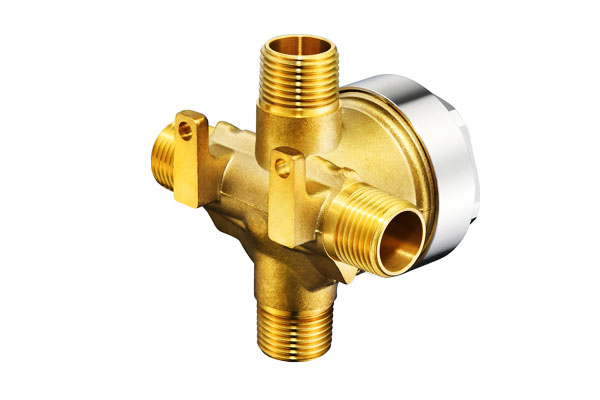
Типичная производственная последовательность:
Проверка отливки → Установление опорной точки → Черновая обработка → Обработка отверстий/портов → Обработка резьбы → Обработка седла и канавок уплотнения → Обработка интерфейса привода → Удаление заусенцев → Контроль размеров
Точная последовательность зависит от архитектуры клапана..
Обработка портов клапана и внутренних отверстий
Впускные и выпускные порты обеспечивают соединение клапана с внешней жидкостной системой.. В зависимости от конструкции клапана, эти интерфейсы могут использовать:
- NPT или другая коническая трубная резьба
- Резьба BSP или BSPP/BSPT
- Метрическая или нестандартная резьба
- Интерфейсы сжатия
- Фланцевые соединения
- Пайка или специальная геометрия соединений
Операция обработки порта должна контролировать как размер, так и положение..
Правильно обработанная резьба может по-прежнему создавать проблемы при сборке, если ось порта неправильно расположена относительно корпуса клапана или соседних портов..
Для пересекающихся внутренних проходов, механическая обработка может включать сверление, скучный, поперечное сверление, или сочетание литых и механически обработанных элементов.
Переход между этими проходами следует тщательно проверять, поскольку чрезмерная резкость может увеличить потерю давления и турбулентность..
В индивидуальном дизайне, литье может создать большую часть архитектуры потока, в то время как механическая обработка с ЧПУ завершает отверстия и функциональные интерфейсы..
Прецизионная обработка седел клапанов
Седло клапана является одной из наиболее важных особенностей переключающего клапана, поскольку оно образует интерфейс, который ограничивает нежелательную утечку жидкости..
Производительность сиденья зависит от нескольких характеристик, работающих вместе.:
Концентричность + Контактная геометрия + Поверхностная отделка + Плоскостность/округлость + Совместимость материала
Седло клапана, соответствующее его номинальному диаметру, но не концентрично с элементом клапана, может привести к неравномерному контакту..
Сходным образом, слишком шероховатая поверхность может помешать герметизации, в то время как неправильная геометрия поверхности может увеличить рабочий крутящий момент.
Поэтому соответствующий допуск седла и качество поверхности следует указывать в соответствии с конкретной конструкцией клапана., уплотнительный элемент, рейтинг давления, и требование утечки.
Обработка резьбы
Резьба обычно используется на латунных переключающих клапанах, поскольку она обеспечивает компактные и экономичные соединения..
Обработка на станке с ЧПУ может использоваться как для внутренней, так и для наружной резьбы.. Критические параметры включают в себя:
- Основной диаметр
- Малый диаметр
- Подача
- Профиль резьбы
- Эффективный диаметр
- Глубина резьбы
- Концентричность
- Поверхностная отделка
Резьбомеры часто используются для проверки производства., в то время как контроль размеров может подтвердить основную геометрию.
Поскольку латунь относительно поддается механической обработке, он поддерживает эффективное производство потоков, но стратегия резки все равно должна быть адаптирована к конкретному сплаву..
Некоторые бессвинцовые латунные сплавы могут вести себя иначе, чем традиционные сплавы, предназначенные для свободной обработки, и могут потребовать оптимизированных режущих инструментов и параметров..
Обработка уплотнительных колец и канавок для уплотнений
Где используются эластомерные уплотнения, канавка для уплотнительного кольца представляет собой прецизионную деталь, а не просто выемку..
Его размеры определяют сжатие уплотнения и, следовательно, влияют на герметичность.. Неправильная ширина канавки, глубина, угловая геометрия, или состояние поверхности может привести к:
- Недостаточная герметизация
- Чрезмерное сжатие
- Экструзия уплотнения
- Сложность сборки
- Преждевременный износ уплотнений
Следовательно, процесс обработки должен поддерживать заданную геометрию канавок, одновременно защищая окружающую уплотнительную поверхность..
5. Варианты обработки поверхности латунных переключающих клапанов
Для нестандартных компонентов клапана, отделку поверхности следует выбирать вместе со сплавом, процесс обработки, допуски на размеры, и операционная среда.
Не каждый процесс отделки подходит для каждой поверхности..
В частности, клапаны сиденья, нити, уплотнение интерфейсов, и смачиваемые проходы могут потребовать жесткого контроля условий отделки, чтобы избежать изменения их функциональных размеров..
Механическая полировка
При механической полировке используются все более мелкие абразивные материалы для удаления следов механической обработки., небольшие неровности поверхности, дефекты поверхности латуни, связанные с литьем..
В зависимости от необходимого внешнего вида, процесс может варьироваться от базовой абразивной обработки до полировки до зеркального блеска..
Преимущества:
- Создает гладкую и привлекательную латунную поверхность.
- Улучшает внешний вид
- Уменьшает видимые следы механической обработки и литья.
- Обеспечивает эффективную основу для последующего нанесения покрытия.
- Может улучшить однородность поверхности внешних поверхностей клапана.
Никелевое покрытие
Никелирование наносит контролируемый слой никеля на подготовленную латунную поверхность., обычно посредством процесса гальваники.
Правильная предварительная обработка необходима для обеспечения хорошей адгезии между латунной подложкой и покрытием..
Преимущества:
- Улучшает коррозионную стойкость
- Обеспечивает большую твердость поверхности, чем необработанная латунь.
- Улучшает устойчивость к износу
- Создает однородный металлический вид.
- Подходит для компонентов, подвергающихся воздействию влаги и манипуляциям.
- Может служить базовым слоем для декоративных или функциональных отделочных систем.
Хромирование
Хромирование наносит поверхностный слой на основе хрома на соответствующим образом подготовленную основу., часто поверх никелирования.
Этот процесс приводит к образованию жесткого, блестящая поверхность с хорошей устойчивостью к износу и потускнению.
Преимущества:
- Отличный декоративный вид
- Высокая твердость поверхности
- Хорошая износостойкость
- Хорошая устойчивость к потускнению и атмосферному воздействию.
- Подходит для открытых компонентов клапанов и декоративной сантехники.
Электролетное никелевое покрытие
Химическое никелирование наносит покрытие из никель-фосфорного или родственного никелевого сплава посредством автокаталитической химической реакции, а не полагается на постоянный внешний электрический ток..
Это обеспечивает относительно равномерную толщину покрытия при сложной геометрии..
Преимущества:
- Более равномерная толщина покрытия на сложных поверхностях.
- Хорошая коррозионная стойкость
- Хорошая износостойкость и устойчивость к истиранию
- Подходит для утопленных и нестандартных геометрических форм.
- Обеспечивает контролируемую защиту поверхности с относительно предсказуемым увеличением размеров.
- Полезно для компонентов промышленных клапанов, требующих как защиты, так и постоянства размеров.
Прецизионная обработка поверхности
Для функциональных поверхностей, таких как седла клапанов., выросли, нити, и герметизация интерфейсов, требуемая отделка часто достигается непосредственно посредством контролируемой обработки на станке с ЧПУ., тонкий токарный станок, скучный, шлифование, или другие точные операции, а не через декоративное покрытие.
Преимущества:
- Обеспечивает точный контроль размеров.
- Обеспечивает точную геометрию уплотнения.
- Поддерживает контролируемую шероховатость поверхности
- Предотвращает ненужное накопление покрытия на важных интерфейсах.
- Обеспечивает предсказуемую сборку и функциональные характеристики.
- Особенно подходит для седел клапанов., выросли, нити, и поверхности контакта уплотнения
6. Преимущества литья по выплавляемым моделям для латунных переключающих клапанов
Литье по выплавляемым моделям обеспечивает уникальные преимущества при производстве распределительных клапанов, которые невозможно получить с помощью альтернативных методов литья или формования..
Непревзойденная точность размеров & Повторяемость
Литье по выплавляемым моделям достигает ±0,05–0,1 мм за 25 мм допуск на литье, с постоянной повторяемостью при больших объемах производства.
Это уменьшает запас на обработку., минимизирует накопление допусков, и обеспечивает взаимозаменяемую сборку.
Сложная внутренняя геометрия & Оптимизация потока
Потерянный воск может привести к образованию сложной внутренней геометрии порта., плавные переходы потока, и контурные проходы, которые были бы невозможны при литье в песчаные формы или неэкономичны в механической обработке..
Оптимизированные внутренние пути потока снижают турбулентность, капля давления, и шум потока.
Превосходное качество поверхности после литья
Тонкое керамическое лицевое покрытие обеспечивает чистоту поверхности литья Ra 1,6–3,2 мкм., сокращение времени обработки и улучшение характеристик уплотняющей поверхности.
Гладкие литые поверхности также уменьшают эрозию, вызванную потоком внутри каналов для жидкости..
Минимальный запас на обработку & Эффективность материала
Для литья почти готовой формы требуется всего 0,8–1,5 мм обрабатываемой заготовки на сторону., по сравнению с 3–6 мм для литья в песчаные формы.
Это сокращает отходы материала на 40–60 % и значительно сокращает время обработки..
Гибкость сплава & Индивидуальная формулировка
Литье по выплавляемым моделям работает практически с любым латунным сплавом., позволяет создавать специальные рецептуры сплавов, соответствующие конкретной коррозии, сила, или нормативных требований без серьезных изменений в инструментах.
Стабильная целостность давления & Сопротивление утечки
Цельнолитые корпуса исключают пути утечки в собранных соединениях.. Контролируемое затвердевание минимизирует внутреннюю пористость, обеспечение герметичности, выдерживающей 1,5-кратное испытание на герметичность при рабочем давлении.
7. Литье по выплавляемым моделям против. Кованые латунные перепускные клапаны
Латунные детали клапанов производятся как литьем, так и ковкой., но они служат различным сценариям дизайна и производительности..
| Измерение производительности | Латунные клапаны, отлитые по выплавляемым моделям | Кованые латунные клапаны |
| Точность размеров | ±0,05 – ±0,1 мм/25 мм в литом состоянии; более плотный после обработки | ±0,02 – ±0,05 мм; очень последовательный |
| Сложность внутренней геометрии | Очень высокий — сложные порты, контурные проходы, многопортовые конструкции | Ограничено — только простые осевые формы.; глубокие внутренние особенности невозможны |
| Давление & Устойчивость к усталости | Подходит для стандартного давления; зависящий от пористости | Отличный; более высокая усталостная прочность и разрывное давление |
| Объем производства | 500 - 50,000 ПК/год | 10,000 - 500,000+ ПК/год |
| Стоимость инструмента & Время выполнения | Умеренная стоимость инструмента; 4-Срок выполнения 6 недель | Высокая стоимость инструмента; 6-Срок выполнения 10 недель |
| Общая стоимость единицы | Средне-высокий для небольшого объема; конкурентоспособен при среднем объеме | Высокий при низкой громкости; самый низкий при очень большой громкости |
| Идеальные сценарии применения | Сложные многопортовые корпуса, контурные пути потока, средний объем | Простые осевые конструкции, высокое давление, многоцикловая усталость, очень большой объем |
8. Применение латунных переключающих клапанов
Водопровод и водоснабжение
Латунные перепускные клапаны широко используются в водопроводных системах для перенаправления воды между различными выходами., схемы, или светильники.
Их компактный дизайн, коррозионная стойкость, и хорошая обрабатываемость делают их пригодными как для жилого, так и для коммерческого водорегулирующего оборудования..
Типичные приложения включают:
- Душевые системы
- Смесители в сборе
- Водораспределительное оборудование
- Системы смешивания и маршрутизации
- Бытовое сантехническое оборудование
Системы отопления, вентиляции и кондиционирования воздуха и отопления
Латунные перепускные клапаны обычно используются в системах отопления, вентиляции и кондиционирования воздуха и гидравлических системах отопления для управления направлением циркулирующей воды и других совместимых жидкостей..
Клапан может переключать поток между контурами отопления., обходные линии, или вторичные петли.
Типичные приложения включают:
- Системы радиаторного отопления
- Системы подогрева пола
- Циркуляционные контуры ОВиК
- Системы тепловых насосов
- Котельное и отопительное оборудование
Ирригационные системы
В ирригационном оборудовании, латунные перепускные клапаны можно использовать для направления воды между различными ответвлениями или зонами..
Их устойчивость к коррозии и прочная конструкция делают их пригодными для многократного переключения потока на открытом воздухе..
Типичные приложения включают:
- Сельскохозяйственные ирригационные системы
- Оборудование для орошения сада
- Sprinkler Systems
- Орошение теплиц
- Водораспределительные коллекторы
Оборудование для очистки воды
Латунные перепускные клапаны можно интегрировать в компактные системы водоочистки, где необходимо выбрать или изолировать различные пути потока..
Прецизионное литье особенно полезно, когда корпус клапана требует индивидуальных внутренних каналов..
Типичные приложения включают:
- Системы фильтрации воды
- Оборудование для очистки воды
- Системы умягчения
- Насосно-фильтрационные агрегаты
- Блоки управления водоподготовкой
Бытовая техника и бытовое оборудование
Компактные латунные перепускные клапаны также используются в приборах, где воду или другую совместимую жидкость необходимо перенаправлять между различными внутренними контурами..
Типичные приложения включают:
- Оборудование для кофе и напитков
- Стиральная техника
- Водонагреватели
- Чистящее оборудование
- Бытовые водорегулирующие устройства
Промышленное оборудование для контроля жидкости
В промышленном оборудовании могут использоваться латунные перепускные клапаны для направления воды., масло, воздух, или другие совместимые жидкости, где давление, температура, и химическая среда находятся в пределах проектных ограничений материала и клапана..
Типичные приложения включают:
- Насосные системы
- Компрессоры и вспомогательное оборудование
- Оборудование для обработки жидкостей
- Промышленные системы охлаждения
- Сборка оборудования по индивидуальному заказу
Коммерческие и специализированные системы
Латунные перепускные клапаны, изготовленные по индивидуальному заказу, также подходят для производителей оборудования, которым требуется компактный многоходовой компонент регулирования расхода, разработанный для конкретного узла или контура жидкости..
Типичные приложения включают:
- Коммерческое сантехническое оборудование
- Системы циркуляции воды
- Коллекторы оборудования
- OEM-узлы управления жидкостью
- Машины и технологическое оборудование на заказ
9. Почему стоит выбрать LangHe Industry для литья по выплавляемым моделям латунного перепускного клапана & Обработка?
Для нестандартных латунных переключающих клапанов, Выбор производителя – это не просто вопрос поиска поставщика, который может отлить латунь..
Конечный компонент зависит от координации литейной техники., Выбор сплава, Обработка с ЧПУ, поверхностная отделка, Размерный контроль, и функциональное тестирование.
Langhe Industry подходит к производству латунных переключающих клапанов на заказ как к комплексному производственному проекту, позволяющая совместно разрабатывать этапы литья и механической обработки с учетом функциональных требований заказчика..
| Возможность | Подробности |
| Материалы | C84400, C85700, C87610, C87800, C87850, C89833, C36000. |
| Процесс литья | Потерянный восковой кастинг (инвестиционный кастинг). |
| Допуски | ± 0,1–0,3 мм (CT5-CT7 по ISO 8062). |
| обработка с ЧПУ | КПН -поворот, фрезерование, бурение, постукивание, скучный, погашение, резьба. |
| Качество | ИСО 9001:2015 проверенный; 100% осмотр; CMM. |
| Время выполнения | 6–12 недель на оснастку; 2–4 недели для повторных заказов. |
10. Заключение
Латунный перепускной клапан представляет собой компактный компонент., но его производственные требования сильно взаимосвязаны.
Корпус клапана должен выдерживать давление, обеспечить точные пути потока, разместить внутренний клапанный элемент, поддерживать герметичность интерфейсов, и надежно соединяться с внешними трубопроводами или оборудованием.
Для сложных индивидуальных проектов, литье по выплавляемым моделям обеспечивает эффективный способ создания основной геометрии корпуса клапана., включая индивидуальные порты, боссы, переходы, и подходящая внутренняя архитектура.
Обработка на станке с ЧПУ затем приносит резьбу, выросли, клапаны сиденья, уплотнительные канавки, и интерфейсы приводов с необходимой точностью.
Выбор материала не менее важен. Различные латунные сплавы предлагают разные комбинации литейных качеств., механизм, механическая прочность, коррозионная стойкость, и нормативная пригодность.
Поэтому правильный выбор должен основываться на фактической жидкости и рабочей среде..
LangHe Industry сочетает в себе прецизионное литье латуни и обработку на станках с ЧПУ для поддержки производства перепускных клапанов по индивидуальному заказу, от первоначального анализа конструкции до проверки готовых компонентов., помогая OEM-заказчикам превращать сложные концепции клапанов в технологичные и воспроизводимые продукты.
Часто задаваемые вопросы
Что такое латунный перепускной клапан?
Латунный распределительный клапан представляет собой многопортовое устройство управления жидкостью, используемое для перенаправления или избирательного распределения жидкости между различными путями потока..
Его внутренний клапанный элемент определяет, какие порты подключаются в каждом рабочем положении..
Почему для переключающих клапанов обычно используется латунь?
Латунь обеспечивает полезную комбинацию коррозионной стойкости., механизм, механическая прочность, листовиденность, и экономическая эффективность.
Эти свойства делают его пригодным для многих видов воды., HVAC, сантехника, прибор, и промышленные приложения для управления жидкостями.
Зачем использовать отливку по выплавляемым моделям для латунного переключающего клапана?
Литье по выплавляемым моделям особенно полезно, когда корпус клапана имеет сложную геометрию., несколько портов, интегрированные боссы, или индивидуальные каналы потока.
Он производит корпус почти чистой формы, который впоследствии может быть обработан на станке с ЧПУ..
Можно ли использовать латунные перепускные клапаны для питьевой воды??
Они могут быть, при условии, что вся конструкция клапана соответствует применимым требованиям для питьевого водоснабжения..
Латунный сплав, ведущий контент, смачиваемые компоненты, Процесс производства, и требуемое соответствие продукции, все это необходимо учитывать.

