В современном производстве, детали из одного материала редко отвечают всем требованиям производительности, эстетика, и функциональность.
Современные продукты должны быть прочными, но удобными., водонепроницаемый, но дышащий, и сложный, но простой в сборке.
Это привело к широкому внедрению процессов производства из нескольких материалов.. Среди них, накладное формование и вставное формование являются двумя наиболее важными и часто сравниваемыми методами..
Хотя эти два термина иногда используются как взаимозаменяемые., они описывают разные производственные подходы и решают разные инженерные задачи..
Формование обычно включает формование второго материала поверх существующей подложки для создания компонента из нескольких материалов..
Вставьте формование, напротив, помещает предварительно сформированную вставку - часто металлическую - внутрь литьевой формы и герметизирует или частично окружает ее пластиком..
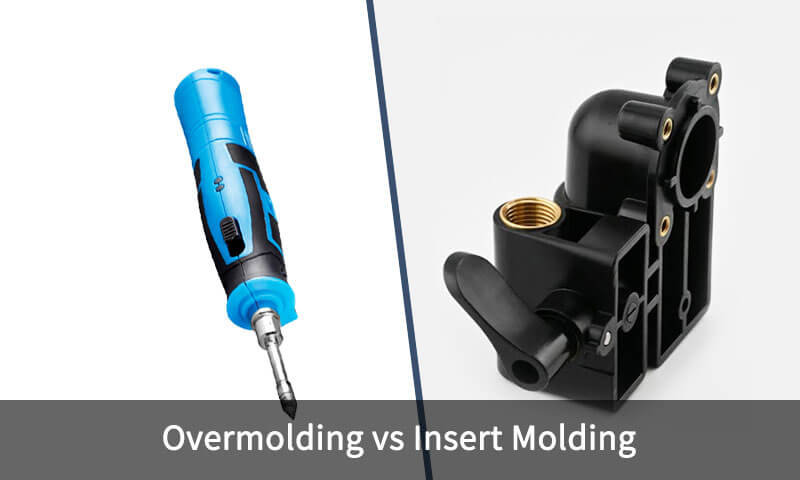
В этой статье представлен всеобъемлющий, параллельное сравнение формования и вставки.
1. Что такое переформование?
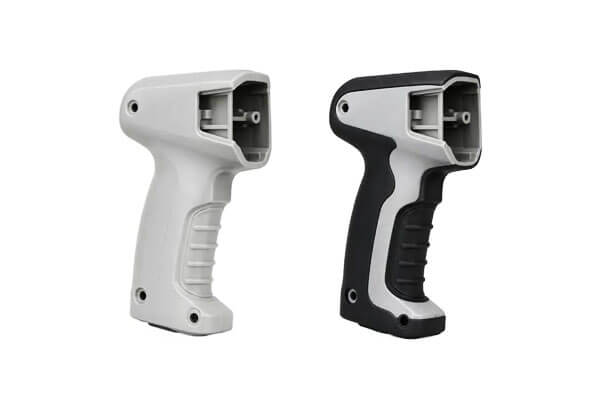
Чрезмерное количество это процесс литья под давлением, при котором один материал формуется поверх существующей подложки или ранее отлитого компонента для создания интегрированной детали из нескольких материалов..
Первый компонент обычно называют субстрат, в то время как материал, применяемый во время операции вторичного формования, является формованный материал.
В зависимости от конструкции изделия, подложка может быть жестким термопластиком, эластомер, металлический компонент, или другая подходящая предварительно отформованная деталь.
Типичный формованный компонент может сочетать жесткий конструкционный материал с более мягким материалом..
Например, жесткий корпус из АБС-пластика может быть покрыт TPE для обеспечения удобного захвата, улучшить герметизацию, или создать защитную внешнюю поверхность.
Цель состоит не в том, чтобы просто разместить один материал поверх другого.. Интерфейс между двумя материалами должен обеспечивать достаточную адгезию., механическая ретенция, или комбинацию того и другого, чтобы выдержать ожидаемые механические воздействия продукта., тепло, химический, и условия окружающей среды.
Как работает формование
Процесс формования обычно начинается с изготовления подложки..
Это может включать отдельную операцию литья под давлением., процесс обработки, операция штамповки, Die Casting Process, или другой способ изготовления.
После проверки основания, он расположен внутри второй формы. Форма спроектирована таким образом, чтобы обнажить области, на которые необходимо нанести материал для формования, при этом точно располагая и поддерживая подложку..
Затем вторичный материал нагревается до соответствующей температуры обработки и впрыскивается в полость формы..
Он обтекает обозначенные поверхности подложки и формирует необходимую внешнюю геометрию..
После наполнения и упаковки, материал охлаждается и затвердевает, прежде чем готовый компонент будет выброшен.
Типичный рабочий процесс:
Производство подложек → проверка подложек → загрузка формы → позиционирование → впрыск вторичного материала → упаковка → охлаждение → выталкивание → проверка.
Качество конечного продукта во многом зависит от дизайна интерфейса.. Если требуется химическая адгезия, подложка и материал формования должны иметь достаточную совместимость.
Если механическая ретенция является основным механизмом, на подложке могут потребоваться канавки, ребра, отверстия, подписаны, или другие особенности, которые позволяют второму материалу фиксироваться на месте.
Загрязнение поверхности является еще одним важным фактором.. Масло, пыль, разделительные агенты, окисление, влага, или другие загрязнения могут помешать адгезии и привести к расслоению или преждевременному отделению.
Распространенные материалы для формования
При формовании можно использовать широкий спектр термопластов и эластомерных материалов., но не каждая комбинация материалов совместима по своей сути.
При выборе материала следует учитывать температуру плавления., химическая совместимость, усадка, коэффициент термического расширения, твердость, гибкость, характеристики поверхности, и ожидаемые условия эксплуатации.
Общие комбинации включают:
| Субстратный материал | Материал формования | Типичная цель |
| АБС | TPE | Мягкие на ощупь корпуса и ручки |
| ПК | TPE | Ударопрочные изделия с эргономичными поверхностями. |
| Нейлон | ТПЭ/ТПУ | Промышленные захваты и гибкие интерфейсы |
| Стр | TPE | Потребительские товары и уплотнения |
| ПК/АБС | TPU | Защитные и эргономичные поверхности |
| Жесткий термопласт | LSR | Уплотнения и специализированные гибкие компоненты |
Типичные области применения формования
Формование особенно полезно, когда продукт должен сочетать структурные характеристики с мягкостью., гибкость, запечатывание, изоляция, или улучшенная эргономика.
Формование обычно используется для:
- Ручки для ручных инструментов
- Автомобильные переключатели и органы управления
- Корпуса для бытовой электроники
- Компоненты медицинского оборудования
- Носимые устройства
- Защита кабелей и проводов
- Уплотнительные компоненты
- Ручки и эргономичные интерфейсы
- Защитные чехлы
- Управление промышленным оборудованием
2. Что такое вставное литье?
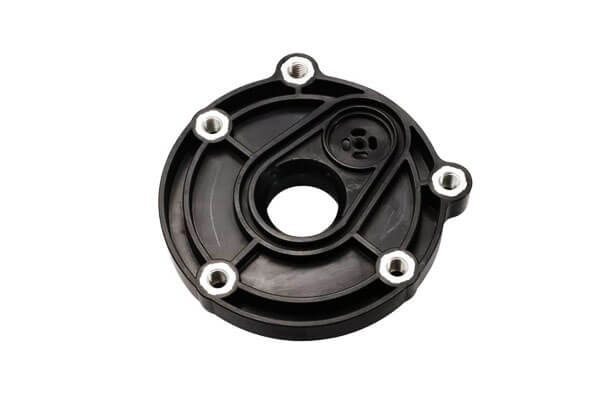
Вставьте формование представляет собой процесс литья под давлением, при котором предварительно отформованный компонент, известный как вставлять, помещается внутри литьевой формы, а затем частично или полностью герметизируется расплавленным пластиком.
Вставка часто изготавливается из металла., хотя пластик, керамика, электронный, и другие предварительно отформованные компоненты также могут быть использованы..
В отличие от обычного литья под давлением одного материала, Формование вставок сочетает в себе самостоятельно изготовленный компонент с литьевым пластиком в ходе одной операции формования..
Пластик затвердевает вокруг вставки, производство цельной детали, позволяющей исключить последующие операции сборки.
Например, латунную резьбовую вставку можно разместить внутри формы и окружить нейлоном.
После формования, полученный компонент содержит постоянный резьбовой металлический интерфейс без необходимости последующей установки резьбовой вставки.
Как работает формование вставками
Формование вставки начинается с изготовления и проверки вставки.. Точность размеров особенно важна, поскольку вставка должна правильно входить в форму и сохранять заданное положение на протяжении всего процесса впрыска..
Затем вставка помещается в форму вручную., полуавтоматически, или через автоматизированную систему загрузки.
Выделенные светильники, штифт, полости, или функции удержания могут использоваться для предотвращения движения.
Как только форма закроется, расплавленный пластик впрыскивается вокруг вставки. Давление впрыска может быть значительным, поэтому форма должна обеспечивать достаточную поддержку, чтобы предотвратить смещение вставки., деформирующий, или становится смещенным.
Затем пластик охлаждается и затвердевает вокруг вставки.. После выброса, Готовая деталь проверяется на точность размеров, вставить позицию, вспышка, пустоты, трещины, и другие дефекты.
Основная последовательность:
Изготовление вставки → проверка вставки → загрузка вставки → позиционирование и удержание → закрытие формы → инъекция пластмассы → охлаждение → извлечение → проверка
Для крупносерийного производства, автоматическая загрузка вставок может быть интегрирована в формовочную ячейку. Это может улучшить согласованность цикла и сократить объем ручной обработки..
Распространенные материалы пластин
Металл является наиболее широко распространенным материалом для вставок, поскольку он обеспечивает свойства, которые обычно не могут воспроизвести пластики., например, высокая электропроводность, долговечность резьбы, жесткость, износостойкость, или локализованная механическая прочность.
Общие материалы вставок включают в себя:
- Латунь
- Нержавеющая сталь
- Углеродистая сталь
- Алюминий
- Медь и медные сплавы
- Инженерные пластики
- Керамика
- Электронные компоненты
Типичные области применения вставок
Литая вставка обычно используется, когда продукт требует, чтобы металлический или другой предварительно отформованный компонент был постоянно интегрирован в пластиковый корпус..
Типичные приложения включают:
- Резьбовые бобышки
- Электрические разъемы
- Автомобильные терминалы
- Корпуса датчиков
- Компоненты переключателя
- Медицинские инструменты
- Компоненты структурного армирования
- Кабельные соединители
- Электронные сборки
- Прецизионные механические компоненты
3. Формование против формования со вставками: В чем разница?
Хотя обе технологии объединяют несколько материалов или компонентов., логика производства у них другая.
Простейшее различие состоит в том,:
При наложении нового материала поверх существующей подложки добавляется новый материал., в то время как формование вставки герметизирует или окружает предварительно отформованную вставку пластиком, полученным литьем под давлением..
Однако, терминология может пересекаться. В некоторых производственных контекстах, Формование со вставкой можно рассматривать как более широкую форму формования, поскольку в обоих случаях формовочный материал используется вокруг уже существующего компонента..
Для инженерных коммуникаций, однако, полезно различать их по роли ранее существовавшего компонента.
Сравнение формования и вставки
| Фактор | Чрезмерное количество | Вставить молдинг |
| Основная цель | Комбинируйте различные свойства материалов | Интеграция предварительно сформированной вставки в пластик |
| Существующий компонент | Субстрат | Вставлять |
| Общая подложка/вставка | Пластик, эластомер, металл | Металл, пластик, керамика, электронный компонент |
| Типичная комбинация | Жесткий пластик + эластомер | Пластик + металл |
| Основной механизм интерфейса | Адгезия, механическая блокировка, или оба | Инкапсуляция, механическая ретенция, прилипание в некоторых случаях |
| Основная проблема дизайна | Совместимость материала | Позиционирование и удержание вставки |
| Типичное применение | Мягкая на ощупь ручка | Металлическая вставка с резьбой |
| Поверхностная функция | Схватить, тюлень, подушка, защита | Электрический, механический, структурный, крепление |
| Автоматизация | Высокая автоматизация | Высокая автоматизация, но загрузка вставки имеет решающее значение |
| Основной риск | Расслоение или плохое склеивание | Вставить перемещение или несовпадение |
4. Формование против формования со вставками: Соображения дизайна
Требования к проектированию для формования и вставки различаются, прежде всего, потому, что эти два процесса управляют разными интерфейсами..
Формование направлено на создание надежного интерфейса между подложкой и формованным материалом., в то время как формование вставок направлено на точное позиционирование и надежную герметизацию предварительно отформованной вставки..
| Рассмотрение дизайна | Чрезмерное количество | Вставить молдинг |
| Совместимость материала | Выбирайте совместимую подложку и материалы для формования с учетом адгезии., температура плавления, усадка, твердость, и тепловое расширение. | Убедитесь, что вставка выдерживает температуру и давление формования без деформации или нестабильности размеров.. |
| Геометрия & Толщина стены | Поддерживайте равномерную толщину формовки и обеспечивайте достаточную площадь склеивания.. Избегайте резких изменений толщины, которые могут вызвать усадку., Варпад, или слабая связь. | Обеспечьте достаточную толщину пластика вокруг вставки для прочности и используйте канавки., хрюкает, отверстия, или плечи, когда требуется дополнительная фиксация. |
| Склеивание & Удержание | Проектирование интерфейса для химической адгезии, механическая блокировка, или оба, в зависимости от совместимости материалов. | Разработайте функции механического удержания и герметизации, чтобы противостоять выдергиванию и вращению.. |
| Ворота & Материальный поток | Расположите заслонки так, чтобы обеспечить сбалансированное заполнение и минимизировать линии сварки., захват воздуха, и чрезмерное напряжение на интерфейсе. | Тщательно контролируйте поток материала, чтобы предотвратить смещение пластины., неполная инкапсуляция, или чрезмерное давление на вставку. |
Вставлять / Расположение подложки |
Субстрат должен быть точно расположен и надежно удерживаться во время инъекции.. | Точное позиционирование пластины имеет решающее значение; установочные штифты, карманы, светильники, или может потребоваться автоматическое размещение. |
| Усадка & Тепловое расширение | Учитывайте различия в усадке и тепловом расширении между подложкой и отливкой, чтобы предотвратить коробление., остаточный стресс, и расслаивание. | Учитывайте разницу теплового расширения между вставкой и полимером., особенно при работе с металлом и пластиком, для предотвращения изменений размеров и внутренних напряжений. |
| Черновик & Выброс | Обеспечьте достаточную тягу и правильное расположение выталкивателей, чтобы высвободить деталь, не повреждая пресс-форму или интерфейс.. | Тщательно проектируйте вытяжку и выброс, чтобы предотвратить перемещение вставки., деформация, или ослабление во время распалубки. |
Допуски |
Учитывайте размеры подложки, толщина наплавки, материальная усадка, и возможное перемещение интерфейса. | Учет размеров пластины, точность позиционирования, усадка полимера, и окончательное место вставки. |
| DFM & Поток пресс-формы | Оцените площадь склеивания, материальный поток, толщина стены, расположение ворот, и дифференциальная усадка перед оснасткой. | Оценка удержания вставки, позиционирование, поток полимера, тепловое поведение, и возможное смещение пластины перед оснасткой. |
| Контроль качества | Сосредоточьтесь на силе сцепления, толщина наплавки, вспышка, расслоение, Варпад, и точность размеров. | Фокус на позиции вставки, удерживающая сила, инкапсуляция, вспышка, пустоты, и точность размеров. |
5. Услуги по индивидуальному формованию и формованию вставок от LangHe Industry
Langhe Industry предоставляет индивидуальные решения для литья под давлением для применений, требующих наложения, вставить молдинг, и другие интегрированные технологии формования.
Наш производственный подход может поддерживать проекты от первоначальной разработки продукта и оснастки до производства и контроля качества..
| Возможность | Подробности |
| Типы формования | Двухзарядный (2K) чрезмерное количество, переформовка с возможностью выбора и размещения. |
| Вставить молдинг | Металлические вставки (латунь, сталь, медь), керамические вставки, электронные вставки (ПХБ, датчики). |
| Материалы (Субстрат) | АБС, ПК, Нейлон (PA6, PA66), Стр, Пбт. |
| Материалы (Формование) | TPE, TPU, LSR, НДС, силикон. |
| Инструмент | Собственное проектирование и производство оснастки. |
| Качество | ИСО 9001:2015 проверенный; 100% осмотр. |
| Время выполнения | 2–4 недели на прототипы; 4–8 недель на производственную оснастку. |
6. Заключение
Формование или вставка дело не в определении того, какой процесс в целом лучше. Обе технологии являются высокоэффективными технологиями литья под давлением., но они отвечают различным требованиям разработки продукта.
Формование в первую очередь подходит для продуктов, которым необходимо объединить различные характеристики материала в одном интегрированном компоненте..
Это особенно ценно для мягких на ощупь поверхностей., эргономичные ручки, гибкие уплотнения, амортизация, изоляция, и защитные слои.
Успех во многом зависит от совместимости материалов., дизайн интерфейса, адгезия, механическая блокировка, и дифференциальный контроль усадки.
Вставьте формование, в отличие, особенно эффективен, когда предварительно отформованный компонент — часто металлическая вставка — должен быть постоянно интегрирован в пластиковую конструкцию..
Он широко подходит для резьбовых интерфейсов., электрические терминалы, компоненты арматуры, датчики, разъемы, и другие области применения, в которых пластик и другой материал выполняют дополняющие функции..
В конечном счете, Выбор процесса должен основываться на всей производственной системе., включая материальное поведение, геометрия продукта, инструмент, стратегия связывания или удержания, объем производства, автоматизация, осмотр, и стоимость жизненного цикла.
Часто задаваемые вопросы
В чем разница между вставным формованием и двухэтапным формованием??
Вставка молдинга использует предварительно отформованная вставка который помещается в форму перед литьем пластмассы.
Двухэтапное формование обычно производит два материала последовательно с использованием специализированных инструментов и нескольких стадий впрыска., часто без ручной загрузки отдельно изготовленного носителя между кадрами.
Какой процесс быстрее: формование или вставка?
Формование вставок обычно происходит быстрее, поскольку при этом используется один впрыск.. Формование требует двух выстрелов или многоэтапного процесса..
Какой процесс имеет меньшие затраты на оснастку?
Формование вставками требует меньших затрат на оснастку, поскольку для этого требуется только одна полость формы.. Для формования требуется две отдельные формы или сложная двухзаходная форма..
Когда следует использовать наложение?
Используйте наложение, когда вам нужны мягкие на ощупь ручки., водонепроницаемое уплотнение, Демонстрирование вибрации, или улучшение эстетики.
Когда следует использовать вставной молдинг?
Используйте вставной профиль, когда вам нужны высокопрочные резьбовые соединения., электрическая проводимость, или структурное усиление пластиковых деталей.
Можно ли использовать совместное формование и вставное формование??
Да. Некоторые сложные части сочетают в себе оба процесса, например, литая металлическая резьба с формованной мягкой на ощупь рукояткой на том же компоненте.
Является ли вставное формование разновидностью накладного формования??
Терминология может частично совпадать, поскольку в обоих процессах материал формируется вокруг уже существующего компонента..
Однако, в практической производственной терминологии, чрезмерное количество обычно подчеркивается добавление еще одного слоя материала или системы материалов., пока вставить молдинг особое внимание уделяется встраиванию предварительно отформованной вставки в формованный компонент.
Можно ли использовать металл при формовке?
Да. Металлические подложки можно формовать с использованием подходящих пластиков или эластомеров..
Однако, процесс должен учитывать подготовку поверхности, тепловое расширение, адгезия, механическая ретенция, и дифференциальная усадка.