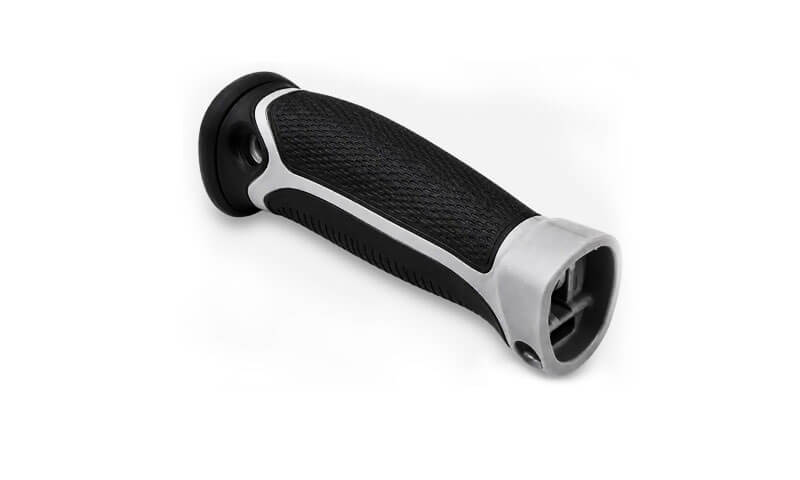
Оверформинг – это усовершенствованная технология Инъекционное формование метод, используемый для объединения двух или более материалов в один функциональный компонент..
Вместо того, чтобы производить каждый компонент отдельно и потом собирать его., Формование позволяет формовать вторичный материал непосредственно на предварительно отформованной подложке..
Результат может сочетать в себе структурные свойства жесткого материала с гибкостью., схватить, запечатывание, изоляция, воздействие сопротивления, или эстетические характеристики эластомера или другого полимера.
Этот процесс широко используется в продуктах, где интеграция материалов, эргономичные характеристики, защита окружающей среды, и сокращение сборки важны.
Типичные примеры включают ручки электроинструмента., автомобильные переключатели, электрические разъемы, Корпуса медицинского устройства, потребительская электроника, кабельные компоненты, захватывает, уплотнения, и промышленный контроль.
1. Что такое переформование?
Формование — это производственный процесс, при котором второй материал отливается под давлением вокруг существующего материала или на него. субстрат, вставлять, или ранее отлитый компонент для создания интегрированной детали из нескольких материалов.
Подложка обеспечивает основную структуру компонента., в то время как формованный материал добавляет определенные функциональные или эстетические характеристики.
В зависимости от приложения, подложка может быть жестким термопластиком, металлическая вставка, или другой предварительно отформованный компонент.
Формованная форма может представлять собой более мягкий термопластичный эластомер. (TPE), термопластичный полиуретан (TPU), термопластичная резина, или другой совместимый полимер.
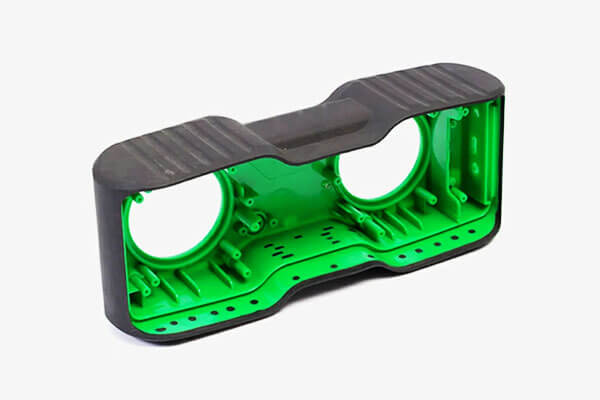
Простое представление структуры::
Подложка → Материал для формования → Интегрированная готовая деталь
Например, рассмотрите ручной электроинструмент. Внутренний корпус может быть отлит из жесткого инженерного пластика, такого как АБС-пластик или армированный нейлон, для обеспечения структурной прочности..
Затем на выбранные участки корпуса можно нанести более мягкий слой ТПЭ или ТПУ, чтобы обеспечить нескользящий захват и улучшить поглощение вибрации..
Вместо изготовления отдельной резиновой ручки и установки ее при сборке, формование позволяет интегрировать рукоятку непосредственно в корпус.
Базовая структура формованного компонента
Формованное изделие обычно состоит из двух функциональных зон материала.:
| Компонент | Основная функция |
| Субстрат | Обеспечивает структурную поддержку, размерная стабильность, или механическое крепление |
| Формование | Добавляет сцепление, запечатывание, амортизация, изоляция, защита, или эстетика |
| Интерфейс соединения | Переносит грузы и поддерживает крепление материала |
Ключевая характеристика: Интеграция нескольких материалов
Определяющей характеристикой наложения является прямая интеграция различных материалов в один готовый компонент.
Это отличает наплавку от обычной сборки.. В традиционном процессе сборки, отдельные компоненты изготавливаются отдельно и впоследствии соединяются с помощью крепежа, клеи, калипы, Пресс подходит, сварка, или другие методы.
Формование частично переносит эту интеграцию в сам процесс формования..
Это может дать несколько производственных преимуществ.:
- Меньше отдельных компонентов
- Сокращение операций сборки
- Улучшенная интеграция компонентов
- Последовательное позиционирование вторичного материала
- Улучшенная герметизация и защита окружающей среды
- Улучшенная эргономика и тактильные характеристики.
- Большая свобода дизайна
- Потенциальное снижение дефектов, связанных со сборкой
Однако, Интерфейс между подложкой и формой становится критически важным инженерным элементом.
Оба материала должны оставаться надежно соединенными в реальных условиях эксплуатации изделия..
Температурный цикл, влага, химикаты, механическая загрузка, влияние, и повторяющиеся изменения могут повлиять на производительность интерфейса..
2. Виды формования
Формование не является единой стандартизированной производственной конфигурацией..
Формование пластика к пластику
Формование пластика к пластику предполагает формование одного термопласта непосредственно поверх ранее отформованной пластиковой подложки..
Его обычно используют, когда два полимера обеспечивают дополняющие эксплуатационные характеристики..
Например, жесткий конструкционный пластик может обеспечить структурный каркас, а более мягкий термопластичный эластомер образует захват., тюлень, кнопка, или защитный слой.
Альтернативно, два жестких полимера могут быть объединены для создания разных функциональных зон внутри одного и того же компонента..
Основная инженерная задача — добиться адекватной адгезии или механического удержания между двумя полимерами, одновременно предотвращая деформацию подложки во время второго цикла формования..
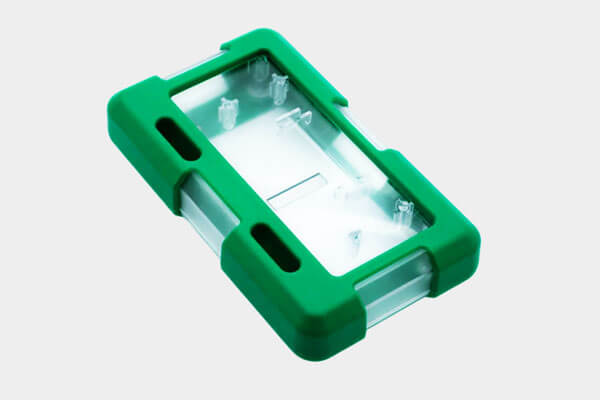
Типичные комбинации включают в себя:
- АБС + TPE
- ПК + TPE
- ПК/АБС + TPE
- Нейлон + TPE
- Стр + ТПЭ или ТПВ
- Пбт + TPE
- АБС + TPU
Не каждая комбинация по своей сути совместима. Точная оценка, формулировка, состояние поверхности, температура обработки, и условия формования должны быть оценены.
Формование пластика в эластомер
Формование пластика в эластомер является одной из наиболее широко распространенных форм формования..
Гибкий материал, такой как TPE., TPU, НДС, или другой термопластичный эластомер формуется на жесткой пластиковой подложке..
Цель обычно функциональная, а не чисто эстетическая.. Эластомер может обеспечить:
- Улучшенный захват и эргономика
- Поглощение ударов и ударов
- Вибрационное демпфирование
- Запечатывание
- Мягкие на ощупь поверхности
- Сопротивление скольжению
- Электрическая изоляция
- Защита от загрязнения окружающей среды
Типичный пример — ручки электроинструмента.. Жесткая подложка обеспечивает структурную поддержку., в то время как эластомерная накладка обеспечивает удобный и прочный интерфейс между инструментом и оператором..
Толщину слоя эластомера необходимо тщательно контролировать.. Чрезмерная толщина может увеличить время цикла., усадка, и расход материала, в то время как недостаточный слой может не обеспечить необходимую амортизацию или сцепление..
Литье металла в пластик
При формовании металла с пластиком полимер размещается непосредственно вокруг металлической вставки или компонента..
Металл обеспечивает прочность, проводимость, износостойкость, тепловые характеристики, или стабильность размеров, в то время как полимер обеспечивает изоляцию, защита, запечатывание, или структурная интеграция.
Литье металла в пластик особенно полезно для электрических клемм., разъемы, датчики, резьбовые вставки, ручки, компоненты управления, и промышленные сборки.
Критическим моментом является разница в коэффициент термического расширения (CTE) между металлом и полимером.
Во время перепадов температур, два материала расширяются и сжимаются с разной скоростью.
Если дизайн интерфейса не учитывает это перемещение, остаточные напряжения могут способствовать растрескиванию, расслоение, или размерная нестабильность.
Вставка
При формовании вставок используется предварительно отформованная вставка, которая помещается внутри литьевой формы перед впрыском материала для формования..
Вставка может быть металлической., пластик, керамика, электронный, или другой произведенный компонент, в зависимости от приложения.
Формование вставки позволяет исключить отдельные операции сборки, поскольку в процессе формования вставка окончательно интегрируется в готовый компонент..
Вставка должна быть точно расположена и надежно закреплена.. Плохая фиксация может привести к смещению вставки во время инъекции., что приводит к ошибкам в размерах, неравномерное покрытие материала, вспышка, или повреждение формы.
Двухэтапное формование
Двухэтапное формование, также называется 2K-литье или двухкомпонентное литье под давлением, производит компонент из нескольких материалов посредством последовательных операций впрыска, как правило, в одной и той же системе формования.
В типичном процессе, первый материал образует подложку или геометрию первого компонента.
Конфигурация пресс-формы или положение детали затем изменяются так, чтобы второй материал можно было впрыскивать в заданную область..
В отличие от обычного формования с использованием отдельно изготовленной подложки, Двухэтапное формование позволяет объединить две операции формования в высокоавтоматизированный производственный цикл..
3. Как работает процесс формования?
Процесс формования включает формование второго материала непосредственно на предварительно отформованную подложку или вставку для создания унифицированного компонента..
Хотя точный процесс варьируется в зависимости от комбинации материалов., геометрия продукта, и метод производства, основной рабочий процесс остается последовательным:
Проектирование изделия → Выбор материала → Производство подложек → Подготовка пресс-формы → Загрузка подложки → Литье под давлением → Охлаждение & Выброс → Проверка
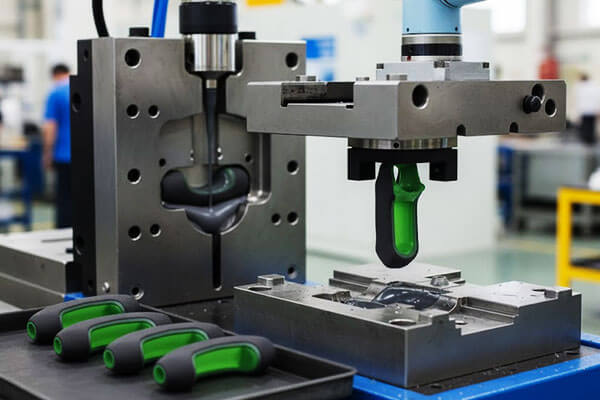
Проектирование продукта и анализ DFM
Формование начинается с продукта и Проектирование для производства (DFM) анализ.
Инженеры оценивают геометрию подложки, толщина наплавки, проект углов, разделительные линии, расположение ворот, вентиляция, подписаны, и критические размеры.
Подложка должна быть достаточно жесткой, чтобы выдерживать давление впрыска и термическое воздействие во время второй операции формования..
Механические удерживающие элементы, такие как ребра, канавки, отверстия, или подрезы также могут быть включены, когда требуется дополнительная блокировка.
Выбор материала и совместимость
Подложку и формовочный материал следует выбирать вместе.. Инженеры учитывают механические свойства, температура обработки, усадка, тепловое расширение, химическая устойчивость, чувствительность к влаге, и самое главное, межфазная адгезия.
Комбинация материалов, которая хорошо работает по отдельности, может не обеспечить надежного соединения при формовке вместе..
Для критических приложений, совместимость материалов должна быть подтверждена данными поставщика., испытания прототипа, или испытание на адгезию.
Производство и подготовка субстрата
Подложка изготавливается перед второй операцией формования..
Пластиковые подложки обычно изготавливаются методом литья под давлением., в то время как металлические вставки могут быть обработаны, штампованный, бросать, или иным образом изготовлены.
Перед формованием, субстрат может потребовать:
- Очистка и обезжиривание
- Сушка чувствительных к влаге полимеров
- Обработка поверхности
- Предварительно нагреть
- Проверка размерных
Правильная подготовка помогает предотвратить загрязнение., изменение размеров, плохая адгезия, и другие дефекты интерфейса.
Загрузка подложки и закрытие формы
Подготовленная основа точно размещается внутри формы для формования..
Его можно загружать вручную для мелкосерийного производства или автоматически с использованием роботизированных систем обработки для крупносерийного производства..
Форма должна надежно поддерживать подложку и сохранять необходимую толщину формы..
После расположения, форма закрывается и прикладывает достаточную силу зажима, чтобы противостоять давлению впрыска и предотвратить вспышку.
Инъекция формовочного материала
Второй материал нагревается до температуры обработки и впрыскивается в полость формы..
Расплавленный материал течет вокруг обозначенных участков подложки и образует формованный слой..
К основным параметрам процесса относятся:
| Параметр | Основной эффект |
| Температура плавления | Текучесть и адгезия |
| Температура формы | Наполнение, охлаждение, и качество поверхности |
| Скорость впрыска | Поведение потока и захват воздуха |
| Давление впрыска | Заполнение полостей |
| Удержание давления | Компенсация усадки и стабильность размеров |
| Время охлаждения | Жесткость детали и время цикла |
Процесс должен быть тщательно сбалансирован. Чрезмерная температура или давление могут деформировать подложку., при этом недостаточные условия наполнения могут стать причиной коротких выстрелов, слабая связь, или неполное покрытие.
Склеивание и охлаждение
Когда расплавленный формовочный материал контактирует с подложкой, интерфейс образуется за счет химической адгезии, механическая блокировка, или комбинация обоих.
После наполнения и упаковки, деталь охлаждается внутри формы. Охлаждение необходимо контролировать, поскольку подложка и верхняя форма могут иметь разные характеристики усадки и теплового расширения..
Плохо контролируемое охлаждение может привести к короблению., остаточный стресс, раковины отметки, или сбой интерфейса.
Выброс и проверка качества
После достаточного охлаждения, готовая отформованная деталь выбрасывается из формы. Удаление ворот, обрезка вспышки, или другие вторичные операции могут быть выполнены при необходимости.
Контроль качества обычно фокусируется на:
Точность размеров + покрытие переформования + внешний вид поверхности + прочность сцепления + функциональная производительность
Для требовательных приложений, производители могут дополнительно выполнить пилинг, тянуть, сдвигать, крутящий момент, температурный цикл, влажность, химическая стойкость, или другие экологические испытания.
4. Материалы, обычно используемые при формовании
Выбор материала, возможно, является самым важным техническим решением при формовании.. Идеальное сочетание материалов должно удовлетворять двум отдельным требованиям.:
Материалы должны работать должным образом как отдельные материалы., и интерфейс материалов должен оставаться надежным как интегрированная система..
Распространенные материалы подложки
Подложка обычно обеспечивает структурную основу компонента.. Это может быть жесткий пластик или металл..
Распространенные материалы пластиковых подложек
| Субстратный материал | Важные характеристики | Типичные области применения формования |
| АБС | Хорошая ударопрочность, легкая обработка, хороший внешний вид | Потребительские товары, ручки, корпусы |
| ПК | Высокая сила воздействия, параметры прозрачности, хорошие размерные характеристики | Электроника, защитные кожухи, элементы управления |
| ПК/АБС | Сбалансированная прочность, появление, и обрабатываемость | Автомобильная промышленность и электроника |
| А (Нейлон) | Высокая сила, жесткость, износостойкость | Автомобильная промышленность, Промышленные компоненты, инструменты |
Стр |
Низкая плотность, химическая устойчивость, устойчивость к усталости | Автомобильная промышленность, потребительские товары, компоненты «живого шарнира» |
| Пбт | Хорошая стабильность размеров и электрические характеристики. | Электрические разъемы, Автомобильные компоненты |
| Пома | Низкое трение, износостойкость, размерная стабильность | Механические компоненты и органы управления |
| Ппс | Высокая температурная и химическая стойкость | Требовательные автомобильные и промышленные применения |
Распространенные материалы для формования
Второй материал обычно выбирается для добавления функции, которую подложка не может эффективно выполнять..
| Формовочный материал | Основные характеристики | Типичные функции |
| TPE | Гибкий, мягкий на ощупь, обрабатываемый | Схватить, амортизация, запечатывание |
| TPU | Высокая стойкость к истиранию и разрыву | Защитные поверхности, захватывает, гибкие компоненты |
| НДС | Эластичность, подобная резине, благодаря термопластической обработке. | Автомобильные уплотнения, захватывает, устойчивые к атмосферным воздействиям компоненты |
ТПО |
Гибкий, легкий, устойчивый к атмосферным воздействиям | Автомобильная отделка и защитные компоненты |
| Мягкие ПП компаунды | Легкий и химически стойкий | Потребительские и автомобильные товары |
| Системы на основе силикона | Отличная гибкость и температурные характеристики | Специализированные уплотнения и медицинское применение |
| Специальные эластомеры | Специализированный химикат, тепло, или механические характеристики | Промышленные и требовательные среды |
5. Механическое соединение против. Химическое соединение при формовании
Граница между подложкой и формовочным материалом является наиболее важной областью формованного компонента из нескольких материалов..
Деталь может иметь превосходные механические свойства и привлекательную поверхность., но все равно выйдет из строя, если верхняя форма отделится от подложки.
Механическое соединение: Физическая блокировка
Механическое соединение основано на том, что расплавленная смола, залитая в форму, течет в заранее спроектированные подрезы., отверстия, канавки, накатные или текстурированные поверхности на подложке.
После затвердевания, смола образует постоянный физический замок, который передает нагрузку за счет геометрического взаимодействия, а не межмолекулярных сил..
- Основной принцип: Расплавленный полимер заполняет все отрицательные элементы поверхности подложки и затвердевает, образуя соответствующую положительную геометрию., создание замка, который невозможно разъединить без деформации одного из материалов.
Анкеры со сквозными отверстиями обеспечивают самые прочные механические связи., поскольку они образуют цельнополимерные заклепки, которые противостоят нагрузкам как на отслаивание, так и на сдвиг.. - Общие особенности привязки: Сквозные отверстия, боковые подрезы, слоты «ласточкин хвост», окружные канавки, текстура с пескоструйной обработкой, рифленые поверхности и формованные зазубрины.
- Преимущества: Работает с любой парой материалов., включая совершенно несовместимые комбинации, такие как силикон поверх металла или TPE поверх POM.; прочность соединения легко предсказуема на основе геометрии; менее чувствителен к поверхностному загрязнению и старению под воздействием окружающей среды.
- Ограничения: Требуется дополнительная конструкция подложки и сложная оснастка.; прочность связи локализована в точках крепления; не подходит для ультратонких нижних слоев 0.5 мм.
Химическая связь: Молекулярная интердиффузия
Химическое соединение происходит, когда формованная смола и подложка химически совместимы..
При температуре формования, полимерные цепи из пресс-формы диффундируют в поверхность подложки, образуя межмолекулярные переплетения и вторичные связи (силы Ван дер Ваальса, водородные связи, и в некоторых случаях образование ковалентной связи посредством переэтерификации).
- Основной принцип: Чтобы произошла химическая связь, два материала должны иметь одинаковые параметры растворимости. (обычно внутри 2 (кал/см³)^0,5 друг от друга) и поверхность подложки должна быть выше температуры стеклования во время инъекции, обеспечивая подвижность и взаимную диффузию цепей.
Полученный межфазный слой обычно имеет размер от 20 толщина от нм до нескольких микрометров. - Факторы влияния: Согласование параметров растворимости, согласование температуры плавления, поверхностная энергия подложки, контактное давление, и время пребывания на интерфейсе.
- Преимущества: Равномерная прочность соединения по всему интерфейсу; дополнительные функции подложки не требуются; позволяет формовать очень тонкие слои с постоянной адгезией; гладкая линия соединения без концентрации напряжений.
- Ограничения: Требуется совместимый химический состав полимеров.; чувствителен к поверхностному загрязнению, окислители и разделительные агенты; может со временем деградировать в условиях высокой температуры или высокой влажности.
Гибридное соединение: Сочетание механических и химических механизмов
Для требовательных приложений, наиболее надежным решением может быть объединение обоих механизмов.
Подложку можно спроектировать с канавками., отверстия, или текстурированные области, в то время как выбранные материалы также обеспечивают присущую межфазную адгезию..
В этой конфигурации, химическая адгезия обеспечивает распределенное крепление, а механические свойства обеспечивают дополнительную устойчивость к отслаиванию., сдвигать, или осевое разделение.
Например, металлическая вставка может быть подвергнута поверхностной обработке и отлита из совместимого полимера, а также иметь сквозные отверстия или накатку..
Полученный интерфейс не зависит исключительно от химической адгезии или геометрической фиксации..
Этот подход особенно полезен, когда отказ интерфейса может поставить под угрозу безопасность или функциональность продукта..
6. Преимущества и ограничения формования
Основные преимущества
Уменьшение количества деталей и сборки
Overmolding может интегрировать ручки, уплотнения, изоляция, амортизация, и защитные слои непосредственно на подложку.
Это уменьшает количество отдельных компонентов., крепеж, клеи, и операции сборки, что может упростить производство и улучшить согласованность.
Расширенная функциональная интеграция
Одна деталь может сочетать в себе жесткую структурную поддержку., мягкая эргономичная ручка, экологическая герметизация и электрическая изоляция за один цикл формования.
Это обеспечивает дифференцированную производительность в разных частях компонента, чего невозможно достичь при проектировании из монолитного материала, например, жесткий структурный сердечник с мягким вибропоглощающим слоем захвата и встроенным экологическим уплотнением.
Повышенная долговечность и надежность
Цельные формованные соединения исключают деградацию клея., виды отказов при ослаблении крепежа и перекосе прокладки.
Литые уплотнения обеспечивают постоянную степень защиты IP67/IP68 и срок службы в 3–5 раз дольше, чем сборные системы прокладок., поскольку нет отдельного компонента уплотнения, который нужно было бы сдвинуть, деградировать или выпасть .
Превосходные эргономические и сенсорные характеристики
Мягкие эластомерные накладки можно настроить для точного захвата., гашение вибрации и поглощение ударов.
Передачу вибрации пользователю можно снизить на 30–60 % по сравнению с жесткими ручками из одного материала., повышение комфорта пользователя и снижение риска травм от повторяющегося стресса.
Гибкость дизайна и дифференциация продукта
Наложение позволяет использовать многоцветие, конструкции с разной текстурой и разной твердостью без вторичных операций, создание дифференциации продукта с минимальными дополнительными затратами на оснастку. Это также позволяет выполнять итерации проектирования без полной переработки оснастки..
Снижение совокупной стоимости владения
При этом инвестиции в оснастку на 30–80 % выше, чем при литье из одного материала., более низкая стоимость сборки,
сокращение брака и меньшие гарантийные претензии обычно обеспечивают снижение совокупной стоимости владения на 15–35 % при средних и высоких объемах производства..
Неотъемлемые ограничения
Более высокая стоимость оснастки и разработки
Специальные инструменты для формования требуют более сложной конструкции., несколько полостей или вращающиеся плиты, и более длительное время разработки.
Стоимость оснастки обычно в 2–3 раза выше, чем у эквивалентных форм из одного материала., а циклы разработки становятся на 30–50 % длиннее.
Ограничения совместимости материалов
Не все пары материалов надежно соединяются.. Несовместимые комбинации требуют механического крепления или связующих слоев., Добавление сложности и стоимости дизайна.
Например, ПП, как известно, трудно склеить с большинством марок ТПЭ., требуются марки TPE на основе ПП или функции механического удержания .
Более узкое окно процесса
Формование требует более жесткого контроля температуры расплава., температура формы, скорость впрыска и давление удержания, чем при литье одного материала.
Отклонение процесса может привести к нарушению соединения, вставить сдвиг или расслоение. Для настройки процесса обычно требуется в 2–3 раза больше пробных запусков, чем для литья из одного материала..
Дифференциальная усадка и напряжение
Несовпадение скоростей теплового расширения и усадки между подложкой и формой создает остаточное напряжение на границе раздела., что может привести к короблению, растрескивание или расслоение в результате термических циклов.
Это особенно заметно для жесткого полимера по сравнению с металлическим формованием..
Ограничено материалами, перерабатываемыми в расплаве
Формование ограничивается термопластами и жидким силиконовым каучуком. (LSR).
Обычные термореактивные смолы и большинство керамических материалов нельзя формовать с помощью стандартного оборудования для литья под давлением..
7. Распространенные дефекты и стратегии их устранения
Формование создает уникальные виды отказов, связанные с соединением интерфейсов., позиционирование пластины и дифференциальная усадка.
В таблице ниже приведены наиболее распространенные дефекты., коренные причины и проверенные корректирующие действия.
| Режим дефекта | Появление | Основные причины | Корректирующие меры |
| Расслаивание / отказ от кожуры | Слой формовки отделяется от подложки | Несовместимость материалов; холодный субстрат; загрязненная поверхность; недостаточное давление на границе раздела | Проверьте совместимость материалов; подогреть субстрат; очистка поверхностей подложки; увеличить давление пакета |
| Вставить смену / смещение | Подложка смещена от намеченного положения | Высокая скорость потока впрыска; недостаточная фиксация вставки; несбалансированный поток | Добавьте установочные булавки; оптимизировать положение ворот, чтобы уменьшить влияние потока; используйте прижимные приспособления |
| Следы раковины на интерфейсе | Вдавленная поверхность на линии соединения | Дифференциальная усадка; толстая секция формования; недостаточная упаковка | Уменьшить толщину стенки надформы; увеличить давление пакета; оптимизировать профиль охлаждения |
Вспышка на интерфейсе |
Избыток смолы просачивается между подложкой и перегородкой формы. | Плохая посадка формы; изменение размеров подложки; чрезмерное давление впрыска | Улучшение прилегания полости формы; ужесточить допуски на подложку; уменьшить давление впрыска |
| Волдыри на границе раздела | Поднятые пузырьки под поверхностью формования | Захваченный воздух; влага на подложке; выделение газа | Улучшите вентиляцию; сухая основа перед формовкой; снизить температуру плавления |
| Внутреннее растрескивание под напряжением | Трещины на линии соединения после охлаждения | Дифференциальная усадка; несовместимые скорости расширения материала | Оптимизация температуры пресс-формы; уменьшить скорость охлаждения; выбирайте материалы с более близкими значениями КТР |
8. Ключевые применения формования
Формование используется во многих отраслях, поскольку оно позволяет производителям комбинировать конструкционные и функциональные материалы, не полагаясь полностью на вторичную сборку..
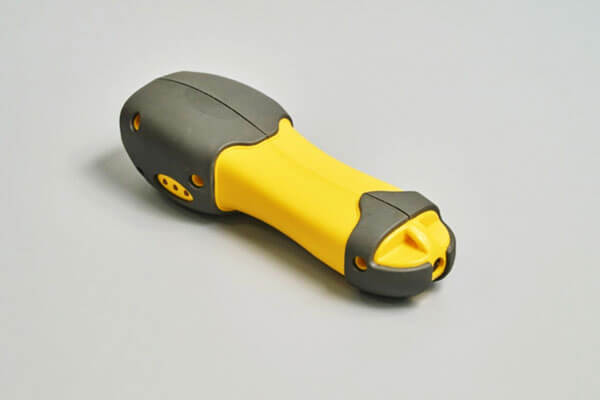
Автомобильные приложения
Производители автомобилей используют наплавку для улучшения функциональности., долговечность, комфорт, и интеграция компонентов.
Общие примеры включают в себя:
- Органы управления на рулевом колесе
- Переключатели и кнопки
- Корпуса датчиков
- Электрические разъемы
- Компоненты защиты кабеля
- Компоненты внутренней отделки
- Уплотнительные компоненты
- Ручки и захваты
- Защитные чехлы
- Компоненты гашения вибрации
Потребительская электроника
Бытовая электроника выигрывает от формования, поскольку пользователи напрямую взаимодействуют со многими внешними поверхностями продукта..
Приложения включают:
- Аксессуары для смартфонов и электронных устройств
- Пульты дистанционного управления
- Компоненты носимых устройств
- Компоненты наушников
- Разъемы для зарядки
- Концы кабеля
- Защитные корпуса
- Кнопки и интерфейсы управления
Медицинские устройства
Формование используется в продуктах медицинского назначения и здравоохранения, где эргономика, запечатывание, изоляция, чистка, и контролируемые тактильные характеристики важны..
Примеры включают:
- Ручки для медицинских инструментов
- Компоненты диагностического оборудования
- Захваты для хирургических инструментов
- Компоненты трубок и соединителей
- Уплотнительные элементы
- Защитные корпуса
- Одноразовые компоненты устройства
Электроинструменты и ручные инструменты
Электроинструменты — классическое применение для формования от жесткого к гибкому..
Подложка из структурного полимера может обеспечить необходимую жесткость., в то время как TPE или TPU могут создавать эргономичные зоны захвата.
Форма может улучшиться:
- Безопасность захвата
- Комфорт пользователя
- Вибрационное демпфирование
- Воздействие сопротивления
- Долговечность поверхности
- Внешний вид продукта
Электрические и электронные компоненты
В электротехнике часто сочетаются проводящие металлические вставки с изолирующими полимерными материалами..
Типичные приложения включают:
- Электрические разъемы
- Терминалы
- Компоненты датчика
- Кабельные сборки
- Компоненты переключателя
- Изолированные контакты
- Корпуса разъемов
- Электронные компоненты управления
Промышленное оборудование
Промышленные изделия часто требуют сочетания прочности, воздействие сопротивления, химическая устойчивость, контроль вибрации, и эргономика оператора.
Поэтому переформование используется для:
- Ручки машины
- Ручки управления
- Промышленные выключатели
- Захваты для инструментов
- Защитные чехлы
- Уплотнительные компоненты
- Корпуса датчиков
- Защита кабеля
- Компоненты гашения вибрации
9. Формование против. Вставить молдинг против. Двухэтапное формование
Чрезмерное количество, вставить молдинг, и двухэтапное формование являются тесно связанными технологиями литья под давлением., но они отличаются способом производства подложки, расположен, и интегрирован со вторым материалом.
Чрезмерное количество
Формование обычно включает формование второго материала поверх существующей подложки или компонента..
Подложка может представлять собой предварительно отформованную пластиковую деталь., обработанная металлическая деталь, штампованная вставка, или другой изготовленный элемент.
Это особенно удобно, когда подложка и дополнительная форма изготавливаются на отдельных операциях или когда для двух компонентов требуются разные производственные процессы..
Типичные области применения включают мягкие на ощупь ручки., защитные чехлы, электрическая изоляция, уплотнения, и компоненты для снятия натяжения.
Вставить молдинг
Вставьте формование помещает предварительно отформованную вставку в литьевую форму перед впрыском пластика вокруг нее.
Вставка может быть изготовлена из металла., пластик, керамика, или другой подходящий материал.
Литая металлическая вставка широко используется, когда конечный компонент требует прочности., проводимость, размерная стабильность, или возможность крепления металла в сочетании с легкими и изоляционными свойствами пластика..
Обычные вставки включают резьбовые втулки., терминалы, штифт, валы, тарелки, и скобки.
В отличие от обычного формования, формование вставок особо подчеркивает интеграцию предварительно изготовленной вставки во время цикла впрыска.
Двухэтапное формование
Двухэтапное формование, также называется 2K или двухкомпонентным литьем под давлением., производит две области материала посредством последовательных операций впрыска в одной и той же системе формования..
Первый материал образует исходную подложку., после чего форма или деталь перемещается и вводится второй материал..
Этот подход может обеспечить превосходное соответствие размеров между двумя материалами и очень подходит для крупносерийного производства..
Это также может уменьшить трудоемкость, поскольку подложку не нужно вручную переносить между отдельными операциями формования..
Сравнение процессов
| Особенность | Чрезмерное количество | Вставить молдинг | Двухэтапное формование |
| Субстрат | Предварительно отформованный компонент или вставка | Предварительно сформированная вставка | Формируется во время первого выстрела |
| Типичные материалы | Пластик, эластомер, металл | Преимущественно металлические или жесткие вставки | Два совместимых полимера/эластомера |
| Последовательность производства | Субстрат + вторая операция формования | Вставка загружена + пластиковая инъекция | Первый выстрел + второй выстрел |
| Автоматизация | От низкой до высокой автоматизации | От низкой до высокой автоматизации | Обычно высокоавтоматизированный |
| Сложность оснастки | От умеренного до высокого | Умеренный | Высокий |
| Основное преимущество | Гибкая интеграция нескольких материалов | Сочетает в себе функциональность вставки и пластика. | Высокоточное производство из нескольких материалов |
| Типичные приложения | Захваты, уплотнения, корпусы, защитные слои | Разъемы, терминалы, резьбовые вставки | Кнопки, корпусы, многоцветные компоненты |
| Лучше всего подходит для | Гибкие производственные стратегии | Интеграция металла и пластика | Крупносерийное интегрированное производство |
На практике, термины могут пересекаться. Формование вставки — это особая форма формования вокруг предварительно отформованной вставки., в то время как двухэтапное формование представляет собой высокоинтегрированный процесс обработки нескольких материалов, в котором подложка обычно создается в рамках одного и того же цикла формования..
Поэтому выбор процесса должен основываться на фактической архитектуре продукта, а не только на терминологии..
10. Передовые тенденции и инновации
Технология оверформинга продолжает быстро развиваться., обусловлен спросом на миниатюризацию, устойчивость и улучшенная функциональная интеграция.
ЛСР Формование
Жидкий силиконовый каучук (LSR) переформование конструкционных термопластов является наиболее быстрорастущим сегментом переформования..
LSR обеспечивает исключительную термостойкость. (-60°С до 200°С+), биосовместимость и эффективность сжатия, сделать его идеальным для медицинских устройств, детали, контактирующие с пищевыми продуктами, и автомобильная промышленность, работающая при высоких температурах.
Передовые инструменты для холодных литников и прецизионные системы дозирования позволяют формовать LSR с толщиной стенок до 0.2 мм.
Микроформование
Миниатюризация в электронике и медицинских устройствах привела к развитию процессов микроформования с толщиной стенок ниже 0.3 мм и точность позиционирования ±0,02 мм..
Это позволяет использовать дополнительные функции на микроразъемах., носимая электроника и имплантируемые медицинские устройства, производство которых ранее было невозможно.
Устойчивое и биологическое формование
Разработка сортов полимеров на биологической основе и переработанных полимеров с соответствующими свойствами расплава позволяет формовать пары экологически чистых материалов..
Сюда входят подложки из переработанного ПП, покрытые переработанным ТПЭ., и PA на биологической основе, сформованный с эластомерами на биологической основе..
Бренды все чаще выбирают устойчивое формование для достижения целей экономики замкнутого цикла и сокращения выбросов углекислого газа..
Интеграция сборок в пресс-форме
Усовершенствованные многопозиционные ячейки для формования объединяют несколько предварительно изготовленных компонентов. (уплотнения, магниты, электроника) в один цикл формования, производство полностью собранных готовых деталей непосредственно из пресс-формы.
Это позволяет отказаться от целых сборочных линий и сократить время производства на 70–90 %..
Оптимизация процесса, управляемой ИИ
Системы машинного обучения внедряются для оптимизации параметров процесса формования в режиме реального времени., регулировка скорости впрыска, давление и температура на основе данных датчика в форме и кривых давления в полости.
Это снижает процент брака на 30–50%., улучшает стабильность соединения и сокращает время установки новых деталей.
11. Формование для различных требований к продукту
Формование должно выбираться в соответствии с функциональными требованиями готового компонента., а не просто как метод объединения двух материалов.
| Требование к продукту | Рекомендуемое решение для формования | Ключевые инженерные соображения | Типичные приложения |
| Улучшенное сцепление и трение | Жесткая подложка + Формованная форма ТПЭ/ТПУ | Твердость, коэффициент трения, поверхностная текстура, устойчивость к истиранию | Ручки инструмента, ручки, потребительские товары |
| Защита от ударов | Жесткая подложка + жесткий эластомер | Поглощение удара, прочность на разрыв, толщина, покрытие края | Электронные корпусы, защитное снаряжение, Промышленные компоненты |
| Защита от воды и пыли | Жесткий корпус + эластомерный уплотнительный слой | Непрерывность интерфейса, сжатие, Точность размеров, устойчивость к старению | Разъемы, датчики, уличная электроника |
| Электрическая изоляция | Металлическая/электронная вставка + изоляционный полимер | Диэлектрическая прочность, толщина изоляции, температурный рейтинг, предотвращение пустоты | Терминалы, разъемы, кабельные сборки |
Снижение вибрации и шума |
Жесткая подложка + демпфирующий эластомер | Твердость эластомера, толщина, динамический отклик, устойчивость к усталости | Электроинструменты, Автомобильные компоненты, машины |
| Эргономичное обращение | Структурное ядро + мягкий на ощупь ТПЭ/ТПУ | Градиент твердости, геометрия рукоятки, тактильное ощущение, длительный износ | Ручные инструменты, Медицинские инструменты, ручки управления |
| Химическая защита и защита окружающей среды | Субстрат + химически стойкий полимер | Химическая совместимость, температура, Укр, влага, стабильность адгезии | Промышленное оборудование, автомобильные детали, компоненты для работы с жидкостями |
| Устойчивость к износу и истиранию | Жесткая подложка + износостойкий ТПУ/ТПЭ | Поверхностная твердость, устойчивость к истиранию, контактное давление, рабочая температура | Ролики, гиды, захватывает, промышленное управление |
12. LangHe Промышленные услуги по литью под давлением
Langhe Industry предоставляет индивидуальные решения для литья под давлением и последующего формования, от разработки прототипа до крупносерийного производства., вспомогательные материалы, включая ПП, Финиш, АБС, ПК, нейлон, TPE, TPU, LSR, и заглянуть.
Его возможности охватывают двухзаходное формование., переформовка с возможностью выбора и размещения, и вставки для металла, керамика, пластик, и электронные вставки, при поддержке собственного проектирования и производства оснастки.
Как ИСО 9001:2015-сертифицированный производитель, LangHe Industry применяет систематический контроль качества посредством 100% осмотр, Измерение КИМ, и системы машинного зрения для обеспечения точности размеров, постоянство внешнего вида, и надежная работа продукта.
Индивидуальные цвета, текстуры, и отделка поверхности также доступны для удовлетворения конкретных требований к применению и брендингу..
Свяжитесь с LangHe Industry сегодня, чтобы обсудить ваш проект по формованию или индивидуальному литью под давлением.
13. Заключение
Формование — это гораздо больше, чем просто добавление слоя пластика на подложку..
Это сложная технология производства нескольких материалов, которая объединяет структурные, эргономичный, герметизирующие и косметические функции в одном интегрированном компоненте, обеспечение производительности, которую невозможно достичь при литье из одного материала или традиционных методах сборки..
Его ценностное предложение основано на трех основных столпах.: функциональная интеграция, которая снижает количество деталей и стоимость сборки, оптимизация производительности в зависимости от материала, которая обеспечивает дифференцированную функциональность одной детали, и повышенная надежность, которая достигается за счет цельного соединения, а не вторичного соединения..
Поскольку дизайн продуктов продолжает стремиться к более высокой интеграции, Миниатюризация и устойчивость, формование будет продолжать расширяться и охватывать новые области применения..
Достижения в обработке LSR, микроформование и экологически чистые материалы еще больше расширят его возможности., закрепление своей позиции как одной из наиболее важных и универсальных технологий точного производства в современной промышленности..
Часто задаваемые вопросы
В чем разница между формованием сверху и вставкой?
Формование обычно относится к формованию второго материала поверх предварительно отформованной подложки..
Формование вставкой, в частности, включает в себя размещение предварительно отформованной вставки (часто металлической) в форму и инъекцию пластика вокруг нее.. Эти два термина могут пересекаться в зависимости от архитектуры компонента..
В чем разница между формованием сверху и двухэтапным формованием??
При обычном формовании, подложка обычно изготавливается отдельно перед тем, как на нее отливается второй материал.
При двухзаходном формовании, первый материал формуется, а второй материал впрыскивается в одну интегрированную систему формования., обеспечивая точную регистрацию и высокую эффективность производства.
Можно ли соединить металл с пластиком??
Да. Литье металла в пластик широко используется для объединения прочности или проводимости металла с изоляцией., защита, и гибкость конструкции полимеров.
Металлическая вставка должна быть точно расположена и рассчитана на выдерживание температуры и давления формования..
Является ли переформование более дорогим, чем обычное литье под давлением??
Затраты на оснастку и разработку обычно выше, поскольку для формования требуется более сложная оснастка и контроль процесса..
Однако, общая стоимость производства может быть ниже, если в процессе исключаются отдельные компоненты, сборочные операции, клеи, крепеж, или процессы вторичной герметизации.