1. Введение
Ферритная нержавеющая сталь — одно из основных семейств нержавеющих сталей., отличается прежде всего своим ферритный объемноцентрированный кубический (BCC) кристаллическая структура при комнатной температуре и относительно высоком содержании хрома..
В отличие от обычных аустенитных нержавеющих сталей, ферритные сорта обычно содержат мало или не содержат намеренно добавленного никеля..
Эта композиционная характеристика может обеспечить привлекательное сочетание коррозионной стойкости., тепловая стабильность, магнитные свойства, и стоимость материала.
Ферритные нержавеющие стали широко используются в автомобильных выхлопных системах., бытовая техника, теплообменники, архитектурные компоненты, Продовольственное оборудование, и промышленное оборудование.
Их производительность, однако, сильно зависит от химического состава сплава, контроль углерода и азота, стабилизация, История обработки, и сервисная среда.
2. Что такое ферритная нержавеющая сталь?
Ферритный нержавеющая сталь представляет собой группу железо-хромовые сплавы, матрица которых при комнатной температуре преимущественно ферритная.
Феррит имеет объемно-центрированную кубическую кристаллическую структуру и остается стабильным в широком диапазоне температур в соответствующих легированных составах..
Хром является основным легирующим элементом, отвечающим за поведение нержавеющей стали..
При наличии достаточного количества хрома, сталь может образовывать тонкие, приверженый, пассивная пленка, богатая хромом, которая существенно замедляет дальнейшую коррозию.
Коммерческие ферритные нержавеющие стали охватывают относительно широкий диапазон составов.. Общие сорта могут содержать приблизительно 11–30% хром, в то время как углерод и азот обычно контролируются на относительно низких уровнях.
Некоторые марки с более высокими эксплуатационными характеристиками дополнительно содержат молибден для повышения устойчивости к локальной коррозии или титан и ниобий для стабилизации..
В отличие от мартенситных нержавеющих сталей, обычные ферритные нержавеющие стали обычно не закаливается посредством обычной термической обработки закалкой и отпуском.
Их конечные свойства в первую очередь определяются химическим составом., термомеханическая обработка, отжиг, зерновая структура, и холодная деформация.
Поэтому ферритную нержавеющую сталь лучше всего рассматривать как отдельное металлургическое семейство, а не просто как более дешевую альтернативу аустенитной нержавеющей стали..
3. Химический состав ферритной нержавеющей стали
Химический состав является одним из наиболее важных факторов, определяющих эксплуатационные характеристики ферритной нержавеющей стали..
Хром обеспечивает основные характеристики нержавеющей стали., в то время как углерод, азот, молибден, титан, ниобий, и другие элементы отрегулированы для достижения определенного сочетания коррозионной стойкости., механические свойства, сварка, и тепловая стабильность.
Типичный химический состав
Состав значительно варьируется между отдельными классами.. Следующие значения представляют типичные диапазоны для обычных коммерческих ферритных нержавеющих сталей, не универсальные пределы спецификации.
| Элемент | Типичный диапазон / Уровень | Основная металлургическая функция |
| Хром (Герметичный) | ~10,5–30% | Пассивация, коррозионная стойкость, ферритовая стабилизация |
| Углерод (В) | Обычно низкий, часто ≤0,08% | Укрепление; чрезмерные уровни могут способствовать сенсибилизации |
| Азот (Не) | Обычно низкий | Укрепление; чрезмерные уровни могут ухудшить ферритные свойства |
| Молибден (МО) | 0–4%+ в зависимости от грейда | Повышает устойчивость к точечной и щелевой коррозии. |
| Титан (Из) | В зависимости от оценки | Стабилизирует углерод и азот |
Ниобий (Нб) |
В зависимости от оценки | Стабилизирует углерод и азот; улучшает качество сварки |
| Никель (В) | Обычно низкий | Контролируется для поддержания стабильности ферритной фазы |
| Марганец (Мнжен) | Обычно ограничено | Раскисление и контроль сплавов/процессов |
| Кремний (И) | Обычно ограничено | Вклад в раскисление и устойчивость к окислению |
Точные пределы всегда следует брать из соответствующей спецификации материала., например, применимый Астм, В, Он есть, или другой национальный/международный стандарт, поскольку сами по себе номинальные названия марок не определяют все допустимые пределы состава..
4. Основные типы и марки ферритной нержавеющей стали
Ферритные нержавеющие стали охватывают широкий спектр сплавов на основе хрома., от экономичных марок, предназначенных для автомобильных выхлопных систем, до марок с высоким содержанием хрома и молибдена, предназначенных для сложных коррозионных и высокотемпературных сред..
В следующих таблицах репрезентативные оценки разбиты на три практические категории.: стандартные ферритные марки, ферритные марки с высоким содержанием хрома, и литые ферритные нержавеющие стали.
Стандартные ферритные марки (400 Ряд)
Эти марки широко используются, поскольку они обеспечивают практический баланс коррозионной стойкости., производство, тепловые характеристики, и стоимость.
Оценки, такие как 409 и 430 особенно важны в автомобилестроении, прибор, архитектурный, и общее промышленное применение.
| Оценка | США обозначение | Примерный состав | Ключевые характеристики | Типичные приложения |
| 409 | S40900 | Кр 10,5–11,7%; С ≤0,08%; Стабилизирован | Экономичная ферритная нержавеющая сталь с хорошей стойкостью к окислению и достаточной коррозионной стойкостью.; подходит для эксплуатации при повышенных температурах | Автомобильные выхлопные системы, выхлопные трубы, компоненты каталитического нейтрализатора |
| 410Л | S41003 | Кр 11,5–13,5%; С ≤0,03% | Очень низкое содержание углерода улучшает свариваемость и снижает риск сенсибилизации, связанной со сваркой.; Умеренная коррозионная стойкость | Автомобильные компоненты, структурные части, резервуары для воды, промышленное оборудование |
| 430 | С43000 | Кр 16–18%; С ≤0,08% | Хорошая общая коррозионная стойкость, магнитное поведение, Хорошая формируемость, и привлекательный внешний вид поверхности; широко доступный и экономичный | Технические приборы, кухонное оборудование, Автомобильная отделка, архитектурные панели |
430Л |
S43003 | Кр 16–18%; С ≤0,03% | Низкоуглеродная версия 430 с улучшенной свариваемостью и пониженной склонностью к межкристаллитной коррозии | Сварное оборудование, Продовольственное оборудование, архитектурные компоненты |
| 434 | S43400 | Кр 16–18%; Мо примерно 0,5–1,0%; С ≤0,08% | Молибден повышает устойчивость к локальной коррозии по сравнению с обычными 430; сохраняет хорошую стойкость к окислению | Автомобильная отделка, выхлопные компоненты, тепловое оборудование |
| 436 | S43600 | Кр 16–18%; Мо примерно 0,5–1,0%; Ti/Nb стабилизировано | Стабилизированный ферритный сорт с улучшенной свариваемостью, коррозионная стойкость, и устойчивость к межкристаллитной коррозии | Автомобильные выхлопные системы, архитектурные компоненты, промышленное оборудование |
Ферритные марки с высоким содержанием хрома
Ферритные нержавеющие стали с высоким содержанием хрома содержат значительно больше хрома, чем обычные марки 400-й серии..
Некоторые из них также содержат молибден и стабилизирующие элементы, такие как титан и ниобий..
Эти стратегии легирования улучшают стойкость к окислению., устойчивость к локальной коррозии, и высокотемпературная производительность.
| Оценка | США обозначение | Примерный состав | Ключевые характеристики | Типичные приложения |
| 439 | S43035 | Кр 17–19%; Стабилизирован | Хорошая стойкость к коррозии и окислению, улучшенная свариваемость.; подходит для эксплуатации при повышенных температурах | Автомобильные выхлопные системы, теплообменники, водонагреватели |
| 441 | S44100 | Кр 17–19%; Из + Nb стабилизированный | Стабилизированная ферритная структура обеспечивает хорошую свариваемость., устойчивость к окислению, и сопротивление сенсибилизации | Автомобильные выхлопные системы, компоненты каталитического нейтрализатора, теплообменники |
| 444 | S44400 | Кр 17–19%; Мо 1,5–2,5%; Из + Nb стабилизированный | Низкое содержание углерода и азота в сочетании с молибденом обеспечивают высокую устойчивость к точечной и щелевой коррозии.; Хорошая сварка | Теплообменники, системы горячего водоснабжения, оборудование охлаждающей воды, Оборудование химического обработки |
446 |
S44600 | Кр 23–27%; низкий | Очень высокое содержание хрома обеспечивает превосходную стойкость к окислению и хорошие характеристики при повышенных температурах. | Компоненты печи, оборудование для термообработки, высокотемпературное химическое оборудование |
| 447 | S44700 | Кр 28–30%; Мо 2,0–3,0%; очень низкий С | Суперферритная нержавеющая сталь с превосходной стойкостью к локальной коррозии и окислению, вызванной хлоридами. | Химическая обработка, оборудование для обработки морской воды, теплообменники, Оффшорное оборудование |
| 448 | S44800 | Кр 28–30%; Мо 3,5–4,2%; очень низкий C/N | Высоколегированная ферритная нержавеющая сталь, обеспечивающая исключительную стойкость к коррозии и окислению в суровых условиях. | Морское оборудование, химическая обработка, морские системы, суровая эксплуатация хлоридов |
Примечание: Точные химические пределы варьируются в зависимости от действующего ASTM., ASME, В, или спецификация UNS. Вышеуказанные составы представлены в качестве репрезентативных диапазонов для инженерного сравнения..
Литые ферритные марки нержавеющей стали
Некоторые часто упоминаемые марки литой нержавеющей стали перечислены ниже..
Важно, не все хромсодержащие литые марки нержавеющей стали, перечисленные в семействе ASTM A743/A744, являются строго ферритными при комнатной температуре.; такие марки, как СА-15, условно относят к мартенситным..
Поэтому, конкретная металлургическая классификация всегда должна быть подтверждена на основании применимой спецификации материала..
| Актерский класс | США обозначение | Ключевые характеристики | Типичные приложения |
| CA-15 | J91150 | Хромистая нержавеющая сталь с хорошей общей коррозионной стойкостью и хорошей прочностью после соответствующей термообработки.; обычно классифицируется как мартенситный, а не ферритный. | Насосные компоненты, Клапанские тела, турбинные компоненты, промышленное литье |
| СА-40 | J91151 | Более высокая твердость и прочность, чем у низкоуглеродистых литейных марок хрома.; хорошая износостойкость, но пониженная свариваемость | Износостойкие компоненты, детали клапана, компоненты парового обслуживания |
СВ-30 |
J91330 | Более высокое содержание хрома обеспечивает улучшенную стойкость к коррозии и окислению литых компонентов. | Химико-технологическое оборудование, Части насоса, Компоненты клапана |
| СС-50 | J91450 | Очень высокое содержание хрома обеспечивает сильную стойкость к окислению и коррозии., особенно в условиях повышенной температуры | Высокотемпературное химико-технологическое оборудование, Компоненты печи, коррозионностойкие отливки |
5. Ключевые свойства ферритной нержавеющей стали
Ферритные нержавеющие стали характеризуются кубик-ориентированный (BCC) ферритная матрица, хром как основной легирующий элемент, и, как правило, низкое содержание углерода и никеля.
Их сочетание коррозионной стойкости, магнитное поведение, относительно низкое тепловое расширение,
а теплопроводность от умеренной до хорошей делает их особенно подходящими для автомобильных выхлопных систем., технические приборы, теплообменники, архитектурные компоненты, и промышленное оборудование.
Следующие значения представляют собой полезные инженерные ориентиры для часто используемых ферритных марок.:
| Свойство | Типичный диапазон ферритной нержавеющей стали | Представительный класс / Ценить | Инженерное значение |
| Модуль упругости | ~200–215 ГПа | Тип 430: ~ 200 ГПа | Определяет упругую жесткость |
| Плотность | ~7,6–7,8 г/см³ | Тип 430: ~7,7 г/см³ | Соответствует весу компонента |
| Коэффициент теплового расширения | ~9–11 × 10⁻⁶/К | Тип 430: ~10,4 × 10⁻⁶/К | Важно для тепловых искажений |
| Теплопроводность | ~24–27 Вт/(м · к) | Тип 430: ~26 Вт/(м · к) | Влияет на теплообмен |
Удельная теплоемкость |
~440–500 Дж/(кг·К) | В зависимости от оценки | Используется в тепловых расчетах |
| Электрическое сопротивление | ~0,55–0,65 мкОм·м | В зависимости от оценки | Относится к электрическим/тепловым применениям |
| Магнитное поведение | Ферромагнитный при комнатной температуре | Большинство ферритных марок | Полезно для магнитных приложений. |
| Диапазон плавления | ~1425–1510°С | В зависимости от оценки | Важно для литья и сварки. |
Эти цифры следует рассматривать как эталонные значения, не заменяет спецификации.
Для проектирования компонентов, применимый ASTM, В, Он есть, или другой стандарт материала, и сертифицированный отчет об испытаниях материала должен иметь приоритет..
Коррозионная стойкость
Коррозионная стойкость является одной из основных причин использования ферритной нержавеющей стали..
Хром образует тонкий, приверженый, и самоисцеление пассивная пленка с высоким содержанием хрома на стальной поверхности.
Когда содержание хрома достаточно велико и поверхность остается химически чистой., этот пассивный слой значительно снижает скорость коррозии во многих атмосферных и водных средах..
Коррозионная стойкость ферритной нержавеющей стали обычно увеличивается с увеличением содержания хрома., в то время как добавки молибдена могут еще больше улучшить устойчивость к локальной коррозии., особенно точечная и щелевая коррозия.
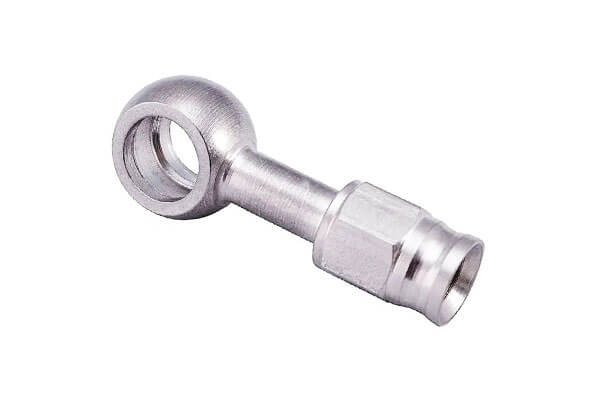
Например, Айси 430 обеспечивает полезную коррозионную стойкость для внутренних и слабокоррозионных сред, тогда как стабилизированные оценки, такие как 439 и 441 широко используются в автомобильных выхлопных системах..
Марки более высоких сплавов, такие как 444 обеспечивают значительно лучшую устойчивость к средам, содержащим хлориды, и подходят для применений, связанных с горячей водой и некоторыми химическими средами..
При оценке коррозионных характеристик следует учитывать несколько факторов.:
- Содержание хрома: Более высокий уровень Cr обычно улучшает пассивацию и стойкость к окислению..
- Содержание молибдена: Мо повышает устойчивость к точечной и щелевой коррозии..
- Углерод и азот: Избыточное количество интерстициальных элементов может способствовать истощению хрома во время термического воздействия..
- Стабилизация: Добавки титана или ниобия помогают связывать углерод и азот., улучшение устойчивости к сенсибилизации после сварки.
- Состояние поверхности: Шлифование, полировка, маринованный, и пассивация могут сильно влиять на практическое поведение коррозии..
- Среда обслуживания: Концентрация хлоридов, температура, pH, влажность, и время воздействия влияют на коррозионные характеристики.
Поэтому ферритная нержавеющая сталь особенно привлекательна там, где требуется устойчивость к коррозии, но не требуется экстремальных коррозионных характеристик никельсодержащей аустенитной нержавеющей стали..
6. Механические свойства ферритной нержавеющей стали
Механическое поведение ферритной нержавеющей стали сильно зависит от содержания хрома., уровень углерода и азота, размер зерна, стабилизация сплава, холодный работа, и рабочая температура.
В общем, Ферритные марки предлагают полезную комбинацию средняя и высокая прочность, достаточная пластичность, Хорошая устойчивость к усталости, и хорошая стабильность размеров.
Типичные механические характеристики
| Механическая характеристика | Типичное поведение ферритной нержавеющей стали | Инженерное значение |
| Модуль упругости | Примерно 200 Средний балл | Обеспечивает хорошую эластичную жесткость и стабильность размеров. |
| Урожайность | Обычно около 200–400 МПа для многих стандартных марок. | Определяет устойчивость к остаточной деформации. |
| Предел прочности | Обычно около 400–600 МПа., в зависимости от оценки и состояния | Определяет предельную допустимую нагрузку на растяжение. |
Удлинение |
Часто примерно 15–30%, но сильно зависит от класса | Указывает доступную пластичность во время формовки и перегрузки. |
| Твердость | Обычно умеренный в отожженном состоянии | Влияет на износостойкость и обрабатываемость |
| Воздействие на выносливость | Сильно зависит от класса, размер зерна, температура, и обработка | Важно для низкотемпературных и ударных нагрузок. |
Ферритные нержавеющие стали также обычно демонстрируют ограниченное упрочнение при традиционной термообработке..
В отличие от мартенситных нержавеющих сталей, обычно они не могут быть преобразованы в мартенситную структуру высокой твердости путем закалки..
Вместо этого их механические свойства контролируются в первую очередь за счет легирование, уточнение зерна, холодный работа, и термомеханическая обработка.
Холодная обработка может увеличить прочность и твердость., но чрезмерная холодная деформация может снизить пластичность и увеличить сложность формовки..
Для требовательных приложений, состояние материала - например, отожженное, Холод катился, или стабилизированная — поэтому следует указывать вместе с маркой нержавеющей стали..
При низких температурах, прочность заслуживает особого внимания. Некоторые ферритные нержавеющие стали могут проявлять переход от пластичного к хрупкому, что принципиально отличается от поведения многих аустенитных нержавеющих сталей..
Измельчение зерна и низкое содержание углерода/азота могут улучшить ударную вязкость., однако ферритные марки следует выбирать тщательно для ударокритичных или криогенных применений..
7. Свариваемость ферритной нержавеющей стали
Свариваемость значительно различается среди марок ферритной нержавеющей стали..
Современные низкоуглеродные, стабилизированные марки обычно имеют гораздо лучшую свариваемость, чем более старые высокоуглеродистые ферритные составы., однако ферритные нержавеющие стали по-прежнему требуют более тщательного контроля сварки, чем многие распространенные аустенитные марки..
Основной металлургической концепцией является укрупнение зерна в зоне термического влияния (Азартный).
Поскольку ферритные нержавеющие стали во время сварки остаются преимущественно ферритными., высокое тепловложение может привести к образованию крупных зерен. Крупнозернистые области ЗТВ могут иметь пониженную пластичность и вязкость..
Другая проблема заключается в том, образование карбида или нитрида хрома.
Если присутствует достаточное количество углерода или азота, Термическое воздействие во время сварки может привести к обеднению хромом вблизи границ зерен., потенциально снижает стойкость к локальной коррозии.
Вот почему оценки стабилизировались с титан или ниобий, такой как 409, 439, 441, и 444, обычно выбираются для сварных работ.
Важные аспекты сварки
| Сварка | Потенциальная проблема | Рекомендуемый контроль |
| Чрезмерное тепловложение | Укрупнение зерна и снижение ударной вязкости | Используйте контролируемое тепловложение |
| Высокая межпроходная температура | Чрезмерное тепловое воздействие | Контроль межпроходной температуры |
| Высокоуглеродистый/азотный | Сенсибилизация и восприимчивость к коррозии | Предпочитайте сорта с низким содержанием C/N или стабилизированные сорта. |
| Быстрое или неконтролируемое охлаждение | Остаточные напряжения и искажения | Установите подходящую процедуру сварки. |
| Несоответствие присадочного металла | Снижение коррозии или механических характеристик. | Выбирайте наполнитель в зависимости от требований к обслуживанию |
| Загрязнение поверхности | Дефекты сварных швов и снижение коррозионной стойкости | Тщательная очистка до и после сварки |
ТИГ, Я/Маг, Лазерная сварка, и контактную сварку можно использовать в зависимости от геометрии компонента., толщина, объем производства, и требования к производительности.
После сварки, маринация и пассивация может потребоваться восстановление коррозионной стойкости путем удаления теплового оттенка, свободное загрязнение железом, и другие поверхностные загрязнения.
Для критических компонентов, Аттестация процедуры сварки должна учитывать не только визуальное качество сварного шва, но и его свойства при растяжении., коррозионное поведение, искажение, и характеристики ЗТВ, где это применимо.
8. Формируемость и механизм
Формируемость
Ферритные нержавеющие стали обычно демонстрируют хорошие характеристики при холодной штамповке., особенно при поставке в отожженном состоянии.
Их удлинение обычно составляет 20–30% дальность для многих коммерческих сортов, обеспечение достаточной пластичности для изгиба, рулон формирование, штамповка, и другие операции с листовым металлом.
Однако, производительность формовки зависит не только от удлинения.
Урожайность, анизотропия, работа укрепления, Толщина листа, зерновая структура, геометрия инструмента, и смазка могут повлиять на конечный результат.
Для точной формовки, необходимо контролировать следующие параметры:
- Минимальный радиус изгиба
- Направление прокатки
- Зазор инструмента
- Смазка
- Формирующая последовательность
- Компенсация пружинения
- Защита поверхности
Ферритные марки могут быть особенно привлекательны для изготовления крупных листовых деталей, поскольку они сочетают в себе достаточную пластичность с относительно стабильными размерными свойствами..
Механизм
Ферритные нержавеющие стали обычно подходят для обычных Обработка с ЧПУ.
Однако, параметры обработки должны быть оптимизированы для конкретного сплава, поскольку хром, молибден, твердость материала, и теплопроводность влияют на силы резания и срок службы инструмента.
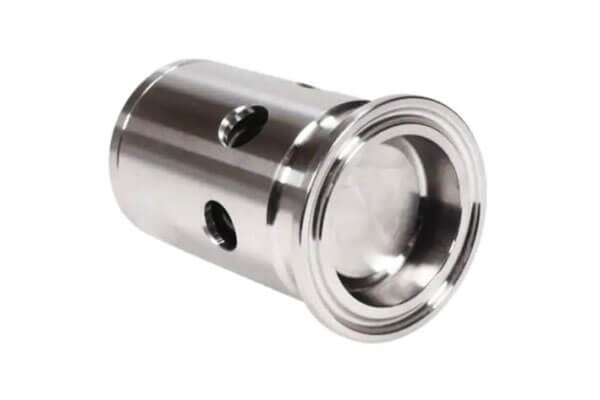
Типичные операции механической обработки включают в себя:
Токарная обработка с ЧПУ → фрезерование → сверление → развертывание → шлифование → полировка
Для прецизионных компонентов, допуски на размеры ±0,01 мм или меньше может быть достижимо в контролируемых условиях обработки на станке с ЧПУ,
но достижимый допуск зависит от геометрии компонента, возможности машины, работа, материальное состояние, и термическая стабильность, а не только марка нержавеющей стали..
Во время обработки, чрезмерный нагрев при резке может привести к отклонению размеров. Это особенно важно для тонкостенных и прецизионных деталей с жесткими позиционными допусками..
9. Поверхностная обработка ферритной нержавеющей стали
Обработка поверхности играет важную роль в коррозионной стойкости., появление, чистка, поведение при износе, и размерные характеристики компонентов из ферритной нержавеющей стали.
| Поверхностная отделка | Типичные характеристики | Типичные приложения |
| 2Беременный | Холоднокатаный, тепло, обработанное, маринованный, и слегка кожа прошла; гладкий и относительно отражающий | Технические приборы, общепромышленные компоненты, архитектурные панели |
| Бакалавра | Яркая отожженная поверхность с высокой отражательной способностью и гладким внешним видом. | Автомобильная отделка, технические приборы, декоративные компоненты |
| Нет. 3 | Грубая механическая полировка | Архитектурные и промышленные компоненты |
| Нет. 4 | Тонкая направленная матовая отделка, обычно производится с использованием абразивных лент | Технические приборы, архитектурные панели, кухонное оборудование |
линия роста волос |
Отлично, непрерывное направленное зерно | Декоративные архитектурные и интерьерные компоненты |
| Зеркальная полировка | Высокая отражающая способность поверхности достигается за счет прогрессивной полировки. | Декоративные компоненты и архитектурные приложения премиум-класса |
| Электрополирован | Электрохимическое удаление поверхностного материала; гладкая и чистая поверхность | Гигиеничный, точность, и чувствительных к коррозии применений |
| Маринованный и пассивированный | Удаляет масштаб, тепловой оттенок, и загрязнение поверхности и восстанавливает чистую пассивную поверхность | Сварные и коррозионно-чувствительные компоненты |
10. Применение ферритной нержавеющей стали
Ферритная нержавеющая сталь широко используется при сочетании коррозионной стойкости., устойчивость к окислению, магнитное поведение, тепловая стабильность, Умеренная механическая прочность, и требуется экономическая эффективность.
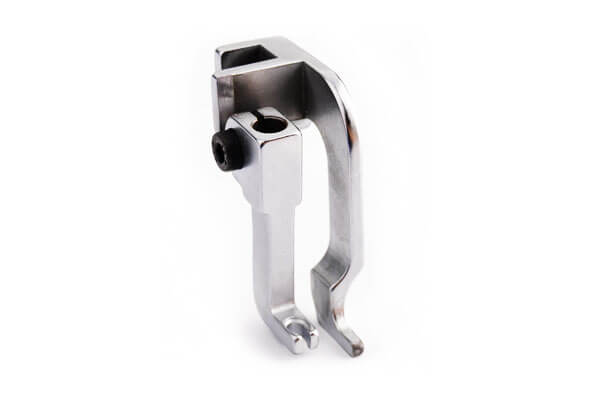
Автомобильные выхлопные системы
Автомобильная промышленность выхлопные системы являются одними из наиболее важных применений ферритной нержавеющей стали..
Оценки, такие как 409, 439, и 441 обычно выбираются для выпускных коллекторов, трубы, компоненты каталитического нейтрализатора, глушители, и сопутствующие термостойкие детали.
Материал должен выдерживать:
- Повторное термоциклирование
- Высокие температуры выхлопных газов
- Окисление
- Конденсатная коррозия
- Вибрация и механическая усталость
Относительно низкий коэффициент теплового расширения и хорошая стойкость к высокотемпературному окислению делают ферритные марки особенно подходящими для этой среды..
Бытовые приборы
430 нержавеющая сталь широко используется в бытовой технике, поскольку сочетает в себе устойчивость к коррозии, привлекательный внешний вид, магнитное поведение, Формируемость, и относительно невысокая стоимость.
Типичные продукты включают в себя:
- Панели холодильника
- Компоненты посудомоечной машины
- Компоненты духовки и плиты
- Кухонное оборудование
- Отделка прибора
- Компоненты стиральной машины
Его магнитная природа также может быть полезна там, где требуется магнитное крепление..
Теплообменники и водонагревательное оборудование
Стабилизированные ферритные марки, такие как 439 и 444 может обеспечить привлекательное сочетание коррозионной стойкости и тепловых характеристик..
Они используются в:
- Компоненты теплообменника
- Водонагреватели
- Системы горячего водоснабжения
- Охлаждающее оборудование
- Конденсаторы
- Термическое технологическое оборудование
Относительно высокая теплопроводность и низкое тепловое расширение ферритной нержавеющей стали могут помочь улучшить термическую стабильность..
Архитектурные и декоративные компоненты
Ферритная нержавеющая сталь также используется в архитектурных целях, где требуется умеренная коррозионная стойкость и внешний вид поверхности..
Типичные приложения включают:
- Внутренние стеновые панели
- Панели лифта
- Декоративная отделка
- Архитектурная облицовка
- Компоненты мебели
- Кухонное и коммерческое внутреннее оборудование
Оценки, такие как 430 может обеспечить хороший баланс между внешним видом поверхности, Формируемость, коррозионная стойкость, и стоимость.
Промышленное и химическое оборудование
Ферритные марки с более высоким содержанием хрома и молибдена могут использоваться в отдельных промышленных средах, где требуется повышенная стойкость к коррозии и окислению..
Например, 444 может рассматриваться для определенных сред с горячей водой и хлоридами, в то время как марки с высоким содержанием хрома, такие как 446 подходят для компонентов, устойчивых к окислению при повышенных температурах.
Однако, ферритная нержавеющая сталь не должна автоматически выбираться для высокоагрессивных химических или морских сред..
Точная среда, температура, концентрация хлоридов, и механизм коррозии должны быть оценены до выбора материала..
11. Сравнительный анализ: Ферритный против. Аустенитный против. Мартенситная нержавеющая сталь
Ферритный, аустенитный, и мартенситные нержавеющие стали представляют собой три основных металлургических семейства нержавеющих сталей..
Их различия обусловлены, прежде всего, кристаллическая структура, химия сплавов, фазовая стабильность, и реакция на термообработку, которые, в свою очередь, определяют механические свойства, коррозионная стойкость, сварка, магнитное поведение, и типичные приложения.
| Свойство | Ферритная нержавеющая сталь | Аустенитная нержавеющая сталь | Мартенситная нержавеющая сталь |
| Типичные оценки | 409, 430, 439, 441, 444 | 304, 304Л, 316, 316Л, 321, 310 | 410, 420, 440А, 440Беременный, 440В |
| Типичная кристаллическая структура при температуре эксплуатации | BCC Ferrite | FCC Austenite | Мартенситная структура BCT/BCC После упрочнения |
| Типичное содержание Cr | Примерно 10.5–30% | Примерно 16–26% | Примерно 11.5–18% |
| Типичное содержание Ni | В целом очень низкий или отсутствует | Обычно 8–20%+ | В целом низкий, хотя некоторые сорта содержат Ni |
| Содержание углерода | Обычно низкий, особенно в современных классах | От очень низкого до умеренного; доступно множество марок с низким содержанием углерода | Обычно выше, чем у ферритных и аустенитных марок. |
| Магнитное поведение | Магнитный | В целом немагнитен в отожженном состоянии; холодная работа может вызвать некоторый магнетизм | Магнитный |
| Термическая обработка для закалки | В целом не закаливается обычной закалкой | В целом не закаливается обычной закалкой | Может быть закален путем закалки и отпуска. |
Уровень силы |
Умеренный; может быть увеличено путем холодной обработки | Умеренный в отожженном состоянии; отличная способность к упрочнению | От высокой до очень высокой после термообработки |
| Твердость | В целом умеренный | В целом умеренный | От умеренного до очень высокого, в зависимости от оценки и термообработки |
| Пластичность | Умеренный | Отличный | Обычно ниже, особенно в закаленном состоянии |
| Стойкость | Умеренный; низкотемпературная вязкость может быть ограничена | Отличный, в том числе при низких температурах | Умеренный; сильно зависит от содержания углерода и термической обработки |
| Коррозионная стойкость | От хорошего до очень хорошего, в зависимости от содержания Cr/Mo | В целом отлично, особенно для марок 316/316L и более высоких сплавов | От умеренного до хорошего; обычно ниже, чем аустенитные сорта |
| Устойчивость к точечной/щелевой коррозии | Хорошо подходит для марок с высоким содержанием Cr/Mo, таких как 444 | От очень хорошего до отличного в Mo-содержащих марках, таких как 316L | В целом умеренный |
Теплопроводность |
Относительно высокий для нержавеющей стали.; обычно вокруг 20–30 Вт/м·К | Ниже; обычно вокруг 14–16 Вт/м·К для общего 304/316 оценки | Обычно вокруг 20–30 Вт/м·К, в зависимости от оценки |
| Коэффициент теплового расширения | Относительно низкий; обычно вокруг 10–11 × 10⁻⁶/К | Относительно высокий; обычно вокруг 16–17 × 10⁻⁶/k для 304/316 | Обычно вокруг 10–11 × 10⁻⁶/К |
| Сварка | От умеренного до хорошего для сортов с низким содержанием углерода/стабилизированных сортов; рост зерна необходимо контролировать | В целом отлично, особенно для 304L/316L | Обычно ограничено по сравнению с аустенитными марками.; может потребоваться предварительный нагрев и послесварочная обработка. |
| Формируемость | Умеренный; подходит для гибки и многих операций формовки | Отличный, особенно для глубокой вытяжки и сложной формовки | От умеренного до плохого в закаленном состоянии |
| Механизм | Умеренный; сильно зависит от сорта и трудового поведения | Умеренный; упрочнение может увеличить сложность обработки | Как правило, хорошо подходит для свободнообрабатываемых или отожженных сплавов., но закаленные сорта трудно поддаются механической обработке |
Работа укрепления |
Относительно ограничено | Сильная закалка, особенно в метастабильных сортах | Ограничено по сравнению с аустенитными марками. |
| Низкотемпературная производительность | Ограничено возможным переходом из пластичного состояния в хрупкое. | Превосходная низкотемпературная вязкость | Обычно ограничено по сравнению с аустенитными марками. |
| Устойчивость к высокотемпературному окислению | Хороший, особенно в марках с высоким содержанием Cr | От хорошего до отличного в зависимости от содержания Cr/Ni | От умеренного до хорошего |
| Типичные производственные маршруты | Прокатывание, штамповка, изгиб, сварка, изготовление | Прокатывание, глубокий рисунок, штамповка, производство труб, сварка | Прокатка/ковка с последующей термообработкой, обработка, шлифование |
| Типичные приложения | Автомобильные выхлопы, технические приборы, архитектурные панели, теплообменники, водонагреватели | Химическая обработка, продовольственное оборудование, Фармацевтическое оборудование, трубопровод, суда давления, архитектурные структуры | Ножи, Хирургические инструменты, клапаны, насос, валы, турбинные компоненты, износостойкие детали |
Основное преимущество |
Хорошая коррозионная стойкость при низкой стоимости сплава., магнитный отклик, низкое тепловое расширение | Отличная коррозионная стойкость, пластичность, стойкость, и сварка | Высокая твердость, сила, и износостойкость после термообработки |
| Основное ограничение | Более низкая низкотемпературная вязкость и формуемость, чем у аустенитных марок. | Более высокая стоимость сплава, более высокое тепловое расширение, и вообще немагнитное поведение | Более низкая коррозионная стойкость, сварка, и вязкость, чем у большинства аустенитных марок |
| Лучше всего подходит для | Недорогие, устойчивые к коррозии компоненты и термически стабильные приложения. | Коррозийный, сваренный, высоко сформированный, или низкотемпературные применения | Высокопрочные и износостойкие детали, требующие термической обработки. |
12. Заключение
Ферритная нержавеющая сталь — важное семейство нержавеющих сталей, сочетающее в себе коррозионная стойкость, магнитные свойства, относительно низкое тепловое расширение, Хорошая теплопроводность, и экономическая эффективность.
Преимущественно ферритная структура BCC придает ей особый профиль свойств по сравнению с аустенитными и мартенситными нержавеющими сталями..
Ключевые выводы
- Ферритная нержавеющая сталь характеризуется кубик-ориентированный (BCC) структура, магнитное поведение, и низкое содержание никеля.
- Коррозионная стойкость обеспечивается хромом (10.5–30%); молибден и стабилизаторы (Из, Нб) повысить производительность.
- Оценки диапазон от стандартных сортов (409, 430) до высокохромистых марок (446) и стабилизированные оценки (439, 441, 444).
- Ключевые свойства: Хорошая коррозионная стойкость, магнитный, Высокая теплопроводность, низкое тепловое расширение, и хорошая формируемость.
- Ограничения: Более низкая пластичность, DBTT, Ограниченная сварка, и риск сенсибилизации.
- Приложения: Автомобильный выхлоп, технические приборы, архитектурный, теплообменники, Продовольственная обработка, и химическая обработка.
- Преимущества: Рентабельный, устойчивый к SCC, магнитный, и переработана.
- Недостатки: Ограниченная низкотемпературная вязкость, проблемы свариваемости, и более низкая коррозионная стойкость, чем у аустенитных марок..
Для инженерных приложений, правильный подход – оценить всю среду обслуживания, включая температура, воздействие коррозии, механическая загрузка, формирование требований, условия сварки, Размерные требования, и ожидаемый срок службы.
Когда эти факторы правильно учтены, Ферритная нержавеющая сталь может обеспечить высокоэффективное сочетание характеристик, долговечность, и производственная экономика.
LangHe – ваш надежный партнер в области прецизионных деталей из нержавеющей стали
Langhe Industry является узкоспециализированным производителем прецизионных компонентов из нержавеющей стали., поставка высококачественных нестандартных деталей для различных отраслей промышленности: от промышленного оборудования и автомобилестроения до аэрокосмической отрасли., медицинское оборудование, и системы обработки жидкостей.
Имея многолетний практический опыт в области литья по выплавляемым моделям, прецизионная обработка с ЧПУ, и комплексная обработка поверхности,
LangHe предлагает интегрированное производственное решение, предназначенное для упрощения цепочки поставок и обеспечения стабильного качества продукции..
LangHe — не просто поставщик литья; мы являемся инжиниринговым партнером полного цикла.
От анализа DFM и быстрого прототипирования до производства, термическая обработка, и обеспечение качества, мы управляем всем жизненным циклом производства.
Наш ISO 9001:2015 сертифицированное учреждение, возможности собственного инструмента, и строгие протоколы проверок, включая ШМ., Непрерывный, и испытания под давлением — убедитесь, что каждый компонент соответствует международным стандартам или превосходит их..
Свяжитесь с нами сегодня чтобы обсудить ваш следующий проект и узнать, как LangHe может воплотить ваши проекты в жизнь с точностью, качество, и эффективность.
Часто задаваемые вопросы
Является ли ферритная нержавеющая сталь магнитной??
Да. Ферритные нержавеющие стали, как правило, ферромагнитный при комнатной температуре из-за их ферритной структуры BCC.
Эта характеристика делает их подходящими для применений, где требуется магнитный отклик..
Устойчива ли ферритная нержавеющая сталь к коррозии??
Да, но уровень коррозионной стойкости значительно различается между марками.
Оценка 430 обеспечивает хорошую стойкость во многих атмосферных и слабоагрессивных средах,
а более высоколегированные марки, содержащие молибден, такой как 444, обеспечивают значительно лучшую устойчивость к точечной коррозии и хлоридсодержащим средам.
Ферритная нержавеющая сталь лучше аустенитной??
Не обязательно; это зависит от приложения.
Ферритные марки лучше подходят для применений, требующих магнитных свойств., Хорошая теплопроводность, и устойчивость к растрескиванию коррозии напряжения (SCC). Они также более рентабельны.
Аустенитные марки обладают превосходной коррозионной стойкостью., лучшая формуемость, и более высокая ударная вязкость при низких температурах.
В чем разница между ферритной и мартенситной нержавеющей сталью??
Ферритная нержавеющая сталь не упрочняется термической обработкой и имеет структуру BCC..
Мартенситную нержавеющую сталь можно упрочнить термической обработкой. (утомить и отпуск) и имеет телоцентрированный тетрагональный (Бентс) структура. Мартенситные марки имеют более высокое содержание углерода и более высокую твердость..
Что такое DBTT ферритной нержавеющей стали??
Ферритные нержавеющие стали имеют температуру перехода от пластичного к хрупкому состоянию. (DBTT) в диапазоне от -50°C до +20°C.
Ниже этой температуры, они становятся хрупкими и подвержены разрушению при ударной нагрузке. Это ограничивает их использование в низкотемпературных приложениях..
Чем ферритная нержавеющая сталь отличается от углеродистой стали??
Ферритная нержавеющая сталь обеспечивает значительно лучшую коррозионную стойкость, чем углеродистая сталь, благодаря содержанию хрома.. Это также дороже.
Однако, он имеет некоторые общие характеристики с углеродистой сталью, например, быть магнитным и иметь структуру BCC.
Можно ли закалить ферритную нержавеющую сталь??
Нет, Ферритная нержавеющая сталь не поддается закалке термической обработкой.. Укрепить его можно только методом холодной обработки. (работа укрепления).
Это отличает его от мартенситных марок., которые можно упрочнить путем закалки и отпуска..