В мире жаропрочных нержавеющих сталей, 1.4878— известен по номеру материала EN 1.4878 и соответствует UNS S32109 (АСТМ 321Х)- представляет собой стабилизированную титаном хромоникелевую аустенитную нержавеющую сталь, которая сочетает в себе отличную стойкость к окислению с превосходной стойкостью к межкристаллитной коррозии после сварки или длительного воздействия повышенных температур..
Благодаря включению титана, сплав сводит к минимуму осаждение карбида хрома, позволяя ему сохранять коррозионную стойкость и структурную целостность там, где обычные нестабилизированные марки могут выйти из строя..
Из-за этих характеристик, 1.4878 нержавеющая сталь широко используется в теплообменниках., Компоненты печи, выхлопные системы, нефтехимическое оборудование, суда давления, электростанции, и промышленное оборудование для термообработки.
Он доступен в различных формах, включая пластины., простыни, трубы, трубки, батончики, Покрашения, и точное литье по выплавляемым моделям, что делает его пригодным как для готовых конструкций, так и для сложных инженерных компонентов..
1. Что такое 1.4878 Нержавеющая сталь?
1.4878 нержавеющая сталь (В 1.4878 / X12CrNiTi18-9) является а Титан-стабилизированный аустенитный нержавеющая сталь разработан для применений, связанных с длительным воздействием повышенных температур и циклическими термическими нагрузками.
Он принадлежит к семейству хромоникелевых жаропрочных нержавеющих сталей и предлагает превосходный баланс стойкости к окислению., сварка, стойкость, и устойчивость к межкристаллитной коррозии.
В отличие от стандартных аустенитных марок, которые могут стать чувствительными после сварки или длительной эксплуатации примерно в 450° C и 850 ° C., 1.4878 включает титан в качестве стабилизирующего элемента.
Титан преимущественно реагирует с углеродом, образуя стабильные карбиды титана вместо карбидов хрома..
Как результат, хром остается растворенным в стальной матрице, сохранение защитной пленки оксида хрома, которая придает нержавеющей стали коррозионную стойкость.
Почему 1.4878 Стабилизирован титаном.?
Определяющая особенность 1.4878 нержавеющая сталь - это ее титановая стабилизация, что значительно повышает его работоспособность при повышенных температурах и после сварки..
Когда обычные аустенитные нержавеющие стали подвергаются воздействию температур в пределах диапазона сенсибилизации. (обычно 450–850 ° C.), Атомы углерода диффундируют через микроструктуру и соединяются с хромом, образуя карбиды хрома вдоль границ зерен..
Этот процесс, известный как сенсибилизация, создает обедненные хромом зоны, прилегающие к границам зерен.
Потому что хром необходим для формирования пассивной оксидной пленки., эти истощенные регионы становятся очень восприимчивыми к межцентральная коррозия.
В 1.4878 нержавеющая сталь, титан имеет гораздо большее сродство к углероду, чем хром..
Во время затвердевания и последующего теплового воздействия, титан первым реагирует с образованием карбиды титана (Тик).
Эти стабильные карбиды эффективно «запирают» углерод., предотвращение осаждения карбида хрома и сохранение содержания хрома в окружающей матрице.
Этот механизм стабилизации обеспечивает несколько важных инженерных преимуществ.:
- Повышенная стойкость к межкристаллитной коррозии после сварки.
- Повышенная микроструктурная стабильность при длительной эксплуатации при высоких температурах.
- Улучшенные характеристики ползучести при длительной термической нагрузке
- Снижение необходимости отжига раствора после сварки.
- Увеличенный срок службы в условиях циклического нагрева.
Как результат, 1.4878 особенно подходит для крупных сварных изделий, которые не могут быть подвергнуты термообработке после сварки., например, сосуды под давлением, печные агрегаты, и технологические трубопроводы.
Общие стандарты для 1.4878 Нержавеющая сталь
| Стандартный | Обозначение | Описание |
| В 10088 | 1.4878 / X12CrNiTi18-9 | Европейское обозначение нержавеющей стали |
| ОТ | X12CrNiTi18-9 | Немецкое обозначение материала |
| Астм | Тип 321 (Эквивалент) | Аустенитная нержавеющая сталь, стабилизированная титаном |
| АИСИ/САЭ | 321ЧАС | Материалы сосудов под давлением и трубопроводов |
| НАС | S32109 | |
| ИСО | X12CrNiTi18-9 | Международные производственные требования |
| японский JIS | SUS321H | Сертификаты проверки материалов |
Отличие от 1.4541 (Стандартный 321)
Наиболее частой путаницей являются отношения между 1.4878 (321ЧАС) и 1.4541 (стандартный 321 / X6crniti18-10).
Оба состоят из титана 18-10 Аустенитные нержавеющие стали, и они имеют одинаковую коррозионную стойкость и общие металлургические характеристики..
Определяющее различие заключается в спецификации содержания углерода.:
- 1.4541 (321): максимальный углерод 0.08%, стабилизированный сорт общего назначения
- 1.4878 (321ЧАС): контролируемый диапазон углерода 0,04–0,10%, с намеренно минимальным содержанием углерода
Суффикс «H» в 321H означает «высокоуглеродистый»..
Повышенное минимальное содержание углерода специально задано для улучшения прочности на растяжение при высоких температурах., сопротивление ползучести и долговечность до разрушения, изготовление 1.4878 термостойкий оптимизированный вариант 321 семья.
Многие заводы дважды сертифицируют материал по обоим стандартам, если состав попадает в перекрывающийся диапазон..
2. Химический состав 1.4878 Нержавеющая сталь
Выдающаяся производительность 1.4878 нержавеющая сталь (X12CrNiTi18-9) является результатом тщательно сбалансированного химического состава.
Каждый легирующий элемент выполняет определенную металлургическую функцию., способствует устойчивости к коррозии, стойкость к высокотемпературному окислению, сварка, механическая прочность, и микроструктурная стабильность.
Химический состав, указанный в стандартах EN, показан ниже..
| Элемент | Содержание (%) | Основная функция |
| Углерод (В) | ≤0.10 | Улучшает силу, но контролируется для снижения риска сенсибилизации. |
| Кремний (И) | ≤1,00 | Повышает стойкость к окислению и улучшает текучесть во время литья. |
| Марганец (Мнжен) | ≤2,00 | Улучшает горячую обрабатываемость и раскисление при выплавке стали. |
| Фосфор (П) | ≤0,045 | Остаточный элемент; поддерживается на низком уровне для сохранения пластичности и свариваемости |
| Сера (С) | ≤0.015 | Контролируется на низких уровнях для улучшения ударной вязкости и коррозионной стойкости. |
Хром (Герметичный) |
17.0–19.0 | Обеспечивает коррозионную стойкость, устойчивость к окислению, и пассивация |
| Никель (В) | 9.0–12.0 | Стабилизирует аустенитную структуру и повышает ударную вязкость. |
| Титан (Из) | ≥5 × C и ≤0,80 | Предотвращает осаждение карбида хрома и улучшает высокотемпературную стабильность. |
| Железо (Фей) | Баланс | Матричный элемент |
Примечание: Фактический химический состав может незначительно отличаться в зависимости от действующего стандарта EN., ОТ, Астм, или спецификация клиента.
3. Физические свойства 1.4878 Нержавеющая сталь
Физические свойства 1.4878 нержавеющая сталь определить, как материал реагирует на теплопередачу, тепловое расширение, электрическая проводимость, и магнитные поля во время эксплуатации.
Эти свойства особенно важны при проектировании компонентов печей., теплообменники, выхлопные коллекторы, и оборудование под давлением, работающее в условиях непрерывного термоциклирования.
| Свойство | Типичное значение |
| Плотность | 7.90–8,00 г/см³ |
| Диапазон плавления | 1400–1425°С |
| Эластичный модуль (20° C.) | 193 Средний балл |
| Теплопроводность (20° C.) | 15 W/m · k |
| Удельная теплоемкость (20° C.) | 500 J/кг · к |
| Электрическое удельное сопротивление (20° C.) | 0.72 μОМ · м |
| Коэффициент термического расширения (20–100 ° C.) | 16.5 × 10⁻⁶ /К |
| Магнитная проницаемость | По существу немагнитный (отожженное состояние) |
Значения являются типичными справочными данными и могут незначительно отличаться в зависимости от формы продукта., маршрут обработки, и применимые стандарты.
4. Механические свойства 1.4878 Нержавеющая сталь
Механические свойства 1.4878 нержавеющая сталь отражает ее основную роль как высокотемпературного конструкционного материала..
Хотя его прочность при комнатной температуре аналогична прочности обычных аустенитных нержавеющих сталей., его настоящее преимущество заключается в сохранении механической целостности при длительной эксплуатации при повышенных температурах..
| Свойство | Типичное значение |
| Предел прочности (Rm) | ≥520 МПа |
| Предел текучести условный (RP0.2) | ≥205 МПа |
| Удлинение (A5) | ≥40% |
| Сокращение площади | ≥55% |
| Бринелл твердость (HBW) | ≤215 |
| Роквелл твердость (HRB) | ≤95 |
| Виккерс твердость (Hv.) | Примерно. 200 |
Значения являются репрезентативными для материала, отожженного в растворе, и могут варьироваться в зависимости от формы продукта и производственного процесса..
5. Теплостойкость и высокотемпературные характеристики
Основное преимущество 1.4878 нержавеющая сталь заключается в его выдающихся характеристиках в условиях эксплуатации при повышенных температурах..
В отличие от обычных аустенитных марок, таких как 304, которые в основном предназначены для обеспечения коррозионной стойкости при температуре окружающей среды, 1.4878 спроектирован так, чтобы сохранять структурную целостность, устойчивость к окислению, и коррозионные характеристики при длительном воздействии тепла.
Рекомендуемая температура эксплуатации
В следующей таблице приведены типичные диапазоны рабочих температур для 1.4878 нержавеющая сталь.
| Условие обслуживания | Рекомендуемая температура |
| Непрерывная работа в окислительной атмосфере | До 850–900°С |
| Прерывистое обслуживание | Примерно до 900°C |
| Долгосрочное структурное обслуживание | 450–850 ° C. |
| Кратковременное пиковое воздействие | Примерно 950°С (в зависимости от загрузки и атмосферы) |
Фактические пределы обслуживания зависят от геометрии компонента., приложенное напряжение, атмосфера печи, частота термоциклирования, и дизайн жизни.
Отличная стойкость к окислению
При повышенных температурах, хром быстро реагирует с кислородом, образуя плотный оксид хрома. (Cr₂o₃) слой, защищающий основной металл от дальнейшего окисления.
Эта пассивная оксидная пленка постоянно восстанавливается в случае повреждения., обеспечение долгосрочной устойчивости к образованию накипи в воздухе и во многих средах горения.
Из-за стабильного содержания хрома, 1.4878 демонстрирует отличную устойчивость к:
- Высокотемпературное окисление
- Масштабирование поверхности
- Обезуглероживание
- Коррозия горячим газом в слабоокислительной атмосфере
Эти характеристики делают его пригодным для компонентов печей., промышленные обогреватели, термическое технологическое оборудование, и выхлопные системы.
Превосходная устойчивость к термическому циклированию
Многие промышленные компоненты подвергаются многократному нагреву и охлаждению, а не постоянной температуре..
Эти термические циклы создают напряжения расширения и сжатия, которые в конечном итоге могут привести к деформации., усталостное растрескивание, или отказ сварного шва.
Полностью аустенитная микроструктура 1.4878 обеспечивает превосходную устойчивость к термической усталости, поскольку сочетает в себе:
- Высокая пластичность
- Стабильная зернистая структура
- Хорошая прочность
- Низкая склонность к хрупкому разрушению.
Стабилизация титана дополнительно минимизирует микроструктурную деградацию при многократном термическом воздействии., продление срока службы в циклических условиях эксплуатации.
Сопротивление ползучести и разрушению под напряжением
Для компонентов, постоянно работающих при повышенных температурах, сопротивление ползучести часто более важно, чем прочность при комнатной температуре..
Ползучесть - это медленно, постоянная деформация материала под длительной нагрузкой при высокой температуре.
В промышленных печах, котлы, нефтехимические реакторы, и теплообменники, деформация ползучести может постепенно изменить размеры компонентов и в конечном итоге привести к их выходу из строя..
По сравнению со стандартным 304 нержавеющая сталь, 1.4878 предложения:
- Улучшенная сила ползучести
- Повышенная устойчивость к разрывам под напряжением
- Повышенная стабильность границ зерен
- Снижение деформации при длительной эксплуатации.
Эти улучшения в первую очередь связаны со стабилизацией титана., который подавляет выделение карбида хрома и помогает сохранить прочность границ зерен..
Устойчивость к сенсибилизации при эксплуатации при высоких температурах
Одно из наиболее существенных преимуществ 1.4878 заключается в его способности противостоять сенсибилизации после длительного воздействия температур между 450° C и 850 ° C..
Стандартный 304 нержавеющая сталь может страдать от обеднения хромом вблизи границ зерен после сварки или длительного нагрева., повышение риска межкристаллитной коррозии.
В отличие, титан преимущественно реагирует с углеродом с образованием карбидов титана., предотвращение осаждения карбида хрома и сохранение хрома доступным для поддержания защитной пассивной пленки.
Как результат, 1.4878 особенно подходит для:
- Сварные печные конструкции
- Нефтехимические трубопроводы
- Приспособления для термообработки
- Компоненты электростанции
- Высокотемпературные сосуды под давлением
6. Коррозионная стойкость
Общая коррозия
При температуре окружающей среды и умеренно повышенных температурах, 1.4878 демонстрирует хорошую общую коррозионную стойкость в атмосферных средах, пресная вода, пар и большинство органических и неорганических химикатов.
Его производительность в целом сопоставима с 304 нержавеющая сталь в несенсибилизированных условиях.
Межкристаллитная коррозионная стойкость
Вот где 1.4878 отличается от нестабилизированных сортов.
В сварном или нагретом состоянии, нестабилизированные стали, такие как 304 страдают от осаждения карбида хрома на границах зерен (сенсибилизация), приводит к межкристаллитной коррозии.
В 1.4878, титан связывает углерод, предотвращение значительного истощения хрома и поддержание полной стойкости к межкристаллитной коррозии даже после воздействия сенсибилизационного диапазона 450–850°C..
Это свойство особенно ценно для крупных сварных конструкций и печных деталей, которые после изготовления не подлежат отжигу на твердый раствор..
Локализованная коррозия
Устойчивость к точечной и щелевой коррозии умеренная., примерно эквивалентно 304 нержавеющая сталь.
Данная марка не предназначена для работы в агрессивных хлоридных средах.; 316Для такой службы предпочтительны материалы с легированием L или выше..
1.4878 нержавеющая сталь не подходит для морской воды или технологических потоков с высоким содержанием хлоридов..
Коррозия стресса
Как другие аустенитные нержавеющие стали, 1.4878 нержавеющая сталь подвержена коррозионному растрескиванию под действием хлоридов при повышенных температурах..
Для применений, сочетающих растягивающие напряжения с горячими хлоридными средами., следует рассмотреть альтернативные материалы.
7. Характеристики изготовления и сварки
Несмотря на то, что он предназначен для применения в условиях повышенных температур., 1.4878 нержавеющая сталь предлагает отличную технологичность.
Его полностью аустенитная структура обеспечивает исключительную пластичность и прочность., позволяет придавать материалу сложную геометрию, сохраняя при этом точность размеров и структурную целостность..
Формирование и изготовление
1.4878 обладает превосходными характеристиками холодной штамповки и может обрабатываться с использованием обычных технологий изготовления листового металла..
Типичные операции формования включают в себя:
- Глубокий рисунок
- Рулон формирование
- Изгиб
- Стрейч-формовка
- Гидроформинг
- Пресс-формовка
- Вращение
Поскольку сплав быстро затвердевает, сильная деформация может потребовать промежуточного отжига для восстановления пластичности перед дальнейшей обработкой..
Горячая штамповка обычно выполняется в диапазоне температур 1050–1200 ° C., с последующим быстрым охлаждением для сохранения полностью аустенитной микроструктуры.
Характеристики обработки
По сравнению с углеродистыми сталями и нержавеющими сталями, предназначенными для автоматической обработки., 1.4878 нержавеющая сталь считается умеренно сложной для обработки.
Его высокая прочность, Отличная пластичность, и сильная склонность к упрочнению увеличивают силы резания и выделяют значительное тепло на границе раздела инструмент-заготовка..
Если параметры обработки не контролируются должным образом, упрочненная поверхность может ускорить износ инструмента и снизить точность размеров..
В течение обработка, материал имеет тенденцию создавать:
- Высокие силы резания
- Повышенная температура резания
- Непрерывная стружка
- Ускоренный износ инструмента
Поэтому эффективная механическая обработка требует:
- Острые твердосплавные или керамические режущие инструменты
- Положительная геометрия переднего угла
- Соответствующая смазочно-охлаждающая жидкость
- Умеренная скорость резки
- Стабильная жесткость машины
Следует избегать использования режимов прерывистой резки или изношенного инструмента, поскольку наклепанные поверхности могут быстро снизить эффективность обработки..
Точный кастинг
Хотя 1.4878 нержавеющая сталь в основном поставляется в виде кованых изделий в виде пластин., батончики, трубы, и поковки, он также подходит для производства сложных компонентов путем инвестиционный кастинг (Потерянный восковой кастинг).
Прецизионное литье дает значительные преимущества при изготовлении геометрически сложных деталей, которые в противном случае потребовали бы обширной механической обработки., сокращение как материальных отходов, так и общих производственных затрат.
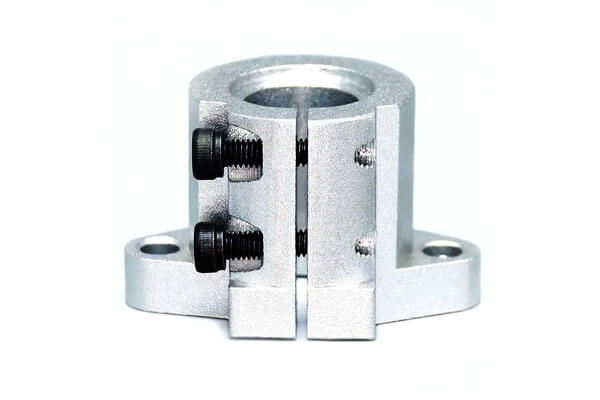
Литье по выплавляемым моделям особенно подходит для производства:
- Печные приспособления
- Компоненты горелки
- Термостойкие кронштейны
- Детали выхлопной системы
- Сложное промышленное оборудование
Надлежащий контроль процесса плавки, дизайн плесени, и условия затвердевания необходимы для минимизации сегрегации, дефекты усадки, и горячее растрескивание при обеспечении однородной аустенитной микроструктуры.
После кастинга, отжиг на раствор обычно проводится для оптимизации коррозионной стойкости и механических свойств..
Сварочные характеристики
Одно из величайших преимуществ 1.4878 это его выдающаяся свариваемость.
Потому что титан стабилизирует углерод, сплав проявляет значительно меньшую восприимчивость к сенсибилизации, чем нестабилизированный 304 нержавеющая сталь.
Он совместим практически со всеми распространенными процессами сварки плавлением., включая:
- Gtaw (ТИГ)
- Голн (МНЕ)
- Смау
- ПИЛА
- Плазменная дуговая сварка
- Лазерная сварка
Правильный выбор присадочного металла важен для обеспечения соответствия высокотемпературным характеристикам и коррозионной стойкости..
8. Термическая обработка 1.4878 Нержавеющая сталь
В отличие от мартенситных или дисперсионно-твердеющих нержавеющих сталей., 1.4878 невозможно укрепить обычной термической обработкой.
Его механические свойства в первую очередь контролируются упрочнением твердого раствора., холодный работа, и стабилизация титана, а не фазовое превращение.
Таким образом, основными целями термообработки являются восстановление коррозионной стойкости., растворить нежелательные осадки, снять производственные напряжения, и поддерживать стабильную аустенитную микроструктуру.
| Уход | Температура | Охлаждение | Цель |
| Решение отжиг | 1050-1100°С | Закалка водой или быстрое охлаждение на воздухе | Растворяет карбиды; восстанавливает коррозионную стойкость. |
| Снятие стресса | 300-400°С | Воздух | Снимает остаточное напряжение; не оказывает существенного влияния на коррозионную стойкость. |
| Стабилизация | 850-900°С | Воздух (не распространено) | Необязательный; выделяет карбиды титана для дополнительной стабилизации. |
| Укрепление | Непригодный | - | Аустенитный; не может быть ожесточено термообработкой. |
9. Поверхностная отделка
Обработка поверхности 1.4878 нержавеющая сталь существенно влияет не только на ее внешний вид, но и на коррозионную стойкость., чистка, характеристики трения, и служба жизни.
Выбор подходящей отделки зависит от условий эксплуатации., метод изготовления, и функциональные требования к конечному компоненту.
| Поверхностная отделка | Метод производства | Характеристики поверхности | Типичные приложения |
| №1 | Горячекатаный, отожжен, маринованный | Грубая матовая поверхность с удаленной оксидной окалиной | Печь детали, суда давления, тяжелое промышленное оборудование |
| 2Беременный | Холоднокатаный, отожжен, маринованный, кожа прошла | Гладкий, униформа, слегка отражающий | Химическое оборудование, Продовольственная обработка, трубопровод |
| Бакалавра (Яркий отжиг) | Яркий отжиг в контролируемой атмосфере | Очень гладкий и отражающий | Декоративные компоненты, Фармацевтическое оборудование, прецизионные инструменты |
| №4 (Почистота) | Механическая полировка абразивными лентами. | Сатиновая отделка с мелким линейным зернением. | Архитектурные панели, кухонное оборудование, промышленные корпуса |
Зеркальная отделка (№8) |
Прогрессивная тонкая полировка | Зеркальная отражающая поверхность | Декоративные аппликации, Оборудование для чистой комнаты, архитектурные проекты премиум-класса |
| Маринованный & Пассивированный | Химическая очистка и пассивация | Максимальная коррозионная стойкость с чистым металлическим внешним видом | Сварные изделия, нефтехимические системы, Оффшорное оборудование |
| Электрополирован | Электрохимическая полировка | Ультра-гладкий, низкая шероховатость поверхности, улучшенная пассивная пленка | Полупроводник, фармацевтический, Биотехнология, сверхчистые системы обработки |
10. Типичные применения 1.4878 Нержавеющая сталь
Сочетание превосходной коррозионной стойкости, стойкость к высокотемпературному окислению, превосходная свариваемость, и долгосрочная структурная стабильность делает 1.4878 нержавеющая сталь – один из предпочтительных материалов для сложных промышленных условий.
Нефтехимическая и химическая обработка
Химические заводы часто работают в агрессивных условиях, связанных с повышенными температурами., жидкости под давлением, и коррозионные СМИ.
1.4878 нержавеющая сталь обеспечивает превосходную стойкость к окислению, органические кислоты, и многие промышленные химикаты, сохраняя при этом структурную целостность во время термоциклирования..
Типичные компоненты включают в себя:
- Теплообменники
- Реакторные сосуды
- Технологические трубопроводы
- Компенсаторы
- Суда давления
- Дистилляционные колонны
- Фланцы и фитинги
Промышленные печи и оборудование для термообработки
Одна из важнейших областей применения 1.4878 строительство высокотемпературной печи.
Сплав выдерживает постоянное воздействие повышенных температур, сопротивляясь окислению., тепловая усталость, и масштабирование.
Общие компоненты печи включают в себя:
- Печные ролики
- Сияющие трубки
- Корзины для печей
- Противни для термообработки
- Приспособления для отжига
- Горелки в сборе
- Реторты
- Опорные сетки
Производство электроэнергии
Паровые котлы, системы рекуперации отходящего тепла, и тепловые электростанции подвергают конструктивные элементы воздействию высоких температур и циклических термических напряжений..
Стабилизация титана повышает долгосрочную надежность, предотвращая сенсибилизацию границ зерен во время длительной эксплуатации..
Типичные приложения включают:
- Котлы
- Опоры пароперегревателя
- Вытяжной воздуховод
- Системы дымохода
- Аксессуары для паровых трубопроводов
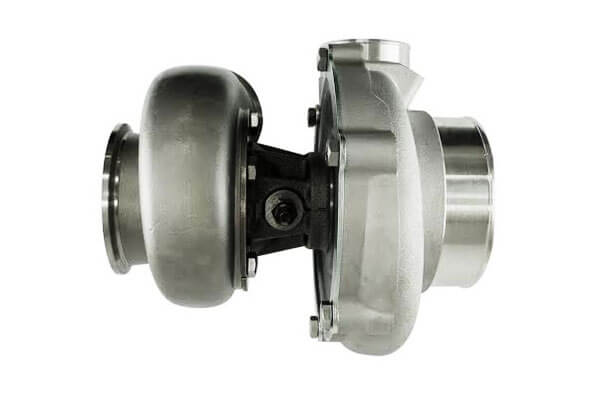
Автомобильные и выхлопные системы
Сплав хорошо работает при повторяющихся циклах нагрева и охлаждения, встречающихся в выхлопных системах автомобилей..
Его стойкость к окислению и свариваемость делают его пригодным для производства долговечных компонентов выхлопной системы..
Примеры включают:
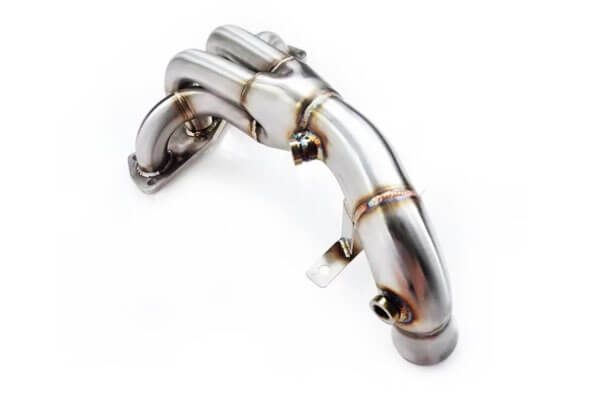
- Выхлопные коллекторы
- Трубопроводы турбокомпрессора
- Выхлопные сильфоны
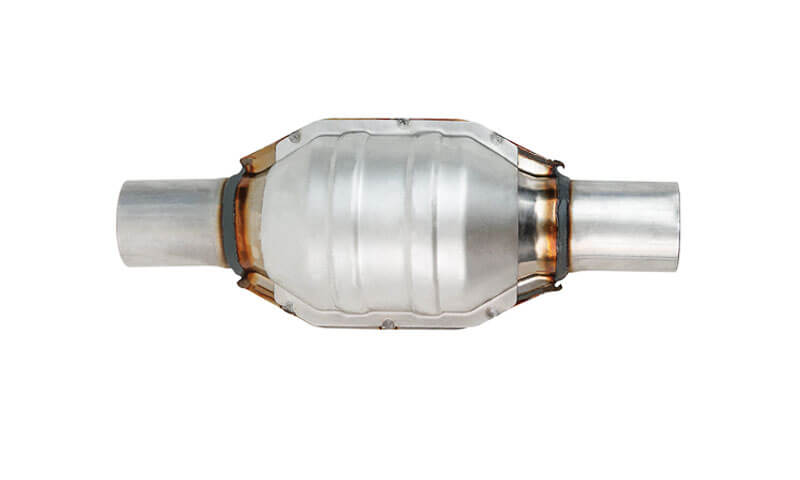
- Корпуса катализаторов
- Тепловые щиты
Продовольственное оборудование
Хотя он не так широко используется в производстве продуктов питания, как 304L или 316L., 1.4878 становится выгодным там, где технологическое оборудование подвергается частой высокотемпературной очистке или стерилизации..
Типовое оборудование включает в себя:
- Стерилизационные камеры
- Высокотемпературные конвейеры
- Промышленные печи
- Термостойкое технологическое оборудование
Прецизионные отливки и готовые компоненты
Сплав также широко используется в прецизионном литье по выплавляемым моделям и сборных узлах, которые сочетают в себе стойкость к коррозии и работоспособность при повышенных температурах..
Репрезентативные продукты включают в себя:
- Клапанские тела
- Насосные компоненты
- Аксессуары для печи
- Турбинное оборудование
- Промышленные кронштейны
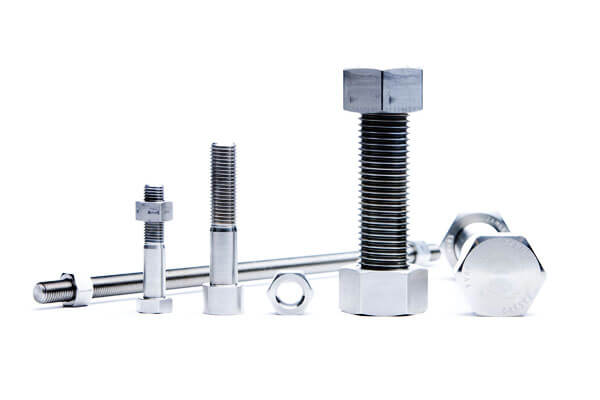
- Высокотемпературный крепеж
- Механические опоры
11. Преимущества и ограничения 1.4878 Нержавеющая сталь
Преимущества
Отличная устойчивость к межкристаллитной коррозии
Стабилизация титана эффективно связывает углерод в стабильные карбиды титана., предотвращение осаждения карбида хрома во время сварки или длительной эксплуатации при повышенных температурах.
Это значительно улучшает долговременную коррозионную стойкость в критическом диапазоне температур, где нестабилизированные аустенитные нержавеющие стали могут стать сенсибилизированными..
Выдающаяся высокотемпературная производительность
1.4878 сохраняет превосходную стойкость к окислению и механическую стабильность во время непрерывной работы при температурах, приближающихся к 800–850 ° C., что делает его очень подходящим для печного оборудования, выхлопные системы, и оборудование для термической обработки.
Отличная сварка
Сплав можно сваривать практически всеми традиционными методами сварки плавлением с минимальным риском разрушения сварного шва..
Крупные готовые конструкции часто можно ввести в эксплуатацию без отжига после сварки., упрощение производства при одновременном снижении производственных затрат.
Хорошая общая устойчивость к коррозии
Во многих промышленных средах, 1.4878 обеспечивает коррозионную стойкость, сравнимую с типом 304 нержавеющая сталь, включая превосходную стойкость к атмосферной коррозии, пресная вода, пар, и многочисленные органические химикаты.
Высокая прочность в широком диапазоне температур
Полностью аустенитная микроструктура обеспечивает превосходную ударную вязкость и пластичность как при температуре окружающей среды, так и при умеренно повышенных температурах., обеспечивает надежную работу при динамических нагрузках и термоциклировании.
Отличные производственные характеристики
Сплав поддерживает широкий спектр производственных процессов., включая:
- Холодный формирование
- Горячая форма
- Прецизионное литье по выплавляемым моделям
- Обработка с ЧПУ
- Глубокий рисунок
- Прокатывание
- Сварка
Такая универсальность позволяет инженерам производить сложные компоненты с высокой точностью размеров..
Долгой срок службы
Сочетание стойкости к окислению, коррозионная стойкость, стабильность сварного шва, и термическая стойкость способствуют продлению срока службы оборудования., снижение частоты технического обслуживания и затрат на жизненный цикл в требовательных промышленных приложениях.
Ограничения
Умеренная механизм
Как и большинство аустенитных нержавеющих сталей., 1.4878 демонстрирует значительное упрочнение во время механической обработки.
Операции резки требуют жесткого оборудования., острый инструмент, эффективное охлаждение, и оптимизированные параметры обработки для достижения удовлетворительной производительности и стойкости инструмента..
Ограниченная устойчивость к точечной коррозии, вызванной хлоридами
Хотя сплав хорошо работает во многих промышленных условиях., его состав, не содержащий молибдена, делает его менее устойчивым к точечной и щелевой коррозии, вызванной хлоридами, по сравнению с такими марками, как 316L..
Поэтому он не является предпочтительным выбором для морской среды или высокосоленых технологических сред..
Более высокая стоимость материала, чем у стандартных углеродистых сталей
Наличие никеля, хром, а титан увеличивает стоимость материала по сравнению с углеродистыми сталями и некоторыми ферритными нержавеющими сталями..
Однако, более высокие первоначальные инвестиции часто оправдываются повышенной долговечностью и меньшими требованиями к техническому обслуживанию..
Не предназначен для чрезвычайно высоких температур
Пока 1.4878 исключительно хорошо работает при повышенных температурах, применения, связанные с непрерывным воздействием выше примерно 900° C. обычно требуются более термостойкие марки, такие как 310S. (1.4845) или суперсплавы на основе никеля.
Тепловое расширение
Как другие аустенитные нержавеющие стали, сплав имеет относительно высокий коэффициент теплового расширения.
Проектировщикам следует учитывать тепловые перемещения в крупных сварных конструкциях., трубопроводные системы, и печных агрегатов путем включения соответствующих припусков на расширение..
12. 1.4878 по сравнению с другими марками нержавеющей стали
Выбор подходящей нержавеющей стали требует баланса коррозионной стойкости., температурная способность, требования к изготовлению, и стоимость.
Хотя 1.4878 имеет много общих характеристик с другими аустенитными нержавеющими сталями., стабилизация титана делает его особенно подходящим для сварных конструкций и длительного срока службы при повышенных температурах..
1.4878 против 1.4541 (321) Нержавеющая сталь
Обе марки представляют собой хромоникелевые нержавеющие стали, стабилизированные титаном, и обеспечивают превосходную стойкость к межкристаллитной коррозии после сварки..
Однако, 1.4878 содержит немного более высокий уровень углерода, что способствует улучшению сопротивления ползучести и механическим характеристикам при повышенных температурах..
Для компонентов, постоянно работающих под термическими нагрузками, например печных конструкций., суда давления, и нефтехимическое оборудование — обычно предпочтительнее 1,4878..
Типичное руководство по выбору:
- Выбирать 1.4878 для длительной эксплуатации при высоких температурах и компонентов, работающих под давлением.
- Выбирать 1.4541 (321) для общего высокотемпературного производства, выхлопные системы самолетов, и стандартные сварные конструкции.
1.4878 против 1.4404 (316Л) Нержавеющая сталь
Эти два класса предназначены для различных условий эксплуатации..
1.4404(316Л)нержавеющая сталь превосходную коррозионную стойкость обеспечивает примерно 2–2,5% молибдена., что делает его очень устойчивым к точечной и щелевой коррозии, вызванной хлоридами..
Следовательно, это предпочтительный выбор для морской среды, Фармацевтическая обработка, и агрессивные химические применения.
1.4878 нержавеющая сталь, напротив, оптимизирован для работы при повышенных температурах, а не для устойчивости к хлоридам.
Стабилизация титана предотвращает сенсибилизацию при длительном нагревании., позволяя ему сохранять механическую целостность там, где 316L постепенно теряет прочность..
Общая рекомендация:
- Выбирать 316Л для воздействия морской воды, Береговые сооружения, и хлоридсодержащие технологические среды.
- Выбирать 1.4878 для температур выше примерно 500°C, когда термическая стабильность становится более важной, чем устойчивость к хлоридам.
1.4878 против 1.4845 (310С) Нержавеющая сталь
Оба сорта хорошо работают при повышенных температурах., но они предназначены для разных рабочих диапазонов.
С примерно 25% хром и 20% никель, 310С демонстрирует исключительную стойкость к окислению и может выдерживать постоянные температуры, приближающиеся к 1100° C..
Широко используется в футеровке печей., радиационные трубы, горелки, и оборудование для термической обработки, подвергающееся воздействию чрезвычайно высоких температур.
Хотя 1.4878 не может соответствовать максимальной рабочей температуре 310S, обеспечивает лучшую стабильность сварного шва, более низкая стоимость материала, и достаточная термостойкость для многих промышленных применений ниже примерно 850° C..
Как результат:
- Выбирать 310С для сверхвысокотемпературных печей.
- Выбирать 1.4878 для высокотемпературных конструкционных изделий, требующих превосходной свариваемости, сопротивление ползучести, и долгосрочная надежность.
13. Почему стоит выбрать LangHe для 1.4878 Продукты из нержавеющей стали?
Производство комплектующих из 1.4878 нержавеющая сталь требует большего, чем просто выбор правильного сплава.
Достижение надежной работы в высокотемпературных и агрессивных средах зависит от точного управления процессом., Материальная отслеживание, передовые производственные возможности, и строгая гарантия качества.
В Лангх, мы объединяем металлургический опыт с современными производственными технологиями для создания высокоточных 1.4878 компоненты из нержавеющей стали, отвечающие строгим требованиям промышленных заказчиков по всему миру.
| Возможность | Подробности |
| Литье по выплавляемым моделям, обработка с ЧПУ | Околосетчатая форма; сложная геометрия; тонкая поверхность. |
| Материалы | 1.4878 (321), 1.4541 (321Л), 1.4404 (316Л), 1.4845 (310С). |
| Вес детали | 0.05 кг до 100 кг. |
| Размеры | До 600 мм диаметр. |
| Допуски | ±0,1‑0,3 мм (CT5‑CT7 по ISO 8062). |
| Поверхностная отделка | Ra 1,6‑6,3 мкм в литом состоянии; возможна электрополировка. |
| Термическая обработка | Решение отжиг, снятие стресса. |
| Качество | ИСО 9001:2015 проверенный; 100% Неразрушающий контроль и контроль размеров. |
| Время выполнения | 8‑12 недель на оснастку и первые изделия; 2‑4 недели для повторных заказов. |
| Сертификаты | ПЭД 2014/68/ЕС, Родился MR0175/ISO 15156. |
14. Заключение
1.4878 (X8CrNiTi18-10 / 321ЧАС) занимает четко определенную и важную нишу в спектре жаропрочных нержавеющих сталей..
Сочетая стабилизацию титана с контролируемым повышенным содержанием углерода., он обеспечивает два свойства, которые трудно получить одновременно в аустенитных нержавеющих сталях.:
невосприимчивость к межкристаллитной коррозии после сварки, и значительно улучшенные характеристики ползучести и разрушения при повышенных температурах..
Это не самый высокотемпературный класс., не самый устойчивый к коррозии сорт, но он предлагает непревзойденный баланс термостойкости, сварка, технологичность и стоимость компонентов, работающих в диапазоне 500–900 ° C..
Для котельных труб, печное оборудование, нефтехимическое технологическое оборудование и приспособления для термообработки, он остается эталонным стандартным материалом, по которому оцениваются альтернативы..
Поскольку мировая промышленность продолжает повышать температуру процессов в целях повышения энергоэффективности и сокращения выбросов.,
1.4878 нержавеющая сталь останется основным материалом для несущих нагрузок при средних температурах., ценится за свою проверенную надежность, предсказуемая производительность и развитая производственная база.
Часто задаваемые вопросы
В чем разница между 1.4878 и 1.4541 нержавеющая сталь?
Оба состоят из титана 18-10 Аустенитные нержавеющие стали. 1.4541 (стандартный 321) имеет максимальное количество углерода 0.08%, пока 1.4878 (321ЧАС) имеет контролируемый диапазон содержания углерода 0,04–0,10%..
Чем выше минимальный уровень углерода в 1.4878 улучшает высокотемпературную ползучесть и прочность на разрыв, что делает его предпочтительным выбором для несущих высокотемпературных условий эксплуатации..
Какова максимальная рабочая температура для 1.4878 нержавеющая сталь?
До 850°C для непрерывной работы и 900°C для прерывистой работы.. Для температур выше 900°C, 310С (1.4845) рекомендуется.
Является 1.4878 Магнитная нержавеющая сталь?
Нет. 1.4878 представляет собой аустенитную нержавеющую сталь и является парамагнитной. (Несагнитный) в отожженном состоянии. Холодная обработка может вызвать некоторый ферромагнетизм..
Может 1.4878 нержавеющая сталь сваривается без наполнителя?
Для небольших участков, возможна автогенная сварка, но соответствующий наполнитель (ЭР321) рекомендуется для поддержания стабилизации и коррозионной стойкости.
Делает 1.4878 нержавеющая сталь требует термообработки после сварки?
Нет. Стабилизация титаном предотвращает сенсибилизацию, поэтому послесварочная термообработка не требуется.
В чем разница между 1.4878 и 1.4404 (316Л) нержавеющая сталь?
1.4878 имеет стабилизацию титана и повышенное содержание углерода для обеспечения сопротивления ползучести при высоких температурах, но без молибдена.
1.4404 (316Л) нержавеющая сталь содержит молибден, обеспечивающий превосходную стойкость к хлоридной коррозии, но ее действие ограничено более низкими температурами. (≤400°С) на долгосрочную службу.