Među četiri glavne obitelji nehrđajućeg čelika, martenzitni nehrđajući čelik zauzima jedinstveno i istaknuto mjesto.
Za razliku od austenitnih stupnjeva, koji se ne mogu očvrsnuti toplinskom obradom, ili feritnih stupnjeva, koji nude ograničenu očvrsljivost, martenzitni nehrđajući čelici mogu se kaliti toplinskom obradom—sposobni za postizanje visoke tvrdoće, jačina, i otpornost na trošenje kroz kaljenje i popuštanje.
Ova kombinacija otpornosti na koroziju i mehaničkih svojstava čini ih materijalom izbora za primjene koje zahtijevaju i izdržljivost i otpornost na agresivna okruženja.
Od pribora za jelo i kirurških instrumenata do turbinskih lopatica i automobilskih komponenti, martenzitni nehrđajući čelici nezamjenjivi su u bezbrojnim industrijskim i potrošačkim primjenama.
1. Što je martenzitni nehrđajući čelik?
Martenzit nehrđajući čelik je kategorija nehrđajućeg čelika koja može razviti pretežno martenzitnu mikrostrukturu toplinskom obradom.
Općenito se klasificira odvojeno od austenita, feritski, dupleks, i nehrđajuće čelike koji se stvrdnjavaju taloženjem jer se njihov primarni mehanizam ojačavanja temelji na transformaciji austenita u martenzit tijekom hlađenja, nakon čega slijedi kaljenje kako bi se postigla potrebna ravnoteža mehaničkih svojstava.
Pojednostavljeno rečeno, slijed proizvodnje i toplinske obrade slijedi transformaciju:
Žarena struktura → Austenitizacija → Kaljenje → Martenzitna struktura → Kaljenje → Konačna inženjerska svojstva
Proces počinje zagrijavanjem čelika na odgovarajuću temperaturu temperatura austenitizacije, gdje se mikrostruktura pretvara u austenit, a legirajući elementi redistribuiraju prema sastavu i toplinskom ciklusu.
Komponenta se zatim hladi dovoljno brzo da suzbije stvaranje mekših ravnotežnih struktura i potakne martenzitnu transformaciju.
Rezultirajući martenzit karakterizira visoko napeta kristalna struktura koja sadrži prezasićeni ugljik.
Ovo proizvodi visoku tvrdoću i snagu, ali svježe kaljeni martenzit također može imati ograničenu žilavost i značajno zaostalo naprezanje.
Stoga, Komponente od martenzitnog nehrđajućeg čelika obično su izložene odmrzavanje, što smanjuje lomljivost i omogućuje inženjerima da skroje konačnu tvrdoću i žilavost.
Martenzitna transformacija
Martenzitna transformacija je bez difuzije, transformacija tipa smicanja koja se događa kada austenit (FCC) se brzo hladi ispod početne temperature martenzita (MS).
Transformacija je trenutna i ne uključuje difuziju ugljikovih atoma — ugljik ostaje zarobljen u rešetki, stvaranje prezasićene čvrste otopine.
| Pozornica | Opis | Temperatura |
| Austeniziranje | Zagrijavanjem na 950–1050°C nastaje austenit. | 950–1050 ° C |
| Gašenje | Brzo hlađenje (ulje, zrak, ili vode) transformirati austenit u martenzit. | Ispod gđe |
| Odmrzavanje | Ponovno zagrijavanje na 150–650°C za smanjenje stresa i podešavanje svojstava. | 150–650 ° C |
2. Kemijski sastav martenzitnog nehrđajućeg čelika
Budući da martenzitni nehrđajući čelik pokriva široku obitelj klasa, rasponi ispod su reprezentativni rasponi industrije, a ne zahtjevi za bilo koju pojedinačnu ocjenu.
| Legirajući element | Tipičan raspon (WT%) | Primarna funkcija u martenzitnom nehrđajućem čeliku |
| Krom (CR) | 10.5–18,0% | Pruža temeljnu otpornost na koroziju i oksidaciju nehrđajućeg čelika i snažno utječe na stabilnost faze. |
| Ugljik (C) | 0.03–1,20% | Primarni element za kaljenje i ojačavanje u konvencionalnim martenzitnim stupnjevima. |
| Nikla (U) | 0–3,0% | Poboljšava žilavost, Otvrdljivost, i fazna stabilnost u odabranim stupnjevima. |
| Molibden (Mokar) | 0–1,5% | Povećava lokaliziranu otpornost na koroziju i pridonosi kaljenju i performansama na povišenim temperaturama. |
| Mangan (MN) | 0–1,5% | Podržava deoksidaciju i utječe na stabilnost i kaljivost austenita. |
Silicij (I) |
0–1,0% | Prvenstveno djeluje kao dezoksidant tijekom proizvodnje čelika i može pridonijeti otpornosti na oksidaciju. |
| Dušik (N) | 0–0,20% | Element za ojačavanje i stabilizaciju austenita koji se koristi u odabranim modernim ili specijaliziranim vrstama. |
| Vanadijum (V) | 0–1,0%* | Snažan element za formiranje karbida koji se uglavnom koristi u specijaliziranim martenzitnim čelicima s visokim trošenjem ili alatnim čelicima. |
| Niobijum (NB) | 0–1,0%* | Tvori stabilne karbide i može poboljšati metaluršku stabilnost u odabranim stupnjevima. |
Ugljik: Primarni element otvrdnjavanja
Ugljik ima posebno važnu ulogu u martenzitnom nehrđajućem čeliku jer snažno utječe na strukturu nastalu tijekom toplinske obrade.
U žarenom stanju, ugljik može postojati dijelom u čvrstoj otopini, a dijelom u karbidnim fazama, ovisno o stupnju i toplinskoj povijesti.
Tijekom austenitizacije i naknadnog kaljenja, ugljik doprinosi stvaranju tvrdog martenzita.
Kao opći inženjerski trend:
- Niže razine ugljika pogoduju poboljšanoj žilavosti i umjerenijoj tvrdoći.
- Srednje razine ugljika osigurati ravnotežu između tvrdoće i mehaničke čvrstoće.
- Visoke razine ugljika omogućuju vrlo visoku tvrdoću i poboljšanu otpornost na trošenje, ali mogu smanjiti žilavost i povećati lomljivost.
Zbog toga vrste unutar martenzitne obitelji mogu imati dramatično različite primjene.
Za ventile se može koristiti klasa s relativno niskim udjelom ugljika, osovine, i strukturne komponente, dok se za noževe može odabrati stupanj s visokim udjelom ugljika, alati za rezanje, i precizni dijelovi otporni na habanje.
3. Glavne vrste i stupnjevi martenzitnog nehrđajućeg čelika
Martenzitni nehrđajući čelik uključuje nekoliko različitih skupina razreda razvijenih za ispunjavanje različitih zahtjeva za tvrdoćom, jačina, otpor korozije, nositi otpor, obradivost, žilavost, i odvezenost.
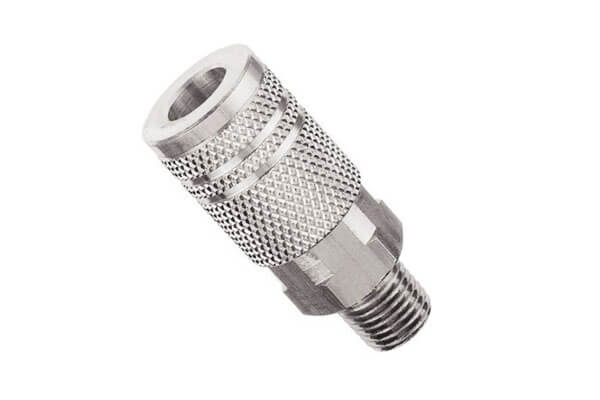
Standardni martenzitni stupnjevi
Rasponi sastava ispod su reprezentativna ograničenja koja se obično povezuju s odgovarajućim oznakama razreda.
Točne zahtjeve uvijek treba provjeriti u odnosu na primjenjivi ASTM, U, NAS, On je, ili specifikacija kupca.
| Razred | Oznaka SAD -a | Približan sastav | Tipične primjene |
| 410 | S41000 | CR: 11.5–13,5%; C: ≤0,15% | Ventili, Komponente pumpe, osovine, pričvršćivači, turbinski dijelovi, i opće industrijske komponente. |
| 420 | S42000* | CR: 12–14%; C: 0.15–0,40% | Pribor za jelo, kirurški instrumenti, lopatice, kalupi, i komponente otporne na habanje. |
| 420J2 | Obično se povezuje s ekvivalentima obitelji S42000** | CR: 12–14%; C: 0.26–0,40% | Noževi, škare, škare, potrošački pribor za jelo, i alati za rezanje opće namjene. |
| 431 | S43100 | CR: 15–17%; U: 1.25–2,50%; C: ≤0,20% | Osovine pumpe, morske osovine, Komponente ventila, okovi zrakoplova, i mehanički dijelovi visoke čvrstoće. |
440A |
S44002 | CR: 16–18%; C: 0.60–0,75% | Pribor za jelo, Komponente ventila, ležajevi, medicinski instrumenti, i dijelovima otpornim na habanje. |
| 440B | S44003 | CR: 16–18%; C: 0.75–0,95% | Alati za rezanje, precizni instrumenti, ležajevi, i nositi komponente. |
| 440C | S44004 | CR: 16–18%; C: 0.95–1,20% | Ležajevi visokih performansi, precizne habajuće komponente, vrhunski pribor za jelo, dijelovi ventila, i kirurški instrumenti. |
| 416 | S41600 | CR: 12–14%; C: ≤0,15%; S: 0.15–0,35% | Precizno strojno obrađeni spojni dijelovi, osovine, vijci, Komponente ventila, pričvršćivači, i dijelovi automatskih vijčanih strojeva. |
Lijevani martenzitni stupnjevi
ASTM sustav označavanja lijevanja identificira nekoliko važnih vrsta martenzitnog nehrđajućeg čelika.
| ASTM lijevani stupanj | Oznaka SAD -a | Približan sastav | Tipične primjene |
| CA-15 | J91150 | CR: približno 11.5–14,0%; C: tipično ≤0,15% | Tijela ventila i trim, Komponente pumpe, turbinski dijelovi, hidraulička oprema, i industrijski stroj. |
| CA-40 | J91151 | CR: približno 11.5–14,0%; C: obično do 0.40% | Dijelovi ventila otporni na habanje, industrijski stroj, parne servisne komponente, i mehaničkih dijelova. |
CA-6NM |
J91540 | CR: približno 11.5–14,0%; U: približno 3.5–4,5%; Mokar: približno 0.4–1,0%; C: ≤0,06% | Hidrauličke turbine, hidroelektrična oprema, velike impelere pumpe, pumpa, i komponente za rukovanje vodom. |
| CB-7Cu-1 | J92180 | CR: približno 14–16%; U: približno 4–6%; Pokrajina: približno 2.5–4.0%; C: ≤0,07% | Zrakoplovne komponente, odljevci visoke čvrstoće, pumpe, ventili, te zahtjevnu industrijsku opremu. |
4. Toplinska obrada martenzitnog nehrđajućeg čelika
Toplotna obrada jedan je od ključnih aspekata martenzitnog nehrđajućeg čelika.
Za razliku od austenitnih nehrđajućih čelika, koji se općenito ne mogu značajno ojačati konvencionalnim kaljenjem i popuštanjem,
martenzitne vrste su posebno dizajnirane za razvoj različitih kombinacija tvrdoća, jačina, žilavost, nositi otpor, i dimenzijska stabilnost kroz kontroliranu toplinsku obradu.
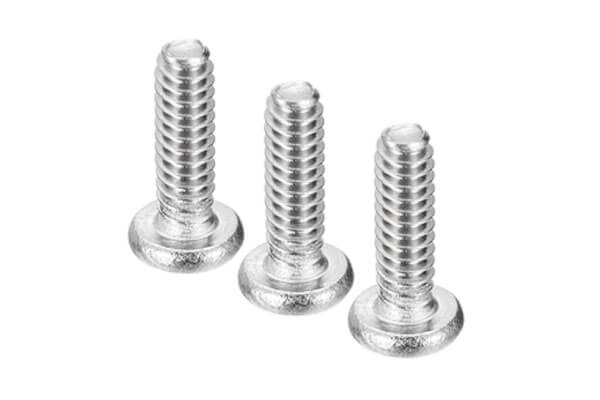
Žalost
Žarenje se obično koristi za omekšavanje martenzitnog nehrđajućeg čelika prije strojne obrade, formiranje, ili naknadnu toplinsku obradu.
Ovisno o stupnju i specifikaciji, čelik se zagrijava u odgovarajućem temperaturnom rasponu i hladi pod kontroliranim uvjetima kako bi se proizvela mekša mikrostruktura koja se može obraditi.
Primarni ciljevi žarenja uključuju:
- Smanjenje tvrdoće
- Ublažavanje unutarnjeg stresa
- Poboljšanje obradivosti
- Poboljšanje dimenzijske stabilnosti
- Stvaranje ujednačenije mikrostrukture prije konačnog stvrdnjavanja
Za mnoge komponente, gruba strojna obrada izvodi se u žarenom stanju jer potpuno očvrsnuti martenzitni nehrđajući čelik može biti težak i skup za strojnu obradu.
Komponenta se zatim toplinski obrađuje, a zatim završno obrađuje ili brusi kako bi se postigle potrebne konačne dimenzije.
Austenitiziranje
Austenitizacija je faza u kojoj se čelik zagrijava da bi se formirao austenit prije gašenja. Potrebna temperatura jako ovisi o stupnju.
Za uobičajene martenzitne nehrđajuće čelike, tipične temperature austenitizacije mogu pasti približno unutar sljedećih raspona:
| Grade Obitelj | Tipični raspon austenitizacije* | Primarni cilj |
| 410 / niskougljični martenzitni stupnjevi | Približno 925–1010°C | Razviti austenitnu strukturu prikladnu za naknadno otvrdnjavanje. |
| 420 / srednje ugljične kvalitete | Približno 980–1,065°C | Otopite odgovarajuću količinu ugljika i legirajućih elemenata prije gašenja. |
| 440-serije s visokim udjelom ugljika | Približno 1,010–1,120 ° C | Razvijte visok potencijal tvrdoće dok kontrolirate otapanje karbida i rast zrna. |
| 431 i vrste koje sadrže nikal | Približno 980–1.070°C | Razvijte odgovarajuću ravnotežu očvrsljivosti, jačina, i žilavost. |
* Ovi su rasponi samo reprezentativni. Stvarne temperature toplinske obrade i vremena držanja treba odabrati prema primjenjivoj specifikaciji materijala, Veličina presjeka, uvjeti peći, i tražena konačna svojstva.
Austenitizacija se mora pažljivo kontrolirati. Ako je temperatura preniska, nedovoljna transformacija ili otapanje karbida može ograničiti dostižnu tvrdoću.
Pretjerano visoke temperature ili preduga vremena zadržavanja mogu potaknuti rast zrna i povećati količinu zadržanog austenita, potencijalno smanjujući žilavost i dimenzijsku stabilnost.
Gašenje
Nakon austenitizacije, komponenta se hladi dovoljnom brzinom da potakne transformaciju austenita u martenzit.
Ovisno o stupnju i geometriji komponenti, kaljenje može uključivati:
- Hlađenje zrakom
- Gašenje u ulju
- Kaljenje polimera
- Gašenje plinom pod tlakom
- Druge kontrolirane metode hlađenja
Odabir medija za kaljenje je ravnoteža između postizanja dovoljnog hlađenja za otvrdnjavanje i smanjenja toplinskog naprezanja.
Odmrzavanje
Svježe kaljeni martenzit može imati vrlo visoku tvrdoću, ali također i veliko unutarnje naprezanje i ograničenu žilavost.
Kaljenje je stoga bitan korak za većinu inženjerskih primjena.
Tijekom kaljenja, čelik se ponovno zagrijava do kontrolirane temperature ispod raspona austenitizacije i drži odgovarajuće vrijeme.
Proces omogućuje stabilizaciju martenzitne strukture i smanjuje zaostala naprezanja uz podešavanje ravnoteže između tvrdoće i žilavosti.
Općenito:
- Niže temperature kaljenja nastoje zadržati veću tvrdoću i otpornost na trošenje.
- Više temperature kaljenja općenito smanjuju tvrdoću dok poboljšavaju žilavost i stabilnost naprezanja.
Točan odnos ovisi o ocjeni. Neki martenzitni nehrđajući čelici također mogu pokazivati nepoželjnu krtost ili promjene u korozijskom ponašanju unutar određenih raspona kaljenja.
Stoga, temperaturu kaljenja treba odabrati u skladu s relevantnom specifikacijom stupnja i potrebnim radnim svojstvima, a ne samo na temelju ciljane opće tvrdoće.
Dvostruko kaljenje i stabilizacija dimenzija
Visokougljični i visokoučinkoviti martenzitni nehrđajući čelici mogu zahtijevati više ciklusa kaljenja za poboljšanje strukturne stabilnosti i smanjenje učinaka zadržanog austenita.
Dvostruko kaljenje može pružiti nekoliko prednosti:
- Poboljšana dimenzijska stabilnost
- Ujednačenija mehanička svojstva
- Smanjeno zaostalo naprezanje
- Stabilizacija transformiranog zadržanog austenita
- Poboljšana ravnoteža između tvrdoće i žilavosti
U preciznim primjenama, dodatni stabilizacijski tretmani mogu se koristiti prije konačnog brušenja ili dorade.
Ovo je posebno važno za ležajeve, alati za rezanje, komponente preciznih ventila, i drugi dijelovi gdje male promjene dimenzija mogu utjecati na funkcionalnu izvedbu.
5. Tipični rasponi mehaničkih svojstava martenzitnog nehrđajućeg čelika
Sljedeće vrijednosti daju reprezentativne inženjerske raspone za često korištene martenzitne nehrđajuće čelike.
Stvarna svojstva razlikuju se ovisno o obliku proizvoda, debljina presjeka, toplotna obrada, stanje kaljenja, i primjenjivi standard.
| Razred | Tipično stanje | Snaga popuštanja, RP0.2 (MPA) | Zatečna čvrstoća, RM (MPA) | Produženje A (%) | Tvrdoća |
| 410 | Očvrsnut & temperiran | 550–1,000 | 700–1,200 | 10–20 | Približno. 25–45 sati |
| 416 | Očvrsnut & temperiran | 550–1,000 | 700–1,200 | 10–20 | Približno. 25–45 sati |
| 420 | Očvrsnut & temperiran | 700–1.300 | 900–1.600 | 8–18 | Približno. 45–55 sati |
| 431 | Očvrsnut & temperiran | 700–1,000 | 900–1,200 | 10–20 | Približno. 28–45 sati |
| 440A | Očvrsnut & temperiran | 1,000–1.500 | 1,500–1.900 | 5–12 | Približno. 54–58 HRC |
| 440B | Očvrsnut & temperiran | 1,100–1.500 | 1,600–1.950 | 4–10 | Približno. 56–59 HRC |
| 440C | Očvrsnut & temperiran | 1,200–1.600 | 1,800–2000+ | 2–8 | Približno. 56–60 HRC |
| CA-15 | Bacanje, toplinski tretiran | ≥450 | ≥620 | ≥18 | Tipično ~180–230 HB |
6. Karakteristike martenzitnog čelika
Otpor korozije
Kao i svi nehrđajući čelici, martenzitni stupnjevi dobivaju zaštitu od korozije tankim, samozacjeljujući pasivni film od krom oksida.
Međutim, njihova učinkovitost je ispod one austenitnih stupnjeva:
- Pružaju dobru otpornost na ruralne i urbane atmosfere, neutralna slatka voda, blage organske kiseline i većinu prehrambenih okruženja.
- Njihov niži sadržaj kroma (12–14% za standardne ocjene) i taloženje krom karbida rezultira lošijom otpornošću na rupičastu pojavu i općom otpornošću na koroziju u usporedbi s 18/8 austenitni čelici.
- Nisu prikladni za dulje izlaganje morskoj vodi, jake mineralne kiseline, otopine s visokim udjelom klorida ili teške industrijske atmosfere.
- Kvalitete s višim sadržajem kroma, kao što je 440C, nude bolje performanse protiv korozije nego s nižim sadržajem kroma 410 i 420, unatoč većem sadržaju ugljika.
Magnetska svojstva
Martenzitni nehrđajući čelici su jako magnetski u svim uvjetima toplinske obrade.
To je izravna posljedica njihove tetragonalne kristalne strukture usredotočene na tijelo, koji podupire spontano magnetsko uređenje iz spinova nesparenih elektrona.
Uobičajena zabluda je da magnetski odgovor ukazuje na nekvalitetan nehrđajući čelik.
U stvarnosti, magnetizam je strukturno svojstvo, nije pokazatelj kvalitete: svi martenzitni i feritni nehrđajući čelici su prirodno magnetični, uključujući visokoučinkovite stupnjeve poput 440C.
Otpornost na trošenje i tvrdoća
Izvrsna otpornost na habanje glavna je prednost martenzitnih vrsta s visokim udjelom ugljika.
Kad se stvrdne do 55+ Hrc, nadmašuju austenitne i feritne nehrđajuće čelike za faktor 5-10 u primjenama abrazivnog i adhezivnog trošenja.
Kombinacija tvrde martenzitne matrice i raspršenih čestica krom karbida stvara materijal koji zadržava svoj oblik i završnu obradu površine pod opetovanim kliznim kontaktom.
To čini martenzitni nehrđajući čelik jedinom održivom opcijom nehrđajućeg čelika za rezanje rubova, ležajne površine i komponente kliznog kontakta.
Zavarljivost martenzitnog nehrđajućeg čelika
Zavarljivost se općenito smatra najznačajnijim ograničenjem obrade martenzitnih nehrđajućih čelika:
- Visoka prokaljivost legure znači da se metal zavara i zone pod utjecajem topline brzo stvrdnu nakon hlađenja, stvarajući visoko zaostalo vlačno naprezanje i visok rizik od hladnog pucanja.
- Standardni postupci zavarivanja zahtijevaju predgrijavanje na 200-300°C, kontrolirana međuprolazna temperatura i obvezno kaljenje nakon zavarivanja odmah nakon zavarivanja kako bi se spriječio kvar.
- Niskougljični stupanj 410 ima najbolju zavarljivost unutar obitelji; visokougljični 440C općenito se ne preporučuje za zavarivanje taljenjem.
- Za kritične primjene, odgovarajući martenzitni dodatni metali ili austenitni 309/310 punila se koriste za smanjenje rizika od pucanja.
Obradivost i sposobnost oblikovanja
- Obradivost jako varira s tvrdoćom. U potpuno žarenom stanju, martenzitni nehrđajući čelici imaju dobru obradivost, općenito bolji od austenitnog 304 zbog niže stope otvrdnjavanja.
U stvrdnutom stanju, obradivost je vrlo loša; gotovo sva završna obrada treba biti dovršena u mekom žarenom stanju prije otvrdnjavanja.
Vrsta slobodne strojne obrade 416 nudi značajno poboljšano lomljenje strugotine i vijek trajanja alata za proizvodnju strojeva za vijčane velike količine. - Oblikovanje je umjeren u žarenom stanju, pogodan za savijanje, operacije valjanja i plitkog izvlačenja.
Martenzitni stupnjevi ne mogu se mjeriti s mogućnošću dubokog izvlačenja austenitnih čelika, a hladno oblikovanje mora se uvijek izvesti prije kaljenja.
7. Proizvodni procesi za komponente od martenzitnog nehrđajućeg čelika
Martenzitni nehrđajući čelik može se obraditi kroz širok raspon proizvodnih ruta, uključujući CNC obrada, casting, lijevanje pijeska, kovanje, i metalurgija praha.
Odgovarajući proces ovisi o geometriji komponente, Dimenzionalni zahtjevi, proizvodni volumen, zahtjevi mehaničkih svojstava, iskoristivost materijala, i hoće li komponenta proći naknadno kaljenje i temperiranje.
CNC obrada
CNC obrada je subtraktivni proizvodni proces u kojem se martenzitni nehrđajući čelik uklanja iz šipke, ploča, kovanje, ili druge poluproizvode pomoću računalno upravljanih alata za rezanje.
Uobičajene operacije uključuju skretanje, mljevenje, bušenje, navođenje, dosadan, mljevenje, i višeosna obrada.
Martenzitni nehrđajući čelik često se strojno obrađuje u žarenom ili omekšanom stanju prije konačnog otvrdnjavanja.
Nakon grube strojne obrade može uslijediti kaljenje i popuštanje, sa završnom strojnom obradom ili brušenjem za postizanje konačnih dimenzija i površinskih zahtjeva.
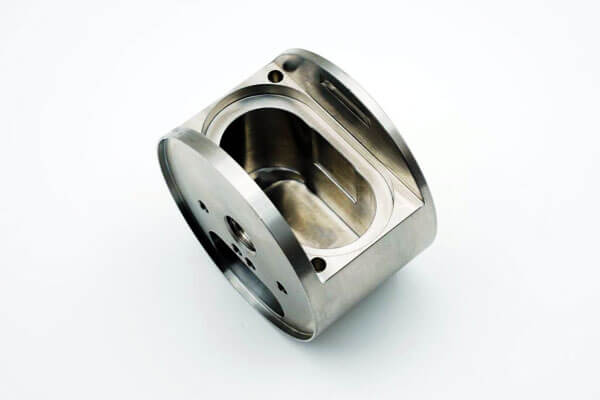
Investicijski lijev
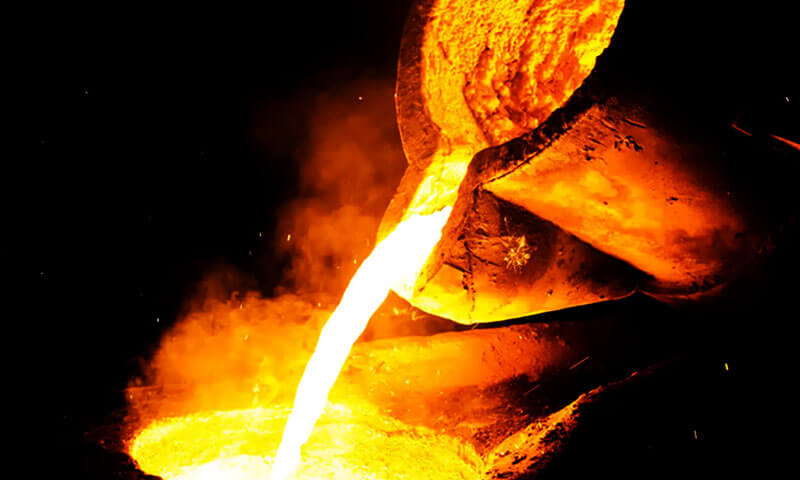
Investicijski lijev, Poznat i kao Izgubljeni vosak, proizvodi komponente od martenzitnog nehrđajućeg čelika stvaranjem detaljnog uzorka od voska, tvoreći keramičku ljusku oko uzorka, skidanje voska, i ulijevanje rastaljenog nehrđajućeg čelika u rezultirajuću šupljinu.
Proces je posebno koristan za komponente sa složene geometrije, tanki presjeci, Unutarnji odlomci, integrirani šefovi, i teško obradivi profili.
Lijevanje pijeska
Lijevanje pijeska koristi pješčani kalup za oblikovanje šupljine u koju se ulijeva rastaljeni martenzitni nehrđajući čelik.
U usporedbi s investicijskim lijevanjem, lijevanje u pijesak pruža veću fleksibilnost za veće komponente i relativno jednostavne ili umjereno složene geometrije.
Naširoko se koristi za industrijske komponente gdje je strukturalni integritet, veličina komponente, i ekonomija proizvodnje važnija su od iznimno finih površinskih detalja.
Kovanje
Kovanje oblikuje martenzitni nehrđajući čelik kontroliranom plastičnom deformacijom, obično na povišenoj temperaturi.
Materijal se sabija između matrica ili drugog alata kako bi se proizvela potrebna geometrija.
Kovanjem se može stvoriti profinjena i usmjerena mikrostruktura uz smanjenje unutarnje poroznosti i poboljšanje strukturalnog integriteta.
Stoga se često odabire za komponente izložene Visoka mehanička opterećenja, utjecaj, pritisak, ili cikličkih naprezanja.
Tipične kovane komponente uključuju osovine, stabljike ventila, osovine pumpe, pričvršćivači, fiting, i mehaničke komponente visoke čvrstoće.
Puder metalurgija
Puder metalurgija proizvodi martenzitne vrste s visokim udjelom ugljika kao što je 440C s iznimno ravnomjernom distribucijom karbida i strukturom finog zrna, bolji od kovanog materijala u otpornosti na habanje i stabilnosti dimenzija.
Proces je idealan za male, složene komponente visokog trošenja gdje bi konvencionalna strojna obrada bila preskupa.
8. Površinska obrada i površinski inženjering
Martenzitni nehrđajući čelici kompatibilni su s cijelim nizom završnih obrada površina i inženjerskih obrada za poboljšanje izgleda, otpornost na koroziju i performanse trošenja:
- Završna obrada mlina: Standardna valjana ili kovana površina za industrijske strukturne dijelove
- Mehaničko poliranje / završetak zrcala: Kvalitete s visokim udjelom ugljika mogu se polirati do zrcalnih površina optičke kvalitete, što ih čini standardom za kirurške instrumente i vrhunski pribor za jelo
- Četka / satenski završetak: Završna obrada s usmjerenom teksturom za ručne alate i ukrasnu opremu
- Pasivacija: Kemijski tretman za uklanjanje slobodnog željeza i poboljšanje sloja pasivnog oksida, Poboljšanje otpornosti na koroziju
- Elektropopoliranje: Ultra gladak, površinska obrada otporna na koroziju za medicinske komponente i komponente koje dolaze u dodir s hranom
- Tvrdi premazi: DLC, Premazi TiN i krom karbida dodatno povećavaju tvrdoću površine i smanjuju trenje za teške primjene ležajeva i rezanja
9. Primjena martenzitnog nehrđajućeg čelika
Martenzitni nehrđajući čelik naširoko se koristi tamo gdje komponenta zahtijeva kombinaciju visoke čvrstoće, tvrdoća, nositi otpor, umjerena otpornost na koroziju, i dimenzijska stabilnost.
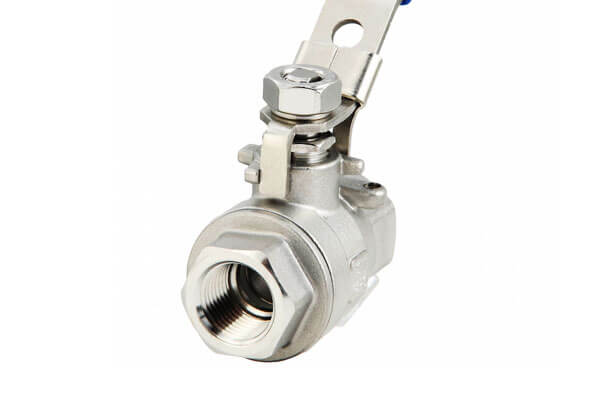
Ventili i oprema za kontrolu tekućine
Martenzitni nehrđajući čelik naširoko se koristi za stabljike ventila, obloga ventila, mjesta, osovine, i druge unutarnje komponente.
Njegova visoka tvrdoća pomaže u otpornosti na eroziju, abrazija, i ponovljeni mehanički kontakt, dok njegova otpornost na koroziju pruža zaštitu u mnogim vodama, pari, i industrijski fluidna okruženja.
Tipične komponente uključuju:
- Stabljike ventila
- Kuglice ventila i obloga
- Mjesta
- Osovine pumpe
- Ronilaca
- Čahure
- Nosite prstenje
Pribor za jelo i alati za rezanje
Visoko ugljični martenzitni tipovi posebno su važni u noževima i reznim aplikacijama.
420 naširoko se koristi za oštrice opće namjene, dok 440A, 440B, i 440C može pružiti veću tvrdoću i otpornost na trošenje.
Ključne prednosti su:
- Visoko zadržavanje rubova
- Visoka tvrdoća
- Otpornost na deformacije
- Dobra otpornost na habanje
- Razumna otpornost na koroziju u usporedbi s konvencionalnim ugljičnim alatnim čelicima
Ležajevi i precizne habajuće komponente
Visokougljični martenzitni nehrđajući čelici, posebno 440C, koriste se za komponente ležaja otporne na koroziju.
Tipične aplikacije uključuju:
- Kuglice za ležajeve
- Utrke ležajeva
- Precizni valjci
- Čahure
- Nosite prstenje
- Ležajevi instrumenata
Medicinski i kirurški instrumenti
Martenzitni nehrđajući čelici naširoko se koriste u kirurškim instrumentima jer se mogu kombinirati tvrdoća, zadržavanje ruba, jačina, otpor korozije, i sposobnost sterilizacije.
Prijave uključuju:
- Kirurške škare
- Kirurške oštrice
- Pinceta
- Stezaljke
- Zubarski instrumenti
- Instrumenti za rezanje
Automobilske komponente
Martenzitni nehrđajući čelik može se koristiti u automobilskim komponentama izloženim mehaničkim opterećenjima, grijati, nositi, i korozivno okruženje.
Prijave uključuju:
- Osovine
- Komponente ventila
- Komponente pumpe
- Pričvršćivači
- Komponente povezane s ispušnim plinovima
- Mehanički aktuatori
- Komponente otporne na nošenje
Zrakoplovne i turbinske komponente
Odabrani martenzitni nehrđajući čelici koriste se u zrakoplovnoj i energetskoj opremi gdje je potrebna visoka čvrstoća i dimenzijska stabilnost.
Prijave mogu uključivati:
- Turbinske komponente
- Osovine
- Pričvršćivači
- Komponente pumpe
- Pokretne komponente
- Mehanički dijelovi visoke čvrstoće
Energija, Pumpa, i Hidroelektrična oprema
Martenzitni nehrđajući čelici također su važni u opremi za proizvodnju energije i rukovanje vodom.
Ocjena glumačke ekipe CA-6NM, na primjer, je niskougljični martenzitni nehrđajući čelik koji sadrži nikal i molibden i široko je povezan s hidrauličke turbine, Komponente pumpe, i oprema za rukovanje vodom.
10. Prednosti i ograničenja martenzitnog nehrđajućeg čelika
Martenzitni nehrđajući čelik razlikuje se od ostalih obitelji nehrđajućeg čelika po svojoj sposobnosti razvijanja visoka čvrstoća i tvrdoća kroz kaljenje i popuštanje.
To ga čini posebno pogodnim za komponente izložene habanju, mehaničko opterećenje, rezanje, utjecaj, i ponovljeni kontakt.
Međutim, iste metalurške karakteristike koje osiguravaju visoku tvrdoću mogu smanjiti duktilnost, žilavost, otpor korozije, i zavarivost.
Ključne prednosti
- Jedina porodica nehrđajućeg čelika koja se može kaliti toplinskom obradom, s podesivom tvrdoćom od 20 HRC do 62 Hrc
- Izvrsna otpornost na trošenje i površinska tvrdoća, 5–10 puta bolji od austenitnih nehrđajućih čelika
- 2– 3 puta veća čvrstoća od standardnih austenitnih razreda u očvrslom stanju
- Umjerena otpornost na koroziju, znatno bolji od običnog ugljičnog čelika
- Prirodno magnetski, pogodan za aplikacije magnetskih komponenti
- Izvrsna mogućnost poliranja do zrcalnih završetaka visokog sjaja
- Niža cijena od visokolegiranih austenitnih i dvostrukih nehrđajućih čelika za jednake razine čvrstoće
Inherentna ograničenja
- Niža opća otpornost i otpornost na rupičastu koroziju u usporedbi s 304/316 Austenitne ocjene; neprikladan za okruženja s visokim sadržajem klorida i jakih kiselina
- Loša zavarljivost zahtijeva prethodno zagrijavanje i kaljenje nakon zavarivanja kako bi se izbjeglo pucanje
- Za postizanje optimalnih svojstava potrebna je toplinska obrada, dodavanje troškova obrade i vremena isporuke
- Niža duktilnost i žilavost od austenitnih nehrđajućih čelika u očvrslom stanju
- Osjetljiv na otpuštanje krtosti u određenim temperaturnim rasponima
- Ograničena sposobnost dubokog izvlačenja i hladnog oblikovanja
11. Martenzitni vs. Austenitni vs. Feritni nehrđajući čelik
Tri glavne obitelji nehrđajućeg čelika razlikuju se prvenstveno po mikrostrukturi, reakcija toplinske obrade, jačina, otpor korozije, duktilnost, magnetsko ponašanje, i zavarivost.
Sljedeća tablica usredotočena je na inženjerske karakteristike koje su najrelevantnije za odabir materijala.
| Vlasništvo | Martenzitski nehrđajući čelik | Austenitski nehrđajući čelik | Feritni nehrđajući čelik |
| Tipične ocjene | 410, 420, 431, 440A/440C | 304, 304L, 316, 316L, 321 | 409, 430, 439, 441, 444 |
| Kristalna struktura | BCT martenzit nakon kaljenja | FCC Austenite | BCC ferit |
| Tipični sadržaj Cr | ~11,5–18 mas.% | ~ 16–26 % težine | ~10,5–30 težinskih % |
| Kaljenje toplinskom obradom | Izvrstan; ugašen i ublažen | Ne može se stvrdnuti konvencionalnim kaljenjem | Ne može se stvrdnuti konvencionalnim kaljenjem |
| Jačina | Visoko do vrlo visoko | Umjeren; veća čvrstoća koja se postiže hladnom obradom | Umjeren |
| Tvrdoća | Visok, obično ~20–60+ HRC ovisno o stupnju i stanju | Općenito niže u žarenom stanju | Općenito umjereno |
| Duktilnost & Žilavost | Umjereno do nisko kada je jako otvrdnuto | Izvrstan | Umjeren |
| Otpor korozije | Umjereno do dobro | Izvrsno do vrlo dobro | Dobar za mnoga atmosferska okruženja |
| Nositi otpor | Izvrsno kada se stvrdne | Umjeren | Umjeren |
| Magnetska svojstva | Magnetski | Općenito nije magnetno kada se žari | Magnetski |
| Zavarivost | Umjereno do siromašno; može biti potrebna kontrola toplinske obrade | Izvrstan, posebno niskougljičnim razredima | Dobro do umjereno |
| Oblikovanje | Umjeren; ograničeno teško formiranje | Izvrstan, uključujući duboko izvlačenje | Dobro do umjereno |
Obradivost |
Dobar kad se žari; teško nakon stvrdnjavanja | Umjeren; otvrdnjavanje može zakomplicirati obradu | Općenito dobar do umjeren |
| Izvedba na niskim temperaturama | Ovisno o ocjeni; vrste s visokim udjelom ugljika mogu imati ograničenu žilavost | Izvrstan | Ograničeniji zbog prijelaza iz duktilnog u lomljivo |
| Tipične primjene | Noževi, osovine, ventili, pumpe, ležajevi, kirurški instrumenti, nositi dijelove | Kemijska oprema, oprema za obradu hrane, plovila za pritisak, cijevi, Arhitektonske komponente | Automobilski ispušni sustavi, uređaji, arhitektonski paneli, izmjenjivači topline |
| Glavna prednost | Visoka snaga, tvrdoća, I nositi otpor | Vrhunska otpornost na koroziju, duktilnost, žilavost, i zavarivost | Dobar otpor korozije, mala toplinska ekspanzija, magnetska svojstva, i troškovna učinkovitost |
| Glavno ograničenje | Niža otpornost na koroziju i zavarljivost | Niža tvrdoća u žarenom stanju; Vrste koje sadrže Ni mogu biti skuplje | Niža žilavost i sposobnost oblikovanja od austenitnih razreda |
12. Prilagođeni dijelovi od martenzitnog nehrđajućeg čelika tvrtke LangHe
Laga nudi prilagođena proizvodna rješenja za komponente od martenzitnog nehrđajućeg čelika, kombiniranje izbora materijala, precizno lijevanje, CNC obrada, toplotna obrada, i površinsku obradu za proizvodnju komponenti prilagođenih specifičnim mehaničkim i dimenzionalnim zahtjevima.
| Sposobnost | Detalji |
| Vrste martenzitnog nehrđajućeg čelika | 410, 420, 431, 440A, 440B, 440C i odabrani lijevani martenzitni stupnjevi |
| Proizvodni procesi | Investicijski lijev, lijevanje pijeska, CNC okretanje, CNC mljevenje, bušenje, brušenje i srodne sekundarne operacije |
| Toplotna obrada | Žalost, stvrdnjavanje, kaljenje i popuštanje prema stupnju i zahtijevanim mehaničkim svojstvima |
| Obrada | CNC okretanje, mljevenje, bušenje, navođenje, dosadan, brušenje i precizna završna obrada |
Površinska obrada |
Poliranje, mljevenje, pasivizacija i odabrane funkcionalne površinske obrade |
| Vrste komponenti | Komponente ventila, dijelovi pumpe, osovine, čahure, habajuće komponente, mehanička oprema, alata i preciznih industrijskih dijelova |
| Kontrola kvalitete | ISO 9001:2015 ovjeren; 100% NDT i ispitivanje dimenzija. |
| Prilagođavanje | Izrada prema nacrtima kupaca, 3D CAD modeli, tehnički podaci, uzorke ili zahtjeve za primjenu |
13. Zaključak
Martenzitni nehrđajući čelik zauzima jedinstveno i nezamjenjivo mjesto u obitelji nehrđajućeg čelika.
Kao jedini nehrđajući čelik koji se može očvrsnuti toplinskom obradom za postizanje visoke čvrstoće i izvrsne otpornosti na trošenje, popunjava kritičnu prazninu u performansama između običnih ugljičnih alatnih čelika i austenitnih nehrđajućih čelika otpornih na koroziju.
Njegova otpornost na koroziju niža je od otpornosti na koroziju 304 i 316 Austenitne ocjene, ali pruža čvrstoću i performanse trošenja koje nijedan austenitni ili feritni stupanj ne može usporediti.
Od svakodnevnog pribora za jelo do preciznih kirurških instrumenata, od industrijskih ventila do lopatica turbina za proizvodnju električne energije, martenzitni nehrđajući čelici pružaju ciljane performanse gdje se umjerena otpornost na koroziju mora kombinirati s visokom čvrstoćom i izdržljivošću na habanje.
Kako dizajn legura i tehnologija toplinske obrade nastavljaju napredovati, novo ojačano, martenzitni tipovi visoke čistoće i taloženjem očvrsnuti nastavit će širiti opseg primjene obitelji materijala, jačajući svoj status bitne grane globalnog ekosustava nehrđajućeg čelika.
Česta pitanja
Koja je razlika između martenzitnog i austenitnog nehrđajućeg čelika?
Martenzitni nehrđajući čelik može se kaliti toplinskom obradom, magnetski, i ima umjerenu otpornost na koroziju.
Austenitni nehrđajući čelik nije otvrdljiv toplinskom obradom, ne -magnetski, i ima izvrsnu otpornost na koroziju.
Martenzitne vrste koriste se za pribor za jelo, ventili, i ležajevi; austenitni stupnjevi koriste se za kemijske, hrana, i morske aplikacije.
Može li se zavarivati martenzitni nehrđajući čelik?
Da, ali s pažnjom. Prethodno zagrijavanje i toplinska obrada nakon zavarivanja potrebni su kako bi se spriječilo pucanje i vratila mehanička svojstva.
Je martenzitni magnet od nehrđajućeg čelika?
Da. Svi martenzitni nehrđajući čelici su feromagnetski (snažno privlače magneti).
Čini martenzitnu hrđu nehrđajućeg čelika?
Martenzitni nehrđajući čelik može ostaviti mrlje i korodirati pod agresivnim uvjetima.
Otporan je na hrđu u normalnim atmosferskim i slatkovodnim okruženjima, ali će razviti površinske mrlje i rupičaste mrlje u visokom udjelu soli, jake kiseline ili teške industrijske postavke.
Nije prikladan za dulje uranjanje u morsku vodu ili kontinuirano izlaganje kloridima.
Može li se martenzitni nehrđajući čelik toplinski obraditi?
Da. Toplinska obrada jedna je od značajki koje definiraju ovu obitelj nehrđajućeg čelika.
Ovisno o ocjeni, kaljenje praćeno popuštanjem može značajno povećati tvrdoću, zatečna čvrstoća, I nositi otpor.
Koji je martenzitni nehrđajući čelik najtvrđi?
Među uobičajenim martenzitnim nehrđajućim čelicima, 440C je jedan od stupnjeva s najvišim udjelom ugljika i može postići vrlo visoku tvrdoću nakon odgovarajuće toplinske obrade.
Njegova visoka tvrdoća čini ga posebno pogodnim za ležajeve, alati za rezanje, habajuće komponente, i vrhunske oštrice.