

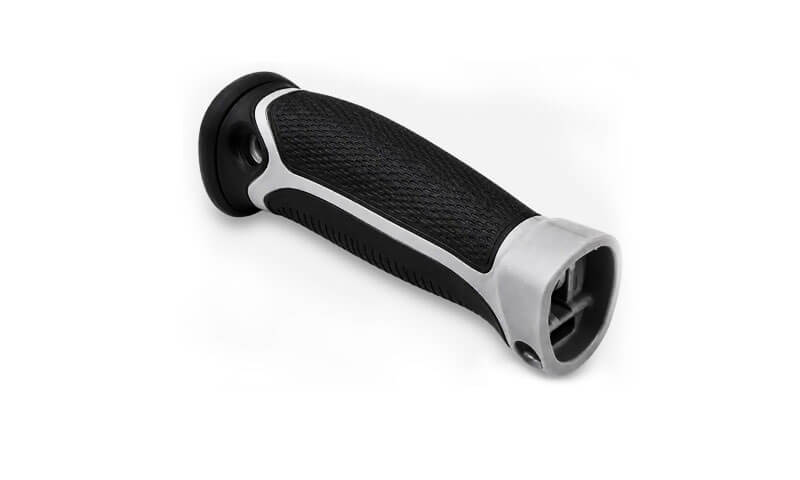
Overmolding je pokročilý Injekční lisování technika používaná ke spojení dvou nebo více materiálů do jediné funkční součásti.
Namísto výroby každé součásti zvlášť a následné montáže, přelisování umožňuje nalisování sekundárního materiálu přímo na předem vytvarovaný substrát.
Výsledek může kombinovat strukturální vlastnosti tuhého materiálu s flexibilitou, rukojeť, Těsnění, izolace, Odolnost vůči dopadu, nebo estetické vlastnosti elastomeru nebo jiného polymeru.
Tento proces je široce používán ve výrobcích, kde je integrace materiálu, ergonomický výkon, ochrana životního prostředí, a redukce montáže jsou důležité.
Mezi typické příklady patří rukojeti elektrického nářadí, automobilové spínače, elektrické konektory, Pouzdra zdravotnických prostředků, spotřební elektronika, kabelové komponenty, rukojeti, Těsnění, a průmyslové kontroly.
1. Co Je Overmolding?
Overmolding je výrobní proces, ve kterém je druhý materiál vstřikován kolem nebo na existující substrát, vložit, nebo dříve lisovaný komponent k vytvoření integrované vícemateriálové části.
Substrát poskytuje základní strukturu součásti, zatímco přetvarovaný materiál dodává specifické funkční nebo estetické vlastnosti.
V závislosti na aplikaci, substrátem může být tuhý termoplast, kovová vložka, nebo jinou předtvarovanou součást.
Formou může být měkčí termoplastický elastomer (TPE), termoplastický polyuretan (TPU), termoplastická pryž, nebo jiný kompatibilní polymer.
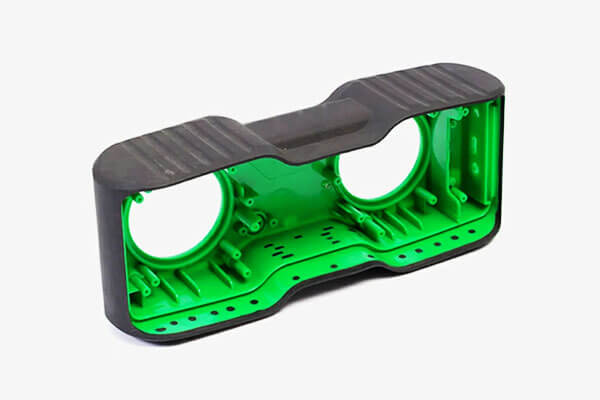
Jednoduchá reprezentace struktury je:
Substrát → Materiál na vstřikování → Integrovaný hotový díl
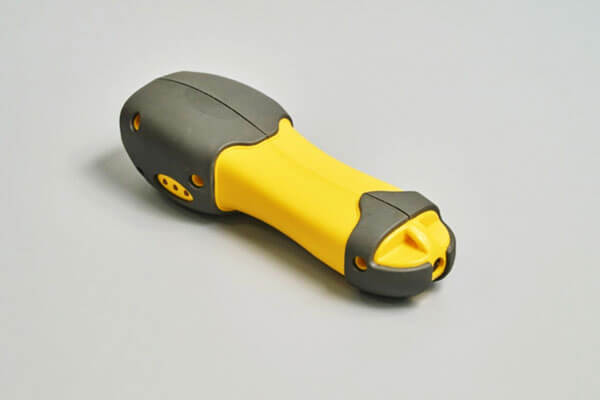
Například, zvažte ruční elektrické nářadí. Vnitřní kryt může být vylisován z tuhého technického plastu, jako je ABS nebo vyztužený nylon, aby byla zajištěna strukturální pevnost.
Měkčí vrstva TPE nebo TPU může být poté vytvarována přes vybrané oblasti pouzdra, aby poskytla neklouzavý úchop a zlepšila absorpci vibrací.
Místo výroby samostatné gumové rukojeti a její instalace během montáže, overmolding integruje rukojeť přímo do pouzdra.
Základní struktura zalisované součásti
Zalisovaný výrobek se obecně skládá ze dvou funkčních materiálových zón:
| Komponent | Primární funkce |
| Substrát | Poskytuje strukturální podporu, rozměrová stabilita, nebo mechanické upevnění |
| Overmold | Dodává přilnavost, Těsnění, Polstrování, izolace, ochrana, nebo estetiku |
| Lepicí rozhraní | Přenáší zatížení a udržuje připevnění materiálu |
Klíčová charakteristika: Integrace více materiálů
Charakteristickým znakem overmoldingu je přímou integraci různých materiálů do jedné hotové součásti.
To odlišuje zalití od běžné montáže. V tradičním montážním procesu, jednotlivé komponenty jsou vyráběny samostatně a následně spojovány pomocí spojovacích prvků, lepidla, klipy, lisovací uložení, svařování, nebo jiné metody.
Přelisování přesune část této integrace do samotného procesu formování.
To může přinést několik výrobních výhod:
- Méně jednotlivých komponentů
- Snížené montážní operace
- Vylepšená integrace komponent
- Důsledné umístění sekundárního materiálu
- Lepší těsnění a ochrana životního prostředí
- Vylepšená ergonomie a hmatový výkon
- Větší svoboda designu
- Potenciální snížení vad souvisejících s montáží
Však, rozhraní mezi substrátem a přelitím se stává kritickým konstrukčním prvkem.
Tyto dva materiály musí zůstat bezpečně připojeny za skutečných provozních podmínek produktu.
Cyklování teploty, vlhkost, chemikálie, mechanické zatížení, dopad, a opakované ohýbání může ovlivnit výkon rozhraní.
2. Typy přelití
Overmolding není jedinou standardizovanou výrobní konfigurací.
Přelisování z plastu na plast
Formování plastů na plast zahrnuje lisování jednoho termoplastu přímo na předem vytvarovaný plastový substrát.
Běžně se používá, když dva polymery poskytují komplementární výkonnostní charakteristiky.
Například, tuhý technický plast může poskytnout konstrukční kostru, zatímco měkčí termoplastický elastomer tvoří rukojeť, pečeť, tlačítko, nebo ochrannou vrstvou.
Alternativně, dva tuhé polymery mohou být kombinovány za účelem vytvoření různých funkčních zón ve stejné složce.
Hlavním technickým úkolem je dosáhnout adekvátní adheze nebo mechanické retence mezi dvěma polymery a zároveň zabránit deformaci substrátu během druhého lisovacího cyklu..
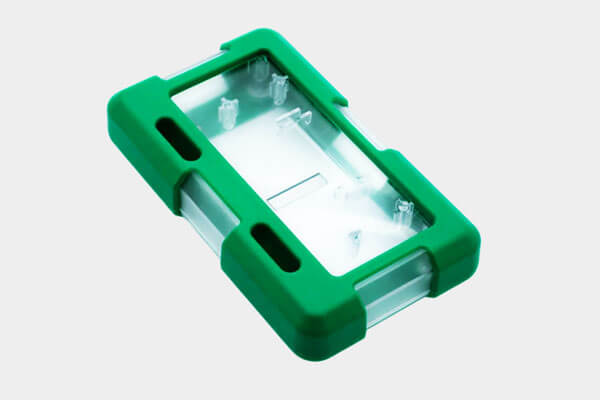
Mezi typické kombinace patří:
- ABS + TPE
- PC + TPE
- PC/ABS + TPE
- Nylon + TPE
- PP + TPE nebo TPV
- PBT + TPE
- ABS + TPU
Ne každá kombinace je ze své podstaty kompatibilní. Přesná známka, formulace, stavu povrchu, teplota zpracování, a musí být vyhodnoceny podmínky formování.
Přelévání plast-elastomer
Zalití plastem do elastomeru je jednou z nejrozšířenějších forem zalití.
Flexibilní materiál, jako je TPE, TPU, DPH, nebo jiný termoplastický elastomer je nalisován na tuhý plastový substrát.
Účel je obvykle spíše funkční než čistě estetický. Elastomer může poskytnout:
- Vylepšený úchop a ergonomie
- Absorpce nárazů a nárazů
- Tlumení vibrací
- Těsnění
- Povrchy měkké na dotek
- Odolnost proti uklouznutí
- Elektrická izolace
- Ochrana před znečištěním životního prostředí
Typickým příkladem jsou rukojeti elektrického nářadí. Pevný substrát poskytuje strukturální podporu, zatímco elastomerní krycí vrstva poskytuje pohodlné a odolné rozhraní mezi nástrojem a operátorem.
Tloušťka elastomerní vrstvy musí být pečlivě kontrolována. Nadměrná tloušťka může prodloužit dobu cyklu, srážení, a spotřebu materiálu, zatímco nedostatečná vrstva nemusí poskytovat požadované odpružení nebo přilnavost.
Přelisování kovu na plast
Zalití kov-plast umístí polymer přímo kolem kovové vložky nebo součásti.
Kov poskytuje pevnost, vodivost, nosit odpor, Tepelný výkon, nebo rozměrová stabilita, zatímco polymer poskytuje izolaci, ochrana, Těsnění, nebo strukturální integrace.
Přelisování kov-plast je zvláště užitečné pro elektrické terminály, konektory, senzory, závitové vložky, kliky, ovládací prvky, a průmyslové sestavy.
Kritickým hlediskem je rozdíl v koeficient tepelné roztažnosti (CTE) mezi kovem a polymerem.
Při změnách teplot, tyto dva materiály se roztahují a smršťují různou rychlostí.
Pokud design rozhraní tomuto pohybu nevyhovuje, zbytkové napětí může přispět k praskání, delaminace, nebo rozměrová nestabilita.
Vložit Overmolding
Vstřikování vložek používá předtvarovanou vložku, která je umístěna uvnitř vstřikovací formy před vstřikováním materiálu na vstřikování.
Vložka může být kovová, plast, keramický, elektronický, nebo jiný vyrobený komponent, v závislosti na aplikaci.
Přelisování vložky může eliminovat samostatné montážní operace, protože proces formování trvale integruje vložku do hotové součásti.
Vložka musí být přesně umístěna a bezpečně podepřena. Špatné upevnění může umožnit pohyb vložky během vstřikování, což má za následek rozměrové chyby, nerovnoměrné pokrytí materiálem, blikat, nebo poškození formy.
Dvouzáběrové přelití
Dvouranné přelití, také volal 2K lisování nebo dvousložkové vstřikování, vyrábí vícemateriálový komponent prostřednictvím sekvenčních vstřikovacích operací, obecně ve stejném formovacím systému.
V typickém procesu, první materiál tvoří geometrii substrátu nebo první složky.
Konfigurace formy nebo poloha součásti se pak změní tak, aby druhý materiál mohl být vstřikován přes určenou oblast.
Na rozdíl od konvenčního zalití pomocí samostatně vyrobeného substrátu, dvoustřikové lisování může integrovat dvě lisovací operace do vysoce automatizovaného výrobního cyklu.
3. Jak funguje proces zalití?
Proces formování zahrnuje lisování druhého materiálu přímo na předem vytvarovaný substrát nebo vložku, aby se vytvořila jednotná součást.
I když přesný proces se liší v závislosti na kombinaci materiálů, geometrie produktu, a způsob výroby, hlavní pracovní postup zůstává konzistentní:
Design produktu → Výběr materiálu → Výroba substrátu → Příprava formy → Nakládání substrátu → Vstřikování do formy → Chlazení & Vysunutí → Kontrola
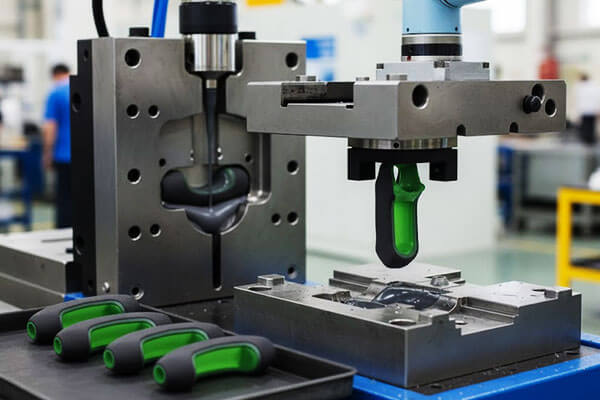
Návrh produktu a analýza DFM
Overmolding začíná produktem a Design pro výrobu (DFM) analýza.
Inženýři vyhodnotí geometrii substrátu, tloušťka přelitku, úhly ponoru, dělicí čáry, umístění bran, odvětrávání, podříznutí, a kritické rozměry.
Substrát musí být dostatečně tuhý, aby odolal vstřikovacímu tlaku a tepelné expozici během druhé lisovací operace.
Mechanické retenční prvky, jako jsou žebra, drážky, díry, nebo mohou být rovněž začleněny podříznutí, pokud je požadováno dodatečné zablokování.
Výběr materiálu a kompatibilita
Podklad a krycí materiál musí být vybrány společně. Inženýři zvažují mechanické vlastnosti, teploty zpracování, srážení, Tepelná roztažení, chemická odolnost, citlivost na vlhkost, a hlavně, mezifázová adheze.
Kombinace materiálů, která funguje dobře samostatně, nemusí při společném lisování vytvářet spolehlivé spojení.
Pro kritické aplikace, materiálová kompatibilita by měla být potvrzena prostřednictvím údajů dodavatele, prototypové zkoušky, nebo testování adheze.
Výroba a příprava substrátu
Substrát se vyrábí před druhou lisovací operací.
Plastové substráty jsou běžně vstřikovány, zatímco kovové vložky lze obrábět, orazítkováno, obsazení, nebo jinak vyrobené.
Před přelitím, substrát může vyžadovat:
- Čištění a odmašťování
- Sušení pro polymery citlivé na vlhkost
- Povrchová úprava
- Předehřívání
- Rozměrová inspekce
Správná příprava pomáhá předcházet kontaminaci, rozměrová variace, špatná adheze, a další vady související s rozhraním.
Nakládání substrátu a uzavírání formy
Připravený substrát je přesně umístěn uvnitř formovací formy.
Může být zaváděn ručně pro malosériovou výrobu nebo automaticky pomocí robotických manipulačních systémů pro velkoobjemovou výrobu.
Forma musí bezpečně podpírat podklad a udržovat požadovanou tloušťku přelitku.
Jakmile je umístěn, forma se uzavře a aplikuje dostatečnou upínací sílu, aby odolala vstřikovacímu tlaku a zabránila vzplanutí.
Vstřikování krycího materiálu
Druhý materiál se zahřeje na teplotu zpracování a vstříkne do dutiny formy.
Roztavený materiál proudí kolem určených oblastí substrátu a tvoří vrstvu zalití.
Mezi primární parametry procesu patří:
| Parametr | Hlavní efekt |
| Teplota tání | Tekutost a lepivost |
| Teplota formy | Plnicí, chlazení, a kvalita povrchu |
| Rychlost vstřikování | Chování proudění a zachycení vzduchu |
| Vstřikovací tlak | Výplň dutin |
| Držení tlaku | Kompenzace smrštění a rozměrová stabilita |
| Doba chlazení | Tuhost dílu a doba cyklu |
Proces musí být pečlivě vyvážen. Nadměrná teplota nebo tlak mohou deformovat podklad, zatímco nedostatečné podmínky plnění mohou způsobit krátké výstřely, slabá vazba, nebo neúplné pokrytí.
Lepení a chlazení
Když se roztavený materiál na vstřikování dostane do kontaktu se substrátem, rozhraní se vyvíjí chemickou adhezí, mechanické blokování, nebo kombinace obou.
Po naplnění a zabalení, součást se ochladí uvnitř formy. Chlazení musí být řízeno, protože substrát a přelitek mohou mít různé charakteristiky smršťování a tepelné roztažnosti.
Špatně řízené chlazení může vést k deformaci, zbytkové napětí, Značky dřezu, nebo selhání rozhraní.
Vyhazování a kontrola kvality
Po dostatečném vychladnutí, hotový zalisovaný díl se vysune z formy. Odstranění brány, ořezávání bleskem, nebo lze v případě potřeby provést jiné sekundární operace.
Kontrola kvality se obvykle zaměřuje na:
Rozměrová přesnost + krytí přelití + surface appearance + pevnost spoje + funkční výkon
Pro náročné aplikace, výrobci mohou dodatečně provádět peeling, SEM, stříhat, točivý moment, teplotní cyklus, vlhkost, chemická odolnost, nebo jiné environmentální testy.
4. Materiály běžně používané při přelévání
Výběr materiálu je pravděpodobně nejdůležitějším technickým rozhodnutím při přestřikování. Ideální kombinace materiálů musí splňovat dva samostatné požadavky:
Materiály musí správně fungovat jako jednotlivé materiály, a materiálové rozhraní musí zůstat spolehlivé jako integrovaný systém.
Běžné podkladové materiály
Substrát obecně poskytuje konstrukční základ součásti. Může to být pevný plast nebo kov.
Běžné materiály plastového substrátu
| Materiál substrátu | Důležité vlastnosti | Typické aplikace přelití |
| ABS | Good impact resistance, snadné zpracování, dobrý vzhled | Spotřební výrobky, kliky, pouzdra |
| PC | Vysoká nárazová síla, možnosti průhlednosti, dobrý rozměrový výkon | Elektronika, ochranná pouzdra, ovládací prvky |
| PC/ABS | Vyvážená houževnatost, vzhled, a zpracovatelnost | Automobilový průmysl a elektronika |
| PA (Nylon) | Vysoká síla, ztuhlost, nosit odpor | Automobilový průmysl, průmyslové komponenty, nástroje |
PP |
Nízká hustota, chemická odolnost, odolnost proti únavě | Automobilový průmysl, spotřební výrobky, komponenty živých závěsů |
| PBT | Dobrá rozměrová stabilita a elektrický výkon | Elektrické konektory, Automobilové komponenty |
| POM | Nízké tření, nosit odpor, rozměrová stabilita | Mechanické komponenty a ovládací prvky |
| PPS | Vysoká teplotní a chemická odolnost | Náročné automobilové a průmyslové aplikace |
Běžné zalévací materiály
Druhý materiál se obecně volí tak, aby přidal funkci, kterou substrát nemůže účinně zajistit.
| Formovací materiál | Hlavní vlastnosti | Typické funkce |
| TPE | Flexibilní, měkký na dotek, zpracovatelné | Rukojeť, Polstrování, Těsnění |
| TPU | Vysoká odolnost proti oděru a roztržení | Ochranné povrchy, rukojeti, flexibilní komponenty |
| DPH | Pružnost podobná pryži s termoplastickým zpracováním | Automobilové těsnění, rukojeti, komponenty odolné proti povětrnostním vlivům |
TPO |
Flexibilní, lehký, odolný vůči povětrnostním vlivům | Automobilové obložení a ochranné komponenty |
| Měkké PP směsi | Lehký a chemicky odolný | Spotřební a automobilové produkty |
| Systémy na bázi silikonu | Vynikající flexibilita a teplotní výkon | Specializované těsnění a lékařské aplikace |
| Speciální elastomery | Chemikálie specifická pro aplikaci, tepelný, nebo mechanický výkon | Průmyslová a náročná prostředí |
5. Mechanické lepení vs. Chemické lepení při přelévání
Rozhraní mezi substrátem a formovacím materiálem je nejkritičtější oblastí vícemateriálové lisované součásti.
Díl může mít vynikající mechanické vlastnosti a atraktivní povrchovou úpravu, přesto stále nefungují, pokud se přelitek oddělí od substrátu.
Mechanické lepení: Fyzické blokování
Mechanické lepení se opírá o roztavenou pryskyřici, která proudí do předem navržených zářezů, díry, drážky, rýhované nebo strukturované povrchy na podkladu.
Po ztuhnutí, pryskyřice tvoří permanentní fyzický zámek, který přenáší zatížení spíše geometrickou interferencí než mezimolekulárními silami.
- Základní princip: Roztavený polymer vyplní všechny negativní prvky na povrchu substrátu a ztuhne do odpovídající pozitivní geometrie, vytvoření vzájemného spojení, které nelze oddělit bez deformace jednoho z materiálů.
Kotvy s průchozími otvory vytvářejí nejpevnější mechanické vazby, protože tvoří plné polymerové nýty, které odolávají jak odlupovacímu, tak smykovému zatížení. - Společné prvky ukotvení: Průchozí otvory, boční podříznutí, rybinové štěrbiny, obvodové drážky, otryskaná textura, vroubkované povrchy a tvarované prvky s ostny.
- Výhody: Funguje s jakýmkoliv materiálovým párem, včetně zcela nekompatibilních kombinací, jako je silikon na kov nebo TPE na POM; pevnost vazby je vysoce předvídatelná na základě geometrie; méně citlivé na povrchovou kontaminaci a stárnutí prostředí.
- Omezení: Vyžaduje další návrh substrátu a složitost nástrojů; pevnost vazby je lokalizována do kotevních bodů; není vhodný pro ultratenké spodní vrstvy 0.5 mm.
Chemické vazby: Molekulární interdifúze
K chemické vazbě dochází, když jsou nalisovaná pryskyřice a substrát chemicky kompatibilní.
Při formovací teplotě, polymerní řetězce z přelitku difundují do povrchu substrátu, vytvářením mezimolekulárních propletenců a sekundárních vazeb (van der Waalsovy síly, vodíkové vazby, a v některých případech tvorba kovalentní vazby prostřednictvím esterové výměny).
- Základní princip: Aby došlo k chemické vazbě, tyto dva materiály musí mít podobné parametry rozpustnosti (obvykle uvnitř 2 (cal/cm³)^0,5 navzájem) a povrch substrátu musí být během vstřikování nad svou teplotou skelného přechodu, umožňující mobilitu řetězu a interdifúzi.
Výsledná mezifázová vrstva se typicky pohybuje od 20 nm až několik mikrometrů. - Ovlivňující faktory: Párování parametrů rozpustnosti, přizpůsobení teploty taveniny, povrchová energie substrátu, kontaktní tlak, a dobu setrvání na rozhraní.
- Výhody: Rovnoměrná síla vazby přes celé rozhraní; nejsou vyžadovány žádné další vlastnosti substrátu; umožňuje velmi tenké nanášené vrstvy s konzistentní přilnavostí; hladká linie spoje bez koncentrace napětí.
- Omezení: Vyžaduje kompatibilní chemické polymery; citlivé na povrchovou kontaminaci, oxidační a separační činidla; může časem degradovat v prostředí s vysokou teplotou nebo vysokou vlhkostí.
Hybridní spojování: Kombinace mechanických a chemických mechanismů
Pro náročné aplikace, nejrobustnějším řešením může být kombinace obou mechanismů.
Substrát může být navržen s drážkami, díry, nebo texturované oblasti, zatímco vybrané materiály také poskytují vlastní mezifázovou adhezi.
V této konfiguraci, chemická adheze zajišťuje distribuované připevnění, zatímco mechanické vlastnosti poskytují dodatečnou odolnost proti odlupování, stříhat, nebo axiální oddělení.
Například, kovová vložka může být povrchově upravena a může být lisována s kompatibilním polymerem, přičemž také obsahuje průchozí otvory nebo rýhování.
Výsledné rozhraní nezávisí výhradně na chemické adhezi nebo geometrické retenci.
Tento přístup je zvláště užitečný, když by selhání rozhraní mohlo ohrozit bezpečnost nebo funkčnost produktu.
6. Výhody a omezení přelití
Hlavní výhody
Snížený počet dílů a montáž
Overmolding může integrovat rukojeti, Těsnění, izolace, Polstrování, a ochranné vrstvy přímo na substrát.
Tím se snižuje počet samostatných součástí, upevňovací prvky, lepidla, a montážní operace, což může zjednodušit výrobu a zlepšit konzistenci.
Vylepšená funkční integrace
Jeden díl může kombinovat tuhou konstrukční podporu, měkká ergonomická rukojeť, ekologické těsnění a elektrická izolace v jednom lisovacím cyklu.
To umožňuje odstupňovaný výkon v různých oblastech součásti, kterého nelze dosáhnout například s monolitickým materiálovým designem, tuhé strukturální jádro s měkkou vrstvou uchopení tlumící vibrace a integrálním ekologickým těsněním.
Vylepšená životnost a spolehlivost
Integrální zalisované spoje eliminují degradaci lepidla, režimy selhání uvolnění upevňovacího prvku a nesprávného vyrovnání těsnění.
Přelisovaná těsnění dosahují konzistentního krytí IP67/IP68 s 3–5x delší životností než smontované systémy těsnění, protože neexistuje žádná samostatná součást těsnění, kterou by bylo možné posunout, degradovat nebo vypadnout .
Vynikající ergonomický a senzorický výkon
Měkké elastomerové lemy lze vyladit pro přesné uchopení, tlumení vibrací a tlumení nárazů.
Přenos vibrací na uživatele lze snížit o 30–60 % ve srovnání s pevnými rukojeťmi z jednoho materiálu, zlepšení uživatelského komfortu a snížení rizika opakovaného stresu.
Flexibilita designu a diferenciace produktů
Přelisování umožňuje vícebarevnost, konstrukce s více texturami a tvrdostí bez sekundárních operací, vytváření diferenciace produktů s minimálními dodatečnými náklady na nástroje. Umožňuje také iteraci návrhu bez úplného přepracování nástrojů.
Snížené celkové náklady na vlastnictví
Zatímco investice do nástrojů je o 30–80 % vyšší než u lisování jednoho materiálu, nižší náklady na montáž,
nižší zmetkovitost a nižší záruční nároky obvykle přinášejí o 15–35 % nižší celkové náklady na vlastnictví pro střední a vysoké objemy výroby.
Přirozená omezení
Vyšší náklady na nástroje a vývoj
Vlastní zastřikovací nástroje vyžadují složitější design, více dutin nebo rotujících desek, a delší dobu vývoje.
Náklady na nástroje jsou obvykle 2–3x vyšší než u ekvivalentních jednomateriálových forem, a vývojové cykly jsou o 30–50 % delší.
Omezení kompatibility materiálů
Ne všechny páry materiálů spojují spolehlivě. Neslučitelné kombinace vyžadují mechanické kotvení nebo spojovací vrstvy, Přidání složitosti a nákladů na design.
Například, PP je notoricky obtížné lepit na většinu druhů TPE, vyžadující třídy TPE na bázi PP nebo mechanické retenční prvky .
Užší okno procesu
Přelisování vyžaduje přísnější kontrolu teploty taveniny, teplota formy, rychlost vstřikování a udržovací tlak než lisování jednoho materiálu.
Odchylka procesu může způsobit selhání vazby, posun vložky nebo delaminace. Nastavení procesu obvykle vyžaduje 2–3x více zkušebních běhů než lisování jednoho materiálu.
Diferenciální smrštění a napětí
Nepřizpůsobená rychlost tepelné roztažnosti a smrštění mezi substrátem a přelitím vytváří zbytkové napětí na rozhraní, což může vést k deformaci, praskání nebo delaminace během tepelných cyklů.
To je zvláště patrné u tuhého polymeru na kovovém zalití.
Omezeno na materiály zpracovatelné tavením
Formování je omezeno na termoplasty a tekutý silikonový kaučuk (Lsr).
Konvenční termosetové pryskyřice a většinu keramických materiálů nelze zaformovat standardním vstřikovacím lisem.
7. Běžné závady a strategie zmírňování
Overmolding zavádí jedinečné způsoby selhání související s lepením rozhraní, umístění břitové destičky a diferenciální smrštění.
Níže uvedená tabulka shrnuje nejčastější závady, základní příčiny a prokázaná nápravná opatření.
| Režim defektu | Vzhled | Primární kořenové příčiny | Nápravná opatření |
| Delaminace / selhání kůry | Overmold vrstva se odděluje od substrátu | Materiálová nekompatibilita; studený substrát; kontaminovaný povrch; nedostatečný tlak na rozhraní | Ověřte kompatibilitu materiálu; předehřát substrát; čisté povrchy podkladu; zvýšit tlak balení |
| Vložit posun / nesprávné vyrovnání | Substrát je odsazen od zamýšlené polohy | Vysoká rychlost vstřikovacího proudu; nedostatečná fixace vložky; nevyvážený tok | Přidejte polohovací kolíky; optimalizujte polohu brány pro snížení dopadu proudění; použijte přidržovací přípravky |
| Sink značky na rozhraní | Stlačený povrch v místě spoje | Diferenciální smrštění; tlustá přemostěná část; nedostatečné balení | Snižte tloušťku stěny přelití; zvýšit tlak balení; optimalizovat profil chlazení |
Flash na rozhraní |
Přebytečná pryskyřice prosakuje mezi substrát a oddělování formy | Špatné usazení formy; rozměrová variace substrátu; nadměrný vstřikovací tlak | Zlepšete lícování dutiny formy; dotáhněte tolerance substrátu; snížit vstřikovací tlak |
| Puchýře na rozhraní | Vystouplé bubliny pod povrchem přelití | Uvězněný vzduch; vlhkost na podkladu; odplyňování | Zlepšete ventilaci; suchý podklad před formováním; snížit teplotu taveniny |
| Praskání vnitřním pnutím | Praskliny na spoji po ochlazení | Diferenciální smrštění; nekompatibilní rychlosti rozpínání materiálu | Optimalizujte teplotu formy; snížit rychlost chlazení; vyberte materiály s bližšími hodnotami CTE |
8. Klíčové aplikace overmoldingu
Overmolding se používá napříč průmyslovými odvětvími, protože umožňuje výrobcům kombinovat konstrukční a funkční materiály, aniž by se zcela spoléhali na sekundární montáž.
Automobilové aplikace
Výrobci automobilů používají ke zlepšení funkčnosti přelisování, trvanlivost, pohodlí, a integrace komponent.
Mezi běžné příklady patří:
- Ovládání na volantu
- Vypínače a tlačítka
- Senzorové pouzdra
- Elektrické konektory
- Komponenty pro ochranu kabelů
- Komponenty vnitřního oříznutí
- Těsnící součásti
- Rukojeti a madla
- Ochranné kryty
- Komponenty tlumící vibrace
Spotřební elektronika
Spotřební elektronika těží z přelití, protože uživatelé komunikují přímo s mnoha vnějšími povrchy produktu.
Aplikace zahrnují:
- Příslušenství smartphonů a elektronických zařízení
- Dálkové ovládání
- Součásti nositelného zařízení
- Komponenty sluchátek
- Nabíjecí konektory
- Konce kabelu
- Ochranná pouzdra
- Tlačítka a ovládací rozhraní
Lékařská zařízení
Overmolding se používá u lékařských a zdravotnických výrobků, kde je ergonomie, Těsnění, izolace, čistitelnost, a kontrolovaný hmatový výkon jsou důležité.
Příklady zahrnují:
- Rukojeti lékařských nástrojů
- Součásti diagnostického zařízení
- Rukojeti chirurgického zařízení
- Součásti trubek a konektorů
- Těsnící prvky
- Ochranná pouzdra
- Součásti zařízení na jedno použití
Elektrické nářadí a ruční nářadí
Elektrické nářadí je klasickou aplikací pro pevné až pružné zaformování.
Požadovanou tuhost může poskytnout strukturní polymerní substrát, zatímco TPE nebo TPU mohou vytvářet ergonomické úchopové zóny.
Přelití se může zlepšit:
- Zabezpečení rukojeti
- Uživatelský komfort
- Tlumení vibrací
- Odolnost vůči dopadu
- Odolnost povrchu
- Vzhled produktu
Elektrické a elektronické komponenty
Elektrické aplikace často kombinují vodivé kovové vložky s izolačními polymerními materiály.
Mezi typické aplikace patří:
- Elektrické konektory
- Terminály
- Komponenty snímače
- Kabelové sestavy
- Spínací komponenty
- Izolované kontakty
- Pouzdra konektorů
- Elektronické ovládací prvky
Průmyslové vybavení
Průmyslové výrobky často vyžadují kombinaci pevnosti, Odolnost vůči dopadu, chemická odolnost, ovládání vibrací, a ergonomie obsluhy.
Overmolding se proto používá pro:
- Rukojeti stroje
- Ovládací knoflíky
- Průmyslové spínače
- Rukojeti nářadí
- Ochranné kryty
- Těsnící součásti
- Senzorové pouzdra
- Ochrana kabelu
- Komponenty tlumící vibrace
9. Overmolding vs. Vkládací lišta vs. Lisování dvěma výstřely
Zalití, vložit lištu, a dvoustřikové lití jsou úzce související technologie vstřikování, ale liší se ve způsobu výroby substrátu, umístěno, a integrován s druhým materiálem.
Zalití
Vstřikování obecně zahrnuje lisování druhého materiálu přes existující substrát nebo komponentu.
Substrát může být předem vytvarovaný plastový díl, obráběná kovová součást, vyražená vložka, nebo jiný vyrobený prvek.
Je zvláště vhodný, když se substrát a formovací hmota vyrábějí v oddělených operacích nebo když jsou pro tyto dvě složky vyžadovány různé výrobní procesy.
Mezi typické aplikace patří rukojeti měkké na dotek, ochranné kryty, Elektrická izolace, Těsnění, a komponenty pro odlehčení tahu.
Vložit výlisek
Vložte lištu umístí předtvarovanou vložku do vstřikovací formy předtím, než je kolem ní vstřikován plast.
Vložka může být vyrobena z kovu, plast, keramický, nebo jiný vhodný materiál.
Lisování kovových vložek je široce používáno, když konečný komponent vyžaduje pevnost, vodivost, rozměrová stabilita, nebo upevňovací schopnost kovu kombinovaná s nízkou hmotností a izolačními vlastnostmi plastu.
Mezi běžné vložky patří závitová pouzdra, terminály, kolíky, hřídele, talíře, a závorky.
Na rozdíl od obecného přelití, vložka formování specificky zdůrazňuje integraci předem vyrobené vložky během vstřikovacího cyklu.
Lisování dvěma výstřely
Dvouranové lisování, také nazývané 2K nebo dvousložkové vstřikování, vytváří dvě materiálové oblasti prostřednictvím sekvenčních vstřikovacích operací ve stejném formovacím systému.
První materiál tvoří výchozí substrát, poté se forma nebo část přemístí a druhý materiál se vstříkne.
Tento přístup může poskytnout vynikající rozměrovou registraci mezi dvěma materiály a je velmi vhodný pro velkosériovou výrobu.
Může to také snížit manipulaci, protože substrát není třeba ručně přenášet mezi jednotlivými tvářecími operacemi.
Srovnání procesů
| Funkce | Zalití | Vložit výlisek | Lisování dvěma výstřely |
| Substrát | Předtvarovaná součást nebo vložka | Předtvarovaná vložka | Formované během prvního výstřelu |
| Typické materiály | Plast, elastomer, kov | Hlavně kovové nebo tuhé vložky | Dva kompatibilní polymery/elastomery |
| Výrobní sekvence | Substrát + druhá lisovací operace | Vložka načtena + vstřikování plastů | První výstřel + druhý výstřel |
| Automatizace | Nízko až vysoce automatizované | Nízko až vysoce automatizované | Obvykle vysoce automatizované |
| Složitost nářadí | Mírné až vysoké | Mírný | Vysoký |
| Hlavní výhoda | Flexibilní integrace více materiálů | Kombinuje funkčnost vložek s plastem | Vysoce přesná výroba z více materiálů |
| Typické aplikace | Gripy, Těsnění, pouzdra, ochranné vrstvy | Konektory, terminály, závitové vložky | Tlačítka, pouzdra, vícebarevné komponenty |
| Nejvhodnější pro | Flexibilní výrobní strategie | Integrace kovu/plastu | Velkoobjemová integrovaná výroba |
V praxi, termíny se mohou překrývat. Lisování vložky je specifická forma lisování kolem předem vytvarované vložky, zatímco dvoustřikové lisování je vysoce integrovaný vícemateriálový proces, ve kterém je substrát obvykle vytvořen ve stejném lisovacím cyklu.
Výběr procesu by proto měl být založen na skutečné architektuře produktu spíše než na samotné terminologii.
10. Pokročilé trendy a inovace
Technologie overmoldingu se stále rychle vyvíjí, poháněné poptávkou po miniaturizaci, udržitelnost a lepší funkční integraci.
LSR Overmolding
Tekutá silikonová pryž (Lsr) vstřikování na technické termoplasty je nejrychleji rostoucím segmentem vstřikování.
LSR poskytuje výjimečnou tepelnou odolnost (-60°C až 200 °C+), biokompatibilita a výkon kompresní sady, činí to ideální pro zdravotnické prostředky, díly přicházející do styku s potravinami a vysokoteplotní automobilové aplikace.
Pokročilé nástroje pro studené vtoky a přesné dávkovací systémy umožňují zalití LSR s tloušťkou stěny až do 0.2 mm.
Micro-Overmolding
Miniaturizace v elektronice a lékařských zařízeních podnítila vývoj procesů mikro-zalití s tloušťkou stěny zalití níže 0.3 mm a polohovou přesností ±0,02 mm.
To umožňuje zalité prvky na mikrokonektorech, nositelnou elektroniku a implantabilní zdravotnická zařízení, které dříve nebylo možné vyrobit.
Udržitelné a bio-založené overmolding
Vývoj typů biopolymerů a recyklovaných polymerů se shodnými vlastnostmi taveniny umožňuje přelití udržitelných párů materiálů.
To zahrnuje recyklované PP substráty přelité recyklovaným TPE, a bio-založené PA zalité s bio-založené elastomery.
Značky stále častěji specifikují udržitelné přestřikování, aby splnily cíle oběhového hospodářství a snižování uhlíku.
Integrace sestavy In-Mold
Pokročilé vícestanicové zastřikovací buňky integrují více předem vyrobených komponent (Těsnění, magnety, elektronika) do jednoho lisovacího cyklu, výroba plně sestavených hotových dílů přímo z formy.
To eliminuje celé montážní linky a zkracuje dobu výroby o 70–90 %.
Optimalizace procesu řízená AI
Systémy strojového učení se nasazují za účelem optimalizace parametrů procesu přestřikování v reálném čase, nastavení rychlosti vstřikování, tlak a teplota na základě dat ze senzoru ve formě a křivek tlaku v dutině.
To snižuje míru zmetkovitosti o 30–50 %, zlepšuje konzistenci spoje a zkracuje dobu seřizování nových dílů.
11. Formování pro různé požadavky na produkt
Přelisování by mělo být zvoleno podle funkčních požadavků hotové součásti, spíše než jednoduše jako metoda pro kombinaci dvou materiálů.
| Požadavek na produkt | Doporučené řešení pro přelití | Klíčové technické aspekty | Typické aplikace |
| Vylepšená přilnavost a tření | Pevný substrát + TPE/TPU přelití | Tvrdost, koeficient tření, povrchová textura, odolnost proti oděru | Kliky nástrojů, knoflíky, spotřební výrobky |
| Ochrana proti nárazu | Pevný substrát + tuhý elastomer | Absorpce nárazu, pevnost v roztržení, tloušťka, pokrytí okrajů | Elektronické pouzdra, ochranné pomůcky, průmyslové komponenty |
| Ochrana proti vodě a prachu | Pevné pouzdro + elastomerní těsnící vrstva | Kontinuita rozhraní, komprese, rozměrová přesnost, odolnost proti stárnutí | Konektory, senzory, venkovní elektronika |
| Elektrická izolace | Kovová/elektronická vložka + izolační polymer | Dielektrická pevnost, tloušťka izolace, teplotní hodnocení, prevence prázdnoty | Terminály, konektory, kabelové sestavy |
Redukce vibrací a hluku |
Pevný substrát + tlumící elastomer | Tvrdost elastomeru, tloušťka, dynamická odezva, odolnost proti únavě | Elektrické nářadí, Automobilové komponenty, stroje |
| Ergonomická manipulace | Konstrukční jádro + soft-touch TPE/TPU | Gradient tvrdosti, geometrie úchopu, hmatový pocit, dlouhodobé nošení | Ruční nástroje, lékařské nástroje, ovládací rukojeti |
| Chemická ochrana a ochrana životního prostředí | Substrát + chemicky odolný polymer | Chemická kompatibilita, teplota, UV, vlhkost, stabilita adheze | Průmyslové vybavení, automobilové díly, komponenty pro manipulaci s kapalinami |
| Odolnost proti nošení a oděru | Pevný substrát + TPU/TPE odolný proti opotřebení | Tvrdost povrchu, odolnost proti oděru, kontaktní tlak, provozní teplota | Válečky, průvodci, rukojeti, průmyslové ovládací prvky |
12. LangHe Industry Služby vstřikování
Langhe Industry poskytuje přizpůsobená řešení vstřikování a vstřikování od vývoje prototypů až po velkosériovou výrobu, nosné materiály včetně PP, PE, ABS, PC, nylon, TPE, TPU, Lsr, a nahlédnout.
Jeho schopnosti pokrývají dvouramenné lisování, přelití typu pick-and-place, a vložit výlisek pro kov, keramický, plast, a elektronické vložky, podpořený vlastním návrhem a výrobou nástrojů.
Jako an ISO 9001:2015-certifikovaný výrobce, LangHe Industry uplatňuje systematickou kontrolu kvality prostřednictvím 100% inspekce, měření CMM, a systémy strojového vidění pro zajištění rozměrové přesnosti, konzistence vzhledu, a spolehlivý výkon produktu.
Přizpůsobené barvy, textur, a povrchové úpravy jsou také k dispozici pro splnění specifických požadavků na aplikace a značky.
Kontaktujte LangHe Industry dnes prodiskutujte svůj projekt vstřikování nebo zakázkového vstřikování.
13. Závěr
Zalití je mnohem víc než pouhé přidání vrstvy plastu na substrát.
Jedná se o sofistikovanou technologii výroby z mnoha materiálů, která integruje strukturální, ergonomický, těsnící a kosmetické funkce do jediné integrované součásti, poskytující výkon, který nelze rovnat lisování z jednoho materiálu nebo tradičním metodám montáže.
Jeho hodnotová nabídka spočívá na třech základních pilířích: funkční integrace, která snižuje počet dílů a náklady na montáž, optimalizace výkonu specifická pro daný materiál, která umožňuje odstupňovanou funkčnost v rámci jednoho dílu, a zlepšená spolehlivost, která pochází z integrálního spojování spíše než sekundárního spojování.
Jak návrhy produktů pokračují směrem k vyšší integraci, miniaturizace a udržitelnost, overmolding se bude i nadále rozšiřovat do nových aplikačních oblastí.
Pokroky ve zpracování LSR, mikroformování a udržitelné materiály dále rozšíří její schopnosti, zajistila si pozici jedné z nejdůležitějších a nejvšestrannějších přesných výrobních technologií moderního průmyslu.
Časté časté
Jaký je rozdíl mezi overmoldingem a vložkovým tvarováním?
Formováním se obecně rozumí lisování druhého materiálu na předem vytvarovaný substrát.
Lisování vložek konkrétně zahrnuje umístění předem vytvarované vložky – často kovové – do formy a vstřikování plastu kolem ní. Tyto dva termíny se mohou překrývat v závislosti na architektuře komponenty.
Jaký je rozdíl mezi overmoldingem a two-shot formingem?
V konvenčním zalití, substrát se typicky vyrábí samostatně předtím, než se na něj nalisuje druhý materiál.
V dvouramenném lisování, první materiál je lisován a druhý materiál je vstřikován ve stejném integrovaném lisovacím systému, poskytující přesnou registraci a vysokou efektivitu výroby.
Může být kov přelit plastem?
Ano. Formování kov-plast se široce používá ke spojení pevnosti nebo vodivosti kovu s izolací, ochrana, a designová flexibilita polymerů.
Kovová vložka musí být přesně umístěna a navržena tak, aby vydržela tvarovací teplotu a tlak.
Přestřikování je dražší než konvenční vstřikování?
Náklady na nástroje a vývoj jsou obecně vyšší, protože přestřikování vyžaduje složitější nástroje a řízení procesu.
Však, celkové výrobní náklady mohou být nižší, když proces eliminuje samostatné komponenty, montážní operace, lepidla, upevňovací prvky, nebo sekundární utěsňovací procesy.

