V moderní výrobě, díly z jednoho materiálu zřídka splňují plné požadavky na výkon, estetika, a funkčnost.
Dnešní výrobky musí být odolné a zároveň pohodlné, voděodolné a přitom prodyšné, a složitý a přitom snadno sestavitelný.
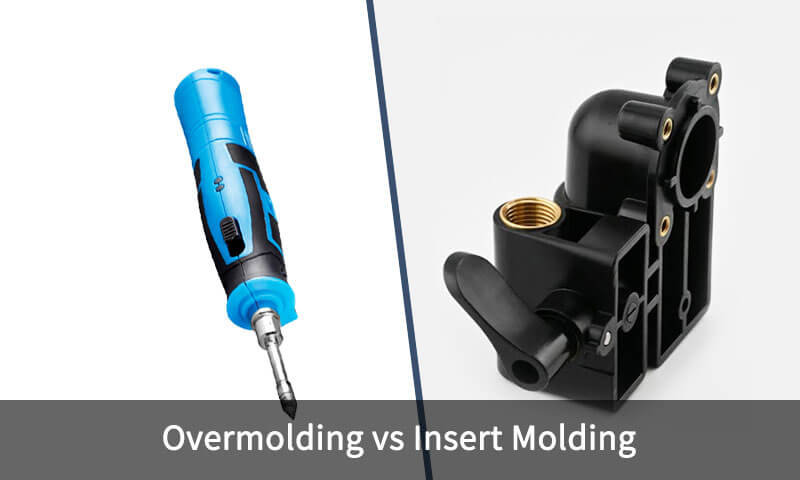
To vedlo k širokému přijetí vícemateriálových výrobních procesů. Mezi nimi, overmolding a insert forming jsou dvě z nejdůležitějších a často srovnávaných technik.
Ačkoli se tyto dva termíny někdy používají zaměnitelně, popisují různé výrobní přístupy a řeší různé inženýrské problémy.
Vstřikování obecně zahrnuje tvarování druhého materiálu přes existující substrát za účelem vytvoření vícemateriálové komponenty.
Vložte lištu, naopak, umístí předem vytvarovanou vložku – často kovovou – do vstřikovací formy a zapouzdří ji nebo částečně obklopí plastem.
Tento článek poskytuje komplexní, vedle sebe srovnání přelisování a vstřikování.
1. Co Je Overmolding?
Zalití je proces vstřikování, při kterém je jeden materiál nalisován na existující substrát nebo předem vylisovanou součást, aby se vytvořila integrovaná multimateriálová součást.
První složka je běžně označována jako substrát, zatímco materiál aplikovaný během operace sekundárního formování je overmold materiálu.
V závislosti na designu produktu, substrátem může být tuhý termoplast, elastomer, kovová součástka, nebo jiný vhodný předtvarovaný díl.
Typický zalisovaný komponent může kombinovat tuhý konstrukční materiál s měkčím materiálem.
Například, tuhé ABS pouzdro může být opatřeno přelitkem z TPE, aby bylo zajištěno pohodlné uchopení, zlepšit těsnění, nebo vytvořte ochranný vnější povrch.
Cílem není jednoduše umístit jeden materiál na druhý. Rozhraní mezi těmito dvěma materiály musí poskytovat dostatečnou adhezi, mechanické zadržení, nebo kombinaci obou, aby vydržely očekávané mechanické vlastnosti produktu, tepelný, chemikálie, a podmínky prostředí.
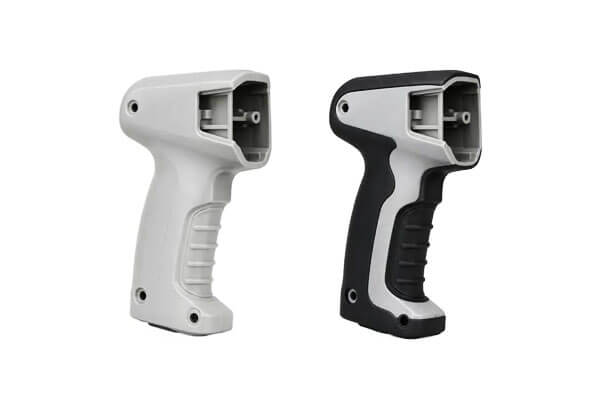
Jak Overmolding funguje
Proces formování obecně začíná výrobou substrátu.
To může zahrnovat samostatnou operaci vstřikování, proces obrábění, lisovací operace, proces lití, nebo jiný způsob výroby.
Po kontrole podkladu, je umístěn uvnitř druhé formy. Forma je navržena tak, aby odkryla oblasti, které potřebují přijmout materiál na nalisování, a zároveň přesně umístí a podepře substrát.
Sekundární materiál se poté zahřeje na vhodnou teplotu zpracování a vstříkne do dutiny formy.
Obtéká určené povrchy substrátu a tvoří požadovanou vnější geometrii.
Po naplnění a zabalení, materiál se ochladí a ztuhne před vyhozením hotové součásti.
Typický pracovní postup je:
Výroba substrátu → kontrola substrátu → nakládání formy → polohování → vstřikování sekundárního materiálu → balení → chlazení → vyhazování → kontrola
Kvalita konečného produktu silně závisí na designu rozhraní. Pokud je požadována chemická adheze, podklad a krycí materiál musí mít dostatečnou kompatibilitu.
Pokud je primárním mechanismem mechanická retence, substrát může vyžadovat drážky, žebra, díry, podříznutí, nebo jiné vlastnosti, které umožňují druhému materiálu zablokovat se v poloze.
Dalším důležitým faktorem je kontaminace povrchu. Olej, prach, uvolňovací prostředky, oxidace, vlhkost, nebo jiné nečistoty mohou interferovat s adhezí a vést k delaminaci nebo předčasné separaci.
Běžné zalévací materiály
Vstřikování může používat širokou škálu termoplastů a elastomerních materiálů, ale ne každá kombinace materiálů je ze své podstaty kompatibilní.
Výběr materiálu by měl vzít v úvahu teplotu taveniny, Chemická kompatibilita, srážení, koeficient tepelné roztažnosti, tvrdost, flexibilita, povrchové vlastnosti, a očekávané servisní podmínky.
Mezi běžné kombinace patří:
| Materiál substrátu | Overmold materiál | Typický účel |
| ABS | TPE | Pouzdra a rukojeti měkké na dotek |
| PC | TPE | Výrobky odolné proti nárazu s ergonomickým povrchem |
| Nylon | TPE/TPU | Průmyslové rukojeti a flexibilní rozhraní |
| PP | TPE | Spotřební výrobky a těsnění |
| PC/ABS | TPU | Ochranné a ergonomické povrchy |
| Pevný termoplast | Lsr | Těsnění a specializované flexibilní komponenty |
Typické aplikace přelití
Formování je zvláště užitečné, když produkt musí kombinovat strukturální vlastnosti s měkkostí, flexibilita, Těsnění, izolace, nebo zlepšenou ergonomii.
Overmolding se běžně používá pro:
- Rukojeti nářadí
- Automobilové spínače a ovladače
- Kryty spotřební elektroniky
- Součásti lékařského zařízení
- Nositelná zařízení
- Ochrana kabelů a vodičů
- Těsnící součásti
- Rukojeti a ergonomická rozhraní
- Ochranné kryty
- Ovládání průmyslových zařízení
2. Co je vkládací lisování?
Vložte lištu je proces vstřikování, ve kterém je předtvarovaná součást, známý jako an vložit, je umístěn uvnitř vstřikovací formy a poté částečně nebo zcela zapouzdřen roztaveným plastem.
Vložka je často vyrobena z kovu, i když plastové, keramický, elektronický, a mohou být také použity další předtvarované komponenty.
Na rozdíl od běžného vstřikování jednoho materiálu, Vložkové formování kombinuje nezávisle vyrobenou součást se vstřikovaným plastem během jedné lisovací operace.
Plast kolem vložky tuhne, výrobu integrovaného dílu, který může eliminovat následné montážní operace.
Například, mosazná závitová vložka může být umístěna uvnitř formy a obklopena nylonem.
Po formování, výsledná součást obsahuje trvalé kovové rozhraní se závitem bez nutnosti následné instalace závitové vložky.
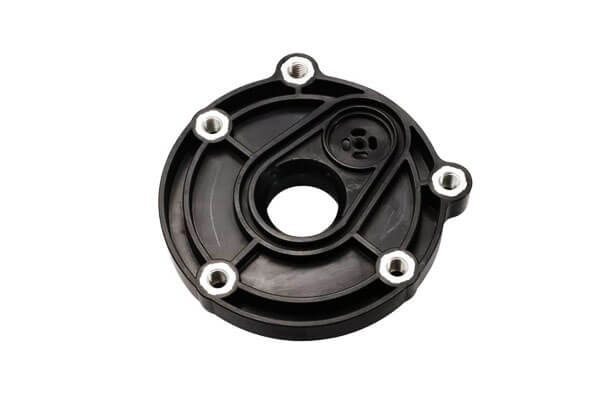
Jak funguje vložka
Lisování vložky začíná výrobou a kontrolou vložky. Rozměrová přesnost je zvláště důležitá, protože vložka musí správně sedět ve formě a udržovat si svou specifikovanou polohu po celou dobu vstřikování.
Vložka se pak vloží do formy ručně, poloautomaticky, nebo prostřednictvím automatizovaného nakládacího systému.
Vyhrazené přípravky, kolíky, dutiny, nebo mohou být použity retenční prvky, aby se zabránilo pohybu.
Jakmile se forma uzavře, roztavený plast je vstřikován kolem vložky. Vstřikovací tlak může být značný, takže forma musí poskytovat dostatečnou oporu, aby se zabránilo posunutí vložky, deformující se, nebo se vychýlí.
Plast pak kolem vložky chladne a tuhne. Po vyhození, hotová součást je zkontrolována na rozměrovou přesnost, pozice vložení, blikat, prázdnota, praskliny, a další vady.
Základní posloupnost je:
Výroba břitové destičky → kontrola břitové destičky → naložení břitové destičky → umístění a retence → uzavření formy → vstřikování plastů → chlazení → vyhození → kontrola
Pro velkosériovou výrobu, automatizované vkládání vložek může být integrováno do formovací buňky. To může zlepšit konzistenci cyklu a zároveň omezit ruční manipulaci.
Běžné materiály vložek
Kov je nejrozšířenějším materiálem vložky, protože poskytuje vlastnosti, které plasty obecně nemohou reprodukovat, jako je vysoká elektrická vodivost, trvanlivost závitu, ztuhlost, nosit odpor, nebo lokalizovaná mechanická pevnost.
Mezi běžné materiály vložek patří:
- Mosaz
- Nerez
- Uhlíková ocel
- Hliník
- Měď a slitiny mědi
- Technické plasty
- Keramika
- Elektronické součástky
Typické vstřikovací aplikace
Vkládací lišta se běžně používá, když výrobek vyžaduje, aby kov nebo jiná předtvarovaná součást byla trvale integrována do plastového těla.
Mezi typické aplikace patří:
- Závitové šéfy
- Elektrické konektory
- Automobilové terminály
- Senzorové pouzdra
- Spínací komponenty
- Lékařské nástroje
- Konstrukční výztužné komponenty
- Kabelové konektory
- Elektronické sestavy
- Přesné mechanické komponenty
3. Overmolding vs Insert Molding: Jaký je rozdíl?
Přestože obě technologie integrují více materiálů nebo komponent, jejich výrobní logika je jiná.
Nejjednodušší rozlišení je:
Overmolding přidává nový materiál na stávající substrát, zatímco tvarování vložky zapouzdřuje nebo obklopuje předem vytvarovanou vložku s vstřikovaným plastem.
Však, terminologie se může překrývat. V některých výrobních kontextech, tvarování vložek může být diskutováno jako širší forma tvarování, protože oba zahrnují tvarovací materiál kolem již existující součásti.
Pro inženýrskou komunikaci, však, je užitečné je rozlišit na základě role již existující komponenty.
Porovnání zalití vs vstřikování
| Faktor | Zalití | Vložit výlisek |
| Primární účel | Kombinujte různé vlastnosti materiálu | Integrujte předtvarovanou vložku do plastu |
| Již existující součást | Substrát | Vložit |
| Společný substrát/vložka | Plast, elastomer, kov | Kov, plast, keramický, elektronická součástka |
| Typická kombinace | Pevný plast + elastomer | Plast + kov |
| Mechanismus hlavního rozhraní | Přilnavost, mechanické blokování, nebo obojí | Zapouzdření, mechanické zadržení, v některých případech adheze |
| Klíčová starost o design | Kompatibilita materiálu | Umístění a uchycení vložky |
| Typická aplikace | Měkká rukojeť | Kovová vložka se závitem |
| Funkce povrchu | Rukojeť, pečeť, polštář, ochrana | Elektrický, mechanický, strukturální, upevnění |
| Automatizace | Vysoce automatizovatelné | Vysoce automatizovatelné, ale načítání vložek je kritické |
| Velké riziko | Delaminace nebo špatná vazba | Pohyb nebo nesouosost vložení |
4. Overmolding vs Insert Molding: Úvahy o návrhu
Konstrukční požadavky na vstřikování a vkládání se liší především proto, že oba procesy řídí různá rozhraní.
Overmolding se zaměřuje na vytvoření spolehlivého rozhraní mezi substrátem a nalisovaným materiálem, zatímco tvarování vložky se zaměřuje na přesné umístění a bezpečné zapouzdření předem vytvarované vložky.
| Zvažování designu | Zalití | Vložit výlisek |
| Kompatibilita materiálu | Vyberte kompatibilní podklady a materiály na nanášení na základě přilnavosti, teplota tání, srážení, tvrdost, a tepelnou roztažností. | Zajistěte, aby vložka vydržela tvarovací teplotu a tlak bez deformace nebo rozměrové nestability. |
| Geometrie & Tloušťka stěny | Udržujte stejnoměrnou tloušťku přelití a zajistěte dostatečnou lepicí plochu. Vyhněte se náhlým změnám tloušťky, které mohou způsobit smrštění, Warpage, nebo slabé spojení. | Zajistěte dostatečnou tloušťku plastu kolem vložky pro pevnost a použijte drážky, chrochtá, díry, nebo ramena, když je požadováno další zadržení. |
| Lepení & Udržení | Navrhněte rozhraní pro chemickou adhezi, mechanické blokování, nebo obojí, v závislosti na kompatibilitě materiálu. | Navrhněte mechanické uchycení a zapouzdření, aby odolalo vytažení a rotaci. |
| Brána & Materiálový tok | Umístěte závory, abyste dosáhli vyváženého plnění a minimalizovali svarové linie, zachycení vzduchu, a nadměrné napětí na rozhraní. | Pečlivě kontrolujte tok materiálu, abyste zabránili posunutí vložky, neúplné zapouzdření, nebo nadměrný tlak na vložku. |
Vložit / Umístění substrátu |
Substrát musí být během injektáže přesně umístěn a bezpečně držen. | Přesné umístění břitové destičky je rozhodující; polohovací kolíky, kapsy, příslušenství, nebo může být vyžadováno automatické umístění. |
| Srážení & Tepelná roztažení | Zvažte rozdíly ve smršťování a tepelné roztažnosti mezi substrátem a přelitím, abyste zabránili deformaci, zbytkové napětí, a delaminaci. | Zvažte rozdíly tepelné roztažnosti mezi vložkou a polymerem, zejména v aplikacích kov-plast, aby se zabránilo rozměrovým změnám a vnitřnímu napětí. |
| Návrh & Vyhazování | Zajistěte dostatečný tah a správně umístěné vyhazovače, aby se díl uvolnil bez poškození přelitku nebo rozhraní. | Navrhněte tah a vyhazování pečlivě, abyste zabránili pohybu vložky, deformace, nebo uvolnění při demontáži. |
Tolerance |
Zohledněte rozměry substrátu, tloušťka přelitku, Zmenšení materiálu, a možný pohyb rozhraní. | Zohledněte rozměry vložky, přesnost polohování, smrštění polymeru, a konečné umístění vložení. |
| DFM & Tok plísní | Vyhodnoťte oblast lepení, materiálový tok, Tloušťka stěny, umístění brány, a diferenciální smrštění před obráběním. | Vyhodnoťte retenci vložky, umístění, tok polymeru, tepelné chování, a potenciální posunutí břitové destičky před obráběním. |
| Kontrola kvality | Zaměřte se na pevnost spojení, tloušťka přelitku, blikat, delaminace, Warpage, a rozměrová přesnost. | Zaměřte se na pozici vložení, retenční pevnost, zapouzdření, blikat, prázdnota, a rozměrová přesnost. |
5. Zakázkové přelití a vstřikovací služby od LangHe Industry
Langhe Industry poskytuje přizpůsobená řešení vstřikování pro aplikace, které vyžadují přelisování, vložit lištu, a další integrované technologie lisování.
Náš výrobní přístup může podporovat projekty od počátečního vývoje produktu a nástrojů přes výrobu a kontrolu kvality.
| Schopnost | Podrobnosti |
| Typy přelití | Dvouranný (2K) přelití, přelití typu pick-and-place. |
| Vložit výlisek | Kovové vložky (mosaz, ocel, měď), keramické vložky, elektronické vložky (PCB, senzory). |
| Materiály (Substrát) | ABS, PC, Nylon (PA6, PA66), PP, PBT. |
| Materiály (Overmold) | TPE, TPU, Lsr, DPH, silikon. |
| Nástroje | Vlastní návrh a výroba nástrojů. |
| Kvalitní | ISO 9001:2015 certifikovaný; 100% inspekce. |
| Dodací lhůta | 2– 4 týdny u prototypů; 4–8 týdnů pro výrobní nástroje. |
6. Závěr
Overmolding vs vkládací lišta nejde o to určit, který proces je obecně lepší. Obě jsou vysoce účinné technologie vstřikování, ale řeší různé požadavky na vývoj produktů.
Overmolding je primárně vhodný pro produkty, které potřebují kombinovat různé materiálové charakteristiky v rámci jedné integrované součásti.
Je zvláště cenný pro povrchy měkké na dotek, ergonomické rukojeti, flexibilní těsnění, Polstrování, izolace, a ochranné vrstvy.
Jeho úspěch do značné míry závisí na materiálové kompatibilitě, design rozhraní, přilnavost, mechanické blokování, a diferenciální regulace smršťování.
Vložte lištu, naopak, je zvláště efektivní, když předtvarovaná součást – často kovová vložka – musí být trvale integrována do plastové konstrukce.
Je široce vhodný pro závitová rozhraní, elektrické terminály, výztužné komponenty, senzory, konektory, a další aplikace, kde plast a jiný materiál plní doplňkové funkce.
Nakonec, výběr procesu by měl vycházet z celého výrobního systému, včetně materiálního chování, geometrie produktu, nástroje, bonding nebo retenční strategie, Objem výroby, automatizace, inspekce, a náklady na životní cyklus.
Časté časté
Jaký je rozdíl mezi vložkovým lisováním a dvouvstřikovým lisováním?
Vložka používá a předtvarovaná vložka který se umístí do formy před vstřikováním plastu.
Dvojité lisování obvykle produkuje dva materiály postupně pomocí specializovaných nástrojů a více stupňů vstřikování, často bez ručního vkládání samostatně vyrobeného substrátu mezi snímky.
Který proces je rychlejší: přelití nebo vložkování?
Formování vložek je obecně rychlejší, protože využívá jeden vstřikovací výstřik. Zalití vyžaduje dva výstřely nebo vícestupňový proces.
Který proces má nižší náklady na nástroje?
Lisování vložek má nižší náklady na nástroje, protože vyžaduje pouze jednu dutinu formy. Přelisování vyžaduje dvě samostatné formy nebo složitou dvouvstřikovou formu.
Kdy mám použít overmolding?
Použijte overmolding, když potřebujete měkké rukojeti, vodotěsné těsnění, Tlumení vibrací, nebo zlepšenou estetiku.
Kdy mám použít vložkovou lištu?
Pokud potřebujete vysoce pevné závitové spoje, použijte vložkové tvarování, Elektrická vodivost, nebo konstrukční vyztužení v plastových dílech.
Lze použít přelití a vložku společně?
Ano. Některé složité části kombinují oba procesy — například, vložkou lisovaný kovový závit s přelisovaným měkkým úchopem na stejné součásti.
Vložkové lití je typ přelití?
Terminologie se může překrývat, protože oba zpracovávají materiál formy kolem již existující součásti.
Však, v praktické výrobní terminologii, přelití obvykle klade důraz na přidání další vrstvy materiálu nebo materiálového systému, zatímco vložit lištu specificky zdůrazňuje zapuštění předtvarované vložky do lisované součásti.
Může být použit kov při zalévání?
Ano. Kovové substráty mohou být přelity vhodnými plasty nebo elastomery.
Však, proces musí počítat s přípravou povrchu, Tepelná roztažení, přilnavost, mechanické zadržení, a diferenciální smrštění.