

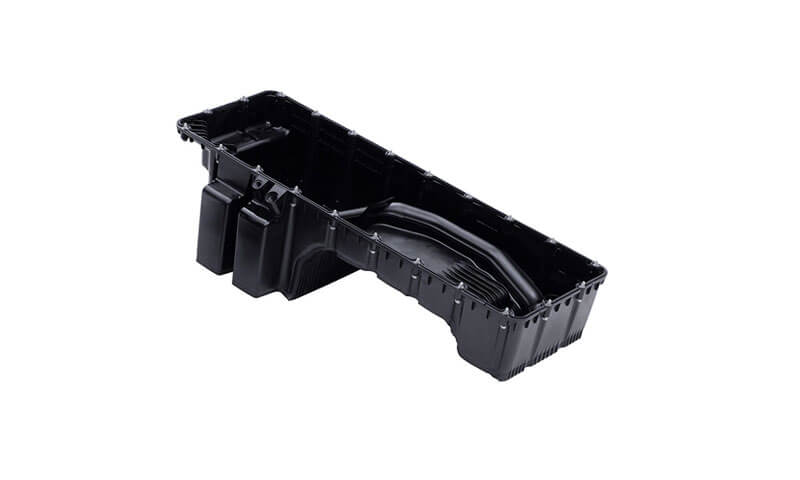
Научите о хемији полиамида, кључне механичке и термичке особине, Производни начини, појачане оцене, предности, ограничења, рециклирање, и индустријске апликације.
Полиамид је једна од најсвестранијих и најраспрострањенијих породица инжењерских полимера на свету.
Од четкице за зубе у вашем купатилу до зупчаника високих перформанси у аутомобилским моторима, од влакана у вашој одећи до структурних компоненти у примени у ваздухопловству, полиамиди су свуда.
Њихова изузетна комбинација механичке чврстоће, отпорност на хабање, хемијска стабилност, а обрадивост их је учинила незаменљивим у небројеним индустријама.
У комерцијалној инжењерској пракси, термин најлон се често користи наизменично са полиамидом.
Иако је ово широко прихватљиво за многе уобичајене материјале као што су ПА6 и ПА66, полиамид је заправо шира научно-техничка класификација.
Породица укључује конвенционалне алифатске најлоне, дуголанчани полиамиди, високотемпературни полуароматични полиамиди, и високо специјализоване ароматичне полиамиде као што су арамиди.
1. Шта је полиамид?
Полиамид (Отац) је класа полимера који садрже понављајуће амидне групе у главном молекулском ланцу. Амидна веза се обично представља као:
–ЦО–НХ–
Амидна веза се формира реакцијом кондензације између групе карбоксилне киселине (–ЦООХ) и аминска група (–НХ₂).
Генеричка хемијска структура полиамида може се представити као:
-[–ЦО–Р–ЦО–НХ–Р’–НХ–]-
Где су Р и Р' угљоводонични ланци различите дужине.
Ове хемијске везе које се понављају разликују полиамиде од других главних породица полимера, као што је полиетилен, полипропилен, поликарбонат, и полиестер.
Полиамиди се могу произвести из различитих мономерних система, што резултира материјалима са значајно различитим молекуларним структурама и карактеристикама перформанси.
У зависности од хемијског састава, полиамид може бити релативно флексибилан и отпоран на влагу, веома крут и отпоран на хабање, или способан за рад на повишеним температурама.
На молекуларном нивоу, амидне групе су поларне и могу да формирају водоничне везе између суседних полимерних ланаца.
Ове интермолекуларне силе помажу у стварању релативно јаке и кохезивне полимерне структуре. Као резултат, многи полиамиди пружају:
- Висока затезна чврстоћа и крутост
- Добра жилавост и отпорност на замор
- Одлична отпорност на хабање и хабање
- Ниско трење под погодним условима
- Добра отпорност на уља, горива, и многе индустријске хемикалије
- Корисне термичке перформансе
- Снажан потенцијал за ојачање стакленим влакнима, карбонски влакник, или минерална пунила
За разлику од термореактивних полимера, комерцијално најважнији инжењерски полиамиди су термопластика.
Оне се омекшавају или топе када се загреју и могу се прерађивати методама као што су бризгање и екструзија.
Ова могућност обраде учинила је полиамид посебно важним у модерној производњи јер се сложене компоненте често могу економично производити у великим количинама уз одржавање добрих механичких перформанси..
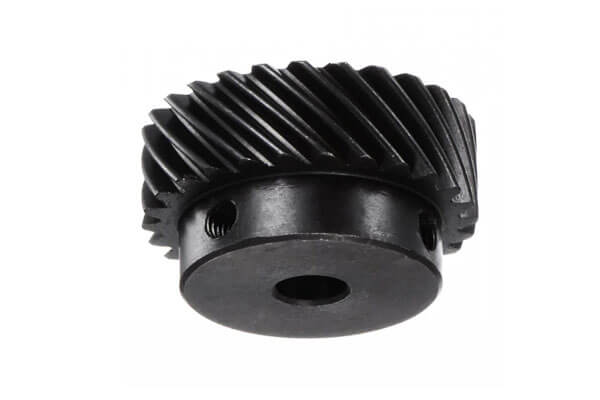
Однос између полиамида и најлона
Термин најлон године први пут је представио ДуПонт 1938 за свој полиамид 6,6 (ПА66), који се користио у влакнима и текстилу.
Временски, најлон је постао генерички назив за алифатичне полиамиде — најчешћи тип полиамида — и често се користи наизменично са полиамидом у потрошачком и индустријском контексту.
Међутим, полиамид је шири научни појам који обухвата:
| Уписати | Примери | Опис |
| Алифатични полиамиди | ПА6, ПА66, ПА11, ПА12 | Најчешћи полиамиди; познат и као најлон. |
| Ароматични полиамиди (Арамиди) | Кевлар®, Номек® | Високе перформансе; ароматични прстенови у кичми. |
| Полуароматични полиамиди | ППА (Полифталамид) | Перформансе на високим температурама; ароматичне + алифатске јединице. |
| Полиамид-Имидес | ПАИ (Торлон®) | Високе перформансе; имидне групе поред амидних група. |
Кључна тачка: Сви најлони су полиамиди, али нису сви полиамиди најлони. Термин „полиамид“ је исправан технички израз за целу породицу.
2. Како се прави полиамид?
Полиамид се производи стварањем дугих полимерних ланаца који садрже понављање амидне везе (–ЦОНХ–).
У зависности од разреда, комерцијални полиамиди се углавном производе кроз било кондензациона полимеризација или полимеризација са отварањем прстена.
Кондензациона полимеризација
Многи полиамиди, нарочито ПА66, настају реакцијом диамина са дикарбоксилном киселином. Реакција формира амидне везе док ослобађа мале молекуле, обично вода.
На пример, ПА66 се производи од хексаметилендиамин и адипинску киселину.
Прецизна контрола односа мономера, температура, притисак, а време полимеризације је битно јер ови фактори утичу на молекулску тежину, вискозност, кристалност, и коначне механичке перформансе.
Полимеризација отварања прстена
Друге важне оцене, као што је ПА6, се обично производе полимеризацијом са отварањем прстена капролактам.
Под контролисаном температуром и притиском, циклични молекули капролактама се отварају и повезују заједно да формирају дуголанчане ПА6 полимере.
Ова рута омогућава ефикасну производњу великих размера и широко се користи за инжењерску пластику, влакна, филмови, и обликоване компоненте.
Компаундирање и модификација полимера
После полимеризације, основни полиамид се може даље модификовати мешањем.
Произвођачи могу укључити стаклена влакна, карбонска влакна, минерална пунила, модификатори утицаја, успоривачи пламена, мазива, или стабилизатори да прилагодите материјал за специфичне примене.
Готови полимер се обично пелетизира и испоручује као грануле за накнадну обраду бризгање, екструзија, калупање, или друге методе производње полимера.
3. Главни типови и разреди полиамида
Полиамид није један материјал већ широка породица полимера са значајно различитим молекуларним структурама, топлотно понашање, апсорпција влаге, механичка својства, и карактеристике обраде.
Алифатични полиамиди (Најлонке)
Алифатски полиамиди представљају највећу и комерцијално најважнију групу полиамида.
Они се широко користе у бризгању, екструзија, производња влакана, и других индустријских процеса јер нуде повољан однос механичке чврстоће, отпорност на хабање, Процесност, и коштати.
| Разреда | Типични опсег топљења (° Ц) | Кључна својства | Типичне апликације |
| ПА6 | 215–225 | Добра жилавост, отпорност на ударце, отпорност на хабање, и обрада; релативно висока апсорпција влаге. | Аутомобилски делови, зупчаници, кућишта, Индустријске компоненте, влакна. |
| ПА66 | 255–265 | Већа снага, укоченост, отпорност на топлоту, и отпорност на пузање од ПА6. | Зупчаници, лежајеви, чашица, причвршћивачи, Електричне компоненте, аутомобилски делови испод хаубе. |
| ПА11 | 185–195 | Одлична флексибилност и отпорност на ударце; ниска апсорпција влаге и добра хемијска отпорност. | Флексибилне цеви, пнеуматски водови, кабловске јакне, системи за аутомобилске течности. |
| ПА12 | 175–185 | Веома ниска апсорпција влаге, Одлична хемијска отпорност, флексибилност, и димензионална стабилност. | Цијеви за гориво, пнеуматске цеви, медицинска цев, изолација каблова, Прецизне компоненте. |
ПА610 |
215–225 | Боља стабилност димензија и мања апсорпција влаге од ПА6 и ПА66. | Електрични конектори, кабловске компоненте, Индустријски делови, чекиње. |
| ПА612 | 210-220 | Добра жилавост, хемијска отпорност, Димензионална стабилност, и смањена апсорпција воде. | Линије за аутомобилску течност, Електричне компоненте, цеви, прецизно обликовани делови. |
| ПА1010 | 195–205 | Потенцијал сировине делимично или у великој мери на биолошкој бази; ниска апсорпција влаге и добра жилавост. | Одрживи потрошачки производи, Аутомобилске компоненте, Индустријске апликације. |
Полуароматични полиамиди
Полуароматични полиамиди комбинују сегменте алифатичног ланца са ароматичним структурама.
Ароматични прстенови повећавају молекуларну крутост и термичку стабилност, омогућавајући овим материјалима да раде на температурама изван практичног опсега конвенционалних ПА6 или ПА66.
| Материјална породица | Репрезентативне оцене | Типични опсег топљења (° Ц) | Кључне карактеристике | Типичне апликације |
| ППА | ПА6Т/66, ПА6Т/6И, ПА9Т и сродни кополиамиди | Приближно. 280–330* | Висока отпорност на топлоту, висока крутост, добра хемијска отпорност, ниско пузање, и побољшану стабилност димензија. | Аутомобилске компоненте испод хаубе, конектори за високе температуре, ЛЕД компоненте, Делови пумпе. |
| Полиамиди на бази ПА6Т | ПА6Т и кополимеризовани ПА6Т системи | Често изнад 300 за композиције са високим ПА6Т* | Веома висока термичка стабилност, одлична снага, и добро задржавање механичких својстава на повишеним температурама. | Електрични и електронски конектори, Аутомобилске компоненте, Индустријска опрема. |
ПА9Т |
Полиамид 9Т | Приближно. 300–310* | Висока отпорност на топлоту, релативно ниска апсорпција влаге, одлична стабилност димензија и хемијска отпорност. | Електроника за површинску монтажу, конектори, прецизне електричне компоненте. |
Ароматични полиамиди (Арамиди)
Ароматични полиамиди, уобичајено познати арамиди, представљају класу високих перформанси у којој ароматични прстенови чине главни део полимерне кичме.
Њихова крута молекуларна структура даје им изузетну затезну чврстоћу, модул, топлотна стабилност, и—у неким разредима—отпорност на пламен.
| Арамидни тип | Репрезентативни материјал | Молецулар Струцтуре | Кључна својства | Типичне апликације |
| Пара-арамид | Кевлар® | Пара-оријентисани ароматични полиамид | Изузетно висока затезна чврстоћа и модул, Одлична отпорност на ударце, и добра термичка стабилност. | Балистичка заштита, ваздухопловних композита, арматурни каблови, гуме, ужад, спортска опрема. |
| Мета-арамид | Номек® | Мета-оријентисани ароматични полиамид | Одлична отпорност на пламен, топлотна стабилност, електрична изолација, и отпорност на излагање топлоти. | Заштитна одећа, електрична изолација, ваздухопловне унутрашњости, средства за филтрирање. |
Полиамид-Имиде (ПАИ)
Полиамид-имид представља фамилију полимера ултра високих перформанси која комбинује амидне и имидне функционалне групе унутар молекуларне структуре.
Резултат је материјал са изузетном термичком стабилношћу, механичка чврстоћа, отпорност на хабање, и могућност оптерећења.
Један од најпознатијих комерцијалних примера је Торлон® ПАИ.
| Материјал | Цхемицал Фамили | Кључна својства | Типичне апликације |
| ПАИ | Полиамид-имид | Изузетно висока чврстоћа и крутост, Одлична отпорност на хабање, ниско пузање, Изузетна топлотна стабилност, и добре перформансе под великим механичким оптерећењима. | Лежајеви, чашица, печат, Компресорски компоненти, Аероспаце делови, полупроводничка опрема, високотемпературне индустријске компоненте. |
4. Кључна својства полиамида
Перформансе полиамида су одређене његовом молекуларном структуром, посебно концентрација амидних група, молекулска тежина, кристалност, и равнотежа између флексибилних алифатичних сегмената и крутих ароматичних структура.
Механичка чврстоћа и крутост
Већина полиамида инжењерског квалитета пружа повољан однос снаге и тежине.
ПА6 и ПА66, на пример, се широко користе за зупчанике, заграде, кућишта, клипови, и структурне компоненте јер могу да издрже поновљена механичка оптерећења док остају лакши од челика, алуминијум, или легуре цинка.
Механичка својства полиамида могу значајно да варирају у зависности од стања влаге.
Зато што амидне групе привлаче молекуле воде, апсорбована влага може деловати као пластификатор.
Ово генерално смањује крутост и затезну чврстоћу док повећава флексибилност и отпорност на ударце.
Ојачање стакленим влакнима може значајно повећати крутост и снагу.
Ојачана компонента ПА66 може постићи модул који је неколико пута већи од модула непуњеног полимера, што га чини погодним за захтевне аутомобилске и индустријске примене.
Жилавост и отпорност на ударање
Полиамид генерално показује добру отпорност на удар и поновљено оптерећење.
ПА6 и ПА66 нуде користан баланс између крутости и жилавости, док су дуголанчани типови као што су ПА11 и ПА12 посебно цењени због флексибилности и ударних перформанси, посебно на ниским температурама.
Ова карактеристика чини полиамид погодним за компоненте изложене вибрацијама, шок, циклични стрес, и механичко кретање.
Аутомобилски клипови, системи заштите каблова, пнеуматске цеви, а индустријска кућишта су типични примери.
Међутим, учинак утицаја зависи од неколико фактора, укључујући температуру, Садржај влаге, кристалност, дебљина зида, и ниво појачања.
Високо напуњени или високо кристални слојеви могу понудити већу крутост, али смањену отпорност на удар.
Отпорност на хабање и перформансе ниског трења
Полиамид се широко користи у триболошким апликацијама због своје добре отпорности на абразију и релативно ниског коефицијента трења.
Компоненте као што су зупчаници, чашица, лежајеви, ваљци, водичи, и хабајући јастучићи могу да раде са смањеном буком и, у неким случајевима, без спољашњег подмазивања.
За захтевне клизне апликације, полиамид се може модификовати адитивима као нпр:
- ПТФЕ за мање трење;
- Молибден дисулфид за побољшано клизање;
- Стаклена влакна за повећану крутост;
- Карбонска влакна за повећану чврстоћу и топлотну проводљивост;
- Чврста мазива за побољшане перформансе у раду на суво.
Коначно понашање при хабању у великој мери зависи од материјала за спајање, површински притисак, брзина клизања, температура, и услове подмазивања.
Термичке перформансе
Полиамиди генерално пружају бољу отпорност на топлоту од обичне пластике као што су полипропилен и полиетилен. Међутим, термичка способност значајно варира између разреда.
ПА6 и ПА66 су погодни за многе апликације на умерено повишеним температурама, док су полуароматични полиамиди као што је ППА дизајнирани за захтевнија окружења, укључујући аутомобилске компоненте испод хаубе и електричне конекторе за високе температуре.
Тачка топљења, температура отклона топлоте, и сталну радну температуру треба узети у обзир при одабиру полиамида.
Ојачање може додатно побољшати стабилност димензија на повишеним температурама, иако може утицати и на жилавост и обрадивост.
Апсорпција влаге и стабилност димензија
Апсорпција влаге је једно од најважнијих инжењерских разматрања када се користи полиамид.
Амидне групе у структури полимера могу да апсорбују воду из околног окружења, изазивајући промене димензија и механичких својстава.
Полиамиди кратког ланца као што су ПА6 и ПА66 генерално апсорбују више влаге него дуголанчани полиамиди као што су ПА11 и ПА12.
Ова карактеристика се мора узети у обзир при пројектовању прецизних компоненти.
Толеранције димензија треба да узму у обзир и скупљање у производњи и потенцијално окружење током рада.
Хемијска отпорност
Полиамид се генерално добро понаша када је изложен уљима, масти, горива, и многи угљоводоници.
Ово је један од разлога зашто се ПА материјали широко користе у аутомобилским системима горива, Индустријска опрема, и апликације за руковање течностима.
Међутим, хемијска отпорност није универзална. Јаке киселине, јаки оксиданти, одређени растварачи, а продужено излагање хемикалијама на високим температурама може деградирати полимер.
Одабир материјала стога треба да узме у обзир комплетно услужно окружење, а не да се ослања само на општу класификацију материјала као „хемијски отпорног“.
Електрична својства
Полиамид је природно електрично изолован и широко се користи за електричне конекторе, кућишта терминала, калемови за формирање, и изолационих компоненти.
Међутим, апсорбована влага може утицати на диелектрична својства и отпорност површине.
За високонапонске или високопоуздане електричне апликације, инжењери често бирају разреде посебно формулисане за електричне перформансе, отпорност на пламен, ниска апсорпција влаге, или стабилност на високим температурама.
5. Методе производње и обраде полиамида
Полиамид је термопластични материјал, омогућавајући да се омекша загревањем и формира коришћењем различитих производних процеса.
Оптимална метода обраде зависи од врсте полимера, геометрија компоненти, Јачина производње, Димензионална толеранција, захтеви површине, и систем арматуре.
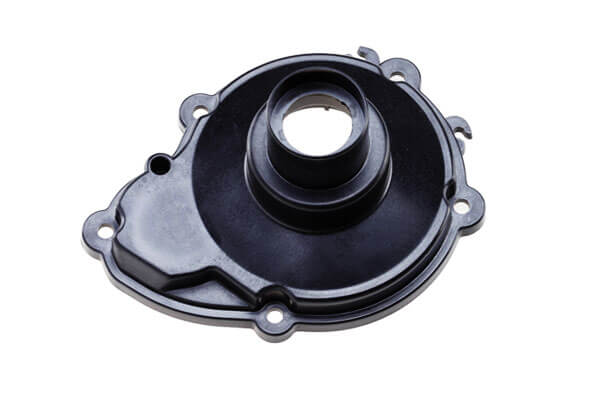
Ињецтион Молдинг
Убризгавање је једна од најважнијих метода производње за инжењеринг полиамидних компоненти.
Осушене полимерне пелете се топе у загрејаној бурету и убризгавају под притиском у прецизни калуп.
Процес је посебно погодан за производњу комплекса, компоненте велике запремине са доследном геометријом.
Типичне апликације укључују:
- Зупчаници и механичке компоненте;
- Аутомобилске копче и носачи;
- Електрични конектори;
- Компоненте уређаја;
- Кућишта и кућишта;
- Прецизни индустријски делови.
Пошто полиамид може апсорбовати влагу, правилно сушење смоле пре обликовања је критично
Полиамиди ојачани стакленим влакнима се такође често бризгају, иако дизајн калупа и услови обраде морају узети у обзир оријентацију влакана, повећан вискозитет, и анизотропно скупљање.
Екструзија
Екструзија се користи за континуирану производњу полиамидних производа са константним попречним пресеком. Растопљени полимер се провлачи кроз обликовану матрицу, а затим се хлади и димензионира.
Уобичајени екструдирани производи укључују цеви, цеви, филмови, листови, шипке, изолација каблова, и инжењерских профила.
ПА11 и ПА12 су посебно важни за флексибилне цеви због њихове комбинације хемијске отпорности, флексибилност, и релативно ниска апсорпција влаге.
У профилисању и екструзији цеви, контрола температуре, стабилност топљења, брзина хлађења, и калибрација димензија су од суштинског значаја за одржавање конзистентне дебљине и геометрије зида.
Калупање
Обликовање дувањем се користи када су потребне компоненте шупљег полиамида. Загрејана полимерна цев или предформа се шири унутар калупа помоћу ваздушног притиска.
Полиамидно дување се обично користи за резервоаре за аутомобилску течност, канали, компоненте система за гориво, и специјализовани индустријски контејнери.
Вишеслојне структуре се такође могу произвести када су потребна додатна својства баријере.
Компресијско и трансферно обликовање
Иако мање уобичајено од бризгања за стандардне термопластичне полиамиде, компресијско обликовање може бити корисно за велике, високо ојачана, или специјализоване компоненте.
Процес може да прихвати одређене материјале ојачане дугим влакнима и може се изабрати када је тешко постићи геометрију дела или архитектуру ојачања конвенционалним бризгањем..
ЦНЦ обрада
Полиамид се такође може машински обрађивати од екструдираних или ливених материјала помоћу ЦНЦ стругања, глодање, бушење, и други субтрактивни процеси.
ЦНЦ обрада је посебно корисно за:
- Развој прототипа;
- Производња мале количине;
- Велике компоненте;
- Делови који захтевају карактеристике које је тешко обликовати;
- Компоненте које захтевају строге толеранције накнадне обраде.
Међутим, промене димензија које се односе на влагу морају се узети у обзир приликом обраде прецизних полиамидних компоненти. У идеалном случају, кондиционирање материјала треба контролисати пре завршне инспекције.
Додатна производња
Неколико полиамидних материјала, посебно ПА12 и ПА11, се широко користе у технологијама адитивне производње као нпр Селективно ласерско синтеровање (СЛС) и Мулти Јет Фусион (Мјф)
Ови процеси су посебно погодни за прототипове, прилагођени производи, Сложене унутрашње геометрије, и производња малог до средњег обима.
У поређењу са бризгањем, адитивна производња елиминише потребу за наменским алатом, али генерално укључује веће јединичне трошкове при великим количинама производње.
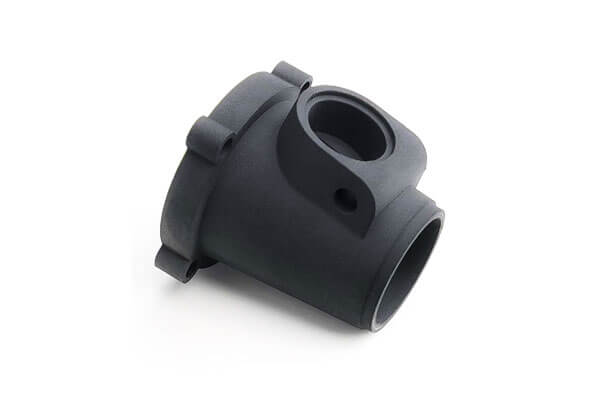
6. Ојачани и модификовани полиамидни материјали
Непуњени полиамид пружа уравнотежену комбинацију снаге, жилавост, отпорност на хабање, и обрада.
Међутим, многе инжењерске апликације захтевају својства изван оних стандардних ПА6 или ПА66.
Из тог разлога, полиамид се често комбинује са ојачавајућим влакнима, минерална пунила, модификатори утицаја, успоривачи пламена, мазива, и други функционални адитиви.
| Модификовани тип полиамида | Примари Модифицатион | Главно побољшање перформанси | Типичне апликације |
| ПА ојачан стакленим влакнима | Стаклена влакна | Снага, укоченост, отпорност на топлоту | Аутомобилске конструкције, конектори, машинерија |
| ПА ојачан карбонским влакнима | Карбонска влакна | Висока специфична чврстоћа и крутост | Ваздухопловство, роботика, Делови високих перформанси |
| ПА пуњена минералима | Талк, мица, минерали | Димензионална стабилност, доње скупљање | Кућишта, велике прецизне компоненте |
| Ударно модификована ПА | Модификатори еластомера | Побољшана жилавост и отпорност на ударце | Аутомобилске и заштитне компоненте |
ПА отпоран на пламен |
Адитиви отпорни на пламен | Побољшане ватрене перформансе | Електричне и електронске компоненте |
| Самоподмазујући ПА | ПТФЕ, МоС₂, адитиви за подмазивање | Смањено трење и хабање | Лежајеви, зупчаници, клизни делови |
| Цондуцтиве ПА | Проводна пунила на бази угљеника | ЕСД контрола или електрична проводљивост | Електроника и опрема осетљива на статички електрицитет |
7. Предности и ограничења полиамида
Кључне предности
- Висока специфична чврстоћа: Изузетан однос снаге и тежине омогућава исплативу замену метала у конструкцијским апликацијама.
- Одличне перформансе хабања: Инхерентна својства самоподмазивања елиминишу потребу за спољним подмазивањем у многим апликацијама са малим и средњим оптерећењем.
- Добра хемијска отпорност: Изузетна толеранција на уља, горива и масти за аутомобилску и индустријску средину.
- Широка обрадивост: Компатибилан са свим главним методама производње термопласта са добром течљивошћу талине.
- Висока ударна жилавост: Одржава добру дуктилност у широком температурном опсегу, посебно код степена модификованих на удар.
- Разноврсна формулација: Лако ојачана, очврснуо, отпоран на пламен и сложен за циљане перформансе.
- Добра електрична изолација: Довољне диелектричне перформансе за већину општих електричних и електронских апликација.
Инхерентна ограничења
- Висока апсорпција влаге: Стандардне класе апсорбују значајну атмосферску воду, изазивајући промену димензија и варијације својстава — највеће појединачно ограничење дизајна.
- Димензиона варијабилност: Веће скупљање калупа и бубрење изазвано влагом захтевају пажљив дизајн толеранције.
- Крхкост на ниским температурама: Немодификовани стандардни слојеви постају крхки на температурама испод нуле и захтевају модификацију на удару за хладну употребу.
- Ограничена јака отпорност на киселине/алкалије: Разграђује се у јаким минералним киселинама и концентрованим алкалним растворима.
- Захтев за сушење обраде: Обавезно претходно сушење додаје кораке процеса и трошкове енергије у односу на нехигроскопну пластику.
- УВ разградња: Нестабилизовани слојеви деградирају под продуженим излагањем УВ зрачењу и захтевају стабилизацију за спољашњу употребу.
8. Примене полиамида
Комбинација механичке чврстоће, отпорност на хабање, ниска тежина, хемијска отпорност, и флексибилност производње омогућава полиамиду да служи у апликацијама у распону од потрошачких производа до висококонструисаних аутомобилских и индустријских компоненти.
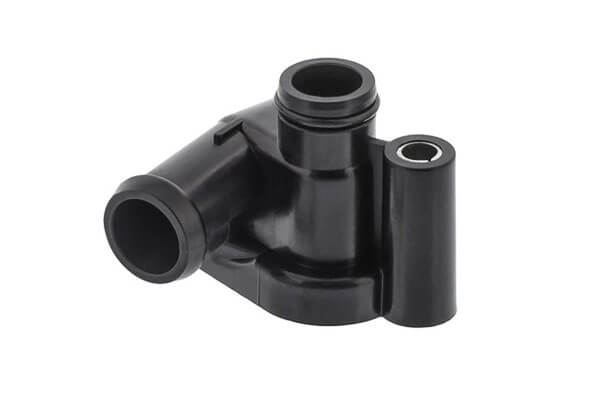
Аутомобилска индустрија
Аутомотиве инжењеринг је једна од највећих области примене инжењерских полиамида.
ПА6, ПА66, а ојачани слојеви се широко користе за замену металних компоненти где се смањује тежина, отпорност на корозију, и интегрисано обликовање су предност.
Типичне компоненте укључују:
- Поклопци и носачи мотора
- Компоненте за довод ваздуха
- Компоненте расхладног система
- Водилице и копче за каблове
- Кућишта зупчаника
- Кавези за лежајеве
- Компоненте система горива
- Електрични конектори
- Структурни носачи
- Компоненте вентилатора и ременице
ПА66 ојачан стакленим влакнима је посебно важан за апликације испод хаубе јер појачање побољшава крутост, отпорност на пузање, и димензионална стабилност.
Електрична и електроника
Полиамид се широко користи за електричне компоненте због својих изолационих својстава, механичка чврстоћа, и способност бризгања.
Апликације укључују Кућишта конектора, терминални блокови, кабловске уводнице, прекидачи, кућишта сензора, компоненте за заштиту кола, и електричних кућишта.
Отпорне на ватру се често бирају тамо где регулаторни захтеви захтевају контролисано паљење и ширење пламена.
Индустриал Мацхинери
У машинама, полиамид се често користи тамо где лаке компоненте морају да издрже поновљена механичка кретања.
Уобичајени примери укључују:
- Зупчаници и зупчаници
- Чауре и лежајеви
- Ваљци
- Носите траке
- Водилице
- Носачи каблова
- Компоненте заптивања
- Чувари машина
- Компоненте транспортера
У поређењу са металним компонентама, полиамидни делови могу смањити тежину, бука, и захтеви за подмазивањем у одређеним применама.
Руковање течностима и цеви
ПА11 и ПА12 су посебно вредни за примене у цевима и течностима јер комбинују флексибилност, хемијска отпорност, ниска густина, и релативно ниска апсорпција влаге.
Користе се за пнеуматске цеви, хидрауличне водове, водови за гориво, компоненте које се односе на кочнице, омотач каблова, и индустријска црева, у зависности од конкретног разреда и важећих стандарда.
Потрошачки и комерцијални производи
Полиамид се такође широко користи у потрошачким производима где су издржљивост и отпорност на ударе важни.
Примери укључују компоненте електричног алата, Спортска опрема, причвршћивачи, кућишта, ручке, точкови, механичке арматуре, и разне ливене компоненте.
Медицинске и здравствене апликације
Специјализоване врсте полиамида могу се користити за одабране примене у медицини и здравству, укључујући цеви, компоненте инструмента, делови за руковање течношћу, и одређени уређаји за једнократну или вишекратну употребу.
За ове апликације, међутим, биокомпатибилност, отпорност на стерилизацију, екстрактиви, Хемијска компатибилност, и применљиви регулаторни захтеви морају бити процењени за специфичну класу, а не претпостављени из општих својстава полиамида.
9. Полиамид вс. Остале инжењерске пластике
Полиамид није универзално супериоран у односу на друге инжењерске пластике.
Сваки полимер има другачији профил перформанси, а одговарајући избор зависи од фактора као што су механичко оптерећење, трење, температура, Хемијска изложеност, влагу, Димензионални захтеви, и коштати.
| Имовина / Фактор | Полиамид (Отац) | Полиоксиметилен (ПОМ) | Полипропилен (Пп) | Полиетхер Етер Кетон (Завирити) |
| Класа материјала | Инжењерски термопласт | Инжењерски термопласт | Робни/полуинжењерски термопласти | Инжењерски термопласт високих перформанси |
| Типична снага | Добро до високо | Добри | Умерен | Веома висок |
| Укоченост | Добри; виши са појачањем | Добри | Умерен | Одличан |
| Отпорност на ударце | Добро до одлично | Добри | Добро до одлично | Добри |
| Отпорност на хабање | Добро до одлично | Одличан | Умерен | Одличан |
| Трење | Низак до умерен | Врло низак | Низак | Низак |
| Апсорпција влаге | Умерено до високо за ПА6/ПА66; ниже за ПА11/ПА12 | Врло низак | Врло низак | Врло низак |
| Димензионална стабилност | Умерен; у неким разредима снажно утиче влага | Одличан | Добри | Одличан |
| Температурна способност | Умерен до високо, Зависно од разреда | Умерен | Релативно низак | Одличан |
| Хемијска отпорност | Добри | Добри | Одличан | Одличан |
| Електрична изолација | Добри | Добри | Одличан | Одличан |
| Отпорност на умор | Добри | Одличан | Добри | Одличан |
| Обрадивост | Одличан | Одличан | Одличан | Захтевније |
Релативна цена материјала |
Умерен | Умерен | Низак | Веома висок |
| Типичне апликације | Зупчаници, чашица, Аутомобилски делови, конектори, Структурне компоненте | Прецизни зупчаници, лежајеви, вентили, механизама | Паковање, резервоари, живе шарке, Хемијски контејнери | Ваздухопловство, полуводич, медицински, машине за високе температуре |
| Главна предност | Уравнотежене механичке и процесне перформансе | Ниско трење и стабилност димензија | Ниска цена и отпорност на хемикалије | Изузетне високе температуре и механичке перформансе |
| Главно ограничење | Осетљивост на влагу | Ограничена способност за високе температуре | Ниже механичке перформансе | Висока цена и захтевнија обрада |
10. Рециклирање полиамида и одрживост
Механичка рециклажа
Постиндустријски отпад од полиамида се рутински механички рециклира поновним млевењем и мешањем.
Рециклирана смола задржава већину својих механичких својстава и широко се користи за некритичне структурне делове.
Рециклирање након потрошача је мање успостављено, али расте, посебно за токове отпада од текстила и тепиха.
Хемијска рециклажа
Напредне технологије деполимеризације могу разбити полиамидни отпад назад у чисте мономерне сировине, производњу смоле еквивалентне девичанству са идентичним перформансама.
Постројења за хемијску рециклажу индустријских размера сада раде у Европи и Северној Америци, омогућавајући кружност затворене петље за полиамидне материјале.
Био-базирани полиамиди
Одрживост није ограничена на рециклажу. Одређени полиамиди, укључујући ПА11 и ПА1010, може се производити делимично или у великој мери из обновљивих сировина у зависности од специфичног правца производње.
Сировине на биолошкој бази могу смањити ослањање на фосилне ресурсе, али полимер на биолошкој бази није аутоматски еколошки супериорнији.
Потпуна процена треба да размотри набавку сировина, пољопривредни утицаји, потрошња енергије, производне емисије, животни век производа, Рециклирање, и третман на крају животног века.
11. Прилагођени делови од полиамида компаније ЛангХе Индустрија
Лангхе индустрија пружа прилагођена производна решења за инжењерско-пластичне компоненте, укључујући полиамидне делове дизајниране за механичке, електрични, аутомобилске, индустријски, и друге захтевне апликације.
Уместо да третирамо полиамид као генеричку пластику, материјал и производни процес треба изабрати у складу са стварним радним условима компоненте.
Фактори као што је ПА оцена, излагање влази, температура, механичко оптерећење, толеранције димензија, захтеви за хабањем, хемијско окружење, а арматура се процењује током инжењерског развоја.
Могућности производње полиамида по мери
| Способност | Детаљи |
| Избор материјала | ПА6, ПА66, ПА11, ПА12 и ојачани или модификовани полиамид |
| Модификација материјала | Стаклена влакна, карбонска влакна, пуњени минералима и модификовани према хабању, подлеже захтевима за пријаву |
| Производња | Ињекционо ливење и прецизна обрада за одговарајуће полиамидне компоненте |
| ЦНЦ обрада | Окретање, глодање, бушење, досадан, и дорада инжењерско-пластичних компоненти |
| Сложене геометрије | Кућишта, зупчаници, чашица, заграде, водичи, навлаке, и прилагођене механичке компоненте |
| Прецизна контрола | Провера димензија на основу геометрије компоненти, Захтеви за толеранцију, и потребе за апликацијама |
| Производња прототипа | Развој мале количине и прототипа пре серијске производње |
| Инжењерска подршка | Избор материјала, ДФМ преглед, евалуација толеранције, и оптимизација процеса |
| Квалитет | ИСО 9001:2015 сертификован. |
| Временско време | 2-4 недеље за машинску обраду; 4-8 недеља за алате и производњу. |
12. Закључак
Полиамид је широка породица инжењерских полимера, а не један материјал.
Од конвенционалног ПА6 и ПА66 до ниже апсорпције влаге ПА11 и ПА12, висока температура ППА, и класе ојачаних влакнима, различите формулације обезбеђују значајно различите комбинације механичких, термички, хемијски, и димензионалне перформансе.
Његова највећа предност је избалансиран инжењерски учинак. Полиамид комбинује релативно малу густину са добром чврстоћом, жилавост, отпорност на хабање, хемијска отпорност, електрична изолација, и одлична обрадивост.
Ове карактеристике га чине ефикасном алтернативом за метале и другу инжењерску пластику у многим применама.
У исто време, дизајнери не смеју да превиде њена ограничења. Апсорпција влаге, својства зависна од температуре, пузати, а хемијска компатибилност може снажно утицати на дугорочне перформансе.
Избор материјала стога треба да се заснива на комплетном радном окружењу, а не само на затезној чврстоћи или тачки топљења.
За прилагођене компоненте, најпоузданији приступ је процена квалитета полиамида, појачање, Процес производње, Димензионални захтеви, сервисно окружење, и очекивани животни век као интегрисани систем.
Када се ови фактори правилно контролишу, полиамид може да обезбеди исплативо и технички робусно решење за широк спектар пројектованих компоненти.
Честа питања о полиамиду
Полиамид је исто што и најлон?
Не баш. Најлон је главна група полиамида, посебно алифатични полиамиди као што су ПА6 и ПА66.
Полиамид је шира хемијска породица која такође укључује ПА11, ПА12, полуароматични полиамиди, и ароматични полиамиди.
Да ли је полиамид јак материјал?
Да. Полиамид генерално пружа добру затезну чврстоћу, укоченост, жилавост, и перформансе замора. Стаклена влакна- и полиамиди ојачани угљеничним влакнима може обезбедити знатно већу крутост и чврстоћу од неиспуњених класа.
Да ли полиамид апсорбује воду?
Да. Апсорпција влаге је важна карактеристика многих полиамида, посебно ПА6 и ПА66.
Упијање воде може променити димензије и механичка својства, тако да за прецизне примене треба узети у обзир влажност и кондиционирање.
Да ли је полиамид погодан за апликације на високим температурама?
Зависи од разреда. Конвенционални ПА6 и ПА66 су погодни за умерено повишене температуре, док ППА и други високотемпературни полиамиди су боље прилагођени захтевним термичким окружењима.
Може ли полиамид заиста заменити метал у структурним деловима?
А: Да. Полиамиди ојачани стакленим влакнима се широко користе за замену ливеног алуминијума и челика у структуралним аутомобилима, индустријске и потрошачке компоненте.
Они обично смањују тежину дела за 40–60% док обезбеђују довољну снагу за многе примене са оптерећењем. Замена метала остаје примарни покретач раста за инжењерске полиамиде.
Да ли је полиамид отпоран на хемикалије?
Полиамид има добру отпорност на многа уља, горива, хидрокарбони, и индустријске хемикалије, али његова отпорност на јаке киселине, оксидациони агенси, а одређени растварачи могу бити ограничени.
Увек треба проценити специфичан ниво и услове рада.
Да ли је полиамид бољи од ПОМ-а?
Ни једно ни друго није универзално боље. Полиамид генерално нуди јачу комбинацију жилавости и механичких перформанси,
док ПОМ често обезбеђује супериорну стабилност димензија, ниско трење, и перформансе хабања.
Избор зависи од специфичне апликације.
Обавештења о ауторским правима и жиговима
- Кевлар® и Номек® су регистровани заштитни знакови Е. Ја. ду Понт де Немоурс анд Цомпани (Дупонт).
- Торлон® је регистровани заштитни знак компаније Сиенско.

