1. Увођење
Феритни нерђајући челик је једна од главних породица нерђајућих челика, одликује првенствено својим феритно тело центриран куб (БЦЦ) кристална структура на собној температури и његовом релативно високом садржају хрома.
За разлику од конвенционалних аустенитних нерђајућих челика, феритне класе обично садрже мало или нимало намерно додатог никла.
Ова композициона карактеристика може пружити атрактивну комбинацију отпорности на корозију, топлотна стабилност, Магнетна својства, и материјалних трошкова.
Феритни нерђајући челици се широко користе у аутомобилским издувним системима, кућни апарати, Измењивачи топлоте, Архитектонске компоненте, опрема за прехрамбене хране, и индустријске машине.
Њихов наступ, међутим, јако зависи од хемије легуре, контрола угљеника и азота, стабилизација, Историја обраде, и сервисно окружење.
2. Шта је феритни нерђајући челик?
Феритни нерђајући челик је група од легуре гвожђа и хрома чија је матрица на собној температури претежно феритна.
Ферит има кубичну кристалну структуру усредсређену на тело и остаје стабилан у широком температурном опсегу у одговарајућим легираним композицијама.
Хром је главни легирајући елемент одговоран за понашање нерђајућег челика.
Када буде присутно довољно хрома, челик може формирати танак, прижељан, пасивни филм богат хромом који значајно успорава даљу корозију.
Комерцијални феритни нерђајући челици покривају релативно широк распон састава. Уобичајене оцене могу садржати приближно 11–30% хрома, док се угљеник и азот генерално контролишу на релативно ниским нивоима.
Неки разреди виших перформанси додатно садрже молибден за побољшану локализовану отпорност на корозију или титанијум и ниобијум за стабилизацију.
За разлику од мартензитних нерђајућих челика, конвенционални феритни нерђајући челици су који се нормално не очвршћују конвенционалном топлотном обрадом каљења и отпуштања.
Њихова коначна својства су првенствено одређена хемијским саставом, термомеханичка обрада, враголовање, структура зрна, и хладне деформације.
Феритни нерђајући челик се стога најбоље разуме као посебна металуршка породица, а не само као јефтинија алтернатива аустенитном нерђајућем челику.
3. Хемијски састав феритног нерђајућег челика
Хемијски састав је један од најважнијих фактора који контролишу перформансе феритног нерђајућег челика.
Хром пружа основну карактеристику нерђајућег челика, док угљеник, азот, молибден, титанијум, ниобијум, а остали елементи су прилагођени за постизање специфичних комбинација отпорности на корозију, механичка својства, завабилност, и топлотна стабилност.
Типична хемијска композиција
Састав се значајно разликује између појединих разреда. Следеће вредности представљају типични распони за уобичајене комерцијалне феритне нерђајуће челике, нису универзална ограничења спецификације.
| Елемент | Типичан распон / Ниво | Примарна металуршка функција |
| Хром (ЦР) | ~10,5–30% | Пасивација, отпорност на корозију, стабилизација ферита |
| Угљеник (Ц) | Генерално ниско, често ≤0,08% | Јачање; прекомерни нивои могу подстаћи сензибилизацију |
| Азот (Н) | Генерално ниско | Јачање; прекомерни нивои могу нарушити феритна својства |
| Молибден (Мо) | 0–4%+ у зависности од разреда | Побољшава отпорност на корозију и пукотине |
| Титанијум (Од) | Зависно од разреда | Стабилизује угљеник и азот |
Ниобијум (Наклопити) |
Зависно од разреда | Стабилизује угљеник и азот; побољшава перформансе завара |
| Никл (У) | Обично ниско | Контролисано за одржавање стабилности феритне фазе |
| Манган (Мн) | Обично ограничено | Деоксидација и контрола легуре/процеса |
| Силицијум (И) | Обично ограничено | Допринос деоксидацији и отпорности на оксидацију |
Тачне границе увек треба узети из релевантне спецификације материјала, као што је применљиво Астм, У, Он је, или други национални/међународни стандард, јер називи називних разреда сами по себи не дефинишу сваку дозвољену границу састава.
4. Главне врсте и класе феритног нерђајућег челика
Феритни нерђајући челици покривају широк спектар легура на бази хрома, од економичних класа дизајнираних за аутомобилске издувне системе до високохромираних и легираних молибдена намењених за захтевна окружења са корозијом и високим температурама.
Следеће табеле организују репрезентативне оцене у три практичне категорије: стандардне феритне класе, феритне класе са високим садржајем хрома, и ливени феритни нерђајући челици.
Стандардне феритне класе (400 Серија)
Ове врсте се широко користе јер пружају практичну равнотежу отпорности на корозију, доношење, Термичке перформансе, и коштати.
Оцене као што су 409 и 430 посебно су важни у аутомобилској индустрији, апарат, архитектонски, и опште индустријске апликације.
| Разреда | Америчка ознака | Приближна композиција | Кључне карактеристике | Типичне апликације |
| 409 | С40900 | Цр 10,5–11,7%; Ц ≤0,08%; Стабилизовани | Економичан феритни нерђајући челик са добром отпорношћу на оксидацију и одговарајућом отпорношћу на корозију; погодан за рад на високим температурама | Аутомобилски испушни системи, издувне цеви, компоненте каталитичког претварача |
| 410Л | С41003 | Цр 11,5–13,5%; Ц ≤0,03% | Веома ниска количина угљеника побољшава заварљивост и смањује ризик од преосетљивости на заваривање; Умерено отпорност на корозију | Аутомобилске компоненте, Структурни делови, резервоари за воду, Индустријска опрема |
| 430 | С43000 | Цр 16–18%; Ц ≤0,08% | Добра општа отпорност на корозију, магнетно понашање, добра формалност, и атрактиван изглед површине; широко доступан и економичан | Уређаји, кухињска опрема, Аутомобилска опрема, архитектонски панели |
430Л |
С43003 | Цр 16–18%; Ц ≤0,03% | Верзија са ниским садржајем угљеника 430 уз побољшану заварљивост и смањену подложност интергрануларној корозији | Заварена опрема, опрема за прехрамбене хране, Архитектонске компоненте |
| 434 | С43400 | Цр 16–18%; Мо приближно 0,5–1,0%; Ц ≤0,08% | Молибден побољшава отпорност на локализовану корозију у поређењу са конвенционалним 430; одржава добру отпорност на оксидацију | Аутомобилска опрема, Испушни компоненте, опрема која се односи на топлоту |
| 436 | С43600 | Цр 16–18%; Мо приближно 0,5–1,0%; ТИ / НБ стабилизовани | Стабилизована феритна класа са побољшаном заварљивошћу, отпорност на корозију, и отпорност на интергрануларну корозију | Аутомобилски испушни системи, Архитектонске компоненте, Индустријска опрема |
Високи хром феритни разреди
Феритни нерђајући челици са високим садржајем хрома садрже знатно више хрома од конвенционалних разреда серије 400.
Неки такође садрже молибден и стабилизационе елементе као што су титан и ниобијум.
Ове стратегије легирања побољшавају отпорност на оксидацију, отпорност на локалну корозију, и перформансе високог температуре.
| Разреда | Америчка ознака | Приближна композиција | Кључне карактеристике | Типичне апликације |
| 439 | С43035 | Цр 17–19%; Стабилизовани | Добра отпорност на корозију и оксидацију са побољшаном заварљивошћу; погодан за рад на високим температурама | Аутомобилски испушни системи, Измењивачи топлоте, бојлери |
| 441 | С44100 | Цр 17–19%; Од + Нб стабилизован | Стабилизована феритна структура обезбеђује добру заварљивост, отпорност на оксидацију, и отпорност на сензибилизацију | Аутомобилски испушни системи, компоненте каталитичког претварача, Измењивачи топлоте |
| 444 | С44400 | Цр 17–19%; Мо 1,5–2,5%; Од + Нб стабилизован | Низак садржај угљеника и азота у комбинацији са Мо обезбеђују високу отпорност на корозију удубљења и пукотина; добра завариваност | Измењивачи топлоте, системи за топлу воду, опрема за расхладну воду, опрема за прераду хемикалије |
446 |
С44600 | Цр 23–27%; ниско ц | Веома висок садржај хрома обезбеђује одличну отпорност на оксидацију и добре перформансе на повишеним температурама | Компоненте пећи, опрема за топлотну обраду, опрема за хемијску обраду на високим температурама |
| 447 | С44700 | Цр 28–30%; Мо 2,0–3,0%; веома низак Ц | Супер-феритни нерђајући челик са одличном отпорношћу на локализовану корозију и оксидацију изазвану хлоридима | Хемијска обрада, опрема за руковање морском водом, Измењивачи топлоте, Оффсхоре опрема |
| 448 | С44800 | Цр 28–30%; Мо 3,5–4,2%; веома низак Ц/Н | Високо легирани феритни нерђајући челик који нуди изузетну отпорност на корозију и оксидацију у тешким окружењима | Морска опрема, хемијска обрада, оффсхоре системи, тешке услуге хлорида |
Бележити: Тачне хемијске границе варирају у зависности од применљивог АСТМ, АСМЕ, У, или УНС спецификација. Горе наведене композиције су дате као репрезентативни распони за инжењерско поређење.
Ливени феритни нерђајући челик
У наставку су наведени неки уобичајени типови ливеног нерђајућег челика.
Важно, није сваки ливени нерђајући слој који садржи хром наведен у АСТМ А743/А744 породици стриктно феритан на собној температури; класе као што је ЦА-15 се конвенционално класификују као мартензитне.
Стога, специфичну металуршку класификацију увек треба потврдити из применљиве спецификације материјала.
| Цаст Граде | Америчка ознака | Кључне карактеристике | Типичне апликације |
| ЦА-15 | Ј91150 | Нерђајући ливени хром са добром општом отпорношћу на корозију и добром чврстоћом након одговарајуће топлотне обраде; конвенционално класификован као мартензитни а не феритни | Компоненте пумпе, Тела вентила, Компоненте турбине, индустријски одливци |
| ЦА-40 | Ј91151 | Већа тврдоћа и чврстоћа од нискоугљеничног ливеног хрома; добра отпорност на хабање, али смањена заварљивост | Компоненте отпорне на хабање, делови вентила, компоненте за парне услуге |
ЦБ-30 |
Ј91330 | Већи садржај хрома обезбеђује побољшану отпорност на корозију и оксидацију за ливене компоненте | Опрема за хемијску обраду, Делови пумпе, Компоненте вентила |
| ЦЦ-50 | Ј91450 | Веома висок садржај хрома обезбеђује јаку отпорност на оксидацију и корозију, посебно у окружењима са повишеном температуром | Опрема за хемијску обраду на високим температурама, Компоненте пећи, одливци отпорни на корозију |
5. Кључна својства феритног нерђајућег челика
Феритни нерђајући челици се одликују а кубични у центру тела (БЦЦ) феритне матрице, хром као главни легирајући елемент, и генерално низак садржај угљеника и никла.
Њихова комбинација отпорности на корозију, магнетно понашање, релативно мало топлотно ширење,
и умерена до добра топлотна проводљивост чини их посебно погодним за аутомобилске издувне системе, Уређаји, Измењивачи топлоте, Архитектонске компоненте, и индустријска опрема.
Следеће вредности пружају корисне инжењерске референтне тачке за најчешће коришћене феритне разреде:
| Имовина | Типични асортиман од феритног нерђајућег челика | Репрезентативни разред / Вредност | Инжењерски значај |
| Модул еластичности | ~200–215 ГПа | Уписати 430: ~ 200 ГПА | Одређује еластичну крутост |
| Густина | ~7,6–7,8 г/цм³ | Уписати 430: ~7,7 г/цм³ | Релевантно за тежину компоненте |
| Коефицијент топлотног ширења | ~9–11 × 10⁻⁶/К | Уписати 430: ~10,4 × 10⁻⁶/К | Важно за термичку дисторзију |
| Топлотна проводљивост | ~24–27 В/(м · к) | Уписати 430: ~26 В/(м · к) | Утиче на пренос топлоте |
Специфична топлота |
~440–500 Ј/(кг·К) | Зависно од разреда | Користи се у термичким прорачунима |
| Електрична отпорност | ~0,55–0,65 μΩ·м | Зависно од разреда | Релевантно за електричне/термалне примене |
| Магнетно понашање | Феромагнетно на собној температури | Већина феритних разреда | Корисно за магнетне апликације |
| Опсег топљења | ~1,425–1,510°Ц | Зависно од разреда | Важно за ливење и заваривање |
Ове бројке треба третирати као референтне вредности, не замењују спецификације.
За дизајн компоненти, применљивог АСТМ, У, Он је, или другог стандарда материјала и извештај о испитивању сертификованог материјала треба да има предност.
Отпорност на корозију
Отпорност на корозију је један од примарних разлога за коришћење феритног нерђајућег челика.
Хром формира танак, прижељан, и самоизлечење пасивни филм богат хромом на површини челика.
Када је садржај хрома довољно висок и површина остаје хемијски чиста, овај пасивни слој значајно смањује брзину корозије у многим атмосферским и воденим срединама.
Отпорност на корозију феритног нерђајућег челика генерално се повећава са садржајем хрома, док додаци молибдена могу додатно побољшати отпорност на локализовану корозију, посебно корозија удубљења и пукотина.
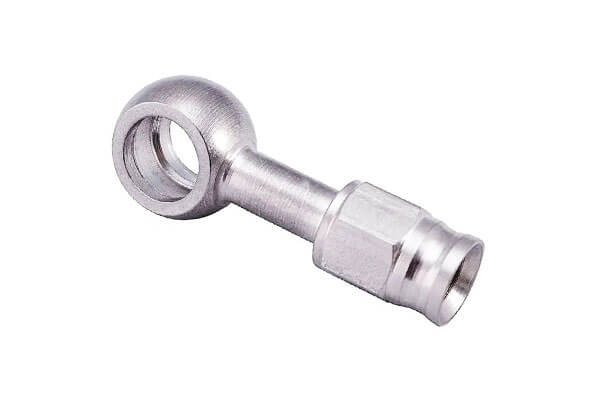
На пример, Аиси 430 пружа корисну отпорност на корозију за затворена и благо корозивна окружења, док стабилизоване оцене као нпр 439 и 441 се широко користе у аутомобилским издувним системима.
Виши разреди легура као нпр 444 пружају знатно бољу отпорност на средине које садрже хлорид и погодне су за апликације које укључују топлу воду и одређене хемијске медије.
Неколико фактора треба узети у обзир приликом процене перформанси корозије:
- Садржај хрома: Виши Цр генерално побољшава пасивацију и отпорност на оксидацију.
- Садржај молибдена: Мо побољшава отпорност на корозију удубљења и пукотина.
- Угљеник и азот: Прекомерни међупросторни елементи могу подстаћи исцрпљивање хрома током топлотног излагања.
- Стабилизација: Додаци титанијума или ниобијума помажу у везивању угљеника и азота, побољшање отпорности на сензибилизацију након заваривања.
- Стање површине: Млевење, полирање, кисело, а пасивизација може снажно утицати на практично понашање корозије.
- Услужно окружење: Концентрација хлорида, температура, пХ, влажност, и време излагања утичу на перформансе корозије.
Феритни нерђајући челик је стога посебно атрактиван тамо где је потребна отпорност на корозију, али екстремне корозионе перформансе аустенитног нерђајућег челика који садржи никл нису потребне.
6. Механичке особине феритног нерђајућег челика
На механичко понашање феритног нерђајућег челика снажно утиче садржај хрома, нивоа угљеника и азота, величина зрна, стабилизација легуре, хладан рад, и радна температура.
Уопште, феритне класе нуде корисну комбинацију умерене до високе чврстоће, адекватна дуктилност, Добар отпор умор, и добра димензионална стабилност.
Типичне механичке карактеристике
| Механичка карактеристика | Типично понашање феритног нерђајућег челика | Инжењерски значај |
| Модул еластичности | Приближно 200 ГПА | Пружа добру еластичну крутост и стабилност димензија |
| Снага приноса | Обично око 200–400 МПа за многе стандардне класе | Одређује отпорност на трајне деформације |
| Затезна чврстоћа | Обично око 400-600 МПа, Зависно од разреда и стања | Одређује крајње затезно оптерећење |
Издужење |
Често око 15-30%, али у великој мери зависи од степена | Означава расположиву дуктилност током формирања и преоптерећења |
| Тврдоћа | Генерално умерено у жареном стању | Утиче на отпорност на хабање и обрадивост |
| Жилавост | Веома зависи од разреда, величина зрна, температура, и обрада | Важно за апликације на ниским температурама и ударима |
Феритни нерђајући челици такође генерално показују ограничено ојачање кроз конвенционалну топлотну обраду.
За разлику од мартензитних нерђајућих челика, они се нормално не могу трансформисати у мартензитну структуру високе тврдоће кроз гашење.
Њихова механичка својства се контролишу првенствено путем легиран, учињење зрна, хладан рад, и термомеханичка обрада.
Хладни рад може повећати снагу и тврдоћу, али прекомерна хладна деформација може смањити дуктилност и повећати потешкоће формирања.
За захтевне апликације, материјално стање—као што је жарено, хладно ваљано, или стабилизовано—треба да се наведе заједно са класом нерђајућег челика.
На ниским температурама, чврстина заслужује посебну пажњу. Неки феритни нерђајући челици могу да испоље а прелаз из дуктилног у крто, што се суштински разликује од понашања многих аустенитних нерђајућих челика.
Рафинирање зрна и низак садржај угљеника/азота могу побољшати жилавост, али феритне класе треба пажљиво бирати за апликације које су критичне до удара или криогене.
7. Заварљивост феритног нерђајућег челика
Заварљивост значајно варира између феритних нерђајућих челика.
Модерни нискоугљенични, стабилизовани типови генерално имају много бољу заварљивост од старијих високоугљеничних феритних формулација, али феритни нерђајући челици и даље захтевају пажљивију контролу заваривања од многих уобичајених аустенитних разреда.
Главна металуршка брига је грубљање зрна у зони утицаја топлоте (Хај).
Пошто феритни нерђајући челици остају претежно феритни током заваривања, висок унос топлоте може произвести груба зрна. Крупнозрни региони ХАЗ могу да испоље смањену дуктилност и жилавост.
Друга брига је формирање хром карбида или нитрида.
Ако је присутно довољно угљеника или азота, термичка изложеност током заваривања може изазвати осиромашење хрома у близини граница зрна, потенцијално смањење локализоване отпорности на корозију.
Због тога су се оцене стабилизовале са титанијум или ниобијум, као што је 409, 439, 441, и 444, се обично бирају за заварене апликације.
Важна разматрања заваривања
| Фактор заваривања | Потенцијални проблем | Препоручена контрола |
| Прекомерни унос топлоте | Грубљење зрна и смањена жилавост | Користите контролисан унос топлоте |
| Висока међупролазна температура | Прекомерна топлотна изложеност | Контролишите међупролазну температуру |
| Висок ниво угљеника/азота | Сензибилизација и подложност корозији | Преферирајте ниске Ц/Н или стабилизоване оцене |
| Брзо или неконтролисано хлађење | Преостали напон и изобличење | Успоставите одговарајући поступак заваривања |
| Неусклађеност метала пунила | Смањена корозија или механичке перформансе | Изаберите пунило на основу захтева услуге |
| Површинска контаминација | Дефекти завара и смањена отпорност на корозију | Темељно чишћење пре и после заваривања |
Камен, Ја / маг, ласерско заваривање, и отпорно заваривање се може користити у зависности од геометрије компоненте, дебљина, Јачина производње, и захтеви за перформансе.
После заваривања, кисело и пасивација може бити потребно да се поврати отпорност на корозију уклањањем топлотне нијансе, слободна контаминација гвожђем, и других површинских загађивача.
За критичне компоненте, квалификација поступка заваривања треба да се односи не само на визуелни квалитет завара већ и на својства затезања, Понашање корозије, дисторзија, и перформансе ХАЗ где је применљиво.
8. ОБЈЕКТИВАЊЕ И МАШТИНА
Обликавост
Феритни нерђајући челици генерално показују добре карактеристике хладног обликовања, посебно када се испоручују у жареном стању.
Њихово издужење обично пада у 20–30% распона за многе комерцијалне класе, обезбеђујући довољну дуктилност за савијање, формирање ролне, жигосање, и друге послове са лимом.
Међутим, перформансе формирања зависе од више од самог издужења.
Снага приноса, анизотропија, отврдњавање, дебљина лима, структура зрна, геометрија алата, а све подмазивање може утицати на коначни резултат.
За прецизно обликовање, треба контролисати следеће параметре:
- Минимални радијус савијања
- Смер котрљања
- Размак алата
- Подмазивање
- Формирање секвенце
- Спрингбацк компензација
- Заштита површине
Феритни разреди могу бити посебно атрактивни за велике компоненте лима јер комбинују разумну дуктилност са релативно стабилним димензионалним понашањем.
Обрада
Феритни нерђајући челици су генерално погодни за конвенционалне ЦНЦ обрада.
Међутим, параметре обраде треба оптимизовати за конкретан квалитет јер хром, молибден, тврдоћа материјала, а топлотна проводљивост утиче на силе резања и век трајања алата.
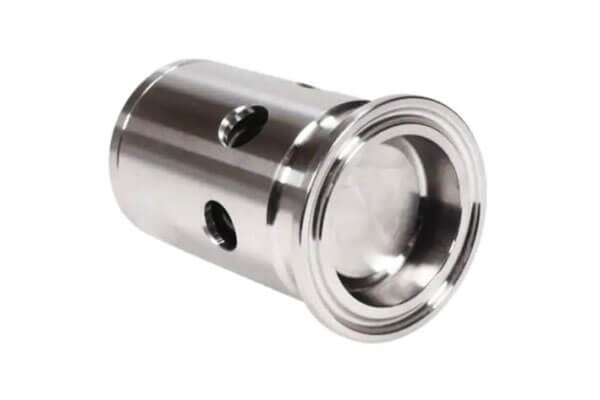
Типичне операције обраде укључују:
ЦНЦ стругање → глодање → бушење → развртање → брушење → полирање
За прецизне компоненте, толеранције димензија на ±0,01 мм или јаче може се постићи под контролисаним условима ЦНЦ обраде,
али достижна толеранција зависи од геометрије компоненте, способност машине, држање посла, материјално стање, и термичку стабилност, а не само на нерђајућем челику.
Током обраде, прекомерна топлота резања може изазвати померање димензија. Ово је посебно важно за компоненте са танким зидовима и прецизне делове са уским толеранцијама положаја.
9. Површинске завршне обраде за феритни нерђајући челик
Површинска обрада игра важну улогу у отпорности на корозију, изглед, чисталост, понашање при хабању, и димензионалне перформансе феритних компоненти од нерђајућег челика.
| Површинска завршна обрада | Типичне карактеристике | Типичне апликације |
| 2Б | Хладно ваљани, топлота третирана, кисели, и лагано прошла кожа; глатка и релативно рефлектујућа | Уређаји, опште индустријске компоненте, архитектонски панели |
| Балазан | Светла жарена површина са високом рефлексијом и глатким изгледом | Аутомобилска опрема, Уређаји, Декоративне компоненте |
| Не. 3 | Груба механички полирана завршна обрада | Архитектонске и индустријске компоненте |
| Не. 4 | Фина усмерена брушена завршна обрада, обично се производе са абразивним тракама | Уређаји, архитектонски панели, кухињска опрема |
Линија косе |
У реду, континуирано усмерено зрно | Декоративне архитектонске и унутрашње компоненте |
| Миррор-полисхед | Високо рефлектујућа површина постигнута прогресивним полирањем | Декоративне компоненте и врхунске архитектонске апликације |
| Електрополиран | Електрохемијско уклањање површинског материјала; глатка и чиста површина | Хигијенски, прецизност, и апликације осетљиве на корозију |
| Укисељено и пасивирано | Уклања скали, топлотна нијанса, и површинске контаминације и враћа чисту пасивну површину | Заварене и на корозију осетљиве компоненте |
10. Примене феритног нерђајућег челика
Феритни нерђајући челик се широко користи када је комбинација отпорности на корозију, отпорност на оксидацију, магнетно понашање, топлотна стабилност, Умерена механичка чврстоћа, а потребна је и трошковна ефикасност.
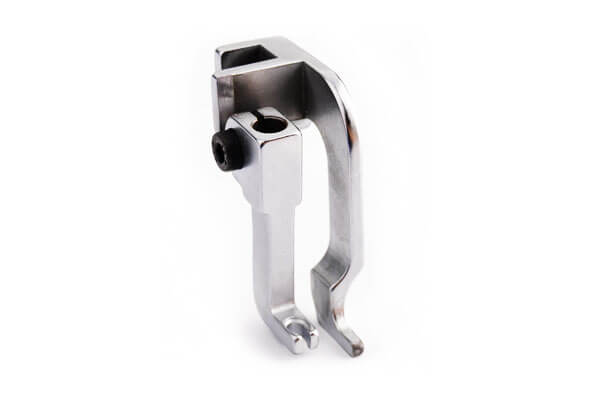
Аутомобилски издувни системи
Аутомотиве издувни системи су међу најважнијим применама за феритни нерђајући челик.
Оцене као што су 409, 439, и 441 се обично бирају за издувне колекторе, цеви, компоненте каталитичког претварача, пригушивачи, и припадајућих делова отпорних на топлоту.
Материјал мора издржати:
- Поновљени термални циклуси
- Високе температуре издувних гасова
- Оксидација
- Корозија кондензата
- Вибрације и механички замор
Релативно низак коефицијент термичке експанзије и добра отпорност на оксидацију при високим температурама чине феритне врсте посебно погодним за ово окружење.
Кућански апарати
430 нерђајући челик се широко користи у уређајима јер комбинује отпорност на корозију, атрактиван изглед, магнетно понашање, Обликавост, и релативно ниске цене.
Типични производи укључују:
- Панели фрижидера
- Компоненте машине за прање судова
- Компоненте пећнице и пећнице
- Кухињска опрема
- Трим уређаја
- Компоненте машине за прање веша
Његова магнетна природа такође може бити корисна тамо где је потребно магнетно причвршћивање.
Измењивачи топлоте и опрема за грејање воде
Стабилизоване феритне класе као нпр 439 и 444 може пружити атрактивну комбинацију отпорности на корозију и термичких перформанси.
Користе се у:
- Компоненте измењивача топлоте
- Бојлери
- Системи за топлу воду
- Опрема за расхладну воду
- Кондензатори
- Опрема за термичку обраду
Релативно висока топлотна проводљивост и ниско топлотно ширење феритног нерђајућег челика могу помоћи у побољшању термичке стабилности.
Архитектонске и декоративне компоненте
Феритни нерђајући челик се такође користи за архитектонске апликације где је потребна умерена отпорност на корозију и изглед површине.
Типичне апликације укључују:
- Унутрашњи зидни панели
- Панели за лифтове
- Украсна облога
- Архитектонска облога
- Компоненте намештаја
- Опрема за кухињу и комерцијални ентеријер
Оцене као што су 430 може да обезбеди добар баланс између изгледа површине, Обликавост, отпорност на корозију, и коштати.
Индустријска и хемијска опрема
Високе феритне класе које садрже хром и молибден могу се користити у одабраним индустријским окружењима где је потребна побољшана отпорност на корозију и оксидацију.
На пример, 444 може се узети у обзир за одређене средине са топлом водом и хлоридима, док високохромне класе као нпр 446 су погодни за компоненте отпорне на оксидацију на повишеним температурама.
Међутим, феритни нерђајући челик не би требало аутоматски да се бира за високо агресивна хемијска или морска окружења.
Тачан медиј, температура, концентрација хлорида, а механизам корозије се мора проценити пре избора материјала.
11. Упоредна анализа: Ферритиц вс. Аустенит вс. Мартензитни од нехрђајућег челика
Феритни, аустенитски, а мартензитни нерђајући челици представљају три главне металуршке породице нерђајућег челика.
Њихове разлике потичу првенствено од кристална структура, хемија легуре, фазна стабилност, и одговор на топлотну обраду, који пак одређују механичка својства, отпорност на корозију, завабилност, магнетно понашање, и типичне апликације.
| Имовина | Феритни од нехрђајућег челика | Аустенитни од нехрђајућег челика | Мартензитни од нехрђајућег челика |
| Типичне оцене | 409, 430, 439, 441, 444 | 304, 304Л, 316, 316Л, 321, 310 | 410, 420, 440А, 440Б, 440Ц |
| Типична кристална структура на радној температури | БЦЦ Феррите | ФЦЦ Аустенит | БЦТ/БЦЦ мартензитна структура након отврдњавања |
| Типичан садржај Цр | Приближно 10.5-30% | Приближно 16-26% | Приближно 11.5-18% |
| Типичан садржај Ни | Уопште веома ниска или одсутна | Уобичајено 8–20%+ | Уопште низак, иако неки разреди садрже Ни |
| Садржај угљеника | Генерално ниско, посебно у савременим разредима | Веома ниска до умерена; доступни су многи нискоугљенични разреди | Генерално више од феритних и аустенитних разреда |
| Магнетно понашање | Магнетни | Уопште немагнетна у жареном стању; хладни рад може изазвати неки магнетизам | Магнетни |
| Термичка обрада за очвршћавање | Уопште не очвршћава конвенционалним гашењем | Уопште не очвршћава конвенционалним гашењем | Може се очврснути каљењем и темперацијом |
Ниво снаге |
Умерен; може се повећати хладном обрадом | Умерено у жареном стању; одлична способност очвршћавања | Висока до веома висока након топлотне обраде |
| Тврдоћа | Генерално умерено | Генерално умерено | Умерено до веома високо, у зависности од оцене и топлоте |
| Дуктилност | Умерен | Одличан | Углавном нижи, посебно у очврслом стању |
| Жилавост | Умерен; жилавост на ниским температурама може бити ограничена | Одличан, укључујући и на ниским температурама | Умерен; јако зависи од садржаја угљеника и топлотне обраде |
| Отпорност на корозију | Добро до веома добро, у зависности од садржаја Цр/Мо | Генерално одлично, посебно за 316/316Л и више легуре | Умерен до доброг; типично ниже од аустенитних разреда |
| Отпорност на корозију удубљења/пукотина | Добар у високо-Цр/Мо разредима као нпр 444 | Веома добро до одлично у класама које садрже Мо као што је 316Л | Генерално умерено |
Топлотна проводљивост |
Релативно висок за нерђајући челик; обично около 20–30 В/м·К | Нижи; обично около 14–16 В/м·К за заједнички 304/316 оцене | Генерално около 20–30 В/м·К, Зависно од разреда |
| Коефицијент топлотног ширења | Релативно низак; обично около 10–11 × 10⁻⁶/К | Релативно висок; обично около 16-17 × 10⁻⁶ / к за 304/316 | Генерално около 10–11 × 10⁻⁶/К |
| Завабилност | Умерено до добро за ниске Ц/стабилизоване оцене; раст зрна се мора контролисати | Генерално одлично, посебно за 304Л/316Л | Генерално ограничено у поређењу са аустенитним класама; може бити потребно претходно загревање и третман након заваривања |
| Обликавост | Умерен; погодан за савијање и многе операције обликовања | Одличан, посебно за дубоко извлачење и сложено обликовање | Умерено до лоше у очврслом стању |
| Обрада | Умерен; у великој мери зависи од степена и понашања при раду | Умерен; радно каљење може повећати потешкоће у машинској обради | Уопштено добро за слободну машинску или жарену врсту, али очврсле сорте се тешко обрађују |
Отврдњавање |
Релативно ограничен | Снажно радно очвршћавање, посебно у метастабилним оценама | Ограничено у поређењу са аустенитним класама |
| Перформансе на ниским температурама | Ограничено могућим прелазом из дуктилног у крто | Одлична отпорност на ниске температуре | Генерално ограничено у поређењу са аустенитним класама |
| Отпорност на оксидацију при високим температурама | Добри, посебно у високо-Цр разредима | Добро до одлично у зависности од садржаја Цр/Ни | Умерен до доброг |
| Типични правци производње | Котрљање, жигосање, савијање, заваривање, измишљотина | Котрљање, дубоко цртање, жигосање, производња цеви, заваривање | Ваљање/ковање праћено топлотном обрадом, обрада, млевење |
| Типичне апликације | Аутомобилски гасови, Уређаји, архитектонски панели, Измењивачи топлоте, бојлери | Хемијска обрада, опрема за храну, фармацеутска опрема, цевовод, под притиском, Архитектонске структуре | Ножеви, Хируршки инструменти, вентили, пумпе, шахтови, Компоненте турбине, делови отпорни на хабање |
Главна предност |
Добра отпорност на корозију са ниском ценом легуре, магнетни одговор, ниско топлотно ширење | Одлична отпорност на корозију, дуктилност, жилавост, и заваривост | Велика тврдоћа, снага, и отпорност на хабање након топлотне обраде |
| Главно ограничење | Нижа жилавост и способност обликовања при ниским температурама од аустенитних класа | Виша цена легуре, веће топлотно ширење, и генерално немагнетно понашање | Нижа отпорност на корозију, завабилност, и жилавост од већине аустенитних класа |
| Најбоље одговара | Трошковно осетљиве компоненте отпорне на корозију и термички стабилне апликације | Корозивни, заварен, високо формиран, или апликације на ниским температурама | Компоненте високе чврстоће и отпорне на хабање које захтевају термичку обраду |
12. Закључак
Феритни нерђајући челик је важна породица нерђајућег челика која комбинује отпорност на корозију, Магнетна својства, релативно мало топлотно ширење, Добра топлотна проводљивост, и економичност.
Његова претежно феритна БЦЦ структура даје му препознатљив профил својстава у поређењу са аустенитним и мартензитним нерђајућим челицима.
Кључни приказивају се
- Феритни нерђајући челик карактерише а кубични у центру тела (БЦЦ) структура, магнетно понашање, и низак садржај никла.
- Отпорност на корозију обезбеђује хром (10.5-30%); молибден и стабилизатори (Од, Наклопити) побољшати перформансе.
- Оцене распону од стандардних оцена (409, 430) до високо-хромних разреда (446) и стабилизоване оцене (439, 441, 444).
- Кључна својства: Добра отпорност на корозију, магнетни, Висока топлотна проводљивост, ниско топлотно ширење, и добра формалност.
- Ограничења: Нижа дуктилност, ДБТТ, ограничена заваривост, и ризик од сензибилизације.
- Апликације: Аутомобилски издувни гаси, Уређаји, архитектонски, Измењивачи топлоте, прерада хране, и хемијска обрада.
- Предности: Економичан, Отпоран на СЦЦ, магнетни, и рециклирање.
- Недостатак: Ограничена жилавост на ниским температурама, питања заварљивости, и нижу отпорност на корозију од аустенитних разреда.
За инжењерске апликације, исправан приступ је да се процени комплетно услужно окружење—укључујући температура, изложеност корозији, механичко оптерећење, формирање захтева, услови заваривања, Димензионални захтеви, и очекивани радни век.
Када се ови фактори правилно размотре, феритни нерђајући челик може да обезбеди веома ефикасну комбинацију перформанси, издржљивост, и производне привреде.
ЛангХе – Ваш поуздан партнер за прецизне делове од нерђајућег челика
Лангхе индустрија је високо специјализован произвођач прецизних компоненти од нерђајућег челика, испоруку висококвалитетних прилагођених делова за индустрије у распону од индустријске опреме и аутомобила до ваздухопловства, Медицински уређаји, и системи за руковање течностима.
Са деценијама практичног искуства у инвестиционом ливењу, прецизна ЦНЦ обрада, и свеобухватну завршну обраду површине,
ЛангХе обезбеђује интегрисано производно решење дизајнирано да смањи сложеност ланца снабдевања и обезбеди доследан квалитет производа.
ЛангХе није само добављач ливења; ми смо инжењерски партнер пуне услуге.
Од ДФМ анализе и брзе израде прототипа до производње, топлотни третман, и осигурање квалитета, ми управљамо читавим животним циклусом производње.
Наш ИСО 9001:2015 сертификовани објекат, интерне могућности алата, и ригорозне инспекцијске протоколе—укључујући ЦММ, НДТ, и испитивање под притиском—уверите се да свака компонента испуњава или превазилази међународне стандарде.
Контактирајте нас данас да разговарате о вашем следећем пројекту и откријете како ЛангХе може прецизно да оживи ваше дизајне, квалитет, и ефикасност.
Често постављана питања
Да ли је феритни нерђајући челик магнетан?
Да. Феритни нерђајући челици су генерално ферромагнетски на собној температури због њихове феритне БЦЦ структуре.
Ова карактеристика их чини погодним за апликације где је потребан магнетни одзив.
Отпоран је на корозију од феритног нерђајућег челика?
Да, али ниво отпорности на корозију значајно варира између разреда.
Разреда 430 пружа добру отпорност у многим атмосферским и благо корозивним окружењима,
док разреди виших легура који садрже молибден, као што је 444, обезбеђују знатно бољу отпорност на јаме и средине које садрже хлорид.
Да ли је феритни нерђајући челик бољи од аустенитног?
Не нужно; зависи од апликације.
Феритни разреди су бољи за апликације које захтевају магнетна својства, Добра топлотна проводљивост, и отпорност на пуцање корозије стреса (СЦЦ). Они су такође исплативији.
Аустенитне класе нуде врхунску отпорност на корозију, бољу формабилност, и већу жилавост на ниским температурама.
Која је разлика између феритног и мартензитног нерђајућег челика?
Феритни нерђајући челик се не очвршћава топлотном обрадом и има БЦЦ структуру.
Мартензитни нерђајући челик се може очврснути топлотном обрадом (гашење и каљење) и има тело центриран тетрагонал (Бцт) структура. Мартензитни разреди имају већи садржај угљеника и већу тврдоћу.
Шта је ДБТТ феритног нерђајућег челика?
Феритни нерђајући челици показују прелазну температуру од дуктилне до крхке (ДБТТ) у опсегу од -50°Ц до +20°Ц.
Испод ове температуре, постају ломљиви и подложни лому под ударним оптерећењем. Ово ограничава њихову употребу у апликацијама на ниским температурама.
Како се феритни нерђајући челик упоређује са угљеничним челиком?
Феритни нерђајући челик нуди знатно бољу отпорност на корозију од угљеничног челика због свог садржаја хрома. Такође је скупљи.
Међутим, дели неке карактеристике са угљеничним челиком, као што је магнетна и има БЦЦ структуру.
Може ли се феритни нерђајући челик очврснути?
Не, феритни нерђајући челик се не може очврснути топлотном обрадом. Може се ојачати само хладном обрадом (отврдњавање).
Ово га разликује од мартензитних класа, који се каљењем и каљењем могу очврснути.