1. Introduksjon
Butterflyventiler er blant de mest brukte strømningskontrollenhetene i industrielle rørsystemer.
Deres enkle, men effektive design – en roterende skive som regulerer strømmen – gjør dem uunnværlige i vannbehandling, Kjemisk prosessering, olje og gass, mat og drikke, og kraftproduksjon.
I hjertet av hver sommerfuglventil ligger ventilhuset, det strukturelle huset som inneholder platen, seter, stilk, og aktuatorer, og må tåle indre trykk, temperatur, og etsende medier.
Produksjonen av sommerfuglventillegemer har tradisjonelt basert seg på sandstøping, smi, eller fabrikasjon fra plate.
Imidlertid, investeringsstøping har dukket opp som en overlegen produksjonsrute for høyytelses spjeldventilhus – spesielt i rustfritt stål og duplekslegeringer – som tilbyr uovertruffen dimensjonsnøyaktighet, overflatebehandling, og materiell integritet.
2. Hva er et sommerfuglventilhus?
EN Sommerfuglventil regulerer væskestrømmen ved å rotere en sirkulær skive tilnærmet 90 grader rundt en sentral aksel.
Sammenlignet med portventiler, klodeventiler, og kuleventiler, sommerfuglventiler gir en mye mer kompakt struktur og lavere vekt, noe som gjør dem spesielt egnet for rørsystemer med stor diameter.
Selv om ventilen fremstår som relativt enkel, hver komponent utfører en kritisk mekanisk funksjon.
Et spjeldventilhus er det hovedtrykkholdige huset til en spjeldventil.
Den støtter stammelagrene, rommer ventilsetet, sørger for tetningsflater for rørledningsforbindelser, og motstår både internt væsketrykk og ytre mekaniske belastninger.
Grunnleggende komponenter i en sommerfuglventil
| Komponent | Funksjon |
| Kropp | Huser disken og setene; gir rørforbindelser (flenset, lug, wafer, eller stumpsveiseender). |
| Plate | Det roterende lukkeelementet som regulerer strømmen; vanligvis støpt integrert med eller separat fra stammen. |
| Stilk / aksel | Overfører dreiemoment fra aktuatoren til skiven. |
| Seter | Sørg for en lekkasjetett forsegling mellom skiven og kroppen. |
| Aktuator | Håndbok (spak, håndhjul) eller automatisert (pneumatisk, elektrisk, hydraulisk). |
| Panseret / toppflens | Huser stammen og gir montering for aktuatoren. |
Typer sommerfuglventilhusdesign
| Kroppstype | Beskrivelse | Typiske applikasjoner |
| Wafer-stil | Tynn kropp med gjennomgående boltehull; klemt mellom rørflenser. | Lavt trykk, kompakte systemer. |
| Lug-stil | Gjengede innlegg på hver side; kan brukes som en endeventil. | Moderat trykk; vedlikeholdstilgang. |
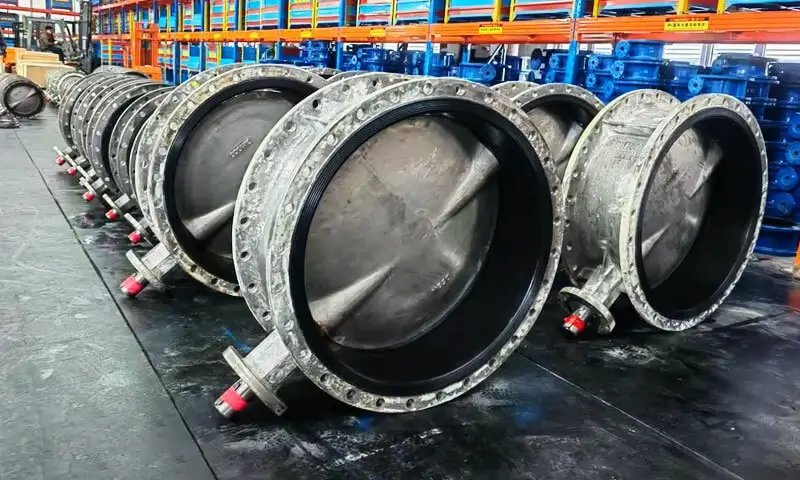
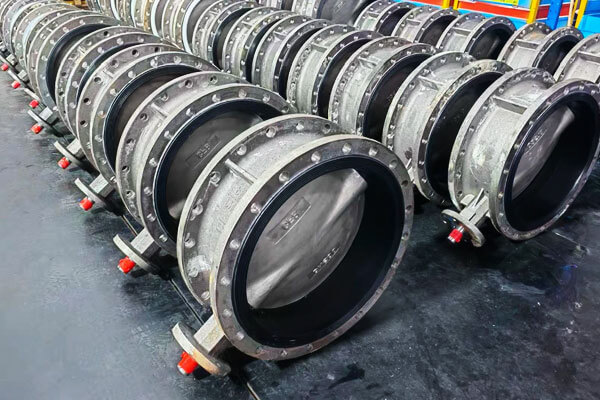
| Flenset | Integrerte flenser i begge ender; boltet direkte til rørflenser. | Høyt trykk, systemer med stor diameter. |
| Stussveis | Ender designet for sveising direkte i rør. | Høy temperatur, høyt trykk, lekkasjekritiske systemer. |
| Offset / eksentrisk | Skiveforskyvning fra midten for bedre tetting og redusert dreiemoment. | Høy ytelse, tett avstengningsapplikasjoner. |
Kritiske funksjonskrav
| Behov | Teknisk implikasjon |
| Trykkintegritet | Må tåle innvendig trykk uten lekkasje eller deformasjon (opp til ASME klasse 150-2500). |
| Korrosjonsmotstand | Motstår media (vann, Kjemikalier, Gasser, sjøvann) uten forringelse. |
| Dimensjonal nøyaktighet | Nøyaktig boringsdiameter og side-til-flate dimensjoner for flenskompatibilitet. |
| Overflatebehandling | Glatt boring og flensflater reduserer strømningsmotstanden og sikrer tetning. |
| Strukturell stivhet | Opprettholder justering av skive og seter under termisk og trykksykling. |
| Utmattelsesmotstand | Tåler gjentatte syklinger og trykksvingninger. |
3. Hvorfor velge investeringsstøping for sommerfuglventilkropper?
Produksjonsmetoden valgt for et spjeldventilhus har en dyp innvirkning på dimensjonsnøyaktigheten, Mekanisk ytelse, Korrosjonsmotstand, produksjonseffektivitet, og totalkostnad.
Blant de ulike produksjonsprosessene tilgjengelig, Investeringsstøping har blitt et av de foretrukne valgene for produksjon av høykvalitets spjeldventilhus, spesielt de som brukes i krevende industrielle applikasjoner.
I motsetning til konvensjonelle støpemetoder, investeringsstøping bruker utbrukbare voksmønstre og presisjons keramiske former for å produsere komponenter i nesten nettform med eksepsjonell dimensjonsnøyaktighet og overflatefinish.
Prosessen er i stand til å reprodusere intrikate geometrier som ville være vanskelig, kostbar, eller til og med umulig å produsere ved bruk av tradisjonell sandstøping eller omfattende maskinering.
Som et resultat, investeringsstøping forbedrer ikke bare produktkvaliteten, men forbedrer også produksjonseffektiviteten og reduserer materialavfall.
For spjeldventilhus, som inneholder komplekse strømningspassasjer, Tetningsflater, stilk kjeder, og flensforbindelser, investeringsstøping tilbyr en unik kombinasjon av designfleksibilitet, strukturell integritet, og produksjonskonsistens.
Viktige fordeler med investeringsstøping for ventilkropper
| Fordel | Forklaring |
| Kompleks indre geometri | Strømningspassasjer, ribbeina, og monteringsfunksjoner kan støpes direkte, eliminerer fabrikasjon av flere deler. |
| Nær-nettform | Minimal maskinering reduserer materialavfall og senker produksjonskostnadene. |
| Utmerket overflatefinish | As-cast Ra 1,6-6,3 µm reduserer strømningsmotstanden og forbedrer setetetningen. |
| Tette dimensjonale toleranser | Sikrer flensjustering, setekonsentrisitet, og lekkasjetett montering. |
Allsidighet i legering |
Støper hvilket som helst støpbart rustfritt stål, dupleks, superlegering, eller nikkellegering. |
| Trykkintegritet | Lydstøpte med riktig port oppnår trykktett ytelse opp til ANSI-klasse 2500. |
| Ensartet mikrostruktur | Finkornet støpestruktur gir konsistente mekaniske egenskaper. |
| Kostnadseffektivitet ved middels volum | 100-10 000 deler/år; ideell for tilpassede og standardstørrelser. |
4. Materialvalg for investeringsstøpte sommerfuglventilkropper
Å velge et passende materiale er en av de mest kritiske beslutningene i design og produksjon av et investeringsstøpt spjeldventilhus.
Mens investeringsstøpeprosessen bestemmer den dimensjonale kvaliteten og geometriske kompleksiteten til komponenten, legeringen bestemmer dens mekaniske egenskaper, Korrosjonsmotstand, trykkevne, temperaturområde, og forventet levetid.
Rustfritt stål
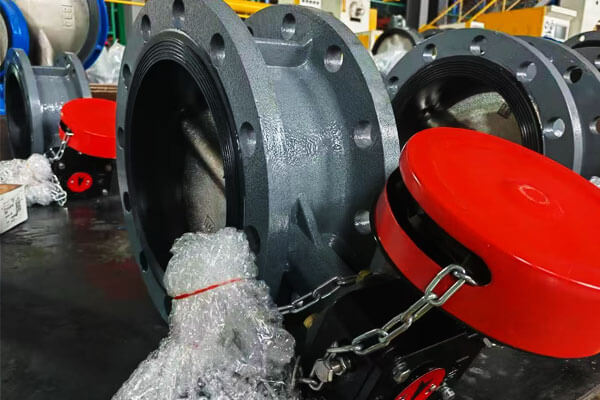
Rustfritt stål er det mest brukte materialet for investeringsstøpte spjeldventilhus på grunn av sin utmerkede balanse av korrosjonsmotstand, Mekanisk styrke, Produksjon, og langsiktig pålitelighet.
Den kromrike passive oksidfilmen dannet på overflaten gir effektiv beskyttelse mot atmosfærisk korrosjon og mange industrielle kjemikalier.
CF8 (Tilsvarer ASTM A351 Grade CF8)
CF8 er den støpte ekvivalenten til smidd Type 304 rustfritt stål og inneholder ca 18% krom og 8% nikkel.
Den gir god korrosjonsbestandighet i vann, damp, matvarer, og mange mildt etsende kjemikalier.
Dens fordeler inkluderer:
- God generell korrosjonsmotstand
- Utmerket castabilitet
- God sveisbarhet
- Stabile mekaniske egenskaper
- Konkurransedyktige materialkostnader
CF8 er mye brukt i:
- Vannbehandlingssystemer
- Matbehandling
- VVS utstyr
- Generelle industrielle rørledninger
- Kjemiske tjenester med lav korrosjon
Imidlertid, CF8 anbefales ikke for miljøer som inneholder høye konsentrasjoner av klorider, hvor lokalisert gropdannelse og sprekkkorrosjon kan forekomme.
CF8M (Tilsvarer ASTM A351 Grade CF8M)
CF8M tilsvarer smidd Type 316 rustfritt stål, men inneholder omtrent 2–3 % molybden.
Tilsetning av molybden forbedrer motstanden betydelig:
- Kloridgroper
- Spaltekorrosjon
- Marine miljøer
- Organiske syrer
- Kjemiske prosessvæsker
Typiske applikasjoner inkluderer:
- Offshore engineering
- Sjøvannskjølesystemer
- Kjemiske planter
- Farmasøytisk utstyr
- Masse- og papirindustri
Selv om CF8M generelt er dyrere enn CF8, dens forbedrede korrosjonsmotstand resulterer ofte i betydelig lavere vedlikeholdskostnader over ventilens levetid.
Rustfrie stål med lite karbon (CF3 og CF3M)
CF3 og CF3M er lavkarbon-versjoner av CF8 og CF8M, henholdsvis.
Deres reduserte karboninnhold minimerer karbidutfelling under sveising, og forbedrer dermed motstanden mot intergranulær korrosjon i varmepåvirkede soner.
Disse karakterene er vanligvis valgt for:
- Sveisede rørsystemer
- Farmasøytisk produksjon
- Matforedlingsutstyr
- Kjemiske systemer med høy renhet
Der det forventes omfattende sveising, lavkarbon rustfritt stål er generelt foretrukket fremfor standardkvaliteter.
Karbonstål
Selv om rustfritt stål dominerer korrosive applikasjoner, karbonstål er fortsatt et økonomisk valg for mange sommerfuglventilhus som opererer under ikke-korrosive eller mildt korrosive forhold.
WCB karbonstål
ASTM A216 WCB er et av de mest brukte støpte karbonstålene i ventilindustrien.
Dens fordeler inkluderer:
- Høy mekanisk styrke
- God slagfasthet
- Utmerket maskinbarhet
- Lav materialkostnad
- God trykkmotstand
Typiske applikasjoner inkluderer:
- Oljerørledninger
- Naturgassoverføring
- Dampsystemer
- Brannbeskyttelse
- Industrielle verktøy
Imidlertid, WCB krever beskyttende belegg eller innvendige foringer når de utsettes for korrosive miljøer.
LCC lavtemperatur karbonstål
LCC er spesielt utviklet for lavtemperaturservice.
Sammenlignet med WCB, den viser forbedret slagfasthet ved temperaturer under null og brukes ofte i:
- LNG-anlegg
- Kryogen lagring
- Kjøleanlegg
- Arktisk rørledningsinfrastruktur
Duplex rustfritt stål
Ettersom industrielle miljøer blir stadig mer aggressive, dupleks rustfritt stål har fått bred aksept for høyytelses spjeldventilhus.
Dupleks rustfritt stål inneholder omtrent like store mengder ferritt og austenitt, kombinerer fordelene med begge mikrostrukturene.
Deres egenskaper inkluderer:
- Meget høy strekkfasthet
- Utmerket kloridbestandighet
- Enestående motstand mot spenningskorrosjon
- God tretthetsytelse
- Utmerket erosjonsbestandighet
Sammenlignet med konvensjonelle austenittiske rustfrie stål, duplekslegeringer gir ofte nesten dobbelt så høy flytegrense samtidig som de opprettholder utmerket korrosjonsbestandighet.
Vanlige investeringsstøpekarakterer inkluderer:
- CD4MCU
- ASTM A890 klasse 4A
- ASTM A890 klasse 5A
Typiske applikasjoner inkluderer:
- Offshore oljeplattformer
- Avsaltningsplanter
- Marine rørledninger
- Kjemiske reaktorer
- Sjøvannskjølesystemer
Selv om duplekslegeringer er dyrere enn konvensjonelle rustfrie stål, deres utvidede levetid rettferdiggjør ofte tilleggsinvesteringen.
Nikkelbaserte legeringer
Noen industrielle prosesser opererer under forhold som overgår evnene til rustfritt stål.
Høykonsentrerte syrer, forhøyede temperaturer, oksiderende kjemikalier, og reduserende miljøer krever spesialiserte legeringer med eksepsjonell korrosjonsbestandighet.
Investeringsstøping gjør at sommerfuglventillegemer kan produseres av nikkelbaserte legeringer som f.eks.:
Hastelloy
Hastelloy-legeringer viser enestående motstand mot:
- Saltsyre
- Svovelsyre
- Fosforsyre
- Klorider
- Oksiderende kjemikalier
De er mye brukt i kjemiske prosessanlegg der konvensjonelle rustfrie stål raskt vil korrodere.
Inconel
Inconel legeringer gir:
- Utmerket høytemperaturstyrke
- Oksidasjonsmotstand
- Termisk utmattelsesmotstand
- Trykkmotstand ved høye temperaturer
Søknader inkluderer:
- Kraftproduksjon
- Petrokjemisk prosessering
- Luftfartsstøttesystemer
- Kjemiske anlegg med høy temperatur
Monel
Monel-legeringer har eksepsjonell motstand mot:
- Sjøvann
- Flussyre
- Saltløsninger
- Marin biobegroing
De velges ofte for marine og offshore sommerfuglventiler.
Selv om nikkellegeringer representerer en betydelig materialinvestering, de kan dramatisk redusere vedlikeholdskostnader og nedetid i alvorlige servicemiljøer.
5. Mekanisk ytelse av investeringsstøpte sommerfuglventilkropper
Hovedformålet med ethvert spjeldventilhus er å gi pålitelig mekanisk støtte under krevende driftsforhold.
Mens investeringsstøping ofte er anerkjent for sin utmerkede dimensjonsnøyaktighet og overflatefinish, dens evne til å produsere komponenter med enestående mekanisk ytelse er like viktig.
Trykkmotstand
Trykkbegrensning er den grunnleggende funksjonen til hvert ventilhus.
Under drift, kroppen opplever indre hydrostatisk trykk som genererer strekkspenninger gjennom støpingen.
Kritiske stressområder inkluderer:
- Stengelåpninger
- Flensrøtter
- Boltehull
- Veggoverganger
- Forsterkende ribbekryss
Investeringsstøping bidrar til overlegen trykkytelse gjennom:
- Ensartet veggtykkelse
- Redusert bearbeidingsindusert stress
- Myke geometriske overganger
- Høy dimensjonal konsistens
Trykkevnen blir til slutt verifisert gjennom hydrostatisk trykktesting i samsvar med gjeldende industristandarder.
Strukturell styrke
Strukturell styrke refererer til ventilhusets evne til å motstå permanent deformasjon under mekanisk belastning.
Viktige materialegenskaper inkluderer:
- Avkastningsstyrke
- Strekkfasthet
- Elastisk modul
- Hardhet
Investeringsstøpt rustfritt stål gir typisk utmerkede kombinasjoner av styrke og duktilitet, slik at ventilhuset tåler:
- Rørledningsbelastninger
- Aktuator dreiemoment
- Installasjonskrefter
- Termiske ekspansjonsspenninger
Riktig varmebehandling forbedrer styrken ytterligere ved å foredle legeringens mikrostruktur.
Utmattelsesmotstand
I motsetning til statiske trykkbeholdere, Spjeldventiler opplever ofte gjentatt belastning gjennom hele levetiden.
Hver driftssyklus genererer:
- Trykksvingninger
- Spindelmoment
- Vibrasjon
- Termisk ekspansjon
- Mekanisk påvirkning
Over tusenvis – eller til og med millioner – av sykluser, mikroskopiske utmattelsessprekker kan utvikles.
Investeringsstøping forbedrer utmattingsytelsen gjennom:
- Glatt overflatebehandling
- Redusert stresskonsentrasjon
- Ensartet mikrostruktur
- Høydimensjonal nøyaktighet
Designfunksjoner som sjenerøse fileter og optimert ribbeplassering forbedrer tretthetsmotstanden ytterligere ved å fordele belastningene jevnere.
Påvirke seighet
Industrielle ventiler kan bli utsatt for plutselige mekaniske påvirkninger under transport, installasjon, eller operasjon. I miljøer med lav temperatur, utilstrekkelig seighet kan føre til sprø brudd.
Slagfasthet er derfor en vesentlig egenskap, spesielt for:
- LNG-systemer
- Kryogene rørledninger
- Offshore installasjoner
- Infrastruktur for kaldt klima
Materialer som LCC karbonstål og dupleks rustfritt stål beholder utmerket seighet ved reduserte temperaturer, noe som gjør dem egnet for krevende applikasjoner.
Slitasje- og erosjonsbestandighet
Selv om ventilhuset vanligvis ikke utsettes for direkte glidekontakt som skiven eller setet, det kan fortsatt oppleve erosjon fra høyhastighetsvæsker som bærer slipende partikler.
Typiske eroderende medier inkluderer:
- Oppslemminger
- Sandfylt vann
- Gruveavgang
- Flyveaske
- Kjemiske suspensjoner
Investeringsstøpt dupleks rustfritt stål og nikkelbaserte legeringer gir overlegen motstand mot erosjon på grunn av deres høyere hardhet og sterkere mikrostrukturer.
Optimaliserte indre strømningspassasjer reduserer også lokalisert turbulens, minimere erosjon over lengre bruksperioder.
Korrosjonsmotstand
Korrosjon er fortsatt en av de viktigste årsakene til ventilsvikt i industrielle systemer.
Avhengig av driftsmiljøet, sommerfuglventillegemer kan møte:
- Generell korrosjon
- Pitting korrosjon
- Spaltekorrosjon
- Galvanisk korrosjon
- Intergranulær korrosjon
- Stresskorrosjonssprekker
Investeringsstøping støtter bruken av svært korrosjonsbestandige legeringer samtidig som den produserer tett, støpegods av høy kvalitet med minimale overflatefeil.
Riktig overflatebehandling – som passivering eller elektropolering – kan ytterligere forbedre korrosjonsbestandigheten ved å styrke det beskyttende oksidlaget på overflater av rustfritt stål.
Ytelse med høy temperatur
Høytemperaturservice gir ytterligere tekniske utfordringer.
Når temperaturen øker:
- Flytestyrken avtar
- Krypemotstand blir viktig
- Oksidasjonen akselererer
- Termisk tretthet kan utvikle seg
For bruk med høye temperaturer, investeringsstøpte ventilhus er vanligvis produsert av varmebestandig rustfritt stål eller nikkelbaserte superlegeringer som er i stand til å opprettholde mekaniske egenskaper under langvarig termisk eksponering.
Dimensjonell stabilitet
Dimensjonsstabilitet er spesielt viktig fordi sommerfuglventiler er avhengige av nøyaktig justering mellom kroppen, stilk, plate, og sete.
Dårlig dimensjonsstabilitet kan føre til:
- Økt driftsmoment
- Seteklær
- Lekkasje
- For tidlig lagersvikt
Investeringsstøping gir utmerket dimensjonell repeterbarhet ved å minimere forvrengning under produksjon.
Kontrollert varmebehandling og presisjonsbearbeiding sikrer videre at kritiske dimensjoner holder seg innenfor spesifiserte toleranser.
Dette høye nivået av dimensjonsstabilitet bidrar direkte til jevn ventildrift, pålitelig tetningsytelse, og lang levetid.
6. Varmebehandling og overflatebehandling av investeringsstøpt sommerfuglventilhus
Varmebehandling og overflatebehandling er ikke sekundære etterbehandlingstrinn i ventilproduksjon;
ganske, de er kritiske stadier som direkte bestemmer Mekanisk pålitelighet, Korrosjonsmotstand, Dimensjonell stabilitet, og levetid av investeringsstøpte spjeldventilhus.
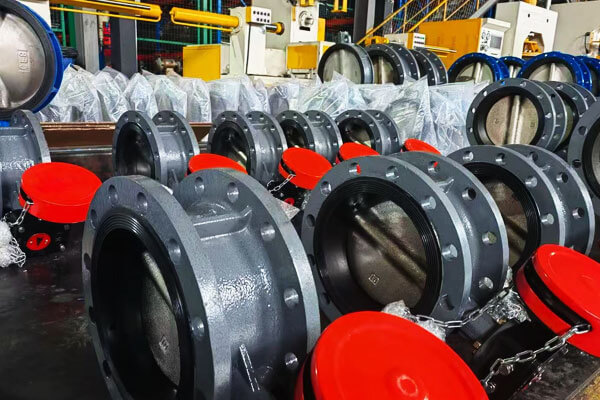
Varmebehandling: Mikrostrukturteknikk for ytelsesoptimalisering
Varmebehandling påføres for å modifisere mikrostrukturen til den støpte legeringen, eliminere restspenninger, og oppnå den nødvendige styrkebalansen, seighet, og korrosjonsmotstand.
Løsningsvarmebehandling (Austenittisk rustfritt stål)
For rustfrie stålkvaliteter som f.eks CF8, CF8M, CF3, og CF3M, løsningsbehandling er den mest kritiske prosessen.
Prosessen innebærer:
- Varmer opp støpen til ca 1040°C–1120 °C
- Hold ved temperatur for å løse opp karbider og homogenisere strukturen
- Rask slukking (vanligvis vannkjøling)
Nøkkelresultater inkluderer:
- Eliminering av kromkarbidutfelling
- Restaurering av korrosjonsbestandighet
- Forbedret duktilitet og seighet
- Homogenisert austenittisk mikrostruktur
Uten skikkelig løsningsbehandling, ventilhus i rustfritt stål kan lide av intergranulær korrosjon og for tidlig svikt i kloridrike miljøer.
Stressavlastende varmebehandling (Karbon- og legeringsstål)
Støpte ventilhus i karbonstål (F.eks., WCB, LCC) beholder ofte restspenninger fra størkning og avkjøling.
Avstressing utføres kl 550°C–650 °C til:
- Reduser indre restspenninger
- Forbedre dimensjonsstabiliteten
- Minimer forvrengning under maskinering og service
- Forbedre utmattelsesmotstanden
Denne prosessen er spesielt viktig for spjeldventilhus med stor diameter der ujevne kjølegradienter er mer uttalt.
Normalisering og quenching & Temperering
For karbon- og lavlegerte stål som krever høyere styrke:
- Normalisering foredler kornstrukturen og forbedrer jevnheten
- Slukking og temperering forbedre styrken og hardheten betydelig samtidig som den opprettholder tilstrekkelig seighet
Disse behandlingene brukes ofte i høytrykksapplikasjoner som oljerørledninger og dampsystemer.
Overflatebehandling: Funksjonell og beskyttende forbedring
Overflatebehandling er like viktig ettersom den direkte påvirker korrosjonsbestandigheten, renslighet, hydraulisk ytelse, og estetisk kvalitet.
Kuleblåsing og rengjøring
Kuleblåsing er vanligvis det første etterbehandlingstrinnet etter fjerning av støping.
Dens funksjoner inkluderer:
- Fjerning av keramiske skallrester
- Eliminerer oksidbelegg
- Ensartet overflatestruktur
- Klargjøring av overflaten for videre behandling
For støpegods av karbonstål, stålhagl er ofte brukt, mens komponenter i rustfritt stål ofte bruker hagl av rustfritt stål eller kontrollerte medier for å forhindre forurensning.
Beising og avkalking
Beising er en kjemisk prosess som hovedsakelig brukes til støpegods i rustfritt stål.
Det fjerner:
- Varme fargetone
- Oksydlag
- Overflateforurensning fra høytemperaturbehandling
Syreblandinger (typisk nitrogen + flussyresystemer) gjenopprette en ren metallisk overflate, som er avgjørende for korrosjonsbestandighet.
Passivasjonsbehandling
Passivering forbedrer den naturlige korrosjonsmotstanden til rustfritt stål ved å fremme dannelsen av et stabilt kromoksidlag.
Fordelene inkluderer:
- Forbedret pittemotstand
- Forbedret kjemisk stabilitet
- Langsiktig overflatebeskyttelse
- Redusert risiko for lokal korrosjon
Dette trinnet er kritisk for CF8M ventilhus som brukes i marine og kjemiske miljøer.
Elektropolering (High-End applikasjoner)
Elektropolering er en elektrokjemisk etterbehandlingsprosess som fjerner mikroskopiske overflatetopper, resulterer i en ekstremt jevn og ren overflate.
Fordeler inkluderer:
- Ultralav overflateruhet
- Forbedret hygienisk ytelse
- Redusert bakteriell vedheft
- Forbedret korrosjonsmotstand
- Forbedrede flytegenskaper
Det er mye brukt i:
- Farmasøytiske systemer
- Bioteknologirørledninger
- Mat-grade prosessutstyr
- Ultrarent vannsystemer
Beskyttende belegg (Karbonstålapplikasjoner)
For ventilhus i karbonstål, beskyttende belegg er avgjørende for å forhindre miljøkorrosjon.
Vanlige beleggsystemer inkluderer:
- Fusjonsbundet epoksy (Fbe)
- Polyuretanbelegg
- Sinkrike primere
- Pulverlakkeringssystemer
Disse beleggene gir langvarig motstand mot fuktighet, Kjemikalier, og atmosfærisk korrosjon.
7. Maskinering av investeringsstøpte ventilkropper
Investeringsstøping produserer nesten nettformede kropper, men kritiske dimensjoner krever maskinering.
Typiske maskineringsoperasjoner
| Operasjon | Hensikt | Toleranse |
| Flensflatefresing | Oppnå flathet og parallellitet | ± 0,05 mm |
| Bore dreiing | Oppnå nøyaktig innvendig diameter | ±0,05–0,10 mm |
| Boltehullsboring | Lag flensbolthull | ±0,1–0,2 mm |
| Trådtapping (lugger) | Lag gjenger for ventiler i luggstil | ISO / ASME standard |
| Setespor dreiing | Presisjonsutsparing for setering | ±0,02–0,05 mm |
| Stengelhull kjedelig | For ventilstamme | ±0,02–0,05 mm |
| Maskinering av monteringsputer | For aktuatormontering | ±0,05–0,10 mm |
Maskinering av utfordringer
| Utfordring | Forårsake | Løsning |
| Arbeidsherding | Austenittisk rustfritt arbeidsherder | Skarpe karbidverktøy; passende mater/hastigheter. |
| Verktøyslitasje | Rustfritt er slipende | Belagt karbid (Tialn, PVD); kjølevæske. |
| Skravling / vibrasjon | Tynnveggede seksjoner | Bruk jevne hviler; øke stivheten; redusere overheng. |
| Dimensjonsstabilitet | Gjenværende stress fra støping | Stressavlastning; grovbearbeiding → aldring → ferdigbearbeiding. |
8. Kvalitetskontroll og inspeksjon
Investeringsstøpte spjeldventilhus krever streng kvalitetssikring for å møte industristandarder.
Ikke -destruktiv testing (Ndt)
| NDT metode | Oppdager | Standard | Hyppighet |
| Visuell inspeksjon | Overflatefeil | ASTM E430 | 100% |
| Fargestoff penetrant (Pt) | Overflate sprekker, porøsitet | ASTM E165 | 100% (kritiske områder) |
| Radiografi (Røntgen) | Innvendig porøsitet, inneslutninger | ASTM E94 | 10– 25 % (batch) |
| Ultralyd | Innvendige defekter, Veggtykkelse | ASTM E114 | 10– 25 % (batch) |
| Trykkprøving | Lekkasje-tetthet | Api 598 | 100% |
Dimensjonal inspeksjon
| Mål | Utstyr | Toleranse |
| Borediameter | CMM eller boremåler | ± 0,05 mm |
| Flathet på flensflaten | Optisk eller måleur | ≤0,05 mm/m |
| Ansikt-til-ansikt-dimensjon | CMM eller målebånd | ±0,5–1,0 mm |
| Flensbolthullmønster | CMM eller mal | ±0,1–0,2 mm |
| Setespordimensjoner | CMM eller spesialmåler | ±0,02–0,05 mm |
Mekanisk testing
| Test | Hensikt | Standard |
| Strekk | Avkastning, strekk, forlengelse | ASTM E8 / I 10002 |
| Hardhet | HB eller HRB | ASTM E10 / ASTM E18 |
| Påvirkning (Charpy) | Seighet | ASTM E23 |
| Hydrostatisk test | Trykkintegritet | Api 598 / ASME B16.34 |
9. Industrielle anvendelser av investeringsstøping Butterfly Valve Body
Investeringsstøpte sommerfuglventilhus er mye brukt i en rekke bransjer fordi de kombinerer høy dimensjonsnøyaktighet, Utmerkede mekaniske egenskaper, og enestående korrosjonsbestandighet.
Deres evne til å imøtekomme komplekse geometrier og samtidig opprettholde trykkintegritet gjør dem egnet for både standard industrielle tjenester og svært krevende driftsmiljøer.
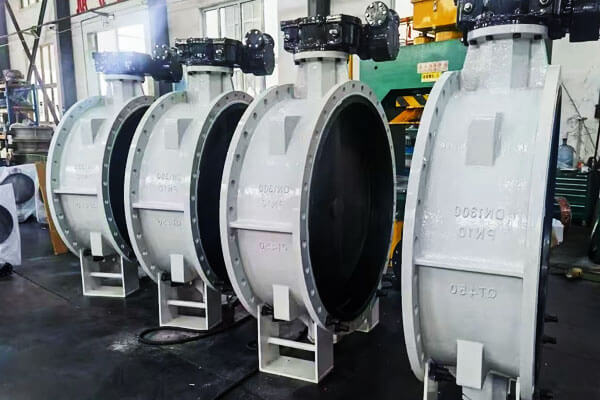
Vannbehandling og distribusjon
Vannbehandling er en av de største bruksområdene for spjeldventiler.
Kommunale vannverk, avsaltningsanlegg, rensestasjoner for avløpsvann, og vanningssystemer krever alle pålitelig strømningskontrollutstyr som kan fungere kontinuerlig med minimalt vedlikehold.
Investeringsstøpte spjeldventilhus er spesielt fordelaktige fordi de gir:
- Utmerket dimensjonskonsistens for pålitelig forsegling
- Glatte innvendige overflater som reduserer strømningsmotstanden
- God korrosjonsbestandighet i drikkevann og behandlet vann
- Lang levetid under hyppige driftssykluser
Avhengig av vannkvalitet og driftsforhold, ofte brukte materialer inkluderer:
- CF8 rustfritt stål
- CF8M rustfritt stål
- Duktilt jern med beskyttende belegg
- Dupleks rustfritt stål for bruk i sjøvann
For avsaltingsanlegg, dupleks rustfritt stål er ofte foretrukket på grunn av dets overlegne motstand mot kloridindusert gropdannelse og sprekkkorrosjon.
Olje- og gassindustri
Olje- og gassproduksjon utsetter ventilkropper for noen av de tøffeste serviceforholdene man møter i industrielle applikasjoner.
Typiske driftsutfordringer inkluderer:
- Høyt trykk
- Forhøyede temperaturer
- Hydrogensulfid (H₂s)
- Karbondioksid (Co₂)
- Slipende partikler
- Havmiljøer til havs
Investeringsstøpte spjeldventilhus tilbyr utmerket trykkdemping samtidig som de tar imot korrosjonsbestandige legeringer spesielt designet for sur service.
Vanlige materialer inkluderer:
- WCB karbonstål
- CF8M rustfritt stål
- Duplex rustfritt stål
- Super dupleks rustfritt stål
- Nikkelbaserte legeringer
Typiske applikasjoner inkluderer:
- Råoljerørledninger
- Offshore -plattformer
- Raffineriets prosessenheter
- Naturgassoverføring
- LNG-terminaler
- Petrokjemiske anlegg
Presisjonen til investeringsstøping forbedrer også tetningspåliteligheten, som er avgjørende for å forhindre flyktige utslipp og sikre miljømessig overholdelse.
Kjemisk prosessering
Kjemiske anlegg håndterer svært aggressive medier som raskt kan bryte ned konvensjonelle ingeniørmaterialer.
Typiske kjemikalier inkluderer:
- Svovelsyre
- Saltsyre
- Salpetersyre
- Natriumhydroksid
- Kloridløsninger
- Organiske løsemidler
Investeringsstøping gjør det mulig for produsenter å produsere sommerfuglventilhus fra svært korrosjonsbestandige legeringer samtidig som de opprettholder utmerket dimensjonspresisjon.
Avhengig av prosess kjemi, egnede materialer inkluderer:
- CF8M rustfritt stål
- Duplex rustfritt stål
- Hastelloy
- Inconel
- Monel
Den utmerkede overflatefinishen produsert ved investeringsstøping minimerer også sprekkdannelse, redusere lokal korrosjon og lette rengjøring av utstyr.
Kraftproduksjon
Kraftverk krever ventiler som er i stand til å operere kontinuerlig under krevende termiske og mekaniske forhold.
Søknader inkluderer:
- Kjele fødevannsystemer
- Dampdistribusjon
- Kjølevannssystemer
- Røykgass avsvovling
- Kondensatsystemer
Ventilhus må tåle:
- Høyt trykk
- Termisk sykling
- Forhøyede temperaturer
- Etsende kondensater
Varmebestandige rustfrie stål og nikkelbaserte legeringer er ofte valgt for disse bruksområdene.
Dimensjonsstabiliteten gitt av investeringsstøping bidrar til konsistent ventilytelse under gjentatte termiske ekspansjons- og sammentrekningssykluser.
Mat- og drikkeindustri
Matforedlingsutstyr må tilfredsstille strenge hygienestandarder og samtidig opprettholde utmerket korrosjonsbestandighet.
Typiske applikasjoner inkluderer:
- Drikkeproduksjon
- Meieribehandling
- Brygging
- Sukkerraffinering
- Matoljeproduksjon
Butterflyventilhus i støpt rustfritt stål gir flere viktige fordeler:
- Glatt, Rengjørbare overflater
- Lav bakteriell vedheft
- Utmerket korrosjonsmotstand
- Høydimensjonal nøyaktighet
- Kompatibilitet med sanitære rengjøringsprosedyrer
Elektropolert CF3 og CF3M rustfritt stål brukes ofte i hygieniske prosesssystemer hvor produktrenhet er avgjørende.
Farmasøytisk og bioteknologisk industri
Farmasøytisk produksjon stiller enda strengere krav enn matforedling.
Ventilhus må utstilles:
- Ekstremt glatte overflater
- Minimal forurensningsrisiko
- Utmerket rengjøringsevne
- Motstand mot aggressive steriliseringskjemikalier
- Samsvar med GMP-standarder
Investeringsstøping gir eksepsjonell geometrisk nøyaktighet og minimerer overflatefeil som kan huse mikroorganismer.
Ytterligere elektropolering forbedres ytterligere:
- Overflateuhet
- Korrosjonsmotstand
- Sterilitet
- Produktets renhet
Disse egenskapene gjør investeringsstøpte sommerfuglventilkropper godt egnet for sterile prosesseringssystemer.
Marine Engineering
Marine miljøer kombinerer flere aggressive faktorer:
- Saltvannskorrosjon
- Høy luftfuktighet
- Biologisk begroing
- Mekanisk vibrasjon
- Syklisk lasting
Ventilkropper brukt ombord på skip, Offshore -plattformer, og kystanlegg krever enestående korrosjonsbestandighet.
Vanlige materialer inkluderer:
- Duplex rustfritt stål
- Super dupleks rustfritt stål
- Monel
- Bronseegeringer
Investeringsstøping tillater komplekse marine ventildesigner samtidig som den sikrer utmerket mekanisk integritet under kontinuerlig eksponering for sjøvann.
Gruvedrift og mineralforedling
Gruvedrift byr på unike utfordringer på grunn av svært abrasive slam som inneholder suspendert stoff.
Ventilhusene må motstå:
- Slipende slitasje
- Påvirkningsbelastning
- Korrosjon
- Høye strømningshastigheter
Investeringsstøpt dupleks rustfritt stål gir en utmerket kombinasjon av slitestyrke, styrke, og korrosjonsmotstand, gjør den egnet for slamtransportsystemer.
VVS og byggtjenester
Store næringsbygg bruker ofte spjeldventiler til:
- Kjølt vann
- Varmesystemer
- Kjøletårn
- Brannbeskyttelse
- Vannfordeling
Investeringsstøpte ventilhus gir lett konstruksjon, nøyaktige dimensjoner, og pålitelig forsegling samtidig som vedlikeholdskostnadene reduseres over lange driftsperioder.
10. Fremtidige utviklingstrender
| Trend | Beskrivelse | Påvirkning på investeringsstøpte ventilhus |
| Additiv produksjon av voksmønstre | 3D-trykte mønstre eliminerer verktøy for lave volumer. | Muliggjør rask prototyping; egendefinerte størrelser uten dørkostnad. |
| Digital tvilling og simulering | Sanntidssimulering av støping og maskinering. | Reduserer defekter; optimerer prosessen. |
| AI-drevet defektprediksjon | Maskinlæring forutsier porøsitet og inkluderinger. | Forbedrer utbyttet; reduserer inspeksjon. |
Høyytelses duplekslegeringer |
Nye duplekslegeringer med høyere styrke og korrosjonsbestandighet. | Aktiverer tynnere seksjoner; vektreduksjon. |
| Bærekraftige skallmaterialer | Biobaserte bindemidler; resirkulerbart skall. | Reduserer miljøpåvirkningen. |
| Smarte ventilhus | Innebygde sensorer for temperatur, trykk, korrosjon. | Muliggjør prediktivt vedlikehold; tilstandsovervåking. |
| Investeringsstøping med stor diameter | Støpestørrelser opp til DN1200 / 48″. | Utvider bruksområde til store rørledninger. |
| Elektrifisering av smelting | Induksjonssmelting med fornybar elektrisitet. | Reduserer karbonavtrykk. |
11. Konklusjon
Investeringsstøping er den fremste produksjonsprosessen for høyytelses spjeldventilhus, spesielt i rustfritt stål og duplekslegeringer.
Det tilbyr en unik kombinasjon av geometrisk kompleksitet, dimensjonsnøyaktighet, overflatebehandling, og materiell integritet som er uten sidestykke av sandstøping, smi, eller fabrikasjon.
Prosessen leverer komponenter i nesten nettform med minimal maskinering, utmerket trykkintegritet, og konsistente mekaniske egenskaper.
For ventilhus som krever korrosjonsbestandighet, stramme toleranser, og lang levetid – enten det er i kjemiske anlegg, Offshore -plattformer, eller matforedlingslinjer – investeringsstøping er den foretrukne metoden.
Suksess i investeringsstøpte spjeldventilhus avhenger av streng kontroll over hele produksjonskjeden: Legeringsutvalg, mønsterdesign, Shell Building, smelting, Helling, varmebehandling, maskinering, og inspeksjon.
Fremskritt innen simulering, automasjon, og bærekraftige materialer forbedrer prosessen ytterligere, gjør det mer effektivt, pålitelig, og miljøvennlig.
Ettersom næringer krever høyere ytelse, lettere vekt, og lengre levetid fra strømningskontrollutstyr, investeringsstøping vil fortsatt spille en sentral rolle for å møte disse utfordringene.
Vanlige spørsmål
Hva er den maksimale størrelsen på et spjeldventilhus som kan investeringsstøpes?
Typisk investeringsstøpekapasitet: opp til 600 mm (24″) diameter for wafer/lug-kropper; større størrelser opp til 900 mm (36″) er mulig med spesialisert skallbygging.
For veldig store ventiler (>48″), sandstøping eller fabrikasjon er mer økonomisk.
Hva er forskjellen mellom wafer og lug-stil ventilhus?
Kroppene i wafer-stil er tynne og klemt fast mellom flensene; kropper i lug-stil har gjengede innlegg på hver side og kan brukes som endeventiler. Begge er investeringsstøpbare.
Kan investeringsstøpte ventilhus repareres?
Mindre støpefeil kan repareres ved sveising (med passende fyllstoff og forvarm), men store feil resulterer vanligvis i skrot. HIP kan eliminere porøsitet, men kan ikke reparere overflatedefekter.
Hva er den typiske ledetiden for investeringsstøpte ventilhus?
8– 12 uker for verktøy og første artikler; 2– 4 uker for gjentatte bestillinger (med eksisterende verktøy). Rush-bestillinger kan fremskyndes mot ekstra kostnad.