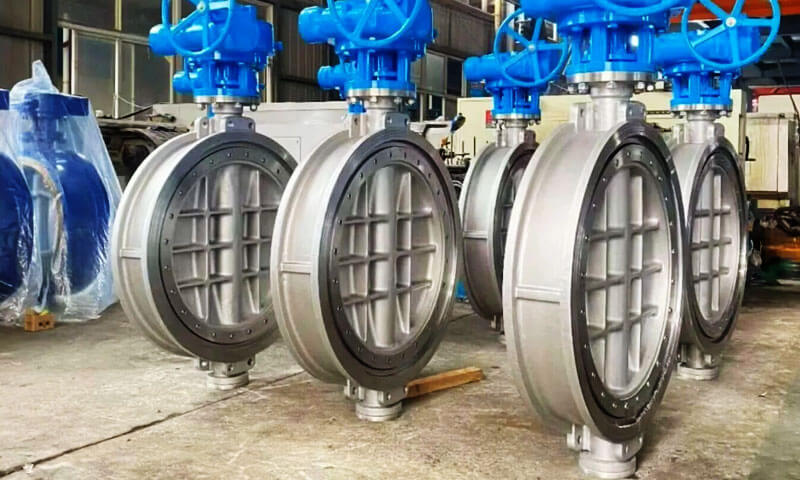
Butterflyventiler er blant de mest brukte strømningskontrollenhetene i industrielle rørsystemer, tilbyr en enkel, kompakt, og kostnadseffektiv løsning for regulering av gassstrømmen, væsker, og oppslemminger.
Når applikasjonen krever styrke, økonomi, og moderat korrosjonsmotstand, karbonstål sommerfuglventiler bli standardvalget – spesielt ved vannbehandling, olje og gass, kraftproduksjon, og generell industriservice.
Produksjon av karbonstål sommerfuglventilkomponenter—kropper, plater, stilker, og braketter – har tradisjonelt vært avhengig av sandstøping eller fabrikasjon.
Imidlertid, Investeringsstøping (Lost -Wax Casting) har dukket opp som en overlegen produksjonsrute for mange karbonstålventilkomponenter, tilbud presisjon i nesten nettform, Utmerket overflatefinish, tette dimensjonale toleranser, og konsistente mekaniske egenskaper.
Denne artikkelen gir en omfattende teknisk og strategisk veiledning til karbonstål sommerfuglventil investeringsstøpeløsninger.
1. Hva er en karbonstål sommerfuglventil?
EN karbonstål Sommerfuglventil er en kvart-omdreinings roterende ventil designet for å starte, stoppe, eller regulere væskestrømmen ved å rotere en sirkulær skive rundt en sentral aksel.
I motsetning til lineærbevegelsesventiler som portventiler eller klodeventiler, sommerfuglventiler krever kun en 90-graders rotasjon for å bevege seg mellom helt åpen og helt lukket posisjon, gir rask drift med minimalt dreiemoment.
Deres enkle, men effektive design gjør dem til en av de mest allsidige ventiltypene for industrielle væskehåndteringssystemer.
Karbonstål sommerfuglventiler er mye brukt i rørledninger som transporterer vann, damp, olje, naturgass, trykkluft, og ulike ikke-korrosive eller mildt etsende medier.
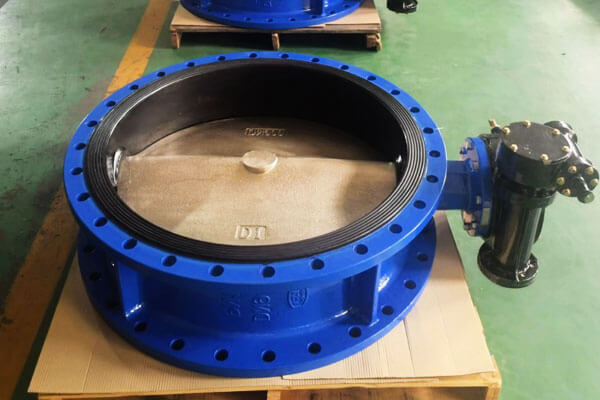
Grunnleggende komponenter i en sommerfuglventil
| Komponent | Funksjon |
| Kropp | Hus som inneholder platen, seter, og stamme; gir rørforbindelser (flenset, lug, wafer). |
| Plate | Roterende lukkeelement; kontrollerer flyten ved å rotere fra åpen til lukket stilling. |
| Stilk (aksel) | Overfører dreiemoment fra aktuatoren til skiven. |
| Seter | Sørg for tetning mellom skiven og kroppen; utskiftbar eller helstøpt. |
| Aktuator | Håndbok (spak, håndhjul) eller automatisert (pneumatisk, elektrisk, hydraulisk). |
| Panseret / toppflens | Huser stammen og gir aktuatormontering. |
| Sel | Forhindre lekkasje langs stammen. |
Typer sommerfuglventilhusdesign
| Kroppstype | Beskrivelse | Typiske applikasjoner |
| Wafer-stil | Tynn kropp med boltehull; klemt mellom rørflenser. | Lavt trykk, kompakte systemer, HVAC, vannlinjer. |
| Lug-stil | Gjengede innlegg på hver side; end-of-line service mulig. | Moderat trykk; vedlikeholdstilgang. |
| Flenset | Integrerte flenser i begge ender; boltet direkte til rørflenser. | Høyt trykk, systemer med stor diameter, olje & gass. |
| Stussveis | Ender designet for sveising i rør. | Høy temperatur, høyt trykk, lekkasjekritiske systemer. |
Kritiske funksjonskrav for karbonstål sommerfuglventiler
| Behov | Teknisk implikasjon |
| Trykkintegritet | Må tåle innvendig trykk (opp til ASME klasse 150-600 for karbonstål). |
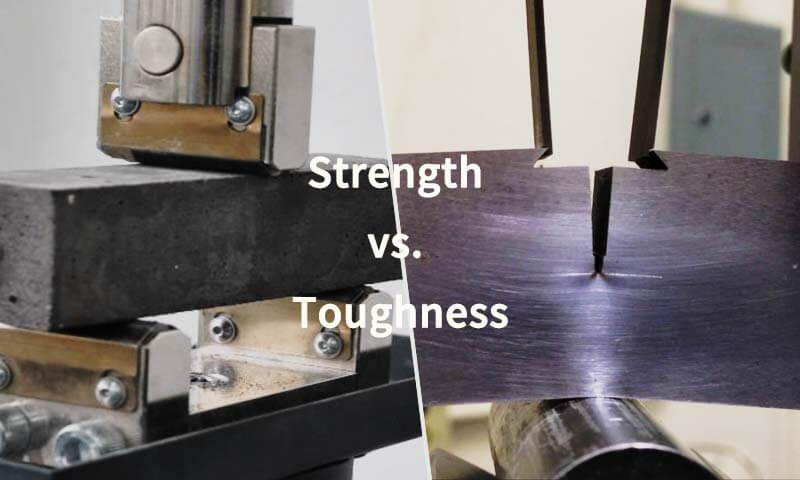
| Styrke og seighet | Må motstå mekaniske belastninger, vibrasjon, og termisk sykling. |
| Dimensjonal nøyaktighet | Nøyaktig boring, flensvendt, og innretting av stammehull sikrer tetning og drift. |
| Korrosjonsmotstand | Moderat motstand mot atmosfærisk, vann, og milde kjemiske miljøer. |
| Sveisbarhet | Karbonstålkvaliteter må være sveisbare for installasjon og reparasjon. |
| Kostnadseffektivitet | Lavere materialkostnad enn rustfritt stål; egnet for ventiler med stor diameter. |
2. Hvorfor investeringsstøping er ideell for sommerfuglventilkomponenter
Investeringsstøping, vanligvis kjent som tapt voksstøpeprosess, er anerkjent som en av de mest avanserte produksjonsteknologiene for å produsere presisjonsmetallkomponenter.
Sammenlignet med konvensjonelle støpemetoder, investeringsstøping gir betydelige forbedringer i dimensjonsnøyaktighet, overflatekvalitet, strukturell integritet, og produksjonskonsistens, gjør den spesielt egnet for høyytelses spjeldventilkomponenter.
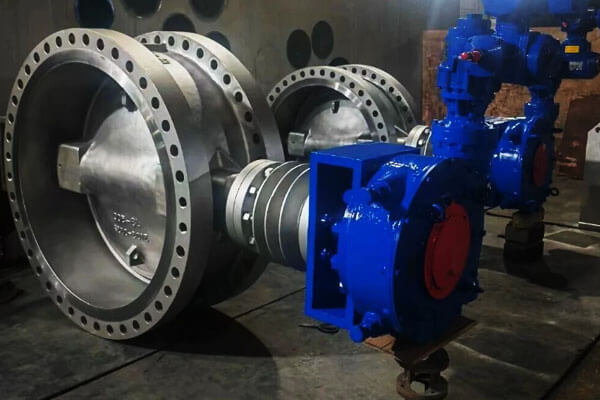
Eksepsjonell dimensjonal nøyaktighet
Butterflyventiler inneholder mange presisjonsbearbeidede grensesnitt, inkludert flensflater, stilk kjeder, bærer seter, og tetningsflater.
Selv mindre dimensjonsavvik kan føre til lekkasje, for høyt driftsmoment, eller for tidlig slitasje.
Investeringsstøping produserer komponenter i nesten nettform med stramme toleranser, reduserer behovet for korrigerende bearbeiding betydelig og sikrer utmerket utskiftbarhet mellom deler.
Fordelene inkluderer:
- Forbedret monteringseffektivitet
- Reduserte bearbeidingsgodtgjørelser
- Bedre tetningsytelse
- Konsistent produktkvalitet på tvers av produksjonspartier
Overlegen overflatebehandling
I motsetning til sandstøping, hvor grove muggsopp ofte etterlater ru overflater, investeringsstøping bruker fine keramiske skall som nøyaktig gjengir voksmønsteret.
Typisk overflateruhet varierer fra RA 3,2-6,3 μm, levere:
- Bedre vedheft av belegg
- Reduserte poleringskrav
- Lavere væskemotstand
- Forbedret utseende for utsatte ventilkomponenter
En jevnere indre strømningsbane bidrar også til redusert turbulens og lavere trykktap under drift.
Kompleks geometri uten ekstra fabrikasjon
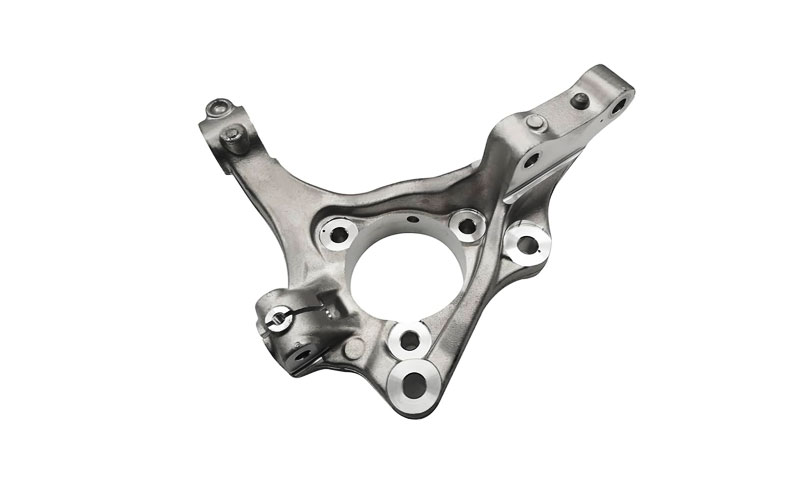
Moderne sommerfuglventilkropper har ofte forsterkende ribber, aktuator monteringsputer, strømningsledende konturer, og integrerte støttestrukturer.
Å produsere disse funksjonene gjennom maskinering eller fabrikasjon øker produksjonskompleksiteten og kostnadene.
Investeringsstøping gjør at disse intrikate geometriene kan dannes direkte under støping, redusere antall sveisede skjøter og forbedre strukturell integritet.
Forbedret metallurgisk kvalitet
Fordi smeltet metall fyller en presisjon keramisk form under nøye kontrollerte forhold, investering avstøpning kan oppnå:
- Ensartet kornstruktur
- Redusert segregering
- Lavere inkluderingsinnhold
- Forbedret tetthet
- Forbedret tretthetsmotstand
Disse metallurgiske fordelene er spesielt verdifulle for ventiler som opererer under syklisk trykk eller fluktuerende termiske forhold.
Høyere materialutnyttelse
Tradisjonell maskinering fjerner ofte en betydelig del av råmaterialet for å oppnå den endelige geometrien, resulterer i unødvendig avfall.
Investeringsstøping produserer komponenter nær deres endelige dimensjoner, gir flere økonomiske fordeler:
- Mindre materialavfall
- Redusert bearbeidingstid
- Lavere verktøyslitasje
- Kortere produksjonssykluser
- Forbedret bærekraft
Sammenligning av produksjonsmetoder
| Produksjonsmetode | Presisjon | Overflatefinish | Materialutnyttelse | Produksjonseffektivitet | Egnede applikasjoner |
| Investering Casting | Glimrende | Glimrende | Glimrende | Høy | Presisjonsventilkomponenter |
| Sandstøping | Moderat | Ujevn | Moderat | Høy | Stor, enkle avstøpninger |
| Smi | Glimrende | God | Moderat | Medium | Høystyrke trykkdeler |
| CNC maskinering | Glimrende | Glimrende | Lav | Lav | Små batch tilpassede komponenter |
3. Materialvalg for karbonstål for investeringsstøping
Materialvalg er en av de mest kritiske ingeniørbeslutningene ved produksjon av investeringsstøpte spjeldventiler.
Mens investeringsstøpeprosessen bestemmer dimensjonal nøyaktighet og strukturell integritet, de karbonstålkvalitet
Vanlige karbonstålkvaliteter for investeringsstøpte sommerfuglventiler
Ulike karbonstålkvaliteter er designet for å møte spesifikke servicebetingelser.
Standard støpte karbonstål som f.eks WCB og WCC er mye brukt for generelle industrielle applikasjoner, mens lavtemperaturkarakterer som f.eks LCB og LCC er valgt for kryogen tjeneste.
For miljøer med høye temperaturer, krom-molybden legert støpestål inkludert WC6 og WC9
Tabellen nedenfor oppsummerer de mest brukte kvalitetene for investeringsstøpte spjeldventilkomponenter.
| ASTM -karakter | US No. | Karbon (%) | Avkastningsstyrke (MPA) | Strekkfasthet (MPA) | Forlengelse (%) | Maksimal servicetemperatur | Typiske applikasjoner |
| WCA | J02502 | ≤0,25 | ≥205 | ≥415 | ≥24 | 425° C. | Økonomiske ventiler for lavtrykk og ikke-kritiske tjenester |
| WCB | J03002 | ≤0.30 | ≥250 | ≥485 | ≥22 | 425° C. | Standard spjeldventiler for vann, olje, gass, og damp |
| WCC | J02505 | ≤0,25 | ≥275 | ≥485 | ≥22 | 425° C. | Kraftige ventiler som krever høyere styrke og forbedret sveisbarhet |
| LCB | J03003 | ≤0,25 | ≥240 | ≥450 | ≥22 | -46° C. | Lavtemperaturrørledninger og kjøleanlegg |
| LCC | J03005 | ≤0,25 | ≥275 | ≥485 | ≥22 | -46° C. | LNG-anlegg, kryogen prosessering, og applikasjoner i kaldt klima |
| WC6 | J12072 | 0.05–0.20 | ≥275 | ≥550 | ≥20 | 540° C. | Høytemperatur damp- og kraftgenereringssystemer |
| WC9 | J21890 | 0.05–0,18 | ≥310 | ≥585 | ≥20 | 595° C. | Høytemperatur petrokjemisk og raffineriutstyr |
Blant disse materialene, ASTM A216 WCB er fortsatt bransjens benchmark for karbonstål sommerfuglventilhus på grunn av dens utmerkede balanse mellom mekanisk ytelse, støptbarhet, maskinbarhet, og kostnadseffektivitet.
Det er det foretrukne valget for de fleste industrielle applikasjoner som opererer under omgivelsestemperaturer eller moderat forhøyede temperaturer.
4. Produksjonsprosess for investeringsstøping for sommerfuglventil
Ytelsen til en sommerfuglventil i karbonstål bestemmes ikke bare av dens design og materialvalg, men også av presisjonen og stabiliteten til produksjonsprosessen..
Investeringsstøping, Også kjent som tapt voksstøpeprosess, er en svært kontrollert produksjonsmetode som er i stand til å produsere komplekse ventilkomponenter med eksepsjonell dimensjonsnøyaktighet, Utmerket overflatefinish, og konsistente metallurgiske egenskaper.
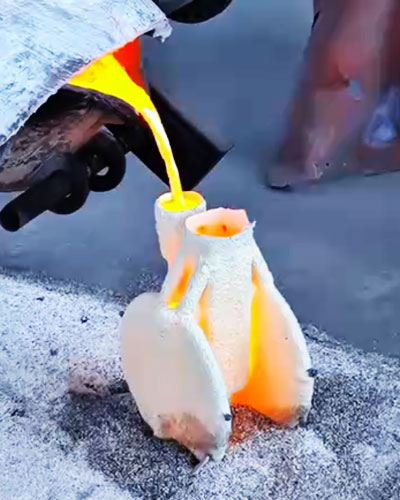
I motsetning til vanlig sandstøping, investering støping produserer Nærnettform komponenter som krever betydelig mindre maskinering og samtidig opprettholde strammere toleranser.
Denne prosessen er spesielt egnet for spjeldventilhus, plater, monterende parentes, og andre strukturelle deler hvor presisjon direkte påvirker tetningsytelsen og driftssikkerheten.
Oversikt over prosessflyt
| Scene | Skritt | Nøkkeldetalj |
| 1 | Mønsterproduksjon | Voksinjeksjon i presisjonsmetallform (verktøy) replikerende ventilkroppsform. |
| 2 | Tremontering | Flere voksmønstre festet til sentral innløp (tre). |
| 3 | Shell Building | 6– 10 lag med keramisk slurry (Silica Sol) + stukkatur (zirkon/aluminiumoksyd). |
| 4 | Avvoksing | Dampautoklav smelter voks; skallet gjenstår. |
5 |
Skallskyting | Brent ved 900-1100°C for å styrke keramikk og fjerne flyktige stoffer. |
| 6 | Karbonstål smelting & Helling | Induksjon eller lysbuesmelting ved 1550-1650°C; helles i et forvarmet skall. |
| 7 | Kjøling & knockout | Kontrollert kjøling; skallet fjernes ved vibrasjon eller vannstråle. |
| 8 | Avskjæring & etterbehandling | Porter og stigerør kuttet; sliping, Skudd sprengning, Tumbling. |
| 9 | Varmebehandling | Normaliserende eller stressavlastende for å oppnå spesifiserte egenskaper. |
| 10 | Undersøkelse & testing | Visuell, dimensjonal, Ndt (Røntgen, fargestoff penetrant), hydrostatisk trykktest. |
Kritiske prosesskontroller for ventilhus i karbonstål
| Faktor | Mål | Hvorfor det betyr noe |
| Hellingstemperatur | 1550-1650 °C | For lavt → feilkjøring; for høy → skallerosjon, Gassporøsitet. |
| Skallforvarme | 200-600 °C | Forhindrer termisk sjokk; forbedrer fyll. |
| Avkjølingshastighet | Kontrollert (luft) | Forhindrer karbidutfelling; sikrer seighet. |
| Portdesign | Unngår turbulens; fremmer retningsbestemt størkning | Reduserer inneslutninger og krympeporøsitet. |
| Varmebehandling | Normalisering (870-930 °C) eller stressavlastning (600-650 °C) | Oppnår spesifiserte mekaniske egenskaper; lindrer gjenværende stress. |
Varmebehandling av ventilstøpegods av karbonstål
| Behandling | Temperatur | Kjøling | Hensikt |
| Normalisering | 870-930 °C | Luft kjølig | Foredler kornstruktur; forbedrer styrke og seighet. |
| Stressavlastning | 600-650 °C | Ovn eller luftkjøling | Reduserer restspenning fra støping og sveising. |
| Slukking & temperering | 850-900 °C (slukk) + 550-650 °C (temperament) | Olje eller vann + luft | Øker styrke og hardhet (for applikasjoner av høyere kvalitet). |
5. Korrosjonsbestandighet og overflatebeskyttelsesløsninger
Karbonstål er mye verdsatt for sin høye styrke, Utmerket maskinbarhet, og kostnadseffektivitet. Imidlertid, i motsetning til rustfritt stål, den har ikke iboende korrosjonsbestandighet.
Når det blir utsatt for oksygen, fuktighet, salter, eller kjemisk aggressive medier, karbonstål er utsatt for oksidasjon, jevn korrosjon, Pitting, og sprekker korrosjon.
Uten skikkelig beskyttelse, disse korrosjonsmekanismene kan gradvis redusere veggtykkelsen, svekke tetningsytelsen, øke driftsmomentet, og til slutt forkorte levetiden til spjeldventilen.
Heldigvis, fremskritt innen overflateteknikk har gjort det mulig for karbonstål sommerfuglventiler å oppnå langsiktig holdbarhet selv under krevende bruksforhold gjennom bruk av beskyttende belegg, Metallisk finish, Foringer, og riktige vedlikeholdsstrategier.
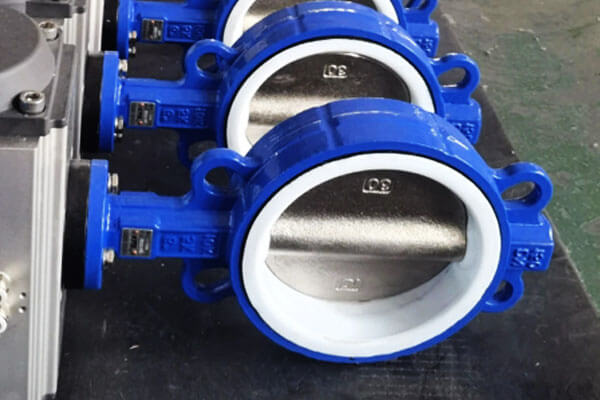
Vanlige korrosjonsbeskyttelsesmetoder
Ulike overflatebehandlingsteknologier er tilgjengelige for karbonstål sommerfuglventiler, hver tilbyr forskjellige nivåer av korrosjonsmotstand, Bruk beskyttelse, og økonomisk effektivitet.
| Beskyttelsesmetode | Prosessbeskrivelse | Typisk beleggtykkelse (μm) | Estimert levetid* | Typiske applikasjoner |
| Epoksy maling / Flytende belegg | Spray eller pensel påføring av industriell epoksymaling | 100–300 | 5–15 år | Generelle industribygd, vann, luft, HVAC |
| Pulverlakkering | Elektrostatisk pulversprøyting etterfulgt av ovnsherding | 60–120 | 10–20 år | Kommunalt vann, industrielt utstyr, utendørs installasjoner |
| Fusjonsbundet epoksy (Fbe) | Elektrostatisk epoksypulver påført på oppvarmet ståloverflate | 250–500 | 20–30 år | Vannrørledninger, nedgravde rørledninger, brannsikringssystemer |
| Hot-dip galvanisering | Nedsenking i smeltet sink for å danne et metallurgisk sinkbelegg | 50–100 | 20–40 år | Utendørs konstruksjoner, kystanlegg, marint utstyr |
| Galvanisering (Sink/Nikkel) | Elektrokjemisk avsetning av metalliske belegg | 5–25 | 5–15 år | Festemidler, stilker, dekorativ eller lett beskyttelse |
Fosfating |
Kjemisk konverteringsbelegg som produserer et fosfatlag | 5–20 | 2–5 år | Forbehandling før maling, midlertidig korrosjonsbeskyttelse |
| PTFE/FEP fôr eller belegg | Fluoropolymer fôr påført innvendige overflater | 300–1000 | Avhenger av serviceforhold | Etsende kjemikalier, Syrer, Alkalis |
| Katodisk beskyttelse | Offeranoder eller imponerte strømsystemer | - | Designavhengig | Begravede rørledninger, nedsenkede ventiler |
| Korrosjonsgodtgjørelse | Ytterligere veggtykkelse innlemmet under design | 1–3 mm | Designavhengig | Langsiktige industrielle rørledninger |
Note: Faktisk levetid varierer avhengig av miljøforhold, beleggkvalitet, vedlikeholdspraksis, og driftstemperatur.
Blant disse metodene, Fusjonsbundet epoksy (Fbe) har blitt en av de mest brukte løsningene for karbonstål sommerfuglventiler i kommunal vannforsyning, Avløpsvannbehandling, og rørledningsinfrastruktur på grunn av sin utmerkede vedheft, Kjemisk motstand, og langsiktig holdbarhet.
Velge passende overflatebeskyttelsessystem
Intet enkelt beleggsystem er egnet for alle driftsmiljøer.
Valget av en korrosjonsbeskyttelsesløsning bør baseres på en helhetlig vurdering av miljøeksponering, medieegenskaper, tjenestetemperatur, mekanisk slitasje, og vedlikeholdstilgjengelighet.
Følgende anbefalinger gir praktisk veiledning for vanlige bruksscenarier.
| Driftsmiljø | Anbefalt overflatebeskyttelse | Teknisk begrunnelse |
| Innendørs, tørre miljøer | Epoksymaling eller pulverlakk (100–150 μm) | Økonomisk beskyttelse mot atmosfærisk korrosjon |
| Utendørs, ikke-kystnære installasjoner | Høybyggende epoksybelegg eller varmgalvanisering | Utmerket motstand mot regn, fuktighet, og UV -eksponering |
| Kyst- og havmiljøer | Varmgalvanisering med epoxy toppstrøk (dupleksbeleggsystem) | Sink gir offerbeskyttelse mens epoksy fungerer som en barriere mot saltspray |
| Vannforsyning og avløpsrensing | Intern og ekstern Fusion Bonded Epoxy (Fbe) belegg | Utmerket motstand mot vann, milde kjemikalier, og mikrobiologisk påvirket korrosjon |
Kjemisk prosessering |
PTFE eller FEP fôr; alternativt, rustfritt stål for streng service | Fluoropolymerforinger motstår aggressive syrer, Alkalis, og løsningsmidler |
| Begravede rørledninger | FBE-belegg kombinert med katodisk beskyttelse | Forhindrer jordkorrosjon og forlenger levetiden under jorden |
| Miljøer med høy slitasje | Epoksykeramisk belegg eller slitesterk polymerbelegg | Forbedrer både korrosjons- og slitebestandighet |
Designstrategier for forbedret korrosjonsbestandighet
I tillegg til overflatebehandlinger, gjennomtenkt ingeniørdesign spiller en betydelig rolle i å forbedre korrosjonsmotstanden til karbonstål sommerfuglventiler.
Viktige designhensyn inkluderer:
- Vedlikeholde ensartet veggtykkelse for å minimere lokalisert korrosjon.
- Eliminerer sprekker der fuktighet og forurensninger kan samle seg.
- Utforming av jevne indre strømningspassasjer for å redusere erosjon-korrosjon.
- Inneholder sjenerøse radier for å unngå spenningskonsentrasjon og tynning av belegget.
- Isolering av forskjellige metaller for å forhindre galvanisk korrosjon.
- Tillater tilstrekkelig korrosjonstillatelse i applikasjoner med forutsigbart materialtap.
- Velge kompatible tetningsmaterialer og festemidler for servicemiljøet.
6. Vanlige støpefeil og tekniske løsninger
Investeringsstøping er kjent for å produsere høypresisjonskomponenter, men ingen produksjonsprosess er helt immun mot defekter.
Variasjoner i formdesign, metallkvalitet, Helling av parametere, kjøleforhold, eller prosesskontroll kan føre til ufullkommenheter som påvirker de mekaniske egenskapene, dimensjonsnøyaktighet, og tetningsytelsen til spjeldventilkomponenter.
Å forstå de grunnleggende årsakene til disse defektene – og implementere passende tekniske løsninger – er avgjørende for å oppnå konsistent produktkvalitet og minimere produksjonskostnadene.
| Mangel | Visuell/NDT-signatur | Rotårsak | Forebygging / middel |
| Gassporøsitet | Runde indre tomrom | Oppløst hydrogen/nitrogen; utilstrekkelig deoksidasjon. | Brenn for å smelte; forbedre skjenkingspraksis; bruk ren ladning. |
| Svinn porøsitet | Skarpt, uregelmessige indre tomrom | Utilstrekkelig fôring; dårlig stigerørdesign. | Optimaliser gating/risering; bruk frysninger; simulere størkning. |
| Varm riving | Sprekker med fillete kanter | Strekkspenning under endelig størkning; muggbegrensning. | Reduser helletemperaturen; forbedre sammenleggbarheten av skallet. |
| Inneslutninger (oksid/slagg) | Uregelmessige ikke-metalliske partikler | Turbulent helling; skitten smelte; erodert skall. | Keramiske filtre; bunnhelling; ren ladning. |
Egypt / kald stengt |
Ufullstendig fylling; foldet overflate | Lav helletemperatur; dårlig flyt. | Øk helletemperaturen; forbedre gating. |
| Overflateuhet / finne | Hevede linjer på overflaten | Skall sprekker under fylling; lav skallstyrke. | Øk skalltykkelsen; bruk sterkere bindemiddel. |
| Dimensjonsavvik | Dimensjoner utenfor toleranse | Variasjon i vokskrymping; skallutvidelse; dø slitasje. | Kontroller voksinjeksjon; opprettholde tilstanden. |
Kvalitetssikring for ventilstøpegods av karbonstål
| QA-element | Metode | Akseptkriterier |
| Kjemisk analyse | Spektrometri | Oppfyller ASTM A216-spesifikasjonen. |
| Mekanisk testing | Strekk, hardhet, påvirkning | Utbytte ≥250 MPa; Forlengelse ≥22 %. |
| Ndt | Fargestoff penetrant (Pt) eller radiografi (Rt) | Ingen sprekker, porøsitet overstiger spesifikasjonen. |
| Dimensjonal inspeksjon | CMM, målere | Oppfyller tegningstoleranser; flensflate flathet. |
| Trykkprøving | Hydrostatisk (1.5× nominelt trykk) | Ingen lekkasje; ingen deformasjon. |
| Overflatebehandling | Visuell, profilometer | Ra ≤6,3 µm (eller som spesifisert). |
7. Fordeler med Investment Casting Carbon Steel Butterfly Valve
| Fordel | Forklaring |
| Komplekse geometrier | Innvendige strømningspassasjer, ribbeina, flenser, og monteringsfunksjoner støpt integrert. |
| Nær-nettform | Reduserer bearbeidingstid og materialavfall (85-95 % materialutbytte). |
| Utmerket overflatefinish | As-cast Ra 1,6-6,3 µm reduserer strømningsmotstand og tetningsproblemer. |
| Tette dimensjonale toleranser | ±0,1–0,3 mm; sikrer flensjustering og lekkasjetett forsegling. |
| Konsekvente mekaniske egenskaper | Ensartet kornstruktur; pålitelig styrke og seighet. |
| Legeringsfleksibilitet | Kaster WCB, WCC, LCB, LCC, WC6, WC9, og egendefinerte karakterer. |
| Kostnadseffektivitet | Lavere totalkostnad enn smiing + maskinering for komplekse former. |
| Trykkintegritet | Lydstøpegods tåler høye trykk (Klasse 150–600). |
| Sveisbarhet | Støpte karbonstålkvaliteter er lett sveisbare for installasjon og reparasjon. |
| Skalerbarhet | Egnet for batchstørrelser fra 100 til 10,000+ komponenter per år. |
8. Industrielle anvendelser av karbonstål sommerfuglventiler
Karbonstål sommerfuglventiler produsert gjennom investeringsstøping er mye brukt i bransjer som krever pålitelig strømningskontroll, Høy mekanisk styrke, og kostnadseffektiv drift.
Deres utmerkede trykkbærende evne, kombinert med presisjonsproduksjon og beskyttende overflatebehandlinger, gjør dem i stand til å yte effektivt i et bredt spekter av tjenestemiljøer.
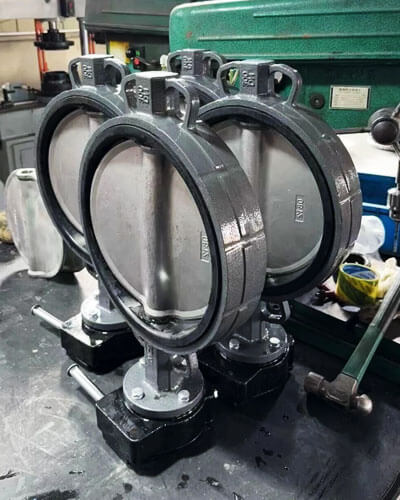
Olje- og gassindustri
Olje- og gassektoren stiller noen av de høyeste kravene til ventilytelse.
Butterflyventiler er vanligvis installert i oppstrøms, midtstrøm, og nedstrøms operasjoner der de regulerer strømmen av råolje, naturgass, raffinerte produkter, og hjelpeprosessvæsker.
Typiske applikasjoner inkluderer:
- Rørledningstransportsystemer
- Oljeraffinerier
- Gassbehandlingsanlegg
- Lagringsterminaler
- Offshore -plattformer
- Pumpestasjoner
Vannforsyning og avløpsvannbehandling
Kommunal vanninfrastruktur er sterkt avhengig av spjeldventiler fordi de gir økonomisk strømningskontroll for rørledninger med stor diameter.
Vanlige applikasjoner inkluderer:
- Drikkevannsdistribusjon
- Vannbehandlingsanlegg
- Avløpsrenseanlegg
- Pumpestasjoner
- Vanningssystemer
- Avsaltningsplanter
Kjemisk prosesseringsindustri
Kjemiske produksjonsanlegg krever ventiler som er i stand til å håndtere et bredt utvalg av væsker og gasser under kontrollerte forhold.
Butterflyventiler i karbonstål er egnet for mildt etsende medier når de er utstyrt med passende foringer eller beskyttende belegg.
Typiske applikasjoner inkluderer:
- Kjemikalieoverføringsrørledninger
- Lagringstanker
- Kjølevannssystemer
- Bruksrørledninger
- Løsemiddelhåndteringssystemer
Avhengig av prosessmediet, ventilskiver og seter kan være foret med PTFE eller andre korrosjonsbestandige materialer.
Kraftproduksjon
Kraftverk opererer under høye temperaturer og trykk, krever pålitelig ventilytelse gjennom kontinuerlige driftssykluser.
Butterflyventiler brukes ofte i:
- Sirkulasjon av kjølevann
- Kondensatorsystemer
- Kjele hjelpesystemer
- Røykgass avsvovling (FGD)
- Brannvernnettverk
Gruvedrift og mineralforedling
Gruvedrift transporterer slipende slam, Avløpsvann, og prosessvæsker som gir betydelig slitasje på rørledningsutstyr.
Spjeldventiler er ofte installert i:
- Slamtransportsystemer
- Avgangsrørledninger
- Malmforedlingsanlegg
- Vanngjenvinningssystemer
- Støvdempende systemer
Marine og skipsbyggingsindustri
Marine miljøer utsetter utstyr for fuktighet, saltspray, og svingende temperaturer.
Typiske applikasjoner inkluderer:
- Ballast vannsystemer
- Kjølevannskretser
- lensesystemer
- Drivstoffoverføringslinjer
- Brannsikringssystemer
VVS og byggtjenester
Næringsbygg og industrianlegg benytter spjeldventiler til oppvarming, ventilasjon, og klimaanlegg.
Søknader inkluderer:
- Kjølevannssystemer
- Varmtvannssirkulasjon
- Kjøletårn
- Fjernvarme
- Brannsprinkleranlegg
Mat og generelle industrielle verktøy
Selv om rustfritt stål generelt er foretrukket for hygieniske prosesser, karbonstål sommerfuglventiler er mye brukt i verktøy som serverer mat- og drikkeanlegg.
Typiske applikasjoner inkluderer:
- Dampdistribusjon
- Kjølevann
- Trykkluft
- Bruksrørledninger
- Ikke-produkt prosessvann
9. Karbonstål vs.. Rustfritt stål sommerfuglventil
Velg mellom a karbonstål og a spjeldventil i rustfritt stål krever evaluering av mer enn bare den opprinnelige kjøpesummen.
Ingeniører må vurdere mekanisk ytelse, Korrosjonsmotstand, driftsmiljø, vedlikeholdskrav, Livssykluskostnad, og samsvar med industristandarder.
| Sammenligningsfaktor | Butterflyventil i karbonstål | Rustfritt stål sommerfuglventil |
| Vanlige materialkarakterer | ASTM A216 WCB, WCC, LCB, LCC | ASTM A351 CF8, CF8M, CF3, CF3M |
| Mekanisk styrke | Utmerket styrke og stivhet; ideell for medium- og høytrykkssystemer | Høy styrke med utmerket seighet; noe lavere flytegrense for noen austenittiske kvaliteter |
| Korrosjonsmotstand | Moderat; krever beskyttende belegg eller fôr for å forhindre rust | Enestående iboende korrosjonsbestandighet på grunn av kromrik passiv film |
| Temperaturfunksjon | Passer til ca -46°C til 425 °C (spesialkvaliteter tilgjengelig for høyere temperaturer) | Egnet for både kryogen bruk og høye temperaturer, avhengig av legeringskvalitet |
| Trykkytelse | Utmerket trykkbærende kapasitet for industrielle rørsystemer | Sammenlignbar trykkkapasitet når den er utformet etter samme standarder |
Krav til overflatebeskyttelse |
Epoksybelegg, Fbe, galvanisering, PTFE fôr, eller andre beskyttende behandlinger er vanligvis nødvendig | Vanligvis kreves det ikke eksternt belegg bortsett fra estetiske eller spesielle bruksforhold |
| Slitasje og slitasje motstand | Utmerket etter varmebehandling; egnet for slipende industrielle medier | God slitasje motstand; kan kreve hard-facing i alvorlige slitasjeapplikasjoner |
| Sveisbarhet | God (spesielt WCC); kan kreve varmebehandling etter sveising avhengig av tykkelse | Utmerket sveisbarhet med minimal ettersveisbehandling for mange kvaliteter |
| Maskinbarhet | Bedre maskinbarhet; lavere verktøyslitasje og høyere bearbeidingshastigheter | Vanskeligere å maskinere på grunn av høyere arbeidsherdingstendens |
| Produksjonskostnad | Lavere råvare- og prosesseringskostnader | Høyere material- og maskineringskostnader |
| Vedlikeholdskrav | Periodisk belegginspeksjon og korrosjonsvedlikehold kreves | Lavere vedlikehold i korrosive miljøer på grunn av selvpassiverende overflate |
Forventet levetid |
Lang levetid med riktig belegg og vedlikehold | Meget lang levetid, spesielt i korrosive eller marine miljøer |
| Typiske applikasjoner | Olje & gass, vannbehandling, HVAC, kraftproduksjon, gruvedrift, kommunal infrastruktur | Kjemisk prosessering, Marine Engineering, Farmasøytisk, mat & drikke, avsalting, Offshore -plattformer |
| Primære fordeler | Høy styrke, økonomisk, utmerket trykkmotstand, ideell for ventiler med stor diameter | Overlegen korrosjonsmotstand, Hygienisk, Lavt vedlikehold, utmerket holdbarhet |
| Primære begrensninger | Utsatt for korrosjon uten beskyttende behandling | Høyere initialinvestering og maskineringskostnad |
| Beste utvalgsscenario | Kostnadssensitive prosjekter med ikke-korrosive eller mildt korrosive medier | Svært etsende, sanitær, kloridrik, eller vedlikeholdskritiske miljøer |
| Samlet kostnadsytelse | Lavere startinvestering og utmerket verdi for generell industriell service | Høyere startkostnad, men lavere vedlikehold og lengre levetid i korrosive applikasjoner |
10. Konklusjon
Ettersom industrielle systemer fortsetter å utvikle seg mot høyere effektivitet, større pålitelighet, og lavere livssykluskostnader, etterspørselen etter presisjonskonstruert strømningskontrollutstyr har aldri vært større.
Blant de mange ventilproduksjonsteknologiene som er tilgjengelige i dag, investeringsstøping har etablert seg som en av de mest avanserte og pålitelige prosessene for å produsere høykvalitets karbonstål sommerfuglventiler.
Dens evne til å produsere komplekse komponenter med eksepsjonell dimensjonsnøyaktighet, Overlegen overflatebehandling, og konsistente metallurgiske egenskaper gir en betydelig konkurransefordel i forhold til konvensjonelle støpemetoder.
Ser fremover, fremvoksende teknologier – inkludert industri 4.0, Kunstig intelligens (Ai), Industrielt tingenes internett (Iiot), Robotautomatisering, Digitale tvillinger, og sanntids prosessovervåking – forventes å transformere investeringsstøpeindustrien ytterligere.
Ettersom næringer fortsetter å kreve høyere ytelse, lengre levetid, og lavere kostnad, investeringsstøpte karbonstålventiler – med sin robuste design og presise produksjon – vil forbli en kritisk løsning for strømningskontroll.
Custom Carbon Steel Butterfly Ventil fra LangHe Foundry
Langhe Foundry spesialiserer seg på spesialtilpasset produksjon av investeringsstøpte karbonstål sommerfuglventilkomponenter, tilbyr integrerte løsninger fra ingeniørdesign og presisjonsstøping til CNC-maskinering, varmebehandling, overflatebehandling, og kvalitetsinspeksjon.
Enten for olje og gass, vannbehandling, kraftproduksjon, Kjemisk prosessering, gruvedrift, Marine Engineering, eller generelle industrielle rørsystemer,
LangHe Foundry leverer tilpassede butterflyventil-støpeløsninger designet for å møte internasjonale standarder og kundespesifikke tekniske krav.
Dens kombinasjon av ingeniørkompetanse, Presisjonsproduksjon, og streng kvalitetskontroll gjør LangHe til en pålitelig partner for OEM-er, ventilprodusenter, og leverandører av industriutstyr som søker holdbart, høyytelses karbonstål sommerfuglventilkomponenter.
Vanlige spørsmål
Hva er den vanligste karbonstålkvaliteten for sommerfuglventilhus?
WCB (ASTM A216) er den vanligste karakteren for universalspjeldventilhus, gir god styrke (≥485 MPa strekk), sveisbarhet, og økonomi.
Hva er forskjellen mellom wafer og lug-stil ventiler?
Wafer-stil ventiler er tynne og klemt mellom flenser; de kan ikke brukes som end-of-line ventiler.
Ventiler i ventilstil har gjengede innsatser og kan boltes til den ene siden av røret for end-of-line service.
Kan karbonstål sommerfuglventiler sveises i felt?
Ja, WCB- og WCC-kvaliteter er lett sveisbare. Forvarming (100-150 °C) og varmebehandling etter sveising anbefales for tykke seksjoner.
Hvorfor foretrekkes investeringsstøping fremfor sandstøping for karbonstål-spjeldventiler?
Investeringsstøping gir betydelig høyere dimensjonsnøyaktighet, jevnere overflatefinish, og strammere produksjonstoleranser enn tradisjonell sandstøping.
Fordi komponenter er produsert i en nesten-nett-form, mindre maskinering kreves, redusere produksjonstid og materialavfall.
I tillegg, investeringsstøping gir en mer jevn mikrostruktur med færre interne defekter, som resulterer i forbedret mekanisk styrke, Tetningsytelse, og produktkonsistens.
Disse fordelene gjør den spesielt egnet for spjeldventilkomponenter som krever presisjonsparende overflater og pålitelig langtidsdrift.