
티타늄 캐스팅 – 특수 캐스팅이 필요한 이유
1. Introduction Titanium Casting has become a cornerstone technology in industries that demand high-performance materials and precision-engineered components. Known for […]
티타늄 캐스팅 – 특수 캐스팅이 필요한 이유 더 읽기»



1. Introduction Titanium Casting has become a cornerstone technology in industries that demand high-performance materials and precision-engineered components. Known for […]
티타늄 캐스팅 – 특수 캐스팅이 필요한 이유 더 읽기»

1. Introduction Investment Casting vs Sand Casting represents one of the most important decisions in the metal casting industry. 이것들
투자 캐스팅 대 모래 주조: 선택하는 방법? 더 읽기»

1. Introduction Aluminum Casting is a foundational manufacturing process that involves melting aluminum alloys and forming them into precise shapes
알루미늄 주조: 프로세스, 속성, 및 응용 프로그램 더 읽기»

1. Introduction Stainless steels are classified into five primary families—ferritic, 오스테 나이트, Martensitic, 강수량 강화, 그리고 이중. 그중, 이중 스테인리스 강
2304 이중 스테인리스 스틸: en 1.4362 / x2crnin23-4 더 읽기»

1. Introduction Bronze casting is a foundational manufacturing process in modern industry, 단지 생산 가능, high-performance components used
브론즈 캐스팅을 선택하는 이유는 무엇입니까?? 더 읽기»

1. Introduction Cast steel and cast iron are both ferrous metals produced through melting and casting processes. Though they share
주철 대 주철: 주요 차이점, 속성 & 응용 더 읽기»
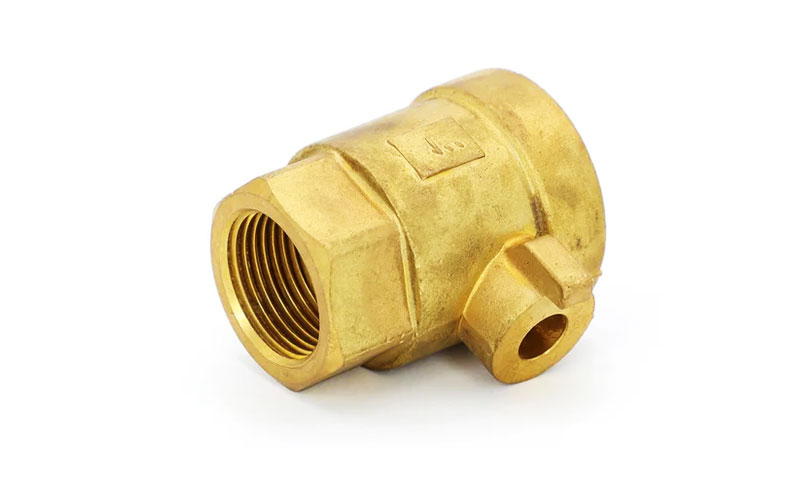
1. Introduction Brass Casting refers to the process of producing metal components by pouring molten brass—a copper-zinc alloy—into a mold
황동 캐스팅 서비스: 맞춤형 피팅, 밸브 & 장식 부분 더 읽기»

1. Introduction AlSi10Mg Alloy represents a benchmark in the Al‑Si‑Mg family, 탁월한 주파수와 강도 대 강압 비율을 결합합니다. Widely
첨가제 제조의 ALSI10mg 합금 & 다이 캐스팅 더 읽기»

1. Introduction Stainless steel casting is a critical manufacturing process used to create high-performance components across industries that demand corrosion
맞춤형 스테인레스 스틸 캐스팅: 중국 고품질 파운드리 더 읽기»

1. 소개 17-4 stainless steel vs 316 stainless steel represent two fundamentally different categories within the stainless steel family, 각
17-4 스테인레스 스틸 대 316: 더 낫습니다? 더 읽기»