

Naučite o kemiji poliamida, ključna mehanička i toplinska svojstva, Metode proizvodnje, pojačane ocjene, prednosti, ograničenja, recikliranje, i industrijske primjene.
Poliamid je jedna od najsvestranijih i najraširenijih obitelji inženjerskih polimera na svijetu.
Od četkice za zube u vašoj kupaonici do zupčanika visokih performansi u automobilskim motorima, od vlakana u vašoj odjeći do strukturnih komponenti u primjenama u zrakoplovstvu, poliamidi su posvuda.
Njihova iznimna kombinacija mehaničke čvrstoće, nositi otpor, kemijska stabilnost, a obradivost ih je učinila nezamjenjivima u bezbrojnim industrijama.
U komercijalnoj inženjerskoj praksi, pojam najlon često se koristi kao sinonim za poliamid.
Iako je ovo općenito prihvatljivo za mnoge uobičajene materijale kao što su PA6 i PA66, poliamid je zapravo šira znanstvena i tehnička klasifikacija.
Obitelj uključuje konvencionalne alifatske najlone, dugolančanih poliamida, visokotemperaturni poluaromatski poliamidi, i visoko specijalizirani aromatski poliamidi kao što su aramidi.
1. Što je poliamid?
Poliamid (GODIŠNJE) je klasa polimera koji sadrže ponavljajuće amidne skupine u glavnom molekularnom lancu. Amidna veza se obično predstavlja kao:
–CO–NH–
Amidna veza nastaje reakcijom kondenzacije između skupine karboksilne kiseline (–COOH) i aminska skupina (–NH₂).
Opća kemijska struktura poliamida može se prikazati kao:
-[–CO–R–CO–NH–R’–NH–]-
Gdje su R i R’ lanci ugljikovodika različitih duljina.
Ove ponavljajuće kemijske veze razlikuju poliamide od drugih velikih obitelji polimera kao što je polietilen, polipropilen, polikarbonat, i poliester.
Poliamidi se mogu proizvesti iz različitih monomernih sustava, što rezultira materijalima sa značajno različitim molekularnim strukturama i radnim karakteristikama.
Ovisno o kemijskom sastavu, poliamid može biti relativno fleksibilan i otporan na vlagu, vrlo krut i otporan na habanje, ili sposobni za rad na povišenim temperaturama.
Na molekularnoj razini, amidne skupine su polarne i mogu stvarati vodikove veze između susjednih polimernih lanaca.
Ove međumolekularne sile pomažu u stvaranju relativno jake i kohezivne strukture polimera. Kao rezultat, mnogi poliamidi pružaju:
- Visoka vlačna čvrstoća i krutost
- Dobra žilavost i otpornost na zamor
- Izvrsna otpornost na habanje i habanje
- Nisko trenje pod odgovarajućim uvjetima
- Dobra otpornost na ulja, goriva, i mnoge industrijske kemikalije
- Korisna toplinska izvedba
- Veliki potencijal za ojačanje staklenim vlaknima, ugljična vlakna, ili mineralna punila
Za razliku od termoreaktivnih polimera, komercijalno najvažniji inženjerski poliamidi su termoplasti.
Omekšavaju se ili tope kada se zagrijavaju i mogu se obraditi metodama kao što su injekcijsko prešanje i ekstruzija.
Ova mogućnost obrade učinila je poliamid posebno važnim u modernoj proizvodnji jer se složene komponente često mogu ekonomično proizvesti u velikim količinama uz zadržavanje dobrih mehaničkih svojstava.
Odnos između poliamida i najlona
Pojam najlon godine prvi je predstavio DuPont 1938 za svoj poliamid 6,6 (PA66), koji se koristio u vlaknima i tekstilu.
S vremenom, najlon je postao generički naziv za alifatske poliamide—najčešću vrstu poliamida—i često se koristi kao sinonim za poliamid u potrošačkom i industrijskom kontekstu.
Međutim, poliamid je širi znanstveni pojam koji obuhvaća:
| Tip | Primjeri | Opis |
| Alifatski poliamidi | Pa6, PA66, PA11, PA12 | Najčešći poliamidi; poznat i kao najlon. |
| Aromatični poliamidi (Aramidi) | Kevlar®, Nomex® | Visoke performanse; aromatični prstenovi u okosnici. |
| Poluaromatični poliamidi | PPA (Poliftalamid) | Izvedba na visokim temperaturama; aromatičan + alifatske jedinice. |
| Poliamid-imidi | PAI (Torlon®) | Visoke performanse; imidne skupine uz amidne skupine. |
Ključna točka: Sve najlonke su poliamidi, ali nisu svi poliamidi najloni. Izraz "poliamid" ispravan je tehnički izraz za cijelu obitelj.
2. Kako se proizvodi poliamid?
Poliamid se proizvodi stvaranjem dugih polimernih lanaca koji sadrže ponavljanje amidne veze (–CONH–).
Ovisno o ocjeni, komercijalni poliamidi se uglavnom proizvode putem bilo kojeg kondenzacijska polimerizacija ili polimerizacija otvaranja prstena.
Kondenzacijska polimerizacija
Mnogi poliamidi, posebno PA66, nastaju reakcijom diamina s dikarboksilnom kiselinom. Reakcija stvara amidne veze uz oslobađanje malih molekula, tipično voda.
Na primjer, PA66 se proizvodi od heksametilendiamin i adipinska kiselina.
Precizna kontrola omjera monomera, temperatura, pritisak, a vrijeme polimerizacije je bitno jer ti faktori utječu na molekularnu težinu, viskoznost, kristalnost, i konačnu mehaničku izvedbu.
Polimerizacija s otvaranjem prstena
Druge važne ocjene, takav Pa6, obično se proizvode polimerizacijom otvaranja prstena kaprolaktam.
Pod kontroliranom temperaturom i tlakom, cikličke molekule kaprolaktama se otvaraju i povezuju kako bi formirale dugolančane polimere PA6.
Ova ruta omogućuje učinkovitu proizvodnju velikih razmjera i naširoko se koristi za inženjersku plastiku, vlakna, filmovi, i lijevane komponente.
Kompaundiranje i modifikacija polimera
Nakon polimerizacije, bazni poliamid može se dalje modificirati putem spajanja.
Proizvođači mogu uključiti staklena vlakna, karbonska vlakna, mineralna punila, modifikatori utjecaja, usporivači plamena, mazivo, odnosno stabilizatora prilagoditi materijal za specifične primjene.
Gotov polimer obično se peletizira i isporučuje kao granule za kasniju obradu injekcijsko prešanje, istiskivanje, puhanje, ili druge metode proizvodnje polimera.
3. Glavne vrste i stupnjevi poliamida
Poliamid nije jedan materijal, već široka obitelj polimera sa značajno različitim molekularnim strukturama, toplinsko ponašanje, upijanje vlage, mehanička svojstva, i karakteristike obrade.
Alifatski poliamidi (Najlonke)
Alifatski poliamidi predstavljaju najveću i komercijalno najznačajniju skupinu poliamida.
Imaju široku primjenu u injekcijskom prešanju, istiskivanje, proizvodnja vlakana, i drugim industrijskim procesima jer nude povoljnu ravnotežu mehaničke čvrstoće, nositi otpor, Obrada, i trošak.
| Razred | Tipično područje topljenja (° C) | Ključna svojstva | Tipične primjene |
| Pa6 | 215–225 | Dobra žilavost, otpor udara, nositi otpor, i procesibilnost; relativno visoka apsorpcija vlage. | Automobilski dijelovi, zupčanici, kućište, industrijske komponente, vlakna. |
| PA66 | 255–265 | Veća snaga, ukočenost, toplin, i otpornost na puzanje od PA6. | Zupčanici, ležajevi, čahure, pričvršćivači, električne komponente, automobilski dijelovi ispod haube. |
| PA11 | 185–195 | Izvrsna fleksibilnost i otpornost na udarce; niska apsorpcija vlage i dobra kemijska otpornost. | Fleksibilna cijev, pneumatski vodovi, kabelski omotači, sustavi tekućina za automobile. |
| PA12 | 175–185 | Vrlo nisko upijanje vlage, Izvrsna kemijska otpornost, fleksibilnost, i dimenzijska stabilnost. | Vodovi za gorivo, pneumatske cijevi, medicinska cijev, izolacija kabela, precizne komponente. |
PA610 |
215–225 | Bolja dimenzijska stabilnost i manja apsorpcija vlage od PA6 i PA66. | Električni priključci, komponente kabela, industrijski dijelovi, čekinje. |
| PA612 | 210–220 | Dobra žilavost, kemijska otpornost, dimenzijska stabilnost, i smanjeno upijanje vode. | Automobilski fluidni vodovi, električne komponente, cijevi, precizno oblikovani dijelovi. |
| PA1010 | 195–205 | Potencijal djelomično ili uvelike bio-bazirane sirovine; niska apsorpcija vlage i dobra žilavost. | Održivi potrošački proizvodi, Automobilske komponente, industrijska primjena. |
Poluaromatični poliamidi
Poluaromatski poliamidi kombiniraju segmente alifatskog lanca s aromatskim strukturama.
Aromatični prstenovi povećavaju molekularnu krutost i toplinsku stabilnost, omogućujući tim materijalima da rade na temperaturama izvan praktičnog raspona konvencionalnih PA6 ili PA66.
| Materijalna obitelj | Reprezentativne ocjene | Tipično područje topljenja (° C) | Ključne karakteristike | Tipične primjene |
| PPA | PA6T/66, PA6T/6I, PA9T i srodni kopoliamidi | Približno. 280–330* | Otpornost na toplinu, visoka krutost, dobra kemijska otpornost, nisko puzanje, i poboljšana dimenzionalna stabilnost. | Automobilske komponente ispod haube, visokotemperaturne spojnice, LED komponente, dijelovi pumpe. |
| Poliamidi na bazi PA6T | PA6T i kopolimerizirani PA6T sustavi | Često iznad 300 za sastave visokog PA6T* | Vrlo visoka toplinska stabilnost, izvrsna snaga, i dobro zadržavanje mehaničkih svojstava na povišenim temperaturama. | Električni i elektronički priključci, Automobilske komponente, industrijska oprema. |
PA9T |
Poliamid 9T | Približno. 300–310* | Otpornost na toplinu, relativno niska apsorpcija vlage, izvrsna dimenzijska stabilnost i kemijska otpornost. | Elektronika za površinsku montažu, konektori, precizne električne komponente. |
Aromatični poliamidi (Aramidi)
Aromatični poliamidi, Općenito poznat kao aramidi, predstavljaju klasu visokih performansi u kojoj aromatski prstenovi čine glavni dio polimerne okosnice.
Njihova kruta molekularna struktura daje im iznimnu vlačnu čvrstoću, modul, toplinska stabilnost, i—u nekim razredima—otpornost na plamen.
| Aramidni tip | Reprezentativni materijal | Molekularna struktura | Ključna svojstva | Tipične primjene |
| Para-aramid | Kevlar® | Paraorijentirani aromatski poliamid | Ekstremno visoka vlačna čvrstoća i modul, Izvrsna otpornost na udarce, i dobra toplinska stabilnost. | Balistička zaštita, zrakoplovni kompoziti, kablovi za ojačanje, gume, užad, sportska oprema. |
| Meta-aramid | Nomex® | Meta-orijentirani aromatski poliamid | Izvrsna otpornost na plamen, toplinska stabilnost, električna izolacija, i otpornost na izlaganje toplini. | Zaštitna odjeća, električna izolacija, zrakoplovni interijeri, medij za filtriranje. |
Poliamid-imid (PAI)
Poliamid-imid predstavlja obitelj polimera ultra visokih performansi koja kombinira amidne i imidne funkcionalne skupine unutar molekularne strukture.
Rezultat je materijal izuzetne toplinske stabilnosti, mehanička čvrstoća, nositi otpor, i sposobnost opterećenja.
Jedan od najpoznatijih komercijalnih primjera je Torlon® PAI.
| Materijal | Kemijska obitelj | Ključna svojstva | Tipične primjene |
| PAI | Poliamid-imid | Izuzetno velika čvrstoća i krutost, Izvrsna otpornost na habanje, nisko puzanje, izvanredna toplinska stabilnost, i dobre performanse pod teškim mehaničkim opterećenjima. | Ležajevi, čahure, pečate, Komprene kompresora, zrakoplovni dijelovi, poluvodička oprema, visokotemperaturne industrijske komponente. |
4. Ključna svojstva poliamida
Učinkovitost poliamida određena je njegovom molekularnom strukturom, osobito koncentracija amidnih skupina, molekularna težina, kristalnost, te ravnotežu između fleksibilnih alifatskih segmenata i krutih aromatskih struktura.
Mehanička čvrstoća i krutost
Većina poliamida tehničke kvalitete pruža povoljan omjer čvrstoće i težine.
PA6 i PA66, na primjer, naširoko se koriste za zupčanike, zagrada, kućište, isječke, i strukturne komponente jer mogu izdržati ponovljena mehanička opterećenja, a pritom ostaju lakši od čelika, aluminij, ili legure cinka.
Mehanička svojstva poliamida mogu značajno varirati ovisno o stanju vlage.
Budući da amidne skupine privlače molekule vode, apsorbirana vlaga može djelovati kao plastifikator.
To općenito smanjuje krutost i vlačnu čvrstoću dok povećava fleksibilnost i otpornost na udarce.
Ojačanje staklenim vlaknima može znatno povećati krutost i čvrstoću.
Ojačana komponenta PA66 može postići modul nekoliko puta veći od modula neispunjenog polimera, što ga čini prikladnim za zahtjevne automobilske i industrijske primjene.
Žilavost i otpornost na udarce
Poliamid općenito pokazuje dobru otpornost na udarce i opetovana opterećenja.
PA6 i PA66 nude korisnu ravnotežu između krutosti i žilavosti, dok su dugolančani tipovi kao što su PA11 i PA12 posebno cijenjeni zbog fleksibilnosti i učinka na udar, posebno na niskim temperaturama.
Ova karakteristika čini poliamid pogodnim za komponente izložene vibracijama, šok, ciklički stres, i mehaničko kretanje.
Automobilske kopče, sustavi zaštite kabela, pneumatske cijevi, a tipični primjeri su industrijska kućišta.
Međutim, učinak utjecaja ovisi o nekoliko čimbenika, uključujući temperaturu, Sadržaj vlage, kristalnost, debljina zida, i razinu armature.
Visoko ispunjeni ili visoko kristalni tipovi mogu ponuditi veću krutost, ali smanjenu otpornost na udarce.
Otpornost na trošenje i performanse niskog trenja
Poliamid se široko koristi u tribološkim primjenama zbog svoje dobre otpornosti na abraziju i relativno niskog koeficijenta trenja.
Komponente kao što su zupčanici, čahure, ležajevi, valjka, vodič, i habajuće pločice mogu raditi uz smanjenu buku i, U nekim slučajevima, bez vanjskog podmazivanja.
Za zahtjevne klizne aplikacije, poliamid se može modificirati dodacima kao što su:
- PTFE za manje trenje;
- Molibden disulfid za poboljšano klizno ponašanje;
- Staklena vlakna za povećanu krutost;
- Karbonska vlakna za povećanu čvrstoću i toplinsku vodljivost;
- Čvrsta maziva za poboljšane performanse rada na suho.
Ponašanje konačnog trošenja uvelike ovisi o materijalima za spajanje, površinski pritisak, brzina klizanja, temperatura, i uvjetima podmazivanja.
Toplinski izvedba
Poliamidi općenito pružaju bolju otpornost na toplinu od obične plastike kao što su polipropilen i polietilen. Međutim, toplinska sposobnost značajno varira između razreda.
PA6 i PA66 prikladni su za mnoge primjene na umjereno povišenim temperaturama, dok su poluaromatski poliamidi kao što je PPA dizajnirani za zahtjevnija okruženja, uključujući automobilske komponente ispod haube i električne konektore za visoke temperature.
Talište, temperatura otklona topline, i kontinuiranu radnu temperaturu treba uzeti u obzir pri odabiru poliamida.
Ojačanje može dodatno poboljšati stabilnost dimenzija na povišenim temperaturama, iako također može utjecati na žilavost i sposobnost obrade.
Apsorpcija vlage i dimenzionalna stabilnost
Apsorpcija vlage jedno je od najvažnijih inženjerskih razmatranja pri korištenju poliamida.
Amidne skupine u strukturi polimera mogu apsorbirati vodu iz okoline, uzrokujući promjene u dimenzijama i mehaničkim svojstvima.
Kratkolančani poliamidi kao što su PA6 i PA66 općenito apsorbiraju više vlage od dugolančanih poliamida kao što su PA11 i PA12.
Ova se karakteristika mora uzeti u obzir pri projektiranju preciznih komponenti.
Tolerancije dimenzija trebale bi uzeti u obzir i proizvodno skupljanje i potencijalno uvjetovanje okoline tijekom upotrebe.
Kemijska otpornost
Poliamid se općenito dobro ponaša kada je izložen uljima, masti, goriva, i mnogi ugljikovodici.
Ovo je jedan od razloga zašto se PA materijali široko koriste u automobilskim sustavima goriva, industrijska oprema, i aplikacije za rukovanje tekućinama.
Međutim, kemijska otpornost nije univerzalna. Jake kiseline, jaka oksidirajuća sredstva, određena otapala, a produljena izloženost kemikalijama visoke temperature može razgraditi polimer.
Odabir materijala stoga treba uzeti u obzir cjelokupno radno okruženje, a ne oslanjati se isključivo na opću klasifikaciju materijala kao "kemijski otpornog".
Električna svojstva
Poliamid je prirodni električni izolator i naširoko se koristi za električne spojeve, terminalna kućišta, formirači zavojnica, i izolacijskih komponenti.
Međutim, apsorbirana vlaga može utjecati na dielektrična svojstva i površinsku otpornost.
Za visokonaponske ili visokopouzdane električne primjene, inženjeri često odabiru kvalitete posebno formulirane za električnu izvedbu, otpornost na plamen, niska apsorpcija vlage, ili stabilnost na visoke temperature.
5. Metode proizvodnje i obrade poliamida
Poliamid je termoplastičan materijal, omogućujući mu da se omekša grijanjem i oblikuje pomoću različitih proizvodnih procesa.
Optimalna metoda obrade ovisi o stupnju polimera, geometrija komponenti, proizvodni volumen, dimenzijska tolerancija, površinski zahtjevi, i sustav ojačanja.
Injekcijsko prešanje
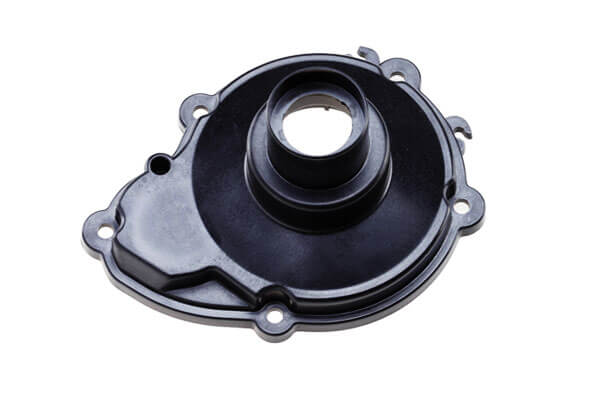
Ubrizgavanje je jedna od najvažnijih proizvodnih metoda za inženjerske poliamidne komponente.
Osušene polimerne kuglice se tope u zagrijanoj bačvi i ubrizgavaju pod pritiskom u precizni kalup.
Postupak je posebno prikladan za proizvodnju složenih, komponente velikog volumena s dosljednom geometrijom.
Tipične aplikacije uključuju:
- Zupčanici i mehaničke komponente;
- Automobilske kopče i nosači;
- Električni priključci;
- Komponente aparata;
- Kućišta i kućišta;
- Precizni industrijski dijelovi.
Budući da poliamid može apsorbirati vlagu, pravilno sušenje smole prije oblikovanja je kritično
Poliamidi ojačani staklenim vlaknima također se često lijevaju injekcijskim prešanjem, iako dizajn kalupa i uvjeti obrade moraju uzeti u obzir orijentaciju vlakana, povećana viskoznost, i anizotropno skupljanje.
Istiskivanje
Ekstrudiranjem se kontinuirano proizvode poliamidni proizvodi konstantnog presjeka. Rastaljeni polimer se tjera kroz oblikovanu matricu, a zatim se hladi i dimenzionira.
Uobičajeni ekstrudirani proizvodi uključuju cijevi, cijevi, filmovi, plahta, šipke, izolacija kabela, i strojarski profili.
PA11 i PA12 posebno su važni za fleksibilne cijevi zbog njihove kombinacije kemijske otpornosti, fleksibilnost, i relativno nisko upijanje vlage.
Kod ekstruzije profila i cijevi, kontrola temperature, stabilnost taline, brzina hlađenja, i dimenzijska kalibracija bitni su za održavanje dosljedne debljine i geometrije stijenke.
Puhanje
Puhanje se koristi kada su potrebne šuplje poliamidne komponente. Zagrijana polimerna cijev ili predforma ekspandira se unutar kalupa pomoću tlaka zraka.
Poliamidno puhanje obično se koristi za automobilske spremnike tekućine, kanali, komponente sustava goriva, i specijalizirani industrijski kontejneri.
Višeslojne strukture također se mogu proizvesti kada su potrebna dodatna svojstva barijere.
Kompresirano i prijenosno kalupljenje
Iako je rjeđi od injekcijskog prešanja za standardne termoplastične poliamide, kompresijsko oblikovanje može biti korisno za velike, visoko ojačan, ili specijalizirane komponente.
Proces se može prilagoditi određenim materijalima ojačanim dugim vlaknima i može se odabrati kada je geometriju dijela ili arhitekturu pojačanja teško postići konvencionalnim injekcijskim prešanjem.
CNC obrada
Poliamid se također može obraditi od ekstrudiranog ili lijevanog materijala korištenjem CNC tokarenja, mljevenje, bušenje, i druge subtraktivne procese.
CNC obrada posebno je koristan za:
- Razvoj prototipa;
- Proizvodnja male količine;
- Velike komponente;
- Dijelovi koji zahtijevaju karakteristike koje je teško oblikovati;
- Komponente koje zahtijevaju stroge tolerancije naknadne obrade.
Međutim, prilikom strojne obrade preciznih poliamidnih komponenti moraju se uzeti u obzir promjene dimenzija povezane s vlagom. Kondicioniranje materijala idealno bi trebalo kontrolirati prije završne inspekcije.
Aditivna proizvodnja
Nekoliko poliamidnih materijala, posebno PA12 i PA11, naširoko se koriste u tehnologijama aditivne proizvodnje kao što su Selektivni laserski sintering (SLS) i Multi Jet Fusion (mjf)
Ovi procesi su posebno prikladni za prototipove, prilagođeni proizvodi, složene unutarnje geometrije, i proizvodnju male do srednje količine.
U usporedbi s injekcijskim prešanjem, aditivna proizvodnja eliminira potrebu za namjenskim alatom, ali općenito uključuje veće jedinične troškove pri velikim količinama proizvodnje.
6. Pojačani i modificirani poliamidni materijali
Poliamid bez punila pruža uravnoteženu kombinaciju čvrstoće, žilavost, nositi otpor, i procesibilnost.
Međutim, mnoge inženjerske primjene zahtijevaju svojstva izvan standarda PA6 ili PA66.
Iz tog razloga, poliamid se često miješa s vlaknima za ojačavanje, mineralna punila, modifikatori utjecaja, usporivači plamena, mazivo, i drugi funkcionalni dodaci.
| Modificirani poliamidni tip | Primarna izmjena | Glavno poboljšanje performansi | Tipične primjene |
| PA ojačan staklenim vlaknima | Staklena vlakna | Jačina, ukočenost, toplin | Automobilske konstrukcije, konektori, strojevi |
| PA ojačan karbonskim vlaknima | Karbonska vlakna | Visoka specifična čvrstoća i krutost | Aerospace, robotika, Dijelovi visokih performansi |
| PA punjen mineralima | Talk, sljubnica, minerali | Dimenzijska stabilnost, niže skupljanje | Kućište, velike precizne komponente |
| Udarno modificirani PA | Modifikatori elastomera | Poboljšana žilavost i otpornost na udarce | Automobilske i zaštitne komponente |
PA otporan na plamen |
Aditivi za usporavanje gorenja | Poboljšana izvedba požara | Električne i elektroničke komponente |
| Samopodmazujući PA | PTFE, MoS₂, aditivi za podmazivanje | Smanjeno trenje i trošenje | Ležajevi, zupčanici, klizni dijelovi |
| Vodljivi PA | Vodljiva punila na bazi ugljika | ESD kontrola ili električna vodljivost | Elektronika i oprema osjetljiva na statički elektricitet |
7. Prednosti i ograničenja poliamida
Ključne prednosti
- Visoka specifična snaga: Izuzetan omjer čvrstoće i težine omogućuje isplativu zamjenu metala u konstrukcijskim primjenama.
- Izvrsne performanse trošenja: Inherentna svojstva samopodmazivanja eliminiraju potrebu za vanjskim podmazivanjem u mnogim primjenama s malim do srednjim opterećenjem.
- Dobra kemijska otpornost: Izuzetna otpornost na ulja, goriva i masti za automobilska i industrijska okruženja.
- Široka mogućnost obrade: Kompatibilan sa svim glavnim metodama proizvodnje termoplasta s dobrom tečljivošću taline.
- Visoka udarna žilavost: Održava dobru duktilnost u širokom rasponu temperatura, posebno kod udarno modificiranih razreda.
- Svestrana formulacija: Lako se ojačava, očvrsnuti, otporan na plamen i složen za ciljanu izvedbu.
- Dobra električna izolacija: Dostatna dielektrična izvedba za većinu općih električnih i elektroničkih primjena.
Inherentna ograničenja
- Visoka apsorpcija vlage: Standardne kvalitete apsorbiraju značajnu količinu atmosferske vode, uzrokujući promjenu dimenzija i varijaciju svojstava — najveće pojedinačno ograničenje dizajna.
- Varijabilnost dimenzija: Veće skupljanje kalupa i bubrenje izazvano vlagom zahtijevaju pažljivo projektiranje tolerancije.
- Niskotemperaturna lomljivost: Nemodificirani standardni tipovi postaju lomljivi na temperaturama ispod nule i zahtijevaju modifikaciju udarca za rad na hladnom.
- Ograničena otpornost na jake kiseline/lužine: Razgrađuje se u jakim mineralnim kiselinama i koncentriranim alkalnim otopinama.
- Zahtjev za sušenje obrade: Obavezno prethodno sušenje dodaje korake procesa i troškove energije u odnosu na nehigroskopnu plastiku.
- UV degradacija: Nestabilizirani tipovi degradiraju se pod dugotrajnom vanjskom izloženošću UV zrakama i zahtijevaju stabilizaciju za vanjsku upotrebu.
8. Primjena poliamida
Kombinacija mehaničke čvrstoće, nositi otpor, niska težina, kemijska otpornost, a fleksibilnost proizvodnje omogućuje poliamidu da služi u primjenama u rasponu od potrošačkih proizvoda do visoko projektiranih automobilskih i industrijskih komponenti.
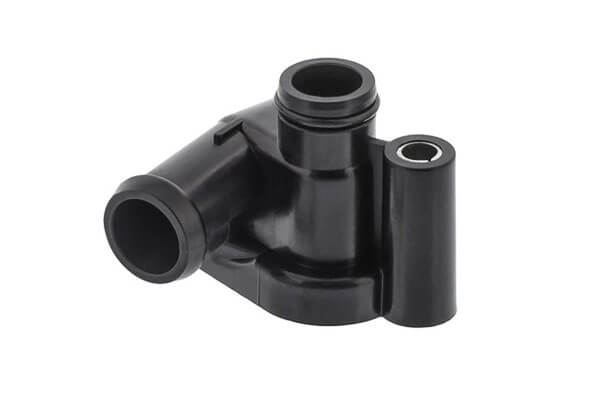
Automobilska industrija
Automobilizam inženjerstvo je jedno od najvećih područja primjene za inženjerske poliamide.
Pa6, PA66, i ojačani stupnjevi naširoko se koriste za zamjenu metalnih komponenti gdje se smanjuje težina, otpor korozije, i integrirano oblikovanje imaju prednost.
Tipične komponente uključuju:
- Poklopci i nosači motora
- Komponente za dovod zraka
- Komponente rashladnog sustava
- Vodilice i stezaljke za kabele
- Kućišta zupčanika
- Kavezi za ležajeve
- Komponente sustava goriva
- Električni priključci
- Strukturni zagrada
- Komponente ventilatora i remenice
PA66 ojačan staklenim vlaknima posebno je važan za primjenu ispod haube jer pojačanje poboljšava krutost, otpornost na puzanje, i dimenzijska stabilnost.
Električna i elektronika
Poliamid se naširoko koristi za električne komponente zbog svojih izolacijskih svojstava, mehanička čvrstoća, i sposobnost injekcijskog prešanja.
Prijave uključuju Kućišta konektora, stezaljke, kabelske uvodnice, prekidači, kućišta senzora, komponente za zaštitu strujnog kruga, i električnih kućišta.
Vrste otpornosti na plamen često se odabiru tamo gdje regulatorni zahtjevi zahtijevaju kontrolirano paljenje i širenje plamena.
Industrijski strojevi
U stroju, poliamid se često koristi tamo gdje lagane komponente moraju izdržati ponavljana mehanička kretanja.
Uobičajeni primjeri uključuju:
- Zupčanici i zupčanici
- Čahure i ležajevi
- Valjka
- Nosite trake
- Vodilice
- Nosači kabela
- Brtvene komponente
- Štitnik za strojeve
- Komponente transportera
U usporedbi s metalnim komponentama, dijelovi od poliamida mogu smanjiti težinu, buka, i zahtjevi za podmazivanje u određenim primjenama.
Rukovanje tekućinom i cijevi
PA11 i PA12 posebno su vrijedni za cijevi i aplikacije za rukovanje tekućinama jer kombiniraju fleksibilnost, kemijska otpornost, niska gustoća, i relativno nisko upijanje vlage.
Koriste se za pneumatske cijevi, hidraulički vodovi, vodovi za gorivo, komponente povezane s kočnicama, omotač kabela, i industrijska crijeva, ovisno o konkretnoj ocjeni i primjenjivim standardima.
Potrošački i komercijalni proizvodi
Poliamid se također intenzivno koristi u potrošačkim proizvodima gdje su izdržljivost i otpornost na udarce važni.
Primjeri uključuju komponente električnih alata, sportska oprema, pričvršćivači, kućište, ručke, kotači, mehanička oprema, i razne lijevane komponente.
Medicinske i zdravstvene aplikacije
Specijalizirane vrste poliamida mogu se koristiti za odabrane medicinske i zdravstvene primjene, uključujući cijevi, komponente instrumenta, dijelovi za rukovanje tekućinom, i određene uređaje za jednokratnu ili višekratnu upotrebu.
Za ove aplikacije, međutim, biokompatibilnost, otpornost na sterilizaciju, ekstrahirani, kemijska kompatibilnost, i primjenjivi regulatorni zahtjevi moraju se procijeniti za specifičnu ocjenu, a ne pretpostaviti iz općih svojstava poliamida.
9. Poliamid vs. Ostala inženjerska plastika
Poliamid nije univerzalno bolji od druge inženjerske plastike.
Svaki polimer ima drugačiji profil učinkovitosti, a odgovarajući izbor ovisi o čimbenicima kao što su mehaničko opterećenje, trenje, temperatura, kemijsko izlaganje, vlaga, Dimenzionalni zahtjevi, i trošak.
| Vlasništvo / Faktor | Poliamid (GODIŠNJE) | Polioksimetilen (Pom) | Polipropilen (PP) | Keton od polietera (ZAVIRI) |
| Klasa materijala | Inženjerska termoplastika | Inženjerska termoplastika | Robna/poluinženjerska termoplastika | Inženjerska termoplastika visokih performansi |
| Tipična snaga | Dobro do visoko | Dobro | Umjeren | Vrlo visok |
| Ukočenost | Dobro; viši s ojačanjem | Dobro | Umjeren | Izvrstan |
| Otpor udara | Dobro do izvrsno | Dobro | Dobro do izvrsno | Dobro |
| Nositi otpor | Dobro do izvrsno | Izvrstan | Umjeren | Izvrstan |
| Trenje | Nisko do umjeren | Vrlo nizak | Nizak | Nizak |
| Apsorpcija vlage | Umjereno do visoko za PA6/PA66; niže za PA11/PA12 | Vrlo nizak | Vrlo nizak | Vrlo nizak |
| Dimenzijska stabilnost | Umjeren; pod jakim utjecajem vlage u nekim razredima | Izvrstan | Dobro | Izvrstan |
| Temperaturna sposobnost | Umjeren do visok, Ovisno o ocjeni | Umjeren | Relativno nizak | Izvrstan |
| Otpornost na kemikalije | Dobro | Dobro | Izvrstan | Izvrstan |
| Električna izolacija | Dobro | Dobro | Izvrstan | Izvrstan |
| Otpornost na umor | Dobro | Izvrstan | Dobro | Izvrstan |
| Mogućnost obrade | Izvrstan | Izvrstan | Izvrstan | Zahtjevniji |
Relativni trošak materijala |
Umjeren | Umjeren | Nizak | Vrlo visok |
| Tipične primjene | Zupčanici, čahure, automobilski dijelovi, konektori, strukturne komponente | Precizni zupčanici, ležajevi, ventili, mehanizmima | Pakiranje, tenkovi, žive šarke, kemijski spremnici | Aerospace, poluvoditelj, medicinski, strojevi za visoke temperature |
| Glavna prednost | Uravnotežena mehanička i procesna izvedba | Nisko trenje i stabilnost dimenzija | Niska cijena i kemijska otpornost | Izvanredna visoka temperaturna i mehanička izvedba |
| Glavno ograničenje | Osjetljivost na vlagu | Ograničena sposobnost za visoke temperature | Niže mehaničke performanse | Visoka cijena i zahtjevnija obrada |
10. Recikliranje poliamida i održivost
Mehaničko recikliranje
Postindustrijski otpad od poliamida se rutinski mehanički reciklira ponovnim mljevenjem i ponovnim spajanjem.
Reciklirana smola zadržava većinu svojih mehaničkih svojstava i naširoko se koristi za nekritične strukturne dijelove.
Post-potrošačko recikliranje manje je uspostavljeno, ali raste, posebno za tokove otpada od tekstila i tepiha.
Kemijsko recikliranje
Napredne tehnologije depolimerizacije mogu razgraditi poliamidni otpad natrag u čiste monomerne sirovine, proizvodeći djevičanski ekvivalentnu smolu s identičnim učinkom.
Pogoni za kemijsko recikliranje industrijskih razmjera sada rade u Europi i Sjevernoj Americi, omogućavanje cirkularnosti zatvorene petlje za poliamidne materijale.
Poliamidi na biološkoj bazi
Održivost nije ograničena na recikliranje. Određeni poliamidi, uključujući PA11 i PA1010, može se proizvesti djelomično ili u velikoj mjeri iz obnovljivih sirovina, ovisno o specifičnom proizvodnom putu.
Bio-bazirane sirovine mogu smanjiti ovisnost o fosilnim resursima, ali polimer na biološkoj bazi nije automatski ekološki bolji.
Potpuna procjena treba uzeti u obzir izvore sirovina, poljoprivredni utjecaji, potrošnja energije, emisije iz proizvodnje, životni vijek proizvoda, Reciklalnost, i liječenje na kraju života.
11. Prilagođeni dijelovi od poliamida tvrtke LangHe Industrija
Langhe industrija pruža prilagođena proizvodna rješenja za komponente inženjerske plastike, uključujući poliamidne dijelove namijenjene mehaničkim, električni, automobilski, industrijski, i druge zahtjevne aplikacije.
Umjesto da poliamid tretiramo kao generičku plastiku, materijal i proizvodni proces trebaju biti odabrani prema stvarnim radnim uvjetima komponente.
Čimbenici kao što su PA ocjena, izloženost vlazi, temperatura, mehaničko opterećenje, dimenzijske tolerancije, zahtjevi za habanje, kemijsko okruženje, i armature ocjenjuju se tijekom inženjerskog razvoja.
Mogućnosti proizvodnje poliamida po narudžbi
| Sposobnost | Detalji |
| Odabir materijala | Pa6, PA66, PA11, PA12 i ojačani ili modificirani poliamidi |
| Modifikacija materijala | Staklena vlakna, karbonska vlakna, mineralno ispunjeni i habajuće modificirani stupnjevi, ovisno o zahtjevima za prijavu |
| Proizvodnja | Brizganje i precizna strojna obrada za odgovarajuće poliamidne komponente |
| CNC obrada | Skretanje, mljevenje, bušenje, dosadan, i dorada inženjersko-plastičnih dijelova |
| Složene geometrije | Kućište, zupčanici, čahure, zagrada, vodič, prekrivači, i prilagođene mehaničke komponente |
| Kontrola preciznosti | Kontrola dimenzija na temelju geometrije komponente, Zahtjevi za toleranciju, i potrebe za prijavom |
| Proizvodnja prototipa | Mala serija i razvoj prototipa prije serijske proizvodnje |
| Inženjerska podrška | Odabir materijala, DFM pregled, procjena tolerancije, i optimizacija procesa |
| Kvaliteta | ISO 9001:2015 ovjeren. |
| Vrijeme olova | 2-4 tjedna za strojnu obradu; 4-8 tjedana za izradu alata i proizvodnju. |
12. Zaključak
Poliamid je široka obitelj tehničkih polimera, a ne jedan materijal.
Od konvencionalnih PA6 i PA66 za nižu apsorpciju vlage PA11 i PA12, visokotemperatura PPA, i razredi ojačani vlaknima, različite formulacije daju značajno različite kombinacije mehaničkih, toplinski, kemijski, i dimenzionalne performanse.
Njegova najveća prednost je njegova uravnotežena inženjerska izvedba. Poliamid kombinira relativno nisku gustoću s dobrom čvrstoćom, žilavost, nositi otpor, kemijska otpornost, električna izolacija, i izvrsnu preradljivost.
Ove karakteristike čine ga učinkovitom alternativom metalima i drugoj inženjerskoj plastici u mnogim primjenama.
Istovremeno, dizajneri ne smiju zanemariti njegova ograničenja. Apsorpcija vlage, svojstva ovisna o temperaturi, puzati, i kemijska kompatibilnost može snažno utjecati na dugoročne performanse.
Odabir materijala bi se stoga trebao temeljiti na cjelokupnom radnom okruženju, a ne samo na vlačnoj čvrstoći ili talištu.
Za prilagođene komponente, najpouzdaniji pristup je procjena kvalitete poliamida, pojačanje, proizvodni postupak, Dimenzionalni zahtjevi, servisno okruženje, i očekivani vijek trajanja kao integriranog sustava.
Kada se ti čimbenici ispravno kontroliraju, poliamid može pružiti troškovno učinkovito i tehnički robusno rješenje za širok raspon inženjerskih komponenti.
Često postavljana pitanja o poliamidu
Je li poliamid isto što i najlon?
Ne baš. Najlon je glavna skupina poliamida, posebno alifatski poliamidi kao što su PA6 i PA66.
Poliamid je šira kemijska obitelj koja također uključuje PA11, PA12, poluaromatični poliamidi, i aromatski poliamidi.
Je li poliamid jak materijal?
Da. Poliamid općenito osigurava dobru vlačnu čvrstoću, ukočenost, žilavost, i učinak zamora. Staklena vlakna- i poliamide ojačane karbonskim vlaknima može pružiti znatno veću krutost i čvrstoću od neispunjenih razreda.
Upija li poliamid vodu?
Da. Apsorpcija vlage važna je karakteristika mnogih poliamida, posebno PA6 i PA66.
Upijanje vode može promijeniti dimenzije i mehanička svojstva, tako da vlažnost i kondicioniranje treba uzeti u obzir za precizne primjene.
Poliamid je pogodan za primjenu na visokim temperaturama?
Ovisi o ocjeni. Konvencionalni PA6 i PA66 prikladni su za umjereno povišene temperature, dok PPA i drugi visokotemperaturni poliamidi bolje su prilagođeni zahtjevnim toplinskim okruženjima.
Može li poliamid doista zamijeniti metal u strukturnim dijelovima?
A: Da. Poliamidi ojačani staklenim vlaknima naširoko se koriste za zamjenu tlačno lijevanog aluminija i čelika u konstrukcijskim automobilima, industrijske i potrošačke komponente.
Oni obično smanjuju težinu dijelova za 40-60% dok istovremeno pružaju dovoljnu čvrstoću za mnoge nosive primjene. Zamjena metala ostaje primarni pokretač rasta za inženjerske poliamide.
Poliamid je otporan na kemikalije?
Poliamid ima dobru otpornost na mnoga ulja, goriva, ugljikovodici, i industrijske kemikalije, ali njegova otpornost na jake kiseline, oksidirajuća sredstva, a određena otapala mogu se ograničiti.
Uvijek treba procijeniti određeni stupanj i uvjete rada.
Je li poliamid bolji od POM-a?
Niti jedno nije univerzalno bolje. Poliamid općenito nudi jaču kombinaciju žilavosti i mehaničkih svojstava,
dok POM često osigurava vrhunsku dimenzijsku stabilnost, nisko trenje, i performanse trošenja.
Izbor ovisi o specifičnoj primjeni.
Obavijesti o autorskim pravima i zaštitnim znakovima
- Kevlar® i Nomex® registrirani su zaštitni znakovi E. Ja. du Pont de Nemours and Company (Dupot).
- Torlon® je registrirani zaštitni znak tvrtke Syensqo.

