U modernoj proizvodnji, dijelovi od jednog materijala rijetko ispunjavaju sve zahtjeve izvedbe, estetika, i funkcionalnost.
Današnji proizvodi moraju biti izdržljivi, ali udobni, vodootporan, ali prozračan, i složen, ali jednostavan za sastavljanje.
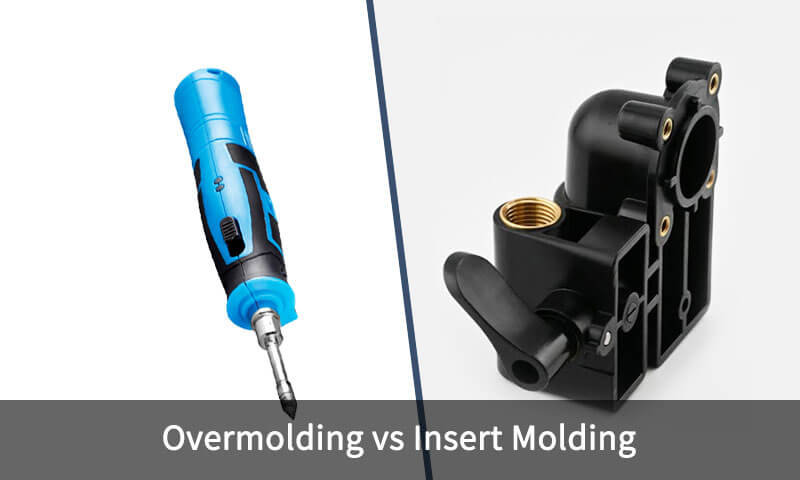
To je potaknulo široko prihvaćanje proizvodnih procesa s više materijala. Među njima, prelijevanje i umetanje dvije su najvažnije i često uspoređivane tehnike.
Iako se ta dva izraza ponekad koriste naizmjenično, opisuju različite pristupe proizvodnji i rješavaju različite inženjerske probleme.
Prelijevanje općenito uključuje oblikovanje drugog materijala preko postojeće podloge kako bi se stvorila komponenta od više materijala.
Umetnuti kalup, za razliku od, postavlja prethodno oblikovani umetak—često metalni—u kalup za injekcijsko ubrizgavanje i inkapsulira ga ili djelomično okružuje plastikom.
Ovaj članak pruža sveobuhvatan, usporedna usporedba prelivanja i prelivanja umetaka.
1. Što je prelijevanje?
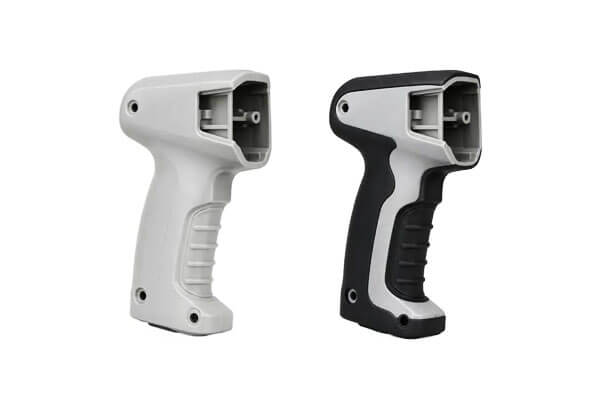
Prelijevanje je proces injekcijskog prešanja u kojem se jedan materijal oblikuje preko postojeće podloge ili prethodno oblikovane komponente kako bi se stvorio integrirani dio od više materijala.
Prva komponenta se obično naziva supstrat, dok je materijal primijenjen tijekom sekundarne operacije kalupljenja prelijepiti materijal.
Ovisno o dizajnu proizvoda, supstrat može biti kruti termoplast, elastomer, metalna komponenta, ili drugog prikladnog prethodno oblikovanog dijela.
Tipična prelivena komponenta može kombinirati kruti strukturni materijal s mekšim materijalom.
Na primjer, kućište od krutog ABS-a može dobiti TPE kalup za udobno držanje, poboljšati brtvljenje, ili stvoriti zaštitnu vanjsku površinu.
Cilj nije samo postaviti jedan materijal na drugi. Međusklop između dva materijala mora osigurati odgovarajuće prianjanje, mehanička retencija, ili kombinacija oba kako bi izdržala očekivana mehanička opterećenja proizvoda, toplinski, kemijski, i okolišni uvjeti.
Kako funkcionira prelijevanje
Proces prelijevanja općenito počinje proizvodnjom supstrata.
To može uključivati zasebnu operaciju injekcijskog prešanja, proces obrade, operacija žigosanja, postupak lijevanja, ili drugi način proizvodnje.
Nakon što se podloga pregleda, postavlja se unutar drugog kalupa. Kalup je dizajniran da otkrije područja koja trebaju primiti materijal za kalup dok točno locira i podupire supstrat.
Sekundarni materijal se zatim zagrijava na odgovarajuću temperaturu obrade i ubrizgava u šupljinu kalupa.
Teče oko naznačenih površina supstrata i oblikuje traženu vanjsku geometriju.
Nakon punjenja i pakiranja, materijal se hladi i stvrdnjava prije nego što se gotova komponenta izbaci.
Tipičan tijek rada je:
Proizvodnja supstrata → inspekcija supstrata → punjenje kalupa → pozicioniranje → ubrizgavanje sekundarnog materijala → pakiranje → hlađenje → izbacivanje → inspekcija
Kvaliteta konačnog proizvoda uvelike ovisi o dizajnu sučelja. Ako je potrebno kemijsko prianjanje, materijal podloge i kalupa mora biti dovoljno kompatibilan.
Ako je mehanička retencija primarni mehanizam, podloga može zahtijevati utore, rebra, rupe, podreza, ili druge značajke koje omogućuju drugom materijalu da se učvrsti u položaju.
Površinska kontaminacija još je jedno važno razmatranje. Ulje, prah, sredstva za oslobađanje, oksidacija, vlaga, ili drugi kontaminanti mogu ometati prianjanje i dovesti do raslojavanja ili preranog odvajanja.
Uobičajeni materijali za prelijevanje
Za prelijevanje se može koristiti širok raspon termoplastičnih i elastomernih materijala, ali nije svaka kombinacija materijala inherentno kompatibilna.
Izbor materijala treba uzeti u obzir temperaturu taline, kemijska kompatibilnost, skupljanje, Koeficijent toplinske ekspanzije, tvrdoća, fleksibilnost, karakteristike površine, i očekivanim uvjetima rada.
Uobičajene kombinacije uključuju:
| Supstrat materijal | Materijal za preklapanje | Tipična namjena |
| ABS | TPE | Kućišta i ručke mekane na dodir |
| PC | TPE | Proizvodi otporni na udarce s ergonomskim površinama |
| Najlon | TPE/TPU | Industrijske ručke i fleksibilna sučelja |
| PP | TPE | Proizvodi široke potrošnje i pečati |
| PC/ABS | TPU | Zaštitne i ergonomske površine |
| Čvrsta termoplastika | Lsr | Brtvljenje i specijalizirane fleksibilne komponente |
Tipične primjene prelivanja
Prekrivanje je osobito korisno kada proizvod mora kombinirati strukturnu izvedbu s mekoćom, fleksibilnost, zapečaćenje, izolacija, ili poboljšana ergonomija.
Overmolding se obično koristi za:
- Drške za ručni alat
- Automobilski prekidači i kontrole
- Kućišta potrošačke elektronike
- Komponente medicinskih uređaja
- Nosivi uređaji
- Zaštita kabela i žica
- Brtvene komponente
- Ručke i ergonomska sučelja
- Zaštitne navlake
- Kontrole industrijske opreme
2. Što je umetnuto oblikovanje?
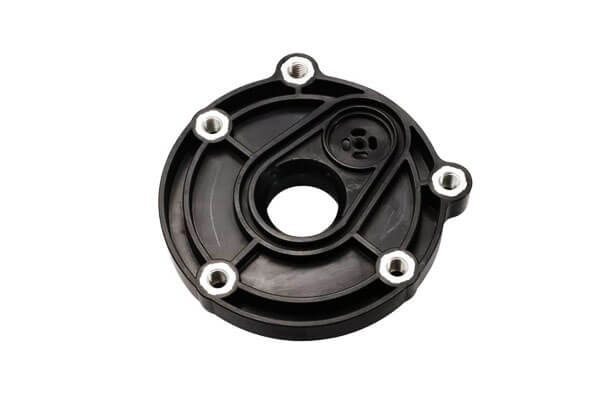
Umetnuti kalup je postupak injekcijskog prešanja u kojem prethodno oblikovana komponenta, poznat kao an umetnuti, postavlja se unutar kalupa za injekcijsko prešanje, a zatim se djelomično ili potpuno inkapsulira rastaljenom plastikom.
Umetak je često izrađen od metala, iako plastična, keramički, elektronički, a mogu se koristiti i druge prethodno oblikovane komponente.
Za razliku od konvencionalnog injekcijskog prešanja od jednog materijala, kalupljenje umetaka kombinira neovisno proizvedenu komponentu s ubrizganom plastikom tijekom jedne operacije kalupljenja.
Plastika se stvrdne oko umetka, proizvodnju integriranog dijela koji može eliminirati naknadne operacije sklapanja.
Na primjer, mjedeni umetak s navojem može se postaviti unutar kalupa i okružiti najlonom.
Nakon kalupljenja, rezultirajuća komponenta sadrži trajno metalno sučelje s navojem bez naknadne ugradnje umetka s navojem.
Kako funkcionira umetnuto oblikovanje
Oblikovanje umetka počinje proizvodnjom i pregledom umetka. Dimenzionalna točnost je osobito važna jer umetak mora ispravno pristajati unutar kalupa i održavati svoj određeni položaj tijekom cijelog ubrizgavanja.
Umetak se zatim ručno postavlja u kalup, poluautomatski, ili putem automatiziranog sustava za utovar.
Namjenska oprema, igle, šupljina, ili se značajke zadržavanja mogu koristiti za sprječavanje pomicanja.
Nakon što se kalup zatvori, rastaljena plastika se ubrizgava oko umetka. Tlak ubrizgavanja može biti znatan, tako da kalup mora pružiti dovoljnu potporu da spriječi pomicanje umetka, deformirajući, ili postaje neusklađen.
Plastika se zatim hladi i stvrdnjava oko umetka. Nakon izbacivanja, gotova komponenta se provjerava na točnost dimenzija, položaj umetanja, bljesak, praznine, pukotine, i druge nedostatke.
Osnovni slijed je:
Proizvodnja umetaka → inspekcija umetka → punjenje umetka → pozicioniranje i zadržavanje → zatvaranje kalupa → brizganje plastike → hlađenje → izbacivanje → pregled
Za proizvodnju velikih količina, automatizirano punjenje umetka može se integrirati u ćeliju za kalupljenje. To može poboljšati dosljednost ciklusa uz smanjenje ručnog rukovanja.
Uobičajeni materijali za umetanje
Metal je najpriznatiji materijal za umetanje jer pruža svojstva koja plastika općenito ne može reproducirati, kao što je visoka električna vodljivost, trajnost niti, ukočenost, nositi otpor, ili lokalizirana mehanička čvrstoća.
Uobičajeni materijali za umetanje uključuju:
- Mjed
- Nehrđajući čelik
- Ugljični čelik
- Aluminij
- Bakar i bakrene legure
- Inženjerska plastika
- Keramika
- Elektroničke komponente
Tipične primjene umetnutih kalupa
Kalup za umetanje obično se koristi kada proizvod zahtijeva metalnu ili drugu prethodno oblikovanu komponentu koja se trajno integrira u plastično tijelo.
Tipične aplikacije uključuju:
- Glave s navojem
- Električni priključci
- Automobilski terminali
- Senzorski kućišta
- Zamijenite komponente
- Medicinski instrumenti
- Komponente za ojačanje konstrukcije
- Kabelski priključci
- Elektronički sklopovi
- Precizne mehaničke komponente
3. Prelijevanje vs umetnuto oblikovanje: Koja je razlika?
Iako obje tehnologije integriraju više materijala ili komponenti, njihova proizvodna logika je drugačija.
Najjednostavnija razlika je:
Prelijevanjem se dodaje novi materijal preko postojeće podloge, dok kalupljenje umetaka kapsulira ili okružuje prethodno oblikovani umetak plastikom lijevanom pod pritiskom.
Međutim, terminologija se može preklapati. U nekim proizvodnim kontekstima, kalupljenje umetaka može se razmatrati kao širi oblik prelijevanja jer oba uključuju materijal za kalupljenje oko već postojeće komponente.
Za inženjersku komunikaciju, međutim, korisno ih je razlikovati na temelju uloge prethodno postojeće komponente.
Usporedba prelijevanja i umetka
| Faktor | Prelijevanje | Umetnite letvu |
| Primarna namjena | Kombinirajte različita svojstva materijala | Integrirajte prethodno oblikovani umetak u plastiku |
| Već postojeća komponenta | Podloga | Umetnuti |
| Zajednički supstrat/umetak | Plastika, elastomer, metal | Metal, plastika, keramički, elektronička komponenta |
| Tipična kombinacija | Čvrsta plastika + elastomer | Plastika + metal |
| Glavni mehanizam sučelja | Prianjanje, mehaničko međusobno blokiranje, ili oboje | Enkapsulacija, mehanička retencija, adhezija u nekim slučajevima |
| Ključni problem dizajna | Kompatibilnost materijala | Pozicioniranje i zadržavanje umetka |
| Tipična primjena | Rukohvat mekan na dodir | Metalni umetak s navojem |
| Površinska funkcija | Zahvat, pečat, jastuk, zaštita | Električni, mehanički, strukturalan, pričvršćivanje |
| Automatizacija | Visoko automatibilan | Visoko automatibilan, ali učitavanje umetaka je kritično |
| Veliki rizik | Raslojavanje ili loše lijepljenje | Umetnite pomak ili neusklađenost |
4. Prelijevanje vs umetnuto oblikovanje: Razmatranja dizajna
Zahtjevi dizajna za prelijevanje i prelijevanje umetanjem prvenstveno se razlikuju jer ta dva procesa upravljaju različitim sučeljima.
Prelijevanje se usredotočuje na stvaranje pouzdanog međusklopa između podloge i prelijenog materijala, dok je kalupljenje umetka usmjereno na točno pozicioniranje i sigurno inkapsuliranje prethodno oblikovanog umetka.
| Razmatranje dizajna | Prelijevanje | Umetnite letvu |
| Kompatibilnost materijala | Odaberite kompatibilnu podlogu i materijale za prelijevanje na temelju adhezije, temperatura topljenja, skupljanje, tvrdoća, i toplinsko širenje. | Osigurajte da umetak može izdržati temperaturu i pritisak kalupljenja bez deformacije ili nestabilnosti dimenzija. |
| Geometrija & Debljina zida | Održavajte jednoliku debljinu kalupa i osigurajte dovoljnu površinu lijepljenja. Izbjegavajte nagle promjene debljine koje mogu uzrokovati skupljanje, ratna stranica, ili slabo vezivanje. | Osigurajte dovoljnu plastičnu debljinu oko umetka za čvrstoću i koristite utore, grcati, rupe, ili ramena kada je potrebna dodatna retencija. |
| Lijepljenje & Zadržavanje | Dizajnirajte sučelje za kemijsko prianjanje, mehaničko međusobno blokiranje, ili oboje, ovisno o kompatibilnosti materijala. | Dizajnirajte značajke mehaničkog zadržavanja i inkapsulacije kako biste bili otporni na izvlačenje i rotaciju. |
| Kapija & Protok materijala | Postavite vrata kako biste postigli uravnoteženo punjenje i minimizirali linije zavara, zarobljavanje zraka, i prekomjerno naprezanje na sučelju. | Pažljivo kontrolirajte protok materijala kako biste spriječili pomicanje umetka, nepotpuna inkapsulacija, ili pretjerani pritisak na umetak. |
Umetnuti / Pozicioniranje podloge |
Supstrat mora biti točno lociran i sigurno držan tijekom injektiranja. | Precizno pozicioniranje umetka je kritično; igle za lociranje, džepovi, učvršćenja, ili može biti potrebno automatsko postavljanje. |
| Skupljanje & Toplinsko širenje | Razmotrite razlike u skupljanju i toplinskom širenju između podloge i kalupa kako biste spriječili savijanje, zaostali stres, i raslojavanje. | Razmotrite razlike u toplinskom širenju između umetka i polimera, posebno u primjenama metal-plastika, kako bi se spriječile varijacije dimenzija i unutarnje naprezanje. |
| Nacrt & Izbacivanje | Osigurajte odgovarajući propuh i pravilno postavljene izbacivače za otpuštanje dijela bez oštećenja gornjeg kalupa ili sučelja. | Pažljivo projektirajte gaz i izbacivanje kako biste spriječili pomicanje umetka, deformacija, ili labavljenje tijekom vađenja iz kalupa. |
Tolerancije |
Uzmite u obzir dimenzije podloge, debljina prelijepa, skupljanje materijala, i moguće pomicanje sučelja. | Uzmite u obzir dimenzije umetaka, točnost pozicioniranja, polimerno skupljanje, i konačno mjesto umetanja. |
| DFM & Mould Flow | Procijenite područje lijepljenja, protok materijala, debljina zida, položaj vrata, i diferencijalno skupljanje prije izrade alata. | Procijenite zadržavanje umetka, pozicioniranje, protok polimera, toplinsko ponašanje, i potencijalni pomak umetka prije izrade alata. |
| Kontrola kvalitete | Usredotočite se na snagu lijepljenja, debljina prelijepa, bljesak, odvajanje, ratna stranica, i dimenzijska točnost. | Usredotočite se na položaj umetka, čvrstoća zadržavanja, enkapsulacija, bljesak, praznine, i dimenzijska točnost. |
5. Usluge prelijevanja po narudžbi i umetanja iz industrije LangHe
Langhe industrija pruža prilagođena rješenja za injekcijsko prešanje za primjene koje zahtijevaju prelijevanje, umetnuti kalup, i druge integrirane tehnologije kalupljenja.
Naš pristup proizvodnji može podržati projekte od početnog razvoja proizvoda i alata do proizvodnje i inspekcije kvalitete.
| Sposobnost | Detalji |
| Vrste prelivanja | Dva metka (2K) prekrivanje, pick-and-place prelijevanje. |
| Umetnite letvu | Metalni umetci (mesing, čelik, bakar), keramički umetci, elektronički umeci (PCBS, senzori). |
| Materijali (Podloga) | ABS, PC, Najlon (Pa6, PA66), PP, PBT. |
| Materijali (Preplijeniti) | TPE, TPU, Lsr, PDV, silikon. |
| Alati | Interni dizajn i proizvodnja alata. |
| Kvaliteta | ISO 9001:2015 ovjeren; 100% inspekcija. |
| Vrijeme olova | 2–4 tjedna za prototipove; 4–8 tjedana za proizvodni alat. |
6. Zaključak
Prelijevanje vs umetnuto oblikovanje nije stvar određivanja koji je proces univerzalno bolji. Obje su vrlo učinkovite tehnologije injekcijskog prešanja, ali se bave različitim zahtjevima za razvoj proizvoda.
Prelijevanje je prvenstveno prikladno za proizvode koji trebaju kombinirati različite karakteristike materijala unutar jedne integrirane komponente.
Posebno je vrijedan za površine mekane na dodir, ergonomski rukohvati, savitljive brtve, jastuk, izolacija, i zaštitnih slojeva.
Njegov uspjeh uvelike ovisi o kompatibilnosti materijala, dizajn sučelja, prianjanje, mehaničko međusobno blokiranje, i diferencijalna kontrola skupljanja.
Umetnuti kalup, za razliku od, posebno je učinkovit kada prethodno oblikovana komponenta - često metalni umetak - mora biti trajno integrirana u plastičnu strukturu.
Široko je prikladan za navojna sučelja, električni terminali, komponente armature, senzori, konektori, i druge primjene u kojima plastika i drugi materijali obavljaju komplementarne funkcije.
Konačno, odabir procesa trebao bi se temeljiti na cjelokupnom proizvodnom sustavu, uključujući materijalno ponašanje, geometrija proizvoda, alati, strategija vezivanja ili zadržavanja, proizvodni volumen, automatizacija, inspekcija, i troškovi životnog ciklusa.
Česta pitanja
Koja je razlika između umetnutog kalupljenja i dvostrukog kalupljenja?
Kalup za umetanje koristi a prethodno oblikovani umetak koji se stavlja u kalup prije brizganja plastike.
Prešanje u dva koraka obično proizvodi dva materijala uzastopno korištenjem specijaliziranih alata i višestrukih faza ubrizgavanja, često bez ručnog umetanja zasebno proizvedene podloge između snimaka.
Koji je proces brži: prelijevanje ili umetanje u kalupe?
Kalupljenje umetaka općenito je brže jer koristi jedno injekcijsko ubrizgavanje. Prelijevanje zahtijeva dva snimka ili postupak u više koraka.
Koji proces ima niže troškove alata?
Kalup za umetanje ima niže troškove alata jer zahtijeva samo jednu šupljinu kalupa. Za prelijevanje su potrebna dva odvojena kalupa ili složeni dvosmjerni kalup.
Kada trebam koristiti prelijevanje?
Koristite prelijevanje kada trebate ručke mekane na dodir, vodonepropusno brtvljenje, prigušivanje vibracija, ili poboljšana estetika.
Kada trebam koristiti umetnute kalupe?
Koristite umetnute kalupe kada su vam potrebni navojni spojevi visoke čvrstoće, električna vodljivost, ili strukturno pojačanje u plastičnim dijelovima.
Mogu li se prelijevanje i umetanje koristiti zajedno?
Da. Neki složeni dijelovi kombiniraju oba procesa—na primjer, umetnuta metalna nit s prelivenom drškom mekanom na dodir na istoj komponenti.
Je li umetnuto oblikovanje vrsta prelijevanja?
Terminologija se može preklapati jer oba procesa oblikuju materijal oko već postojeće komponente.
Međutim, u praktičnoj proizvodnoj terminologiji, prekrivanje obično naglašava dodavanje drugog sloja materijala ili sustava materijala, dok umetnuti kalup posebno naglašava ugradnju prethodno oblikovanog umetka u oblikovanu komponentu.
Može li se metal koristiti u prelivanju?
Da. Metalne podloge mogu se preliti odgovarajućom plastikom ili elastomerima.
Međutim, proces mora uzeti u obzir pripremu površine, toplinsko širenje, prianjanje, mehanička retencija, i diferencijalno skupljanje.