

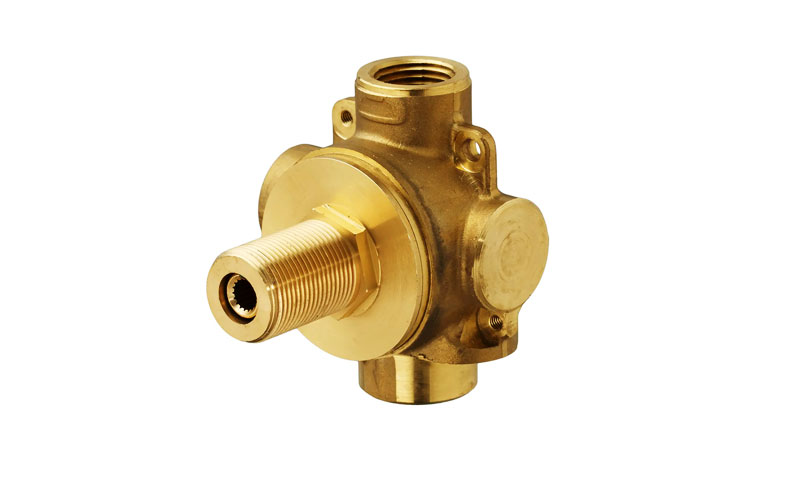
Presmjerni ventili bitne su komponente u sustavima za rukovanje tekućinama, omogućujući preusmjeravanje protoka s jednog puta na drugi.
Ovi ventili imaju široku primjenu u vodovodima, grijanje, ventilacija, klimatizacija (HVAC), obrada vode, i industrijska prerada.
Među raznim materijalima koji se koriste za preklopne ventile, mjed se ističe kao preferirani izbor zbog svoje izvrsne obradivosti, otpor korozije, antimikrobna svojstva, i estetska privlačnost.
Proizvodnja visokokvalitetnih mjedenih preklopnih ventila zahtijeva kombinaciju preciznog lijevanja i napredne CNC obrade.
Izgubljeni vosak (casting) je idealna metoda za proizvodnju složenih unutarnjih prolaza i zamršenih geometrija tijela preklopnih ventila.
U kombinaciji s preciznom CNC obradom, ovaj proces daje ventile s iznimnom točnošću dimenzija, glatke površinske završne obrade, i pouzdan rad.
1. Što je mjedeni preklopni ventil?
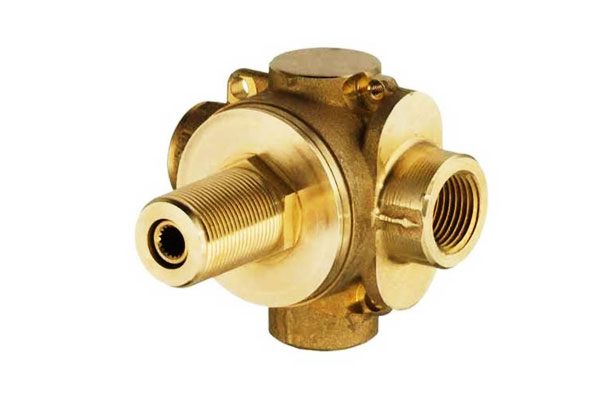
A mjedeni preklopni ventil je uređaj za kontrolu tekućine s više priključaka dizajniran za preusmjeravanje, odabrati, ili raspodijeliti protok tekućine između različitih puteva protoka.
Za razliku od konvencionalnog zapornog ventila s dva priključka, preklopni ventil koristi više otvora i unutarnji pomični element za određivanje koji su prolazi spojeni u danom radnom položaju.
Tijelo ventila obično je komponenta koja održava tlak. Sadrži ulazne i izlazne otvore, unutarnji protočni prolazi, ventilna komora, brtvena sučelja, i značajke povezivanja.
Unutarnji element - obično lopta, utikač, uložak, ili vretenasti mehanizam—mijenja putanju protoka kada se ventil okreće ili aktivira.
Tipični preklopni ventil s tri priključka, na primjer, može raditi u dva osnovna položaja:
Pozicija A: Ulaz → Izlaz A
Pozicija B: Ulaz → Izlaz B
Sofisticiranije konfiguracije mogu kombinirati ili izolirati staze protoka ovisno o zahtjevima procesa.
Učinkovitost mjedenog preklopnog ventila ovisi o više od njegove sposobnosti prebacivanja protoka.
Ventil mora održavati cjelovitost tlaka, kontrolirani otpor protoka, pouzdano zatvaranje, dimenzijska stabilnost, i ponovljivo brtvljenje tijekom predviđenog vijeka trajanja.
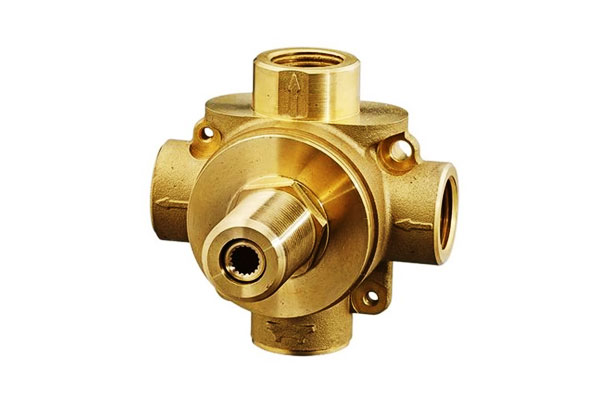
Vrste preklopnih ventila
| Tip | Opis | Tipične primjene |
| 3-Putni preklopni ventil | Jedan ulaz, dva izlaza (ili obrnuto). | Tuš sustavi, ventili za miješanje, HVAC, kontrola procesa. |
| 4-Putni preklopni ventil | Dva ulaza, dva izlaza. | Sustavi grijanja, toplinske pumpe, primjene obrnutog toka. |
| Rotacijski preklopni ventil | Rotirajući element preusmjerava protok između otvora. | Pneumatski transport, rukovanje prahom, industrijska obrada. |
| Klizni preklopni ventil | Klizna ploča preusmjerava protok. | Rukovanje rasutim materijalom, sakupljanje prašine. |
| Kuglasti preklopni ventil | Lopta s više prolaza rotira u izravnom toku. | Vodovodni, kemijska obrada, distribucija plina. |
2. Uobičajene legure mesinga za lijevanje preklopnih ventila
Odabir ispravnog mesing legura je temeljna za cjelovitost tlaka, otpor korozije, obradivost, dimenzijska stabilnost, i vijek trajanja preklopnog ventila.
Mjed nije jedan materijal, već široka obitelj legura na bazi bakra s bitno različitim sastavima i karakteristikama izvedbe.
Za precizno lijevani preklopni ventil, odabir legure treba uzeti u obzir više od mehaničke čvrstoće.
Proizvođač također mora procijeniti ponašanje pri lijevanju, zahtjevi unutarnjeg tlaka, fluidna kemija, otpornost na dezincifikaciju, zahtjevi za strojnu obradu, temperatura, izloženost okoliša, i regulatorna ograničenja za sastojke legura.
Posebno, ventili namijenjeni za pitku vodu ili druge regulirane primjene u kontaktu s tekućinom mogu zahtijevati legure s niskim udjelom olova ili bez olova posebno kvalificirane za tu uslugu.
Stoga, "najbolja" legura mjedi ovisi o primjeni, a ne univerzalna.
Najčešće korištene legure mesinga za lijevanje preklopnih ventila
| Legura (NAS) | Ključna svojstva | Tipične primjene ventila |
| C84400 | Dobra sposobnost lijevanja i obradivosti; tradicionalni olovni polucrveni mjed | Lijevana tijela ventila, vodovodni prilozi, komponente za opću kontrolu tekućine |
| C85700 | Mornarička mjed s olovom; dobra obradivost i otpornost na koroziju | Lijevane komponente koje sadrže pritisak, brodski orijentirani spojevi |
| C87610 | Legura bakra i silicija dobre čvrstoće i otpornosti na koroziju; nisko olovo | Komponente za opskrbu vodom i odljevci otporni na koroziju, ako je navedeno |
| C87800 | Silikonski mesing; Dobra odbacivost, jačina, otpor korozije, i niskoolovne karakteristike | Tijelo servisnih ventila za vodu, vodovodni prilozi, industrijske komponente |
C87850 |
Silikonski mesing dobre obradivosti, nepropusnost na pritisak, i otpornost na koroziju | Tijela ventila, slavina, kućišta vodomjera, vodovodne i brodske komponente |
| C89833 | Legura koja sadrži bizmut bez olova; dobra obradivost i otpornost na koroziju | Komponente koje sadrže tlak bez olova, ventil za pitku vodu i primjene vodovoda gdje je navedeno |
| C36000 | Izvrsne karakteristike slobodne obrade | Strojno obrađene komponente ventila, stabljike, fiting, adapteri, mali precizni dijelovi |
3. Mjedeni preklopni ventil Proces lijevanja izgubljenim voskom
A postupak lijevanja izgubljenim voskom za mjedene preklopne ventile dizajniran je za pretvaranje složene geometrije tijela ventila u metalni odljev gotovo neto oblika s kontroliranom dimenzionalnom dosljednošću i čvrstim strukturnim integritetom.
CAD pregled i alati
Proces počinje crtežom ventila ili 3D CAD modelom. Prije izrade alata, geometrija se pregledava radi izvedivosti lijevanja i stabilnosti proizvodnje.
Proizvođač utvrđuje potreban dopušteni skupljanje, dodatak za obradu, zidni prijelazi, fileti, ulazna mjesta, i orijentacija lijevanja.
Za preklopni ventil, posebna se pozornost pridaje područjima koja okružuju prolaze koji se križaju jer nagle promjene u debljini presjeka mogu utjecati na dovod i skrućivanje metala.
Zatim se proizvodi alat za reprodukciju potrebne geometrije voštanog uzorka.
Proizvodnja voska
Rastaljeni vosak ubrizgava se u preciznu matricu kako bi se stvorio žrtvovani uzorak tijela ventila.
Kvaliteta uzorka određuje dimenzionalni temelj odljevka. Temperatura ubrizgavanja, pritisak, vrijeme držanja, hlađenje, i stanje matrice mora se kontrolirati kako bi se smanjio bljesak, izobličenje, nepotpuno punjenje, i dimenzionalne varijacije.
Gotov voštani uzorak pregledava se prije nego što se pređe na sastavljanje.
Voštani sklop i uspon
Pojedinačni obrasci voska povezani su sa središnjim sustavom cijevi kako bi se formiralo stablo za lijevanje.
U ovoj fazi, sustav zatvarača je uspostavljen tako da rastaljeni mjed može kontrolirano ispuniti šupljinu ventila.
Položaj zasuna i dimenzije klizača utječu na vrijeme punjenja, turbulencija, toplinski gradijenti, i ponašanje pri hranjenju.
Za složene preklopne ventile, gating je dizajniran oko geometrija cijelog tijela, nego jednostavno maksimiziranje brzine punjenja.
Zgrada keramičke školjke
Drvo od voska se više puta umače u keramičku kašu i oblaže vatrostalnom žbukom. Uzastopni slojevi grade krutu keramičku ljusku oko uzorka.
Ljuska mora osigurati dovoljnu čvrstoću za deparafinizaciju i izlijevanje metala uz reprodukciju potrebnih detalja površine.
Primarne kontrole procesa su:
Viskoznost suspenzije + veličina vatrostalnih čestica + debljina sloja + uvjeti sušenja + čvrstoća ljuske
Nedosljedna priprema ljuske može dovesti do pucanja, dimenzionalna varijacija, loša kvaliteta površine, ili otkazivanje školjke tijekom izlijevanja.
Dewaxing i pucanje školjki
Keramička ljuska se zagrijava kako bi se uklonio voštani uzorak i stvorila negativna šupljina tijela ventila.
Nakon dewaksiranja, ljuska se peče kako bi se uklonio zaostali organski materijal i razvila potrebna vatrostalna čvrstoća i toplinska stabilnost.
Dobiveni keramički kalup mora biti čist, suho, i strukturno zdrav prije uvođenja rastaljenog mjedi.
Kontrola taljenja mesinga i legura
Odabrana legura mjedi tali se u kontroliranim uvjetima.
Ključni cilj je osigurati da rastaljeni metal zadovoljava specifikacije zahtjevi za kemijski sastav i čistoću Prije ulijevanja.
Ovo je osobito važno za prilagođene ventile gdje svojstva materijala i regulatorni zahtjevi mogu ovisiti o određenoj leguri.
Kontrola procesa obično uključuje:
- Provjereni materijali za punjenje
- Praćenje temperature taljenja
- Kemijska analiza
- Kontrola troske i oksida
- Identifikacija i sljedivost topline
Kontrolirano izlijevanje
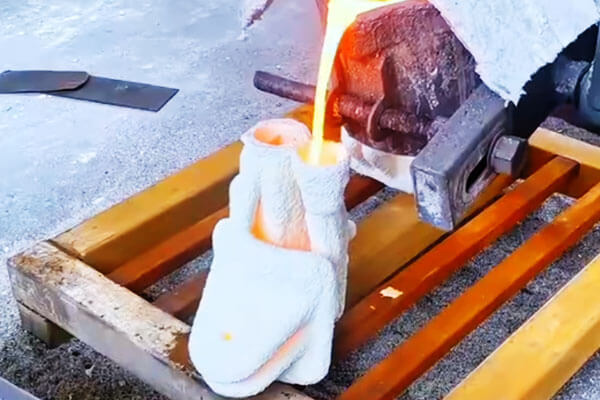
Prethodno zagrijana keramička ljuska je ispunjena rastaljenim mesingom kroz dizajnirani sustav zatvarača.
Temperatura ulijevanja i brzina punjenja moraju biti usklađeni s legurom i geometrijom ventila.
Metal mora ostati dovoljno fluidan da ispuni tanke dijelove i složene prolaze bez pretjerane turbulencije ili preranog skrućivanja.
Nastoji se postići dobro kontrolirana operacija izlijevanja:
Kompletno punjenje + stabilan protok + minimalno unošenje + kontroliranim toplinskim uvjetima
Stvrdnjavanje i hranjenje
Nakon punjenja, mjed se počinje skrućivati. Budući da tijelo ventila može imati različite debljine stjenke, šefovi, i prolazna raskrižja, različita područja mogu se hladiti različitim brzinama.
Dizajn odljevka stoga mora podržavati kontrolirano skrućivanje i odgovarajuće dopremanje metala koji se skuplja.
Loša kontrola skrućivanja može proizvesti nedostatke kao što su:
- Poroznost skupljanja
- Šupljine skupljanja
- Prekidi povezani s plinom
- Vruće pucanje
Za složena tijela ventila, simulacija lijevanja može se upotrijebiti za predviđanje ponašanja punjenja i skrućivanja i optimizaciju sustava zatvaranja i dodavanja prije proizvodnje.
Nokaut
Nakon što se odljevak dovoljno ohladi, mehanički se uklanja keramička ljuska.
Vibracija, mehaničko odvajanje, ili se mogu koristiti druge prikladne metode ovisno o komponenti i proizvodnom sustavu.
Morate biti oprezni tijekom izbijanja jer pretjerana mehanička sila može oštetiti tanke dijelove, značajke luke, ili lijevane površine.
Uklanjanje vrata i uspona
Sprue, trkači, kapije, a usponi su izrezani iz odljevka ventila.
Mjesta rezanja su odabrana tako da uklanjanjem ne oštećuju funkcionalna područja ili ostavljaju višak materijala koji bi komplicirao kasniju strojnu obradu.
Ova faza pretvara lijevano stablo u pojedinačni odljev tijela ventila.
Završna obrada lijevanja
Očišćeni odljevak podvrgava se brušenju, miniranje, ili druge odgovarajuće završne radnje za uklanjanje ostataka keramike, peraje, bljesak, i ostaci vrata.
Cilj je proizvesti čist i stabilan odljevak prikladan za pregled i naknadnu strojnu obradu.
Važno, dorada se ne smije koristiti za prikrivanje neprihvatljivih diskontinuiteta lijevanja. Područja koja će postati granice pritiska, zapečaćene površine, ili kritični podaci obrade zahtijevaju posebnu pozornost.
4. CNC obrada odljevaka preklopnog ventila od mesinga
Lijevanje po izgubljenom vosku utvrđuje glavnu geometriju mjedenog preklopnog ventila, ali obično ne pruža konačnu točnost potrebnu za kritična sučelja.
CNC obrada je stoga most između odljevka gotovo neto oblika i funkcionalnog preciznog ventila.
Procesom obrade ne smiju se postići samo pojedinačne dimenzije; mora održavati geometrijski odnos između priključaka, protočni prolazi, sjedala ventila, zapečaćene površine, stabljike, i sučelja aktuatora.
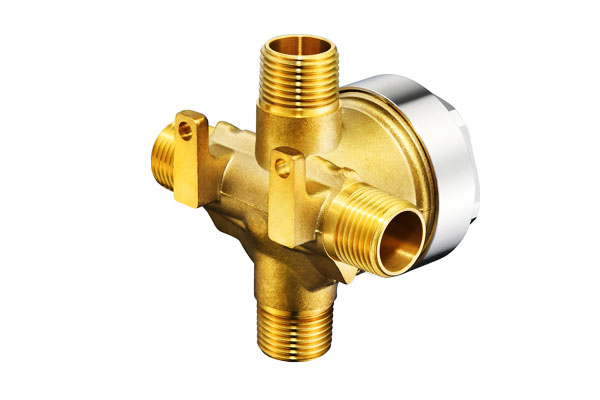
Tipičan slijed proizvodnje je:
Provjera lijevanja → Uspostava datuma → Gruba obrada → Obrada provrta/otvora → Obrada navoja → Obrada sjedišta i utora brtve → Obrada sučelja aktuatora → Skidanje srha → Dimenzijska inspekcija
Točan slijed ovisi o arhitekturi ventila.
Obrada otvora ventila i unutarnjih provrta
Ulazni i izlazni otvori uspostavljaju vezu ventila s vanjskim sustavom tekućine. Ovisno o izvedbi ventila, ova sučelja mogu koristiti:
- NPT ili drugi konusni cijevni navoj
- BSP ili BSPP/BSPT navoji
- Metričke ili prilagođene niti
- Sučelja za kompresiju
- Prirubnički spojevi
- Lemljenje ili specijalizirane geometrije spojeva
Operacija obrade otvora mora kontrolirati i dimenziju i položaj.
Ispravno obrađen navoj i dalje može stvarati probleme pri sklapanju ako je os ulaza pogrešno postavljena u odnosu na tijelo ventila ili susjedne otvore.
Za presjecanje unutarnjih prolaza, strojna obrada može uključivati bušenje, dosadan, unakrsno bušenje, ili kombinacija lijevanih i strojno obrađenih značajki.
Prijelaz između ovih prolaza treba pažljivo ispitati jer pretjerana naglost može povećati gubitak tlaka i turbulenciju.
U nacrtima po narudžbi, lijevanje može proizvesti većinu protočne arhitekture dok CNC obrada dovršava otvore i funkcionalna sučelja.
Precizna obrada sjedišta ventila
Sjedište ventila jedna je od najkritičnijih značajki preklopnog ventila jer tvori sučelje koje ograničava neželjeno istjecanje tekućine.
Performanse sjedala ovise o nekoliko zajedničkih karakteristika:
Koncentričnost + Geometrija kontakta + Površinski završetak + Ravnost/Okruglost + Kompatibilnost materijala
Sjedište ventila koje odgovara nazivnom promjeru, ali nije koncentrično s elementom ventila, može proizvesti neravnomjeran kontakt.
Slično, pretjerano gruba površina može ometati brtvljenje, dok neispravna geometrija površine može povećati radni moment.
Odgovarajuća tolerancija sjedišta i završna obrada površine trebaju se stoga specificirati u skladu s određenim dizajnom ventila, element za brtvljenje, ocjena pritiska, i zahtjev za curenje.
Obrada navoja
Navoji su uobičajeni na mjedenim preklopnim ventilima jer omogućuju kompaktne i ekonomične spojeve.
CNC obrada može se koristiti i za unutarnje i za vanjske navoje. Kritični parametri uključuju:
- Glavni promjer
- Manji promjer
- Pitch
- Profil niti
- Efektivni promjer
- Dubina navoja
- Koncentričnost
- Površinski završetak
Mjerila navoja često se koriste za provjeru proizvodnje, dok dimenzijski pregled može potvrditi temeljnu geometriju.
Budući da je mjed relativno obradiva, podržava učinkovitu proizvodnju niti, ali strategiju rezanja ipak treba uskladiti s određenom legurom.
Neke legure mesinga bez olova mogu se ponašati drugačije od tradicionalnih vrsta za slobodnu strojnu obradu i mogu zahtijevati optimizirane rezne alate i parametre.
Obrada O-prstena i utora brtve
Gdje se koriste elastomerne brtve, utor za O-prsten je precizna značajka, a ne jednostavno udubljenje.
Njegove dimenzije određuju kompresiju brtve i stoga utječu na učinkovitost curenja. Netočna širina utora, dubina, geometrija ugla, ili stanje površine može uzrokovati:
- Nedovoljno brtvljenje
- Pretjerana kompresija
- Ekstruzija brtve
- Poteškoće pri sklapanju
- Prerano trošenje brtve
Proces obrade mora stoga održavati specificiranu geometriju utora dok štiti okolnu brtvenu površinu.
5. Mogućnosti završne obrade za mesingane preklopne ventile
Za prilagođene komponente ventila, površinsku obradu treba odabrati zajedno s legurom, proces obrade, dimenzijske tolerancije, i radnom okruženju.
Nije svaki završni postupak prikladan za svaku površinu.
Posebno, sjedala ventila, niti, brtvena sučelja, i mokri prolazi mogu zahtijevati strogo kontrolirane uvjete završne obrade kako bi se izbjegla promjena njihovih funkcionalnih dimenzija.
Mehaničko poliranje
Mehaničko poliranje koristi progresivno finije abrazivne medije za uklanjanje tragova strojne obrade, manje nepravilnosti na površini, i nesavršenosti površine povezane s lijevanjem s površine mesinga.
Ovisno o traženom izgledu, proces može varirati od osnovne abrazivne završne obrade do poliranja visokog sjaja.
Prednosti:
- Stvara glatku i atraktivnu mesinganu površinu
- Poboljšava vizualni izgled
- Smanjuje vidljive tragove obrade i lijevanja
- Pruža učinkovitu podlogu za kasniju obradu
- Može poboljšati ujednačenost površine na vanjskim površinama ventila
Nikla
Niklanje nanosi kontrolirani sloj nikla na pripremljenu mesinganu površinu, obično putem procesa galvanizacije.
Odgovarajuća prethodna obrada neophodna je kako bi se osiguralo dobro prianjanje između mjedene podloge i premaza.
Prednosti:
- Poboljšava otpornost na koroziju
- Pruža veću površinsku tvrdoću od neobrađenog mesinga
- Poboljšava otpornost na habanje
- Stvara ujednačen metalik izgled
- Prikladno za komponente izložene vlazi i rukovanju
- Može poslužiti kao temeljni sloj za dekorativne ili funkcionalne završne sustave
Kromiranje
Kromiranje nanosi površinski sloj na bazi kroma na prikladno pripremljenu podlogu, često preko niklanja.
Proces proizvodi tvrdu, svijetla površina s dobrom otpornošću na habanje i tamnjenje.
Prednosti:
- Izvrstan dekorativni izgled
- Visoka površinska tvrdoća
- Dobra otpornost na habanje
- Dobra otpornost na tamnjenje i atmosfersku izloženost
- Prikladno za izložene komponente ventila i ukrasnu opremu za vodovod
Bez elektroležnog nikla
Bezelektričko poniklavanje taloži sloj nikal-fosfora ili slične legure nikla kroz autokatalitičku kemijsku reakciju umjesto oslanjanja na izravnu vanjsku električnu struju.
To omogućuje relativno ujednačenu debljinu premaza u složenim geometrijama.
Prednosti:
- Ravnomjernija debljina premaza na složenim površinama
- Dobar otpor korozije
- Dobra otpornost na trošenje i abraziju
- Prikladno za udubljene i nepravilne geometrije
- Pruža kontroliranu površinsku zaštitu s relativno predvidljivim dimenzionalnim nakupljanjem
- Korisno za industrijske komponente ventila koje zahtijevaju zaštitu i dosljednost dimenzija
Precizno obrađena površina
Za funkcionalne površine kao što su sjedišta ventila, probir, niti, i brtvljenje sučelja, potrebna završna obrada često se proizvodi izravno putem kontrolirane CNC obrade, fino tokarenje, dosadan, mljevenje, ili druge precizne operacije, a ne kroz dekorativni premaz.
Prednosti:
- Održava preciznu kontrolu dimenzija
- Omogućuje preciznu geometriju brtvljenja
- Podržava kontroliranu hrapavost površine
- Izbjegava nepotrebno nakupljanje premaza na kritičnim sučeljima
- Pruža predvidljivu montažu i funkcionalne performanse
- Posebno pogodan za sjedišta ventila, probir, niti, i brtvene kontaktne površine
6. Prednosti izgubljenog voska za mjedene preklopne ventile
Lijevanje po izgubljenom vosku pruža jedinstvene prednosti za proizvodnju preklopnih ventila koje se ne mogu usporediti s alternativnim metodama lijevanja ili oblikovanja.
Neusporediva točnost dimenzija & Ponovljivost
Investicijski lijev postiže ±0,05–0,1 mm po 25 mm kao lijevano tolerancija, s dosljednom ponovljivošću u velikim količinama proizvodnje.
Time se smanjuje zaliha obrade, minimizira nakupljanje tolerancije, i osigurava izmjenjivu montažu.
Složena unutarnja geometrija & Optimizacija protoka
Izgubljeni vosak može proizvesti zamršene unutarnje geometrije otvora, glatki prijelazi protoka, i oblikovane prolaze koji bi bili nemogući s lijevanjem u pijesak ili neekonomični za strojnu obradu.
Optimizirani unutarnji protok smanjuje turbulenciju, pad pritiska, i šum protoka.
Vrhunska završna obrada lijevane površine
Fini keramički sloj na licu daje Ra 1,6–3,2 μm kao lijevani površinski sloj, smanjenje vremena obrade i poboljšanje performansi brtvene površine.
Glatke lijevane površine također smanjuju eroziju izazvanu protokom unutar prolaza tekućine.
Minimalna zaliha strojne obrade & Materijalna učinkovitost
Lijevanje gotovo neto oblika zahtijeva samo 0,8–1,5 mm materijala za obradu po strani, u usporedbi s 3–6 mm za lijevanje u pijesak.
To smanjuje otpad materijala za 40–60% i značajno skraćuje vrijeme strojne obrade.
Fleksibilnost legura & Prilagođena formulacija
Lijevanje izgubljenim voskom funkcionira s gotovo svim legurama mjedi, omogućujući prilagođenu formulaciju legure koja odgovara specifičnoj koroziji, jačina, ili regulatornim zahtjevima bez većih promjena alata.
Konzistentan integritet pritiska & Otpornost na curenje
Jednodijelna lijevana tijela eliminiraju puteve curenja sastavljenih spojeva. Kontrolirano skrućivanje smanjuje unutarnju poroznost, osiguravajući performanse otporne na pritisak koji prolaze 1,5x ispitivanje curenja radnog tlaka.
7. Lijevanje po izgubljenom vosku vs. Presmjerni ventili od kovanog mesinga
I lijevanjem i kovanjem proizvode se komponente ventila od mesinga, ali služe različitim scenarijima dizajna i izvedbe.
| Dimenzija izvedbe | Ventili od lijevanog mesinga od izgubljenog voska | Kovani mesingani ventili |
| Točnost dimenzije | ±0,05 – ±0,1 mm/25 mm kao lijevano; čvršće nakon strojne obrade | ±0,02 – ±0,05 mm; vrlo dosljedan |
| Složenost unutarnje geometrije | Vrlo visoko — složeni priključci, konturirani prolazi, izvedbe s više priključaka | Ograničeno — samo jednostavni aksijalni oblici; duboke unutarnje karakteristike nisu izvedive |
| Pritisak & Otpornost na umor | Dobar za standardni tlak; ovisno o poroznosti | Izvrstan; veća otpornost na zamor i pritisak pucanja |
| Prikladnost volumena proizvodnje | 500 - 50,000 PCS/godina | 10,000 - 500,000+ PCS/godina |
| Trošak alata & Vrijeme olova | Umjereni trošak alata; 4– Rok isporuke 6 tjedana | Visoki trošak alata; 6– Rok isporuke 10 tjedana |
| Ukupni jedinični trošak | Srednje visoka za nisku glasnoću; konkurentan pri srednjem volumenu | Visoko pri niskoj glasnoći; najniža pri vrlo visokoj glasnoći |
| Idealni scenariji primjene | Složena tijela s više priključaka, konturirane staze protoka, srednji volumen | Jednostavni aksijalni dizajni, visoki pritisak, umor od visokog ciklusa, vrlo velika glasnoća |
8. Primjena mjedenih preklopnih ventila
Vodovod i distribucija vode
Mjedeni preklopni ventili naširoko se koriste u vodovodnim sustavima za preusmjeravanje vode između različitih izlaza, krugovi, ili čvora.
Njihov kompaktan dizajn, otpor korozije, i dobra obradivost čine ih prikladnima i za stambenu i za komercijalnu opremu za kontrolu vode.
Tipične aplikacije uključuju:
- Tuš sustavi
- Sklopovi slavina
- Oprema za distribuciju vode
- Sustavi miješanja i usmjeravanja
- Vodovodna oprema za kućanstvo
HVAC i sustavi grijanja
Mjedeni preklopni ventili obično se koriste u HVAC i hidroničkim sustavima grijanja za kontrolu smjera cirkulirajuće vode i drugih kompatibilnih tekućina.
Ventil može prebacivati protok između krugova grijanja, obilazni vodovi, ili sekundarne petlje.
Tipične aplikacije uključuju:
- Radijatorski sustavi grijanja
- Sustavi podnog grijanja
- Krugovi cirkulacije HVAC
- Sustavi dizalica topline
- Kotlovi i oprema za grijanje
Sustavi za navodnjavanje
U opremi za navodnjavanje, mjedeni preklopni ventili mogu se koristiti za usmjeravanje vode između različitih grana ili zona.
Njihova otpornost na koroziju i robusna konstrukcija čine ih prikladnima za ponovljeno prebacivanje protoka u vanjskim okruženjima.
Tipične aplikacije uključuju:
- Poljoprivredni sustavi navodnjavanja
- Oprema za navodnjavanje vrtova
- Sustavi prskalica
- Navodnjavanje staklenika
- Razdjelnici vode
Oprema za obradu vode
Mjedeni preklopni ventili mogu se integrirati u kompaktne sustave za pročišćavanje vode gdje je potrebno odabrati ili izolirati različite putove protoka.
Precizno lijevanje je posebno korisno kada tijelo ventila zahtijeva prilagođene unutarnje prolaze.
Tipične aplikacije uključuju:
- Sustavi za filtriranje vode
- Oprema za pročišćavanje vode
- Sustavi za omekšavanje
- Pumpa i sklopovi za filtriranje
- Kontrolne jedinice za pročišćavanje vode
Uređaji i oprema za stanovanje
Kompaktni mjedeni preklopni ventili također se koriste u uređajima gdje se voda ili druga kompatibilna tekućina moraju preusmjeriti između različitih unutarnjih krugova.
Tipične aplikacije uključuju:
- Oprema za pripremu kave i pića
- Uređaji za pranje rublja
- Grijači vode
- Oprema za čišćenje
- Uređaji za kontrolu vode u stambenim objektima
Industrijska oprema za kontrolu tekućina
Industrijska oprema može koristiti mjedene preklopne ventile za usmjeravanje vode, ulje, zrak, ili druge kompatibilne tekućine gdje tlak, temperatura, i kemijsko okruženje su unutar ograničenja materijala i dizajna ventila.
Tipične aplikacije uključuju:
- Pumpni sustavi
- Kompresori i pomoćna oprema
- Strojevi za obradu tekućina
- Industrijski rashladni sustavi
- Prilagođeni sklopovi opreme
Komercijalni i specijalizirani sustavi
Prilagođeni mjedeni preklopni ventili također su prikladni za proizvođače opreme koji zahtijevaju kompaktnu komponentu za kontrolu protoka s više priključaka dizajniranu oko određenog sklopa ili kruga tekućine.
Tipične aplikacije uključuju:
- Komercijalna vodovodna oprema
- Sustavi cirkulacije vode
- Razdjelnici opreme
- OEM sklopovi za kontrolu tekućine
- Strojevi i procesna oprema po narudžbi
9. Zašto odabrati LangHe Industry za mjedeni preklopni ventil za lijevanje po izgubljenom vosku & Obrada?
Za prilagođene mesingane preklopne ventile, odabir proizvođača nije samo stvar pronalaska dobavljača koji može lijevati mjed.
Konačna komponenta ovisi o koordinaciji inženjeringa lijevanja, odabir legura, CNC obrada, završnica površine, dimenzionalna kontrola, i funkcionalno ispitivanje.
Langhe industrija pristupa proizvodnji preklopnog ventila od mesinga po narudžbi kao integriranom proizvodnom projektu, omogućujući da se faze lijevanja i strojne obrade zajedno razvijaju oko funkcionalnih zahtjeva kupca.
| Sposobnost | Detalji |
| Materijali | C84400, C85700, C87610, C87800, C87850, C89833, C36000. |
| Postupak lijevanja | Izgubljeni vosak (casting). |
| Tolerancije | ± 0,1–0,3 mm (CT5-CT7 prema ISO 8062). |
| CNC obrada | CNC okretanje, mljevenje, bušenje, kuckanje, dosadan, puknuće, navođenje. |
| Kvaliteta | ISO 9001:2015 ovjeren; 100% inspekcija; Cmm. |
| Vrijeme olova | 6–12 tjedana za izradu alata; 2–4 tjedna za ponovne narudžbe. |
10. Zaključak
Mjedeni preklopni ventil je kompaktna komponenta, ali su njegovi proizvodni zahtjevi međusobno visoko povezani.
Tijelo ventila mora biti pod pritiskom, osigurati točne staze protoka, smjestiti unutarnji element ventila, održavati brtvena sučelja, i pouzdano spojiti s vanjskim cjevovodom ili opremom.
Za složene prilagođene dizajne, lijevanje izgubljenim voskom pruža učinkovit način za uspostavljanje glavne geometrije tijela ventila, uključujući prilagođene priključke, šefovi, prijelazi, i odgovarajuću unutarnju arhitekturu.
CNC obrada tada donosi navoje, probir, sjedala ventila, brtveni utori, i sučelja aktuatora do potrebne preciznosti.
Odabir materijala jednako je važan. Različite legure mjedi nude različite kombinacije livljivosti, obradivost, mehanička čvrstoća, otpor korozije, i regulatorna prikladnost.
Ispravan izbor se stoga mora temeljiti na stvarnom fluidu i radnom okruženju.
LangHe Industry kombinira precizno lijevanje mesinga i CNC strojnu obradu kako bi podržao prilagođenu proizvodnju preklopnih ventila od početnog pregleda dizajna do pregleda gotovih komponenti, pomažući OEM kupcima da pretvore složene koncepte ventila u proizvodne proizvode koji se mogu ponoviti.
FAQ
Što je mjedeni preklopni ventil?
Mjedeni preklopni ventil je uređaj za kontrolu tekućine s više otvora koji se koristi za preusmjeravanje ili selektivnu distribuciju tekućine između različitih puteva protoka.
Njegov unutarnji element ventila određuje koji su priključci spojeni u svakom radnom položaju.
Zašto se mjed obično koristi za preklopne ventile?
Mjed pruža korisnu kombinaciju otpornosti na koroziju, obradivost, mehanička čvrstoća, odljenost, i troškovna učinkovitost.
Ova svojstva ga čine pogodnim za mnoge vode, HVAC, vodovodni, aparat, i industrijske aplikacije za kontrolu tekućina.
Zašto koristiti izgubljeni voštani lijev za mjedeni preklopni ventil?
Lijevanje po izgubljenom vosku osobito je korisno kada tijelo ventila sadrži složenu geometriju, više priključaka, integrirani šefovi, ili prilagođeni protočni prolazi.
Proizvodi tijelo gotovo neto oblika koje se kasnije može obrađivati na CNC stroju.
Mogu li se mjedeni preklopni ventili koristiti za pitku vodu?
Mogu biti, pod uvjetom da kompletna konstrukcija ventila ispunjava primjenjive zahtjeve za opskrbu pitkom vodom.
Legura mesinga, sadržaj olova, ovlažene komponente, proizvodni postupak, i zahtijevanu usklađenost proizvoda treba uzeti u obzir.

