1. Panimula
EN-GJL-250 is a widely used grade of grey cast iron specified in European practice.
The designation indicates a grey-iron casting with a guaranteed minimum tensile strength around 250 MPa and a flake-graphite microstructure.
EN-GJL-250 is chosen when gastos, pagiging castable, vibration damping and excellent machinability are the priorities — for example machine-tool bases, mga bloke ng engine, pump housings and brake discs.
2. What Is Grey Iron EN-GJL-250?
EN-GJL-250:
- EN — European standard designation style.
- GJL — grey cast iron (graphite flake morphology).
- 250 — designates the minimum tensile strength in MPa (i.e., ≈250 MPa).
Grey iron EN-GJL-250 is a widely used cast iron grade in European standards, defined under EN 1561.
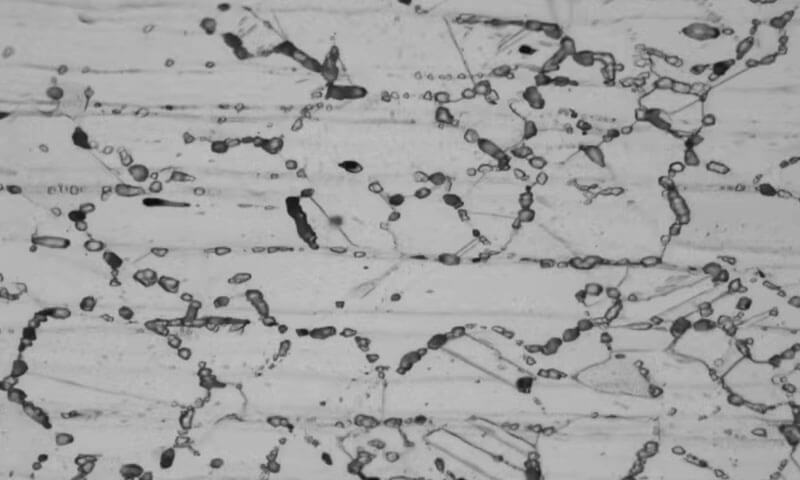
It is characterized by lamellar (flake) graphite dispersed in a metallic matrix, typically a combination of pearlite and ferrite.
The “250” in the designation refers to a minimum tensile strength of approximately 250 MPa, ensuring predictable mechanical performance for structural castings.
EN-GJL-250 is commonly employed for components requiring magandang machinability, damping capacity, at katamtamang lakas, making it a cost-effective choice for medium-duty industrial parts.
Mga Tampok
- Flake Graphite Microstructure: The graphite flakes interrupt the metallic matrix, giving the material napakahusay na panginginig ng boses damping at chip-breaking behavior sa panahon ng machining.
- Moderate Tensile Strength: Minimum tensile strength of ~250 MPa provides adequate performance for many structural applications while retaining brittleness in tension.
- Magandang Machinability: The flake graphite acts as a built-in lubricant and chip breaker, na nagpapahintulot sa efficient machining with reduced tool wear.
- Epektibo sa Gastos: Pagkakaroon ng hilaw na materyal, straightforward casting processes, and low finishing requirements make EN-GJL-250 economical for complex shapes.
- Thermal kondaktibiti: Higher thermal conductivity than many steels allows effective heat dissipation, beneficial in engine blocks, brake discs, and machine tool bases.
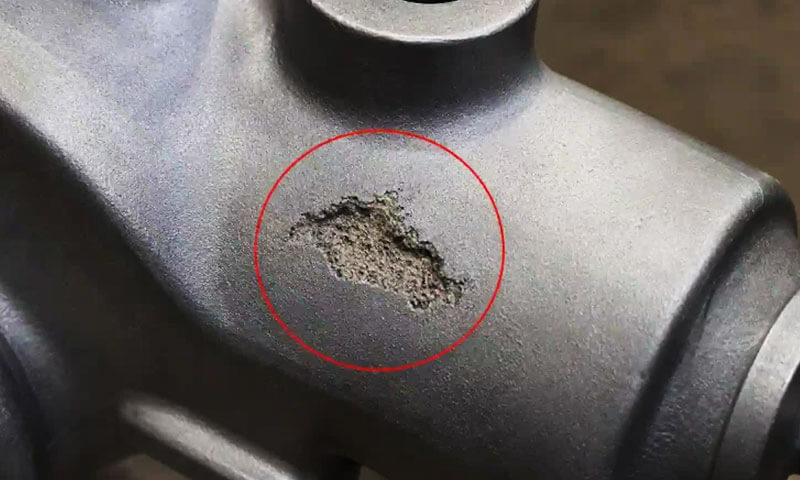
- Mga Limitasyon: Malutong sa ilalim ng makunat stress, challenging to weld, and prone to shrinkage/porosity if casting controls are not carefully managed.
EN-GJL-250 is thus a versatile “workhorse” grey iron grade, ideal where compressive loads, panginginig ng boses damping, at machinability are prioritized over tensile ductility.
3. Typical Chemistry & Microstructure
Below are representative chemical ranges and the microstructural characteristics found in EN-GJL-250 castings.
These ranges are typical shop targets — always verify with supplier certificates.
| Elemento | Typical wt% Range | Function / Mga Tala |
| Carbon (C) | 3.0 – 3.8 | Provides carbon for graphite flakes; higher C increases graphite content and improves damping but reduces tensile strength. |
| Silicon (Si Si) | 1.8 – 3.0 | Promotes graphite formation and influences matrix (ferrite vs pearlite balance). |
| Mga mangganeso (Mn) | 0.10 – 0.80 | Acts as a deoxidizer and controls hardness; high Mn can promote carbides. |
| Posporus (P) | 0.05 – 0.15 | Increases fluidity in casting but excessive P may cause brittleness. |
| Sulfur (S) | 0.02 – 0.12 | Low S is preferred to avoid formation of iron sulfide which can cause brittleness; works with Si to control graphite morphology. |
| Bakal na Bakal (Fe) | Balanse (~≥ 93%) | Main metallic matrix, combines with C and Si to form pearlite/ferrite structures. |
Microstructure Notes
- Graphite flakes: Dispersed in the matrix, acting as stress concentrators in tension but excellent for vibration damping and machinability.
- Matrix: Karaniwan pearlitic or ferritic-pearlitic, where higher pearlite content increases hardness and tensile strength, and more ferrite improves ductility and machinability.
- Key process influence: Inoculation, optimize ang mga parameter tulad ng pagbuhos ng bilis, and melt chemistry control graphite flake size, pamamahagi, and matrix fraction.
4. Mga Katangian ng Mekanikal & Typical Data
Representative mechanical properties for EN-GJL-250 castings (values vary with matrix and casting practice; supplier certificates should be used for design):
| Pag-aari | Typical value / saklaw | Mga Tala |
| Lakas ng paghatak, Rm | ≥ 250 MPa | Minimum design requirement; cast-to-test coupon results often 250–320 MPa depending on matrix |
| Pagpapahaba (A) | ~0.2 – 2.0 % | Low tensile ductility — grey iron is brittle in tension |
| Compressive strength | ~600 – 1 200 MPa | Concretely higher than tensile strength; useful for compressive load design |
| Brinell hardness (HBW) | ~140 – 260 HB | Ferritic lower end; pearlitic/harder matrix upper end |
| Elastic modulus, E | ~100 – 170 GPa (typical ~110–150 GPa) | Reduced by graphite flakes vs solid steel |
| Damping capacity | Mataas na | One of grey iron’s main advantages — excellent vibration absorption |
5. Mga Katangian ng Pisikal & Thermal Behaviour
| Pag-aari | Typical value (typ.) |
| Thermal kondaktibiti | ~40 – 60 W·m⁻¹·K⁻¹ (depends on matrix) |
| Coefficient of thermal expansion (CTE) | ≈ 10 – 12 ×10⁻⁶ K⁻¹ |
| Thermal katatagan | Good up to moderate temperatures; high temperatures alter matrix and strength |
| Specific heat capacity | ~460 – 500 J·kg⁻¹·K⁻¹ |
| Densidad ng katawan | ≈ 7.0 – 7.3 g·cm⁻³ |
6. How it is produced — foundry practice and key control levers
Producing consistent EN-GJL-250 castings requires control of melt chemistry, inoculation, moulding and cooling:
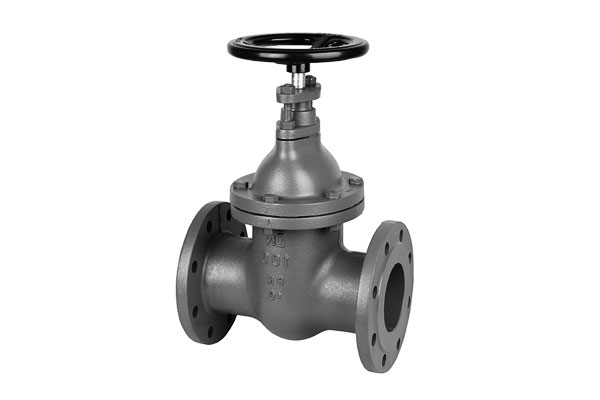
- Natutunaw na & charge: Scrap, pig iron and alloy additions melted in cupola or induction furnaces.
- Inoculation: adding small amounts of Fe-Si, ferrosilicon or other inoculants at pouring promotes graphite nucleation and shapes flake morphology. Proper inoculation reduces chill and white iron.
- Moulding & paglamig: sand moulds, shell moulds o pamumuhunan paghahagis Maaaring magamit.
Cooling rate controls matrix: slow cooling → more ferrite; faster cooling → more pearlite and higher hardness. - Sulfur control & magnesiyo: sulfur is managed to control graphite formation; unlike ductile iron, magnesium is not added to produce spheroidal graphite — graphite remains flake shaped.
- Post-casting treatments: stress-relief annealing, tempering or surface treatments may be applied for dimensional stability and reduced residual stress.
Quality in foundry practice is achieved through process control (melt analysis, inoculant recipes, thermal management) and sound gating/feeding design to minimise porosity and shrinkage.
7. Machinability, joining and surface treatments
Machinability
- Napakahusay na machinability relative to steels due to graphite flakes acting as chip breakers and lubricants.
Tool life is generally good and feeds/speeds can be higher than for steels of equivalent strength. - Cutting characteristics depend on matrix: ferritic matrix — very easy; pearlitic — harder but still good.
Pagsali sa (hinang & brazing)
- Welding grey iron is challenging because of graphite and variable shrinkage; brazing and mechanical fastening are often preferred.
If welding is required, preheat, suitable electrodes and post-weld heat treatment are usually necessary — consult a welding engineer and perform qualification tests.
Surface treatment & protection
- Painting and coatings for corrosion protection are common.
- Shot peening or surface hardening may be used for wear applications but are limited by the brittle nature in tension.
- Porosity sealing (impregnation) may be applied to hydraulic castings to make them leak-tight.
8. Design considerations & engineering best practice
EN-GJL-250 is excellent when used correctly — these are typical design tips:
- Design for compressive and bending loads rather than tensile shock loads. Graphite flakes act as crack initiators in tension.
- Avoid high tensile stress concentrations — large fillets, smooth transitions, and generous radii reduce stress raisers.
- Use ribbing and sectioning to increase stiffness without inducing thermal‐shrinkage defects. Keep sections reasonably uniform or design chills/cores to control solidification.
- Account for anisotropy — due to directional solidification and graphite orientation, properties can vary with casting direction.
Consider specifying gating and mould layout to get favorable graphite orientation relative to principal stresses. - Service temperature limits: elevated temperatures can alter matrix and reduce strength — consult data for high-temperature applications.
9. Mga Pakinabang at Limitasyon
Advantages of EN-GJL-250
- Napakahusay na machinability — low manufacturing cost for complex geometries.
- High damping — reduces vibration, improves surface finish in machine tools.
- Good compressive strength & wear behavior when pearlitic matrices are used.
- Epektibo ang gastos — economical raw material and tooling costs for cast components.
Limitations of EN-GJL-250
- Low tensile ductility — brittle fracture under tensile concentration.
- Difficult to weld — welding requires specialist procedures and qualification.
- Porosity/shrinkage risk — requires good foundry practice and NDT for critical parts.
- Anisotropy due to graphite flake orientation — care needed in design and gating.
10. Applications — Why Designers Choose EN-GJL-250
Typical applications where EN-GJL-250 is a natural choice:
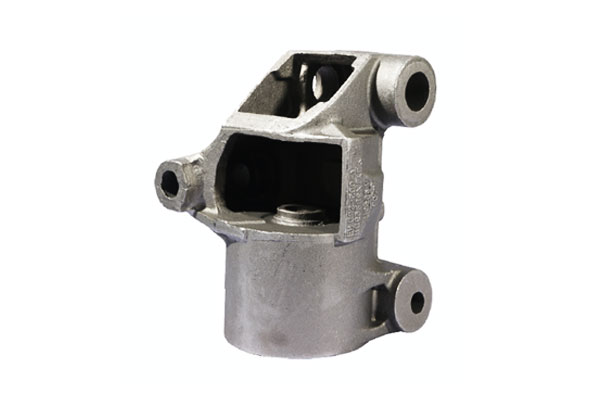
- Machine tool bases & mga frame — stiffness + damping → improved machining accuracy.
- Mga bloke ng engine & mga ulo ng silindro (many designs) — castability and machinability at reasonable cost.
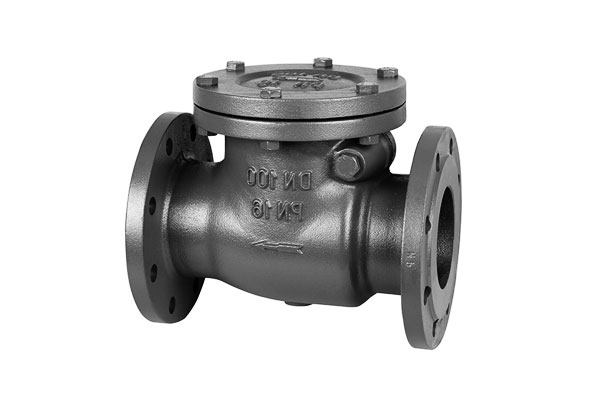
- Pump & mga katawan ng balbula, Mga pabahay ng gear — complex near-net shapes with good wear behavior.
- Brake discs, mga flywheel — thermal conductivity and damping useful in automotive and industrial brakes.
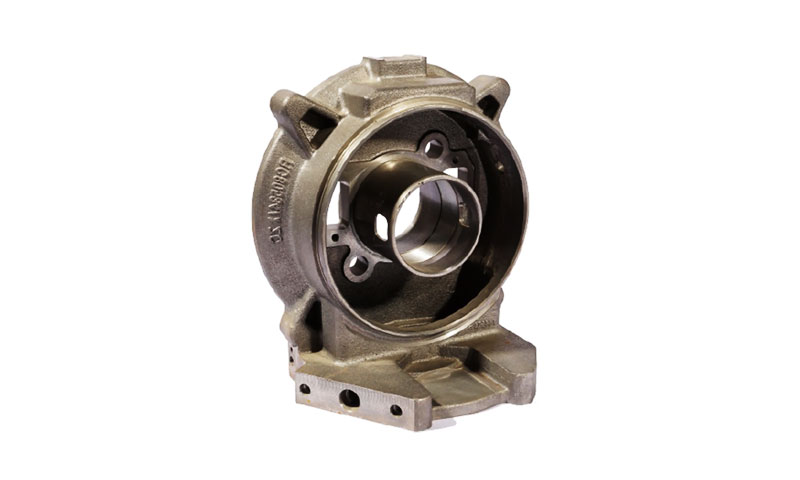
- Mga haydroliko na pabahay & Mga Casing ng Gearbox — machinable, dimensionally stable castings.
11. Equivalent Grades Across Global Standards
EN-GJL-250 is widely recognized and has direct equivalents in major international standards, which simplifies global procurement, design comparison, and material specification.
While chemical compositions may vary slightly, these equivalents are matched primarily by minimum tensile strength (~250 MPa) and flake graphite microstructure.
| Regional Standard | Grade Designation | Key Matching Criterion |
| European (EN) | EN-GJL-250 | Minimum tensile strength ≥ 250 MPa (EN 1561) |
| German (DIN) | GG25 | Former DIN designation; similar tensile strength and flake graphite structure |
| Chinese (GB / T) | HT250 | Minimum tensile strength ≥ 250 MPa (GB / T 9439) |
| American (ASTM) | ASTM A48 Class 35 | Minimum tensile strength 246 MPa (35 ksi) |
| Internasyonal (ISO) | ISO 185 Klase 250 | Aligned with EN 1561 Mga kinakailangan sa mekanikal |
| Japanese (Hapon) | JIS FC250 | Comparable composition and minimum tensile strength 250 MPa |
| Russian (GOST) | SCH25 | Minimum tensile strength ≥ 250 MPa (GOST 1412) |
Note for engineers and buyers: Always verify the mekanikal na mga katangian, graphite class, at komposisyon ng kemikal in supplier certificates rather than relying solely on nominal grade names, as slight variations in matrix structure can affect performance, machinability, and damping.
12. Comparison with Related Iron Grades
For designers selecting cast iron, it is useful to compare EN-GJL-250 with neighboring grey iron grades (EN-GJL-200, EN-GJL-300) and a representative ductile iron grade (EN-GJS-400-15) to understand differences in mechanical performance and applications.
| Pag-aari / Materyal | EN-GJL-200 (Lower Grade) | EN-GJL-250 | EN-GJL-300 (Higher Grade) | Ductile Iron (EN-GJS-400-15) |
| Lakas ng Paghatak, Rm (MPa) | 200–240 | 250–320 | 300–370 | 400–450 |
| Pagpapahaba, A (%) | 0.3–1.5 | 0.2–2.0 | 0.2–2.5 | 12–15 |
| Brinell tigas na tigas (HB) | 120–180 | 140–260 | 180–300 | 170–230 |
| Lakas ng Compressive (MPa) | 400–600 | 600–1,200 | 700–1,400 | 700–1,500 |
| Kapasidad ng Damping | Mataas na | Mataas na | Katamtaman | Katamtaman |
| Machinability | Napakahusay | Napakahusay | Mabuti na lang | Mabuti na lang |
| Brittleness / Tensile Ductility | High brittleness | High brittleness | Slightly lower brittleness | Low brittleness, mataas na ductility |
| Mga Karaniwang Aplikasyon | Low-load housings, small components | Mga base ng makina, Mga pabahay ng pump, mga bloke ng engine | Higher-strength grey iron components, Mga Bahagi ng Pagsusuot | Mga bahagi ng istruktura, high-load gears, pressure-containing parts |
Pagsusuri:
- EN-GJL-250 is the “balanced” grey iron grade: katamtamang lakas ng pag angat, excellent damping, and machining efficiency, making it ideal for medium-duty structural castings.
- EN-GJL-200 is softer, cheaper, and better suited for low-stress components.
- EN-GJL-300 has higher strength, suitable for heavier-duty applications but with slightly reduced machinability and damping.
- Ductile na bakal (EN-GJS-400-15) mga alok high tensile strength and ductility, making it the choice for load-bearing or fatigue-critical components, though damping and machinability are lower than grey iron.
13. Pangwakas na Salita
EN-GJL-250 is a versatile and economical grey cast iron grade widely used in industry wherever panginginig ng boses damping, good machinability and castability ay kailangan.
Its guaranteed minimum tensile strength (~250 MPa) makes it predictable for many applications, but designers must be conscious of its brittle tensile behavior, limited weldability and potential for casting defects.
Successful use of EN-GJL-250 depends on thoughtful design, strict foundry controls (inoculation and cooling), and well-specified inspection/acceptance criteria.
Mga FAQ
Is EN-GJL-250 machinable?
Yes — grey cast iron is among the easiest engineering materials to machine because graphite flakes break chips and provide local lubrication.
Matrix (pearlitic vs ferritic) affects tool life and recommended feeds/speeds.
Can I weld EN-GJL-250?
Welding is possible but difficult. Specialized procedures (preheat, matched filler, controlled interpass temps, post-weld stress relief) and qualification testing are required.
Brazing or mechanical fastening are often preferred.
What is the difference between EN-GJL-200 and EN-GJL-250?
Numbers reflect minimum tensile strengths (≈200 MPa vs ≈250 MPa). The higher number typically corresponds to a more pearlitic matrix or different processing to achieve higher strength.
How should I specify acceptance on drawings?
Specify EN-GJL-250, required tensile strength (Rm ≥ 250 MPa), hardness range, graphite flake class or matrix fraction if necessary, and required NDT (radiography, ultrasonic) and machining allowances.
What causes graphite flake orientation and why does it matter?
Graphite flakes tend to align perpendicular to heat flow during solidification. Orientation affects anisotropy: mechanical properties are often better across flake direction than along it.
Designers should consider mould layout and gating to orient flakes favorably relative to principal loads.