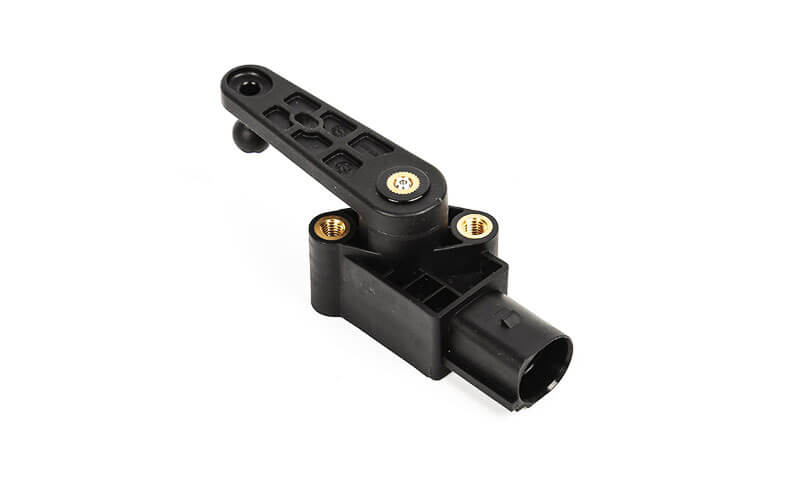
محصولات مدرن به طور فزاینده ای پلاستیک ها را با فلزات ترکیب می کنند, هادی های الکتریکی, اجزای رزوه ای, آهنرباها, و سایر مواد کاربردی.
بطور سنتی, این قطعات به طور جداگانه ساخته شده و سپس با استفاده از پیچ مونتاژ می شوند, مطبوع, پرچین, چسب, یا جوشکاری.
اگرچه چنین روش هایی مفید باقی می مانند, آنها مراحل مونتاژ را اضافه می کنند, افزایش تعداد قطعات, و می تواند مشکلات هم ترازی و قابلیت اطمینان را معرفی کند.
قالب درج کنید یک رویکرد جایگزین با ادغام یک درج از پیش ساخته شده به طور مستقیم در یک جزء پلیمری قالبگیری شده در طول فرآیند قالبگیری تزریقی ارائه میکند..
به جای مونتاژ قسمت داخلی و پلاستیکی بعد از قالب گیری, درج ابتدا در داخل قالب قرار می گیرد, پس از آن پلیمر مذاب در اطراف آن جریان می یابد و جامد می شود و یک جزء مکانیکی یکپارچه را تشکیل می دهد.
این مقاله اصول را توضیح می دهد, مواد, فرآیندهای تولیدی, ملاحظات طراحی, مزایا, محدودیت ها, و کاربردهای قالب گیری درج, با توجه خاص به عوامل مهندسی که کیفیت قطعه نهایی را تعیین می کنند.
1. قالب گیری درج چیست؟?
قالب گیری درج یک است قالب تزریقی فرآیندی که در آن یک جزء از پیش ساخته شده است, به عنوان یک درج شناخته می شود, داخل یک حفره قالب قرار می گیرد و متعاقباً توسط پلاستیک مذاب محصور می شود یا تا حدی آن را احاطه می کند..
درج می تواند از فلز ساخته شود, پلاستیکی, سرامامیک, مواد رسانای الکتریکی, یا یک بستر سفت و سخت دیگر.
پس از تزریق و خنک شدن پلیمر, درج به طور دائم در قطعه قالب گیری شده یکپارچه می شود.
یک فرآیند ساده شده را می توان به صورت نمایش داد:
آماده سازی درج ← موقعیت قرار دادن درج ← بسته شدن قالب ← تزریق پلاستیک ← بسته بندی و خنک کننده ← باز شدن قالب ← خروج
بنابراین مؤلفه به دست آمده a است مونتاژ چند ماده ای که در یک عملیات قالب گیری واحد تولید می شود.
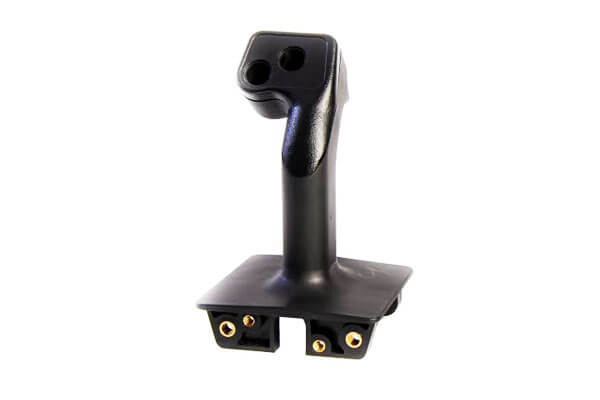
چگونه قالب گیری درج با قالب گیری تزریقی استاندارد متفاوت است
| جنبه | قالب گیری تزریقی استاندارد | قالب گیری را وارد کنید |
| مواد اصلی | پلیمر | پلیمر + درج از پیش ساخته شده |
| قرار دادن را درج کنید | لازم نیست | مرحله تولید حیاتی |
| مجمع | معمولا برای محصولات چند ماده ای مورد نیاز است | اغلب به طور قابل توجهی کاهش می یابد |
| پیچیدگی ابزار | نسبتاً سرراست | به دلیل محل درج و حفظ بالاتر |
| کنترل ابعادی | در درجه اول مربوط به پلیمر است | پلیمر + درج تلرانس ها |
| تعامل مواد | عمدتا رفتار پلیمری | برهمکنش حرارتی و مکانیکی بین مواد |
| برنامه های معمولی | محفظه های پلاستیکی, پوشش, قسمتهای ساختاری | اتصالات, اجزای رزوه ای, حسگر, قطعات الکتریکی, اجزای تقویت شده |
چگونه قالب گیری درج یکپارچه سازی مکانیکی ایجاد می کند
رابطه بین درج و پلیمر قالبی را می توان به روش های مختلفی طراحی کرد.
برای درج فلزی رزوه ای, به عنوان مثال, پلیمر ممکن است در اطراف ویژگی های خارجی طراحی شده خاص مانند حلقه ها جریان یابد, شیار, زیرپوش, یا دنده ها.
بعد از خنک کننده, این ویژگی ها ایجاد می کند در هم تنیدگی مکانیکی, چرخش یا بیرون کشیدن درج را دشوار می کند.
برای ترمینال برق, پلیمر ممکن است بخش مشخصی از عنصر رسانا را احاطه کند در حالی که ناحیه تماس عملکردی را در معرض دید قرار می دهد.
پلیمر قالب گیری شده سپس عایق را فراهم می کند, پشتیبانی ساختاری, و ثبات موقعیت.
بنابراین مکانیسم یکپارچه سازی به کاربرد بستگی دارد. ممکن است شامل شود:
- اتصال مکانیکی از طریق شیارها, غرغر می کند, دنده, یا زیربناها.
- تداخل ایجاد شده توسط انقباض پلیمری اطراف درج.
- پیوند شیمیایی یا چسب زمانی که از مواد سازگار و تیمارهای سطحی استفاده می شود.
- کپسوله سازی هندسی, که در آن پلیمر به طور فیزیکی اطراف اینسرت را احاطه کرده و از حرکت جلوگیری می کند.
در برنامه های کاربردی, چندین مکانیسم ممکن است به طور همزمان کار کنند.
2. قالب گیری درج چگونه کار می کند?
قالب گیری درج شامل چندین مرحله کنترل شده است, با آماده سازی درج شروع می شود و با بازرسی جزء یکپارچه تمام شده پایان می یابد.
گردش کار قالب گیری درج معمولی
ساخت درج ← تمیز کردن و آماده سازی ← بازرسی ابعادی ← بارگذاری درج ← بسته شدن قالب ← تزریق پلیمر ← بسته بندی ← خنک کننده ← باز شدن قالب ← خروج ← بازرسی ابعادی و عملکردی
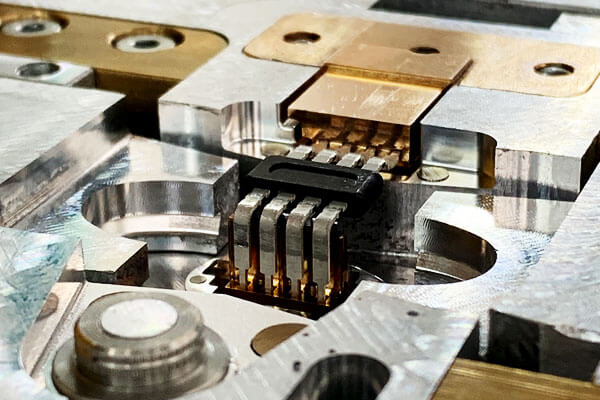
2.1 آماده سازی درج
فرآیند با ساخت و آماده سازی اینسرت آغاز می شود.
برای درج فلزی, این ممکن است شامل ماشینکاری CNC باشد, مهر زنی, معکوس, عنوان سرد, سیم سازی, سنگ زنی, یا سایر فرآیندهای فلزکاری.
درج باید الزامات ابعادی و سطحی تعریف شده توسط طراحی قالب گیری را برآورده کند.
وضعیت سطح اهمیت ویژه ای دارد. روغن, مقیاس اکسید, تراشه های ماشینکاری, و سایر آلاینده ها می توانند در پیوند پلیمری اختلال ایجاد کنند یا باعث ایجاد نقص در قالب گیری شوند.
بسته به برنامه, بنابراین ممکن است درج ها متحمل شوند:
- چربی زدایی و پاکسازی
- زبر شدن سطح
- آبکاری
- انفعال
- درمان شیمیایی
- پیش گرم
- بازرسی بعدی
درج باید از نظر سوراخ و لبه های تیز نیز بررسی شود. فرزهای بیش از حد می تواند به قالب آسیب برساند یا غلظت تنش موضعی را در پلیمر قالب گیری ایجاد کند.
2.2 قرار دادن و موقعیت یابی را درج کنید
پس از آماده سازی, درج در یک مکان اختصاصی در داخل قالب قرار می گیرد.
این را می توان به صورت دستی انجام داد, نیمه اتوماتیک, یا توسط یک سیستم بارگیری خودکار.
برای اجزای ساده, اپراتورها ممکن است درج ها را مستقیماً در حفره قالب قرار دهند.
تولید با حجم بالا به طور کلی از درج خودکار سود می برد, به ویژه هنگامی که در هر قطعه چند درج وجود دارد یا زمانی که تکرارپذیری دقیق مورد نیاز است.
سیستم موقعیت یابی باید از حرکت درج در حین بسته شدن قالب و تزریق پلیمر جلوگیری کند. بسته به هندسه, درج ممکن است با استفاده از:
- پین های مکان یابی
- هسته های قالب
- حفره یا جیب
- نگهدارنده های مغناطیسی
- حفظ خلاء
- گیره های مکانیکی
- وسایل اختصاصی
موقعیت قرار دادن درج به ویژه برای اتصالات الکتریکی و اجزای مکانیکی دقیق بسیار مهم است, جایی که حتی یک خطای موقعیتی کوچک می تواند بر سازگاری مونتاژ یا عملکرد عملکردی تأثیر بگذارد.
2.3 بسته شدن قالب
هنگامی که درج در موقعیت قرار گرفت, قالب بسته می شود و درج در داخل حفره قالب محصور می شود.
در این مرحله, طراحی قالب باید در حین حفظ ضخامت دیواره پلیمری مورد نیاز، فاصله کافی در اطراف درج ایجاد کند.
ابزار نیز باید از له شدن یا جابجایی درج جلوگیری کند.
برای برنامه های دقیق, قالب ممکن است دارای ویژگی های مکان یابی تخصصی باشد که به طور مستقیم از درج در طول تزریق پشتیبانی می کند.
بسته شدن مناسب قالب مهم است زیرا هرگونه عدم تطابق در اطراف درج می تواند باعث ایجاد فلاش یا نقص ابعادی شود..
2.4 تزریق پلاستیک
سپس واحد تزریق، پلیمر انتخاب شده را پلاستیک می کند و مواد مذاب را به داخل حفره قالب تزریق می کند..
همانطور که پلیمر در اطراف اینسرت جریان دارد, فضای حفره موجود را پر می کند و هندسه خارجی جزء را تشکیل می دهد.
این مرحله یکی از حساس ترین قسمت های قالب گیری اینسرت از نظر فنی می باشد. روند باید متعادل شود:
- فشار تزریق
- سرعت تزریق
- دمای ذوب
- دمای قالب
- طراحی دروازه
- مسیر جریان
- دریچه
فشار تزریق بیش از حد بالا ممکن است باعث جابجایی درج شود, در حالی که فشار ناکافی می تواند منجر به پر شدن ناقص شود.
موقعیت دروازه نامناسب می تواند خطوط جوش ایجاد کند, گیر افتادن هوا, پر شدن ناهموار, یا استرس بیش از حد در اطراف درج.
برای اجزای پیچیده, تجزیه و تحلیل جریان قالب می تواند برای پیش بینی رفتار پر شدن پلیمر قبل از نهایی شدن ابزار تولید استفاده شود.
2.5 بسته بندی و خنک کننده
پس از پر شدن حفره, فشار نگهدارنده یا بسته بندی برای جبران انقباض پلیمر در طول انجماد اعمال می شود.
سپس این جزء در داخل قالب خنک می شود تا زمانی که به سفتی کافی برای خروج برسد.
خنککاری در قالبگیری اینسرت اهمیت ویژهای دارد زیرا اینسرت و پلیمر ممکن است خواص حرارتی بسیار متفاوتی داشته باشند.
به عنوان مثال, یک درج فلزی معمولاً رسانایی حرارتی بسیار بالاتری نسبت به بسیاری از پلیمرها دارد.
بنابراین می تواند به عنوان یک هیت سینک موضعی عمل کند, تغییر سرعت سرد شدن پلیمر اطراف. این ممکن است تاثیر بگذارد:
- انقباض موضعی
- استرس پسماند
- بلورینگی در پلیمرهای نیمه کریستالی
- Warpage
- ثبات ابعادی
- یکپارچگی رابط
در نتیجه, طراحی کانال خنککننده و کنترل دمای قالب باید در اطراف درجهای حیاتی در نظر گرفته شود نه اینکه کل جزء از نظر حرارتی یکنواخت در نظر گرفته شود..
2.6 باز شدن قالب و خروج قطعه
هنگامی که خنک سازی کافی رخ داد, قالب باز میشود و جزء تکمیلشده قالبگیری شده از داخل خارج میشود.
جهش باید با دقت طراحی شود زیرا پلیمر قالب گیری شده ممکن است درج را محکم بگیرد.
نیروی پرتاب بیش از حد می تواند پلاستیک را تغییر شکل دهد, آسیب به ویژگی های ظریف, یا موقعیت درج را تغییر دهید.
برای اجزای با هندسه پیچیده, پین های اگزکتور, آستین, بالابرها, یا مکانیسم های دیگری ممکن است مورد نیاز باشد.
عملیات ثانویه و بازرسی
بسته به طراحی جزء, عملیات پس از قالب گیری ممکن است شامل پیرایش باشد, چشمک زن, ماشینکاری, تمیز کردن نخ, پایان سطحی, تست الکتریکی, یا تصحیح ابعاد.
بازرسی کیفیت معمولاً هم بدنه پلاستیکی و هم رابط درج را پوشش می دهد.
ویژگی های بحرانی می تواند شامل موقعیت درج باشد, متمرکز بودن, طول در معرض, یکپارچگی نخ, قدرت کشش, مقاومت چرخشی, تداوم الکتریکی, و دقت ابعادی کلی.
برای قطعات با قابلیت اطمینان بالا, آزمایش عملکردی اغلب از بازرسی ابعادی به تنهایی معنادارتر است.
یک درج رشته ای, به عنوان مثال, نه تنها باید به درستی قرار گیرد، بلکه باید در برابر گشتاور نصب و سرویس مشخص شده مقاومت کند.
3. انواع اینسرت های مورد استفاده در قالب گیری اینسرت
درج هسته عملکردی است که جزء پلاستیکی در اطراف آن قالب گیری می شود.
مواد آن, هندسه, وضعیت سطح, و دقت ابعادی به طور مستقیم بر استحکام تأثیر می گذارد, قابلیت اطمینان, و عمر مفید قطعه تمام شده.
درج های رشته ای
اینسرت های رزوه ای از رایج ترین درج های مورد استفاده در قالب گیری تزریقی هستند.
آنها معمولاً از برنج ساخته می شوند, فولاد ضد زنگ, فولاد, یا آلیاژهای روی و در یک جزء پلاستیکی تعبیه شده اند تا اتصال رزوه ای بادوام ایجاد کنند..
برخلاف نخی که مستقیماً در پلاستیک تشکیل شده است, یک درج فلزی میتواند مونتاژ و جداسازی مکرر را با خطر پایینتر از بین رفتن نخ یا خزش تحمل کند..
خمیده شد, دنده دار, یا سطوح خارجی زیر برش اغلب برای بهبود قفل مکانیکی بین درج و پلیمر اطراف استفاده می شود.
برنامه های معمولی شامل:
- محفظه های الکترونیکی و الکتریکی
- اجزای داخلی و خارجی خودرو
- محصولات مصرفی
- محوطه های صنعتی
- براکت های نصب و نقاط بست
ملاحظات اصلی طراحی حفظ درج است, مقاومت در برابر بیرون کشیدن, مقاومت گشتاور دورانی, و ضخامت دیواره پلاستیکی کافی در اطراف درج.
کنتاکت ها و پایانه های برق
درجهای الکتریکی زمانی استفاده میشوند که قطعه قالبگیری شده باید به طور همزمان حفاظت ساختاری و اتصال الکتریکی را فراهم کند..
مواد متداول عبارتند از مس, برنج, برنز فسفر, و سایر آلیاژهای رسانا, گاهی اوقات با نیکل, قلع, نقره, یا آبکاری طلا.
مثالهای معمولی شامل پینهای اتصال است, پایانه ها, عناصر باسبار, اتصالات زمین, اجزای سوئیچی, و تماس های رسانا.
فرآیند قالب گیری باید از جابجایی درج جلوگیری کند و سطوح تماس حساس را از آلودگی پلیمری محافظت کند.
دقت ابعادی بسیار مهم است زیرا موقعیت یک ترمینال ممکن است سازگاری الکتریکی و مکانیکی مونتاژ نهایی را تعیین کند..
ملاحظات کلیدی شامل هدایت الکتریکی است, مقاومت تماسی, مقاومت در برابر خوردگی, یکپارچگی آبکاری, فاصله عایق, و ثبات ابعادی در طول قالب گیری.
درج های فلزی مهر شده
درج های مهر شده از ورق فلز با استفاده از مهر زنی مترقی تولید می شوند, مشت زدن, خم, یا عملیات شکل دهی قبل از قرار دادن در قالب تزریق.
آنها به ویژه زمانی مفید هستند که یک جزء پلاستیکی نیاز به تقویت موضعی یا عملکرد مکانیکی یا الکتریکی یکپارچه داشته باشد..
فولاد, فولاد ضد زنگ, الومینیوم, و آلیاژهای مس معمولا استفاده می شود.
درج های مهر شده می توانند به عنوان کار کنند:
- عناصر تقویت کننده سازه
- براکت های نصب
- اجزای زمین
- عناصر پخش کننده حرارت
- هادی های الکتریکی
- دنده ها یا قاب های تقویت کننده
زیرا قطعات مهر شده را می توان به صرفه در حجم بالا ساخت, آنها به ویژه برای کاربردهای خودرویی و الکتریکی مناسب هستند.
درج های دقیق CNC-Machined
درجهای ماشینکاری CNC زمانی استفاده میشوند که جزء تعبیهشده نیاز به تحملهای ابعادی دقیقتری داشته باشد., هندسه پیچیده, یا خصوصیات سطح تخصصی.
فولاد ضد زنگ, الومینیوم, تیتانیوم, برنج, و آلیاژهای مهندسی را می توان قبل از قالب گیری به صورت درج های بسیار دقیق تراشید.
این درج ها اغلب در تجهیزات پزشکی استفاده می شوند, اجزای هوافضا, ابزار دقیق, سنسورهای صنعتی, و مجموعه های مکانیکی با کارایی بالا.
ماشینکاری CNC ویژگی هایی مانند سوراخ های دقیق را امکان پذیر می کند, نخ, شیار, مکان یابی سطوح, و خطوط پیچیده باید مستقل از فرآیند قالب گیری کنترل شوند.
این امر به ویژه زمانی ارزشمند است که برخی از سطوح عملکردی نتوانند از نظر اقتصادی تنها از طریق قالب گیری تزریقی به دقت مورد نیاز دست یابند.
درج سرامیک
درج های سرامیکی برای کاربردهایی انتخاب می شوند که به خواصی نیاز دارند که فلزات و پلیمرهای معمولی نمی توانند ارائه کنند.
آلومینا و زیرکونیا به دلیل مقاومت در برابر دمای بالا انتخاب های رایجی هستند, عایق الکتریکی, سختی, و مقاومت در برابر پوشیدن.
ممکن است از آنها استفاده شود:
- اجزای عایق الکتریکی
- مجموعه های با دمای بالا
- اجزای مقاوم در برابر سایش
- محاصره سنسور
- دستگاه های تخصصی پزشکی و صنعتی
سرامیک ها ذاتا شکننده هستند, هر چند, بنابراین بارگذاری قالب, جابجایی درج, شوک حرارتی, و بستن مکانیکی باید به دقت کنترل شود.
پلیمر انتخاب شده برای قالب گیری نیز باید با رفتار انبساط حرارتی سرامیک سازگار باشد.
درج شیشه ای
شیشه را می توان در اجزای پلیمری قالب گیری شده با شفافیت نوری گنجانید, مقاومت شیمیایی, یا بازرسی چشمی لازم است.
شیشه بوروسیلیکات به دلیل ضریب انبساط حرارتی نسبتا پایین و پایداری حرارتی و شیمیایی خوب آن بسیار مفید است..
کاربردهای معمولی شامل پنجره های دید است, اجزای نوری, شاخص های سطح مایع, حسگر, و محصولات تخصصی پزشکی یا آزمایشگاهی.
طراحی قالب باید شیشه را از استرس مکانیکی بیش از حد و شوک حرارتی محافظت کند. موقعی که شیشه به عنوان یک سطح نوری یا آب بندی عمل می کند، موقعیت دقیق نیز ضروری است.
درج های پلیمری
قالب گیری درج به فلز و مواد معدنی محدود نمی شود. یک جزء پلیمری از پیش ساخته شده همچنین می تواند در پلیمر دیگری قالب گیری شود، زمانی که ویژگی های مواد مختلف در یک مجموعه مورد نیاز است..
به عنوان مثال, یک پلاستیک مهندسی سفت و سخت ممکن است پشتیبانی ساختاری را فراهم کند در حالی که یک الاستومر نرم تر آب بندی یا جداسازی لرزش را فراهم می کند..
موادی مانند PEEK, PTFE, TPU, و دیگر پلیمرهای مهندسی می توانند بسته به کاربرد به عنوان درج عمل کنند.
چالش فنی اصلی دستیابی به پیوند سطحی کافی یا حفظ مکانیکی بین دو پلیمر است.
تفاوت در دمای ذوب, انبساط حرارتی, سازگاری شیمیایی, و انقباض باید در هنگام انتخاب مواد و طراحی قالب در نظر گرفته شود.
4. مواد برای قالب گیری درج
انتخاب مواد برای قالبگیری درج شامل دو تصمیم جداگانه اما به هم مرتبط است: مواد درج وت رزین قالب گیری.
این دو ماده باید در مقابل دما و فشار قالب گیری مقاومت کنند و در عین حال حفظ مکانیکی کافی را فراهم کنند, ثبات ابعادی, وت, که در آن قابل اجرا است, سازگاری شیمیایی یا الکتریکی.
مواد درج متداول
| درج مواد | خصوصیات اصلی | برنامه های معمولی | ملاحظات مهم |
| برنج | ماشینکاری عالی, هدایت خوب, مقاومت در برابر خوردگی | درج های نخ شده, پایانه ها, اتصالات الکتریکی | اکسیداسیون, الزامات آبکاری, انبساط حرارتی |
| فولاد ضد زنگ | استحکام بالا, مقاومت در برابر خوردگی, مقاومت در برابر دما | پزشکی, خودرو, مؤلفه های صنعتی | هزینه ماشینکاری بالاتر; آماده سازی سطح درج |
| فولاد کربن | استحکام بالا و هزینه نسبتا کم | درج های سازه ای, اتصال دهنده, اجزای تقویت کننده | محافظت در برابر خوردگی ممکن است مورد نیاز باشد |
| آلومینیوم | سبک وزن, رسانا, هدایت حرارتی خوب | غرق شدن, درج های ساختاری, اجزای خودرو | سختی و استحکام کمتری نسبت به بسیاری از فولادها |
| آلیاژهای مس | هدایت الکتریکی و حرارتی بالا | کنتاکت های الکتریکی, پایانه ها, درج های رسانا | هزینه مواد و اکسیداسیون |
تیتانیوم |
قدرت خاص, مقاومت در برابر خوردگی, چگالی کم | هوافضا, پزشکی, اجزای با کارایی بالا | هزینه مواد و ماشینکاری بالا |
| سرامیک | مقاومت در برابر دمای بالا, سختی, عایق الکتریکی | حسگر, عایق ها, اجزای پوشیدن | شکنندگی و حساسیت به شوک حرارتی |
| شیشه | شفافیت, ثبات شیمیایی, ثبات ابعادی | قطعات نوری, عینک بینایی, حسگر | شکنندگی و حساسیت به شوک حرارتی |
| پلاستیک مهندسی | سبک وزن, مقاومت شیمیایی, خواص مکانیکی متناسب | مجموعه های چند ماده ای, مهر, اجزای عایق | سازگاری و اتصال پلیمری |
رزین های ترموپلاستیک برای قالب گیری درج
ترموپلاستیک ها پرمصرف ترین مواد قالب گیری هستند زیرا می توانند گرم شوند, در اطراف درج تزریق می شود, و تبدیل به یک جزء دقیق شکل می شود.
انتخاب رزین بستگی به بارگذاری مکانیکی دارد, درجه حرارت, قرار گرفتن در معرض شیمیایی, الزامات الکتریکی, ظاهر, و طول عمر مورد انتظار.
| رزین قالب گیری | خصوصیات کلیدی | برنامه های معمولی | درج سازگاری |
| ABS | مقاومت در برابر ضربه خوب, ثبات ابعادی, ظاهر سطحی | محوطه, اجزای خودرو, محصولات مصرفی | با درج های فلزی معمولی عالی است |
| نایلون (pa6 / pa66) | استحکام بالا, مقاومت در برابر پوشیدن, قابلیت دما | خودرو, چرخ دنده, مؤلفه های ساختاری | عالی; تهویه رطوبت باید در نظر گرفته شود |
| پلی کربنات (کامپیوتر) | قدرت با ضربه زیاد, شفافیت, مقاومت در برابر گرما | محوطه الکترونیکی, دستگاه های پزشکی, اجزای نوری | خوب |
| پوم (استیل) | اصطکاک کم, سفتی بالا, ثبات بعدی خوب | چرخ دنده, بوش, اجزای مکانیکی دقیق | خوب; کنترل دقیق شرایط قالب گیری مورد نیاز است |
| PBT | عایق الکتریکی خوب, مقاومت شیمیایی, ثبات ابعادی | اتصالات, حسگر, قطعات الکتریکی خودرو | عالی |
نگاه داشتن |
استحکام بالا, مقاومت عالی شیمیایی, قابلیت دمای بالا | هوافضا, پزشکی, نیمه هادی و قطعات صنعتی نیازمند | عالی برای برنامه های کاربردی با کارایی بالا |
| PP | چگالی کم, مقاومت شیمیایی, کم هزینه | خودرو, محصولات مصرفی, مؤلفه های صنعتی | خوب; چسبندگی سطح می تواند به توجه خاصی نیاز داشته باشد |
| TPU | ارتجاعی, مقاومت در برابر سایش, جذب ضربه | مهر, چنگال ها, چرخ, اجزای انعطاف پذیر | خوب, مخصوصاً برای اینترلاک کردن مکانیکی |
| LSR | انعطاف پذیری عالی, مقاومت در برابر دما, هواپذیری و زیست سازگاری | مهر و موم پزشکی, دیافراگم, واشر, اجزای لمسی نرم | زمانی عالی است که برای اتصال مکانیکی یا شیمیایی به درستی طراحی شود |
سازگاری مواد حیاتی است
درج و پلیمر به سادگی در داخل جزء نهایی وجود ندارند; آنها یک سیستم ترکیبی را تشکیل می دهند که حرارت را تجربه می کند, مکانیکی, و تنش های محیطی در طول عمر مفید آن.
یکی از مهمترین عوامل این است انبساط حرارتی. فلزات معمولاً ضریب انبساط حرارتی کمتری نسبت به بسیاری از پلیمرها دارند.
در طول قالب گیری و خنک سازی بعدی, این تفاوت می تواند تنش پسماند را در رابط درج-پلیمر ایجاد کند. استرس بیش از حد ممکن است باعث ترک خوردن شود, صفحه وار, شکاف های سطحی, یا کاهش قدرت نگهداری.
دمای قالبگیری نیز باید کمتر از دمایی باشد که درج در آن تغییرات ابعادی یا متالورژیکی نامطلوب میشود..
برعکس, پلیمر باید جریان مذاب کافی برای احاطه کامل درج و پر کردن مناطق باریک بدون ایجاد حفره یا کپسولاسیون ناقص داشته باشد..
وضعیت سطح به همان اندازه مهم است. بسته به برنامه, سطوح درج ممکن است پیچ خورده باشد, شیاردار, تحت درمان شیمیایی, روکش دار, خشن شده, یا به گونه ای دیگر برای بهبود قفل شدن یا چسبندگی مکانیکی اصلاح شده است.
برای درج های الکتریکی, هر چند, ممکن است لازم باشد سطح تماس عملکردی تمیز و عاری از آلودگی پلیمری باقی بماند.
5. درج فرآیندهای تولید قالب گیری
قالب گیری درج می تواند از طریق پیکربندی های مختلف تولید بسته به پیچیدگی قطعه اجرا شود, حجم تولید, درج هندسه, الزامات نیروی کار, و دقت بعدی.
| فرآیند تولیدی | توضیحات | مزایای اصلی |
| درج دستی بارگذاری | اپراتورها به صورت دستی هر درج را قبل از چرخه تزریق در قالب قرار می دهند. پس از تایید موقعیت درج, قالب بسته می شود و پلیمر به اطراف آن تزریق می شود. | سرمایه گذاری اولیه کم; انعطاف پذیر برای تغییرات مکرر طراحی; مناسب برای پیکربندی های درج پیچیده. |
| قالب گیری درج نیمه اتوماتیک | درج ها به صورت خودکار تهیه یا عرضه می شوند, در حالی که اپراتورها بارگذاری را انجام می دهند, موقعیت یابی, یا بازرسی نهایی. برخی از مراحل چرخه قالب گیری خودکار هستند. | بهره وری و سازگاری بهتر از بارگیری کاملاً دستی بدون سرمایه گذاری مورد نیاز برای اتوماسیون کامل. |
| قالب گیری درج کاملاً خودکار | روبات ها, سیستم های انتخاب و مکان, فیدرها, حسگر, و سیستم های بینایی به طور خودکار درج ها را بارگذاری می کنند, حضور و جهت گیری آنها را تأیید کنید, قالب گیری را اجرا کند, و اجزای تمام شده را حذف کنید. | راندمان تولید بالا; موقعیت درج ثابت; کاهش کار; ردیابی و تکرارپذیری بهبود یافته است. |
| قالب گیری تزریقی عمودی | قالب به صورت عمودی بسته می شود, معمولاً اجازه می دهد تا درج ها قبل از تزریق در نیمه پایینی قالب قرار داده شوند. | قرار دادن آسان درج; دسترسی خوب; کاهش خطر جابجایی درج در حین بارگذاری; مناسب برای بارگیری دستی یا خودکار. |
عمودی در مقابل. قالب گیری تزریقی افقی |
ماشین های افقی پلیمر را به قالبی که به صورت افقی قرار دارد تزریق می کنند, در حالی که ماشین های عمودی از قالب عمودی استفاده می کنند. پیکربندی بهینه به هندسه درج بستگی دارد, اندازه جزئی, استراتژی اتوماسیون, و الزامات تولید. | انتخاب صحیح دستگاه می تواند ثبات درج را بهبود بخشد, بازده چرخه, سازگاری اتوماسیون, و هزینه کلی ساخت. |
| قالب گیری درج چند حفره | یک قالب منفرد حاوی چندین حفره یکسان است, با قرار دادن درج در هر حفره قبل از تزریق همزمان. | خروجی بالا در هر چرخه; کاهش هزینه واحد در حجم تولید کافی; استفاده موثر از زمان ماشین. |
6. درج ملاحظات طراحی قالب
قالبگیری موفق با طراحی به جای تولید آغاز میشود. درج, پلیمر, قالب, و شرایط پردازش باید به عنوان یک سیستم یکپارچه در نظر گرفته شود.
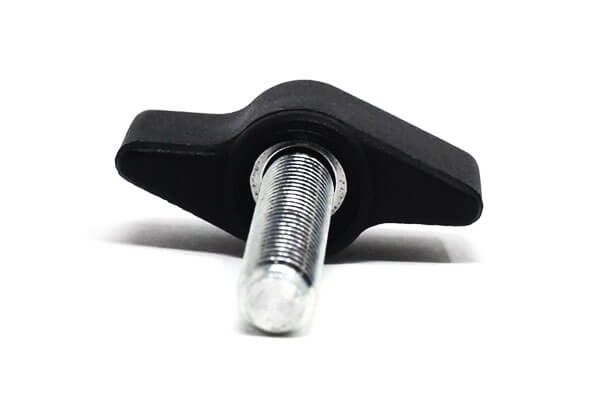
درج هندسه و حفظ مکانیکی
هندسه درج تأثیر مستقیمی بر استحکام مجموعه قالبگیری شده دارد.
یک درج استوانه ای صاف ممکن است مقاومت نسبتاً محدودی در برابر چرخش یا بیرون کشیدن ایجاد کند, در حالی که خنجر کردن, شیار, دنده, سوراخ, یا سایر ویژگی های قفل مکانیکی می تواند به طور قابل ملاحظه ای حفظ را بهبود بخشد.
به عنوان مثال, درج برنجی رزوهای که در محفظههای پلاستیکی استفاده میشود، نباید برای مقاومت در برابر گشتاور نصب، تنها به پلیمر اطراف متکی باشد..
هندسه خرطومی خارجی یا زیر برش با طراحی مناسب بار را در پلیمر توزیع می کند و امکان چرخش درج را کاهش می دهد..
بنابراین طراحی باید بین آنها تمایز قائل شود:
- حفظ محوری, که از بیرون کشیدن اینسرت جلوگیری می کند.
- حفظ چرخشی, که از چرخش درج جلوگیری می کند.
- حفظ جانبی, که حرکت درون جزء قالب گیری شده را کنترل می کند.
- دقت مثبت, که مکان نهایی رابط عملکردی را تعیین می کند.
ضخامت دیوار در اطراف درج
ضخامت پلیمر کافی باید در اطراف درج حفظ شود تا پشتیبانی ساختاری فراهم شود و امکان پر کردن قابل اطمینان فراهم شود.
اگر دیوار اطراف خیلی نازک باشد, پلیمر ممکن است زودتر سرد شود یا استرس زیادی ایجاد کند. اگر خیلی غلیظ باشد, انقباض موضعی و علائم فرورفتگی ممکن است رخ دهد.
به عنوان یک اصل طراحی کلی, پلیمر به جای ایجاد تغییرات ناگهانی در ضخامت دیواره باید به تدریج در اطراف محل قرار گیرد.
ابعاد دقیق به رزین بستگی دارد, اندازه درج, شرایط قالب گیری, و نیازهای مکانیکی.
زوایای پیش نویس و خروج
پیش نویس باید در هر جا که عملی باشد در سطوح قالب گنجانده شود تا آزادسازی قطعه تسهیل شود.
کشش ناکافی نیروی بیرون را افزایش می دهد و می تواند باعث ایجاد خراش شود, تغییر شکل, یا آسیب به اطراف درج.
وجود یک درج همچنین می تواند بیرون را پیچیده کند زیرا فلز و پلیمر رفتار انقباض متفاوتی دارند.
طراحان ابزار باید از پین های اجکتور اطمینان حاصل کنند, بالابرها, اسلایدها, و مکانیسم های دیگر با درج تداخل ندارند.
موقعیت دروازه و جریان پلیمری
محل گیت به ویژه در قالبگیری اینسرت مهم است زیرا درج میتواند جریان پلیمر را مسدود کرده و خطوط جوش ایجاد کند., تله های هوایی, یا پر شدن ناهموار.
دروازه به طور کلی باید به گونه ای قرار گیرد که پلیمر به جای اینکه مستقیماً بر یک ویژگی شکننده یا ضعیف تأثیر بگذارد، به آرامی در اطراف درج جریان یابد..
برای اجزای پیچیده, ممکن است چندین گیت یا تزریق متوالی برای رسیدن به پر شدن متعادل در نظر گرفته شود.
شبیه سازی جریان می تواند به پیش بینی کمک کند:
- زمان پر کردن
- تشکیل خط جوش
- گیر افتادن هوا
- توزیع فشار
- جهت گیری فیبر
- جابجایی را درج کنید
- شوت های کوتاه بالقوه
این امر به ویژه برای قطعات بزرگ یا بسیار مهندسی شده با درج قالب بسیار ارزشمند است.
انبساط حرارتی و تنش پسماند
یکی از مهمترین مسائل طراحی، تفاوت در انبساط حرارتی بین اینسرت و پلیمر است.
فلزات معمولاً ضریب انبساط حرارتی کمتری نسبت به بسیاری از ترموپلاستیک ها دارند.
همانطور که قسمت قالب گیری شده از دمای پردازش به دمای اتاق خنک می شود, انقباض دیفرانسیل می تواند تنش هایی را در اطراف رابط ایجاد کند.
برای مونتاژهای دقیق, مهندسان باید ارزیابی کنند:
- مواد را درج کنید
- ضریب انبساط حرارتی پلیمری
- دمای پردازش
- محدوده دمای عملیاتی
- درج ابعاد
- ضخامت کپسول
- چرخه حرارتی مورد انتظار
این امر به ویژه در خودرو اهمیت پیدا می کند, الکترونیکی, و برنامه های درجه حرارت بالا.
سازگاری مواد
درج و پلیمر باید نه تنها از نظر مکانیکی، بلکه از نظر شیمیایی و حرارتی نیز سازگار باشند.
مسائل بالقوه شامل خوردگی است, حمله شیمیایی, چسبندگی ضعیف, برهم کنش گالوانیکی, جذب رطوبت, و تخریب در طول قالب گیری.
به عنوان مثال, پلیمرهای مهندسی حساس به رطوبت مانند گریدهای خاص نایلون و PEEK قبل از پردازش نیاز به خشک کردن مناسب دارند..
کنترل نادرست رطوبت می تواند باعث هیدرولیز شود, کاهش خواص مکانیکی, نقص سطحی, یا بی ثباتی بعدی.
وضعیت سطح درج
شرایط سطح درج به شدت بر کیفیت و تکرارپذیری رابط قالبگیری شده تأثیر میگذارد.
سطوح صاف ممکن است در جایی مناسب باشند که مونتاژ کنترل شده یا هدایت الکتریکی مورد نیاز باشد, در حالی که سطوح بافت دار می توانند اتصال مکانیکی بیشتری را ایجاد کنند.
بسته به برنامه, درج ممکن است:
- خمیده شد
- شیاردار
- سوراخ شده
- روکش شده
- آبکاری شده
- زبر شده
- تحت درمان شیمیایی
درمان سطح انتخاب شده باید با پلیمر و محیط سرویس سازگار باشد نه اینکه صرفاً برای ظاهر انتخاب شود.
تهویه قالب
هنگامی که پلیمر در اطراف یک درج جریان دارد، هواگیری مناسب ضروری است. هوای محبوس شده بین درج و دیواره حفره می تواند باعث سوختگی شود, حواس, کپسوله سازی ناقص, یا مناطق رابط ضعیف.
بنابراین دریچه ها باید در مکان هایی قرار گیرند که احتمال تجمع هوا وجود دارد, به ویژه در نزدیکی انتهای مسیرهای جریان و در اطراف هندسه های پیچیده درج.
درج تلرانس ها و دقت موقعیت یابی
تحمل ابعادی درج باید همراه با تحمل پلاستیک قالب گیری در نظر گرفته شود.
برای مجموعه های با دقت بالا, موقعیت درج ممکن است نیاز به کنترل در محورهای متعدد داشته باشد زیرا حتی یک خطای موقعیتی کوچک می تواند روی تراز کانکتور تأثیر بگذارد., تمرکز محوری, دقت بست, یا فاصله تماس الکتریکی.
بنابراین، یک نقشه عملی قالبگیری درج باید ابعاد بحرانی عملکرد را به جای اعمال تلرانسهای غیر ضروری برای هر ویژگی مشخص کند..
اتوماسیون و تولید با حجم بالا
برای تولید انبوه, طراحی باید برای بارگذاری خودکار درج و موقعیت یابی قابل اعتماد چرخه به چرخه بهینه شود.
ویژگی هایی که اجازه می دهد درج فقط در یک جهت قرار گیرد می تواند تا حد زیادی خطاهای مونتاژ را کاهش دهد.
سیستم های خودکار ممکن است از تجهیزات رباتیک انتخاب و مکان استفاده کنند, فیدرهای کاسه ای, بازرسی بینایی, حسگر, و بارگیری قالب خودکار.
طراحی درج و ابزار برای اتوماسیون می تواند به طور قابل ملاحظه ای ثبات تولید را بهبود بخشد و در عین حال نیاز به نیروی کار را کاهش دهد..
7. مزایای قالب گیری درج
| مزیت | توضیح |
| یکپارچه سازی طراحی | چندین جزء را با هم ترکیب می کند (درج کردن + پلاستیکی) به یک واحد, بخش یکپارچه, کاهش مونتاژ و جابجایی. |
| کاهش هزینه | عملیات ثانویه را حذف می کند (به عنوان مثال, چسباندن, فشار, لحیم کاری) و هزینه های مونتاژ را کاهش می دهد. |
| بهبود خواص مکانیکی | پلاستیک درج را محصور می کند, ایجاد یک قوی, پیوند بادوام, اغلب با درهم تنیدگی مکانیکی. |
| عملکرد تقویت شده | بهترین خواص هر دو ماده را با هم ترکیب می کند: استحکام و رسانایی درج با انعطاف پذیری طراحی و مقاومت در برابر خوردگی پلاستیک. |
| تدوین | به هندسه های پیچیده اجازه می دهد, بیش از حد, و اجزای چند ماده ای. |
ثبات ابعادی |
درج ثبات و دقت ابعادی را فراهم می کند. |
| ادغام عملکردی | به ویژگی های کاربردی اجازه می دهد (نخ, کنتاکت های الکتریکی, مهر, و غیره) مستقیماً در قطعه ادغام شود. |
| کاهش وزن | مجموعههای تمام فلزی سنگینتر را با هیبریدهای سبکتر پلاستیک-فلز جایگزین میکند. |
| مقاومت در برابر خوردگی | پلاستیک از درج در برابر خوردگی و حملات محیطی محافظت می کند. |
| عایق برق | پلاستیک عایق اطراف درج را فراهم می کند. |
8. کاربردهای قالب گیری درج
زمانی که یک جزء پلیمری قالبگیری شده باید فلزی را در خود جای دهد، قالبگیری درج به طور گسترده استفاده میشود, سرامامیک, شیشه, یا مواد مهندسی شده دیگری به عنوان بخشی جدایی ناپذیر از مجموعه تمام شده.
اجزای خودرو
در خودرو صنعت یکی از زمینه های کاربردی اصلی برای قالب گیری درج است.
درج های فلزی می توانند تقویت ساختاری یا نقاط اتصال قابل اعتماد را فراهم کنند در حالی که پلیمر اطراف وزن را کاهش می دهد و عملکردهای اضافی را یکپارچه می کند..
برنامه های معمولی شامل:
- کانکتورها و پایانه های برق خودرو
- محفظه سنسور و اجزای نصب
- نقاط نصب رزوه ای
- بوش و تکیه گاه بلبرینگ
- سوئیچ و کنترل قطعات
- اجزای سیستم سوخت و سیال
- قطعات الکتریکی زیر هود
اجزای برقی و الکترونیکی
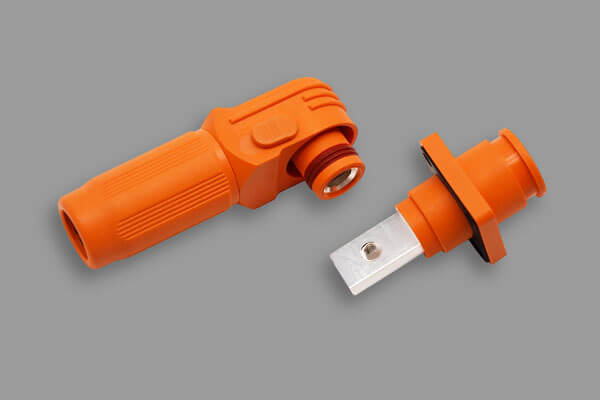
قالبگیری درج بهویژه برای اجزای الکتریکی مؤثر است، زیرا درجهای فلزی رسانا را میتوان در داخل پلیمرهای عایق الکتریکی محصور کرد..
مس, برنج, برنز فسفر, و سایر آلیاژهای رسانا معمولاً برای پایانه ها استفاده می شوند, پین, مخاطب, و اجزای مرتبط با شینه.
پلیمر قالبگیری شده ضمن حفظ موقعیت دقیق عناصر رسانا، عایق الکتریکی را فراهم میکند.
برنامه های کاربردی شامل:
- اتصالات الکتریکی
- بلوک های ترمینال
- اجزای سوئیچ
- محاصره سنسور
- کویل و اجزای موتور
- اتصالات سیم و کابل
- ماژول های کنترل الکترونیکی
مولفه های پزشکی و بهداشتی
پزشکی دستگاه ها اغلب به اجزای فشرده نیاز دارند که ویژگی های مکانیکی دقیق را با پلیمرهای زیست سازگار یا مقاوم در برابر شیمیایی ترکیب می کند..
قالب گیری درج می تواند اجزای فولادی ضد زنگ را یکپارچه کند, پین های دقیق, عناصر رشته ای, و سایر درج های کاربردی مستقیماً در محفظه های پلیمری.
برنامه های معمولی شامل:
- ابزار جراحی و تشخیصی
- اتصالات پزشکی
- اجزای جابجایی مایعات
- محفظه های دستگاه
- مجموعه های پزشکی یکبار مصرف
- اجزای تعیین موقعیت دقیق
تجهیزات و ماشین آلات صنعتی
محصولات صنعتی اغلب به درج های فلزی رزوه ای نیاز دارند, بوش های مقاوم در برابر سایش, شفت, اجزای تقویت کننده, یا عناصر نصب دقیق در ساختارهای پلیمری.
برنامه های کاربردی شامل:
- محفظه ماشین
- دستگیره های صنعتی
- قطعات دنده و محرک
- بلبرینگ و بوش
- قطعات هیدرولیک و پنوماتیک
- تجهیزات کنترلی
- سنسورهای صنعتی
محصولات مصرفی و خانگی
محصولات مصرفی هنگام ظاهر شدن از قالب گیری درج سود می برند, راندمان مونتاژ, و یکپارچگی عملکردی مهم هستند.
نمونه ها شامل:
- محفظه های ابزار برقی
- اجزای لوازم خانگی
- دوربین و محفظه های الکترونیکی
- دستگیره ها و دستگیره ها
- سخت افزار مبلمان
- تجهیزات ورزشی
- محصولات مراقبت شخصی
هوافضا و برنامه های کاربردی با کارایی بالا
کاربردهای هوافضا الزامات سختی را در مورد مواد و قوام ساخت ایجاد می کند.
درجهای فلزی ماشینکاری دقیق ممکن است در پلیمرهای مهندسی با کارایی بالا مانند PEEK یا ترموپلاستیکهای تقویتشده جاسازی شوند..
کاربردهای بالقوه شامل:
- اجزای ساختاری سبک
- اتصالات الکتریکی
- مجموعه های سنسور
- سخت افزار داخلی هواپیما
- محفظه های با دمای بالا
- اجزای چفت و بست دقیق
9. درج قالب در مقابل. سایر روشهای تولیدی
قالب گیری درج نسبت به مونتاژ معمولی یا سایر فناوری های قالب گیری برتری جهانی ندارد. ارزش اصلی آن از ادغام چندین عملکرد تولید در یک جزء ناشی می شود.
فرآیند مناسب به حجم تولید بستگی دارد, هندسه قسمت, ترکیب مواد, عملکرد مورد نیاز, و کل هزینه ساخت.
| روش تولیدی | رویکرد اساسی | مزایا | محدودیت ها | مناسب ترین برای |
| قالب گیری را وارد کنید | پلیمر را مستقیماً در اطراف یک درج از پیش تعیین شده قالب بزنید. | کامپوننت ها را ادغام می کند; مونتاژ را کاهش می دهد; ثبات موقعیتی عالی; طرح های فشرده. | به ابزارهای سازگار با درج و طراحی دقیق مواد/فرآیند نیاز دارد. | مجموعه های فلزی پلاستیکی, اتصالات, اجزای رزوه ای, محاصره دقیق. |
| قالب گیری تزریقی معمولی + مجمع | قطعات پلیمری را جداگانه قالب بزنید و سپس درج ها را مونتاژ کنید. | انعطاف پذیری بالا; ابزار قالب گیری ساده; تعویض آسان قطعات. | نیروی کار اضافی, تجهیزات مونتاژ, و انباشت تحمل. | محصولاتی که به تغییرات مکرر اجزا یا پیچیدگی کم مونتاژ نیاز دارند. |
| قالب گیری بیش از حد | لایه دوم پلیمری روی پلیمر یا جزء موجود قالب گیری می شود. | ارگونومیک خوب, مهر و موم, و قابلیت چند ماده ای. | پیوند پلیمر به پلیمر می تواند به انتخاب دقیق مواد نیاز داشته باشد. | دستگیره ها, مهر, محصولات نرم لمسی, اجزای چند ماده ای. |
| چفت مکانیکی | پیچ, پیچ, گیره, یا سایر اتصال دهنده ها به اجزای جداگانه متصل می شوند. | جداسازی و نگهداری آسان; تکنولوژی بسیار تثبیت شده. | اجزای بیشتر; هزینه مونتاژ بالاتر; اندازه بسته بزرگتر. | محصولات قابل سرویس و مجموعه هایی که نیاز به جداسازی دارند. |
مجمع مطبوعاتی مناسب |
یک درج به طور مکانیکی به یک ویژگی قالبگیری یا ماشینکاری شده وارد میشود. | ساده و مقرون به صرفه; بدون نیاز به چسب اضافی. | نیاز به کنترل تداخل دقیق دارد; نیروهای درج می توانند به اجزاء آسیب وارد کنند. | بوش, پین, یاتاقان, و درج های فلزی ساده. |
| پیوند چسب | چسب به پلیمر و درج یا چند جزء متصل می شود. | می تواند به مواد غیر مشابه بپیوندد و تنش را در یک منطقه بزرگ توزیع کند. | زمان درمان, آماده سازی سطح, پیری, و سازگاری شیمیایی می تواند نگران کننده باشد. | مهر و موم, پیوند ساختاری, و مجموعه های پیچیده مواد غیر مشابه. |
| ریخته گری درج فلزی | درج های فلزی در طول عملیات ریخته گری فلز گنجانده می شوند. | مناسب برای اجزای فلزی غالب و کاربردهای با دمای بالا. | دماهای بالاتر انتخاب درج و مواد را محدود می کند. | محفظه ها و اجزای فلزی که به ویژگی های تعبیه شده نیاز دارند. |
10. راه حل های قالب گیری درج سفارشی از LangHe Tech
یک تامین کننده قابل اعتماد قالب گیری درج باید بیش از ظرفیت قالب گیری تزریقی را فراهم کند.
کیفیت جزء نهایی به تعامل بین ساخت اینسرت بستگی دارد, طرح قالب, انتخاب پلیمر, پارامترهای تزریق, کنترل ابعادی, و بازرسی پس از قالب گیری.
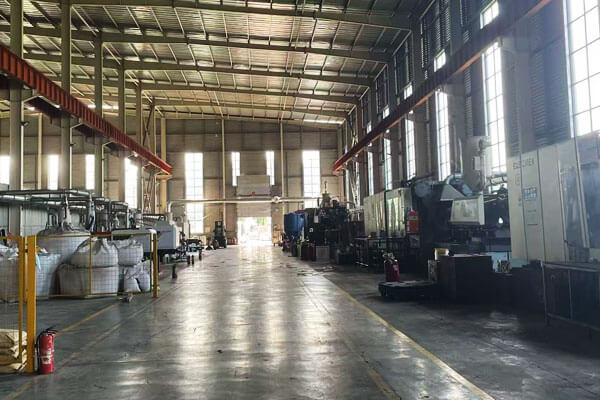
LangHe Tech می تواند به قالب گیری درج سفارشی به عنوان یک فرآیند تولید یکپارچه نزدیک شود, با نیازهای عملکردی مشتری و نقشه های مهندسی شروع می شود و از طریق ابزارسازی گسترش می یابد, قالب ریزی, بازرسی, و تحویل تولید.
| قابلیت | جزئیات |
| مواد را درج کنید | برنج, مس, فولاد ضد زنگ, الومینیوم, تیتانیوم, نگاه داشتن, سرامیک, شیشه. |
| رزین | ABS, نایلون (pa6, pa66), کامپیوتر, پوم, PBT, نگاه داشتن, PP, TPU, LSR, و نمرات سفارشی. |
| درج انواع | درج های نخ شده, کنتاکت های الکتریکی, درج های مهر زنی, درج های ماشینکاری دقیق, درج های سفارشی. |
| قالب ریزی | قالب تزریقی, بیش از حد, قالب گیری دو شات, قالب گیری فشرده سازی. |
| درج | کتابچه راهنمای, نیمه خودکار, درج رباتیک کاملاً خودکار. |
| کیفیت | ISO 9001:2015 گواهی شده است; 100% بازرسی; CMM; سیستم های بینایی. |
| زمان پیشرو | 2-4 هفته برای نمونه های اولیه; 4-6 هفته برای ابزار تولید. |
11. پایان
قالب گیری درج یک فناوری ساخت بسیار موثر برای یکپارچه سازی فلز است, سرامامیک, شیشه, یا سایر درج مستقیم به اجزای ترموپلاستیک یا الاستومری.
مزیت اساسی آن است ادغام عملکردی: مواد و عملکردهای متعدد را می توان در یک جزء قالبی ترکیب کرد و در عین حال عملیات مونتاژ بعدی را کاهش داد..
هر چند, قالبگیری موفق اینسرت به مقدار قابل توجهی بیش از قرار دادن یک درج در داخل قالب بستگی دارد.
هندسه را درج کنید, انتخاب پلیمر, انبساط حرارتی, طرح قالب, فشار تزریق, رفتار پر کردن, خنک کننده, اتهام اتوماسیون, و بازرسی کیفیت باید همه با هم در نظر گرفته شود.
بنابراین قابل اطمینان ترین رویکرد این است که قالب گیری درج را به عنوان یک راه حل مهندسی یکپارچه به جای یک عملیات قالب گیری تزریقی ایزوله تلقی کنیم..
تجزیه و تحلیل مناسب DFM, تولید درج کنترل شده, ابزار بهینه شده, پارامترهای فرآیند تایید شده, و بازرسی سیستماتیک پایه و اساس تولید اجزای قالبگیری شده قابل اعتماد در مقیاس تجاری است..
متداول
چگونه درج ها در هنگام قالب گیری در موقعیت خود قرار می گیرند?
درج ها را می توان با استفاده از حفره های قالب حفظ کرد, پین های مکان یابی, هسته, شیار, غرغر می کند, زیرپوش, ویژگی های تداخل, سیستم های مغناطیسی, حفظ خلاء, یا مکانیزم های خودکار گرفتن.
روش مناسب به هندسه درج و الزامات تولید بستگی دارد.
تفاوت بین قالب گیری و قالب گیری بیش از حد چیست؟?
قالب درج کنید به طور کلی شامل قالب گیری پلیمر در اطراف یک درج از پیش ساخته شده است, اغلب یک جزء فلزی است.
قالب گیری بیش از حد معمولاً شامل قالب گیری یک ماده بر روی یک بستر موجود است, که ممکن است پلیمر دیگری باشد, یک الاستومر, یا یک جزء از قبل قالب گیری شده است. این دو فناوری می توانند در کاربردهای خاصی با هم همپوشانی داشته باشند.
می توان قالب گیری را با لاستیک سیلیکون مایع استفاده کرد (LSR)?
بوها: بله. LSR را می توان برای قالب گیری درج مهر و موم استفاده کرد, واشر, و اجزای پزشکی. مقاومت حرارتی و زیست سازگاری عالی را ارائه می دهد.