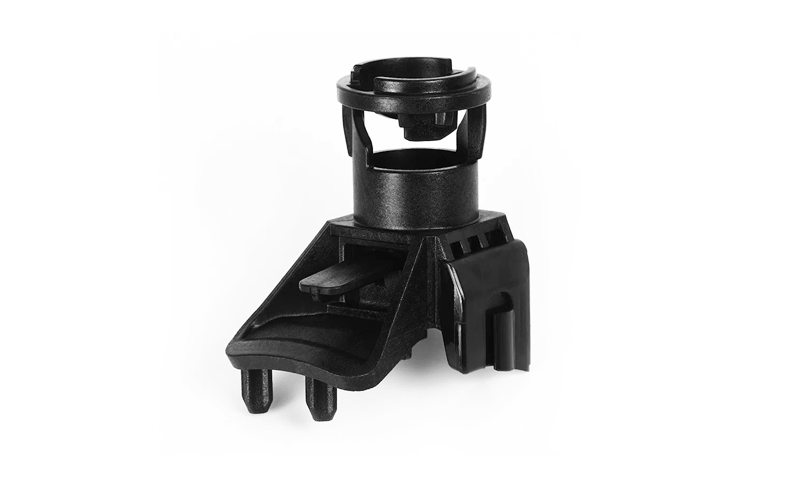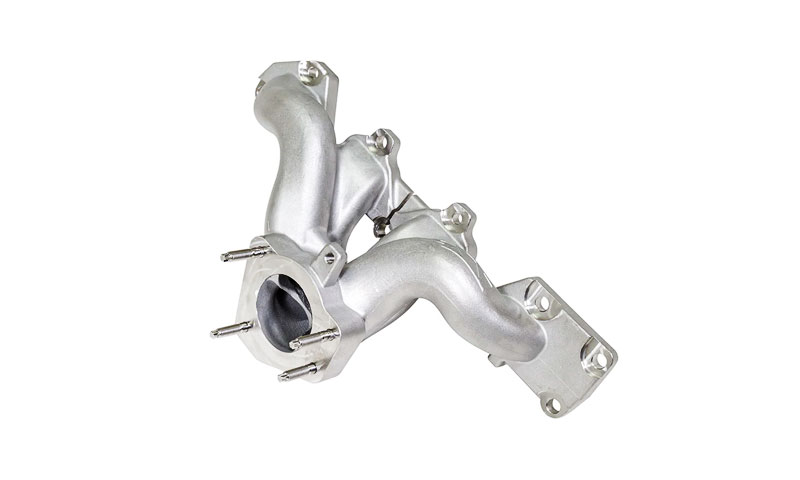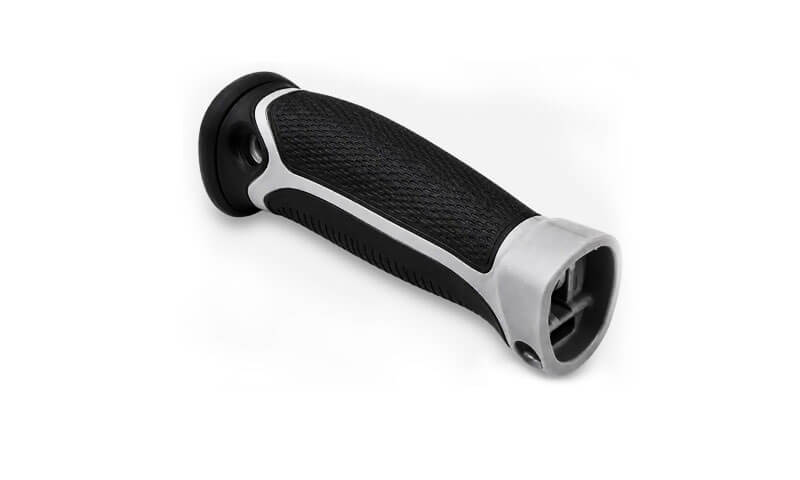
قالب گیری بیش از حد پیشرفته است قالب تزریقی تکنیک مورد استفاده برای ترکیب دو یا چند ماده در یک جزء کاربردی واحد.
به جای اینکه هر جزء را جداگانه بسازید و بعد از آن مونتاژ کنید, قالب گیری بیش از حد به یک ماده ثانویه اجازه می دهد تا مستقیماً روی یک بستر از پیش ساخته شده قالب گیری شود.
نتیجه می تواند خواص ساختاری یک ماده صلب را با انعطاف پذیری ترکیب کند, گرفتن, مهر و موم, عایق, مقاومت در برابر ضربه, یا ویژگی های زیبایی شناختی یک الاستومر یا پلیمر دیگر.
این فرآیند به طور گسترده در محصولاتی که در آن مواد یکپارچه می شود استفاده می شود, عملکرد ارگونومیک, حفاظت از محیط زیست, و کاهش مونتاژ مهم هستند.
نمونههای معمولی شامل دستگیرههای ابزار برقی است, سوئیچ های خودرو, اتصالات الکتریکی, محل تجهیزات پزشکی, لوازم الکترونیکی مصرف کننده, اجزای کابل, چنگال ها, مهر, و کنترل های صنعتی.
1. Overmolding چیست?
قالب گیری بیش از حد یک فرآیند تولید است که در آن ماده دوم به اطراف یا روی یک موجود قالب گیری می شود. بستر, درج کردن, یا جزء قالب گیری شده قبلی برای ایجاد یک بخش چند متری یکپارچه.
زیرلایه ساختار زیربنایی جزء را فراهم می کند, در حالی که مواد بیش از حد قالب گیری ویژگی های عملکردی یا زیبایی شناختی خاصی را اضافه می کند.
بسته به برنامه, بستر ممکن است یک ترموپلاستیک سفت و سخت باشد, درج فلزی, یا جزء از پیش ساخته شده دیگر.
قالب اضافی ممکن است الاستومر ترموپلاستیک نرم تری باشد (TPE), پلی اورتان ترموپلاستیک (TPU), لاستیک ترموپلاستیک, یا پلیمر سازگار دیگری.
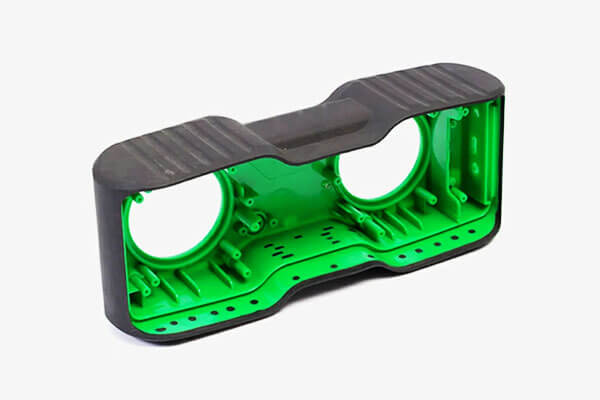
یک نمایش ساده از ساختار است:
بستر ← مواد قالب گیری ← قسمت تکمیل شده یکپارچه
به عنوان مثال, یک ابزار برقی دستی را در نظر بگیرید. محفظه داخلی ممکن است از یک پلاستیک مهندسی سفت و سخت مانند ABS یا نایلون تقویت شده برای ایجاد استحکام ساختاری قالب گیری شود..
سپس یک لایه نرمتر TPE یا TPU را میتوان روی قسمتهای انتخابی محفظه قالبگیری کرد تا چسبندگی بدون لغزش ایجاد کند و جذب لرزش را بهبود بخشد..
به جای تولید یک دستگیره لاستیکی جداگانه و نصب آن در هنگام مونتاژ, قالب گیری بیش از حد، دستگیره را مستقیماً در محفظه ادغام می کند.
ساختار اساسی یک جزء بیش از حد قالب گیری شده
یک محصول بیش از حد قالب گیری شده به طور کلی از دو منطقه مواد کاربردی تشکیل شده است:
| جزء | عملکرد اصلی |
| بستر | پشتیبانی ساختاری را فراهم می کند, ثبات ابعادی, یا اتصال مکانیکی |
| بیش از حد قالب | چسبندگی را اضافه می کند, مهر و موم, کوسن, عایق, حفاظت, یا زیبایی شناسی |
| رابط اتصال | بارها را منتقل می کند و چسبندگی مواد را حفظ می کند |
مشخصه کلیدی: ادغام چند ماده ای
ویژگی تعیین کننده بیش از حد قالب گیری است ادغام مستقیم مواد مختلف در یک جزء تمام شده.
این امر قالب گیری بیش از حد را از مونتاژ معمولی متمایز می کند. در یک فرآیند مونتاژ سنتی, اجزای جداگانه به طور جداگانه تولید می شوند و متعاقباً با استفاده از اتصال دهنده ها به هم متصل می شوند, چسب, گیره, مطبوعات مناسب است, جوش, یا روش های دیگر.
قالب گیری بیش از حد بخشی از این یکپارچگی را به خود فرآیند قالب گیری منتقل می کند.
این می تواند چندین مزیت تولیدی ایجاد کند:
- اجزای فردی کمتر
- کاهش عملیات مونتاژ
- یکپارچه سازی اجزای بهبود یافته
- مکان یابی ثابت مواد ثانویه
- آب بندی بهتر و حفاظت از محیط زیست
- ارگونومی و عملکرد لمسی بهبود یافته است
- آزادی طراحی بیشتر
- کاهش احتمالی عیوب مربوط به مونتاژ
هر چند, رابط بین بستر و قالب به یک ویژگی مهندسی حیاتی تبدیل می شود.
این دو ماده باید تحت شرایط عملیاتی واقعی محصول به طور ایمن متصل بمانند.
چرخه دما, رطوبت, مواد شیمیایی, بارگذاری مکانیکی, تأثیر, و خم شدن مکرر همگی می توانند بر عملکرد رابط تأثیر بگذارند.
2. انواع قالب گیری بیش از حد
Overmolding یک پیکربندی تولید استاندارد واحد نیست.
قالب گیری بیش از حد پلاستیک به پلاستیک
قالب گیری بیش از حد پلاستیک به پلاستیک شامل قالب گیری یک ترموپلاستیک به طور مستقیم روی یک بستر پلاستیکی قالب گیری شده قبلی است..
معمولاً زمانی استفاده می شود که دو پلیمر ویژگی های عملکرد مکمل را ارائه می دهند.
به عنوان مثال, یک پلاستیک مهندسی سفت و سخت می تواند چارچوب ساختاری را فراهم کند در حالی که یک الاستومر ترموپلاستیک نرم تر یک دستگیره را تشکیل می دهد., مهر و موم, دکمه, یا لایه محافظ.
متناوب, دو پلیمر صلب ممکن است برای ایجاد مناطق عملکردی مختلف در یک جزء ترکیب شوند.
چالش اصلی مهندسی، دستیابی به چسبندگی یا حفظ مکانیکی کافی بین دو پلیمر و در عین حال جلوگیری از تغییر شکل بستر در طول چرخه قالبگیری دوم است..
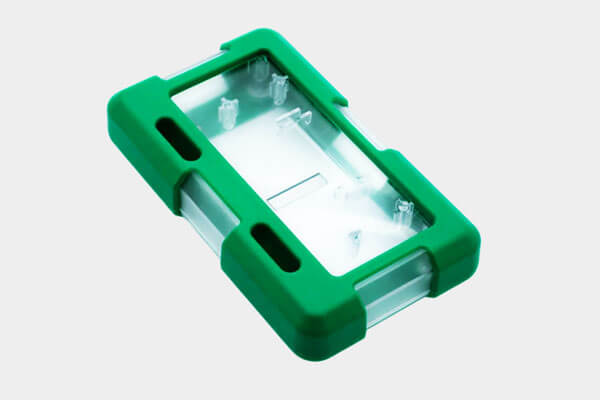
ترکیبات معمولی شامل:
- ABS + TPE
- کامپیوتر + TPE
- PC/ABS + TPE
- نایلون + TPE
- PP + TPE یا TPV
- PBT + TPE
- ABS + TPU
هر ترکیبی ذاتاً سازگار نیست. نمره دقیق, فرمولاسیون, وضعیت سطح, دمای پردازش, و شرایط قالب گیری باید ارزیابی شود.
قالب گیری بیش از حد پلاستیک به الاستومر
قالب گیری بیش از حد پلاستیک به الاستومر یکی از شناخته شده ترین اشکال بیش از حد قالب گیری است..
یک ماده انعطاف پذیر مانند TPE, TPU, مالیات بر ارزش افزوده, یا الاستومر ترموپلاستیک دیگری بر روی یک بستر پلاستیکی سفت و سخت قالب گیری می شود.
هدف معمولاً کاربردی است و نه صرفاً زیبایی شناختی. الاستومر می تواند فراهم کند:
- چسبندگی و ارگونومی بهبود یافته
- جذب ضربه و ضربه
- میرایی لرزش
- مهر و موم
- سطوح نرم لمسی
- مقاومت در برابر لغزش
- عایق برق
- حفاظت در برابر آلودگی محیط زیست
دسته های ابزار برقی یک مثال معمولی را ارائه می دهند. بستر سفت و سخت پشتیبانی ساختاری را تامین می کند, در حالی که قالب الاستومری یک رابط راحت و بادوام بین ابزار و اپراتور فراهم می کند.
ضخامت لایه الاستومری باید به دقت کنترل شود. ضخامت بیش از حد می تواند زمان چرخه را افزایش دهد, انقباض, و مصرف مواد, در حالی که یک لایه ناکافی ممکن است بالشتک یا چسبندگی لازم را فراهم نکند.
قالب گیری بیش از حد فلز به پلاستیک
قالب گیری بیش از حد فلز به پلاستیک، یک پلیمر را مستقیماً در اطراف یک درج یا جزء فلزی قرار می دهد.
فلز استحکام می دهد, قابلیت هدایت, مقاومت در برابر پوشیدن, عملکرد حرارتی, یا ثبات ابعادی, در حالی که پلیمر عایق را فراهم می کند, حفاظت, مهر و موم, یا یکپارچگی ساختاری.
قالب گیری بیش از حد فلز به پلاستیک به ویژه برای پایانه های الکتریکی مفید است, اتصالات, حسگر, درج های نخ شده, دسته, اجزای کنترل, و مجامع صنعتی.
یک ملاحظه انتقادی تفاوت در ضریب انبساط حرارتی (CTE) بین فلز و پلیمر.
در طول تغییرات دما, این دو ماده با سرعت های مختلف منبسط و منقبض می شوند.
اگر طراحی رابط با این حرکت سازگار نباشد, تنش پسماند می تواند به ترک خوردن کمک کند, لایه برداری, یا بی ثباتی بعدی.
درج Overmolding
در قالب گیری اینسرت از یک درج از پیش ساخته شده استفاده می شود که قبل از تزریق مواد در داخل قالب تزریق قرار می گیرد..
درج می تواند فلزی باشد, پلاستیکی, سرامامیک, الکترونیکی, یا جزء ساخته شده دیگر, بسته به برنامه.
قالب گیری بیش از حد درج می تواند عملیات مونتاژ جداگانه را حذف کند زیرا فرآیند قالب گیری به طور دائمی اینسرت را در قطعه نهایی ادغام می کند..
درج باید به طور دقیق قرار گیرد و به طور ایمن پشتیبانی شود. اتصال ضعیف می تواند باعث حرکت درج در حین تزریق شود, منجر به خطاهای ابعادی می شود, پوشش ناهموار مواد, فلاش, یا آسیب به قالب.
قالب گیری دو شات
قالب گیری دو شات, همچنین خوانده می شود 2قالب گیری K یا قالب گیری تزریقی دو جزئی, یک جزء چند ماده ای را از طریق عملیات تزریق متوالی تولید می کند, به طور کلی در همان سیستم قالب گیری.
در یک فرآیند معمولی, اولین ماده زیرلایه یا هندسه جزء اول را تشکیل می دهد.
سپس پیکربندی قالب یا موقعیت قطعه تغییر میکند به طوری که ماده دوم را میتوان در ناحیه تعیینشده تزریق کرد..
بر خلاف قالب گیری معمولی با استفاده از یک بستر تولید شده جداگانه, قالب گیری دو شات می تواند دو عملیات قالب گیری را در یک چرخه تولید بسیار خودکار ادغام کند.
3. فرآیند قالب گیری بیش از حد چگونه کار می کند?
فرآیند بیش از حد قالب گیری شامل قالب گیری ماده دوم به طور مستقیم بر روی یک بستر از پیش ساخته شده یا درج برای ایجاد یک جزء یکپارچه است..
اگرچه فرآیند دقیق بسته به ترکیب مواد متفاوت است, هندسه محصول, و روش تولید, جریان کار اصلی ثابت می ماند:
طراحی محصول ← انتخاب مواد ← ساخت بستر ← آماده سازی قالب ← بارگیری بستر ← تزریق بیش از حد قالب گیری ← خنک کننده & خروج → بازرسی
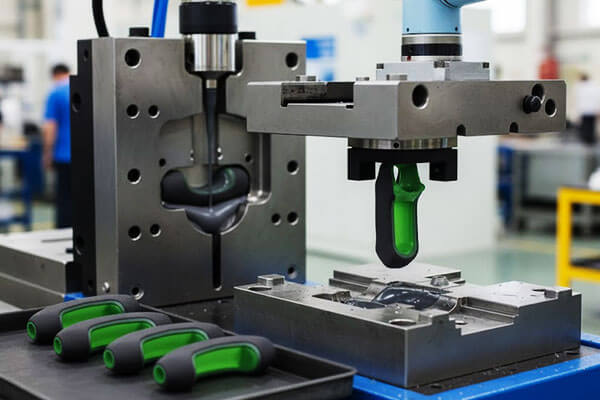
طراحی محصول و تجزیه و تحلیل DFM
قالب گیری بیش از حد با محصول و طراحی برای تولید (DFM) تجزیه.
مهندسان هندسه بستر را ارزیابی می کنند, ضخامت بیش از قالب, زاویه های پیش نویس, خطوط جدایی, مکان های دروازه, دریچه, زیرپوش, و ابعاد بحرانی.
بستر باید به اندازه کافی سفت و سخت باشد تا در طول عملیات قالبگیری دوم در برابر فشار تزریق و قرار گرفتن در معرض حرارت مقاومت کند..
ویژگی های نگهدارنده مکانیکی مانند دنده ها, شیار, سوراخ, یا در صورت نیاز به قفل شدن اضافی نیز ممکن است از زیر برش ها استفاده شود.
انتخاب مواد و سازگاری
زیرلایه و مواد قالب گیری باید با هم انتخاب شوند. مهندسان خواص مکانیکی را در نظر می گیرند, دمای پردازش, انقباض, انبساط حرارتی, مقاومت شیمیایی, حساسیت به رطوبت, و از همه مهمتر, چسبندگی سطحی.
ترکیبی از مواد که به صورت جداگانه عملکرد خوبی دارد ممکن است هنگام قالب گیری با هم پیوند قابل اعتمادی ایجاد نکند.
برای برنامه های مهم, سازگاری مواد باید از طریق داده های تامین کننده تایید شود, آزمایشات نمونه اولیه, یا تست چسبندگی.
ساخت و آماده سازی بستر
زیرلایه قبل از عملیات قالب گیری دوم ساخته می شود.
بسترهای پلاستیکی معمولاً قالب گیری تزریقی می شوند, در حالی که درج های فلزی ممکن است ماشین کاری شوند, مهر شده, بازی کردن, یا به شکل دیگری ساخته شده است.
قبل از قالب گیری بیش از حد, بستر ممکن است نیاز داشته باشد:
- تمیز کردن و چربی زدایی
- خشک کردن پلیمرهای حساس به رطوبت
- درمان سطحی
- پیش گرم
- بازرسی بعدی
آماده سازی مناسب به جلوگیری از آلودگی کمک می کند, تنوع ابعادی, چسبندگی ضعیف, و سایر نقص های مرتبط با رابط.
بارگیری بستر و بسته شدن قالب
بستر آماده شده به طور دقیق در داخل قالب قالب گیری قرار می گیرد.
ممکن است به صورت دستی برای تولید با حجم کمتر یا به طور خودکار با استفاده از سیستم های جابجایی رباتیک برای تولید با حجم بالا بارگیری شود..
قالب باید به طور ایمن از بستر حمایت کند و ضخامت بیش از قالب مورد نیاز را حفظ کند.
یک بار قرار گرفت, قالب بسته می شود و نیروی گیره کافی برای مقاومت در برابر فشار تزریق و جلوگیری از فلاش اعمال می کند.
تزریق مواد Overmolding
ماده دوم تا دمای فرآوری خود گرم می شود و به داخل حفره قالب تزریق می شود.
مواد مذاب در اطراف نواحی تعیین شده زیرلایه جریان می یابد و لایه بیش از قالب را تشکیل می دهد.
پارامترهای فرآیند اولیه شامل:
| پارامتر | اثر اصلی |
| دمای ذوب | جریان پذیری و اتصال |
| دمای قالب | پر کردن, خنک کننده, و کیفیت سطح |
| سرعت تزریق | رفتار جریان و گیر افتادن هوا |
| فشار تزریق | پر کردن حفره |
| نگه داشتن فشار | جبران انقباض و پایداری ابعادی |
| زمان خنک کننده | استحکام بخشی و زمان چرخه |
روند باید به دقت متعادل شود. دما یا فشار بیش از حد می تواند بستر را تغییر شکل دهد, در حالی که شرایط پر شدن ناکافی می تواند باعث ایجاد عکس های کوتاه شود, پیوند ضعیف, یا پوشش ناقص.
باندینگ و خنک کننده
همانطور که مواد مذاب بیش از حد با بستر تماس می گیرند, رابط از طریق چسبندگی شیمیایی ایجاد می شود, در هم تنیدگی مکانیکی, یا ترکیبی از هر دو.
پس از پر کردن و بسته بندی, جزء داخل قالب خنک می شود. خنک سازی باید کنترل شود زیرا بستر و قالب بیش از حد ممکن است ویژگی های انقباض و انبساط حرارتی متفاوتی داشته باشند..
خنک کننده ضعیف کنترل شده می تواند منجر به پیچ خوردگی شود, استرس باقیمانده, علامت سینک, یا خرابی رابط.
تخلیه و بازرسی کیفیت
پس از خنک شدن کافی, قسمت تکمیل شده بیش از حد قالب گیری شده از قالب خارج می شود. حذف دروازه, پیرایش فلاش, یا سایر عملیات ثانویه ممکن است در صورت لزوم انجام شود.
کنترل کیفیت معمولاً بر:
دقت + پوشش بیش از حد قالب + ظاهر سطحی + استحکام پیوند + عملکرد عملکردی
برای برنامه های کاربردی, سازندگان ممکن است علاوه بر این لایه برداری را انجام دهند, کشیدن, برشی, گشتاور, چرخه دما, رطوبت, مقاومت در برابر مواد شیمیایی, یا سایر آزمایشات محیطی.
4. موادی که معمولا در قالب گیری بیش از حد استفاده می شود
انتخاب مواد مسلماً مهمترین تصمیم فنی در قالب گیری بیش از حد است. ترکیب ایده آل مواد باید دو الزام جداگانه را برآورده کند:
مواد باید به عنوان مواد جداگانه به درستی عمل کنند, و رابط مواد باید به عنوان یک سیستم یکپارچه قابل اعتماد باقی بماند.
مواد بستر متداول
بستر به طور کلی پایه ساختاری جزء را فراهم می کند. ممکن است پلاستیک سفت یا فلز باشد.
مواد بستر پلاستیکی رایج
| ماده بستر | ویژگی های مهم | کاربردهای معمولی قالب گیری بیش از حد |
| ABS | مقاومت در برابر ضربه خوب, پردازش آسان, ظاهر خوب | محصولات مصرفی, دسته, محوطه |
| کامپیوتر | قدرت با ضربه زیاد, گزینه های شفافیت, عملکرد ابعادی خوب | الکترونیک, محفظه های محافظ, کنترل |
| PC/ABS | چقرمگی متعادل, ظاهر, و قابلیت پردازش | خودرو و الکترونیک |
| پا (نایلون) | استحکام بالا, سفتی, مقاومت در برابر پوشیدن | خودرو, مؤلفه های صنعتی, ابزار |
PP |
چگالی کم, مقاومت شیمیایی, مقاومت در برابر خستگی | خودرو, محصولات مصرفی, اجزای لولای زنده |
| PBT | ثبات ابعادی خوب و عملکرد الکتریکی | اتصالات الکتریکی, اجزای خودرو |
| پوم | اصطکاک کم, مقاومت در برابر پوشیدن, ثبات ابعادی | اجزای مکانیکی و کنترل |
| PPS | درجه حرارت بالا و مقاومت شیمیایی | تقاضا برای کاربردهای خودرویی و صنعتی |
مواد معمولی بیش از حد قالب گیری
ماده دوم عموماً برای افزودن عملکردی انتخاب می شود که بستر نمی تواند به طور مؤثر ارائه کند.
| مواد overmolding | ویژگی های اصلی | توابع معمولی |
| TPE | انعطاف پذیر, لمس نرم, قابل پردازش | گرفتن, کوسن, مهر و موم |
| TPU | مقاومت در برابر سایش و پارگی بالا | سطوح محافظ, چنگال ها, اجزای انعطاف پذیر |
| مالیات بر ارزش افزوده | خاصیت ارتجاعی لاستیک مانند با پردازش ترموپلاستیک | مهر و موم خودرو, چنگال ها, اجزای مقاوم در برابر آب و هوا |
TPO |
انعطاف پذیر, سبک وزن, مقاوم در برابر آب و هوا | تزئینات و اجزای محافظ خودرو |
| ترکیبات PP نرم | سبک و مقاوم در برابر مواد شیمیایی | محصولات مصرفی و خودرویی |
| سیستم های مبتنی بر سیلیکون | انعطاف پذیری و عملکرد دما عالی | کاربردهای تخصصی آب بندی و پزشکی |
| الاستومرهای تخصصی | ماده شیمیایی مخصوص کاربرد, گرمی, یا عملکرد مکانیکی | محیط های صنعتی و پر تقاضا |
5. پیوند مکانیکی در مقابل. پیوند شیمیایی در قالب گیری بیش از حد
رابط بین بستر و مواد بیش از حد قالب گیری بحرانی ترین منطقه یک جزء قالب گیری چند ماده است..
یک قطعه ممکن است خواص مکانیکی عالی و سطح جذابی داشته باشد, با این حال، در صورت جدا شدن بیش از حد قالب از بستر، باز هم در سرویسدهی با شکست مواجه میشود.
پیوند مکانیکی: اینترلاک فیزیکی
پیوند مکانیکی متکی بر رزین مذاب بیش از حد قالب است که در زیر برش های از پیش طراحی شده جریان می یابد., سوراخ, شیار, سطوح خمیده یا بافت دار روی بستر.
پس از انجماد, رزین یک قفل فیزیکی دائمی تشکیل می دهد که بار را از طریق تداخل هندسی به جای نیروهای بین مولکولی منتقل می کند..
- اصل اصلی: پلیمر مذاب تمام ویژگی های منفی سطح زیرلایه را پر می کند و به شکل هندسه مثبت منطبق جامد می شود., ایجاد قفلی که بدون تغییر شکل یکی از مواد جدا نمی شود.
لنگرهای از طریق سوراخ قوی ترین پیوندهای مکانیکی را ایجاد می کنند, چون پرچ های پلیمری کاملی را تشکیل می دهند که در برابر بارهای پوسته شدن و برشی مقاومت می کنند. - ویژگی های متداول لنگر انداختن: از طریق سوراخ, زیر برش های جانبی, شکاف های دم کبوتر, شیارهای محیطی, بافت سنگ ریزه, سطوح پیچ خورده و ویژگی های خاردار قالب گیری شده.
- مزایا: با هر جفت مواد کار می کند, از جمله ترکیبات کاملاً ناسازگار مانند سیلیکون روی فلز یا TPE روی POM; استحکام باند بر اساس هندسه بسیار قابل پیش بینی است; حساسیت کمتری نسبت به آلودگی سطحی و پیری محیطی دارد.
- محدودیت ها: به طراحی بستر و پیچیدگی ابزار اضافی نیاز دارد; استحکام باند در نقاط لنگر موضعی است; برای لایه های فوق نازک بیش از حد زیرین مناسب نیست 0.5 میلی متر.
پیوند شیمیایی: انتشار میانی مولکولی
پیوند شیمیایی زمانی اتفاق می افتد که رزین و بستر بیش از حد قالب از نظر شیمیایی سازگار باشند.
در دمای قالب گیری, زنجیره های پلیمری از قالب بیش از حد به سطح زیرلایه پخش می شوند, ایجاد درهم تنیدگی بین مولکولی و پیوندهای ثانویه (نیروهای واندروالس, پیوندهای هیدروژنی, و در برخی موارد تشکیل پیوند کووالانسی از طریق تبادل استر).
- اصل اصلی: برای اینکه پیوند شیمیایی رخ دهد, این دو ماده باید پارامترهای حلالیت مشابهی داشته باشند (به طور معمول در 2 (cal/cm³)^ 0.5 از یکدیگر) و سطح بستر باید در هنگام تزریق بالاتر از دمای انتقال شیشه ای خود باشد, امکان تحرک زنجیره ای و انتشار میانی.
لایه بین فازی حاصل معمولاً از 20 نانومتر تا چند میکرومتر ضخامت دارد. - عوامل موثر: تطبیق پارامتر حلالیت, تطبیق دمای مذاب, انرژی سطح بستر, فشار تماس, و زمان اقامت در رابط.
- مزایا: استحکام پیوند یکنواخت در کل رابط; هیچ ویژگی زیرلایه اضافی مورد نیاز نیست; لایه های بسیار نازک بیش از حد قالب را با چسبندگی ثابت امکان پذیر می کند; خط پیوند صاف بدون غلظت تنش.
- محدودیت ها: به مواد شیمیایی پلیمری سازگار نیاز دارد; حساس به آلودگی سطحی, عوامل اکسیداسیون و رهاسازی; می تواند در طول زمان در محیط های با دمای بالا یا رطوبت بالا تخریب شود.
پیوند هیبریدی: ترکیب مکانیزم های مکانیکی و شیمیایی
برای برنامه های کاربردی, قوی ترین راه حل ممکن است ترکیب هر دو مکانیسم باشد.
یک بستر را می توان با شیار طراحی کرد, سوراخ, یا مناطق بافت دار در حالی که مواد انتخاب شده چسبندگی سطحی ذاتی را نیز فراهم می کنند.
در این پیکربندی, چسبندگی شیمیایی اتصال توزیع شده را فراهم می کند در حالی که ویژگی های مکانیکی مقاومت بیشتری در برابر لایه برداری ایجاد می کند, برشی, یا جداسازی محوری.
به عنوان مثال, یک درج فلزی ممکن است تحت درمان سطح قرار گیرد و با یک پلیمر سازگار قالبگیری شود و در عین حال سوراخهای داخلی یا حلقهای را نیز در خود جای دهد..
رابط حاصل منحصراً به چسبندگی شیمیایی یا حفظ هندسی بستگی ندارد.
این رویکرد به ویژه زمانی مفید است که خرابی رابط می تواند ایمنی یا عملکرد محصول را به خطر بیندازد.
6. مزایا و محدودیت های قالب گیری بیش از حد
مزایای اصلی
کاهش تعداد قطعات و مونتاژ
قالب گیری بیش از حد می تواند دستگیره ها را یکپارچه کند, مهر, عایق, کوسن, و لایه های محافظ را مستقیماً روی یک بستر قرار دهید.
این باعث کاهش تعداد اجزای جداگانه می شود, اتصال دهنده, چسب, و عملیات مونتاژ, که می تواند تولید را ساده کرده و ثبات را بهبود بخشد.
یکپارچه سازی عملکردی پیشرفته
یک قطعه واحد می تواند پشتیبانی ساختاری سفت و سخت را ترکیب کند, دسته نرم ارگونومیک, آب بندی محیطی و عایق الکتریکی در یک چرخه قالب گیری.
این عملکرد درجه بندی شده را در مناطق مختلف یک جزء که نمی توان با طراحی مواد یکپارچه به دست آورد - برای مثال, یک هسته ساختاری سفت و سخت با یک لایه دستگیره میرایی لرزش نرم و یک مهر و موم محیطی یکپارچه.
دوام و قابلیت اطمینان بهبود یافته است
پیوندهای یکپارچه بیش از حد، تخریب چسب را از بین می برند, حالت های شکست شل شدن بست و عدم تراز واشر.
مهر و موم های بیش از حد قالب گیری شده به حفاظت از نفوذ IP67/IP68 سازگار با عمر مفید 3 تا 5 برابر بیشتر از سیستم های واشر مونتاژ شده دست می یابند., زیرا هیچ جزء مهر و موم جداگانه ای برای جابجایی وجود ندارد, تنزل یا سقوط کند .
عملکرد ارگونومیک و حسی برتر
قالب های الاستومری نرم را می توان برای گرفتن دقیق تنظیم کرد, میرایی ارتعاش و جذب ضربه.
انتقال ارتعاش به کاربر در مقایسه با دستههای تک ماده سفت و سخت میتواند 30 تا 60 درصد کاهش یابد., بهبود راحتی کاربر و کاهش خطر آسیب استرس مکرر.
انعطاف پذیری طراحی و تمایز محصول
قالب گیری بیش از حد، چند رنگ را امکان پذیر می کند, طرح های چند بافتی و چند سختی بدون عملیات ثانویه, ایجاد تمایز محصول با حداقل هزینه ابزار اضافی. همچنین امکان تکرار طراحی را بدون طراحی مجدد ابزار کامل فراهم می کند.
کاهش هزینه کل مالکیت
در حالی که سرمایه گذاری ابزار 30 تا 80 درصد بیشتر از قالب گیری تک ماده است, هزینه مونتاژ کمتر,
ضایعات کاهش یافته و ادعاهای ضمانت کمتر معمولاً 15 تا 35 درصد هزینه کل مالکیت را برای حجم تولید متوسط و بالا کاهش می دهد..
محدودیت های ذاتی
هزینه ابزار و توسعه بالاتر
ابزار سفارشی overmold نیاز به طراحی پیچیده تری دارد, حفره های متعدد یا صفحات در حال چرخش, و زمان توسعه بیشتر.
هزینه ابزارآلات معمولاً 2 تا 3 برابر قالب های تک ماده معادل است, و چرخه های توسعه 30 تا 50 درصد طولانی تر هستند.
محدودیت های سازگاری مواد
همه جفتهای مواد بهطور قابل اعتمادی به هم متصل نمیشوند. ترکیبات ناسازگار نیاز به لنگر مکانیکی یا لایه های کراواتی دارند, افزودن پیچیدگی و هزینه طراحی.
به عنوان مثال, اتصال PP به اکثر گریدهای TPE بسیار دشوار است, نیاز به نمرات TPE مبتنی بر PP یا ویژگی های نگهداری مکانیکی .
پنجره فرآیند باریکتر
قالب گیری بیش از حد نیاز به کنترل دقیق تر دمای مذاب دارد, دمای قالب, سرعت تزریق و فشار نگه داشتن نسبت به قالب گیری تک ماده.
انحراف فرآیند می تواند باعث شکست باند شود, درج شیفت یا لایه برداری. راه اندازی فرآیند معمولاً به 2 تا 3 برابر اجرای آزمایشی بیشتر از قالب گیری تک ماده نیاز دارد.
انقباض افتراقی و استرس
نرخ های انبساط حرارتی و انقباض نامتناسب بین بستر و قالب بیش از حد باعث ایجاد تنش پسماند در سطح مشترک می شود., که می تواند منجر به پیچ خوردگی شود, ترک خوردگی یا لایه لایه شدن در چرخه های حرارتی.
این امر به ویژه برای پلیمرهای سفت و سخت بر روی قالب گیری بیش از حد فلز مشخص می شود.
محدود به مواد قابل پردازش مذاب
قالب گیری بیش از حد به ترموپلاستیک ها و لاستیک سیلیکون مایع محدود می شود (LSR).
رزین های گرماسخت معمولی و بیشتر مواد سرامیکی را نمی توان با تجهیزات قالب گیری تزریقی استاندارد بیش از حد قالب زد..
7. نقایص رایج و راهبردهای کاهش
Overmolding حالت های شکست منحصر به فرد مربوط به اتصال رابط را معرفی می کند, درج موقعیت و انقباض دیفرانسیل.
جدول زیر رایج ترین نقص ها را خلاصه می کند, علل ریشه ای و اقدامات اصلاحی اثبات شده.
| حالت نقص | ظاهر | علل ریشه ای اولیه | اقدامات اصلاحی |
| لایه لایه شدن / شکست لایه برداری | لایه Overmold از بستر جدا می شود | ناسازگاری مواد; بستر سرد; سطح آلوده; فشار رابط ناکافی | بررسی سازگاری مواد; پیش گرم کردن بستر; سطوح بستر را تمیز کنید; افزایش فشار پک |
| درج شیفت / ناسازگاری | بستر از موقعیت مورد نظر منحرف می شود | سرعت جریان تزریق بالا; تثبیت درج ناکافی; جریان نامتعادل | پین های مکان یابی را اضافه کنید; موقعیت دروازه را برای کاهش تاثیر جریان بهینه کنید; از وسایل نگهدارنده استفاده کنید |
| علائم سینک در رابط | سطح فرورفته در خط اتصال | انقباض دیفرانسیل; بخش بیش از قالب ضخیم; بسته بندی ناکافی | ضخامت دیواره بیش از حد قالب را کاهش دهید; افزایش فشار پک; بهینه سازی مشخصات خنک کننده |
فلش در رابط |
رزین اضافی بین بستر و جداسازی قالب نفوذ می کند | مناسب قالب ضعیف; تنوع ابعادی بستر; فشار تزریق بیش از حد | بهبود تناسب حفره قالب; تحمل بستر را سفت کنید; کاهش فشار تزریق |
| تاول در رابط | حباب های برآمده در زیر سطح قالب | هوای محبوس شده; رطوبت روی بستر; خروج گاز | بهبود تهویه; قبل از قالب گیری، بستر را خشک کنید; کاهش دمای ذوب |
| ترک استرس داخلی | ترک در خط اتصال پس از خنک شدن | انقباض دیفرانسیل; نرخ انبساط مواد ناسازگار | بهینه سازی دمای قالب; کاهش سرعت خنک کننده; موادی را با مقادیر CTE نزدیکتر انتخاب کنید |
8. کاربردهای کلیدی Overmolding
قالب گیری بیش از حد در صنایع مورد استفاده قرار می گیرد زیرا به سازندگان اجازه می دهد تا مواد ساختاری و عملکردی را بدون تکیه کامل به مونتاژ ثانویه ترکیب کنند..
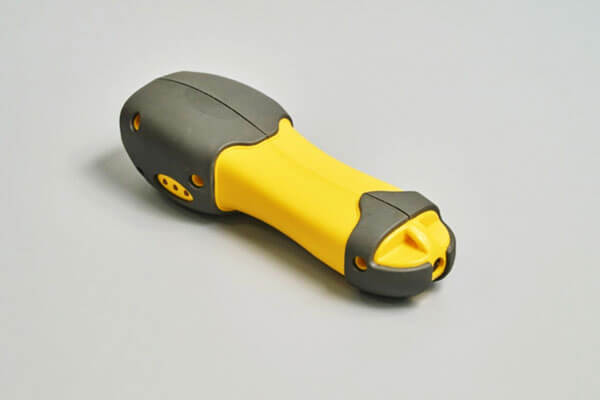
برنامه های کاربردی خودرو
سازندگان خودرو از قالب گیری بیش از حد برای بهبود عملکرد استفاده می کنند, دوام, راحتی, و یکپارچه سازی اجزا.
نمونه های رایج عبارتند از:
- کنترل های فرمان
- سوئیچ ها و دکمه ها
- محاصره سنسور
- اتصالات الکتریکی
- اجزای محافظ کابل
- اجزای داخلی داخلی
- اجزای آب بندی
- دستگیره ها و دستگیره ها
- پوشش های محافظ
- اجزای ارتعاش
لوازم الکترونیکی مصرفی
لوازم الکترونیکی مصرفی از قالب گیری بیش از حد سود می برند زیرا کاربران به طور مستقیم با بسیاری از سطوح خارجی محصول تعامل دارند.
برنامه های کاربردی شامل:
- لوازم جانبی گوشی های هوشمند و دستگاه های الکترونیکی
- کنترل از راه دور
- اجزای دستگاه پوشیدنی
- اجزای هدفون
- کانکتورهای شارژ
- کابل به پایان می رسد
- محفظه های محافظ
- دکمه ها و رابط های کنترلی
تجهیزات پزشکی
Overmolding در محصولات پزشکی و بهداشتی که در آن ارگونومی است استفاده می شود, مهر و موم, عایق, پاککاری, و عملکرد لمسی کنترل شده مهم هستند.
نمونه ها شامل:
- دسته ابزار پزشکی
- اجزای تجهیزات تشخیصی
- دستگیره های دستگاه جراحی
- لوله و اجزای اتصال
- عناصر آب بندی
- محفظه های محافظ
- اجزای دستگاه یکبار مصرف
ابزار برقی و ابزار دستی
ابزارهای برقی یک کاربرد کلاسیک برای قالب گیری بیش از حد صلب به انعطاف پذیر هستند.
یک بستر پلیمری ساختاری می تواند سفتی مورد نیاز را فراهم کند, در حالی که TPE یا TPU می توانند مناطق گرفتن ارگونومیک ایجاد کنند.
قالب بیش از حد ممکن است بهبود یابد:
- امنیت دستگیره
- راحتی کاربر
- میرایی لرزش
- مقاومت در برابر ضربه
- دوام سطح
- ظاهر محصول
اجزای برقی و الکترونیکی
کاربردهای الکتریکی اغلب درج های فلزی رسانا را با مواد پلیمری عایق ترکیب می کنند.
برنامه های معمولی شامل:
- اتصالات الکتریکی
- پایانه ها
- اجزای سنسور
- مجموعه های کابل
- اجزای سوئیچ
- کنتاکت های عایق شده
- محفظه های رابط
- اجزای کنترل الکترونیکی
تجهیزات صنعتی
محصولات صنعتی اغلب به ترکیبی از قدرت نیاز دارند, مقاومت در برابر ضربه, مقاومت شیمیایی, کنترل ارتعاش, و ارگونومی اپراتور.
بنابراین از قالب گیری بیش از حد استفاده می شود:
- دستگیره های ماشین
- دستگیره های کنترل
- سوئیچ های صنعتی
- دستگیره های ابزار
- پوشش های محافظ
- اجزای آب بندی
- محاصره سنسور
- محافظ کابل
- اجزای ارتعاش
9. Overmolding در مقابل. درج قالب در مقابل. قالب گیری دو شات
قالب گیری بیش از حد, قالب گیری درج, و قالبگیری دو شات از فناوریهای قالبگیری تزریقی مرتبط هستند, اما آنها در نحوه تولید بستر متفاوت هستند, قرار داده شده است, و با ماده دوم یکپارچه شده است.
قالب گیری بیش از حد
قالب گیری بیش از حد شامل قالب گیری ماده دوم بر روی یک بستر یا جزء موجود است.
بستر ممکن است یک قطعه پلاستیکی از قبل قالب گیری شده باشد, جزء فلزی ماشینکاری شده, درج مهر شده, یا عنصر ساخته شده دیگر.
به ویژه زمانی مناسب است که بستر و قالب در عملیات جداگانه تولید شوند یا زمانی که فرآیندهای ساخت متفاوتی برای دو جزء مورد نیاز است..
کاربردهای معمولی شامل دستگیره های لمسی نرم است, پوشش های محافظ, عایق الکتریکی, مهر, و اجزای تنش زدایی.
قالب گیری را وارد کنید
قالب درج کنید قبل از اینکه پلاستیک در اطراف آن تزریق شود، یک درج از پیش ساخته شده را در قالب تزریق قرار می دهد.
درج می تواند از فلز ساخته شود, پلاستیکی, سرامامیک, یا مواد مناسب دیگری.
قالب گیری درج فلزی به طور گسترده ای استفاده می شود که جزء نهایی نیاز به استحکام داشته باشد, قابلیت هدایت, ثبات ابعادی, یا قابلیت چسباندن فلز همراه با خواص سبک وزن و عایق بودن پلاستیک.
درج های متداول شامل بوش های رزوه ای است, پایانه ها, پین, شفت, صفحات, و براکت.
بر خلاف قالب گیری عمومی, قالب گیری درج به طور خاص بر ادغام یک درج از پیش ساخته شده در طول چرخه تزریق تاکید می کند..
قالب گیری دو شات
قالب گیری دو شات, قالب گیری تزریقی 2K یا دو جزئی نیز نامیده می شود, دو منطقه مواد را از طریق عملیات تزریق متوالی در یک سیستم قالب گیری تولید می کند.
اولین ماده بستر اولیه را تشکیل می دهد, پس از آن قالب یا قسمتی در جای خود قرار می گیرد و ماده دوم تزریق می شود.
این رویکرد می تواند ثبت ابعادی عالی بین دو ماده را فراهم کند و برای تولید با حجم بالا بسیار مناسب است.
همچنین می تواند جابجایی را کاهش دهد زیرا بستر نیازی به انتقال دستی بین عملیات قالب گیری جداگانه ندارد.
مقایسه فرآیند
| نشان | قالب گیری بیش از حد | قالب گیری را وارد کنید | قالب گیری دو شات |
| بستر | جزء از پیش ساخته شده یا درج | درج از پیش ساخته شده | در اولین شلیک قالب گیری شد |
| مواد معمولی | پلاستیکی, الاستومر, فلزی | عمدتاً درج های فلزی یا سفت و سخت | دو پلیمر/الاستومر سازگار |
| دنباله تولید | بستر + عملیات قالب گیری دوم | درج بارگذاری شده است + تزریق پلاستیک | اولین شلیک + شلیک دوم |
| اتوماسیون | کم تا بسیار خودکار | کم تا بسیار خودکار | معمولاً بسیار خودکار است |
| پیچیدگی ابزار | متوسط تا زیاد | معتاد | عالی |
| مزیت اصلی | ادغام چند ماده ای انعطاف پذیر | عملکرد درج را با پلاستیک ترکیب می کند | تولید چند ماده ای با دقت بالا |
| برنامه های معمولی | دستگیره ها, مهر, محوطه, لایه های محافظ | اتصالات, پایانه ها, درج های نخ شده | دکمه ها, محوطه, اجزای چند رنگ |
| مناسب ترین برای | استراتژی های تولید انعطاف پذیر | ادغام فلز/پلاستیک | تولید یکپارچه با حجم بالا |
در عمل, شرایط ممکن است همپوشانی داشته باشند. قالب گیری درج شکل خاصی از قالب گیری در اطراف یک درج از پیش ساخته شده است, در حالی که قالب گیری دو شات یک فرآیند چند ماده ای بسیار یکپارچه است که در آن بستر معمولاً در همان چرخه قالب گیری ایجاد می شود..
بنابراین، انتخاب فرآیند باید بر اساس معماری واقعی محصول باشد نه تنها بر اساس اصطلاحات.
10. گرایش ها و نوآوری های پیشرفته
تکنولوژی Overmolding به سرعت در حال تکامل است, ناشی از تقاضا برای کوچک سازی, پایداری و یکپارچگی عملکردی افزایش یافته.
LSR Overmolding
لاستیک سیلیکون مایع (LSR) قالب گیری بیش از حد بر روی ترموپلاستیک های مهندسی سریع ترین بخش در حال رشد است.
LSR مقاومت فوق العاده ای در برابر حرارت ایجاد می کند (-60درجه سانتی گراد تا 200 درجه سانتی گراد +), زیست سازگاری و عملکرد مجموعه فشرده سازی, آن را برای وسایل پزشکی ایده آل می کند, قطعات تماس با غذا و کاربردهای خودرو در دمای بالا.
ابزار پیشرفته سردرد و سیستمهای دوز دقیق، قالبگیری بیش از حد LSR را با ضخامت دیواره تا پایینتر ممکن میسازد. 0.2 میلی متر.
میکرو اوورمولدینگ
کوچک سازی در وسایل الکترونیکی و پزشکی منجر به توسعه فرآیندهای ریز قالب گیری با ضخامت دیواره بیش از حد قالب شده است. 0.3 میلی متر و دقت موقعیت 0.02 ± میلی متر.
این ویژگیهای بیش از حد قالبگیری شده را روی کانکتورهای میکرو فعال میکند, لوازم الکترونیکی پوشیدنی و تجهیزات پزشکی قابل کاشت که قبلاً ساخت آنها غیرممکن بود.
قالب گیری بیش از حد پایدار و زیستی
توسعه گریدهای پلیمری مبتنی بر زیستی و بازیافتی با خواص مذاب همسان، قالبگیری بیش از حد جفتهای مواد پایدار را ممکن میسازد..
این شامل بسترهای PP بازیافت شده با TPE بازیافتی می شود, و PA مبتنی بر زیستی بیش از حد با الاستومرهای مبتنی بر زیست قالبگیری شده است.
برندها به طور فزاینده ای در حال مشخص کردن بیش از حد قالب گیری پایدار برای رسیدن به اهداف اقتصاد دایره ای و کاهش کربن هستند..
یکپارچه سازی مونتاژ درون قالب
سلول های چند ایستگاهی پیشرفته بیش از حد، اجزای پیش ساخته متعدد را یکپارچه می کنند (مهر, آهنرباها, الکترونیک) در یک چرخه قالب گیری واحد, تولید قطعات تمام شده کاملاً مونتاژ شده مستقیماً از قالب.
این امر کل خطوط مونتاژ را حذف می کند و زمان تولید را 70 تا 90 درصد کاهش می دهد..
بهینه سازی فرآیند AI محور
سیستمهای یادگیری ماشین برای بهینهسازی پارامترهای فرآیند قالبگیری در زمان واقعی به کار گرفته میشوند, تنظیم سرعت تزریق, فشار و دما بر اساس داده های حسگر درون قالب و منحنی های فشار حفره.
این امر نرخ قراضه را 30 تا 50 درصد کاهش می دهد., سازگاری باند را بهبود می بخشد و زمان نصب قطعات جدید را کاهش می دهد.
11. قالب گیری برای نیازهای مختلف محصول
قالب گیری بیش از حد باید با توجه به الزامات عملکردی جزء نهایی انتخاب شود, نه صرفاً به عنوان روشی برای ترکیب دو ماده.
| مورد نیاز محصول | راه حل Overmolding توصیه می شود | ملاحظات کلیدی مهندسی | برنامه های معمولی |
| چسبندگی و اصطکاک بهبود یافته | بستر سفت و سخت + TPE/TPU overmold | سختی, ضریب اصطکاک, بافت سطحی, مقاومت در برابر سایش | دسته ابزار, دستگیره, محصولات مصرفی |
| حفاظت از ضربه | بستر سفت و سخت + الاستومر سخت | جذب ضربه, قدرت اشک, ضخامت, پوشش لبه | محوطه الکترونیکی, تجهیزات حفاظتی, مؤلفه های صنعتی |
| حفاظت از آب و گرد و غبار | مسکن سفت و سخت + لایه آب بندی الاستومری | تداوم رابط, فشرده سازی, دقت ابعادی, مقاومت در برابر پیری | اتصالات, حسگر, الکترونیک در فضای باز |
| عایق الکتریکی | درج فلزی/الکترونیکی + پلیمر عایق | قدرت دی الکتریک, ضخامت عایق, درجه حرارت, پیشگیری از خلأ | پایانه ها, اتصالات, مجموعه های کابل |
کاهش لرزش و نویز |
بستر سفت و سخت + الاستومر میرایی | سختی الاستومری, ضخامت, پاسخ پویا, مقاومت در برابر خستگی | ابزارهای قدرت, اجزای خودرو, ماشین آلات |
| هندلینگ ارگونومیک | هسته ساختاری + لمس نرم TPE/TPU | گرادیان سختی, هندسه گرفتن, احساس لامسه, پوشیدن طولانی مدت | ابزارهای دستی, سازهای پزشکی, دستگیره های کنترل |
| مواد شیمیایی و حفاظت از محیط زیست | بستر + پلیمر مقاوم در برابر مواد شیمیایی | سازگاری شیمیایی, درجه حرارت, ماوراء بنفش, رطوبت, پایداری چسبندگی | تجهیزات صنعتی, قطعات خودرو, اجزای جابجایی مایعات |
| مقاومت سایش و سایش | بستر سفت و سخت + TPU/TPE مقاوم در برابر سایش | سختی سطحی, مقاومت در برابر سایش, فشار تماس, دمای سرویس | غلتک, راهنما, چنگال ها, کنترل های صنعتی |
12. خدمات قالب گیری تزریقی LangHe
صنعت لانگه راه حل های قالب گیری تزریقی و قالب گیری بیش از حد سفارشی را از توسعه نمونه اولیه تا تولید با حجم بالا ارائه می دهد, مواد پشتیبان از جمله PP, پستان, ABS, کامپیوتر, نایلون, TPE, TPU, LSR, و نگاه کردن.
قابلیت های آن قالب گیری دو شات را پوشش می دهد, قالب گیری در محل, و درج قالب برای فلز, سرامامیک, پلاستیکی, و درج های الکترونیکی, توسط طراحی و ساخت ابزار داخلی پشتیبانی می شود.
به عنوان یک ISO 9001:2015-سازنده تایید شده, LangHe Industry کنترل کیفیت سیستماتیک را از طریق اعمال می کند 100% بازرسی, اندازه گیری CMM, و سیستم های بینایی ماشین برای اطمینان از دقت ابعاد, قوام ظاهری, و عملکرد قابل اعتماد محصول.
رنگ های سفارشی, بافت ها, و روکشهای سطح نیز برای برآورده کردن الزامات خاص کاربرد و برند در دسترس هستند.
با صنعت LangHe تماس بگیرید امروز در مورد پروژه قالب گیری یا قالب گیری تزریقی سفارشی خود بحث کنید.
13. پایان
قالب گیری بیش از حد چیزی فراتر از افزودن یک لایه پلاستیک بر روی یک بستر است.
این یک فناوری ساخت چند ماده ای پیچیده است که ساختار را یکپارچه می کند, ارگونومیک, عملکردهای آب بندی و آرایشی در یک جزء یکپارچه واحد, ارائه عملکردی که با قالب گیری تک ماده یا روش های مونتاژ سنتی قابل مقایسه نیست.
ارزش پیشنهادی آن بر سه ستون اصلی استوار است: یکپارچه سازی عملکردی که تعداد قطعات و هزینه مونتاژ را کاهش می دهد, بهینه سازی عملکرد خاص مواد که عملکرد درجه بندی شده را در یک قسمت واحد امکان پذیر می کند, و قابلیت اطمینان بهبود یافته که از پیوند یکپارچه به جای اتصال ثانویه ناشی می شود.
همانطور که طراحی محصول به سمت یکپارچگی بالاتر ادامه می یابد, کوچک سازی و پایداری, overmolding به گسترش در حوزه های کاربردی جدید ادامه خواهد داد.
پیشرفت در پردازش LSR, قالب گیری میکرو و مواد پایدار قابلیت های آن را بیشتر گسترش می دهد, تثبیت جایگاه خود به عنوان یکی از مهم ترین و همه کاره ترین فناوری های ساخت دقیق صنعت مدرن.
متداول
تفاوت بین قالب گیری بیش از حد و قالب گیری درج چیست؟?
قالب گیری بیش از حد به قالب گیری ماده دوم بر روی یک بستر از پیش ساخته شده اشاره دارد.
قالب گیری درج به طور خاص شامل قرار دادن یک درج از پیش ساخته شده (اغلب فلز) در قالب و تزریق پلاستیک در اطراف آن است.. این دو اصطلاح بسته به معماری مؤلفه می توانند همپوشانی داشته باشند.
تفاوت قالب گیری بیش از حد و قالب گیری دو شات چیست؟?
در قالب گیری معمولی, بستر معمولاً قبل از اینکه ماده دوم روی آن قالب گیری شود، به طور جداگانه ساخته می شود.
در قالب گیری دو شات, ماده اول قالب گیری می شود و ماده دوم در همان سیستم قالب گیری یکپارچه تزریق می شود, ارائه ثبت دقیق و راندمان تولید بالا.
آیا می توان فلز را با پلاستیک بیش از حد قالب ریزی کرد?
بله. قالب گیری بیش از حد فلز به پلاستیک به طور گسترده ای برای ترکیب استحکام یا رسانایی فلز با عایق استفاده می شود., حفاظت, و انعطاف پذیری طراحی پلیمرها.
درج فلزی باید دقیقاً در موقعیت و طراحی قرار گیرد تا در برابر دما و فشار قالب گیری مقاومت کند.
بیش از حد قالب گیری گران تر از قالب گیری تزریقی معمولی است?
هزینههای ابزارسازی و توسعه عموماً بالاتر است زیرا قالبگیری بیش از حد به ابزار پیچیدهتر و کنترل فرآیند نیاز دارد.
هر چند, زمانی که فرآیند اجزای جداگانه را حذف می کند، هزینه کلی تولید می تواند کمتر باشد, عملیات مونتاژ, چسب, اتصال دهنده, یا فرآیندهای آب بندی ثانویه.