

در تولید مدرن, قطعات تک ماده به ندرت نیازهای کامل عملکرد را برآورده می کنند, زیبایی شناسی, و عملکرد.
محصولات امروزی باید بادوام و در عین حال راحت باشند, ضد آب و در عین حال قابل تنفس, و پیچیده و در عین حال آسان برای مونتاژ.
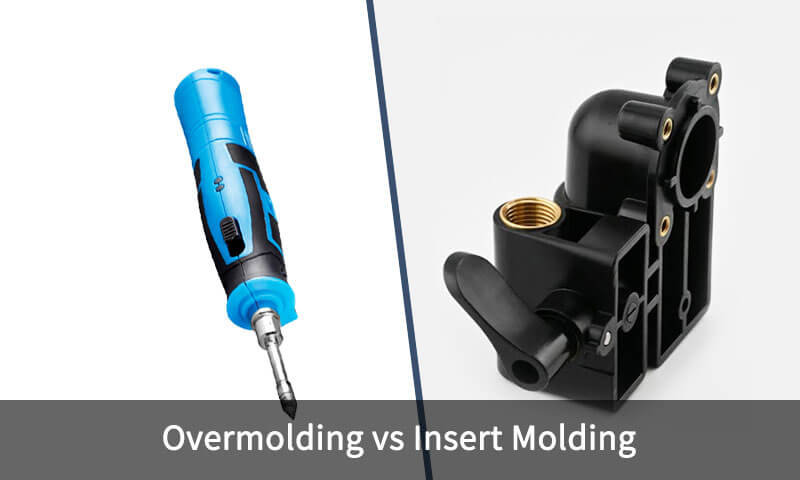
این امر منجر به پذیرش گسترده فرآیندهای تولید چند ماده ای شده است. در میان اینها, قالب گیری بیش از حد و قالب گیری درج دو روش از مهم ترین و پرمقابله ترین تکنیک ها هستند.
اگرچه این دو اصطلاح گاهی اوقات به جای هم استفاده می شوند, آنها رویکردهای مختلف تولید را توصیف می کنند و مسائل مختلف مهندسی را حل می کنند.
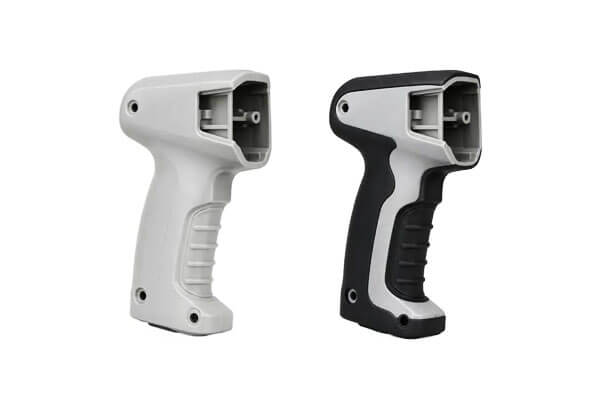
قالب گیری بیش از حد به طور کلی شامل قالب گیری ماده دوم روی یک بستر موجود برای ایجاد یک جزء چند ماده ای است.
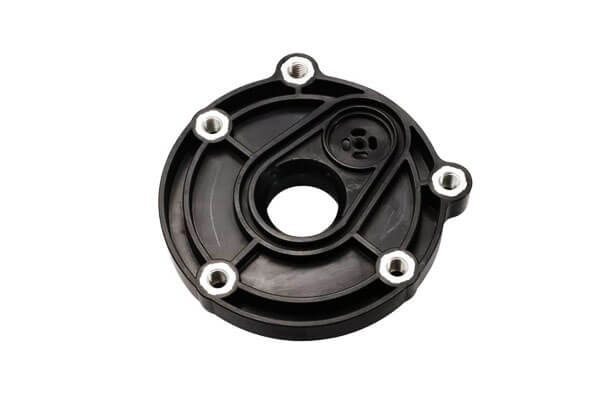
قالب درج کنید, در مقابل, یک درج از پیش ساخته شده - اغلب فلزی - را در داخل قالب تزریق قرار می دهد و آن را با پلاستیک محصور می کند یا تا حدی آن را احاطه می کند..
در این مقاله یک جامع ارائه شده است, مقایسه جانبی قالب گیری بیش از حد و قالب گیری درج.
1. Overmolding چیست?
قالب گیری بیش از حد یک فرآیند قالب گیری تزریقی است که در آن یک ماده بر روی یک بستر موجود یا اجزای قالبگیری شده قبلی قالبگیری میشود تا یک قطعه چند ماده یکپارچه ایجاد شود..
جزء اول معمولاً به عنوان بستر, در حالی که ماده ای که در طی عملیات قالب گیری ثانویه استفاده می شود عبارت است از مواد بیش از حد قالب.
بسته به طراحی محصول, بستر ممکن است یک ترموپلاستیک سفت و سخت باشد, الاستومر, جزء فلزی, یا یک قطعه پیش ساخته مناسب دیگر.
یک جزء معمولی بیش از حد قالب ممکن است یک ماده ساختاری سفت و سخت را با یک ماده نرم تر ترکیب کند.
به عنوان مثال, یک محفظه ABS سفت و سخت می تواند یک قالب TPE را دریافت کند تا چسبندگی راحت را فراهم کند, بهبود آب بندی, یا یک سطح بیرونی محافظ ایجاد کنید.
هدف صرفاً قرار دادن یک ماده بر روی ماده دیگر نیست. رابط بین دو ماده باید چسبندگی کافی را ایجاد کند, نگهداری مکانیکی, یا ترکیبی از هر دو برای مقاومت در برابر مکانیکی مورد انتظار محصول, گرمی, شیمیایی, و شرایط محیطی.
چگونه قالب گیری بیش از حد کار می کند
فرآیند قالب گیری بیش از حد معمولاً با تولید زیرلایه آغاز می شود.
این ممکن است شامل یک عملیات قالب گیری تزریقی جداگانه باشد, فرآیند ماشینکاری, عملیات مهر زنی, روند ریخته گری, یا روش تولید دیگری.
پس از بررسی بستر, داخل قالب دوم قرار می گیرد. این قالب به گونه ای طراحی شده است که مناطقی را که نیاز به دریافت مواد بیش از حد قالب دارند و در عین حال به طور دقیق بستر را قرار داده و پشتیبانی می کند، در معرض دید قرار دهد..
سپس مواد ثانویه تا دمای پردازش مناسب گرم شده و به داخل حفره قالب تزریق می شود.
در اطراف سطوح زیرلایه تعیین شده جریان دارد و هندسه بیرونی مورد نیاز را تشکیل می دهد.
پس از پر کردن و بسته بندی, مواد قبل از بیرون ریختن جزء کامل سرد و جامد می شوند.
یک گردش کار معمولی است:
تولید بستر ← بازرسی بستر ← بارگیری قالب ← موقعیت یابی ← تزریق مواد ثانویه ← بسته بندی ← خنک کننده → بیرون ریختن → بازرسی
کیفیت محصول نهایی به شدت به طراحی رابط بستگی دارد. اگر چسبندگی شیمیایی لازم باشد, زیرلایه و مواد بیش از قالب باید سازگاری کافی داشته باشند.
اگر احتباس مکانیکی مکانیسم اولیه باشد, بستر ممکن است نیاز به شیار داشته باشد, دنده, سوراخ, زیرپوش, یا ویژگی های دیگری که به ماده دوم اجازه می دهد در موقعیت خود قفل شود.
آلودگی سطحی یکی دیگر از نکات مهم است. روغن, گرد و غبار, عوامل رهاسازی, اکسیداسیون, رطوبت, یا سایر آلاینده ها می توانند با چسبندگی تداخل داشته باشند و منجر به لایه برداری یا جدا شدن زودهنگام شوند.
مواد معمولی بیش از حد قالب گیری
در قالب گیری بیش از حد می توان از طیف وسیعی از ترموپلاستیک ها و مواد الاستومری استفاده کرد, اما هر ترکیب مواد ذاتاً سازگار نیست.
انتخاب مواد باید دمای مذاب را در نظر بگیرد, سازگاری شیمیایی, انقباض, ضریب انبساط حرارتی, سختی, انعطاف پذیری, ویژگی های سطح, و شرایط خدمات مورد انتظار.
ترکیبات رایج شامل:
| ماده بستر | مواد Overmold | هدف معمولی |
| ABS | TPE | محفظه ها و دستگیره های لمسی نرم |
| کامپیوتر | TPE | محصولات مقاوم در برابر ضربه با سطوح ارگونومیک |
| نایلون | TPE/TPU | دستگیره های صنعتی و رابط های انعطاف پذیر |
| PP | TPE | محصولات مصرفی و مهر و موم |
| PC/ABS | TPU | سطوح محافظ و ارگونومیک |
| ترموپلاستیک سفت و سخت | LSR | آب بندی و قطعات انعطاف پذیر تخصصی |
کاربردهای معمولی قالب گیری بیش از حد
قالب گیری بیش از حد زمانی مفید است که محصول باید عملکرد ساختاری را با نرمی ترکیب کند, انعطاف پذیری, مهر و موم, عایق, یا ارگونومی بهبود یافته.
قالب گیری بیش از حد معمولا برای:
- دستگیره های ابزار دستی
- سوئیچ ها و کنترل های خودرو
- محفظه لوازم الکترونیکی مصرفی
- اجزای دستگاه پزشکی
- دستگاه های پوشیدنی
- محافظ کابل و سیم
- اجزای آب بندی
- دستگیره ها و رابط های ارگونومیک
- پوشش های محافظ
- کنترل تجهیزات صنعتی
2. قالب گیری درج چیست؟?
قالب درج کنید یک فرآیند قالب گیری تزریقی است که در آن یک جزء از پیش ساخته شده است, شناخته شده به عنوان یک درج کردن, داخل یک قالب تزریق قرار می گیرد و سپس به طور جزئی یا کامل توسط پلاستیک مذاب محصور می شود.
درج اغلب از فلز ساخته می شود, هر چند پلاستیکی, سرامامیک, الکترونیکی, و سایر اجزای پیش ساخته نیز می توانند استفاده شوند.
بر خلاف قالب گیری تزریقی تک ماده معمولی, قالبگیری درج یک جزء تولید شده مستقل را با پلاستیک تزریقی در طول یک عملیات قالبگیری ترکیب میکند.
پلاستیک در اطراف درج جامد می شود, تولید یک قطعه یکپارچه که می تواند عملیات مونتاژ بعدی را حذف کند.
به عنوان مثال, یک درج رزوه برنجی را می توان در داخل قالب قرار داد و با نایلون احاطه کرد..
بعد از قالب گیری, جزء حاصل شامل یک رابط فلزی رزوه ای دائمی است بدون اینکه نیازی به نصب رزوه ای باشد.
قالب گیری درج چگونه کار می کند
قالب گیری اینسرت با ساخت و بازرسی درج آغاز می شود. دقت ابعادی بسیار مهم است زیرا درج باید به درستی در داخل قالب قرار گیرد و موقعیت مشخص شده خود را در طول تزریق حفظ کند..
سپس به صورت دستی داخل قالب قرار می گیرد, نیمه اتوماتیک, یا از طریق یک سیستم بارگیری خودکار.
وسایل اختصاصی, پین, حفره, یا ویژگی های نگهدارنده ممکن است برای جلوگیری از حرکت استفاده شود.
پس از بسته شدن قالب, پلاستیک مذاب به اطراف درج تزریق می شود. فشار تزریق می تواند قابل توجه باشد, بنابراین قالب باید پشتیبانی کافی برای جلوگیری از جابجایی درج ایجاد کند, تغییر شکل دادن, یا نامناسب شدن.
سپس پلاستیک سرد می شود و در اطراف درج جامد می شود. پس از تخلیه, جزء تمام شده از نظر دقت ابعادی بررسی می شود, موقعیت درج, فلاش, حواس, ترک, و سایر عیوب.
دنباله اصلی است:
ساخت درج ← بازرسی درج ← بارگذاری درج ← موقعیت یابی و نگهداری ← بسته شدن قالب ← تزریق پلاستیک ← خنک کننده ← بیرون ریختن → بازرسی
برای تولید در حجم بالا, بارگذاری خودکار درج را می توان در سلول قالب گیری ادغام کرد. این می تواند ثبات چرخه را بهبود بخشد و در عین حال جابجایی دستی را کاهش دهد.
مواد درج متداول
فلز به طور گسترده شناخته شده ترین ماده درج است زیرا خواصی را ارائه می دهد که پلاستیک ها به طور کلی نمی توانند بازتولید کنند, مانند هدایت الکتریکی بالا, دوام نخ, سفتی, مقاومت در برابر پوشیدن, یا مقاومت مکانیکی موضعی.
مواد درج متداول عبارتند از:
- برنج
- فولاد ضد زنگ
- فولاد
- آلومینیوم
- مس و آلیاژهای مس
- پلاستیک مهندسی
- سرامیک
- قطعات الکترونیکی
کاربردهای قالبگیری درج معمولی
قالب گیری درج معمولاً زمانی استفاده می شود که یک محصول نیاز به یک فلز یا سایر اجزای از پیش ساخته شده برای ادغام دائمی در بدنه پلاستیکی دارد..
برنامه های معمولی شامل:
- رئیس های نخ دار
- اتصالات الکتریکی
- پایانه های خودرو
- محاصره سنسور
- اجزای سوئیچ
- سازهای پزشکی
- اجزای تقویت سازه
- اتصالات کابل
- مجموعه های الکترونیکی
- قطعات مکانیکی دقیق
3. Overmolding در مقابل Insert Molding: چه تفاوتی دارد?
اگرچه هر دو فناوری مواد یا اجزای متعددی را ادغام می کنند, منطق ساخت آنها متفاوت است.
ساده ترین تمایز این است:
قالب گیری بیش از حد ماده جدیدی را روی یک بستر موجود اضافه می کند, در حالی که قالبگیری داخلی یک درج از پیش ساخته شده را با پلاستیک قالبگیری تزریقی محصور یا احاطه میکند..
هر چند, اصطلاحات می توانند همپوشانی داشته باشند. در برخی زمینه های تولیدی, قالب گیری درج ممکن است به عنوان یک شکل گسترده تر از قالب گیری بیش از حد مورد بحث قرار گیرد زیرا هر دو شامل قالب گیری مواد در اطراف یک جزء از قبل موجود هستند..
برای ارتباطات مهندسی, هر چند, تشخیص آنها بر اساس نقش مؤلفه از قبل مفید است.
مقایسه Overmolding در مقابل Insert Molding
| عامل | قالب گیری بیش از حد | قالب گیری را وارد کنید |
| هدف اولیه | خواص مواد مختلف را با هم ترکیب کنید | یک درج از پیش ساخته شده را در پلاستیک ادغام کنید |
| جزء از قبل موجود | بستر | درج کردن |
| بستر / درج مشترک | پلاستیکی, الاستومر, فلزی | فلزی, پلاستیکی, سرامامیک, جزء الکترونیکی |
| ترکیب معمولی | پلاستیک سفت و سخت + الاستومر | پلاستیکی + فلزی |
| مکانیزم رابط اصلی | چسباندن, در هم تنیدگی مکانیکی, یا هر دو | کپسولاسیون, نگهداری مکانیکی, چسبندگی در برخی موارد |
| نگرانی کلیدی طراحی | سازگاری مواد | قرار دادن موقعیت و حفظ |
| کاربرد معمولی | دسته لمسی نرم | درج فلزی رزوه ای |
| عملکرد سطحی | گرفتن, مهر و موم, کوسن, حفاظت | برق, مکانیکی, ساختاری, بست |
| اتوماسیون | بسیار خودکار | بسیار خودکار, اما بارگذاری درج بسیار مهم است |
| ریسک عمده | لایه لایه شدن یا اتصال ضعیف | حرکت یا ناهماهنگی را وارد کنید |
4. Overmolding در مقابل Insert Molding: ملاحظات طراحی
الزامات طراحی برای قالب گیری بیش از حد و قالب گیری درج در درجه اول متفاوت است زیرا این دو فرآیند رابط های مختلف را مدیریت می کنند..
Overmolding بر ایجاد یک رابط قابل اعتماد بین بستر و مواد بیش از حد قالبگیری شده تمرکز دارد, در حالی که قالب گیری درج بر روی موقعیت دقیق و محصور کردن ایمن یک درج از پیش ساخته شده تمرکز دارد.
| در نظر گرفتن طراحی | قالب گیری بیش از حد | قالب گیری را وارد کنید |
| سازگاری مواد | بستر سازگار و مواد بیش از حد قالب گیری را بر اساس چسبندگی انتخاب کنید, دمای ذوب, انقباض, سختی, و انبساط حرارتی. | اطمینان حاصل کنید که درج می تواند دما و فشار قالب گیری را بدون تغییر شکل یا ناپایداری ابعادی تحمل کند. |
| هندسه & ضخامت دیواری | ضخامت بیش از قالب یکنواخت را حفظ کنید و ناحیه اتصال کافی را ایجاد کنید. از تغییرات ناگهانی ضخامت که می تواند باعث انقباض شود خودداری کنید, صفحه وار, یا پیوند ضعیف. | ضخامت پلاستیک کافی در اطراف درج برای استحکام و استفاده از شیارها فراهم کنید, غرغر می کند, سوراخ, یا در مواقعی که نیاز به نگهداشتن اضافی است، شانهها. |
| پیوند دادن & حفظ | رابط را برای چسبندگی شیمیایی طراحی کنید, در هم تنیدگی مکانیکی, یا هر دو, بسته به سازگاری مواد. | ویژگیهای نگهداری مکانیکی و کپسولهسازی را برای مقاومت در برابر بیرون کشیدن و چرخش طراحی کنید. |
| دروازه & جریان مواد | دروازه ها را برای رسیدن به پر شدن متعادل و به حداقل رساندن خطوط جوش قرار دهید, گیر افتادن هوا, و استرس بیش از حد در رابط. | جریان مواد را به دقت کنترل کنید تا از جابجایی درج جلوگیری شود, کپسوله سازی ناقص, یا فشار بیش از حد روی درج. |
درج کردن / تعیین موقعیت بستر |
بستر باید به طور دقیق در محل تزریق قرار گیرد و به طور ایمن نگه داشته شود. | موقعیت یابی دقیق درج بسیار مهم است; پین های مکان یابی, جیب, حیات, یا قرار دادن خودکار ممکن است مورد نیاز باشد. |
| انقباض & انبساط حرارتی | تفاوت در انقباض و انبساط حرارتی بین بستر و قالب بیش از حد برای جلوگیری از تاب خوردگی را در نظر بگیرید., استرس باقیمانده, و لایه برداری. | تفاوت انبساط حرارتی بین درج و پلیمر را در نظر بگیرید, به ویژه در کاربردهای فلز به پلاستیک, برای جلوگیری از تغییرات ابعادی و استرس داخلی. |
| پیش نویس & تخلیه | پیش نویس کافی و اجکتورهایی با موقعیت مناسب برای آزاد کردن قطعه بدون آسیب رساندن به قالب یا رابط فراهم کنید.. | پیش نویس و پرتاب را با دقت طراحی کنید تا از حرکت درج جلوگیری کنید, تغییر شکل, یا شل شدن در حین قالب گیری. |
تحمل |
ابعاد بستر را در نظر بگیرید, ضخامت بیش از قالب, انقباض مواد, و حرکت رابط ممکن است. | برای درج ابعاد حساب کنید, دقت موقعیت یابی, انقباض پلیمری, و محل درج نهایی. |
| DFM & جریان قالب | ناحیه اتصال را ارزیابی کنید, جریان مواد, ضخامت دیواری, محل دروازه, و انقباض دیفرانسیل قبل از ابزار. | حفظ درج را ارزیابی کنید, موقعیت یابی, جریان پلیمری, رفتار حرارتی, و جابجایی بالقوه درج قبل از ابزار. |
| کنترل کیفیت | روی استحکام پیوند تمرکز کنید, ضخامت بیش از قالب, فلاش, لایه برداری, صفحه وار, و دقت بعدی. | روی موقعیت درج تمرکز کنید, قدرت نگهداری, کپسوله کردن, فلاش, حواس, و دقت بعدی. |
5. خدمات قالب گیری سفارشی و درج قالب گیری از صنعت LangHe
صنعت لانگه راه حل های قالب گیری تزریقی سفارشی را برای برنامه هایی که نیاز به قالب گیری بیش از حد دارند ارائه می دهد, قالب گیری درج, و سایر فناوری های قالب گیری یکپارچه.
رویکرد تولید ما می تواند پروژه ها را از توسعه اولیه محصول و ابزارسازی تا تولید و بازرسی کیفیت پشتیبانی کند.
| قابلیت | جزئیات |
| انواع قالب گیری بیش از حد | دو شات (2k) بیش از حد, قالب گیری در محل. |
| قالب گیری را وارد کنید | درج های فلزی (برنج, فولاد, مس), درج های سرامیکی, درج های الکترونیکی (PCB, حسگر). |
| مواد (بستر) | ABS, کامپیوتر, نایلون (pa6, pa66), PP, PBT. |
| مواد (بیش از حد قالب) | TPE, TPU, LSR, مالیات بر ارزش افزوده, سیلیکون. |
| ابزار | طراحی و ساخت ابزارآلات داخلی. |
| کیفیت | ISO 9001:2015 گواهی شده است; 100% بازرسی. |
| زمان پیشرو | 2-4 هفته برای نمونه های اولیه; 4-8 هفته برای ابزار تولید. |
6. پایان
قالب گیری در مقابل قالب گیری درج موضوع تعیین این نیست که کدام فرآیند به طور کلی بهتر است. هر دو فناوری قالب گیری تزریقی بسیار موثر هستند, اما آنها نیازهای مختلف توسعه محصول را مورد توجه قرار می دهند.
قالب گیری بیش از حد در درجه اول برای محصولاتی مناسب است که نیاز به ترکیب ویژگی های مواد مختلف در یک جزء یکپارچه دارند.
مخصوصاً برای سطوح با لمس نرم بسیار ارزشمند است, دستگیره های ارگونومیک, مهر و موم های انعطاف پذیر, کوسن, عایق, و لایه های محافظ.
موفقیت آن به شدت به سازگاری مواد بستگی دارد, طراحی رابط, چسباندن, در هم تنیدگی مکانیکی, و کنترل انقباض دیفرانسیل.
قالب درج کنید, در مقابل, به ویژه زمانی موثر است که یک جزء از پیش ساخته شده - اغلب یک درج فلزی - باید به طور دائم در یک ساختار پلاستیکی ادغام شود..
این به طور گسترده ای برای رابط های رشته ای مناسب است, پایانه های برقی, اجزای تقویت کننده, حسگر, اتصالات, و سایر کاربردها که در آن پلاستیک و مواد دیگر عملکردهای مکمل را انجام می دهند.
در نهایت, انتخاب فرآیند باید بر اساس کل سیستم تولید باشد, از جمله رفتار مادی, هندسه محصول, ابزار, استراتژی پیوند یا حفظ, حجم تولید, اتهام اتوماسیون, بازرسی, و هزینه چرخه عمر.
متداول
تفاوت بین قالب گیری درج و قالب گیری دو شات چیست؟?
قالب گیری درج با استفاده از a درج از پیش ساخته شده که قبل از تزریق پلاستیک در قالب قرار می گیرد.
قالب گیری دو شات معمولاً دو ماده را به صورت متوالی با استفاده از ابزارهای تخصصی و مراحل تزریق چندگانه تولید می کند, اغلب بدون بارگذاری دستی یک بستر تولید شده جداگانه بین عکس ها.
کدام فرآیند سریعتر است: قالب گیری بیش از حد یا قالب گیری درج?
قالب گیری درج معمولاً سریعتر است زیرا از یک شات تزریق استفاده می کند. قالب گیری بیش از حد نیاز به دو شات یا یک فرآیند چند مرحله ای دارد.
کدام فرآیند هزینه ابزار کمتری دارد?
قالب گیری اینسرت هزینه های ابزار کمتری دارد زیرا فقط به یک حفره قالب نیاز دارد. قالب گیری بیش از حد نیاز به دو قالب مجزا یا یک قالب پیچیده دو شات دارد.
چه زمانی باید از overmolding استفاده کنم?
در مواقعی که نیاز به دستگیره های نرم لمسی دارید از قالب گیری بیش از حد استفاده کنید, آب بندی ضد آب, لرزش, یا زیبایی شناسی بهبود یافته است.
چه زمانی باید از قالب گیری درج استفاده کنم?
هنگامی که به اتصالات رزوه ای با استحکام بالا نیاز دارید از قالب گیری درج استفاده کنید, هدایت الکتریکی, یا تقویت سازه در قطعات پلاستیکی.
آیا می توان از قالب گیری بیش از حد و قالب گیری درج با هم استفاده کرد?
بله. برخی از قطعات پیچیده هر دو فرآیند را با هم ترکیب می کنند - برای مثال, یک نخ فلزی قالبگیری شده با یک دستگیره لمسی نرم بیش از حد بر روی همان جزء.
آیا قالب گیری درج نوعی قالب گیری بیش از حد است?
این اصطلاح میتواند همپوشانی داشته باشد زیرا هر دوی اینها مواد را حول یک جزء از قبل موجود میسازند.
هر چند, در اصطلاحات تولید عملی, بیش از حد معمولاً بر افزودن یک لایه یا سیستم مواد دیگر تأکید دارد, در حالی که قالب گیری درج به طور خاص بر تعبیه یک درج از پیش ساخته شده در قطعه قالبگیری شده تأکید دارد.
آیا می توان از فلز در قالب گیری بیش از حد استفاده کرد?
بله. بسترهای فلزی را می توان با پلاستیک یا الاستومرهای مناسب بیش از حد قالب زد.
هر چند, فرآیند باید آماده سازی سطح را در نظر بگیرد, انبساط حرارتی, چسباندن, نگهداری مکانیکی, و انقباض دیفرانسیل.

