در میان چهار خانواده اصلی فولاد ضد زنگ, فولاد ضد زنگ مارتنزیتی موقعیت منحصر به فرد و ممتازی را اشغال می کند.
برخلاف گریدهای آستنیتی, که با عملیات حرارتی سخت نمی شود, یا گریدهای فریتی, که سختی پذیری محدودی را ارائه می دهند, فولادهای زنگ نزن مارتنزیتی با عملیات حرارتی قابل سخت شدن هستند - قادر به دستیابی به سختی بالا, قدرت, و مقاومت در برابر سایش از طریق خاموش کردن و تمپر کردن.
این ترکیب از مقاومت در برابر خوردگی و عملکرد مکانیکی آنها را به ماده انتخابی برای کاربردهایی تبدیل می کند که به دوام و مقاومت در برابر محیط های تهاجمی نیاز دارند..
از کارد و چنگال و ابزار جراحی گرفته تا تیغه های توربین و قطعات خودرو, فولادهای زنگ نزن مارتنزیتی در کاربردهای بی شمار صنعتی و مصرفی ضروری هستند.
1. فولاد ضد زنگ مارتنزیتی چیست؟?
وابسته به مارتنز فولاد ضد زنگ یک دسته از فولاد ضد زنگ است که می تواند به طور عمده توسعه یابد ریزساختار مارتنزیتی از طریق عملیات حرارتی.
به طور کلی جدا از آستنیتی طبقه بندی می شود, وابسته به فری, دوتایی, و فولادهای زنگ نزن سخت کننده رسوبی، زیرا مکانیزم استحکام اولیه آن بر اساس تبدیل آستنیت به مارتنزیت در طی سرد شدن است., به دنبال آن تلطیف برای رسیدن به تعادل مورد نیاز از خواص مکانیکی.
به عبارت ساده شده, توالی ساخت و عملیات حرارتی تحول را دنبال می کند:
ساختار آنیل شده ← آستنیته ← خاموشی ← ساختار مارتنزیتی ← تمپرینگ ← خواص مهندسی نهایی
این فرآیند با حرارت دادن فولاد به مقدار مناسب آغاز می شود دما آستنیت, جایی که ریزساختار به آستنیت تبدیل می شود و عناصر آلیاژی بر اساس ترکیب و چرخه حرارتی مجددا توزیع می شوند..
سپس این جزء با سرعت کافی خنک می شود تا تشکیل ساختارهای تعادلی نرم تر را سرکوب کند و تبدیل مارتنزیتی را تقویت کند..
مارتنزیت به دست آمده با ساختار کریستالی بسیار کرنش حاوی کربن فوق اشباع مشخص می شود..
این باعث سختی و استحکام بالایی می شود, اما مارتنزیت تازه خاموش شده نیز ممکن است چقرمگی محدود و تنش پسماند قابل توجهی داشته باشد.
در نتیجه, اجزای فولاد ضد زنگ مارتنزیتی معمولاً تحت تأثیر قرار می گیرند خویشاوند, که شکنندگی را کاهش می دهد و به مهندسان اجازه می دهد تا سختی و چقرمگی نهایی را تنظیم کنند.
تبدیل مارتنزیتی
تبدیل مارتنزیتی بدون انتشار است, تبدیل نوع برشی که هنگام آستنیت رخ می دهد (FCC) به سرعت در زیر دمای شروع مارتنزیت سرد می شود (اماس).
تبدیل آنی است و شامل انتشار اتم های کربن نمی شود - کربن در شبکه به دام می افتد., ایجاد محلول جامد فوق اشباع.
| مرحله | توضیحات | درجه حرارت |
| آستنیته کردن | حرارت دادن به 950-1050 درجه سانتیگراد برای تشکیل آستنیت. | 950-1050 درجه سانتیگراد |
| فروکش | خنک کننده سریع (روغن, هوا, یا آب) تبدیل آستنیت به مارتنزیت. | زیر خانم |
| خویشاوند | برای کاهش استرس و تنظیم خواص، آن را تا 150 تا 650 درجه سانتیگراد دوباره گرم کنید. | 150-650 درجه سانتیگراد |
2. ترکیب شیمیایی فولاد ضد زنگ مارتنزیتی
از آنجایی که فولاد ضد زنگ مارتنزیتی خانواده گسترده ای از درجه ها را پوشش می دهد, محدودههای زیر بهجای الزامات مورد نیاز برای هر درجه واحد، معرف محدودههای صنعت هستند.
| عنصر آلیاژی | دامنه معمولی (وزنی ٪) | عملکرد اولیه در فولاد ضد زنگ مارتنزیتی |
| کروم (کلوچه) | 10.5-18.0 ٪ | مقاومت اساسی در برابر خوردگی و اکسیداسیون فولاد ضد زنگ را فراهم می کند و به شدت بر پایداری فاز تأثیر می گذارد. |
| کربن (جف) | 0.03-1.20 ٪ | عنصر سخت کننده و تقویت کننده اولیه در گریدهای مارتنزیتی معمولی. |
| نیکل (در) | 0-3.0 ٪ | سختی را بهبود می بخشد, سختگیرانه, و پایداری فاز در گریدهای انتخاب شده. |
| مولیبدن (مس) | 0-1.5٪ | مقاومت در برابر خوردگی موضعی را افزایش می دهد و به سختی پذیری و عملکرد در دمای بالا کمک می کند. |
| منگنز (منگنه) | 0-1.5٪ | از اکسیداسیون پشتیبانی می کند و بر پایداری و سخت شدن آستنیت تأثیر می گذارد. |
سیلیکون (وت) |
0–1.0 ٪ | در درجه اول به عنوان یک اکسید کننده در طول فولادسازی عمل می کند و می تواند به مقاومت در برابر اکسیداسیون کمک کند. |
| نیتروژن (حرف) | 0-0.20 ٪ | عنصر تقویت کننده و تثبیت کننده آستنیت که در گریدهای انتخابی مدرن یا تخصصی استفاده می شود. |
| ودیوم (حرفهای) | 0–1.0 ٪* | عنصر تشکیل دهنده کاربید قوی که عمدتاً در فولادهای مارتنزیتی با سایش بالا یا نوع ابزار استفاده می شود.. |
| نیوبیوم (NB) | 0–1.0 ٪* | کاربیدهای پایدار را تشکیل می دهد و می تواند پایداری متالورژیکی را در گریدهای انتخابی بهبود بخشد. |
کربن: عنصر سخت کننده اولیه
کربن نقش ویژه ای در فولاد ضد زنگ مارتنزیتی دارد زیرا به شدت بر ساختار تشکیل شده در طی عملیات حرارتی تأثیر می گذارد..
در شرایط آنیل شده, کربن ممکن است تا حدی در محلول جامد و بخشی در فازهای کاربید وجود داشته باشد, بسته به درجه و تاریخچه حرارتی.
در طول آستنیته و کوئنچ بعدی, کربن به تشکیل مارتنزیت سخت کمک می کند.
به عنوان یک گرایش عمومی مهندسی:
- سطوح کربن پایین تر از چقرمگی بهبود یافته و سختی متوسط تر حمایت می کند.
- سطوح کربن متوسط ایجاد تعادل بین سختی و استحکام مکانیکی.
- سطوح کربن بالا سختی بسیار بالا و مقاومت در برابر سایش را بهبود می بخشد اما می تواند چقرمگی را کاهش دهد و شکنندگی را افزایش دهد.
به همین دلیل است که نمرات در خانواده مارتنزیتی می تواند کاربردهای بسیار متفاوتی داشته باشد.
ممکن است برای شیرها از درجه نسبتاً کم کربن استفاده شود, شفت, و اجزای ساختاری, در حالی که ممکن است یک درجه کربن بالا برای چاقوها انتخاب شود, ابزارهای برش, و قطعات دقیق مقاوم در برابر سایش.
3. انواع و درجه های اصلی فولاد ضد زنگ مارتنزیتی
فولاد ضد زنگ مارتنزیتی شامل چندین گروه گرید مجزا است که برای برآوردن شرایط مختلف سختی ایجاد شده است, قدرت, مقاومت در برابر خوردگی, مقاومت در برابر پوشیدن, قابلیت تغییر, سختی, و قابلیت بازیگری.
درجات استاندارد مارتنزیتی
محدودههای ترکیب زیر، محدودیتهای نمایندهای هستند که معمولاً با تعیین درجههای مربوطه مرتبط هستند.
الزامات دقیق همیشه باید در برابر ASTM قابل اجرا تأیید شود, در, ما, او است, یا مشخصات مشتری.
| درجه | تعیین ایالات متحده | ترکیب تقریبی | برنامه های معمولی |
| 410 | S41000 | کلوچه: 11.5-13.5٪; جف: ≤0.15٪ | دریچه, اجزای پمپ, شفت, اتصال دهنده, قطعات توربین, و قطعات صنعتی عمومی. |
| 420 | S42000* | کلوچه: 12-14 ٪; جف: 0.15-0.40٪ | کارد و چنگال, سازهای جراحی, تیغ, قالب, و قطعات مقاوم در برابر سایش. |
| 420J2 | معمولاً با معادل های خانواده S42000 مرتبط است** | کلوچه: 12-14 ٪; جف: 0.26-0.40٪ | چاقو, قیچی, قیچی, کارد و چنگال مصرفی, و ابزارهای برش همه منظوره. |
| 431 | S43100 | کلوچه: 15-17٪; در: 1.25-2.50٪; جف: ≤0.20٪ | شفت های پمپ, شفت های دریایی, اجزای دریچه, اتصالات هواپیما, و قطعات مکانیکی با مقاومت بالا. |
440بوها |
S44002 | کلوچه: 16-18 ٪; جف: 0.60-0.75٪ | کارد و چنگال, اجزای دریچه, یاتاقان, سازهای پزشکی, و قطعات مقاوم در برابر سایش. |
| 440شرح | S44003 | کلوچه: 16-18 ٪; جف: 0.75-0.95٪ | ابزارهای برش, ابزار دقیق, یاتاقان, و اجزای آن را بپوشید. |
| 440جف | S44004 | کلوچه: 16-18 ٪; جف: 0.95-1.20 ٪ | بلبرینگ با کارایی بالا, قطعات سایش دقیق, کارد و چنگال درجه یک, قطعات سوپاپ, و ابزارهای جراحی. |
| 416 | S41600 | کلوچه: 12-14 ٪; جف: ≤0.15٪; حرف: 0.15-0.35٪ | اتصالات ماشینکاری دقیق, شفت, پیچ, اجزای دریچه, اتصال دهنده, و قطعات ماشین پیچ اتوماتیک. |
نمرات مارتنزیتی ریخته گری
سیستم تعیین ریخته گری ASTM چندین گرید مهم فولاد ضد زنگ مارتنزیتی را شناسایی می کند.
| درجه بازیگری ASTM | تعیین ایالات متحده | ترکیب تقریبی | برنامه های معمولی |
| CA-15 | J91150 | کلوچه: تقریباً 11.5-14.0 ٪; جف: به طور معمول ≤0.15٪ | بدنه و تریم سوپاپ, اجزای پمپ, قطعات توربین, تجهیزات هیدرولیک, و ماشین آلات صنعتی. |
| CA-40 | J91151 | کلوچه: تقریباً 11.5-14.0 ٪; جف: به طور معمول تا 0.40% | قطعات شیر مقاوم در برابر سایش, ماشین آلات صنعتی, قطعات سرویس بخار, و قطعات مکانیکی. |
CA-6NM |
J91540 | کلوچه: تقریباً 11.5-14.0 ٪; در: تقریباً 3.5-4.5٪; مس: تقریباً 0.4–1.0 ٪; جف: .0.06 ٪ | توربین های هیدرولیکی, تجهیزات برق آبی, پروانه های پمپ بزرگ, پمپ, و اجزای جابجایی آب. |
| CB-7Cu-1 | J92180 | کلوچه: تقریباً 14-16٪; در: تقریباً 4-6 ٪; مس: تقریباً 2.5-4.0 ٪; جف: ≤0.07٪ | اجزای هوافضا, ریخته گری با مقاومت بالا, پمپ, دریچه, و نیازمند تجهیزات صنعتی. |
4. عملیات حرارتی فولاد ضد زنگ مارتنزیتی
عملیات حرارتی یکی از جنبه های تعیین کننده فولاد ضد زنگ مارتنزیتی است.
برخلاف فولادهای زنگ نزن آستنیتی, که به طور کلی نمی توان به طور قابل توجهی با خاموش کردن و تمپر کردن معمولی تقویت کرد,
گریدهای مارتنزیتی به طور خاص برای ایجاد ترکیبات مختلف طراحی شده اند سختی, قدرت, سختی, مقاومت در برابر پوشیدن, و ثبات بعدی از طریق پردازش حرارتی کنترل شده.
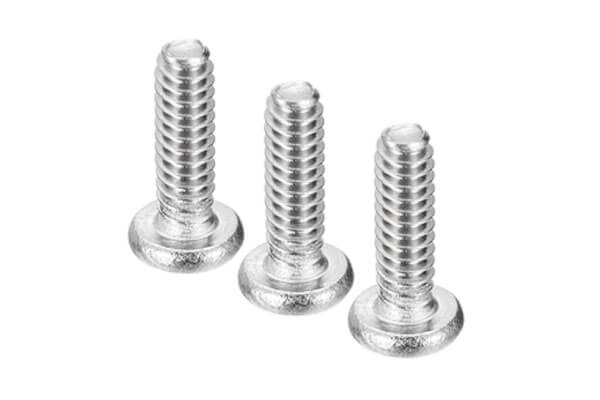
بازپخت
آنیل معمولاً برای نرم کردن فولاد ضد زنگ مارتنزیتی قبل از ماشینکاری استفاده می شود, تشکیل دهنده, یا عملیات حرارتی بعدی.
بسته به درجه و مشخصات, فولاد در یک محدوده دمایی مناسب گرم می شود و تحت شرایط کنترل شده خنک می شود تا ریزساختار نرم تر و قابل ماشینکاری تولید شود..
اهداف اولیه بازپخت عبارتند از:
- کاهش سختی
- رفع استرس درونی
- بهبود ماشینکاری
- بهبود ثبات ابعادی
- ایجاد ریزساختار یکنواخت تر قبل از سخت شدن نهایی
برای بسیاری از اجزا, ماشینکاری خشن در شرایط آنیل انجام می شود زیرا فولاد ضد زنگ مارتنزیتی کاملاً سخت شده می تواند ماشینکاری دشوار و گران باشد..
متعاقباً این قطعه تحت عملیات حرارتی قرار می گیرد و سپس برای دستیابی به ابعاد نهایی مورد نیاز، ماشینکاری یا آسیاب می شود..
بذله گویی
آستنیته شدن مرحله ای است که در آن فولاد قبل از خاموش شدن برای تشکیل آستنیت گرم می شود. دمای مورد نیاز به شدت به درجه بستگی دارد.
برای فولادهای زنگ نزن مارتنزیتی معمولی, دمای معمولی آستنیته ممکن است تقریباً در محدوده زیر باشد:
| خانواده درجه | محدوده آستنیته معمولی* | هدف اولیه |
| 410 / گریدهای مارتنزیتی کم کربن | تقریباً 925-1010 درجه سانتی گراد | یک ساختار آستنیتی مناسب برای سخت شدن بعدی ایجاد کنید. |
| 420 / گریدهای کربن متوسط | تقریباً 980-1065 درجه سانتی گراد | قبل از خاموش کردن مقدار مناسبی از کربن و عناصر آلیاژی را حل کنید. |
| 440-سری نمرات کربن بالا | تقریباً 1,010-1،120 درجه سانتیگراد | با کنترل انحلال کاربید و رشد دانه، پتانسیل سختی بالا را توسعه دهید. |
| 431 و نمرات حاوی نیکل | تقریباً 980-1070 درجه سانتی گراد | تعادل مناسب سختی را ایجاد کنید, قدرت, و سختی. |
* این محدوده ها فقط نماینده هستند. دمای واقعی عملیات حرارتی و زمان نگهداری باید بر اساس مشخصات مواد قابل اجرا انتخاب شود, اندازه بخش, شرایط کوره, و خواص نهایی مورد نیاز است.
آستنیته کردن باید به دقت کنترل شود. اگر دما خیلی پایین باشد, تبدیل ناکافی یا انحلال کاربید ممکن است سختی قابل دستیابی را محدود کند.
دمای بیش از حد بالا یا زمان نگهداری بیش از حد ممکن است باعث رشد دانه شود و میزان آستنیت باقی مانده را افزایش دهد., به طور بالقوه کاهش چقرمگی و ثبات ابعادی.
فروکش
پس از آستنیته کردن, این جزء با سرعت کافی برای تبدیل آستنیت به مارتنزیت خنک می شود.
بسته به درجه و هندسه جزء, خاموش کردن ممکن است شامل شود:
- خنک کننده هوا
- خاموش کردن روغن
- کوئنچ پلیمری
- خاموش کردن گاز تحت فشار
- سایر روش های خنک کننده کنترل شده
انتخاب محیط خاموش کننده تعادلی بین دستیابی به سرمایش کافی برای سخت شدن و به حداقل رساندن تنش حرارتی است..
خویشاوند
مارتنزیت تازه کوئنچ شده می تواند سختی بسیار بالایی داشته باشد اما همچنین تنش داخلی بالا و چقرمگی محدودی دارد.
بنابراین تمپر کردن یک مرحله ضروری برای اکثر کاربردهای مهندسی است.
در طول تلطیف, فولاد دوباره تا دمای کنترل شده زیر محدوده آستنیته گرم می شود و برای یک دوره مناسب نگهداری می شود.
این فرآیند به ساختار مارتنزیتی اجازه می دهد تا پایدار شود و تنش های پسماند را کاهش دهد در حالی که تعادل بین سختی و چقرمگی را تنظیم می کند..
به طور کلی:
- دمای معتدل پایین تر تمایل به حفظ سختی بالاتر و مقاومت در برابر سایش دارند.
- دمای معتدل بالاتر به طور کلی سختی را کاهش می دهد در حالی که چقرمگی و پایداری تنش را بهبود می بخشد.
رابطه دقیق وابسته به درجه است. برخی از فولادهای زنگ نزن مارتنزیتی نیز می توانند شکنندگی نامطلوب یا تغییراتی در رفتار خوردگی در محدوده های معتدل خاص نشان دهند..
از این رو, دمای تلطیف باید بر اساس مشخصات درجه مربوطه و ویژگی های خدمات مورد نیاز انتخاب شود نه اینکه صرفاً بر اساس هدف سختی عمومی باشد..
حالت دوگانه و تثبیت ابعادی
فولادهای زنگ نزن مارتنزیتی با کربن بالا و کارایی بالا ممکن است نیاز داشته باشند چرخه های معتدل چندگانه برای بهبود پایداری ساختاری و کاهش اثرات آستنیت باقی مانده.
تلطیف مضاعف می تواند فواید زیادی داشته باشد:
- ثبات ابعادی بهبود یافته
- خواص مکانیکی یکنواخت تر
- کاهش استرس پسماند
- تثبیت آستنیت باقیمانده تبدیل شده
- تعادل بین سختی و چقرمگی بهبود یافته است
در کاربردهای دقیق, درمان های تثبیت اضافی ممکن است قبل از سنگ زنی یا تکمیل نهایی استفاده شود.
این به ویژه برای یاتاقان ها مهم است, ابزارهای برش, اجزای شیر دقیق, و سایر قسمت هایی که تغییرات ابعادی کوچک می تواند بر عملکرد عملکردی تأثیر بگذارد.
5. محدوده خواص مکانیکی معمولی فولاد ضد زنگ مارتنزیتی
مقادیر زیر محدوده های مهندسی معرف فولادهای زنگ نزن مارتنزیتی را ارائه می دهد.
خواص واقعی بسته به شکل محصول متفاوت است, ضخامت بخش, عملیات حرارتی, وضعیت معتدل, و استاندارد قابل اجرا.
| درجه | وضعیت معمولی | قدرت عملکرد, RP0.2 (MPA) | استحکام کششی, RM (MPA) | کشیدگی A (%) | سختی |
| 410 | سخت شده & دلپذیر | 550-1000 | 700–1،200 | 10-20 | تقریباً. 25-45 HRC |
| 416 | سخت شده & دلپذیر | 550-1000 | 700–1،200 | 10-20 | تقریباً. 25-45 HRC |
| 420 | سخت شده & دلپذیر | 700-1300 | 900-1600 | 8- 18 | تقریباً. 45-55 HRC |
| 431 | سخت شده & دلپذیر | 700-1000 | 900–1،200 | 10-20 | تقریباً. 28-45 HRC |
| 440بوها | سخت شده & دلپذیر | 1,000-1500 | 1,500-1900 | 5–12 | تقریباً. 54-58 HRC |
| 440شرح | سخت شده & دلپذیر | 1,100-1500 | 1,600–1950 | 4–10 | تقریباً. 56-59 HRC |
| 440جف | سخت شده & دلپذیر | 1,200-1600 | 1,800-2000+ | 2–8 | تقریباً. 56-60 HRC |
| CA-15 | بازی کردن, گرمازا | ≥450 | ≥620 | ≥18 | به طور معمول ~ 180-230 HB |
6. ویژگی های فولاد مارتنزیتی
مقاومت در برابر خوردگی
مثل همه فولادهای ضد زنگ, نمرات مارتنزیتی محافظت در برابر خوردگی را از یک نازک به دست می آورند, فیلم غیرفعال اکسید کروم خود ترمیم شونده.
هر چند, عملکرد آنها کمتر از درجه آستنیتی است:
- آنها مقاومت خوبی در برابر جوهای روستایی و سبک شهری دارند, آب شیرین خنثی, اسیدهای آلی ملایم و بیشتر محیط های غذایی.
- محتوای کروم آنها کمتر است (12-14٪ برای نمرات استاندارد) و بارش کاربید کروم در مقایسه با 18/8 فولادهای آستنیتی.
- آنها برای قرار گرفتن طولانی مدت در معرض آب دریا نامناسب هستند, اسیدهای معدنی قوی, محلول های کلرید بالا یا اتمسفرهای صنعتی سنگین.
- گریدهای کروم بالاتر مانند 440C عملکرد خوردگی بهتری نسبت به کروم کمتر دارند 410 وت 420, با وجود محتوای کربن بالاتر.
خصوصیات مغناطیسی
فولادهای زنگ نزن مارتنزیتی در تمام شرایط عملیات حرارتی به شدت مغناطیسی هستند.
این نتیجه مستقیم ساختار کریستالی چهارضلعی بدن محور آنهاست, که از نظم مغناطیسی خود به خودی از اسپین های الکترون جفت نشده پشتیبانی می کند.
یک تصور غلط رایج این است که پاسخ مغناطیسی نشان دهنده فولاد ضد زنگ با کیفیت پایین است.
در واقعیت, مغناطیس یک ویژگی ساختاری است, شاخص کیفیت نیست: تمام فولادهای زنگ نزن مارتنزیتی و فریتی به طور طبیعی مغناطیسی هستند, از جمله نمرات با عملکرد بالا مانند 440C.
مقاومت در برابر سایش و سختی
مقاومت در برابر سایش عالی مزیت اصلی درجات مارتنزیتی با کربن بالا است.
وقتی سخت شد به 55+ HRC, آنها با ضریب 5 تا 10 از فولادهای زنگ نزن آستنیتی و فریتی در هر دو کاربرد سایش ساینده و چسب عملکرد بهتری دارند..
ترکیبی از ماتریس سخت مارتنزیتی و ذرات پراکنده کاربید کروم ماده ای را ایجاد می کند که شکل و پوشش سطحی خود را تحت تماس مکرر لغزش حفظ می کند..
این امر باعث می شود که ضد زنگ مارتنزیتی تنها گزینه فولاد ضد زنگ قابل دوام برای لبه های برش باشد, سطوح بلبرینگ و اجزای تماس کشویی.
قابلیت جوشکاری فولاد ضد زنگ مارتنزیتی
جوش پذیری به طور کلی مهم ترین محدودیت پردازش فولادهای زنگ نزن مارتنزیتی در نظر گرفته می شود:
- سختی پذیری بالای آلیاژ به این معنی است که فلز جوش و مناطق متاثر از حرارت پس از خنک شدن به سرعت سخت می شوند., ایجاد تنش کششی پسماند بالا و خطر بالای ترک خوردگی سرد.
- روش های استاندارد جوشکاری نیاز به پیش گرمایش تا 200 تا 300 درجه سانتیگراد دارند, دمای بین پاسی کنترل شده و تمپر اجباری پس از جوش بلافاصله پس از جوشکاری برای جلوگیری از شکست.
- درجه کم کربن 410 بهترین قابلیت جوشکاری را در خانواده دارد; معمولاً 440C با کربن بالا برای جوشکاری فیوژن توصیه نمی شود.
- برای برنامه های مهم, تطبیق فلزات پرکننده مارتنزیتی یا آستنیتی 309/310 از پرکننده ها برای کاهش خطر ترک استفاده می شود.
ماشینکاری و شکل پذیری
- قابلیت تغییر به شدت با سختی متفاوت است. در شرایط کاملا آنیل شده, فولادهای ضد زنگ مارتنزیتی قابلیت ماشینکاری خوبی دارند, به طور کلی بهتر از آستنیتی است 304 به دلیل نرخ کار سختی کمتر.
در شرایط سخت شده, ماشینکاری بسیار ضعیف است; تقریباً تمام ماشینکاری های نهایی باید در حالت آنیل نرم قبل از سخت شدن کامل شوند.
درجه ماشینکاری آزاد 416 برای تولید ماشین پیچ با حجم بالا، شکستن تراشه و عمر ابزار به طور قابل توجهی بهبود یافته است. - قابلیت تشکیل در حالت آنیل متوسط است, مناسب برای خم شدن, عملیات رول شکل دهی و کشش کم عمق.
گریدهای مارتنزیتی نمی توانند با کشش عمیق فولادهای آستنیتی مطابقت داشته باشند, و همیشه قبل از سخت شدن باید شکل دهی سرد انجام شود.
7. فرآیندهای ساخت قطعات فولادی ضد زنگ مارتنزیتی
فولاد ضد زنگ مارتنزیتی را می توان از طریق طیف گسترده ای از مسیرهای تولید پردازش کرد, از جمله ماشینکاری CNC, سرمایه گذاری سرمایه گذاری, ریخته گری, جعل, و متالورژی پودر.
فرآیند مناسب به هندسه مولفه بستگی دارد, الزامات بعدی, حجم تولید, الزامات ملکی مکانیکی, استفاده از مواد, و اینکه آیا قطعه متعاقباً دچار سخت شدن و تمپر می شود یا خیر.
ماشینکاری CNC
ماشینکاری CNC یک فرآیند تولید کاهشی است که در آن فولاد ضد زنگ مارتنزیتی از میله جدا می شود, بشقاب, جعل, یا سایر مواد نیمه تمام با استفاده از ابزارهای برش کنترل شده توسط کامپیوتر.
عملیات مشترک شامل معکوس, آسیاب کردن, حفاری, نخ دار, خسته کننده, سنگ زنی, و ماشینکاری چند محوره.
فولاد ضد زنگ مارتنزیتی اغلب در شرایط آنیل یا نرم شده قبل از سخت شدن نهایی ماشینکاری می شود..
سپس ماشینکاری خشن را می توان با خاموش کردن و تمپر کردن دنبال کرد, با ماشینکاری یا سنگ زنی که برای دستیابی به نیازهای ابعادی و سطحی نهایی استفاده می شود.
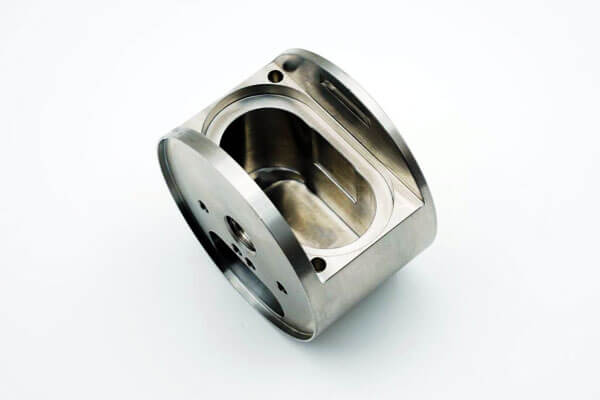
ریخته گری سرمایه گذاری
سرمایه گذاری سرمایه گذاری, همچنین به عنوان شناخته می شود ریخته گری موم گمشده, با ایجاد یک الگوی مومی دقیق، اجزای فولاد ضد زنگ مارتنزیتی را تولید می کند, تشکیل یک پوسته سرامیکی در اطراف الگو, از بین بردن موم, و ریختن فولاد ضد زنگ مذاب در حفره حاصل.
این فرآیند به ویژه برای اجزای با هندسه های پیچیده, بخشهای نازک, معابر داخلی, رئیسان یکپارچه, و پروفیل های سخت ماشین کاری.
ریخته گری
ریخته گری از یک قالب ماسه ای برای تشکیل حفره ای استفاده می کند که در آن فولاد ضد زنگ مارتنزیتی مذاب ریخته می شود.
در مقایسه با ریخته گری سرمایه گذاری, ریخته گری شن و ماسه انعطاف پذیری بیشتری را برای اجزای بزرگتر و هندسه های نسبتاً ساده یا نسبتاً پیچیده.
این به طور گسترده ای برای اجزای صنعتی که در آن یکپارچگی ساختاری استفاده می شود, اندازه جزء, و اقتصاد تولید مهمتر از جزئیات بسیار ظریف سطح است.
جعل
جعل فولاد ضد زنگ مارتنزیتی را از طریق تغییر شکل پلاستیکی کنترل شده تشکیل می دهد, معمولا در دمای بالا.
این ماده بین قالب ها یا ابزارهای دیگر فشرده می شود تا هندسه مورد نیاز را ایجاد کند.
آهنگری می تواند یک ریزساختار تصفیه شده و جهت دار ایجاد کند در حالی که تخلخل داخلی را کاهش می دهد و یکپارچگی سازه را بهبود می بخشد..
بنابراین اغلب برای اجزایی که در معرض آن هستند انتخاب می شود بارهای مکانیکی بالا, تأثیر, فشار, یا تنش های چرخه ای.
اجزای معمولی آهنگری شامل شفت هستند, ساقه دریچه, شفت های پمپ, اتصال دهنده, اتصالات, و قطعات مکانیکی با مقاومت بالا.
متالورژی پودر
متالورژی پودر تولید گریدهای مارتنزیتی با کربن بالا مانند 440C با توزیع بسیار یکنواخت کاربید و ساختار دانه ریز, عملکرد بهتر از مواد فرفورژه در مقاومت در برابر سایش و ثبات ابعادی.
این فرآیند برای کوچک ایده آل است, اجزای پیچیده با سایش بالا که در آن ماشینکاری معمولی بسیار گران است.
8. پایانه های سطح و مهندسی سطح
فولادهای زنگ نزن مارتنزیتی با طیف کاملی از تکمیل سطوح و عملیات مهندسی برای بهبود ظاهر سازگار هستند., مقاومت در برابر خوردگی و عملکرد سایش:
- پایان آسیاب: سطح استاندارد نورد شده یا آهنگری برای قطعات ساختاری صنعتی
- پولیش مکانیکی / آینه پایان: گریدهای کربن بالا را می توان به سطوح آینه ای با کیفیت نوری پرداخت کرد, آنها را به استانداردی برای ابزارهای جراحی و کارد و چنگال های پیشرفته تبدیل می کند
- قلم مو / ساتن پایان: روکش بافت جهت دار برای ابزارهای دستی و سخت افزارهای تزئینی
- انفعال: درمان شیمیایی برای حذف آهن آزاد و تقویت لایه اکسید غیرفعال, بهبود مقاومت در برابر خوردگی
- برق: فوق العاده صاف, پوشش سطحی مقاوم در برابر خوردگی برای قطعات پزشکی و تماس با مواد غذایی
- پوشش های سخت: DLC, پوششهای قلع و کاربید کروم سختی سطح را بیشتر میکنند و اصطکاک را برای کاربردهای برش و یاتاقانهای سخت کاهش میدهند.
9. کاربردهای فولاد ضد زنگ مارتنزیتی
فولاد ضد زنگ مارتنزیتی به طور گسترده ای استفاده می شود که یک جزء به ترکیبی از استحکام بالا نیاز دارد, سختی, مقاومت در برابر پوشیدن, مقاومت در برابر خوردگی متوسط, و ثبات بعدی.
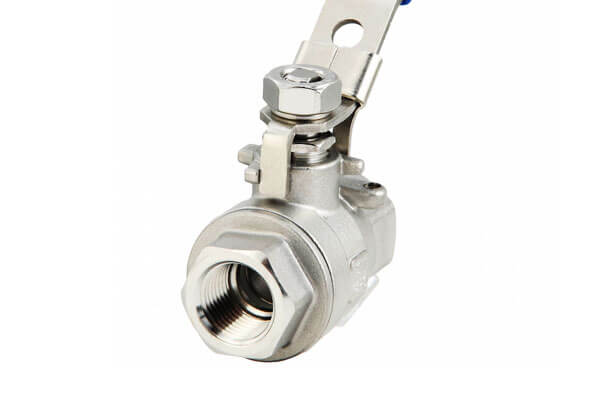
شیرها و تجهیزات کنترل سیال
فولاد ضد زنگ مارتنزیتی به طور گسترده ای استفاده می شود ساقه دریچه, تریم سوپاپ, صندلی, شفت, و سایر اجزای داخلی.
سختی بالای آن به مقاومت در برابر فرسایش کمک می کند, سایش, و تماس مکرر مکانیکی, در حالی که مقاومت در برابر خوردگی آن در بسیاری از آب ها محافظت می کند, بخار, و محیط های صنعتی-سیال.
اجزای معمولی شامل:
- ساقه دریچه
- توپ های سوپاپ و تریم
- صندلی
- شفت های پمپ
- سرپرست
- بوش
- انگشتر بپوشید
کارد و چنگال و ابزار برش
نمرات مارتنزیتی با کربن بالا به ویژه در کاربردهای چاقو و برش اهمیت دارد.
420 به طور گسترده برای تیغه های همه منظوره استفاده می شود, در حالی که 440بوها, 440شرح, و 440 درجه سانتیگراد می تواند سختی و مقاومت در برابر سایش بالاتری را ارائه دهد.
مزایای کلیدی هستند:
- حفظ لبه بالا
- سختی زیاد
- مقاومت در برابر تغییر شکل
- مقاومت در برابر سایش خوب
- مقاومت در برابر خوردگی مناسب در مقایسه با فولادهای ابزار کربنی معمولی
بلبرینگ ها و قطعات سایش دقیق
فولادهای زنگ نزن مارتنزیتی با کربن بالا, به ویژه 440 درجه سانتیگراد, برای اجزای بلبرینگ مقاوم در برابر خوردگی استفاده می شود.
برنامه های معمولی شامل:
- بلبرینگ توپ
- نژاد بلبرینگ
- غلطک های دقیق
- بوش
- انگشتر بپوشید
- بلبرینگ ابزار
ابزار پزشکی و جراحی
فولادهای ضد زنگ مارتنزیتی به طور گسترده ای در ابزار جراحی استفاده می شوند زیرا می توانند ترکیب شوند سختی, حفظ لبه, قدرت, مقاومت در برابر خوردگی, و قابلیت عقیم سازی.
برنامه های کاربردی شامل:
- قیچی جراحی
- تیغه های جراحی
- فورسپس
- گیره
- ابزار دندانپزشکی
- ابزار برش
اجزای خودرو
فولاد ضد زنگ مارتنزیتی را می توان در قطعات خودرویی که در معرض بارهای مکانیکی قرار دارند استفاده کرد, گرم کردن, پوشیدن, و محیط های خورنده.
برنامه های کاربردی شامل:
- شفت
- اجزای دریچه
- اجزای پمپ
- اتصال دهنده
- اجزای مربوط به اگزوز
- محرک های مکانیکی
- اجزای مقاوم در برابر سایش
اجزای هوافضا و توربین
فولادهای ضد زنگ مارتنزیتی منتخب در تجهیزات هوافضا و انرژی مورد استفاده قرار می گیرند که در آن به استحکام و پایداری ابعادی بالا نیاز است..
برنامه های کاربردی می تواند شامل شود:
- اجزای توربین
- شفت
- اتصال دهنده
- اجزای پمپ
- اجزای فعال سازی
- قطعات مکانیکی با مقاومت بالا
انرژی, پمپاژ, و تجهیزات برق آبی
فولادهای ضد زنگ مارتنزیتی نیز در تجهیزات تولید انرژی و حمل آب مهم هستند.
درجه بازیگران CA-6NM, به عنوان مثال, فولاد ضد زنگ مارتنزیتی کم کربن حاوی نیکل و مولیبدن است و به طور گسترده ای با رانرهای توربین هیدرولیک, اجزای پمپ, و تجهیزات انتقال آب.
10. مزایا و محدودیت های فولاد ضد زنگ مارتنزیتی
فولاد ضد زنگ مارتنزیتی با توانایی توسعه آن از سایر خانواده های فولاد ضد زنگ متمایز می شود استحکام و سختی بالا از طریق خاموش کردن و تمپر کردن.
این امر آن را به ویژه برای اجزای در معرض سایش مناسب می کند, بارگذاری مکانیکی, برش, تأثیر, و تماس مکرر.
هر چند, همان ویژگی های متالورژیکی که سختی بالایی را فراهم می کند می تواند شکل پذیری را کاهش دهد, سختی, مقاومت در برابر خوردگی, و قابلیت جوشکاری.
مزایای اصلی
- تنها خانواده فولاد ضد زنگ که با عملیات حرارتی سخت می شود, با سختی قابل تنظیم از 20 HRC به 62 HRC
- مقاومت در برابر سایش و سختی سطح عالی, 5-10 برابر برتر از فولادهای زنگ نزن آستنیتی
- 2-3 برابر استحکام بالاتر از درجه های آستنیتی استاندارد در شرایط سخت شده
- مقاومت در برابر خوردگی متوسط, به طور قابل توجهی بهتر از فولاد کربن ساده است
- به طور طبیعی مغناطیسی, مناسب برای کاربردهای قطعات مغناطیسی
- جلاپذیری عالی برای پوشش های آینه ای با براقیت بالا
- هزینه کمتر نسبت به فولادهای زنگ نزن آستنیتی و دوبلکس با آلیاژ بالا برای سطوح مقاومتی معادل
محدودیت های ذاتی
- مقاومت خوردگی عمومی و حفره ای کمتر در مقایسه با 304/316 نمرات Austenitic; نامناسب برای محیط های پر کلرید و اسید قوی
- جوش پذیری ضعیف که برای جلوگیری از ترک خوردن نیاز به پیش گرم کردن و تلطیف پس از جوش دارد
- برای دستیابی به خواص مطلوب نیاز به عملیات حرارتی دارد, اضافه کردن هزینه پردازش و زمان تحویل
- شکل پذیری و چقرمگی کمتر نسبت به فولادهای زنگ نزن آستنیتی در شرایط سخت شده
- مستعد شکنندگی مزاج در محدوده دمایی خاص
- قابلیت کشش عمیق و شکل گیری سرد محدود
11. مارتنزیتیک در مقابل. آستنیتی در مقابل. فولاد ضد زنگ فریتیک
سه خانواده اصلی فولاد ضد زنگ اساساً در ریزساختار متفاوت هستند, پاسخ عملیات حرارتی, قدرت, مقاومت در برابر خوردگی, انعطاف پذیری, رفتار مغناطیسی, و قابلیت جوشکاری.
جدول زیر بر روی ویژگی های مهندسی که بیشتر مربوط به انتخاب مواد است تمرکز دارد.
| دارایی | فولاد ضد زنگ مارتنزیتی | فولاد ضد زنگ آستنیتی | فولاد ضد زنگ فریتیک |
| نمرات معمولی | 410, 420, 431, 440A/440C | 304, 304سعادت, 316, 316سعادت, 321 | 409, 430, 439, 441, 444 |
| ساختار بلور | BCT مارتنزیت پس از سخت شدن | FCC Austenite | فریت BCC |
| محتوای Cr معمولی | ~11.5-18 درصد وزنی | ~16-26 درصد وزنی | ~10.5-30 درصد وزنی |
| سخت شدن عملیات حرارتی | عالی; خاموش و دلخراش | سخت شدنی نیست با خاموش کردن معمولی | سخت شدنی نیست با خاموش کردن معمولی |
| قدرت | بالا تا بسیار زیاد | معتاد; استحکام بالاتری که با کار سرد قابل دستیابی است | معتاد |
| سختی | عالی, به طور معمول ~20-60+ HRC بسته به درجه و شرایط | به طور کلی در شرایط آنیل شده پایین تر است | به طور کلی متوسط |
| انعطاف پذیری & سختی | متوسط تا کم وقتی که خیلی سخت می شود | عالی | معتاد |
| مقاومت در برابر خوردگی | متوسط تا خوب | عالی تا خیلی خوب | برای بسیاری از محیط های جوی خوب است |
| مقاومت در برابر پوشیدن | در هنگام سفت شدن عالی است | معتاد | معتاد |
| خصوصیات مغناطیسی | مغناطیسی | به طور کلی در هنگام بازپخت غیر مغناطیسی | مغناطیسی |
| قابلیت جوشکاری | متوسط تا فقیر; ممکن است نیاز به کنترل عملیات حرارتی باشد | عالی, به خصوص گریدهای کم کربن | خوب تا متوسط |
| قابلیت تشکیل | معتاد; شکل گیری شدید محدود | عالی, از جمله طراحی عمیق | خوب تا متوسط |
قابلیت تغییر |
هنگام بازپخت خوب است; پس از سفت شدن مشکل است | معتاد; سخت شدن کار می تواند ماشینکاری را پیچیده کند | به طور کلی خوب تا متوسط |
| عملکرد در دمای پایین | وابسته به درجه; گریدهای کربن بالا می توانند چقرمگی محدودی داشته باشند | عالی | به دلیل انتقال شکل پذیر به شکننده، محدودتر است |
| برنامه های معمولی | چاقو, شفت, دریچه, پمپ, یاتاقان, سازهای جراحی, قطعات بپوشید | تجهیزات شیمیایی, تجهیزات پردازش مواد غذایی, رگهای فشار, لوله کشی, مؤلفه های معماری | سیستم های اگزوز خودرو, لوازم, تابلوهای معماری, مبدلهای حرارتی |
| مزیت اصلی | استحکام بالا, سختی, و مقاومت در برابر پوشیدن | مقاومت در برابر خوردگی برتر, انعطاف پذیری, سختی, و قابلیت جوشکاری | مقاومت در برابر خوردگی خوب, انبساط حرارتی کم, خصوصیات مغناطیسی, و راندمان هزینه |
| محدودیت اصلی | مقاومت در برابر خوردگی و جوش پذیری کمتر | سختی کمتر در شرایط آنیل شده; گریدهای حاوی نیکل می توانند گران تر باشند | چقرمگی و شکل پذیری کمتر نسبت به گریدهای آستنیتی |
12. قطعات فولادی ضد زنگ مارتنزیتی سفارشی از LangHe
LangHe راه حل های تولید سفارشی برای اجزای فولاد ضد زنگ مارتنزیتی, ترکیب انتخاب مواد, ریخته گری, ماشینکاری CNC, عملیات حرارتی, و تکمیل سطح برای تولید اجزای متناسب با نیازهای مکانیکی و ابعادی خاص.
| قابلیت | جزئیات |
| نمرات فولاد ضد زنگ مارتنزیتی | 410, 420, 431, 440بوها, 440شرح, 440C و گریدهای مارتنزیتی ریخته گری انتخاب شده |
| فرآیندهای تولیدی | سرمایه گذاری سرمایه گذاری, ریخته گری, چرخش CNC, آسیاب CNC, حفاری, سنگ زنی و عملیات ثانویه مرتبط |
| عملیات حرارتی | بازپخت, سخت سازی, کوئنچ و تمپر با توجه به درجه و خواص مکانیکی مورد نیاز |
| ماشینکاری | چرخش CNC, آسیاب کردن, حفاری, نخ دار, خسته کننده, سنگ زنی و تکمیل دقیق |
تکمیل سطح |
جلا دادن, سنگ زنی, غیرفعال سازی و درمان های سطح عملکردی انتخاب شده |
| انواع کامپوننت | اجزای دریچه, قطعات پمپ, شفت, بوش, اجزای پوشیدن, اتصالات مکانیکی, ابزار و قطعات صنعتی دقیق |
| کنترل کیفیت | ISO 9001:2015 گواهی شده است; 100% NDT و بازرسی ابعادی. |
| سفارشی سازی | تولید بر اساس نقشه های مشتری, 3مدل های C CAD, مشخصات, نمونه ها یا الزامات برنامه |
13. پایان
فولاد ضد زنگ مارتنزیتی جایگاهی منحصر به فرد و غیر قابل تعویض در خانواده فولاد ضد زنگ دارد.
به عنوان تنها فولاد ضد زنگ که می تواند با عملیات حرارتی برای دستیابی به استحکام بالا و مقاومت در برابر سایش عالی سخت شود, شکاف عملکرد مهم بین فولادهای ابزار کربنی ساده و فولادهای زنگ نزن آستنیتی مقاوم در برابر خوردگی را پر می کند..
مقاومت آن در برابر خوردگی کمتر از مقاومت خوردگی است 304 وت 316 نمرات Austenitic, اما استحکام و عملکرد سایش را ارائه می دهد که هیچ درجه آستنیتی یا فریتی نمی تواند مطابقت داشته باشد.
از کارد و چنگال روزمره تا ابزار دقیق جراحی, از شیرهای صنعتی گرفته تا پره های توربین تولید برق, فولادهای ضد زنگ مارتنزیتی عملکرد هدفمندی را ارائه می دهند که در آن مقاومت خوردگی متوسط باید با استحکام بالا و دوام سایش ترکیب شود..
همانطور که طراحی آلیاژ و فن آوری عملیات حرارتی به پیشرفت خود ادامه می دهد, جدید سفت شده, نمرات مارتنزیتی با خلوص بالا و سخت شده با بارش به گسترش دامنه کاربرد خانواده مواد ادامه خواهد داد., تقویت وضعیت خود به عنوان یک شاخه اساسی از اکوسیستم جهانی فولاد ضد زنگ.
متداول
تفاوت فولاد ضد زنگ مارتنزیتی و آستنیتی چیست؟?
فولاد ضد زنگ مارتنزیتی با عملیات حرارتی قابل سخت شدن است, مغناطیسی, و مقاومت خوردگی متوسطی دارد.
فولاد زنگ نزن آستنیتی با عملیات حرارتی سخت نمی شود, غیر مغناطیسی, و مقاومت در برابر خوردگی عالی دارد.
نمرات مارتنزیتی برای کارد و چنگال استفاده می شود, دریچه, و بلبرینگ ها; نمرات آستنیتی برای مواد شیمیایی استفاده می شود, غذا, و برنامه های دریایی.
آیا می توان فولاد ضد زنگ مارتنزیتی را جوش داد?
بله, اما با دقت. برای جلوگیری از ترک خوردن و بازیابی خواص مکانیکی، نیاز به پیش گرم کردن و عملیات حرارتی پس از جوش است.
فولاد ضد زنگ مارتنزیتی مغناطیسی است?
بله. تمام فولادهای ضد زنگ مارتنزیتی فرومغناطیسی هستند (به شدت جذب آهنربا می شود).
آیا فولاد ضد زنگ مارتنزیتی زنگ می زند؟?
فولاد ضد زنگ مارتنزیتی می تواند تحت شرایط تهاجمی لکه دار و خورده شود.
در محیط های معمولی جوی و آب شیرین در برابر زنگ زدگی مقاومت می کند, اما باعث ایجاد لکه های سطحی و حفره شدن در نمک زیاد می شود, تنظیمات صنعتی با اسید قوی یا سنگین.
برای غوطه وری طولانی مدت در آب دریا یا قرار گرفتن مداوم در معرض کلرید مناسب نیست.
آیا فولاد ضد زنگ مارتنزیتی قابل عملیات حرارتی است?
بله. عملیات حرارتی یکی از ویژگی های تعیین کننده این خانواده فولاد ضد زنگ است.
بسته به درجه, سخت شدن و به دنبال آن تمپر کردن می تواند سختی را به میزان قابل توجهی افزایش دهد, استحکام کششی, و مقاومت در برابر پوشیدن.
کدام فولاد ضد زنگ مارتنزیتی سخت ترین است?
در میان فولادهای زنگ نزن مارتنزیتی رایج, 440جف یکی از بالاترین گریدهای کربن است و می تواند پس از عملیات حرارتی مناسب به سختی بسیار بالایی دست یابد.
سختی بالا آن را به ویژه برای یاتاقان ها مناسب می کند, ابزارهای برش, اجزای پوشیدن, و تیغه های سطح بالا.