در میان تمام خانواده های فولاد ضد زنگ, فولاد ضد زنگ آستنیتی پرکاربردترین و از نظر تجاری مهم ترین دسته است, بیش از نیمی از تولید جهانی فولاد ضد زنگ را تشکیل می دهد.
به دلیل مقاومت در برابر خوردگی استثنایی آن شناخته شده است, قابلیت جوشکاری عالی, outstanding ductility, سختی برتر, و عملکرد قابل توجه در هر دو محیط با دمای بالا و برودت.
خواص منحصر به فرد فولاد زنگ نزن آستنیتی از ساختار متالورژیکی خاص آن سرچشمه می گیرد.
برخلاف فولادهای زنگ نزن فریتی یا مارتنزیتی, فولاد زنگ نزن آستنیتی a مکعب صورت محور (FCC) ساختار بلور در دمای اتاق.
این ساختار قابلیت تغییر شکل پلاستیک عالی را فراهم می کند و از شکست شکننده جلوگیری می کند, آن را برای کاربردهایی که نیاز به شکل دهی پیچیده دارند مناسب می کند, جوش, و عملکرد قابل اعتماد در شرایط سخت.
نمرات رایج مانند 304, 316, 321, وت 347 فولاد ضد زنگ به استانداردهای صنعتی تبدیل شده اند, در حالی که نمرات پیشرفته از جمله 904سعادت, 254 ما هستیم, و دیگر فولادهای ضد زنگ فوق آستنیتی برای محیط های بسیار خورنده طراحی شده اند.
1. فولاد ضد زنگ آستنیتی چیست؟?
وابسته به اوستن فولاد ضد زنگ بزرگترین و پرمصرف ترین خانواده فولادهای زنگ نزن است, با ثبات مشخص می شود مکعب صورت محور (FCC) ساختار بلور, از نظر متالورژی به عنوان وابسته به اوستن (فاز γ).
این ریزساختار منحصر به فرد با افزودن عناصر آلیاژی تثبیت کننده آستنیت در دمای اتاق حفظ می شود, در درجه اول نیکل (در), همراه با عناصری مانند منگنز (منگنه), نیتروژن (حرف), کربن (جف).
برخلاف آهن خالص, جایی که آستنیت فقط در دماهای بالا وجود دارد, فولادهای زنگ نزن آستنیتی از طریق آلیاژسازی مهندسی شده اند تا فاز آستنیتی را در محدوده دمایی وسیعی حفظ کنند., از جمله شرایط محیطی و برودتی.
این ساختار آستنیتی پایدار دلیل اساسی است که این مواد ترکیب برجسته خود را از مقاومت در برابر خوردگی نشان می دهند, انعطاف پذیری, سختی, قابلیت جوشکاری, و قابلیت ساخت.
اصطلاح "آستنیتی" به یک ترکیب شیمیایی خاص اشاره نمی کند، بلکه به ترکیب شیمیایی اشاره دارد فاز متالورژی غالب و ساختار کریستالی از آلیاژ.
در آهن خالص, تبدیل از فریت (فاز α, ساختار مکعبی بدنه) آستنیت کردن (فاز γ, ساختار FCC) تقریباً رخ می دهد 912درجه سانتیگراد.
هر چند, افزودن نیکل و سایر عناصر تشکیل دهنده آستنیت، دامنه پایداری فاز FCC را گسترش می دهد, اجازه می دهد تا آستنیت در دمای اتاق و حتی در شرایط سرویس دهی در دمای بسیار پایین پایدار بماند.
ویژگی های کلیدی تعیین کننده فولاد زنگ نزن آستنیتی:
- مکعب وجه محور (FCC) ساختار بلور- شکل پذیری عالی را ارائه می دهد, سختی, و شکل پذیری.
- محتوای کروم بالا (16- 26٪)- مقاومت در برابر خوردگی را از طریق یک لایه اکسید غیرفعال خود ترمیم شونده فراهم می کند.
- محتوای نیکل بالا (6- 22٪)- ساختار آستنیتی را تثبیت می کند, مقاومت در برابر خوردگی را بهبود می بخشد, و چقرمگی در دمای پایین را افزایش می دهد.
- غیر مغناطیسی (در حالت آنیل شده)- بر خلاف فولادهای زنگ نزن فریتی و مارتنزیتی, گریدهای آستنیتی اساساً غیر مغناطیسی هستند.
- با عملیات حرارتی سخت نمی شود- استحکام را فقط می توان با کار سرد افزایش داد (سخت سازی کار).
- قابلیت جوشکاری عالی- بیشتر گریدها به راحتی قابل جوش هستند, با گریدهای کم کربن (نمرات L) به طور خاص برای مقاومت در برابر حساسیت طراحی شده است.
2. ترکیب شیمیایی فولاد زنگ نزن آستنیتی
عملکرد فولادهای زنگ نزن آستنیتی با ترکیب شیمیایی دقیق آنها تعیین می شود.
جدول زیر محدوده ترکیب معمولی را برای رایج ترین عناصر و عملکرد آنها خلاصه می کند.
| عنصر | دامنه معمولی (وزنی ٪) | عمل |
| کروم (کلوچه) | 16- 26 | اکسید کروم غیر فعال را تشکیل می دهد (cr₂o₃) فیلمی که مقاومت در برابر خوردگی را فراهم می کند. افزایش کروم مقاومت در برابر اسیدهای اکسید کننده و اکسیداسیون در دمای بالا را بهبود می بخشد. |
| نیکل (در) | 6- 22 | ساختار آستنیتی را تثبیت می کند در دمای اتاق; مقاومت در برابر خوردگی را بهبود می بخشد (به ویژه در کاهش اسیدها); چقرمگی در دمای پایین را افزایش می دهد; میزان سخت شدن کار را کاهش می دهد. |
| مولیبدن (مس) | 0- 7 | مقاومت در برابر چاله و خوردگی شکاف را بهبود می بخشد, به ویژه در محیط های حاوی کلرید; استحکام در دمای بالا را افزایش می دهد. |
| منگنز (منگنه) | ≤2.0 | اکسید کننده; آستنیت را در برخی درجات تثبیت می کند (به عنوان مثال, 200 سری); عملکرد گرم را بهبود می بخشد. |
سیلیکون (وت) |
≤1.0 | اکسید کننده; مقاومت اکسیداسیون را بهبود می بخشد. |
| کربن (جف) | .0.08 (استاندارد) <0.03 (نمرات L) | آلیاژ را تقویت می کند اما می تواند مقاومت در برابر خوردگی را با تشکیل کاربیدهای کروم کاهش دهد (حساس شدن). نمرات کم کربن (304سعادت, 316سعادت) حساسیت را به حداقل برسانید. |
| نیتروژن (حرف) | 00.25 | آستنیت را تقویت می کند; مقاومت گودال را بهبود می بخشد; ساختار آستنیتی را تثبیت می کند. |
| مس (مس) | 0- 3 | مقاومت در برابر اسیدهای کاهنده را بهبود می بخشد (مخصوصاً اسید سولفوریک); شکل پذیری را افزایش می دهد. |
| تیتانیوم (از) / نیوبیوم (NB) | ≤1.0 | تثبیت کننده ها- با تشکیل کاربید ترجیحاً با کربن از ایجاد حساسیت جلوگیری کنید, باقی ماندن کروم در محلول. |
روابط ترکیبی کلیدی
- معادل کروم در مقابل. معادل نیکل: تعادل بین عناصر تثبیت کننده فریت (کلوچه, مس, وت) و عناصر تثبیت کننده آستنیت (در, منگنه, حرف, مس) تعیین می کند که آیا ریزساختار کاملا آستنیتی است یا حاوی مقداری فریت است.
- چوب (تعداد معادل مقاومت مقاومت): یک فرمول تجربی که برای مقایسه مقاومت حفره ای فولادهای زنگ نزن استفاده می شود:
گرفتن = ٪ cr + 3.3 × %Mo + 16 × %N
مقادیر بالاتر PREN نشان دهنده مقاومت بهتر در برابر خوردگی حفره ای و شکافی در محیط های کلرید است.
| درجه | چوب (تقریبا) | مقاومت در برابر خوردگی |
| 304 | 19 | خوب |
| 316 | 26 | بهتر |
| 904سعادت | 34- 38 | عالی |
| سوپرآستنیتی (به عنوان مثال, 6آلیاژهای مو) | >40 | استثنایی |
3. انواع و درجه های اصلی فولاد ضد زنگ آستنیتی
فولادهای زنگ نزن آستنیتی بزرگترین و پرکاربردترین دسته فولاد ضد زنگ هستند, حاوی گریدهای متعددی است که برای برآوردن الزامات مختلف برای مقاومت در برابر خوردگی توسعه یافته است, قدرت مکانیکی, قابلیت دما, قابلیت جوشکاری, و عملکرد ساخت.
نمرات استاندارد فولاد ضد زنگ آستنیتی (300 سری)
در 300 سری شناخته شده ترین خانواده فولادهای زنگ نزن آستنیتی است.
این گریدها معمولاً حاوی کروم و نیکل به عنوان عناصر آلیاژی اولیه خود هستند, ایجاد تعادل عالی در برابر خوردگی, خصوصیات مکانیکی, قابلیت جوشکاری, و راندمان هزینه.
نمرات فولاد ضد زنگ آستنیتی سری 300 معمولی
| درجه | تعیین ایالات متحده | ترکیب تقریبی | خصوصیات اصلی | برنامه های معمولی |
| 304 | S30400 | 18% کلوچه, 8% در | پرکاربردترین فولاد زنگ نزن آستنیتی; مقاومت در برابر خوردگی عالی, قابلیت تشکیل, قابلیت جوشکاری, و تعادل هزینه و عملکرد | تجهیزات پردازش مواد غذایی, تجهیزات آشپزخانه, مؤلفه های معماری, قطعات خودرو, کاربردهای صنعتی عمومی |
| 304سعادت | S30403 | 18% کلوچه, 8% در, پایین C ≤0.03٪ | نسخه کم کربن از 304; رسوب کاربید کروم را به حداقل می رساند و مقاومت در برابر خوردگی را پس از جوشکاری بهبود می بخشد | ساختارهای جوش داده شده, تجهیزات غذایی, تجهیزات پردازش شیمیایی, رگهای فشار |
| 316 | S31600 | 16-18 ٪ Cr, 10-14 ٪ داشته باشند, 2-3 ٪ ماه | افزودن مولیبدن به طور قابل توجهی مقاومت در برابر خوردگی حفره ای و شکافی ناشی از کلرید را بهبود می بخشد. | تجهیزات دریایی, سیستم های پردازش شیمیایی, تجهیزات دارویی, دستگاه های پزشکی |
316سعادت |
S31603 | 16-18 ٪ Cr, 10-14 ٪ داشته باشند, 2-3 ٪ ماه, کم | نسخه کم کربن از 316; جوش پذیری عالی و مقاومت در برابر خوردگی بین دانه ای | مخازن دارویی, سازه های دریایی, سیستم های لوله کشی جوش داده شده, تجهیزات دریایی |
| 321 | S32100 | 17-19% کر, 9-12٪ در, تثبیت شده | تثبیت تیتانیوم از رسوب کاربید کروم جلوگیری می کند; مقاومت در برابر خوردگی را پس از قرار گرفتن در معرض دمای بالا حفظ می کند | مبدلهای حرارتی, سیستم های اگزوز هواپیما, اجزای کوره, لوله کشی با دمای بالا |
| 347 | S34700 | 17-19% کر, 9-13٪ در, Nb تثبیت شد | تثبیت نیوبیم مقاومت در برابر حساسیت را بهبود می بخشد و قدرت خزش در دمای بالا را افزایش می دهد | اجزای هوافضا, تجهیزات تولید برق, سیستم های پردازش شیمیایی در دمای بالا |
309 |
S30900 | 22-24٪ کر, 12-15٪ در | محتوای کروم و نیکل بالاتر باعث بهبود مقاومت اکسیداسیون در دماهای بالا می شود | قطعات کوره, تجهیزات احتراق, وسایل عملیات حرارتی, ظروف با دمای بالا |
| 310 | S31000 | 24-26% کر, 19-22٪ در | مقاومت عالی در برابر اکسیداسیون و استحکام در دماهای بسیار بالا | آسترهای کوره, لوله های تابشی, مبدلهای حرارتی, تجهیزات پردازش حرارتی |
| 904سعادت | N08904 | 20% کلوچه, 25% در, 4-5% مو, با اضافه شدن | درجه سوپر آستنیتی با مقاومت فوق العاده در برابر اسید سولفوریک و مواد شیمیایی بسیار خورنده | راکتورهای شیمیایی, تجهیزات پردازش اسید سولفوریک, سیستم های دارویی |
نمرات فولاد ضد زنگ با کارایی بالا و سوپرآستنیتی
فولادهای زنگ نزن آستنیتی استاندارد ممکن است عملکرد کافی را در محیط های بسیار تهاجمی مانند اسیدهای غلیظ ارائه نکنند., آب دریا, و شرایط پر کلرید.
برای این برنامه ها, فولادهای ضد زنگ با کارایی بالا یا سوپرآستنیتی توسعه یافته اند.
نمرات سوپرآستنیتی نماینده
| درجه | تعیین ایالات متحده | ترکیب تقریبی | خصوصیات اصلی | برنامه های معمولی |
| 254 ما هستیم | S31254 | 20% کلوچه, 18% در, 6% مس, 0.2% حرف | مقاومت بسیار بالا در برابر کلرید; مقدار PREN در بالا 40; مقاومت در برابر خوردگی عالی گودال و شکاف | سیستم های آب دریا, سیستم عامل های خارج از ساحل, گیاهان نمک زدایی, تجهیزات پردازش شیمیایی |
| AL-6XN | N08367 | 21% کلوچه, 24% در, 6.3% مس, 0.2% حرف | مقاومت فوق العاده در برابر خوردگی کلرید و محیط های اسیدی; قدرت مکانیکی بالا | مهندسی دریایی, صنعت خمیر و کاغذ, پردازش شیمیایی, تجهیزات کنترل آلودگی |
| وابسته به 825 | N08825 | 21% کلوچه, 42% در, 3% مس, 2% مس | مقاومت عالی در برابر اسیدهای کاهنده, ترک خوردگی استرس, و محیط های درجه حرارت بالا | تجهیزات نفت و گاز, پردازش شیمیایی, کاربردهای هسته ای |
فولاد ضد زنگ آستنیتی ریخته گری
برخلاف فولادهای ضد زنگ فرفورژه, فولادهای ضد زنگ ریخته گری شده به طور خاص برای تولید از طریق فرآیندهای ریخته گری مانند:
- سرمایه گذاری سرمایه گذاری
- ریخته گری
- قالب گیری پوسته
فولاد ضد زنگ آستنیتی ریخته گری معمولی
| درجه بازیگری ASTM | تعیین ایالات متحده | معادل | خصوصیات اصلی | برنامه های معمولی |
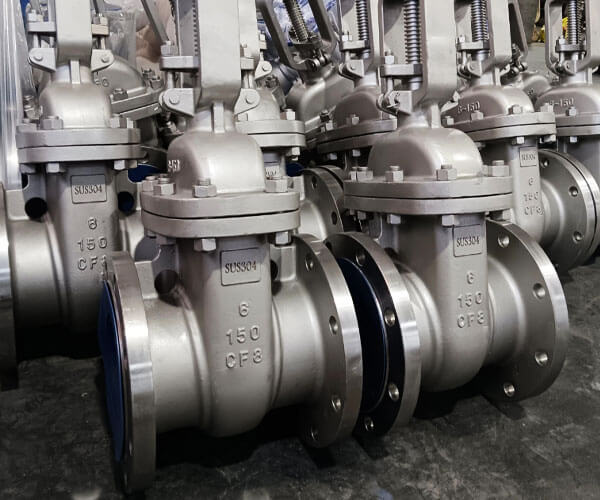
| CF-8 | J92600 | 304 | فولاد زنگ نزن آستنیتی ریخته گری همه منظوره; مقاومت در برابر خوردگی و ریخته گری عالی | بدنهای, محفظه پمپاژ, اتصالات لوله, مؤلفه های صنعتی |
| CF-3 | J92500 | 304سعادت | درجه ریختگی کم کربن; جوش پذیری عالی و مقاومت در برابر حساسیت | اجزای شیر جوش داده شده, تجهیزات شیمیایی, رگهای فشار |
| cf-8m | J92900 | 316 | آلیاژ ریخته گری حاوی مولیبدن با بهبود مقاومت در برابر خوردگی کلرید | دریچه های دریایی, پمپ های شیمیایی, تجهیزات دارویی |
| cf-3m | J92800 | 316سعادت | نسخه کم کربن CF-8M; جوش پذیری عالی و مقاومت در برابر خوردگی | تجهیزات دریایی, سیستم های تخلیه یا تخلیه, ریخته گری فرآوری شیمیایی |
| CN-7M | J95150 | الیاژ 20 | مقاومت بالا در برابر اسید سولفوریک و محیط های شیمیایی تهاجمی | تجهیزات پردازش اسید, اجزای پتروشیمی |
4. خواص کلیدی فولاد زنگ نزن آستنیتی
فولادهای زنگ نزن آستنیتی به دلیل تعادل عالی مقاومت در برابر خوردگی به طور گسترده ای شناخته می شوند, عملکرد مکانیکی, قابلیت ساخت, و قابلیت اطمینان خدمات.
این ویژگی ها در درجه اول توسط پایداری آنها تعیین می شود مکعب صورت محور (FCC) ساختار بلور, محتوای کروم بالا, و وجود عناصر تثبیت کننده آستنیت مانند نیکل و نیتروژن.
مقاومت در برابر خوردگی
مقاومت در برابر خوردگی استثنایی مشخص ترین مشخصه فولاد زنگ نزن آستنیتی است.
حفاظت از تشکیل یک نازک می آید, پایدار, و خود درمانی اکسید کروم (cr₂o₃) فیلم منفعل روی سطح مواد.
هنگامی که کروم با اکسیژن در محیط اطراف واکنش می دهد, یک لایه اکسید محافظ تشکیل می دهد که از اکسیداسیون بیشتر جلوگیری می کند و از فلز زیرین در برابر حمله خورنده محافظت می کند..
حتی زمانی که سطح از نظر مکانیکی آسیب دیده باشد, این فیلم غیرفعال می تواند به سرعت در محیط های حاوی اکسیژن بازسازی شود.
عملکرد خوردگی فولاد زنگ نزن آستنیتی به ترکیب آلیاژ بستگی دارد. کروم مقاومت اولیه در برابر خوردگی را فراهم می کند, در حالی که نیکل مقاومت در برابر محیط های شیمیایی را بهبود می بخشد و ساختار آستنیتی را تثبیت می کند.
گریدهای حاوی مولیبدن, مانند 316 و 316L, مقاومت قابل توجهی در برابر خوردگی حفره ای و شکافی ناشی از کلرید ارائه می دهد.
برای شرایط خدمات تهاجمی تر, گریدهای پیشرفته مانند 904L, 254 ما هستیم, و AL-6XN با سطوح بالاتر نیکل توسعه یافته اند, مولیبدن, و نیتروژن برای مقاومت در برابر محیط های سخت, از جمله آب دریا, اسیدهای قوی, و برنامه های پردازش شیمیایی.
خواص مکانیکی و رفتار سخت کاری
فولادهای زنگ نزن آستنیتی تعادل عالی بین استحکام و شکل پذیری ایجاد می کنند.
در شرایط آنیل شده, استحکام آنها در مقایسه با فولادهای زنگ نزن مارتنزیتی یا دوبلکس متوسط است, اما انعطاف پذیری برتر آنها به آنها اجازه می دهد تا بدون ایجاد ترک دچار تغییر شکل قابل توجهی شوند.
فولادهای زنگ نزن آستنیتی معمولی به نمایش گذاشته می شوند:
- استحکام کششی: تقریبا 500-750 مگاپاسکال
- قدرت عملکرد: تقریباً 170-350 مگاپاسکال
- کشیدگی: معمولا در بالا 40%
یکی از مهمترین ویژگی های مکانیکی فولاد زنگ نزن آستنیتی استحکام آن است قابلیت سخت کاری.
در هنگام تغییر شکل سرد, مانند نورد, نقاشی, یا تشکیل, چگالی نابجایی ها در ساختار FCC افزایش می یابد, منجر به استحکام و سختی بالاتر می شود.
این رفتار چندین مزیت مهندسی را به همراه دارد. کار سرد می تواند به طور قابل توجهی استحکام مکانیکی قطعات را بدون عملیات حرارتی اضافی بهبود بخشد, ساخت سیم فولادی ضد زنگ با مقاومت بالا را ممکن می سازد, چشمه, نوزاد, و قطعات دقیق.
هر چند, سخت شدن کار قوی نیز چالش هایی را در طول تولید ایجاد می کند.
این ماده به نیروهای تشکیل دهنده بالاتری نیاز دارد, سایش ابزار را در حین ماشینکاری تسریع می کند, و ممکن است به بازپخت میانی در طی عملیات شکلدهی شدید برای بازیابی شکلپذیری نیاز داشته باشد.
چقرمگی در دمای پایین
فولادهای زنگ نزن آستنیتی به دلیل ساختار کریستالی FCC پایدار، چقرمگی فوق العاده ای در دماهای بسیار پایین دارند..
برخلاف فولادهای زنگ نزن فریتی و مارتنزیتی, آنها دمای انتقال تیز شکل پذیر به شکننده را تجربه نمی کنند, به آنها اجازه می دهد تا مقاومت ضربه ای عالی را حتی در شرایط برودتی حفظ کنند.
نمرات رایج مانند 304L و 316L در دمای نزدیک، چقرمگی عالی را حفظ کنید -196 درجه سانتی گراد, آنها را به مواد ایده آل برای کاربردهایی که شامل گازهای مایع و محیط های بسیار سرد می شود تبدیل می کند.
این ترکیب منحصر به فرد از چقرمگی در دمای پایین و مقاومت در برابر خوردگی باعث می شود فولادهای زنگ نزن آستنیتی به طور گسترده ای در:
- سیستم های ذخیره سازی و حمل و نقل LNG
- لوله کشی برودتی
- تجهیزات اکسیژن مایع و نیتروژن
- سیستم های سوخت هوافضا
- زیرساخت های منطقه سرد
مواد مهندسی اندکی قابلیت اطمینان برودتی قابل مقایسه را ارائه می دهند و در عین حال جوش پذیری خوب و مقاومت در برابر خوردگی را نیز حفظ می کنند..
قابلیت جوشکاری
فولادهای زنگ نزن آستنیتی به دلیل ریزساختار پایدار یکی از جوش پذیرترین مواد فولادی زنگ نزن محسوب می شوند., انعطاف پذیری عالی, و خطر نسبتا کم ترک خوردگی ناشی از جوشکاری.
آنها را می توان با استفاده از روش های رایج جوشکاری ساخت, از جمله TIG, من, جوش لیزری, و جوشکاری مقاومتی.
اکثر گریدهای استاندارد را می توان بدون پیش گرم کردن جوش داد, و اتصالات جوش داده شده به طور کلی خواص مکانیکی و مقاومت در برابر خوردگی خوبی را حفظ می کنند.
یک نکته مهم در حین جوشکاری است حساسیت, زمانی رخ می دهد که کاربید کروم در مرز دانه ها در طول قرار گرفتن در معرض دمای حدود 450 تا 850 درجه سانتیگراد رسوب می کند..
این فرآیند در دسترس بودن کروم را در نزدیکی مرزهای دانه کاهش می دهد و ممکن است منجر به خوردگی بین دانه ای شود..
تا این خطر به حداقل برسد, گریدهای کم کربن مانند 304L و 316L به طور گسترده استفاده می شود.
محتوای کربن کاهش یافته آنها تشکیل کاربید را محدود می کند و مقاومت در برابر خوردگی بهتر پس از جوشکاری را تضمین می کند, آنها را به ویژه برای مخازن تحت فشار مناسب می کند, سیستم لوله کشی, تجهیزات دارویی, و اجزای پردازش شیمیایی.
شکل پذیری و عملکرد ساخت
شکل پذیری عالی فولاد زنگ نزن آستنیتی نتیجه مستقیم ساختار کریستالی FCC و شکل پذیری بالا آن است..
در مقایسه با بسیاری از آلیاژهای مهندسی دیگر, گریدهای آستنیتی می توانند با حفظ یکپارچگی ساختاری دچار تغییر شکل پلاستیکی گسترده شوند.
مناسب برای فرآیندهای تولیدی مانند:
- نقاشی عمیق
- مهر زنی
- خم
- شکل گیری
- هیدروفرمینگ
نمرات مانند 304 وت 316 به طور گسترده برای اجزای پیچیده شکل استفاده می شود, از جمله تجهیزات آشپزخانه, دستگاه های پزشکی, قطعات خودرو, و خانه های صنعتی.
ازدیاد طول آنها به سازندگان اجازه می دهد تا قطعات دیواره نازک و پیچیده را با خطر ترک خوردگی کمتر تولید کنند..
هر چند, زیرا این مواد در هنگام تغییر شکل به سرعت سخت می شوند, عملیات شکل دهی پیچیده ممکن است به ابزارسازی بهینه نیاز داشته باشد, مراحل تشکیل چندگانه, یا بازپخت میانی.
خصوصیات ماشینکاری
اگرچه فولادهای زنگ نزن آستنیتی برای شکل دهی و جوشکاری بسیار مناسب هستند, ماشینکاری آنها به طور کلی دشوارتر از فولادهای کربنی است.
چالش های اصلی ماشینکاری به چقرمگی آنها مربوط می شود, انعطاف پذیری, و رفتار سخت کاری.
در حین برش, لایه سطحی می تواند به سرعت سخت تر شود, افزایش نیروهای برشی و تسریع سایش ابزار.
علاوه بر این, هدایت حرارتی نسبتا کم آنها باعث می شود که گرمای بیشتری در ناحیه برش متمرکز بماند, که می تواند عمر ابزار را کاهش دهد.
برای دستیابی به عملکرد ماشینکاری کارآمد, تولید کنندگان معمولا استفاده می کنند:
- پارامترهای برش مناسب
- کاربید تیز یا ابزار پوشش داده شده
- سیستم های خنک کننده موثر
- تنظیمات ماشین سفت و سخت
گریدهای ماشینکاری آزاد مانند 303 فولاد ضد زنگ گاهی اوقات زمانی انتخاب می شوند که ماشینکاری بهبود یافته مورد نیاز باشد, اگرچه معمولاً مقاومت خوردگی کمی کمتر از استاندارد دارند 304 یا 316 درجه.
رفتار غیر مغناطیسی (وضعیت آنیل)
فولادهای زنگ نزن آستنیتی به طور کلی هستند غیر مغناطیسی در شرایط آنیل شده زیرا ساختار آستنیتی FCC آنها رفتار فرومغناطیسی از خود نشان نمی دهد.
این ویژگی آنها را از فولادهای زنگ نزن فریتی و مارتنزیتی متمایز می کند, که به دلیل ساختار کریستالی متفاوتی که دارند به طور طبیعی مغناطیسی هستند.
نمرات رایج مانند 304, 316, و 316L دارای نفوذپذیری مغناطیسی بسیار کم پس از بازپخت محلول هستند, آنها را برای کاربردهایی که تداخل مغناطیسی باید به حداقل برسد مناسب می کند, از جمله:
- تجهیزات پزشکی
- ابزار آزمایشگاهی
- دستگاه های الکترونیکی دقیق
- محیط های مرتبط با ام آر آی
هر چند, کار سرد می تواند تا حدی آستنیت را به مارتنزیت ناشی از تغییر شکل تبدیل کند, باعث افزایش مقداری در پاسخ مغناطیسی می شود. درجه مغناطیس بستگی به ترکیب آلیاژ دارد, محتوای نیکل, محتوای نیتروژن, و میزان تغییر شکل مکانیکی.
5. محدودیت های فولاد زنگ نزن آستنیتی
اگرچه فولادهای زنگ نزن آستنیتی به دلیل مقاومت عالی در برابر خوردگی به طور گسترده ای مورد استفاده قرار می گیرند, سختی, قابلیت جوشکاری, و شکل پذیری, آنها همچنین دارای چندین محدودیت هستند که باید در هنگام انتخاب مواد و طراحی اجزا در نظر گرفته شوند.
قدرت تسلیم کمتر در شرایط آنیل شده
یکی از محدودیت های اولیه فولادهای زنگ نزن آستنیتی معمولی، مقاومت تسلیم نسبتا پایین آنها در شرایط آنیل شده است..
نمرات رایج مانند 304 وت 316 فولاد ضد زنگ معمولاً دارای قدرت تسلیم کمتر از بسیاری از فریت ها هستند, وابسته به مارتنز, و فولادهای ضد زنگ دوبلکس.
این بدان معنی است که آنها ممکن است به مقاطع ضخیم تر یا روش های تقویتی اضافی در هنگام استفاده در کاربردهای باربر نیاز داشته باشند.
برخلاف فولادهای ضد زنگ مارتنزیتی, نمرات آستنیتی را نمی توان از طریق عملیات حرارتی معمولی تقویت کرد. قدرت آنها عمدتاً از طریق افزایش می یابد:
- کار سرد
- آلیاژ نیتروژن
- تقویت محلول جامد
تغییر شکل سرد می تواند به طور قابل توجهی استحکام را بهبود بخشد, اما ممکن است شکل پذیری را کاهش دهد و دشواری شکل دهی را افزایش دهد.
برای کاربردهایی که به نسبت استحکام به وزن بالا نیاز دارند, مانند سازه های دریایی یا قطعات مکانیکی سنگین, فولادهای زنگ نزن دوبلکس یا فولادهای زنگ نزن سخت کننده رسوب ممکن است عملکرد بهتری داشته باشند.
خطر حساسیت در طول قرار گرفتن در معرض حرارت
فولادهای زنگ نزن آستنیتی با محتوای کربن بالاتر ممکن است تجربه کنند حساسیت هنگامی که در معرض دمای معمولا بین 450درجه سانتیگراد و 850 درجه سانتیگراد, به خصوص در هنگام جوشکاری یا خدمات طولانی مدت در دمای بالا.
در طی این روند:
- کربن با کروم واکنش می دهد تا کاربید کروم در مرز دانه ها رسوب کند..
- مناطق خالی از کروم در نزدیکی مرزهای دانه ایجاد می شود.
- مقاومت در برابر خوردگی موضعی کاهش می یابد, به طور بالقوه باعث خوردگی بین دانه ای می شود.
تا این خطر به حداقل برسد, مهندسان معمولا انتخاب می کنند:
- نمرات کم کربن, مانند 304L و 316L
- نمرات تثبیت شده, مانند 321 وت 347
این گریدها برای حفظ مقاومت در برابر خوردگی پس از جوشکاری یا قرار گرفتن در معرض حرارت طراحی شده اند.
ترک خوردگی تنشی در محیط های کلرید
اگرچه فولادهای زنگ نزن آستنیتی مقاومت در برابر خوردگی عمومی بسیار خوبی دارند, آنها می توانند آسیب پذیر باشند ترک خوردگی استرس (SCC) تحت شرایط خاص.
SCC معمولاً زمانی رخ می دهد که سه عامل به طور همزمان وجود داشته باشند:
- استرس کششی
- محیط حاوی کلرید
- دمای بالا
محیط های ریسک رایج عبارتند از:
- سیستم های آب دریا
- تجهیزات دریایی
- فرآیندهای شیمیایی حاوی کلرید
- سیستم های صنعتی با دمای بالا
گریدهای آستنیتی با آلیاژ بالاتر با افزایش نیکل, مولیبدن, و محتوای نیتروژن, مانند 904سعادت, 254 ما هستیم, و AL-6XN, مقاومت بهتری در برابر خوردگی ناشی از کلرید ایجاد می کند.
هر چند, برای محیط های بسیار شدید کلرید, فولادهای ضد زنگ دوبلکس یا فوق دوبلکس ممکن است همچنان ترجیح داده شوند.
عملکرد ماشینکاری دشوار
فولادهای زنگ نزن آستنیتی به دلیل رفتار مکانیکی منحصربفردشان به طور کلی سخت تر از فولادهای کربنی هستند..
چالش اصلی قوی بودن آنهاست تمایل به سختگیری کار. در حین ماشینکاری, لایه سطحی تغییر شکل یافته سخت تر می شود, افزایش نیروهای برشی و تسریع سایش ابزار.
مشکلات ماشینکاری اضافی عبارتند از:
- هدایت حرارتی کم, باعث تمرکز گرما در ناحیه برش می شود
- انعطاف پذیری, منجر به ایجاد تراشه های طولانی و دشوار برای کنترل می شود
- افزایش خطر پرداخت ضعیف سطح
ماشینکاری کارآمد نیاز دارد:
- پارامترهای برش مناسب
- ابزارهای تیز و مقاوم در برابر سایش
- خنک کننده و روانکاری موثر
- تنظیمات ماشین سفت و سخت
گریدهای ماشینکاری آزاد مانند 303 فولاد ضد زنگ می تواند کارایی ماشینکاری را بهبود بخشد, اگرچه آنها به طور کلی مقاومت در برابر خوردگی را در مقایسه با استاندارد قربانی می کنند 304.
هزینه بالاتر مواد
فولادهای زنگ نزن آستنیتی به دلیل محتوای آلیاژ بالاتر معمولاً گرانتر از فولادهای زنگ نزن فریتی یا مارتنزیتی هستند., به خصوص نیکل.
نیکل برای تثبیت ساختار آستنیتی و بهبود چقرمگی ضروری است, اما هزینه مواد را به میزان قابل توجهی افزایش می دهد.
عناصر آلیاژی اضافی مانند مولیبدن در 316 و گریدهای فوق آستنیتی قیمت را بیشتر می کند.
هر چند, هزینه اولیه بالاتر اغلب توسط متعادل می شود:
- عمر طولانی تر
- نیازهای تعمیر و نگهداری کمتر
- مقاومت در برابر خوردگی بهتر
- کاهش فرکانس تعویض
برای کاربردهایی که شکست خوردگی منجر به خرابی یا خطرات ایمنی بالا می شود, فولاد ضد زنگ آستنیتی اغلب ارزش اقتصادی کلی بهتری را ارائه می دهد.
شکل گیری چالش ها
فولادهای زنگ نزن آستنیتی شکل پذیری بسیار خوبی دارند, اما رفتار سخت کاری قوی آنها می تواند چالش هایی را در طول عملیات شکل دهی پیچیده ایجاد کند.
در مقایسه با فولادهای کربنی, آنها نیاز دارند:
- نیروهای تشکیل دهنده بالاتر
- تجهیزات قوی تر
- کنترل فرآیند دقیق تر
در حین خم شدن و مهر زنی, چرند می تواند به دلیل بازیابی الاستیک بالای آنها رخ دهد. این ممکن است بر دقت ابعاد تأثیر بگذارد و در طول طراحی ابزار نیاز به جبران داشته باشد.
برای طراحی عمیق و فرآیندهای پیچیده شکل دادن, تولید کنندگان ممکن است نیاز به در نظر گرفتن داشته باشند:
- عملیات شکل دهی چند مرحله ای
- بازپخت متوسط
- هندسه ابزار بهینه شده
با وجود این چالش ها, فولادهای زنگ نزن آستنیتی در میان شکل پذیرترین مواد فولادی ضد زنگ موجود باقی می مانند.
6. کاربردهای فولاد زنگ نزن آستنیتی
به دلیل ترکیب عالی آن از مقاومت در برابر خوردگی, سختی, قابلیت جوشکاری, و قابلیت ساخت, فولاد زنگ نزن آستنیتی تقریباً در هر بخش صنعتی بزرگ استفاده می شود.
| صنعت | برنامه | نمرات معمولی | الزامات کلیدی |
| غذا & نوشیدنی | مخازن, کشتی, لوله کشی, حامل, کارد و چنگال, تجهیزات آشپزخانه. | 304, 316سعادت | مطابق با FDA; بهداشتی; مقاوم در برابر خوردگی; تمیز کردن آسان. |
| پزشکی & دارویی | سازهای جراحی, کاشت, سیستم های WFI, تجهیزات اتاق تمیز. | 316سعادت, 304سعادت | سازگار; قابل استریل شدن; غیر متخلخل; مقاوم در برابر خوردگی. |
| پردازش شیمیایی | راکتور, مبدلهای حرارتی, لوله کشی, دریچه, پمپ. | 316سعادت, 904سعادت, الیاژ 20 | مقاومت در برابر خوردگی در برابر اسیدها, مواد شیمیایی, و درجه حرارت بالا. |
| دریایی & خارج از ساحل | لوله کشی آب دریا, پمپ, مبدلهای حرارتی, سیستم عامل های خارج از ساحل. | 316سعادت, 254 ما هستیم, دوتایی | مقاومت در برابر سوراخ شدن کلرید; مقاومت در برابر خوردگی آب دریا. |
| معماری & ساخت و ساز | روکش دار, بام, نرده, دیوارهای پرده, مقاطع سازه ای. | 304, 316 | زیبایی شناسی; مقاومت در برابر خوردگی; دوام; طول عمر طولانی. |
نیروگاه |
مبدلهای حرارتی, لوله های کندانسور, اجزای دیگ بخار, قطعات توربین. | 304سعادت, 316سعادت, 310, 347 | استحکام در دمای بالا; مقاومت در برابر اکسیداسیون; مقاومت در برابر خزش. |
خودرو |
سیستم اگزوز, اجزای توربوشارژر, حسگر, دورتر. | 304, 321, 310 | مقاومت در برابر اکسیداسیون در دمای بالا; مقاومت در برابر خوردگی; قابلیت تشکیل. |
| هوافضا | اجزای موتور, سیستم اگزوز, قسمتهای ساختاری, اتصال دهنده. | 304, 321, 347 | استحکام در دمای بالا; مقاومت در برابر خوردگی; سختی. |
| کورژوژنیک | مخازن ذخیره LNG, لوله کشی برودتی, انتقال گاز مایع. | 304, 316 | چقرمگی در دمای پایین (بدون DBTT). |
| الکترونیک | محوطه, اتصالات, محافظ, اجزای ساز. | 304, 316سعادت | غیر مغناطیسی; مقاوم در برابر خوردگی; قابلیت تشکیل. |
| روغن & گاز | لوله کشی, دریچه, اتصالات, تجهیزات زیرزمینی, اجزای چاه. | 316سعادت, 904سعادت, 254 ما هستیم | مقاومت SCC کلرید; استحکام بالا; مقاومت در برابر گاز ترش. |
7. فولاد ضد زنگ آستنیتی در مقابل سایر انواع فولاد ضد زنگ
فولادهای زنگ نزن بر اساس آنها به چند خانواده اصلی طبقه بندی می شوند ساختار, ترکیب آلیاژ, خصوصیات مکانیکی, و پاسخ عملیات حرارتی.
اگرچه تمام فولادهای ضد زنگ برای دستیابی به مقاومت در برابر خوردگی به کروم متکی هستند, تفاوت در ساختار کریستالی و عناصر آلیاژی منجر به تغییرات قابل توجهی در استحکام می شود, سختی, عملکرد خوردگی, قابلیت جوشکاری, و مناسب بودن برنامه.
| ملاک | فولاد ضد زنگ آستنیتی | فولاد ضد زنگ فریتیک | فولاد ضد زنگ مارتنزیتی | فولاد ضد زنگ دوبلکس | بارش بار (PH) فولاد ضد زنگ |
| ساختار بلور | FCC (وابسته به اوستن) | سال قبل از میلاد (فریت) | باکتری (مارتنسیت) | FCC مخلوط + سال قبل از میلاد | ساختار مارتنزیتی یا آستنیتی بسته به درجه |
| محتوای معمولی Chromium | 16-26 ٪ | 10.5-30 ٪ | 11-18 ٪ | 21-26 ٪ | 14-17٪ |
| محتوای نیکل معمولی | 6–22 ٪ | <1% | <2% | 4-7 ٪ | 3-8 ٪ |
| محتوای مولیبدن | 0-7 ٪ | 0-2 ٪ | 0-1٪ | 0-4 ٪ | 0-4 ٪ |
| حداکثر سختی | ≤217 HB | ≤250 HB | تا 600 HB (خاموش) | ≤300 HB | تا 500 HB |
| قدرت عملکرد (ساکت شده) | 170– 280 مگاپاسکال | 200-300 MPa | 250-450 MPa | 450–550 MPa | 550-1100 مگاپاسکال |
| استحکام کششی | 485–650 MPa | 400-500 MPa | 700–1000 MPa | 650-800 MPa | 1,000-1300 مگاپاسکال |
| کشیدگی | 35-60 ٪ | 20-30 ٪ | 10-20 ٪ | 20-30 ٪ | 8–15 ٪ |
| مقاومت در برابر خوردگی عمومی | عالی | خوب | معتاد | عالی | خوب به عالی |
| مقاومت در برابر خوردگی استرس کلرید در برابر ترک خوردگی | معتاد | خوب | ضعیف | عالی | معتاد |
| چقرمگی در دمای پایین | عالی | ضعیف (انتقال شکل پذیر به شکننده) | ضعیف (انتقال شکل پذیر به شکننده) | متوسط تا خوب | معتاد |
قدرت درجه حرارت بالا |
عالی (حدود 800-1100 درجه سانتیگراد بسته به درجه) | خوب (تا حدود 800 درجه سانتیگراد) | معتاد (معمولاً زیر 400 درجه سانتیگراد) | در مقایسه با گریدهای آستنیتی محدود است | معتاد |
| قابلیت جوشکاری | عالی | خوب | فقیر تا متوسط | خوب | خوب |
| رفتار مغناطیسی | غیر مغناطیسی در شرایط آنیل شده | مغناطیسی | مغناطیسی | ضعیف مغناطیسی | به طور کلی مغناطیسی |
| سخت شدن عملیات حرارتی | هیچ (عمدتاً با کار سرد تقویت می شود) | محدود | بله | هیچ | بله |
| هزینه نسبی | به دلیل محتوای نیکل بیشتر است | پایین | معتاد | بالاتر | بالاتر |
| برنامه های معمولی | تجهیزات شیمیایی, فرآوری مواد غذایی, سیستم های دریایی, دستگاه های پزشکی, معماری | سیستم های اگزوز خودرو, لوازم, تابلوهای معماری | کارد و چنگال, دریچه, یاتاقان, اجزای مقاوم در برابر سایش | سیستم عامل های خارج از ساحل, سیستم های آب دریا, پردازش شیمیایی | اجزای هوافضا, بست های با استحکام بالا, قطعات مکانیکی دقیق |
8. پایان
فولادهای زنگ نزن آستنیتی جایگاه منحصر به فرد و غیرقابل جایگزینی را در چشم انداز مهندسی مواد اشغال می کنند..
ساختار بلوری FCC کاملا آستنیتی آنها ترکیبی از مقاومت در برابر خوردگی عالی را ارائه می دهد, شکل پذیری استثنایی, چقرمگی برودتی فوق العاده و عملکرد خوب در دمای بالا که هیچ خانواده دیگری از فولاد ضد زنگ نمی تواند به طور کامل با آن مطابقت کند..
از همه جا 18/8 درجه 304 به آلیاژهای فوق آستنیتی با کارایی بالا, این دسته از مواد راه حل های کالیبره شده را برای هر سطح شدت خدمات خورنده ارائه می دهند.
درک فولادهای زنگ نزن آستنیتی به معنای شناخت تطبیق پذیری فوق العاده و مرزهای تعریف شده آنهاست..
آنها در خوردگی عمومی برتری دارند, کورژوژنیک, کاربردهای با دمای بالا و تشکیل فشرده, اما آنها انتخاب بهینه برای کار سازه ای با مقاومت بالا نیستند, محیطهای SCC کلرید شدید یا قطعات ماشینکاری شده با حجم بالا که در آن سایر خانوادههای فولاد ضد زنگ ممکن است عملکرد بهتری با هزینه کمتر ارائه دهند..
متداول
چرا فولاد ضد زنگ آستنیتی غیر مغناطیسی است؟?
مکعب وجه محور (FCC) ساختار آستنیت غیر فرومغناطیسی است.
این برخلاف فولادهای زنگ نزن فریتی و مارتنزیتی است, که دارای ساختار BCC بوده و مغناطیسی هستند.
آیا فولاد زنگ نزن آستنیتی می تواند با عملیات حرارتی سخت شود?
هیچ. فولادهای زنگ نزن آستنیتی را نمی توان با عملیات حرارتی سخت کرد. آنها فقط با کار سرد تقویت می شوند (سخت سازی کار).
این به این دلیل است که ساختار FCC در هنگام خنک شدن دچار دگرگونی مارتنزیتی نمی شود.
حساسیت چیست, و چگونه پیشگیری می شود?
حساس شدن زمانی رخ می دهد که کاربیدهای کروم در مرزهای دانه در دمای 450-850 درجه سانتی گراد رسوب می کنند., کاهش کروم به صورت موضعی و ایجاد خوردگی بین دانه ای.
با استفاده از گریدهای کم کربن از آن جلوگیری می شود (304سعادت, 316سعادت), نمرات تثبیت شده (321, 347), یا خنک شدن سریع بعد از جوشکاری.
تفاوت بین چیست 304 و 304 لیتر?
304L محتوای کربن کمتری دارد (≤0.03٪ در مقابل. 0.08 ٪ برای 304).
این امر خطر ایجاد حساسیت در حین جوشکاری را کاهش می دهد, ساخت 304L مناسب برای سازه های جوشی که نیاز به مقاومت در برابر خوردگی خوب دارند.
شماره PREN چیست؟?
چوب (تعداد معادل مقاومت مقاومت) یک فرمول تجربی است که برای پیش بینی مقاومت حفره ای فولادهای زنگ نزن استفاده می شود: گرفتن = ٪ cr + 3.3 × %Mo + 16 × %N.
مقادیر بالاتر PREN نشان دهنده مقاومت بهتر در برابر خوردگی حفره ای و شکافی در محیط های کلرید است.
فولاد ضد زنگ آستنیتی مناسب برای کاربردهای برودتی است?
بله. فولادهای ضد زنگ آستنیتی (به خصوص 304 وت 316) چقرمگی بالا را تا دمای برودتی حفظ کنید (-269 درجه سانتی گراد, هلیوم مایع).
آنها انتقال شکل پذیر به شکننده را نشان نمی دهند, آنها را برای ذخیره سازی LNG و تجهیزات برودتی ضروری می کند.