در صنعت تولید, درک طیف کامل روش های ماشینکاری برای مهندسان فرآیند ضروری است, ماشین ساز, و برنامه ریزان تولید.
برای سالها, تازه واردان در این زمینه برای تمایز بین فرآیندهای مختلف برش - چه زمانی باید تغییر دهند, چه زمانی آسیاب شود, چه زمانی آسیاب شود, و چه زمانی روش های سنتی را به طور کلی به نفع فرآیندهای الکتریکی یا لیزری کنار بگذاریم.
این سردرگمی قابل درک است. چشم انداز ماشینکاری در قرن گذشته به طور چشمگیری گسترش یافته است, از کار ساده تراش دستی به یک اکوسیستم پیچیده تکامل یافته است ماشینکاری CNC مراکز, ماشین های تخلیه الکتریکی, برش لیزری, و سیستم های واترجت.
هر فرآیندی نقاط قوت خود را دارد, محدودیت ها, و برنامه های ایده آل - و انتخاب اشتباه می تواند منجر به از بین رفتن قطعات شود, ابزار آسیب دیده, و هزینه های غیر ضروری.
این مقاله به طور سیستماتیک توضیح می دهد 13 روش های ماشینکاری رایج, از جمله 8 فرآیندهای ماشینکاری سنتی و 5 فن آوری های ماشینکاری ویژه, کمک به مهندسان برای درک اصول خود, مزایا, محدودیت ها, و برنامه های معمولی.
1. سه اصل اساسی تشکیل بخش
هر جزء مکانیکی, از یک واشر ساده تا یک تیغه توربین پیچیده, از طریق یکی از سه اصل اساسی تولید تولید می شود.
این اصول چگونگی تبدیل مواد از انبار خام به قطعه نهایی را تعریف میکنند - و آنها به عنوان تمایز اولیه بین روشهای مختلف پردازش عمل میکنند..
اصل 1: تشکیل مواد (Δm ≈ 0)
در فرآیندهای تشکیل مواد, جرم کلی قطعه کار قبل و بعد از پردازش تقریباً بدون تغییر باقی می ماند.
به جای حذف یا اضافه کردن مواد, مواد موجود از طریق تغییر شکل داده شده است تغییر شکل پلاستیک, تبدیل فاز, or solidification.
این فرآیندها عمدتاً برای تولید اشکال اولیه اجزاء مورد استفاده قرار می گیرند, معمولاً به عنوان گفته می شود جای خالی, پریفرم ها, یا قطعات نزدیک به شبکه.
سپس قطعات تشکیل شده ممکن است تحت عملیات ماشینکاری ثانویه برای دستیابی به ابعاد و نیازهای سطح دقیق قرار گیرند.
فرآیندهای تشکیل مواد از اهمیت ویژه ای برخوردار هستند زیرا ساختار اصلی مواد را تعیین می کنند, خصوصیات مکانیکی, و راندمان ساخت جزء نهایی.
| فرآیند | مکانیزم تولید | برنامه های معمولی | مزایای اصلی |
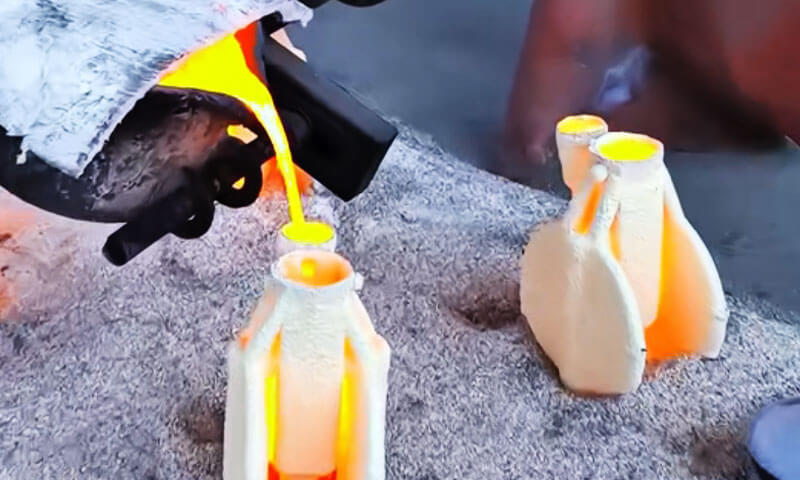
| ریخته گری | فلز مذاب در حفره قالب ریخته می شود و به شکل دلخواه جامد می شود. | محفظه پمپاژ, بدنهای, بلوک موتور, پایه ماشین, اجزای ساختاری پیچیده. | هندسه های بسیار پیچیده تولید می کند, معابر داخلی, و اجزای بزرگ با ضایعات نسبتاً کم مواد. |
| جعل | فلز گرم شده از طریق نیروهای فشاری با استفاده از قالب ها شکل می گیرد, مطبوعات, یا چکش. | شفت, چرخ دنده, میله های اتصال, اجزای فشار, ساختارهای هوافضا. | خواص مکانیکی را از طریق جریان دانه های تصفیه شده بهبود می بخشد, استحکام بالاتر, و مقاومت در برابر خستگی برتر. |
متالورژی پودر |
پودرهای فلزی تحت فشار متراکم شده و در دمای بالا برای تشکیل اجزای جامد تف جوشی می شوند. | یاتاقان, فیلتر, چرخ دنده, اجزای مقاوم در برابر سایش, قطعات دقیق. | استفاده از مواد بسیار بالا, تخلخل کنترل شده, و قابلیت تولید ترکیبات ویژه مواد. |
بینش کلیدی: در حالی که این فرآیندها به معنای سنتی «ماشینکاری» نیستند, آنها مواد اولیه را فراهم میکنند - فضای خالی - که اکثر اجزای دقیق به آن نیاز دارند.
اصل 2: حذف مواد (Δm < 0)
حذف مواد, همچنین به عنوان شناخته می شود تولید کمتری, اصل اصلی پشت ماشینکاری معمولی است.
در این فرآیندها, مواد اضافی از یک قطعه کار اولیه - مانند ریخته گری حذف می شود, جعل, سهام نوار, یا صفحه - برای ایجاد هندسه نهایی با ابعاد دقیق, تحمل ها, و پرداخت های سطحی.
این دسته شامل پرکاربردترین روش های ماشینکاری می باشد:
- معکوس.
- آسیاب کردن.
- حفاری.
- خسته کننده.
- سنگ زنی.
- ماشینکاری دنده.
- ماشینکاری تخلیه الکتریکی (EDM).
حذف مواد همچنان رویکرد تولید غالب برای قطعات مکانیکی دقیق است زیرا کنترل عالی بر کیفیت قطعه نهایی را فراهم می کند..
خصوصیات اصلی:
- مواد حذف می شود, تولید تراشه یا swarf.
- به بالاترین دقت ابعادی و پرداخت سطحی دست می یابد.
- پرکاربردترین روش برای تولید قطعات دقیق.
بینش کلیدی
حذف مواد پایه و اساس ساخت دقیق است زیرا مواد خالی تقریباً خالص را به اجزای مهندسی کاربردی تبدیل می کند..
یک مسیر تولید صنعتی معمولی اغلب از این الگو پیروی می کند:
ریخته گری / آهنگری → ماشینکاری خشن → عملیات حرارتی → ماشینکاری دقیق → تکمیل سطح
این ترکیب کارایی مواد را متعادل می کند, عملکرد مکانیکی, و دقت بعدی.
اصل 3: افزودن مواد (Δm > 0)
فرآیندهای افزودن مواد با افزودن اجزاء را ایجاد می کنند, سپرده گذاری, یا اتصال مواد به یکدیگر.
برخلاف تولید تفریقی, که مواد اضافی را حذف می کند, فرآیندهای افزودنی باعث افزایش مقدار مواد در طول تولید می شود.
این دسته شامل فناوریهای اتصال سنتی و روشهای مدرن تولید افزودنی میشود.
| فرآیند | مکانیزم تولید | برنامه های معمولی | مزایای اصلی |
| جوش | مواد از طریق گرما به هم متصل می شوند, فشار, یا ترکیبی از هر دو برای ایجاد یک پیوند دائمی. | چارچوب های ساختاری, خط لوله, رگهای فشار, مخازن, تجهیزات سنگین. | اتصالات دائمی قوی ایجاد می کند و ساختارهای بزرگ را قادر می سازد تا به طور موثر ساخته شوند. |
| برز / لحیم کاری | یک فلز پرکننده بدون ذوب شدن مواد پایه، ذوب شده و بین اجزاء توزیع می شود. | مبدلهای حرارتی, اجزای الکترونیکی, مجموعه های دقیق. | امکان اتصال مواد غیر مشابه با حداقل اعوجاج حرارتی را فراهم می کند. |
3D چاپ (تولید افزودنی) |
مواد طبق یک مدل دیجیتال لایه به لایه رسوب میشوند. | نمونه های اولیه, سازه های سبک وزن, قطعات پزشکی سفارشی, هندسه های پیچیده. | آزادی طراحی استثنایی را فراهم می کند و امکان تولید سریع اشکال پیچیده را فراهم می کند. |
بینش کلیدی: تولید افزودنی به ویژه برای نمونه سازی با ارزش است, قطعات سفارشی, و هندسه هایی که دستیابی به آنها از طریق روش های تفریق غیرممکن یا بسیار دشوار است.
2. در 8 فرآیندهای ماشینکاری سنتی: ستون فقرات تولید
ماشینکاری سنتی به ابزارهای برش مکانیکی برای حذف مواد از قطعه کار متکی است.
این فرآیندها موتورهای کار صنعت تولید هستند, قادر به تولید همه چیز از شفت های ساده گرفته تا قالب ها و قالب های پیچیده است. اینجا هستند 8 رایج ترین فرآیندهای سنتی, اصول کار آنها, و کاربردهای ایده آل آنها.
معکوس: فرآیند قطعات چرخشی
اصل کار:
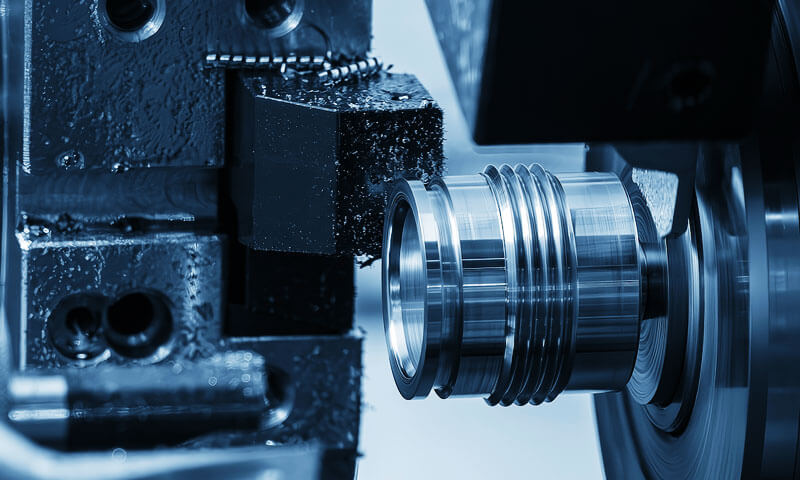
تراش CNC یک فرآیند ماشینکاری است که در آن قطعه کار می چرخد (حرکت اولیه) و یک ابزار برش تک نقطه ای به صورت خطی حرکت می کند (حرکت تغذیه).
تراش ماشین ابزاری است که برای عملیات تراشکاری استفاده می شود. همانطور که قطعه کار می چرخد, این ابزار مواد را برای ایجاد پروفیل های استوانه ای حذف می کند, صورت, نوپا, نخ, و سایر ویژگی های چرخشی.

چرا تبدیل اکسل ها:
تراشکاری به دلیل ثبات ذاتی فرآیند، دقت استثنایی را برای قطعات چرخشی ارائه می دهد.
قطعه کار چرخان تضمین می کند که همه ویژگی ها در یک محور متمرکز هستند, دستیابی به هم محوری و عمودی عالی بین چهره ها را آسان می کند.
فرآیند برش مداوم است (بدون وقفه), امکان سرعت برش بالا, پایان سطح عالی, و عمر طولانی ابزار.
| پارامتر | دامنه معمولی | یادداشت ها |
| زبری سطح | رگ 0.1 - 3.2 μM | الماس تراش فلزات غیر آهنی می تواند به Ra دست یابد <0.1 μM. |
| دقت | 0.01 ± 0.05 میلی متر | تراش های دقیق می توانند 0.005 ± میلی متر را بدست آورند. |
| مواد معمولی | فلزات, پلاستیک ها, کامپوزیت ها | برای مواد بسیار سخت مناسب نیست (>HRC 60) بدون ابزار خاص. |
برنامه:
- قطعات استوانه ای: شفت, پین, غلتک
- قطعات دیسکی شکل: فلنج, چرخ دنده, چرخ های مگس
- اجزای رشته ای: پیچ, پیچ, آجیل
- قطعات غیر عادی و غیر گرد (روی تراش بادامک)
انواع ماشین:
- تراش های افقی: رایج ترین نوع; طیف گسترده ای از اندازه های قطعه را کنترل می کند.
- ماشین های تراش عمودی: برای بزرگ استفاده می شود, قطعات سنگین دیسکی شکل (به عنوان مثال, طبل ترمز, چرخ دنده های بزرگ).
- نوع سوئیسی (خودکار) چاشنی: ایده آل برای کوچک, طولانی, و قطعات پیچیده (به عنوان مثال, اجزای ساعت, دستگاه های پزشکی).
- مراکز تراشکاری CNC: ماشین های چند محوری که قادر به انجام عملیات پیچیده هستند (معکوس, آسیاب کردن, حفاری) در یک تنظیم.
نکته کاربردی: چرخش فرآیند انتخابی برای هر بخش با محور چرخشی غالب است. برای تولید با حجم بالا, تراش های CNC با فیدر میله ای می توانند ساعت ها بدون مراقبت کار کنند.
آسیاب کردن: همه کاره همه کاره
اصل کار:
فرز CNC از یک برش چند دندانه چرخان استفاده می کند (حرکت اولیه) برای حذف مواد از یک قطعه کار ثابت یا متحرک.
محور برش معمولاً عمود بر سطح قطعه کار است (آسیاب پایان) یا به موازات آن (فرز محیطی).
آسیاب می تواند سطوح صاف را ایجاد کند, اسلات, جیب, خطوط, و اشکال سه بعدی پیچیده.

چرا آسیاب اکسل:
فرزکاری همه کاره ترین فرآیند ماشینکاری است. با برش و راه اندازی مناسب, می تواند تقریباً هر ویژگی روی قطعه کار را ماشین کاری کند: سطوح مسطح, شیار, مشخصات, حفره, و حتی سطوح سه بعدی پیچیده.
عمل برش متناوب, در حالی که مقداری ارتعاش ایجاد می کند, امکان حذف فلزات بالا را فراهم می کند.
تمایز کلیدی: فرز بالا در مقابل. فرز پایین:
| نوع فرز | عمل برش | بهترین برای | زندگی ابزاری |
| فرز بالا (متعارف) | ضخامت تراشه از صفر به حداکثر افزایش می یابد. | ماشین های قدیمی تر با عکس العمل; ریخته گری و آهنگری با پوست سخت. | کوتاه (به دلیل مالش در هنگام ورود). |
| فرز پایین (صعود کنید) | ضخامت تراشه از حداکثر به صفر کاهش می یابد. | دستگاه های CNC با جبران ضربه; پایان سطح بهتر. | طولانی تر (ورودی تمیزتر; مالش کمتر). |
روش های برش:
- پایان آسیاب: محور برش عمود بر قطعه کار; برای اسلات استفاده می شود, جیب, و پروفایل.
- فرز محیطی: محور برش موازی با قطعه کار; برای سطوح صاف استفاده می شود.
- فرز صورت: برش صورت صاف با درج; برای سطوح مسطح بزرگ استفاده می شود.
- برش پرواز: ابزار تک نقطه ای برای سطوح مسطح بزرگ; نرخ تولید پایین اما پایان خوب.
برنامه:
- سطوح مسطح: چهره های بالا, لنت های نصب شده
- شیارها و شیارها: اسلات های تی, کلیدی, دم کبوتر
- پروفایل های پیچیده: چرخ دنده, بادامک, سرپرست
- 3خطوط D: حفره های قالب, سطوح قالب, اجزای هوافضا
- فرز با نخ: نخ های با کیفیت بالا در مواد سخت
تلرانس ها و سطح پرداخت:
| پارامتر | دامنه معمولی |
| زبری سطح | رگ 0.8 - 6.3 μM |
| دقت | 0.02 ± 0.10 میلی متر |
| فرز دقیق | 0.005 ± 0.01 میلی متر (با تجهیزات پیشرفته) |
نکته کاربردی: هنگام آسیاب, همیشه سختی راه اندازی را در نظر بگیرید. طولانی, برش های باریک منحرف می شوند, منجر به پوشش ضعیف و عدم دقت سطح می شود. کوتاه استفاده کنید, ابزار سفت و سخت در صورت امکان.
برنامه ریزی: راه حل سطح مسطح کم هزینه
اصل کار:
برنامه ریزی یک فرآیند ماشینکاری است که در آن ابزار برش تک نقطه ای در یک خط مستقیم حرکت می کند (حرکت اولیه), برش قطعه کار که روی میز رفت و برگشتی نگه داشته می شود.
قطعه کار از کنار ابزار ثابت حرکت می کند, که روی هر پاس یک لایه از مواد را حذف می کند. ابزار بدون برش به حالت اول باز می گردد (سکته مغزی بیکار).
چرا برنامه ریزی اکسل:
برنامه ریزی یک راه حل کم هزینه برای ماشینکاری بزرگ است, سطوح مسطح, مخصوصا برای قطعات تکی یا دسته های کوچک.
ماشین ها نسبتا ساده و ارزان هستند, و ابزار اولیه است (ابزارهای HSS).
طولانی, ضربه های مستقیم برای ماشینکاری سطوح مستقیم مانند تخت های ماشینی ایده آل هستند, راهنماها, و صفحات پایه بزرگ.
| پارامتر | دامنه معمولی | یادداشت ها |
| زبری سطح | رگ 1.6 - 6.3 μM | خوب اما خشن تر از آسیاب. |
| دقت | 0.05 ± - 0.20 میلی متر | دقت کمتری نسبت به فرز. |
| میزان تولید | کم | سکته مغزی بیکار زمان را تلف می کند. |
برنامه:
- بزرگ, سطوح مسطح: پایه ماشین, تخت ها, و جداول
- شیارهای مستقیم: شیار V, دم کبوتر, کلیدی
- تک قطعات و کارهای دسته کوچک: کار تعمیر و نگهداری
- کاربردهای اتاق ابزار و قالب سازی
محدودیت ها:
- بهره وری پایین: سکته مغزی بیکار نرخ تولید را محدود می کند.
- دقت پایین: به اندازه آسیاب دقیق نیست.
- اشکال محدود: فقط می تواند ویژگی های مسطح یا مستقیم را تولید کند.
نکته کاربردی: برنامه ریزی برای مشاغلی مناسب است که هزینه یک ماشین فرز یا راه اندازی آن گران است. به ندرت در تولیدات با حجم بالا استفاده می شود.
حفاری: پایه و اساس سوراخ سازی
اصل کار:
حفاری فرآیند ایجاد یک سوراخ گرد در قطعه کار با استفاده از ابزار برش چند نقطه ای دوار به نام مته است. (یا مته پیچشی).
مته می چرخد (حرکت اولیه) و وارد قطعه کار می شود (حرکت تغذیه). لبه های برش در نوک مواد را حذف می کند, در حالی که فلوت ها تراشه ها را تخلیه می کنند.
چرا دریل کردن اکسل:
حفاری ساده ترین و مقرون به صرفه ترین راه برای ایجاد سوراخ در فلز است.
می توان آن را بر روی طیف گسترده ای از ماشین ابزار انجام داد: پرس های مته, دستگاه های آسیاب, و حتی مته های دستی. حفاری معمولاً اولین مرحله در توالی عملیات سوراخسازی است.
| پارامتر | دامنه معمولی | یادداشت ها |
| محدوده اندازه سوراخ | 0.1 - 100+ میلی متر | سوراخ های کوچک نیاز به میکرو مته های مخصوص دارند. |
| عمق سوراخ | تا قطر 10× (استاندارد) | سوراخ های عمیق نیاز به ابزار تخصصی دارند (حفاری با تفنگ). |
| دقت | 0.05 ± - 0.2 میلی متر | حفاری یک عملیات خشن است; سوراخ ها ممکن است بزرگتر باشند. |
| پایان سطح | رگ 3.2 - 12.5 μM | نسبتا ضعیف در مقایسه با reaming. |
عملیات مشترک مرتبط با حفاری:
| عمل | توضیحات | هدف |
| نواحی | سوراخ موجود را به قطر دقیق بزرگ و تکمیل می کند. | اندازه سوراخ دقیق; گردی و پرداخت سطح بهبود یافته است. |
| متقابل | قسمت بالایی یک سوراخ را به قطر بزرگتر بزرگ می کند. | یک شانه برای سر پیچ ایجاد می کند (پیچ درپوش سر سوکت). |
| ضد غرق کردن | یک مخروط مخروطی در بالای یک سوراخ ایجاد می کند. | برای پیچ های سر مسطح و سوراخ کردن. |
| بهره برداری | نخ های داخلی را در یک سوراخ برش می دهد. | برای بست های رزوه ای. |
مشکلات رایج حفاری:
| مشکل | علت | راه حل |
| سوراخ بزرگ | مته تکان; مته فرسوده; خوراک نامناسب. | از دریل مرکزی استفاده کنید; تراز مته را بررسی کنید; خوراک را کاهش دهید. |
| خطای محل سوراخ | حرکت قطعه کار; چیدمان ضعیف. | قطعه کار ایمن; از دستگاه حفاری استفاده کنید. |
| تشکیل سوهان | پارامترهای حفاری نامناسب. | از عملیات سوراخ کردن استفاده کنید; کاهش خوراک در هنگام خروج. |
نکته کاربردی: برای سوراخ سازی دقیق, همیشه با یک مته مرکزی شروع کنید تا یک نقطه شروع دقیق ایجاد کنید, سپس به اندازه سوراخ کنید, و در نهایت برای بُعد نهایی آماده شوید.
خسته کننده: فرآیند بزرگ شدن دقیق
اصل کار:
حفاری فرآیند بزرگ کردن و اصلاح یک سوراخ موجود برای دستیابی به اندازه دقیق است, گردی, و پایان سطح.
حوصله بر روی ماشین تراش انجام می شود (با استفاده از یک نوار خسته کننده) یا روی ماشین خسته کننده.
یک ابزار تک نقطه ای به سوراخ در امتداد محور وارد می شود, حذف یک لایه نازک از مواد.
چرا اکسل های خسته کننده:
حفاری فرآیند انتخابی برای دستیابی به دقت بالا در قطر سوراخ است, متمرکز بودن, و تراز.
می تواند خطاهای موقعیتی عملیات قبلی را تصحیح کند (به عنوان مثال, حفاری) و برای سوراخهای بزرگ و عمیقی که نمیتوان آنها را درست کرد یا سوراخ کرد، ضروری است.
| پارامتر | دامنه معمولی | یادداشت ها |
| قطر سوراخ | 5 - 500+ میلی متر | محدود به قطر نوار خسته کننده. |
| عمق | محدود به سفتی ابزار. | سوراخ های عمیق نیاز به سفت و سخت دارند, نوار خسته کننده با پشتیبانی خوب. |
| دقت | 0.01 ± 0.05 میلی متر | حفاری دقیق بسیار دقیق است. |
| پایان سطح | رگ 0.4 - 3.2 μM | خیلی خوب. |
برنامه:
- سوراخ های دقیق: محفظه های بلبرینگ, سیلندرهای موتور, اجزای هیدرولیکی
- تراز کردن سوراخ ها: که در آن سوراخ های متعدد نیاز به هم محوری دقیق دارند
- سوراخ هایی با قطر بزرگ: سوراخ ها برای ریمورهای استاندارد خیلی بزرگ هستند
- اصلاح سوراخ های موجود: رفع سوراخ های آسیب دیده یا نامناسب
نکته کاربردی: میله های حفاری باید سفت و سخت باشند; حتی انحراف جزئی نیز می تواند باعث پچ پچ و عدم دقت شود. از کوتاه ترین آویز ابزار ممکن استفاده کنید.
برش دنده و ماشینکاری پروفیل دندان
اصل کار:
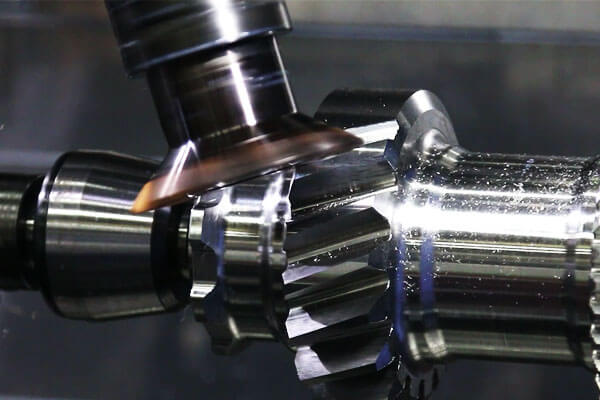
دنده برش شامل طیف وسیعی از فرآیندهایی است که برای تولید دندانه های چرخ دنده استفاده می شود, چلپچین, و سایر اجزای دندانه دار. دو روش رایج هستند سرگرمی وت شکل دهی چرخ دنده.
- هوس: یک کاتر چرخشی (اجاق گاز) در سراسر قطعه کار چرخان تغذیه می شود, ایجاد دندانه های چرخ دنده با عمل برش مداوم. هابینگ بسیار مولد است و به طور گسترده برای چرخ دنده های خار و مارپیچ استفاده می شود.
- شکل دهی چرخ دنده: یک کاتر رفت و برگشتی با مشخصات دندانی مشابه چرخ دنده در قطعه کار فشرده می شود, تولید دندان ها یکی یکی. شکل دهی کندتر است اما می تواند چرخ دنده های داخلی و برخی پروفیل های پیچیده ایجاد کند.
چرا Gear Cutting Excels:
فرآیندهای برش دنده به طور خاص برای تولید دقیق طراحی شده اند, قوی, و دندانه های چرخ دنده بی صدا. آنها روش استاندارد برای ساخت اکثر چرخ دنده ها و اسپلاین ها هستند.
محدوده عملکرد ماشینکاری دنده معمولی
| پارامتر | دامنه معمولی | یادداشت ها |
| ماژول / زمین قطعی | ماژول 0.5-20+ | دنده های دقیق کوچک تا چرخ دنده های صنعتی بزرگ را پوشش می دهد. |
| قطر چرخ دنده | 10-1000+ میلی متر | عمدتاً با ظرفیت دستگاه محدود می شود. |
| دقت دندان | درجه ISO 5-8 | نمرات بالاتر برای کاربردهای دقیق استفاده می شود. |
| زبری سطح | RA 0.8-3.2 میکرومتر | سطوح صاف دندان اصطکاک و صدای کار را کاهش می دهد. |
| مواد معمولی | فولاد, فولاد آلیاژ, فولاد ضد زنگ, چدن, برنز | انتخاب مواد بستگی به بار دارد, سرعت, و محیط زیست. |
روش های متداول برش دنده و ماشینکاری پروفیل دندان
| روش | اصل کار | بهترین برنامه های کاربردی |
| چرخ دنده هابینگ | یک کاتر اجاق گاز چرخان به طور مداوم دندانه های چرخ دنده تولید می کند در حالی که قطعه کار به طور هماهنگ می چرخد.. | تولید چرخ دنده با حجم بالا, چرخ دنده های مارپیچ, و دنده های انتقال صنعتی. |
| شکل دهی چرخ دنده | یک کاتر رفت و برگشتی از طریق حرکت برش هماهنگ دندان ها را تولید می کند. | چرخ دنده های داخلی, چلپچین, چرخ دنده های شانه ای, و پروفیل های دنده پیچیده. |
شستشو |
یک براچ چند دندانه مواد را در یک پاس پیشرونده جدا می کند. | تولید چرخ دنده های داخلی با حجم بالا, کلیدی, و اسپلاین ها. |
| آسیاب فرم | برش فرز شکل، فضاهای تک دندانی را با توجه به مشخصات مورد نیاز برش می دهد. | دنده های بزرگ, دسته های کوچک, تعمیر کار, و طرح های دنده سفارشی. |
| سنگر دنده | یک فرآیند تکمیل ساینده، مقدار کمی از مواد را پس از عملیات حرارتی حذف می کند. | دنده های سخت شده با دقت بالا مورد استفاده در خودرو, هوا و فضا, و ماشین آلات با کارایی بالا. |
نکته کاربردی: حباب چرخ دنده مقرون به صرفه ترین روش برای تولید دنده با حجم بالا است. شکل دهی برای چرخ دنده های داخلی و اشکال پیچیده استفاده می شود.
سنگ زنی: فرآیند تکمیل دقیق
اصل کار:
سنگ زنی از یک چرخ ساینده دوار استفاده می کند (متشکل از هزاران سخت, شن های تیز) برای حذف مواد با ترکیبی از برش, شخم زدن, و مالیدن.
چرخ ساینده به عنوان یک ابزار برش چند دندانه عمل می کند, اما با زاویه چنگک منفی, در نتیجه بسیار صاف, سطح با دقت بالا.
چرا سنگ زنی اکسل:
سنگ زنی فرآیند انتخابی برای دستیابی به بالاترین سطح پرداخت و دقت ابعادی است, به خصوص در مواد سخت شده (HRC > 45).
این می تواند اعوجاج های عملیات حرارتی را تصحیح کند و مسطح ایجاد کند, سطوح موازی.
| پارامتر | دامنه معمولی | یادداشت ها |
| زبری سطح | رگ 0.05 - 0.8 μM | سنگ زنی دقیق می تواند Ra را بدست آورد <0.05 μM. |
| دقت | 0.001 ± 0.005 میلی متر | سنگ زنی دقیق ترین فرآیند ماشینکاری است. |
| سختی مواد | تا 70 HRC | می تواند فولادهای سخت شده را آسیاب کند, کاربید. |
| مواد معمولی | فولادهای سخت شده, فولاد ابزاری, کاربید, سرامیک | همه سخته, مواد شکننده. |
فرآیندهای رایج سنگ زنی:
| نوع | توضیحات | برنامه |
| سنگ زنی سطحی | سنگ زنی سطوح صاف. | صفحات قالب, میزهای ماشینی, ابزار. |
| سنگ زنی استوانه ای | سنگ زنی سطوح استوانه ای خارجی. | شفت, پین, مجلات بلبرینگ. |
| سنگ زنی داخلی | سنگ زنی سطوح استوانه ای داخلی. | محفظه های بلبرینگ, سوراخ های سیلندر. |
| سنگ زنی بدون مرکز | سنگ زنی استوانه ای بدون مرکز. | تولید شفت با حجم بالا. |
| سنگ زنی ابزار و کاتر | سنگ زنی ابزارهای برش. | مته های تیز کردن, آسیاب های پایانی, ریمرز. |
| آسیاب خزشی | عمیق, آسیاب آهسته تغذیه. | پروفیل های پیچیده در مواد سخت. |
نکته کاربردی: سنگ زنی گرمای قابل توجهی تولید می کند, که می تواند باعث آسیب حرارتی شود (سوزاندن سنگ زنی) و استرس باقیمانده. از مایع خنک کننده کافی و پارامترهای آسیاب مناسب استفاده کنید.
سنگ زنی: تخصص پروفایل
اصل کار:
سنگ زنی فرم از یک چرخ سنگ زنی شکل یا یک فرآیند کنترل شده با CNC برای سنگ زنی پیچیده استفاده می کند, پروفایل های غیر خطی.
چرخ به یک کانتور خاص پوشانده شده است, که سپس در قطعه کار آسیاب می شود.
این گسترش سنگ زنی برای کاربردهای تخصصی است که در آن شکل یا مشخصات خاصی مورد نیاز است.
چرا اکسل های آسیاب را تشکیل می دهند:
سنگ زنی فرم می تواند بسیار دقیق تولید کند, پروفیل های پیچیده در مواد سخت شده, با سطح عالی و دقت ابعادی.
این فرآیند انتخابی برای تشکیل قالب است, مشت, و قالب ها.
برنامه:
- حفره های قالب
- پروفایل های مرگ
- خطوط پیچیده در ساخت ابزار و قالب
- پروفایل های دقیق در اجزای هوافضا
نکته کاربردی: سنگ زنی فرم تخصصی است, فرآیند پر هزینه, فقط در مواردی که دقت فوق العاده و پرداخت سطح عالی مورد نیاز است توجیه می شود.
3. در 5 فرآیندهای ویژه: ماشینکاری غیر سنتی
ابزارهای برش سنتی در مواجهه با مواد بسیار سخت دچار مشکل می شوند - یا به طور کامل شکست می خورند (فولاد ابزاری, کاربید, سرامیک), هندسه های پیچیده (حفره های عمیق, ویژگی های میکرو), یا زمانی که آسیب حرارتی یا مکانیکی باید به حداقل برسد.
فرآیندهای خاص از اشکال انرژی به جز برش مکانیکی برای حذف مواد استفاده می کنند, ارائه راه حل برای این چالش ها.
ماشینکاری تخلیه الکتریکی (EDM)
اصل کار:
EDM- همچنین به عنوان فرسایش جرقه شناخته می شود - مواد را با یک سری تخلیه الکتریکی به سرعت تکرار می کند. (جرقه) بین یک الکترود (ابزار) و قطعه کار.
جرقه ها مقدار کمی از مواد را از الکترود و قطعه کار فرسایش می دهند.
قطعه کار در یک سیال دی الکتریک غوطه ور می شود (به عنوان مثال, آب یا روغن دیونیزه شده) برای کنترل تخلیه و شستشوی ذرات فرسایش یافته.

انواع EDM:
| نوع | توضیحات | برنامه |
| EDM سینک (Ram EDM) | الکترود به شکل منفی حفره مورد نظر است. | حفره های قالب, در حال غرق شدن, حفره های سه بعدی پیچیده. |
| EDM سیم (WEDM) | نازک, سیم در حال حرکت مداوم به عنوان الکترود عمل می کند. | پروفایل ها, خطوط, قطعات دقیق; جای خالی برای مهر زنی می میرد. |
| EDM با سوراخ کوچک | یک الکترود با قطر کوچک برای حفاری خوب, سوراخ های عمیق. | سوراخ های خنک کننده, نازل های تزریق سوخت. |
چرا EDM Excels:
EDM می تواند هر ماده رسانا را ماشین کاری کند, صرف نظر از سختی آن. می تواند پیچیده تولید کند, اشکال پیچیده (از جمله گوشه های تیز) با دقت بالا و پرداخت سطح عالی.
این فرآیند هیچ نیروی مکانیکی اعمال نمی کند, بنابراین قطعات با دیواره نازک و ظریف را می توان بدون اعوجاج ماشین کاری کرد.
| پارامتر | دامنه معمولی | یادداشت ها |
| زبری سطح | رگ 0.2 - 3.2 μM | بستگی به پایان دارد; عالی برای تکمیل. |
| دقت | 0.005 ± 0.02 میلی متر | با دقت بالا, به خصوص در EDM سیمی. |
| سختی مواد | تا 70 HRC | برای مواد رسانا تقریبا نامحدود است. |
| هدایت مواد | باید رسانای الکتریکی باشد. | برای سرامیک مناسب نیست, پلاستیک ها, یا شیشه. |
برنامه:
- کپک می زند و می میرد
- قالب های تزریق پلاستیک
- اجزای موتور هواپیما
- دستگاه های پزشکی
- خطوط و پروفیل های پیچیده
نکته کاربردی: EDM یک فرآیند کند است, بنابراین معمولاً برای عملیات تکمیلی استفاده می شود, نه برای خشن کردن.
ماشینکاری الکتروشیمیایی (ECM)
اصل کار:
ECM یک فرآیند ماشینکاری غیر سنتی است که مواد را با انحلال آندی حذف می کند. قطعه کار (آنه) و یک ابزار شکل (کاتب) در یک الکترولیت غوطه ور می شوند.
جریان DC بالایی از بین آنها عبور می کند, و یون های فلزی از قطعه کار حل می شوند, که سپس توسط جریان الکترولیت منتقل می شوند.
چرا ECM Excels؟:
ECM میتواند مواد سخت و ماشینکاری سخت را بدون سایش ابزار و بدون منطقه متاثر از حرارت، ماشینکاری کند.
این فرآیند قادر به سرعت حذف مواد بالا است و می تواند اشکال پیچیده با سطح خوب ایجاد کند. این به ویژه برای حذف مواد فله مناسب است.
| پارامتر | دامنه معمولی | یادداشت ها |
| زبری سطح | رگ 0.2 - 0.8 μM | پایان بسیار خوب. |
| دقت | 0.05 ± - 0.2 میلی متر | دقت پایین تر از EDM. |
| سختی مواد | تا 70 HRC | تقریبا نامحدود; مواد باید رسانا باشند. |
| نرخ حذف مواد | عالی | مناسب برای حذف فله. |
برنامه:
- تیغه ها و پره های موتور جت
- لوله تفنگ (تفنگ زدن)
- کاشت پزشکی
- قالب برای پلاستیک
- سخت, اجزای پیچیده هوافضا
نکته کاربردی: ECM یک فرآیند تخصصی است که به سرمایه گذاری قابل توجهی در تجهیزات و جابجایی الکترولیت نیاز دارد. با حجم بالای تولید یا دشواری روش های جایگزین توجیه می شود.
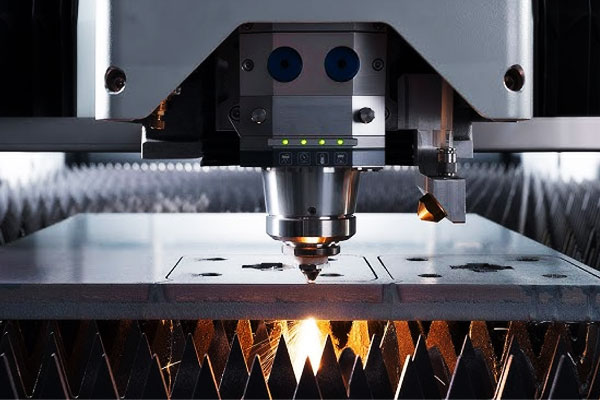
ماشینکاری لیزری
اصل کار:
ماشینکاری لیزری از یک پرتو نور منسجم بسیار متمرکز استفاده می کند (لیزر) ذوب شدن, بخار کردن, یا مواد خرد شده از قطعه کار.
نقطه لیزر با استفاده از آینه های کنترل شده توسط کامپیوتر یا مراحل حرکت در سراسر سطح حرکت می کند.
چرا اکسل ماشینکاری لیزری:
ماشینکاری لیزری سریع است, دقیق, و فرآیند بدون تماس. روی هر ماده ای قابل اجراست (فلزات, پلاستیک ها, سرامیک, شیشه, کامپوزیت ها) و می تواند به ویژگی های بسیار خوبی دست یابد (تا چند میکرون).
این فرآیند نیروهای مکانیکی ایجاد نمی کند, بنابراین می توان قطعات نازک و ظریف را پردازش کرد.
| پارامتر | دامنه معمولی | یادداشت ها |
| عرض کرف | 0.02 - 0.2 میلی متر | برش های بسیار باریک. |
| سرعت برش | تا 50 M/من | بالا برای مواد ورق. |
| اندازه ویژگی | پایین به 10 μM | برای ماشینکاری میکرو. |
| مادی | تقریباً هر ماده ای | فلزات, پلاستیک ها, سرامیک, شیشه. |
| دقت | 0.01 ± 0.05 میلی متر | با دقت بالا. |
برنامه:
- برش: ورق فلزی, مشخصات, لوله
- حفاری: سوراخ های دقیق, سوراخ های خنک کننده
- حکاکی و علامت گذاری: اعداد جزئی, آرم
- ماشینکاری میکرو: استنت های پزشکی, میکرو الکتریکی
- بافت سطح: ایجاد ریز زبری
نکته کاربردی: ماشینکاری لیزری یک منطقه متاثر از حرارت ایجاد می کند (خندق). برای مواد حساس به آسیب حرارتی, استفاده از پالس کوتاه را در نظر بگیرید (پیکوثانیه/فمتوثانیه) لیزرها.
ماشینکاری التراسونیک (USM)
اصل کار:
ماشینکاری التراسونیک از ابزاری استفاده می کند که با فرکانس بالا می لرزد (20-40 کرتز) و دامنه (10-50 μM).
یک دوغاب ساینده (به عنوان مثال, کاربید بور یا کاربید سیلیکون در آب) بین ابزار و قطعه کار معرفی می شود.
ابزار ارتعاشی بر ذرات ساینده بر روی قطعه کار تأثیر می گذارد, حذف مواد با میکروتراشه و فرسایش.
چرا USM Excels؟:
USM فرآیند انتخابی برای ماشینکاری مواد سخت و شکننده است که ماشینکاری آنها با روشهای سنتی دشوار یا غیرممکن است.
این به ویژه برای مواد غیر رسانا موثر است (سرامیک, شیشه, سنگ ها) و مواد با رسانایی الکتریکی پایین.
| پارامتر | دامنه معمولی | یادداشت ها |
| زبری سطح | رگ 0.2 - 1.6 μM | پایان خوب. |
| دقت | 0.005 ± 0.02 میلی متر | با دقت بالا. |
| مادی | سخت, شکننده, مواد غیر رسانا | سرامیک, شیشه, سنگ ها, کاربید. |
| پوشیدن ابزار | معتاد | ابزارها توسط ذرات ساینده فرسوده می شوند. |
برنامه:
- سوراخ کردن سرامیک و شیشه
- ماشینکاری کامپوزیت های پیشرفته
- غرق شدن در مواد سخت
- قطعات نیمه هادی و الکترونیکی
نکته کاربردی: USM یک فرآیند کند است, بنابراین معمولاً محدود به قطعات با ارزش بالا یا ماشینکاری دشوار است.
ماشینکاری واترجت
اصل کار:
ماشینکاری واترجت از جریان آب با فشار بالا استفاده می کند (با یا بدون ذرات ساینده) برای فرسایش و برش مواد. فشارها می توانند از 2,000 به 6,000 نوار (30,000 به 90,000 PSI).
آب با فشار از یک روزنه با قطر کوچک عبور می کند, ایجاد یک جت مافوق صوت که قطعه کار را تحت تأثیر قرار می دهد.
چرا واترجت اکسل:
ماشینکاری واترجت یک فرآیند برش سرد است - هیچ منطقه متاثر از گرما وجود ندارد, بدون اعوجاج حرارتی, و بدون تغییر متالورژیکی.
می تواند طیف وسیعی از مواد را برش دهد, از جمله فلزات, پلاستیک ها, شیشه, کامپوزیت ها, و حتی غذا.
فرآیند بسیار انعطاف پذیر است, می تواند از هر جایی شروع شود (بدون نیاز به سوراخ خلبان), و صافی تولید می کند, لبه دقیق.
| پارامتر | دامنه معمولی | یادداشت ها |
| ضخامت برش | تا 200+ میلی متر | بسته به مواد و مواد ساینده. |
| عرض کرف | 0.5 - 1.5 میلی متر | باریک. |
| تحمل برش | 0.05 ± - 0.2 میلی متر | دقت خوب. |
| پایان سطح | رگ 0.8 - 6.3 μM | پایان خوب. |
| بدون منطقه متاثر از گرما | بله | بدون آسیب حرارتی. |
برنامه:
- صفحات فلزی ضخیم: آلومینیوم, فولاد ضد زنگ, تیتانیوم
- مواد شکننده: سنگ, شیشه, سرامیک
- ترکیب: مواد چند لایه (بدون لایه بندی)
- فرآوری مواد غذایی: برش محصولات غذایی
- اجزای هوافضا: اشکال پیچیده در مواد پیشرفته
نکته کاربردی: ماشینکاری واترجت یک فرآیند قدرتمند و انعطاف پذیر است, اما نسبتا کند است و مقدار زیادی صدا و دوغاب زباله تولید می کند.
این برای مواد ضخیم یا سخت برش مناسب است، جایی که فرآیندهای دیگر باعث آسیب حرارتی می شوند.
4. دستورالعمل های مهندسی برای انتخاب روش های ماشینکاری
هیچ فرآیند ماشینکاری کامل جهانی وجود ندارد. انتخاب بهینه بستگی دارد:
- خواص مواد.
- هندسه بخش.
- حجم تولید.
- الزامات دقت.
- الزامات پرداخت سطح.
- هزینه ساخت.
| کاربرد | فرآیند توصیه شده | چرا? |
| قطعات چرخشی (شفت, پین) | معکوس | برای اشکال استوانه ای عالی است; پرداخت سطح خوب و دقت. |
| سطوح مسطح, اسلات, جیب | آسیاب کردن | بسیار همه کاره; می تواند طیف گسترده ای از اشکال را ایجاد کند. |
| بزرگ, سطوح مسطح (تک قطعات) | برنامه ریزی | هزینه کم برای قطعات ساده; برای تعمیر و نگهداری خوب است. |
| سوراخ های دقیق | حفاری + Reaming یا خسته کننده | حفاری برای سوراخ ناهموار; reaming / خسته کننده برای اندازه و دقت نهایی. |
| دندانه دنده | هوس, شکل دهی | تولید با حجم بالا; فرآیندهای استاندارد شده. |
مواد سخت شده (HRC > 45) |
سنگ زنی یا EDM | سنگ زنی برای سطوح صاف; EDM برای اشکال پیچیده. |
| حفره های سه بعدی پیچیده | EDM یا آسیاب (5-محور) | EDM برای عمق, اشکال پیچیده; 5-فرز محوری برای قطعات بزرگتر. |
| خیلی سخت, مواد غیر رسانا | ماشینکاری التراسونیک | سرامیک, شیشه, سنگ ها. |
| مواد حساس به حرارت | ماشینکاری واترجت | بدون منطقه متاثر از گرما; اعوجاج حداقل. |
| با دقت بالا, ویژگی های کوچک | ماشینکاری لیزری | ویژگی های بسیار خوب, سریع, بدون تماس. |
5. پایان
دنیای ماشینکاری وسیع و پیچیده است, اما در هسته آن, بر اساس سه اصل اساسی دگرگونی مادی - شکلگیری، بنا شده است, حذف, و افزودن - و مجموعه ای از فرآیندهای کاملاً تعریف شده که می توانند با الزامات قطعه خاص مطابقت داده شوند.
در 8 فرآیندهای سنتی - چرخش, آسیاب کردن, برنامه ریزی, حفاری, خسته کننده, برش دنده, سنگ زنی, و شکل سنگ زنی - ستون فقرات صنعت تولید را تشکیل می دهند.
آنها اسب های کاری هستند که اکثریت قریب به اتفاق اجزای دقیق را تولید می کنند, از پین های ساده گرفته تا قالب ها و قالب های پیچیده. قدرت آنها در تطبیق پذیری آنها نهفته است, دقت, و قابلیت اطمینان.
در 5 فرآیندهای ویژه - EDM, ECM, ماشینکاری لیزری, ماشینکاری اولتراسونیک, و ماشینکاری واترجت - هنگامی که ابزارهای برش سنتی به محدودیت های خود می رسند، جایگزین های قدرتمندی را ارائه می دهند.
آنها ماشینکاری بسیار سخت را امکان پذیر می کنند, شکننده, یا مواد پیچیده, و می توانند به ویژگی هایی دست یابند که با روش های مرسوم غیرممکن است.
کلید انتخاب موفقیت آمیز فرآیند در درک مطالب نهفته است, هندسه, حجم تولید, و تحمل لازم.
با تسلط بر ویژگی ها و کاربردهای هر فرآیند, مهندسان تولید می توانند کارایی تولید را بهینه کنند, کاهش هزینه ها, و به کیفیت برتر دست پیدا کنید.