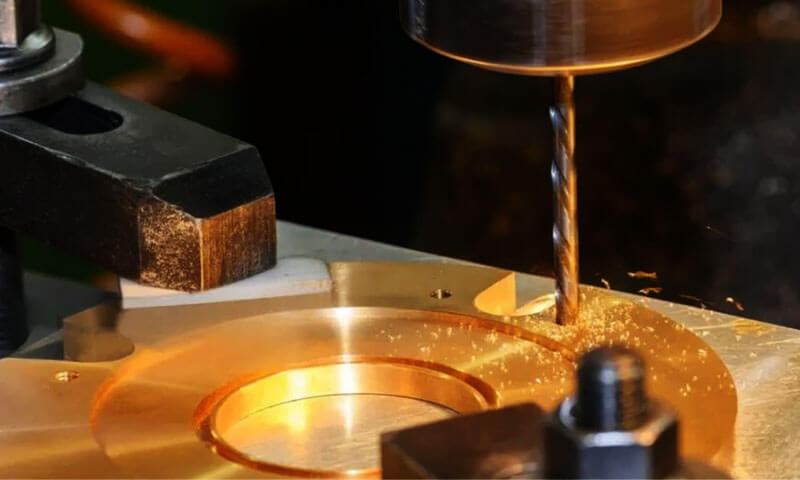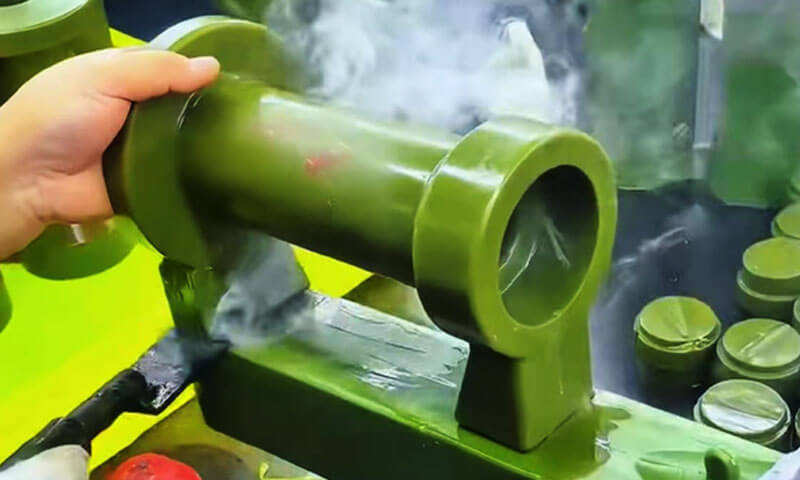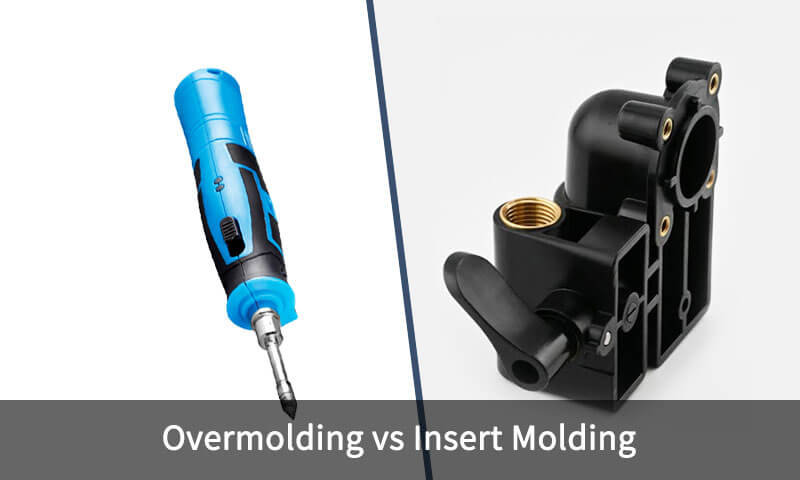
In der modernen Fertigung, Bauteile aus nur einem Material erfüllen selten den vollen Leistungsanspruch, Ästhetik, und Funktionalität.
Heutige Produkte müssen langlebig und dennoch komfortabel sein, wasserdicht und dennoch atmungsaktiv, und komplex und dennoch einfach zu montieren.
Dies hat die weit verbreitete Einführung von Multimaterial-Herstellungsprozessen vorangetrieben. Unter diesen, Overmolding und Insert Moulding sind zwei der wichtigsten und am häufigsten verglichenen Techniken.
Obwohl die beiden Begriffe manchmal synonym verwendet werden, Sie beschreiben verschiedene Fertigungsansätze und lösen verschiedene technische Probleme.
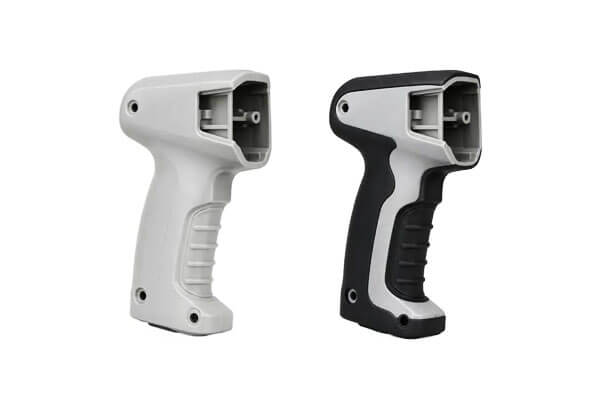
Beim Umspritzen wird im Allgemeinen ein zweites Material über ein vorhandenes Substrat gegossen, um eine Komponente aus mehreren Materialien zu erzeugen.
Formteile einfügen, dagegen, platziert einen vorgeformten Einsatz – oft aus Metall – in einer Spritzgussform und kapselt ihn ein oder umgibt ihn teilweise mit Kunststoff.
Dieser Artikel bietet eine umfassende, Direkter Vergleich von Overmolding und Insert Moulding.
1. Was ist Überformen??
Überlieben ist ein Spritzgussverfahren, bei dem ein Material über ein vorhandenes Substrat oder eine zuvor geformte Komponente gegossen wird, um ein integriertes Multimaterialteil zu schaffen.
Die erste Komponente wird allgemein als bezeichnet Substrat, während das während des sekundären Formvorgangs aufgetragene Material das ist Überformungsmaterial.
Abhängig vom Produktdesign, Das Substrat kann ein starrer Thermoplast sein, Elastomer, Metallkomponente, oder ein anderes geeignetes Formteil.
Eine typische umspritzte Komponente kann ein starres Strukturmaterial mit einem weicheren Material kombinieren.
Zum Beispiel, Ein starres ABS-Gehäuse kann mit einer TPE-Umspritzung versehen werden, um einen bequemen Halt zu gewährleisten, Verbessern Sie die Abdichtung, oder eine schützende Außenfläche schaffen.
Das Ziel besteht nicht einfach darin, ein Material über ein anderes zu legen. Die Grenzfläche zwischen den beiden Materialien muss eine ausreichende Haftung gewährleisten, mechanische Retention, oder eine Kombination aus beidem, um den erwarteten mechanischen Belastungen des Produkts standzuhalten, Thermal-, Chemikalie, und Umweltbedingungen.
Wie Overmolding funktioniert
Der Umspritzprozess beginnt im Allgemeinen mit der Herstellung des Substrats.
Dies kann einen separaten Spritzgussvorgang erfordern, Bearbeitungsprozess, Stanzvorgang, sterben Gussprozess, oder eine andere Herstellungsmethode.
Nachdem der Untergrund überprüft wurde, Es wird in einer zweiten Form positioniert. Die Form ist so konzipiert, dass sie die Bereiche freilegt, die das Überformungsmaterial aufnehmen müssen, und gleichzeitig das Substrat genau positioniert und stützt.
Anschließend wird das Sekundärmaterial auf die entsprechende Verarbeitungstemperatur erhitzt und in den Formhohlraum eingespritzt.
Es umströmt die vorgesehenen Substratoberflächen und bildet die erforderliche Außengeometrie.
Nach dem Befüllen und Verpacken, Das Material kühlt ab und verfestigt sich, bevor das fertige Bauteil ausgeworfen wird.
Ein typischer Arbeitsablauf ist:
Substratproduktion → Substratinspektion → Formbeladung → Positionierung → Sekundärmaterialinjektion → Verpackung → Kühlung → Auswurf → Inspektion
Die Qualität des Endprodukts hängt stark vom Interface-Design ab. Wenn eine chemische Haftung erforderlich ist, Das Substrat und das Überformungsmaterial müssen ausreichend kompatibel sein.
Wenn mechanische Retention der primäre Mechanismus ist, Der Untergrund kann Rillen erfordern, Rippen, Löcher, unterkuppelt, oder andere Merkmale, die es ermöglichen, dass das zweite Material in seiner Position einrastet.
Ein weiterer wichtiger Aspekt ist die Oberflächenverunreinigung. Öl, Staub, Trennmittel, Oxidation, Feuchtigkeit, oder andere Verunreinigungen können die Haftung beeinträchtigen und zu Delamination oder vorzeitiger Trennung führen.
Gängige Umspritzmaterialien
Beim Umspritzen kann ein breites Spektrum an Thermoplasten und Elastomermaterialien verwendet werden, Aber nicht jede Materialkombination ist von Natur aus kompatibel.
Bei der Materialauswahl sollte die Schmelztemperatur berücksichtigt werden, Chemische Kompatibilität, Schwindung, Wärmeleitkoeffizient, Härte, Flexibilität, Oberflächeneigenschaften, und erwartete Servicebedingungen.
Zu den üblichen Kombinationen gehören::
| Substratmaterial | Umspritztes Material | Typischer Zweck |
| ABS | TPE | Soft-Touch-Gehäuse und Griffe |
| PC | TPE | Schlagfeste Produkte mit ergonomischen Oberflächen |
| Nylon | TPE/TPU | Industriegriffe und flexible Schnittstellen |
| PP | TPE | Konsumgüter und Siegel |
| PC/ABS | TPU | Schützende und ergonomische Oberflächen |
| Starrer Thermoplast | LSR | Dichtungen und spezielle flexible Komponenten |
Typische Overmolding-Anwendungen
Das Umspritzen ist besonders nützlich, wenn das Produkt strukturelle Leistung mit Weichheit vereinen muss, Flexibilität, Versiegelung, Isolierung, oder verbesserte Ergonomie.
Umspritzen wird üblicherweise verwendet für:
- Handwerkzeuggriffe
- Kfz-Schalter und -Steuerungen
- Gehäuse für Unterhaltungselektronik
- Komponenten für medizinische Geräte
- Tragbare Geräte
- Kabel- und Leitungsschutz
- Dichtungskomponenten
- Griffe und ergonomische Schnittstellen
- Schutzhüllen
- Steuerungen für Industrieanlagen
2. Was ist Insert Moulding??
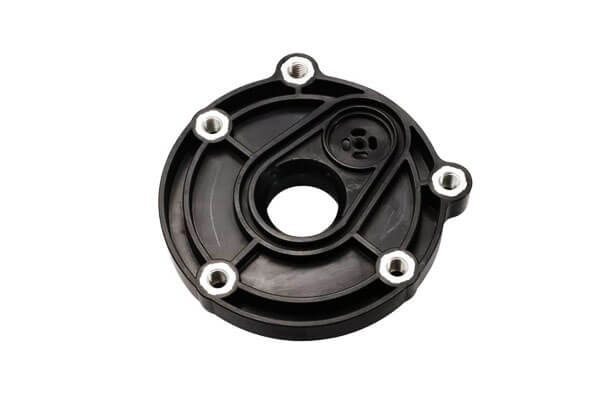
Formteile einfügen ist ein Spritzgussverfahren, bei dem ein vorgeformtes Bauteil entsteht, bekannt als ein einfügen, wird in einer Spritzgussform positioniert und dann teilweise oder vollständig von geschmolzenem Kunststoff umgossen.
Der Einsatz besteht häufig aus Metall, obwohl aus Plastik, Keramik, elektronisch, und andere vorgeformte Komponenten können ebenfalls verwendet werden.
Im Gegensatz zum herkömmlichen Einmaterial-Spritzguss, Beim Insert-Molding wird in einem Formvorgang ein eigens gefertigtes Bauteil mit eingespritztem Kunststoff kombiniert.
Der Kunststoff verfestigt sich um den Einsatz herum, Herstellung eines integrierten Teils, das nachfolgende Montagevorgänge überflüssig machen kann.
Zum Beispiel, Ein Gewindeeinsatz aus Messing kann in einer Form positioniert und von Nylon umgeben werden.
Nach dem Formen, Die resultierende Komponente enthält eine permanente Metallschnittstelle mit Gewinde, ohne dass der Gewindeeinsatz nachträglich installiert werden muss.
Wie Insert Moulding funktioniert
Das Formen des Einsatzes beginnt mit der Herstellung und Prüfung des Einsatzes. Maßgenauigkeit ist besonders wichtig, da der Einsatz korrekt in die Form passen und während des gesamten Einspritzvorgangs seine vorgegebene Position beibehalten muss.
Anschließend wird der Einsatz manuell in die Form eingelegt, halbautomatisch, oder über ein automatisiertes Ladesystem.
Spezielle Vorrichtungen, Stifte, Hohlräume, oder es können Rückhaltefunktionen verwendet werden, um Bewegungen zu verhindern.
Sobald sich die Form schließt, Dabei wird geschmolzener Kunststoff um den Einsatz herumgespritzt. Der Einspritzdruck kann erheblich sein, Daher muss die Form ausreichend Halt bieten, um ein Verrutschen des Einsatzes zu verhindern, verformen, oder es kommt zu einer Fehlausrichtung.
Anschließend kühlt der Kunststoff ab und verfestigt sich um den Einsatz herum. Nach dem Auswurf, Das fertige Bauteil wird auf Maßhaltigkeit geprüft, Position einfügen, Blitz, Hohlräume, Risse, und andere Mängel.
Die Grundsequenz ist:
Herstellung des Einsatzes → Inspektion des Einsatzes → Laden des Einsatzes → Positionierung und Aufbewahrung → Schließen der Form → Kunststoffeinspritzung → Abkühlen → Auswerfen → Inspektion
Für die Massenfertigung, Eine automatisierte Einlegeteilbeladung kann in die Formzelle integriert werden. Dies kann die Zykluskonsistenz verbessern und gleichzeitig die manuelle Handhabung reduzieren.
Gängige Einsatzmaterialien
Metall ist das am weitesten verbreitete Einsatzmaterial, da es Eigenschaften bietet, die Kunststoffe im Allgemeinen nicht reproduzieren können, wie zum Beispiel eine hohe elektrische Leitfähigkeit, Fadenhaltbarkeit, Steifheit, Resistenz tragen, oder lokale mechanische Festigkeit.
Zu den üblichen Einsatzmaterialien gehören::
- Messing
- Edelstahl
- Kohlenstoffstahl
- Aluminium
- Kupfer und Kupferlegierungen
- Technische Kunststoffe
- Keramik
- Elektronische Komponenten
Typische Anwendungen für das Umspritzen von Einsätzen
Das Umspritzen von Einlegeteilen wird üblicherweise verwendet, wenn für ein Produkt eine Metall- oder andere vorgeformte Komponente dauerhaft in einen Kunststoffkörper integriert werden muss.
Typische Anwendungen umfassen:
- Gewindebosse
- Elektrische Anschlüsse
- Automobilterminals
- Sensorgehäuse
- Komponenten wechseln
- Medizinische Instrumente
- Bauteile zur Strukturverstärkung
- Kabelanschlüsse
- Elektronische Baugruppen
- Präzisionsmechanische Komponenten
3. Umspritzen vs. Umspritzen: Was ist der Unterschied??
Obwohl beide Technologien mehrere Materialien oder Komponenten integrieren, Ihre Herstellungslogik ist unterschiedlich.
Die einfachste Unterscheidung ist:
Beim Überformen wird ein neues Material über ein vorhandenes Substrat hinzugefügt, Beim Insert Moulding wird ein vorgeformter Einsatz mit spritzgegossenem Kunststoff umhüllt oder umschlossen.
Jedoch, die Terminologie kann sich überschneiden. In einigen Fertigungskontexten, Das Umspritzen kann als eine umfassendere Form des Umspritzens betrachtet werden, da bei beiden Verfahren Material um eine bereits vorhandene Komponente herum geformt wird.
Für die technische Kommunikation, Jedoch, Es ist sinnvoll, sie anhand der Rolle der bereits vorhandenen Komponente zu unterscheiden.
Vergleich zwischen Umspritzen und Umspritzen
| Faktor | Überlieben | Formteil einsetzen |
| Hauptzweck | Kombinieren Sie verschiedene Materialeigenschaften | Integrieren Sie einen vorgeformten Einsatz in Kunststoff |
| Bereits vorhandene Komponente | Substrat | Einfügen |
| Gemeinsames Substrat/Einsatz | Plastik, Elastomer, Metall | Metall, Plastik, Keramik, elektronisches Bauteil |
| Typische Kombination | Starrer Kunststoff + Elastomer | Plastik + Metall |
| Hauptschnittstellenmechanismus | Haftung, mechanische Verriegelung, oder beides | Verkapselung, mechanische Retention, In einigen Fällen kann es zu Haftungsproblemen kommen |
| Hauptanliegen beim Design | Materialkompatibilität | Positionierung und Retention des Einsatzes |
| Typische Anwendung | Soft-Touch-Griff | Metalleinsatz mit Gewinde |
| Oberflächenfunktion | Griff, Siegel, Kissen, Schutz | Elektrisch, mechanisch, strukturell, Befestigung |
| Automatisierung | Hochgradig automatisierbar | Hochgradig automatisierbar, Das Laden der Beilagen ist jedoch von entscheidender Bedeutung |
| Großes Risiko | Delaminierung oder schlechte Bindung | Fügen Sie eine Bewegung oder Fehlausrichtung ein |
4. Umspritzen vs. Umspritzen: Konstruktionsüberlegungen
Die Designanforderungen für Overmolding und Insert Moulding unterscheiden sich vor allem deshalb, weil die beiden Verfahren unterschiedliche Schnittstellen verwalten.
Beim Umspritzen geht es darum, eine zuverlässige Schnittstelle zwischen dem Substrat und dem umspritzten Material zu schaffen, Beim Einsatzformen geht es hingegen um die genaue Positionierung und sichere Einkapselung eines vorgeformten Einsatzes.
| Designüberlegungen | Überlieben | Formteil einsetzen |
| Materialkompatibilität | Wählen Sie basierend auf der Haftung kompatible Substrat- und Überformungsmaterialien aus, Schmelztemperatur, Schwindung, Härte, und Wärmeausdehnung. | Stellen Sie sicher, dass der Einsatz der Formtemperatur und dem Formdruck ohne Verformung oder Dimensionsinstabilität standhält. |
| Geometrie & Wandstärke | Sorgen Sie für eine gleichmäßige Dicke der Umspritzung und sorgen Sie für ausreichend Klebefläche. Vermeiden Sie abrupte Dickenänderungen, die zum Schrumpfen führen können, Wende, oder schwache Bindung. | Sorgen Sie für eine ausreichende Kunststoffdicke rund um den Einsatz, um ihm Festigkeit zu verleihen, und nutzen Sie Rillen, grunzt, Löcher, oder Schultern, wenn zusätzlicher Halt erforderlich ist. |
| Bindung & Zurückbehaltung | Entwerfen Sie die Schnittstelle für chemische Haftung, mechanische Verriegelung, oder beides, je nach Materialverträglichkeit. | Entwerfen Sie mechanische Halte- und Kapselungsfunktionen, um Herausziehen und Drehen zu verhindern. |
| Tor & Materialfluss | Positionieren Sie die Anschnitte, um eine ausgewogene Füllung zu erreichen und Bindenähte zu minimieren, Lufteinschluss, und übermäßige Belastung an der Schnittstelle. | Kontrollieren Sie den Materialfluss sorgfältig, um eine Verschiebung des Einsatzes zu verhindern, unvollständige Kapselung, oder übermäßiger Druck auf den Einsatz. |
Einfügen / Substratpositionierung |
Das Substrat muss während der Injektion genau positioniert und sicher gehalten werden. | Eine präzise Positionierung der Einsätze ist von entscheidender Bedeutung; Fixierstifte, Taschen, Vorrichtungen, oder eine automatisierte Platzierung kann erforderlich sein. |
| Schwindung & Wärmeausdehnung | Berücksichtigen Sie Unterschiede in der Schrumpfung und Wärmeausdehnung zwischen Substrat und Umspritzung, um Verformungen zu vermeiden, Reststress, und Delaminierung. | Berücksichtigen Sie die Unterschiede in der Wärmeausdehnung zwischen Einsatz und Polymer, insbesondere bei Metall-Kunststoff-Anwendungen, um Maßabweichungen und innere Spannungen zu vermeiden. |
| Entwurf & Auswurf | Sorgen Sie für einen ausreichenden Luftzug und richtig positionierte Auswerfer, um das Teil freizugeben, ohne die Umspritzung oder die Schnittstelle zu beschädigen. | Entwurf und Auswurf sorgfältig konstruieren, um eine Bewegung des Einsatzes zu verhindern, Verformung, oder Lockerung beim Entformen. |
Toleranzen |
Berücksichtigen Sie die Abmessungen des Substrats, Dicke der Umspritzung, Material Schrumpfung, und mögliche Schnittstellenbewegungen. | Berücksichtigen Sie die Abmessungen der Einsätze, Positionierungsgenauigkeit, Polymerschrumpfung, und endgültige Einfügeposition. |
| DFM & Formfluss | Klebefläche bewerten, Materialfluss, Wandstärke, Torstandort, und unterschiedliche Schrumpfung vor dem Werkzeugbau. | Bewerten Sie die Beilagenretention, Positionierung, Polymerfluss, Wärmeverhalten, und mögliche Wendeplattenverschiebungen vor der Werkzeugbestückung. |
| Qualitätskontrolle | Konzentrieren Sie sich auf die Bindungsstärke, Dicke der Umspritzung, Blitz, Delaminierung, Wende, und dimensionale Genauigkeit. | Konzentrieren Sie sich auf die Einfügeposition, Haltekraft, Verkapselung, Blitz, Hohlräume, und dimensionale Genauigkeit. |
5. Kundenspezifische Overmolding- und Insert-Molding-Services von LangHe Industry
Langhe Industrie bietet maßgeschneiderte Spritzgusslösungen für Anwendungen, die ein Umspritzen erfordern, Einlegeformteil, und andere integrierte Formtechnologien.
Unser Fertigungsansatz kann Projekte von der ersten Produktentwicklung und Werkzeugausstattung bis hin zur Produktion und Qualitätsprüfung unterstützen.
| Fähigkeit | Details |
| Überformungsarten | Zwei Schuss (2K) Überformen, Pick-and-Place-Umspritzung. |
| Formteil einsetzen | Metalleinsätze (Messing, Stahl, Kupfer), Keramikeinsätze, elektronische Einsätze (PCBs, Sensoren). |
| Materialien (Substrat) | ABS, PC, Nylon (PA6, PA66), PP, PBT. |
| Materialien (Überformt) | TPE, TPU, LSR, MwSt, Silikon. |
| Werkzeug | Eigene Werkzeugkonstruktion und -fertigung. |
| Qualität | ISO 9001:2015 zertifiziert; 100% Inspektion. |
| Vorlaufzeit | 2–4 Wochen für Prototypen; 4–8 Wochen für Produktionswerkzeuge. |
6. Abschluss
Umspritzen vs. Umspritzen Es geht nicht darum, festzustellen, welcher Prozess allgemein besser ist. Beides sind hochwirksame Spritzgusstechnologien, Sie adressieren jedoch unterschiedliche Produktentwicklungsanforderungen.
Umspritzen eignet sich vor allem für Produkte, die unterschiedliche Materialeigenschaften in einem integrierten Bauteil vereinen müssen.
Besonders wertvoll ist es für Soft-Touch-Oberflächen, ergonomische Griffe, flexible Dichtungen, Dämpfung, Isolierung, und Schutzschichten.
Der Erfolg hängt stark von der Materialverträglichkeit ab, Interface-Design, Haftung, mechanische Verriegelung, und differenzielle Schrumpfungskontrolle.
Formteile einfügen, im Gegensatz, ist besonders effektiv, wenn ein vorgeformtes Bauteil – oft ein Metalleinleger – dauerhaft in eine Kunststoffstruktur integriert werden muss.
Es eignet sich weitgehend für Gewindeschnittstellen, elektrische Terminals, Verstärkungskomponenten, Sensoren, Anschlüsse, und andere Anwendungen, bei denen Kunststoff und ein anderes Material komplementäre Funktionen erfüllen.
Letztlich, Die Prozessauswahl sollte auf dem gesamten Fertigungssystem basieren, einschließlich Materialverhalten, Produktgeometrie, Werkzeug, Bindungs- oder Retentionsstrategie, Produktionsvolumen, Automatisierung, Inspektion, und Lebenszykluskosten.
FAQs
Was ist der Unterschied zwischen Insert Moulding und Two-Shot Moulding??
Das Einlegeformen verwendet a vorgeformter Einsatz das vor dem Kunststoffeinspritzen in die Form eingelegt wird.
Beim Zwei-Schuss-Spritzgießen werden in der Regel zwei Materialien nacheinander mithilfe spezieller Werkzeuge und mehrerer Einspritzstufen hergestellt, oft ohne manuelles Laden eines separat hergestellten Substrats zwischen den Aufnahmen.
Welcher Prozess ist schneller?: Umspritzen oder Umspritzen?
Das Umspritzen von Einlegeteilen ist im Allgemeinen schneller, da nur ein einziger Spritzvorgang erforderlich ist. Das Umspritzen erfordert zwei Schüsse oder einen mehrstufigen Prozess.
Welcher Prozess hat geringere Werkzeugkosten??
Beim Einsatzformenbau sind die Werkzeugkosten geringer, da nur ein einziger Formhohlraum erforderlich ist. Für das Umspritzen sind zwei separate Formen oder eine komplexe Zwei-Schuss-Form erforderlich.
Wann sollte ich Overmolding verwenden??
Verwenden Sie Umspritzungen, wenn Sie Soft-Touch-Griffe benötigen, wasserdichte Versiegelung, Vibrationsdämpfung, oder verbesserte Ästhetik.
Wann sollte ich das Umspritzen verwenden??
Wenn Sie hochfeste Gewindeverbindungen benötigen, verwenden Sie das Umspritzen, elektrische Leitfähigkeit, oder strukturelle Verstärkung in Kunststoffteilen.
Können Overmolding und Insert Moulding zusammen verwendet werden??
Ja. Einige komplexe Teile kombinieren beispielsweise beide Prozesse, ein umspritztes Metallgewinde mit einem umspritzten Soft-Touch-Griff auf derselben Komponente.
Ist das Umspritzen eine Art Umspritzen??
Die Terminologie kann sich überschneiden, da beide Verfahren Material um eine bereits vorhandene Komponente formen.
Jedoch, in praktischer Fertigungsterminologie, Überformen Normalerweise liegt der Schwerpunkt auf dem Hinzufügen einer weiteren Materialschicht oder eines Materialsystems, während Einlegeformteil Besonderer Wert wird auf die Einbettung eines vorgeformten Einsatzes in das geformte Bauteil gelegt.
Kann Metall beim Umspritzen verwendet werden??
Ja. Metallsubstrate können mit geeigneten Kunststoffen oder Elastomeren umspritzt werden.
Jedoch, Der Prozess muss die Oberflächenvorbereitung berücksichtigen, Wärmeausdehnung, Haftung, mechanische Retention, und unterschiedliche Schrumpfung.