

1. Einführung
Ferritischer Edelstahl ist eine der wichtigsten Familien rostfreier Stähle, zeichnet sich vor allem durch seine aus ferritischer kubisch raumzentrierter (BCC) Kristallstruktur bei Raumtemperatur und seinem relativ hohen Chromgehalt.
Im Gegensatz zu herkömmlichen austenitischen Edelstählen, Ferritische Sorten enthalten normalerweise wenig oder kein absichtlich zugesetztes Nickel.
Diese Zusammensetzungseigenschaft kann eine attraktive Kombination aus Korrosionsbeständigkeit bieten, Wärmestabilität, magnetische Eigenschaften, und Materialkosten.
Ferritische Edelstähle werden häufig in Automobilabgassystemen verwendet, Haushaltsgeräte, Wärmetauscher, architektonische Komponenten, Lebensmittelverarbeitungsausrüstung, und Industriemaschinen.
Ihre Leistung, Jedoch, hängt stark von der Legierungschemie ab, Kohlenstoff- und Stickstoffkontrolle, Stabilisierung, Verarbeitungsgeschichte, und Serviceumgebung.
2. Was ist ferritischer Edelstahl??
Ferritisch Edelstahl ist eine Gruppe von Eisen-Chrom-Legierungen, deren Matrix bei Raumtemperatur überwiegend ferritisch ist.
Ferrit hat eine kubisch-raumzentrierte Kristallstruktur und bleibt in entsprechend legierten Zusammensetzungen über einen weiten Temperaturbereich stabil.
Chrom ist das Hauptlegierungselement, das für das rostfreie Verhalten verantwortlich ist.
Sobald ausreichend Chrom vorhanden ist, Der Stahl kann eine dünne Schicht bilden, Anhänger, Chromreicher Passivfilm, der die weitere Korrosion erheblich verlangsamt.
Kommerzielle ferritische Edelstähle decken einen relativ breiten Zusammensetzungsbereich ab. Gemeinsame Noten können ungefähr enthalten 11–30 % Chrom, während Kohlenstoff und Stickstoff im Allgemeinen auf relativ niedrigen Niveaus kontrolliert werden.
Einige leistungsstärkere Sorten enthalten zusätzlich Molybdän für eine verbesserte lokale Korrosionsbeständigkeit oder Titan und Niob zur Stabilisierung.
Im Gegensatz zu martensitischen Edelstählen, herkömmliche ferritische Edelstähle sind normalerweise nicht durch konventionelle Wärmebehandlung durch Abschrecken und Anlassen gehärtet.
Ihre endgültigen Eigenschaften werden hauptsächlich durch die chemische Zusammensetzung bestimmt, thermomechanische Verarbeitung, Glühen, Getreidestruktur, und Kaltverformung.
Ferritischer Edelstahl wird daher am besten als eigenständige metallurgische Familie verstanden und nicht einfach als kostengünstigere Alternative zu austenitischem Edelstahl.
3. Chemische Zusammensetzung von ferritischem Edelstahl
Die chemische Zusammensetzung ist einer der wichtigsten Faktoren für die Leistung von ferritischem Edelstahl.
Chrom sorgt für die grundlegende rostfreie Eigenschaft, während Kohlenstoff, Stickstoff, Molybdän, Titan, Niob, und andere Elemente werden angepasst, um bestimmte Kombinationen der Korrosionsbeständigkeit zu erreichen, mechanische Eigenschaften, Schweißbarkeit, und thermische Stabilität.
Typische chemische Zusammensetzung
Die Zusammensetzung variiert erheblich zwischen den einzelnen Jahrgangsstufen. Die folgenden Werte repräsentieren Typische Bereiche für handelsübliche ferritische Edelstähle, keine universellen Spezifikationsgrenzen.
| Element | Typische Reichweite / Ebene | Primäre metallurgische Funktion |
| Chrom (Cr) | ~10,5–30 % | Passivierung, Korrosionsbeständigkeit, Ferritstabilisierung |
| Kohlenstoff (C) | Im Allgemeinen niedrig, oft ≤0,08 % | Stärkung; Zu hohe Werte können die Sensibilisierung begünstigen |
| Stickstoff (N) | Im Allgemeinen niedrig | Stärkung; Zu hohe Werte können die ferritischen Eigenschaften beeinträchtigen |
| Molybdän (MO) | 0–4 %+ je nach Sorte | Verbessert die Beständigkeit gegen Lochfraß und Spaltkorrosion |
| Titan (Von) | Klassenabhängig | Stabilisiert Kohlenstoff und Stickstoff |
Niob (NB) |
Klassenabhängig | Stabilisiert Kohlenstoff und Stickstoff; verbessert die Schweißleistung |
| Nickel (In) | Normalerweise niedrig | Kontrolliert, um die Stabilität der ferritischen Phase aufrechtzuerhalten |
| Mangan (Mn) | Normalerweise begrenzt | Desoxidation und Legierungs-/Prozesskontrolle |
| Silizium (Und) | Normalerweise begrenzt | Beitrag zur Desoxidation und Oxidationsbeständigkeit |
Die genauen Grenzwerte sind stets der jeweiligen Materialspezifikation zu entnehmen, wie z.B. das anwendbare ASTM, IN, Er ist, oder anderer nationaler/internationaler Standards, denn nominelle Sortennamen allein definieren nicht alle zulässigen Zusammensetzungsgrenzen.
4. Haupttypen und Güten von ferritischem Edelstahl
Ferritische Edelstähle decken ein breites Spektrum an Legierungen auf Chrombasis ab, Von wirtschaftlichen Güten für Automobilabgassysteme bis hin zu Güten mit hohem Chrom- und Molybdängehalt für anspruchsvolle Korrosions- und Hochtemperaturumgebungen.
Die folgenden Tabellen ordnen repräsentative Noten in drei praktische Kategorien ein: Standardferritsorten, Ferritische Sorten mit hohem Chromgehalt, und gegossene ferritische Edelstähle.
Ferritische Standardgüten (400 Serie)
Diese Qualitäten werden häufig verwendet, da sie eine praktische Ausgewogenheit der Korrosionsbeständigkeit bieten, Hersteller, Wärmeleistung, und Kosten.
Noten wie 409 Und 430 sind im Automobilbereich besonders wichtig, Gerät, Architektur, und allgemeine industrielle Anwendungen.
| Grad | UNS Designation | Ungefähre Zusammensetzung | Schlüsselmerkmale | Typische Anwendungen |
| 409 | S40900 | Cr 10,5–11,7 %; C ≤0,08 %; Die stabilisierten | Wirtschaftlicher ferritischer Edelstahl mit guter Oxidationsbeständigkeit und ausreichender Korrosionsbeständigkeit; Geeignet für den Betrieb bei erhöhten Temperaturen | Kfz -Auspuffanlagen, Auspuffrohre, Katalysatorkomponenten |
| 410L | S41003 | Cr 11,5–13,5 %; C ≤0,03 % | Ein sehr niedriger Kohlenstoffgehalt verbessert die Schweißbarkeit und verringert das Risiko einer schweißbedingten Sensibilisierung; Mäßige Korrosionsbeständigkeit | Automobilkomponenten, Struktureile, Wassertanks, Industrieausrüstung |
| 430 | S43000 | Cr 16–18 %; C ≤0,08 % | Gute allgemeine Korrosionsresistenz, Magnetes Verhalten, gute Formbarkeit, und ansprechendes Oberflächenbild; weit verbreitet und wirtschaftlich | Geräte, Küchenausrüstung, Kfz -Trim, Architekturpaneele |
430L |
S43003 | Cr 16–18 %; C ≤0,03 % | CO2-arme Version von 430 mit verbesserter Schweißbarkeit und verringerter Anfälligkeit für interkristalline Korrosion | Geschweißte Ausrüstung, Lebensmittelverarbeitungsausrüstung, architektonische Komponenten |
| 434 | S43400 | Cr 16–18 %; Mo ca. 0,5–1,0 %; C ≤0,08 % | Molybdän verbessert im Vergleich zu herkömmlichem Material die Beständigkeit gegen lokale Korrosion 430; behält eine gute Oxidationsbeständigkeit bei | Kfz -Trim, Abgaskomponenten, wärmetechnische Geräte |
| 436 | S43600 | Cr 16–18 %; Mo ca. 0,5–1,0 %; Ti/NB stabilisiert | Stabilisierte ferritische Sorte mit verbesserter Schweißbarkeit, Korrosionsbeständigkeit, und Beständigkeit gegen interkristalline Korrosion | Kfz -Auspuffanlagen, architektonische Komponenten, Industrieausrüstung |
Ferritische Sorten mit hohem Chromgehalt
Ferritische Edelstähle mit hohem Chromgehalt enthalten wesentlich mehr Chrom als herkömmliche Güten der 400er-Serie.
Einige enthalten auch Molybdän und stabilisierende Elemente wie Titan und Niob.
Diese Legierungsstrategien verbessern die Oxidationsbeständigkeit, Lokale Korrosionsbeständigkeit, und Hochtemperaturleistung.
| Grad | UNS Designation | Ungefähre Zusammensetzung | Schlüsselmerkmale | Typische Anwendungen |
| 439 | S43035 | Cr 17–19 %; Die stabilisierten | Gute Korrosions- und Oxidationsbeständigkeit mit verbesserter Schweißbarkeit; Geeignet für den Betrieb bei erhöhten Temperaturen | Kfz -Auspuffanlagen, Wärmetauscher, Warmwasserbereiter |
| 441 | S44100 | Cr 17–19 %; Von + Nb stabilisiert | Stabilisierte Ferritstruktur sorgt für gute Schweißbarkeit, Oxidationsresistenz, und Resistenz gegen Sensibilisierung | Kfz -Auspuffanlagen, Katalysatorkomponenten, Wärmetauscher |
| 444 | S44400 | Cr 17–19 %; Mo 1,5–2,5 %; Von + Nb stabilisiert | Niedriger Kohlenstoff- und Stickstoffgehalt in Kombination mit Mo sorgen für eine hohe Beständigkeit gegen Lochfraß und Spaltkorrosion; Gute Schweißbarkeit | Wärmetauscher, Warmwassersysteme, Kühlwasserausrüstung, Chemikalienverarbeitungsgeräte |
446 |
S44600 | Cr 23–27 %; niedrig c | Der sehr hohe Chromgehalt sorgt für eine hervorragende Oxidationsbeständigkeit und gute Leistung bei erhöhten Temperaturen | Ofenkomponenten, Wärmebehandlungsgeräte, Ausrüstung für die chemische Hochtemperaturverarbeitung |
| 447 | S44700 | Cr 28–30 %; Mo 2,0–3,0 %; sehr niedriges C | Superferritischer Edelstahl mit ausgezeichneter Beständigkeit gegen chloridinduzierte lokale Korrosion und Oxidation | Chemische Verarbeitung, Ausrüstung für die Meerwasserbehandlung, Wärmetauscher, Offshore -Geräte |
| 448 | S44800 | Cr 28–30 %; Mo 3,5–4,2 %; sehr niedriges C/N | Hochlegierter ferritischer Edelstahl mit außergewöhnlicher Korrosions- und Oxidationsbeständigkeit in rauen Umgebungen | Meeresausrüstung, Chemische Verarbeitung, Offshore-Systeme, Schwerer Chloridbetrieb |
Notiz: Die genauen chemischen Grenzwerte variieren je nach geltendem ASTM, Asme, IN, oder UNS-Spezifikation. Die oben genannten Zusammensetzungen dienen als repräsentative Bereiche zum technischen Vergleich.
Gussferritische Edelstahlsorten
Nachfolgend sind einige häufig verwendete rostfreie Gusssorten aufgeführt.
Wichtig, Nicht jede in der ASTM A743/A744-Familie aufgeführte chromhaltige Edelstahlgusssorte ist bei Raumtemperatur ausschließlich ferritisch; Güten wie CA-15 werden herkömmlicherweise als martensitisch eingestuft.
daher, Die spezifische metallurgische Klassifizierung sollte immer anhand der geltenden Materialspezifikation bestätigt werden.
| Gussqualität | UNS Designation | Schlüsselmerkmale | Typische Anwendungen |
| CA-15 | J91150 | Chrom-Edelstahlgusssorte mit guter allgemeiner Korrosionsbeständigkeit und guter Festigkeit nach entsprechender Wärmebehandlung; herkömmlich eher als martensitisch als als ferritisch klassifiziert | Pumpkomponenten, Ventilkörper, Turbinenkomponenten, Industriegussteile |
| CA-40 | J91151 | Höhere Härte und Festigkeit als kohlenstoffarme Chromgusssorten; gute Verschleißfestigkeit, aber eingeschränkte Schweißbarkeit | Verschleiß-resistente Komponenten, Ventilteile, Komponenten für den Dampfbetrieb |
CB-30 |
J91330 | Ein höherer Chromgehalt sorgt für eine verbesserte Korrosions- und Oxidationsbeständigkeit der Gusskomponenten | Ausrüstung für die chemische Verarbeitung, Pumpenteile, Ventilkomponenten |
| CC-50 | J91450 | Der sehr hohe Chromgehalt sorgt für eine starke Oxidations- und Korrosionsbeständigkeit, insbesondere in Umgebungen mit erhöhter Temperatur | Ausrüstung für die chemische Hochtemperaturverarbeitung, Ofenkomponenten, korrosionsbeständige Gussteile |
5. Haupteigenschaften von ferritischem Edelstahl
Ferritische Edelstähle zeichnen sich aus durch: körperzentrierter Kubikum (BCC) ferritische Matrix, Chrom als Hauptlegierungselement, und im Allgemeinen niedrige Kohlenstoff- und Nickelgehalte.
Ihre Kombination aus Korrosionsbeständigkeit, Magnetes Verhalten, relativ geringe Wärmeausdehnung,
Aufgrund ihrer mäßigen bis guten Wärmeleitfähigkeit eignen sie sich besonders für Abgassysteme in Kraftfahrzeugen, Geräte, Wärmetauscher, architektonische Komponenten, und Industrieausrüstung.
Die folgenden Werte bieten nützliche technische Anhaltspunkte für häufig verwendete ferritische Sorten:
| Eigenschaft | Typische ferritische Edelstahlpalette | Repräsentative Note / Wert | Technische Bedeutung |
| Elastizitätsmodul | ~200–215 GPa | Typ 430: ~ 200 GPA | Bestimmt die elastische Steifigkeit |
| Dichte | ~7,6–7,8 g/cm³ | Typ 430: ~7,7 g/cm³ | Relevant für das Bauteilgewicht |
| Wärmeausdehnungskoeffizient | ~9–11 × 10⁻⁶/K | Typ 430: ~10,4 × 10⁻⁶/K | Wichtig für thermischen Verzug |
| Wärmeleitfähigkeit | ~24–27 W/(m · k) | Typ 430: ~26 W/(m · k) | Beeinflusst die Wärmeübertragung |
Spezifische Wärme |
~440–500 J/(kg·K) | Klassenabhängig | Wird bei thermischen Berechnungen verwendet |
| Elektrischer Widerstand | ~0,55–0,65 μΩ·m | Klassenabhängig | Relevant für elektrische/thermische Anwendungen |
| Magnetisches Verhalten | Ferromagnetisch bei Raumtemperatur | Die meisten ferritischen Sorten | Nützlich für magnetische Anwendungen |
| Schmelzbereich | ~1.425–1.510 °C | Klassenabhängig | Wichtig beim Gießen und Schweißen |
Diese Zahlen sollten als behandelt werden Referenzwerte, ersetzen keine Spezifikationen.
Für Komponentendesign, der geltenden ASTM, IN, Er ist, oder einer anderen Materialnorm und der zertifizierte Materialprüfbericht sollten Vorrang haben.
Korrosionsbeständigkeit
Korrosionsbeständigkeit ist einer der Hauptgründe für die Verwendung von ferritischem Edelstahl.
Chrom bildet eine dünne Schicht, Anhänger, und Selbstheilung Chromreicher Passivfilm auf der Stahloberfläche.
Wenn der Chromgehalt ausreichend hoch ist und die Oberfläche chemisch sauber bleibt, Diese Passivschicht reduziert die Korrosionsrate in vielen atmosphärischen und wässrigen Umgebungen erheblich.
Die Korrosionsbeständigkeit von ferritischem Edelstahl nimmt im Allgemeinen mit dem Chromgehalt zu, während Zusätze von Molybdän die Beständigkeit gegen lokale Korrosion weiter verbessern können, insbesondere Lochfraß und Spaltkorrosion.
Zum Beispiel, Aisi 430 Bietet nützliche Korrosionsbeständigkeit für Innenräume und leicht korrosive Umgebungen, wohingegen stabilisierte Qualitäten wie z 439 Und 441 werden häufig in Automobilabgassystemen verwendet.
Höherlegierte Güten wie z 444 bieten eine wesentlich bessere Beständigkeit gegenüber chloridhaltigen Umgebungen und eignen sich für Anwendungen mit heißem Wasser und bestimmten chemischen Medien.
Bei der Bewertung der Korrosionsleistung sollten mehrere Faktoren berücksichtigt werden:
- Chromgehalt: Höheres Cr verbessert im Allgemeinen die Passivierungs- und Oxidationsbeständigkeit.
- Molybdängehalt: Mo verbessert die Beständigkeit gegen Lochfraß und Spaltkorrosion.
- Kohlenstoff und Stickstoff: Überschüssige interstitielle Elemente können den Chromabbau während der thermischen Belastung fördern.
- Stabilisierung: Zusätze von Titan oder Niob tragen zur Bindung von Kohlenstoff und Stickstoff bei, Verbesserung der Sensibilisierungsbeständigkeit nach dem Schweißen.
- Oberflächenzustand: Schleifen, Polieren, Pickling, und Passivierung kann das praktische Korrosionsverhalten stark beeinflussen.
- Serviceumgebung: Chloridkonzentration, Temperatur, pH, Luftfeuchtigkeit, und die Einwirkzeit wirken sich alle auf die Korrosionsleistung aus.
Ferritischer Edelstahl ist daher besonders attraktiv, wenn Korrosionsbeständigkeit erforderlich ist, die extreme Korrosionsleistung von nickelhaltigem austenitischem Edelstahl jedoch nicht erforderlich ist.
6. Mechanische Eigenschaften von ferritischem Edelstahl
Das mechanische Verhalten von ferritischem Edelstahl wird stark vom Chromgehalt beeinflusst, Kohlenstoff- und Stickstoffgehalt, Körnung, Legierungsstabilisierung, kaltes Arbeiten, und Betriebstemperatur.
Im Allgemeinen, Ferritische Sorten bieten eine nützliche Kombination aus mäßige bis hohe Festigkeit, ausreichende Duktilität, Gute Müdigkeitsbeständigkeit, und gute dimensionale Stabilität.
Typische mechanische Eigenschaften
| Mechanische Eigenschaften | Typisches Verhalten von ferritischem Edelstahl | Technische Bedeutung |
| Elastizitätsmodul | Etwa 200 GPA | Bietet gute elastische Steifigkeit und Dimensionsstabilität |
| Ertragsfestigkeit | Üblicherweise etwa 200–400 MPa für viele Standardgüten | Bestimmt den Widerstand gegen bleibende Verformung |
| Zugfestigkeit | Im Allgemeinen etwa 400–600 MPa, je nach Sorte und Zustand | Bestimmt die maximale Zugbelastbarkeit |
Verlängerung |
Oft etwa 15–30 %, aber stark klassenabhängig | Zeigt die verfügbare Duktilität während der Umformung und Überlastung an |
| Härte | Im geglühten Zustand im Allgemeinen mäßig | Beeinflusst Verschleißfestigkeit und Bearbeitbarkeit |
| Aufprallzählung | Stark abhängig von der Note, Körnung, Temperatur, und Verarbeitung | Wichtig für Tieftemperatur- und stoßbelastete Anwendungen |
Ferritische rostfreie Stähle weisen im Allgemeinen auch eine begrenzte Festigkeit durch herkömmliche Wärmebehandlung auf.
Im Gegensatz zu martensitischen Edelstählen, Sie können normalerweise nicht durch Abschrecken in ein martensitisches Gefüge hoher Härte umgewandelt werden.
Ihre mechanischen Eigenschaften werden stattdessen hauptsächlich durch gesteuert Legierung, Getreideverfeinerung, kaltes Arbeiten, und thermomechanische Verarbeitung.
Durch Kaltumformung können Festigkeit und Härte erhöht werden, Eine übermäßige Kaltverformung kann jedoch die Duktilität verringern und die Umformschwierigkeiten erhöhen.
Für anspruchsvolle Anwendungen, der Materialzustand – etwa geglüht, kalt gerollt, oder stabilisiert – sollte daher zusammen mit der Edelstahlsorte angegeben werden.
Bei niedrigen Temperaturen, Besondere Aufmerksamkeit verdient die Zähigkeit. Einige ferritische Edelstähle können a aufweisen Übergang von duktil zu spröde, Dies unterscheidet sich grundlegend vom Verhalten vieler austenitischer Edelstähle.
Kornverfeinerung und niedrige Kohlenstoff-/Stickstoffgehalte können die Zähigkeit verbessern, Für stoßkritische oder kryogene Anwendungen sollten ferritische Sorten jedoch sorgfältig ausgewählt werden.
7. Schweißbarkeit von ferritischem Edelstahl
Die Schweißbarkeit variiert erheblich zwischen ferritischen Edelstahlsorten.
Modern kohlenstoffarm, Stabilisierte Sorten weisen im Allgemeinen eine viel bessere Schweißbarkeit auf als ältere ferritische Formulierungen mit hohem Kohlenstoffgehalt, Aber ferritische Edelstähle erfordern immer noch eine sorgfältigere Schweißkontrolle als viele gängige austenitische Sorten.
Das wichtigste metallurgische Anliegen ist Kornvergröberung in der Wärmeeinflusszone (Gefahr).
Denn ferritische Edelstähle bleiben beim Schweißen überwiegend ferritisch, Bei hoher Wärmezufuhr können grobe Körner entstehen. Grobkörnige HAZ-Bereiche können eine verminderte Duktilität und Zähigkeit aufweisen.
Eine weitere Sorge ist Chromkarbid- oder -nitridbildung.
Wenn ausreichend Kohlenstoff oder Stickstoff vorhanden ist, Die thermische Einwirkung beim Schweißen kann zu einer Chromverarmung an den Korngrenzen führen, möglicherweise die lokale Korrosionsbeständigkeit verringern.
Aus diesem Grund stabilisierten sich die Noten mit Titan oder Niob, wie zum Beispiel 409, 439, 441, Und 444, werden üblicherweise für Schweißanwendungen ausgewählt.
Wichtige Überlegungen zum Schweißen
| Schweißfaktor | Mögliches Problem | Empfohlene Kontrolle |
| Übermäßiger Wärmeeintrag | Kornvergröberung und verminderte Zähigkeit | Verwenden Sie eine kontrollierte Wärmezufuhr |
| Hohe Zwischenlagentemperatur | Übermäßige thermische Belastung | Kontrollieren Sie die Zwischenlagentemperatur |
| Hoher Kohlenstoff-/Stickstoffgehalt | Sensibilisierung und Korrosionsanfälligkeit | Bevorzugen Sie Sorten mit niedrigem C/N-Wert oder stabilisierte Sorten |
| Schnelle oder unkontrollierte Abkühlung | Restspannung und Verzerrung | Legen Sie ein geeignetes Schweißverfahren fest |
| Nichtübereinstimmung zwischen Zusatzwerkstoff und Metall | Reduzierte Korrosion oder mechanische Leistung | Wählen Sie den Füller entsprechend den Serviceanforderungen aus |
| Oberflächenverschmutzung | Schweißfehler und verringerte Korrosionsbeständigkeit | Gründliche Reinigung vor und nach dem Schweißen |
Tig, Ich/Mag, Laserschweißen, und Widerstandsschweißen können je nach Bauteilgeometrie eingesetzt werden, Dicke, Produktionsvolumen, und Leistungsanforderungen.
Nach dem Schweißen, Pickling und Passivierung Es kann erforderlich sein, die Korrosionsbeständigkeit durch Entfernen der Anlauffarbe wiederherzustellen, freie Eisenverunreinigung, und andere Oberflächenverunreinigungen.
Für kritische Komponenten, Die Qualifizierung des Schweißverfahrens sollte sich nicht nur auf die visuelle Qualität der Schweißnaht, sondern auch auf die Zugeigenschaften konzentrieren, Korrosionsverhalten, Verzerrung, und HAZ-Leistung, sofern zutreffend.
8. Formbarkeit und Verarbeitbarkeit
Formbarkeit
Ferritische Edelstähle weisen im Allgemeinen gute Kaltumformeigenschaften auf, insbesondere wenn es in geglühtem Zustand geliefert wird.
Ihre Dehnung fällt üblicherweise in die Höhe 20–30 % Bereich für viele handelsübliche Qualitäten, Bereitstellung ausreichender Duktilität zum Biegen, Rollformung, Stempeln, und andere Blecharbeiten.
Jedoch, Die Umformleistung hängt nicht nur von der Dehnung ab.
Ertragsfestigkeit, Anisotropie, Härtung arbeiten, Blechdicke, Getreidestruktur, Werkzeuggeometrie, und Schmierung können das Endergebnis beeinflussen.
Für präzises Umformen, Folgende Parameter sollten kontrolliert werden:
- Mindestbiegeradius
- Rollrichtung
- Werkzeugfreiraum
- Schmierung
- Formierungssequenz
- Rückfederungsausgleich
- Oberflächenschutz
Ferritische Sorten können für große Blechkomponenten besonders attraktiv sein, da sie eine angemessene Duktilität mit relativ stabilem Dimensionsverhalten kombinieren.
Verarbeitbarkeit
Ferritische Edelstähle eignen sich im Allgemeinen für konventionelle CNC-Bearbeitung.
Jedoch, Aufgrund von Chrom sollten die Bearbeitungsparameter für die jeweilige Sorte optimiert werden, Molybdän, Materialhärte, und Wärmeleitfähigkeit beeinflussen Schnittkräfte und Standzeit.
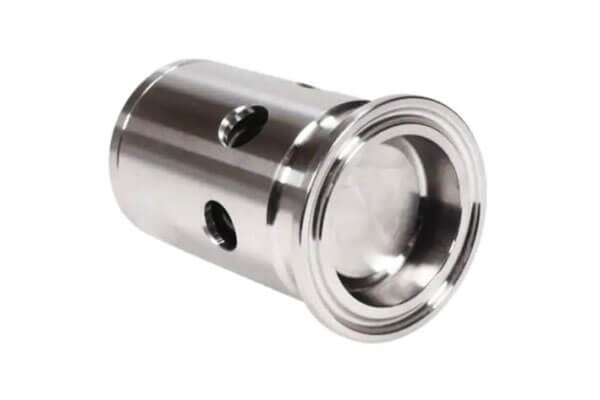
Zu den typischen Bearbeitungsvorgängen gehören::
CNC-Drehen → Fräsen → Bohren → Reiben → Schleifen → Polieren
Für Präzisionsbauteile, Maßtoleranzen von ±0,01 mm oder enger kann unter kontrollierten CNC-Bearbeitungsbedingungen erreichbar sein,
Die erreichbare Toleranz hängt jedoch von der Bauteilgeometrie ab, Maschinenfähigkeit, Werkstückhalterung, materieller Zustand, und thermische Stabilität und nicht allein auf die Edelstahlsorte.
Während der Bearbeitung, Übermäßige Schneidwärme kann zu Maßabweichungen führen. Dies ist besonders wichtig bei dünnwandigen Bauteilen und Präzisionsteilen mit engen Lagetoleranzen.
9. Oberflächenbeschaffenheit für ferritischen Edelstahl
Die Oberflächenveredelung spielt eine wichtige Rolle für die Korrosionsbeständigkeit, Aussehen, Reinigbarkeit, Verschleißverhalten, und Maßhaltigkeit ferritischer Edelstahlkomponenten.
| Oberflächenbeschaffenheit | Typische Merkmale | Typische Anwendungen |
| 2B | Kaltgewalzt, Hitze behandelt, eingelegt, und leicht hautverschwunden; glatt und relativ reflektierend | Geräte, allgemeine Industriekomponenten, Architekturpaneele |
| Ba | Hellgeglühte Oberfläche mit hohem Reflexionsvermögen und glattem Aussehen | Kfz -Trim, Geräte, Dekorative Komponenten |
| NEIN. 3 | Grobe, mechanisch polierte Oberfläche | Architektur- und Industriekomponenten |
| NEIN. 4 | Fein gebürstetes Finish, üblicherweise mit Schleifbändern hergestellt | Geräte, Architekturpaneele, Küchenausrüstung |
Haaransatz |
Bußgeld, durchgehende Richtungsmaserung | Dekorative Architektur- und Innenkomponenten |
| Hochglanzpoliert | Hochreflektierende Oberfläche durch progressives Polieren | Dekorative Komponenten und hochwertige architektonische Anwendungen |
| Elektropolisch | Elektrochemischer Abtrag von Oberflächenmaterial; glatte und saubere Oberfläche | Hygienisch, Präzision, und korrosionsempfindliche Anwendungen |
| Eingelegt und passiviert | Entfernt die Skala, Wärme tönt, und Oberflächenverschmutzung und stellt eine saubere passive Oberfläche wieder her | Geschweißte und korrosionsempfindliche Bauteile |
10. Anwendungen von ferritischem Edelstahl
Ferritischer Edelstahl wird häufig verwendet, wenn es um eine Kombination aus Korrosionsbeständigkeit geht, Oxidationsresistenz, Magnetes Verhalten, Wärmestabilität, Mäßige mechanische Stärke, und Kosteneffizienz ist gefragt.
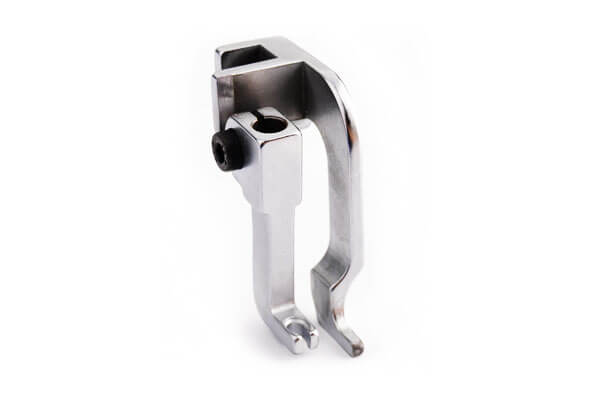
Kfz-Abgassysteme
Automobil Abgassysteme gehören zu den wichtigsten Anwendungen für ferritischen Edelstahl.
Noten wie 409, 439, Und 441 werden üblicherweise für Abgaskrümmer ausgewählt, Rohre, Katalysatorkomponenten, Schalldämpfer, und zugehörige hitzebeständige Teile.
Das Material muss standhalten:
- Wiederholte Temperaturwechsel
- Hohe Abgastemperaturen
- Oxidation
- Kondensatkorrosion
- Vibration und mechanische Ermüdung
Der relativ niedrige Wärmeausdehnungskoeffizient und die gute Beständigkeit gegen Hochtemperaturoxidation machen ferritische Sorten für diese Umgebung besonders geeignet.
Haushaltsgeräte
430 Edelstahl wird häufig in Geräten verwendet, da es Korrosionsbeständigkeit kombiniert, attraktives Aussehen, Magnetes Verhalten, Formbarkeit, und relativ geringe Kosten.
Typische Produkte sind z.B:
- Kühlschrankpaneele
- Komponenten für Geschirrspüler
- Ofen- und Herdkomponenten
- Küchenausrüstung
- Geräteverkleidung
- Komponenten für Waschmaschinen
Seine magnetische Beschaffenheit kann auch dort von Vorteil sein, wo eine magnetische Befestigung erforderlich ist.
Wärmetauscher und Warmwasserbereitungsgeräte
Stabilisierte ferritische Sorten wie z 439 Und 444 kann eine attraktive Kombination aus Korrosionsbeständigkeit und thermischer Leistung bieten.
Sie werden verwendet in:
- Komponenten des Wärmetauschers
- Warmwasserbereiter
- Warmwassersysteme
- Kühlwasserausrüstung
- Kondensatoren
- Wärmeverarbeitungsausrüstung
Die relativ hohe Wärmeleitfähigkeit und geringe Wärmeausdehnung von ferritischem Edelstahl können zur Verbesserung der thermischen Stabilität beitragen.
Architektonische und dekorative Komponenten
Ferritischer Edelstahl wird auch für architektonische Anwendungen verwendet, bei denen eine mäßige Korrosionsbeständigkeit und ein Erscheinungsbild der Oberfläche erforderlich sind.
Typische Anwendungen umfassen:
- Innenwandpaneele
- Aufzugstafeln
- Dekorative Trim
- Architekturverkleidung
- Möbelkomponenten
- Küchen- und Gewerbeinnenausstattung
Noten wie 430 kann für eine gute Ausgewogenheit der Oberflächenerscheinung sorgen, Formbarkeit, Korrosionsbeständigkeit, und Kosten.
Industrielle und chemische Ausrüstung
Ferritische Sorten mit höherem Chrom- und Molybdängehalt können in ausgewählten Industrieumgebungen verwendet werden, in denen eine verbesserte Korrosions- und Oxidationsbeständigkeit erforderlich ist.
Zum Beispiel, 444 kann für bestimmte Heißwasser- und chloridhaltige Umgebungen in Betracht gezogen werden, während Sorten mit hohem Chromgehalt wie z 446 eignen sich für hochtemperaturoxidationsbeständige Bauteile.
Jedoch, Ferritischer Edelstahl sollte nicht automatisch für hochaggressive chemische oder maritime Umgebungen ausgewählt werden.
Das genaue Medium, Temperatur, Chloridkonzentration, und Korrosionsmechanismus müssen vor der Materialauswahl bewertet werden.
11. Vergleichende Analyse: Ferritisch vs. Austenitisch vs. Martensitischer Edelstahl
Ferritisch, Austenitisch, und martensitische rostfreie Stähle stellen drei große metallurgische Familien rostfreier Stähle dar.
Ihre Unterschiede entstehen hauptsächlich aus Kristallstruktur, Legierungschemie, Phasenstabilität, und Reaktion auf die Wärmebehandlung, die wiederum die mechanischen Eigenschaften bestimmen, Korrosionsbeständigkeit, Schweißbarkeit, Magnetes Verhalten, und typische Anwendungen.
| Eigenschaft | Ferritischer Edelstahl | Austenitischer Edelstahl | Martensitischer Edelstahl |
| Typische Noten | 409, 430, 439, 441, 444 | 304, 304L, 316, 316L, 321, 310 | 410, 420, 440A, 440B, 440C |
| Typische Kristallstruktur bei Betriebstemperatur | BCC Ferrite | FCC Austenit | Martensitische BCT/BCC-Struktur Nach dem Härten |
| Typischer Cr-Gehalt | Etwa 10.5–30% | Etwa 16–26% | Etwa 11.5–18% |
| Typischer Ni-Gehalt | Allgemein sehr niedrig oder nicht vorhanden | Häufig 8–20 %+ | Allgemein niedrig, obwohl einige Qualitäten Ni enthalten |
| Kohlenstoffgehalt | Im Allgemeinen niedrig, insbesondere in modernen Klassen | Sehr niedrig bis mäßig; viele kohlenstoffarme Qualitäten verfügbar | Im Allgemeinen höher als ferritische und austenitische Sorten |
| Magnetisches Verhalten | Magnetisch | Allgemein im geglühten Zustand unmagnetisch; Kaltverformung kann einen gewissen Magnetismus hervorrufen | Magnetisch |
| Wärmebehandlung zum Härten | Allgemein nicht durch herkömmliches Abschrecken härtbar | Allgemein nicht durch herkömmliches Abschrecken härtbar | Kann durch Abschrecken und Anlassen gehärtet werden |
Kraftniveau |
Mäßig; kann durch Kaltumformung erhöht werden | Mäßig im geglühten Zustand; ausgezeichnete Kaltverfestigungsfähigkeit | Nach der Wärmebehandlung hoch bis sehr hoch |
| Härte | Im Allgemeinen moderat | Im Allgemeinen moderat | Mäßig bis sehr hoch, Abhängig von der Klassen- und Wärmebehandlung |
| Duktilität | Mäßig | Exzellent | Im Allgemeinen niedriger, insbesondere im gehärteten Zustand |
| Zähigkeit | Mäßig; Die Kältezähigkeit kann eingeschränkt sein | Exzellent, auch bei niedrigen Temperaturen | Mäßig; stark abhängig vom Kohlenstoffgehalt und der Wärmebehandlung |
| Korrosionsbeständigkeit | Gut bis sehr gut, abhängig vom Cr/Mo-Gehalt | Im Allgemeinen ausgezeichnet, insbesondere für 316/316L und höherlegierte Güten | Moderat bis gut; typischerweise niedriger als austenitische Sorten |
| Beständigkeit gegen Lochfraß/Spaltkorrosion | Gut geeignet für Sorten mit hohem Cr/Mo-Gehalt, z 444 | Sehr gut bis ausgezeichnet in Mo-haltigen Sorten wie 316L | Im Allgemeinen moderat |
Wärmeleitfähigkeit |
Relativ hoch für Edelstahl; typisch um 20–30 W/m·K | Untere; typisch um 14–16 W/m·K für gemeinsam 304/316 Noten | Im Allgemeinen in der Nähe 20–30 W/m·K, Abhängig von der Klasse |
| Wärmeausdehnungskoeffizient | Relativ niedrig; typisch um 10–11 × 10⁻⁶/K | Relativ hoch; typisch um 16–17 × 10⁻⁶/K. für 304/316 | Im Allgemeinen in der Nähe 10–11 × 10⁻⁶/K |
| Schweißbarkeit | Mäßig bis gut für Sorten mit niedrigem C-Wert/stabilisiert; Das Kornwachstum muss kontrolliert werden | Im Allgemeinen ausgezeichnet, insbesondere für 304L/316L | Im Allgemeinen begrenzt im Vergleich zu austenitischen Sorten; Möglicherweise ist eine Vorwärmung und Nachbehandlung erforderlich |
| Formbarkeit | Mäßig; Geeignet zum Biegen und für viele Umformvorgänge | Exzellent, insbesondere zum Tiefziehen und komplexen Umformen | Mäßiger bis schlechter Zustand im ausgehärteten Zustand |
| Verarbeitbarkeit | Mäßig; hängt stark von der Sorte und dem Kaltverfestigungsverhalten ab | Mäßig; Kaltverfestigung kann die Bearbeitungsschwierigkeit erhöhen | Im Allgemeinen gut für freibearbeitete oder geglühte Sorten geeignet, aber gehärtete Sorten sind schwer zu bearbeiten |
Härtung arbeiten |
Relativ begrenzt | Starke Kaltverfestigung, insbesondere in metastabilen Sorten | Begrenzt im Vergleich zu austenitischen Sorten |
| Leistung bei niedrigen Temperaturen | Begrenzt durch möglichen Übergang von duktil zu spröde | Hervorragende Tieftemperaturzähigkeit | Im Allgemeinen begrenzt im Vergleich zu austenitischen Sorten |
| Oxidationsbeständigkeit bei hohen Temperaturen | Gut, insbesondere bei Sorten mit hohem Cr-Gehalt | Je nach Cr/Ni-Gehalt gut bis ausgezeichnet | Moderat bis gut |
| Typische Fertigungswege | Rollen, Stempeln, Biegen, Schweißen, Herstellung | Rollen, Tiefes Zeichnen, Stempeln, Rohrproduktion, Schweißen | Walzen/Schmieden mit anschließender Wärmebehandlung, Bearbeitung, Schleifen |
| Typische Anwendungen | Kfz -Abgas, Geräte, Architekturpaneele, Wärmetauscher, Warmwasserbereiter | Chemische Verarbeitung, Lebensmittelausrüstung, Pharmazeutische Ausrüstung, Rohrleitungen, Druckbehälter, Architekturstrukturen | Messer, chirurgische Instrumente, Ventile, Pumps, Wellen, Turbinenkomponenten, Tragenresistente Teile |
Hauptvorteil |
Gute Korrosionsbeständigkeit bei niedrigen Legierungskosten, magnetische Reaktion, geringe Wärmeausdehnung | Hervorragende Korrosionsbeständigkeit, Duktilität, Zähigkeit, und Schweißbarkeit | Hohe Härte, Stärke, und Verschleißfestigkeit nach der Wärmebehandlung |
| Haupteinschränkung | Geringere Tieftemperaturzähigkeit und Umformbarkeit als austenitische Sorten | Höhere Legierungskosten, höhere Wärmeausdehnung, und im Allgemeinen nichtmagnetisches Verhalten | Niedrigere Korrosionsbeständigkeit, Schweißbarkeit, und Zähigkeit als die meisten austenitischen Sorten |
| Am besten geeignet für | Kostenempfindliche korrosionsbeständige Komponenten und thermisch stabile Anwendungen | Ätzend, geschweißt, hochgebildet, oder Niedertemperaturanwendungen | Hochfeste und verschleißfeste Bauteile, die einer Wärmebehandlung bedürfen |
12. Abschluss
Ferritischer Edelstahl ist eine wichtige Edelstahlfamilie, die kombiniert Korrosionsbeständigkeit, magnetische Eigenschaften, relativ geringe Wärmeausdehnung, Gute thermische Leitfähigkeit, und Kosteneffizienz.
Seine überwiegend ferritische BCC-Struktur verleiht ihm im Vergleich zu austenitischen und martensitischen Edelstählen ein besonderes Eigenschaftsprofil.
Key Takeaways
- Ferritischer Edelstahl ist durch a gekennzeichnet körperzentrierter Kubikum (BCC) Struktur, magnetisches Verhalten, Und geringer Nickelgehalt.
- Korrosionsbeständigkeit wird durch Chrom bereitgestellt (10.5–30%); Molybdän und Stabilisatoren (Von, NB) Leistung steigern.
- Noten reichen von Standardqualitäten (409, 430) bis hin zu hochchromhaltigen Güten (446) und stabilisierte Sorten (439, 441, 444).
- Schlüsseleigenschaften: Gute Korrosionsbeständigkeit, magnetisch, hohe thermische Leitfähigkeit, geringe Wärmeausdehnung, und gute Formbarkeit.
- Einschränkungen: Geringere Duktilität, DBTT, Begrenzte Schweißbarkeit, und Sensibilisierungsrisiko.
- Anwendungen: Kfz -Auspuff, Geräte, Architektur, Wärmetauscher, Lebensmittelverarbeitung, und chemische Verarbeitung.
- Vorteile: Kostengünstig, SCC-beständig, magnetisch, und recycelbar.
- Nachteile: Begrenzte Kältezähigkeit, Probleme mit der Schweißbarkeit, und geringere Korrosionsbeständigkeit als austenitische Sorten.
Für technische Anwendungen, Der richtige Ansatz besteht darin, die gesamte Serviceumgebung zu bewerten – einschließlich Temperatur, Korrosionseinwirkung, mechanische Belastung, Formgebungsanforderungen, Schweißbedingungen, Dimensionsanforderungen, und erwartete Lebensdauer.
Wenn diese Faktoren richtig berücksichtigt werden, Ferritischer Edelstahl kann eine äußerst effektive Leistungskombination bieten, Haltbarkeit, und produzierende Wirtschaft.
LangHe – Ihr vertrauenswürdiger Partner für Edelstahl-Präzisionsteile
Langhe Industrie ist ein hochspezialisierter Hersteller von Präzisionskomponenten aus Edelstahl, Lieferung hochwertiger kundenspezifischer Teile für Branchen von der Industrieausrüstung über die Automobilindustrie bis hin zur Luft- und Raumfahrt, medizinische Geräte, und Flüssigkeitshandhabungssysteme.
Mit jahrzehntelanger praktischer Erfahrung im Feinguss, Präzisions-CNC-Bearbeitung, und umfassende Oberflächenveredelung,
LangHe bietet eine integrierte Fertigungslösung, die darauf ausgelegt ist, die Komplexität der Lieferkette zu reduzieren und eine gleichbleibende Produktqualität sicherzustellen.
LangHe ist nicht nur ein Gusslieferant; Wir sind ein Full-Service-Engineering-Partner.
Von der DFM-Analyse über Rapid Prototyping bis hin zur Produktion, Wärmebehandlung, und Qualitätssicherung, Wir verwalten den gesamten Produktionslebenszyklus.
Unsere ISO 9001:2015 zertifizierte Einrichtung, eigene Werkzeugkapazitäten, und strenge Inspektionsprotokolle – einschließlich CMM, Ndt, und Drucktests – stellen Sie sicher, dass jede Komponente internationale Standards erfüllt oder übertrifft.
Kontaktieren Sie uns noch heute um Ihr nächstes Projekt zu besprechen und herauszufinden, wie LangHe Ihre Entwürfe präzise zum Leben erwecken kann, Qualität, und Effizienz.
FAQs
Ist ferritischer Edelstahl magnetisch?
Ja. Ferritische Edelstähle sind im Allgemeinen ferromagnetisch bei Raumtemperatur aufgrund ihrer ferritischen BCC-Struktur.
Diese Eigenschaft macht sie für Anwendungen geeignet, bei denen eine magnetische Reaktion erforderlich ist.
Ist ferritischer Edelstahl korrosionsbeständig?
Ja, Der Grad der Korrosionsbeständigkeit variiert jedoch erheblich zwischen den Sorten.
Grad 430 Bietet eine gute Beständigkeit in vielen atmosphärischen und leicht korrosiven Umgebungen,
während höherlegierte Sorten Molybdän enthalten, wie zum Beispiel 444, bieten eine deutlich bessere Beständigkeit gegen Lochfraß und chloridhaltige Umgebungen.
Ist ferritischer Edelstahl besser als austenitischer??
Nicht unbedingt; es kommt auf die Anwendung an.
Ferritische Sorten eignen sich besser für Anwendungen, die magnetische Eigenschaften erfordern, Gute thermische Leitfähigkeit, und Widerstand gegen Stresskorrosionsrisse (SCC). Sie sind auch kostengünstiger.
Austenitische Sorten bieten eine hervorragende Korrosionsbeständigkeit, bessere Formbarkeit, und höhere Zähigkeit bei niedrigen Temperaturen.
Was ist der Unterschied zwischen ferritischem und martensitischem Edelstahl??
Ferritischer Edelstahl ist durch Wärmebehandlung nicht härtbar und weist eine BCC-Struktur auf.
Martensitischer Edelstahl kann durch Wärmebehandlung gehärtet werden (Löschen und Temperieren) und hat ein körperzentriertes Tetragonal (BCT) Struktur. Martensitische Sorten haben einen höheren Kohlenstoffgehalt und eine höhere Härte.
Wie hoch ist die DBTT von ferritischem Edelstahl??
Ferritische Edelstähle weisen eine Übergangstemperatur von duktil zu spröde auf (DBTT) im Bereich von -50°C bis +20°C.
Unterhalb dieser Temperatur, Sie werden bei Stoßbelastung spröde und bruchanfällig. Dies schränkt ihren Einsatz in Niedertemperaturanwendungen ein.
Wie schneidet ferritischer Edelstahl im Vergleich zu Kohlenstoffstahl ab??
Ferritischer Edelstahl bietet aufgrund seines Chromgehalts eine deutlich bessere Korrosionsbeständigkeit als Kohlenstoffstahl. Es ist auch teurer.
Jedoch, Es hat einige Eigenschaften mit Kohlenstoffstahl gemeinsam, wie zum Beispiel, dass es magnetisch ist und eine BCC-Struktur aufweist.
Kann ferritischer Edelstahl gehärtet werden??
NEIN, Ferritischer Edelstahl kann nicht durch Wärmebehandlung gehärtet werden. Es kann nur durch Kaltumformung verstärkt werden (Härtung arbeiten).
Dies unterscheidet ihn von martensitischen Sorten, die durch Abschrecken und Anlassen gehärtet werden können.

