

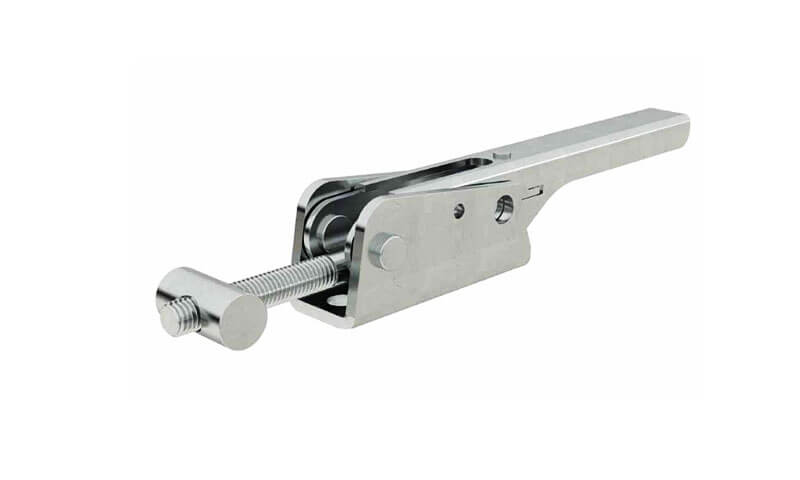
Blandt de fire hovedfamilier af rustfrit stål, martensitisk rustfrit stål indtager en unik og fornem position.
I modsætning til austenitiske karakterer, som ikke kan hærdes ved varmebehandling, eller ferritiske kvaliteter, som giver begrænset hærdbarhed, Martensitisk rustfrit stål kan hærdes ved varmebehandling - i stand til at opnå høj hårdhed, styrke, og slidstyrke gennem bratkøling og hærdning.
Denne kombination af korrosionsbestandighed og mekanisk ydeevne gør dem til det foretrukne materiale til applikationer, der kræver både holdbarhed og modstandsdygtighed over for aggressive miljøer.
Fra bestik og kirurgiske instrumenter til turbineblade og bilkomponenter, martensitisk rustfrit stål er uundværligt i utallige industrielle og forbrugeranvendelser.
1. Hvad er martensitisk rustfrit stål?
Martensitisk Rustfrit stål er en kategori af rustfrit stål, der kan udvikle en overvejende martensitisk mikrostruktur gennem varmebehandling.
Det er generelt klassificeret separat fra austenitisk, ferritisk, Duplex, og nedbørshærdende rustfrit stål, fordi dets primære forstærkningsmekanisme er baseret på omdannelsen af austenit til martensit under afkøling, efterfulgt af temperering for at opnå den nødvendige balance af mekaniske egenskaber.
I forenklede vendinger, fremstillings- og varmebehandlingssekvensen følger transformationen:
Udglødet struktur → Austenitisering → Slukning → Martensitisk struktur → Tempering → Afsluttende tekniske egenskaber
Processen starter med at opvarme stålet til en passende austenitizing temperatur, hvor mikrostrukturen omdannes til austenit og legeringselementer omfordeles efter sammensætning og termisk cyklus.
Komponenten afkøles derefter hurtigt nok til at undertrykke dannelsen af blødere ligevægtsstrukturer og fremme martensitisk transformation.
Den resulterende martensit er karakteriseret ved en stærkt anspændt krystalstruktur indeholdende overmættet kulstof.
Dette giver høj hårdhed og styrke, men friskkølet martensit kan også have begrænset sejhed og betydelig restbelastning.
Følgelig, martensitiske rustfri stålkomponenter er almindeligvis udsat for temperering, som reducerer skørhed og giver ingeniører mulighed for at skræddersy den endelige hårdhed og sejhed.
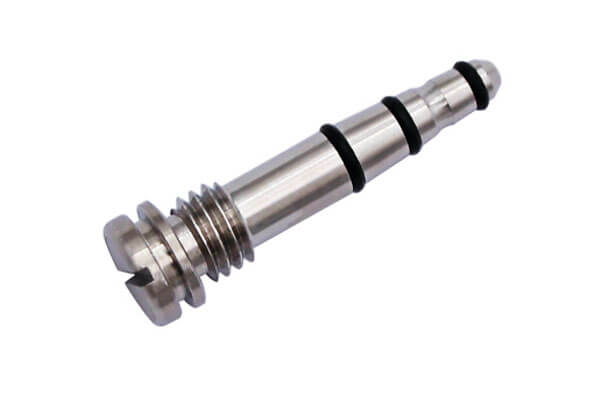
Den martensitiske forvandling
Den martensitiske transformation er en diffusionsfri, transformation af forskydningstypen, der opstår, når austenit (FCC) afkøles hurtigt under martensitstarttemperaturen (MS).
Transformationen er øjeblikkelig og involverer ikke diffusion af kulstofatomer - kulstof forbliver fanget i gitteret, skabe en overmættet solid løsning.
| Fase | Beskrivelse | Temperatur |
| Austenitiserende | Opvarmning til 950–1050°C for at danne austenit. | 950–1050°C |
| Slukning | Hurtig køling (olie, luft, eller vand) at omdanne austenit til martensit. | Nedenfor Frk |
| Temperering | Genopvarmning til 150–650°C for at lindre stress og justere egenskaber. | 150–650 ° C. |
2. Kemisk sammensætning af martensitisk rustfrit stål
Da martensitisk rustfrit stål dækker en bred familie af kvaliteter, intervallerne nedenfor er repræsentative industriintervaller snarere end krav til en enkelt kvalitet.
| Legeringselement | Typisk rækkevidde (WT%) | Primær funktion i martensitisk rustfrit stål |
| Krom (Cr) | 10.5–18,0% | Giver den grundlæggende korrosions- og oxidationsbestandighed af rustfrit stål og påvirker stærkt fasestabiliteten. |
| Kulstof (C) | 0.03–1,20% | Primært hærdende og forstærkende element i konventionelle martensitiske kvaliteter. |
| Nikkel (I) | 0–3,0% | Forbedrer sejhed, Hærdbarhed, og fasestabilitet i udvalgte kvaliteter. |
| Molybdæn (Mo) | 0–1,5 % | Forbedrer lokal korrosionsbestandighed og bidrager til hærdbarhed og ydeevne ved forhøjede temperaturer. |
| Mangan (Mn) | 0–1,5 % | Understøtter deoxidation og påvirker austenitstabilitet og hærdbarhed. |
Silicium (Og) |
0–1,0% | Virker primært som et deoxidationsmiddel under stålfremstilling og kan bidrage til oxidationsbestandighed. |
| Nitrogen (N) | 0–0,20% | Forstærkende og austenitstabiliserende element brugt i udvalgte moderne eller specialiserede kvaliteter. |
| Vanadium (V) | 0–1,0%* | Stærkt karbiddannende element, der hovedsageligt anvendes i specialiserede martensitiske stål med høj slid eller værktøjstype. |
| Niobium (Nb) | 0–1,0%* | Danner stabile karbider og kan forbedre metallurgisk stabilitet i udvalgte kvaliteter. |
Kulstof: Det primære hærdningselement
Kulstof har en særlig vigtig rolle i martensitisk rustfrit stål, fordi det kraftigt påvirker strukturen dannet under varmebehandling.
I udglødet stand, kulstof kan eksistere dels i fast opløsning og dels i karbidfaser, afhængig af karakter og termisk historie.
Under austenitisering og efterfølgende quenching, kulstof bidrager til dannelsen af hård martensit.
Som en generel ingeniørtrend:
- Lavere kulstofniveauer favoriserer forbedret sejhed og mere moderat hårdhed.
- Mellem kulstofniveauer give en balance mellem hårdhed og mekanisk styrke.
- Høje kulstofniveauer muliggør meget høj hårdhed og forbedret slidstyrke, men kan reducere sejheden og øge skørheden.
Dette er grunden til, at karakterer inden for den martensitiske familie kan have dramatisk forskellige anvendelser.
En relativt lav kulstofkvalitet kan bruges til ventiler, aksler, og strukturelle komponenter, mens en højkulstofkvalitet kan vælges til knive, Skæreværktøjer, og slidstærke præcisionsdele.
3. Vigtigste typer og kvaliteter af martensitisk rustfrit stål
Martensitisk rustfrit stål omfatter flere forskellige kvalitetsgrupper udviklet til at opfylde forskellige krav til hårdhed, styrke, Korrosionsmodstand, slidstyrke, bearbejdningsevne, sejhed, og rollebesætning.
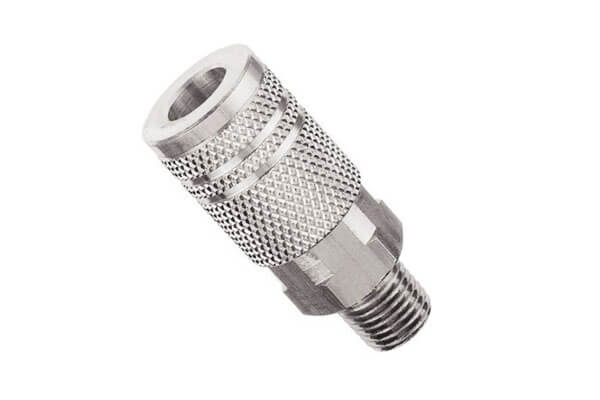
Standard martensitiske kvaliteter
Sammensætningsintervallerne nedenfor er repræsentative grænser, der almindeligvis er forbundet med de tilsvarende karakterbetegnelser.
Nøjagtige krav skal altid verificeres i forhold til den gældende ASTM, I, OS, Det er han, eller kundespecifikation.
| Grad | US Betegnelse | Omtrentlig sammensætning | Typiske applikationer |
| 410 | S41000 | Cr: 11.5–13,5 %; C: ≤0,15 % | Ventiler, pumpekomponenter, aksler, Fastgørelsesmidler, Turbindele, og generelle industrielle komponenter. |
| 420 | S42000* | Cr: 12–14%; C: 0.15–0,40 % | Bestik, Kirurgiske instrumenter, klinger, Forme, og slidbestandige komponenter. |
| 420J2 | Almindeligvis forbundet med S42000-familieækvivalenter** | Cr: 12–14%; C: 0.26–0,40 % | Knive, saks, saks, forbrugerbestik, og skærende værktøjer til generelle formål. |
| 431 | S43100 | Cr: 15–17 %; I: 1.25–2,50 %; C: ≤0,20 % | Pumpeaksler, marine aksler, Ventilkomponenter, Luftfartøjer, og højstyrke mekaniske dele. |
440EN |
S44002 | Cr: 16–18%; C: 0.60–0,75 % | Bestik, Ventilkomponenter, Lejer, Medicinske instrumenter, og slidbestandige dele. |
| 440B | S44003 | Cr: 16–18%; C: 0.75–0,95 % | Skæreværktøjer, præcisionsinstrumenter, Lejer, og bære komponenter. |
| 440C | S44004 | Cr: 16–18%; C: 0.95–1,20% | Højtydende lejer, præcisionsslidkomponenter, premium bestik, ventil dele, og kirurgiske instrumenter. |
| 416 | S41600 | Cr: 12–14%; C: ≤0,15 %; S: 0.15–0,35 % | Præcisionsbearbejdede beslag, aksler, skruer, Ventilkomponenter, Fastgørelsesmidler, og automatiske-skrue-maskine dele. |
Støbte martensitiske karakterer
ASTM-støbebetegnelsessystemet identificerer flere vigtige martensitiske rustfri stålkvaliteter.
| ASTM Cast Grade | US Betegnelse | Omtrentlig sammensætning | Typiske applikationer |
| CA-15 | J91150 | Cr: tilnærmelsesvis 11.5–14,0%; C: typisk ≤0,15 % | Ventilhuse og trim, pumpekomponenter, Turbindele, hydraulisk udstyr, og industrielle maskiner. |
| CA-40 | J91151 | Cr: tilnærmelsesvis 11.5–14,0%; C: typisk op til 0.40% | Slidbestandige ventildele, Industrielle maskiner, komponenter til dampservice, og mekaniske dele. |
CA-6NM |
J91540 | Cr: tilnærmelsesvis 11.5–14,0%; I: tilnærmelsesvis 3.5–4,5 %; Mo: tilnærmelsesvis 0.4–1,0%; C: ≤0,06% | Hydrauliske turbiner, hydroelektrisk udstyr, store pumpehjul, Pumpehus, og vandhåndteringskomponenter. |
| CB-7Cu-1 | J92180 | Cr: tilnærmelsesvis 14–16 %; I: tilnærmelsesvis 4–6%; Cu: tilnærmelsesvis 2.5–4,0%; C: ≤0,07 % | Luftfartskomponenter, højstyrke støbegods, pumper, ventiler, og krævende industrielt udstyr. |
4. Varmebehandling af martensitisk rustfrit stål
Varmebehandling er et af de definerende aspekter af martensitisk rustfrit stål.
I modsætning til austenitisk rustfrit stål, som generelt ikke kan styrkes væsentligt ved konventionel bratkøling og temperering,
martensitiske kvaliteter er specielt designet til at udvikle forskellige kombinationer af hårdhed, styrke, sejhed, slidstyrke, og dimensionel stabilitet gennem kontrolleret termisk behandling.
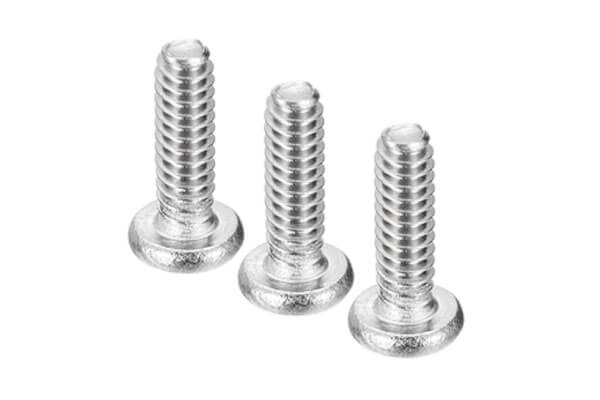
Udglødning
Udglødning bruges almindeligvis til at blødgøre martensitisk rustfrit stål før bearbejdning, dannelse, eller efterfølgende varmebehandling.
Afhængig af karakter og specifikation, stålet opvarmes til et passende temperaturområde og afkøles under kontrollerede forhold for at producere en blødere og mere bearbejdelig mikrostruktur.
De primære formål med udglødning omfatter:
- Reducerer hårdhed
- Lindring af indre stress
- Forbedring af bearbejdelighed
- Forbedring af dimensionsstabilitet
- Producerer en mere ensartet mikrostruktur før endelig hærdning
Til mange komponenter, grovbearbejdning udføres i udglødet tilstand, fordi fuldt hærdet martensitisk rustfrit stål kan være vanskeligt og dyrt at bearbejde.
Komponenten varmebehandles efterfølgende og færdigbearbejdes eller slibes for at opnå de nødvendige slutmål.
Austenitizing
Austenitisering er det stadie, hvor stålet opvarmes til dannelse af austenit før bratkøling. Den nødvendige temperatur afhænger stærkt af karakteren.
Til almindelige martensitiske rustfrit stål, typiske austenitiseringstemperaturer kan falde ca. inden for følgende områder:
| Klasse Familie | Typisk Austenitizing Range* | Primært mål |
| 410 / martensitiske kvaliteter med lavt kulstofindhold | Tilnærmelsesvis 925–1.010°C | Udvikl en austenitisk struktur, der er egnet til efterfølgende hærdning. |
| 420 / medium kulstofkvaliteter | Tilnærmelsesvis 980–1.065°C | Opløs en passende mængde kulstof og legeringselementer før bratkøling. |
| 440-serier med høj kulstofkvalitet | Tilnærmelsesvis 1,010–1,120 ° C. | Udvikl høj hårdhedspotentiale, mens du kontrollerer karbidopløsning og kornvækst. |
| 431 og nikkelholdige kvaliteter | Tilnærmelsesvis 980–1.070°C | Udvikl en passende balance af hærdbarhed, styrke, og sejhed. |
* Disse intervaller er kun repræsentative. Faktiske varmebehandlingstemperaturer og holdetider bør vælges i henhold til den gældende materialespecifikation, Sektionsstørrelse, ovnforhold, og nødvendige endelige egenskaber.
Austenitisering skal kontrolleres omhyggeligt. Hvis temperaturen er for lav, utilstrækkelig omdannelse eller karbidopløsning kan begrænse den opnåelige hårdhed.
For høje temperaturer eller for lange holdetider kan fremme kornvækst og øge mængden af tilbageholdt austenit, potentielt reducerer sejhed og dimensionsstabilitet.
Slukning
Efter austenitisering, komponenten afkøles med en hastighed, der er tilstrækkelig til at fremme omdannelsen af austenit til martensit.
Afhængig af karakter og komponentgeometri, quenching kan involvere:
- Luftkøling
- Olieslukning
- Polymer quenching
- Trykgasslukning
- Andre kontrollerede kølemetoder
Valget af bratkølemiddel er en balance mellem at opnå tilstrækkelig køling til hærdning og minimering af termisk stress.
Temperering
Friskkølet martensit kan have meget høj hårdhed, men også høj indre belastning og begrænset sejhed.
Tempering er derfor et væsentligt trin for de fleste tekniske applikationer.
Under temperering, stålet genopvarmes til en kontrolleret temperatur under austenitiseringsområdet og holdes i en passende periode.
Processen tillader den martensitiske struktur at stabilisere og reducerer resterende spændinger, mens balancen mellem hårdhed og sejhed justeres.
Generelt:
- Lavere tempereringstemperaturer har tendens til at bevare højere hårdhed og slidstyrke.
- Højere tempereringstemperaturer generelt reducere hårdheden og samtidig forbedre sejheden og stressstabiliteten.
Det præcise forhold er karakterafhængigt. Nogle martensitiske rustfrit stål kan også udvise uønsket skørhed eller ændringer i korrosionsadfærd inden for bestemte hærdningsområder.
Derfor, anløbstemperatur bør vælges i overensstemmelse med den relevante karakterspecifikation og krævede serviceegenskaber i stedet for udelukkende baseret på et generelt hårdhedsmål.
Dobbelt temperering og dimensionsstabilisering
Højkulstof og højtydende martensitisk rustfrit stål kan kræve flere tempereringscyklusser at forbedre strukturel stabilitet og reducere tilbageholdt austeniteffekter.
Dobbelt temperering kan give flere fordele:
- Forbedret dimensionsstabilitet
- Mere ensartede mekaniske egenskaber
- Reduceret resterende stress
- Stabilisering af transformeret tilbageholdt austenit
- Forbedret balance mellem hårdhed og sejhed
I præcisionsapplikationer, yderligere stabiliseringsbehandlinger kan anvendes før endelig slibning eller efterbehandling.
Dette er især vigtigt for lejer, Skæreværktøjer, præcisionsventilkomponenter, og andre dele, hvor små dimensionsændringer kan påvirke den funktionelle ydeevne.
5. Typiske mekaniske egenskaber af martensitisk rustfrit stål
Følgende værdier giver repræsentative tekniske intervaller for almindeligt anvendte martensitiske rustfrie stål.
Faktiske egenskaber varierer alt efter produktform, Sektionstykkelse, Varmebehandling, tempereringstilstand, og gældende standard.
| Grad | Typisk tilstand | Udbyttestyrke, RP0.2 (MPA) | Trækstyrke, Rm (MPA) | Forlængelse A (%) | Hårdhed |
| 410 | Hærdet & tempereret | 550–1.000 | 700–1.200 | 10–20 | Ca.. 25–45 HRC |
| 416 | Hærdet & tempereret | 550–1.000 | 700–1.200 | 10–20 | Ca.. 25–45 HRC |
| 420 | Hærdet & tempereret | 700–1.300 | 900–1.600 | 8–18 | Ca.. 45–55 HRC |
| 431 | Hærdet & tempereret | 700–1.000 | 900–1.200 | 10–20 | Ca.. 28–45 HRC |
| 440EN | Hærdet & tempereret | 1,000–1.500 | 1,500–1.900 | 5–12 | Ca.. 54–58 HRC |
| 440B | Hærdet & tempereret | 1,100–1.500 | 1,600–1.950 | 4–10 | Ca.. 56–59 HRC |
| 440C | Hærdet & tempereret | 1,200–1.600 | 1,800–2.000+ | 2–8 | Ca.. 56–60 HRC |
| CA-15 | Rollebesætning, varmebehandlet | ≥450 | ≥620 | ≥18 | Typisk ~180-230 HB |
6. Karakteristika for martensitisk stål
Korrosionsmodstand
Som alle rustfrie stål, martensitiske kvaliteter udleder korrosionsbeskyttelse fra en tynd, selvhelbredende chromoxid passiv film.
Imidlertid, deres præstationer ligger under austenitiske karakterer:
- De giver god modstand mod landlige og lette byatmosfærer, neutralt ferskvand, milde organiske syrer og de fleste fødevaremiljøer.
- Deres lavere chromindhold (12–14 % for standardkarakterer) og kromkarbidudfældning resulterer i dårligere pitting-modstand og generel korrosionsbestandighed sammenlignet med 18/8 austenitiske stål.
- De er uegnede til langvarig udsættelse for havvand, stærke mineralsyrer, højkloridopløsninger eller tung industriatmosfære.
- Højere kromkvaliteter såsom 440C giver bedre korrosionsydelse end lavere krom 410 og 420, trods højere kulstofindhold.
Magnetiske egenskaber
Martensitisk rustfrit stål er stærkt magnetisk under alle varmebehandlingsforhold.
Dette er en direkte konsekvens af deres kropscentrerede tetragonale krystalstruktur, som understøtter spontan magnetisk bestilling fra uparrede elektronspin.
En almindelig misforståelse er, at magnetisk respons indikerer rustfrit stål af lav kvalitet.
I virkeligheden, magnetisme er en strukturel egenskab, ikke en kvalitetsindikator: alle martensitiske og ferritiske rustfrit stål er naturligt magnetiske, inklusive højtydende kvaliteter som 440C.
Slidstyrke og hårdhed
Fremragende slidstyrke er flagskibsfordelen ved martensitiske kvaliteter med højt kulstofindhold.
Når hærdet til 55+ HRC, de udkonkurrerer austenitisk og ferritisk rustfrit stål med en faktor 5-10 i både slibende og klæbende slidapplikationer.
Kombinationen af hård martensitisk matrix og dispergerede chromcarbidpartikler skaber et materiale, der bevarer sin form og overfladefinish under gentagen glidende kontakt.
Dette gør martensitisk rustfrit til den eneste levedygtige rustfri stålmulighed til skærekanter, lejeflader og glidende kontaktkomponenter.
Svejsbarhed af martensitisk rustfrit stål
Svejsbarhed anses generelt for at være den væsentligste bearbejdningsbegrænsning for martensitiske rustfrie stål:
- Den høje hærdbarhed af legeringen betyder, at svejsemetal og varmepåvirkede zoner hærder hurtigt ved afkøling, skabe høj resterende trækspænding og høj risiko for kold revner.
- Standard svejseprocedurer kræver forvarmning til 200–300°C, kontrolleret interpass-temperatur og obligatorisk anløbning efter svejsning umiddelbart efter svejsning for at forhindre fejl.
- Kulstoffattig kvalitet 410 har den bedste svejsbarhed i familien; 440C med højt kulstofindhold anbefales generelt ikke til smeltesvejsning.
- Til kritiske applikationer, matchende martensitiske fyldmetaller eller austenitiske 309/310 fyldstoffer bruges til at reducere risikoen for revner.
Bearbejdelighed og formbarhed
- Bearbejdningsevne varierer stærkt med hårdhed. I fuldt udglødet stand, martensitisk rustfrit stål har god bearbejdelighed, generelt bedre end austenitisk 304 på grund af en lavere hærdningsgrad.
I hærdet tilstand, bearbejdeligheden er meget dårlig; Næsten al færdigbearbejdning skal afsluttes i blød udglødet tilstand før hærdning.
Fribearbejdningsgrad 416 tilbyder væsentligt forbedret spånbrydning og værktøjslevetid til højvolumen skruemaskineproduktion. - Formbarhed er moderat i udglødet tilstand, velegnet til bøjning, rulleformning og overfladiske trækoperationer.
Martensitiske kvaliteter kan ikke matche den dybe trækevne af austenitiske stål, og koldformning skal altid udføres før hærdning.
7. Fremstillingsprocesser for Martensitiske rustfrit stålkomponenter
Martensitisk rustfrit stål kan forarbejdes gennem en bred vifte af fremstillingsruter, inklusive CNC -bearbejdning, Investeringsstøbning, sandstøbning, smedning, og pulvermetallurgi.
Den passende proces afhænger af komponentens geometri, Dimensionelle krav, Produktionsvolumen, krav til mekaniske egenskaber, materialeudnyttelse, og om komponenten vil gennemgå efterfølgende hærdning og temperering.
CNC -bearbejdning
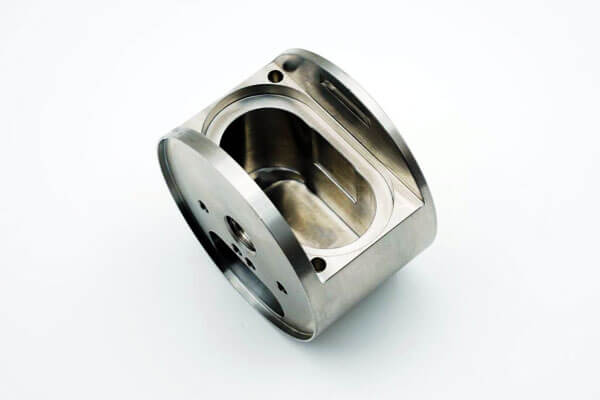
CNC -bearbejdning er en subtraktiv fremstillingsproces, hvor martensitisk rustfrit stål fjernes fra baren, plade, smedning, eller andet halvfabrikat ved hjælp af computerstyret skæreværktøj.
Fælles operationer omfatter dreje, fræsning, boring, Tråd, kedelig, slibning, og flerakset bearbejdning.
Martensitisk rustfrit stål bearbejdes ofte i udglødet eller blødgjort tilstand før den endelige hærdning.
Grov bearbejdning kan derefter efterfølges af bratkøling og temperering, med finishbearbejdning eller slibning, der bruges til at opnå de endelige dimensions- og overfladekrav.
Investeringsstøbning
Investeringsstøbning, også kendt som Lost-Wax casting, producerer martensitiske rustfri stålkomponenter ved at skabe et detaljeret voksmønster, danner en keramisk skal rundt om mønsteret, fjernelse af voksen, og hældning af smeltet rustfrit stål i det resulterende hulrum.
Processen er især nyttig for komponenter med Komplekse geometrier, Tynde sektioner, interne passager, integrerede chefer, og svære at bearbejde profiler.
Sandstøbning
Sandstøbning bruger en sandform til at danne hulrummet, hvori smeltet martensitisk rustfrit stål hældes.
Sammenlignet med investeringsstøbning, sandstøbning giver større fleksibilitet til større komponenter og relativt enkle eller moderat komplekse geometrier.
Det er meget brugt til industrielle komponenter, hvor strukturel integritet, komponent størrelse, og fremstillingsøkonomi er vigtigere end ekstremt fine overfladedetaljer.
Smedning
Smedning danner martensitisk rustfrit stål gennem kontrolleret plastisk deformation, normalt ved forhøjet temperatur.
Materialet komprimeres mellem matricer eller andet værktøj for at producere den nødvendige geometri.
Smedning kan generere en raffineret og retningsbestemt mikrostruktur, samtidig med at den indre porøsitet reduceres og den strukturelle integritet forbedres.
Det vælges derfor ofte til komponenter, der udsættes for høje mekaniske belastninger, påvirkning, tryk, eller cykliske belastninger.
Typiske smedede komponenter omfatter aksler, Ventil stængler, Pumpeaksler, Fastgørelsesmidler, Fittings, og højstyrke mekaniske komponenter.
Pulver metallurgi
Pulver metallurgi producerer martensitiske kvaliteter med højt kulstofindhold såsom 440C med ekstremt ensartet karbidfordeling og finkornet struktur, udkonkurrerende smedemateriale i slidstyrke og dimensionsstabilitet.
Processen er ideel til små, komplekse højslidkomponenter, hvor konventionel bearbejdning ville være uoverkommeligt dyr.
8. Overfladebehandling og overfladeteknik
Martensitiske rustfrie stål er kompatible med en lang række overfladebehandlinger og tekniske behandlinger for at forbedre udseendet, korrosionsbestandighed og slidstyrke:
- Møllefinish: Standard som rullet eller smedet overflade til industrielle konstruktionsdele
- Mekanisk polering / Spejl finish: Kulstofkvaliteter kan poleres til spejloverflader af optisk kvalitet, hvilket gør dem til standarden for kirurgiske instrumenter og high-end bestik
- Børstet / satin finish: Retningsbestemt tekstureret finish til håndværktøj og dekorativt hardware
- Passivering: Kemisk behandling for at fjerne frit jern og forstærke det passive oxidlag, Forbedring af korrosionsbestandighed
- Elektropolering: Ultra-glat, korrosionsbestandig overfladefinish til medicinske komponenter og komponenter i kontakt med fødevarer
- Hårde belægninger: DLC, TiN- og kromcarbidbelægninger øger overfladens hårdhed og reducerer friktionen yderligere til lejer og skæreanvendelser med hårdt slid
9. Anvendelser af martensitisk rustfrit stål
Martensitisk rustfrit stål er meget udbredt, hvor en komponent kræver en kombination af høj styrke, hårdhed, slidstyrke, Moderat korrosionsbestandighed, og dimensionel stabilitet.
Ventiler og væskekontroludstyr
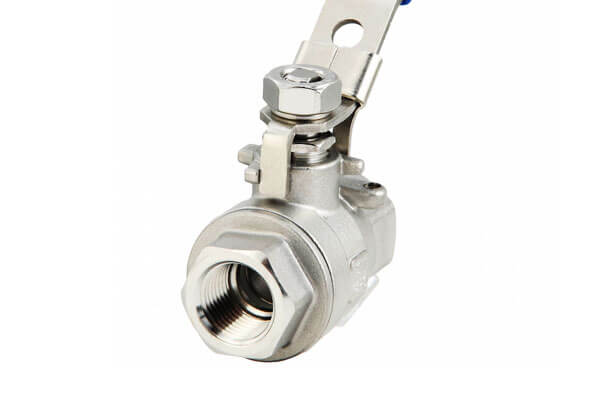
Martensitisk rustfrit stål er meget brugt til Ventil stængler, ventil trim, sæder, aksler, og andre interne komponenter.
Dens høje hårdhed hjælper med at modstå erosion, slid, og gentagen mekanisk kontakt, mens dens korrosionsbestandighed giver beskyttelse i mange vand, damp, og industri-flydende miljøer.
Typiske komponenter omfatter:
- Ventil stængler
- Ventilkugler og trim
- Sæder
- Pumpeaksler
- Skader
- Bøsninger
- Bær ringe
Bestik og skæreværktøj
Martensitiske kvaliteter med højt kulstofindhold er særligt vigtige i knive og skæreapplikationer.
420 bruges i vid udstrækning til klinger til generelle formål, mens 440EN, 440B, og 440°C kan give højere hårdhed og slidstyrke.
De vigtigste fordele er:
- Høj kantfastholdelse
- Høj hårdhed
- Modstand mod deformation
- God slidstyrke
- Rimelig korrosionsbestandighed sammenlignet med konventionelt kulstofværktøjsstål
Lejer og præcisionsslidkomponenter
Martensitisk rustfrit stål med højt kulstofindhold, især 440C, bruges til korrosionsbestandige lejekomponenter.
Typiske applikationer inkluderer:
- Lejekugler
- Lejeløb
- Præcisionsruller
- Bøsninger
- Bær ringe
- Instrument lejer
Medicinske og kirurgiske instrumenter
Martensitisk rustfrit stål er meget udbredt i kirurgiske instrumenter, fordi de kan kombineres hårdhed, kantfastholdelse, styrke, Korrosionsmodstand, og steriliseringsevne.
Ansøgninger inkluderer:
- Kirurgisk saks
- Kirurgiske klinger
- Pincet
- Klemmer
- Dental instrumenter
- Skæreinstrumenter
Automotive komponenter
Martensitisk rustfrit stål kan bruges i bilkomponenter udsat for mekaniske belastninger, varme, slid, og korrosive miljøer.
Ansøgninger inkluderer:
- Aksler
- Ventilkomponenter
- Pumpekomponenter
- Fastgørelsesmidler
- Udstødningsrelaterede komponenter
- Mekaniske aktuatorer
- Slidbestandige komponenter
Luftfarts- og turbinekomponenter
Udvalgte martensitiske rustfrie ståltyper anvendes i rumfarts- og energiudstyr, hvor der kræves høj styrke og dimensionsstabilitet.
Ansøgninger kan bl.a:
- Turbinekomponenter
- Aksler
- Fastgørelsesmidler
- Pumpekomponenter
- Aktiveringskomponenter
- Højstyrke mekaniske dele
Energi, Pumpe, og vandkraftudstyr
Martensitisk rustfrit stål er også vigtigt i udstyr til energiproduktion og vandhåndtering.
Den støbte karakter CA-6NM, f.eks, er et martensitisk rustfrit stål med lavt kulstofindhold, der indeholder nikkel og molybdæn og er bredt forbundet med hydrauliske turbineløbere, pumpekomponenter, og udstyr til vandhåndtering.
10. Fordele og begrænsninger ved martensitisk rustfrit stål
Martensitisk rustfrit stål adskiller sig fra andre rustfrit stålfamilier ved dets evne til at udvikle høj styrke og hårdhed gennem bratkøling og temperering.
Dette gør den særdeles velegnet til komponenter, der er udsat for slid, mekanisk belastning, skære, påvirkning, og gentagen kontakt.
Imidlertid, de samme metallurgiske egenskaber, der giver høj hårdhed, kan reducere duktiliteten, sejhed, Korrosionsmodstand, og svejsbarhed.
Centrale fordele
- Den eneste familie af rustfrit stål, der kan hærdes ved varmebehandling, med indstillelig hårdhed fra 20 HRC til 62 HRC
- Fremragende slidstyrke og overfladehårdhed, 5-10 gange bedre end austenitisk rustfrit stål
- 2–3 gange højere styrke end standard austenitiske kvaliteter i hærdet tilstand
- Moderat korrosionsbestandighed, væsentligt bedre end almindeligt kulstofstål
- Naturlig magnetisk, velegnet til magnetiske komponentapplikationer
- Fremragende polerbarhed til højglans spejlfinish
- Lavere omkostninger end højlegeret austenitisk og dupleks rustfrit stål til tilsvarende styrkeniveauer
Iboende begrænsninger
- Lavere generel og grubetæringsbestandighed sammenlignet med 304/316 Austenitiske kvaliteter; uegnet til miljøer med højt chloridindhold og stærkt sure
- Dårlig svejsbarhed kræver forvarmning og eftersvejsning for at undgå revner
- Kræver varmebehandling for at opnå optimale egenskaber, tilføjelse af behandlingsomkostninger og leveringstid
- Lavere duktilitet og sejhed end austenitisk rustfrit stål i hærdet tilstand
- Modtagelig over for tempereret skørhed i specifikke temperaturområder
- Begrænset dybtræknings- og koldformningsevne
11. Martensitisk vs. Austenitisk vs. Ferritisk rustfrit stål
De tre store familier af rustfrit stål adskiller sig primært i mikrostruktur, varmebehandlingsrespons, styrke, Korrosionsmodstand, Duktilitet, Magnetisk opførsel, og svejsbarhed.
Følgende tabel fokuserer på de tekniske egenskaber, der er mest relevante for materialevalg.
| Ejendom | Martensitisk rustfrit stål | Austenitisk rustfrit stål | Ferritisk rustfrit stål |
| Typiske kvaliteter | 410, 420, 431, 440A/440C | 304, 304L, 316, 316L, 321 | 409, 430, 439, 441, 444 |
| Krystalstruktur | BCT martensit efter hærdning | FCC Austenite | BCC Ferrit |
| Typisk Cr-indhold | ~11,5-18 vægt% | ~16-26 vægt% | ~10,5-30 vægt% |
| Varmebehandling hærdning | Fremragende; slukket og hærdet | Ikke hærdeligt ved konventionel bratkøling | Ikke hærdeligt ved konventionel bratkøling |
| Styrke | Høj til meget høj | Moderat; højere styrke opnås ved koldbearbejdning | Moderat |
| Hårdhed | Høj, typisk ~20–60+ HRC afhængig af kvalitet og tilstand | Generelt lavere i udglødet tilstand | Generelt moderat |
| Duktilitet & Sejhed | Moderat til lav, når meget hærdet | Fremragende | Moderat |
| Korrosionsmodstand | Moderat til godt | Fremragende til meget god | God til mange atmosfæriske miljøer |
| Slidstyrke | Fremragende, når den er hærdet | Moderat | Moderat |
| Magnetiske egenskaber | Magnetisk | Generelt ikke-magnetisk ved udglødning | Magnetisk |
| Svejsbarhed | Moderat til fattige; varmebehandlingskontrol kan være påkrævet | Fremragende, særligt kulstoffattige kvaliteter | God til moderat |
| Formbarhed | Moderat; begrænset alvorlig dannelse | Fremragende, herunder dybtegning | God til moderat |
Bearbejdningsevne |
God, når den er udglødet; svært efter hærdning | Moderat; arbejdshærdning kan komplicere bearbejdning | Generelt god til moderat |
| Lav temperatur ydeevne | Karakterafhængig; høje kulstofkvaliteter kan have begrænset sejhed | Fremragende | Mere begrænset på grund af den duktile-til-skøre overgang |
| Typiske applikationer | Knive, aksler, ventiler, pumper, Lejer, Kirurgiske instrumenter, Bær dele | Kemisk udstyr, Fødevarebehandlingsudstyr, Trykfartøjer, rør, Arkitektoniske komponenter | Automotive udstødningssystemer, apparater, Arkitektoniske paneler, Varmevekslere |
| Hovedfordel | Høj styrke, hårdhed, og slidstyrke | Overlegen korrosionsbestandighed, Duktilitet, sejhed, og svejsbarhed | God korrosionsmodstand, lav termisk udvidelse, Magnetiske egenskaber, og omkostningseffektivitet |
| Hovedbegrænsning | Lavere korrosionsbestandighed og svejsbarhed | Lavere hårdhed i udglødet tilstand; Ni-holdige kvaliteter kan være dyrere | Lavere sejhed og formbarhed end austenitiske kvaliteter |
12. Custom Martensitic rustfrit stål dele fra LangHe
Langhe leverer skræddersyede fremstillingsløsninger til martensitiske komponenter i rustfrit stål, kombinere materialevalg, præcisionsstøbning, CNC -bearbejdning, Varmebehandling, og overfladebehandling for at producere komponenter, der er skræddersyet til specifikke mekaniske og dimensionelle krav.
| Evne | Detaljer |
| Martensitisk rustfrit stål | 410, 420, 431, 440EN, 440B, 440C og udvalgte støbte martensitiske kvaliteter |
| Fremstillingsprocesser | Investeringsstøbning, sandstøbning, CNC drejer, CNC fræsning, boring, slibning og relaterede sekundære operationer |
| Varmebehandling | Udglødning, Hærdning, bratkøling og temperering i henhold til kvalitet og krævede mekaniske egenskaber |
| Bearbejdning | CNC drejer, fræsning, boring, Tråd, kedelig, slibning og præcision efterbehandling |
Overfladebehandling |
Polering, slibning, passivering og udvalgte funktionelle overfladebehandlinger |
| Komponenttyper | Ventilkomponenter, pumpe dele, aksler, bøsninger, sliddele, mekaniske beslag, værktøj og præcisionsindustrielle dele |
| Kvalitetskontrol | ISO 9001:2015 certificeret; 100% NDT og dimensionsinspektion. |
| Tilpasning | Produktion efter kundetegninger, 3D CAD -modeller, Specifikationer, prøver eller anvendelseskrav |
13. Konklusion
Martensitisk rustfrit stål indtager en unik og uerstattelig position i den rustfrie stålfamilie.
Som det eneste rustfri stål, der kan hærdes ved varmebehandling for at opnå høj styrke og fremragende slidstyrke, det udfylder det kritiske ydeevnegab mellem almindeligt kulstofværktøjsstål og korrosionsbestandigt austenitisk rustfrit stål.
Dens korrosionsbestandighed er lavere end 304 og 316 Austenitiske kvaliteter, men det leverer styrke og slidstyrke, som ingen austenitisk eller ferritisk kvalitet kan matche.
Fra hverdagsbestik til præcisionskirurgiske instrumenter, fra industrielle ventiler til kraftproduktion turbine vinger, martensitisk rustfrit stål leverer målrettet ydeevne, hvor moderat korrosionsbestandighed skal kombineres med høj styrke og slidstyrke.
Som legeringsdesign og varmebehandlingsteknologi fortsætter med at udvikle sig, ny hærdet, høj renhed og nedbørshærdede martensitiske kvaliteter vil fortsætte med at udvide materialefamiliens anvendelsesområde, styrker dets status som en væsentlig gren af det globale økosystem af rustfrit stål.
FAQS
Hvad er forskellen mellem martensitisk og austenitisk rustfrit stål?
Martensitisk rustfrit stål kan hærdes ved varmebehandling, Magnetisk, og har moderat korrosionsbestandighed.
Austenitisk rustfrit stål kan ikke hærdes ved varmebehandling, ikke -magnetisk, og har fremragende korrosionsbestandighed.
Martensitiske kvaliteter bruges til bestik, ventiler, og lejer; austenitiske kvaliteter bruges til kemikalier, mad, og marine applikationer.
Kan svejses martensitisk rustfrit stål?
Ja, men med omhu. Forvarmning og varmebehandling efter svejsning er påkrævet for at forhindre revner og genoprette mekaniske egenskaber.
Er martensitisk rustfrit stål magnetisk?
Ja. Alt martensitisk rustfrit stål er ferromagnetisk (stærkt tiltrukket af magneter).
Ruster martensitisk rustfrit stål?
Martensitisk rustfrit stål kan plette og korrodere under aggressive forhold.
Det modstår rust i normale atmosfæriske og ferskvandsmiljøer, men vil udvikle overfladefarvning og pitting i højt saltindhold, stærkt syreholdige eller tunge industrielle omgivelser.
Det er ikke egnet til langvarig nedsænkning i havvand eller kontinuerlig eksponering for klorid.
Kan martensitisk rustfrit stål varmebehandles?
Ja. Varmebehandling er en af de definerende egenskaber ved denne rustfri stålfamilie.
Afhængig af karakteren, hærdning efterfulgt af anløbning kan øge hårdheden væsentligt, Trækstyrke, og slidstyrke.
Hvilket martensitisk rustfrit stål er det hårdeste?
Blandt almindelige martensitiske rustfrit stål, 440C er en af de højeste kulstofkvaliteter og kan opnå meget høj hårdhed efter passende varmebehandling.
Dens høje hårdhed gør den særdeles velegnet til lejer, Skæreværktøjer, sliddele, og avancerede klinger.

