

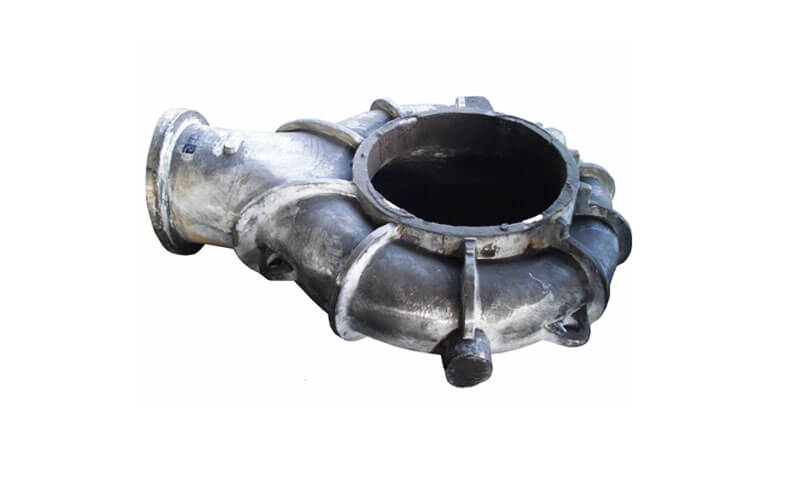
Harpikssandstøbning er blevet en af de vigtigste støbeteknologier i moderne støberiproduktion.
Det er bredt vedtaget, fordi det kombinerer god støbeoverfladekvalitet, Høj dimensionel nøjagtighed, lavere skrotsats, bred procestilpasning, og relativt lav arbejdsintensitet.
Sammenlignet med traditionelt lerbundet sand, harpiksbundet sand giver stærkere formstivhed, bedre formfastholdelse, og forbedret egnethed til komplekse støbegods.
For mange støberier, det er ikke længere kun en alternativ proces; det er en kernevej til fremstilling af støbegods af høj kvalitet med stabil økonomi.
Alligevel er harpikssandstøbning ikke en "sæt-og-glem"-proces.
Også selvom teknologien er moden, produktionssucces afhænger stadig af disciplineret kontrol med udstyr, Materialer, procesparametre, og formfremstillingspraksis.
Små afvigelser i harpiksdosering, sand kvalitet, Formforberedelse, udluftning, eller hældesystemdesign kan hurtigt omsættes til defekter såsom gasporøsitet, Dårlig overfladefinish, dimensionel ustabilitet, eller lavt udbytte.
Denne vejledning giver en struktureret, praktisk, og ingeniørfokuseret analyse af harpikssandstøbning, dækker almindelige problemer, hele produktionsprocessen, væsentlige materialekrav, og de mest effektive måder at reducere omkostningerne og samtidig forbedre kvaliteten.
1. Hvorfor harpikssandstøbning er så udbredt
Harpiks sandstøbning udkonkurrerer konventionel lersandstøbning i strukturel stabilitet og produktionsøkonomi, danner uerstattelige tekniske fordele i højkvalitets støbeproduktion:
- Overlegen støbekvalitet: Den hærdede harpikssandform har høj stivhed, flade skilleflader, og stabil dimensionsfastholdelse, effektivt at reducere dimensionelle afvigelser og overfladeruhed af støbegods.
Det undgår overfladefejl, såsom sandinkludering og skuredannelse, der er almindelig i lersandprodukter. - Lav produktionsafhængighed: Det selvhærdende system realiserer automatisk hærdning uden manuel komprimering og langvarig tørring,
mindske afhængigheden af arbejdernes driftserfaring og standardisering af batchproduktionskvalitet. - Bred anvendelsesfleksibilitet: Kan tilpasses små, medium, og store støbegods med komplekse strukturer, det understøtter diversificeret produktion fra små-batch tilpassede dele til massestandardiserede komponenter.
- Optimeret produktionsmiljø: Hærdningsreaktionen er stabil med lavt støvindhold og lav forurening, væsentligt forbedret værkstedsrenlighed sammenlignet med traditionelle sandstøbeprocesser.
- Kontrollerbar genbrugsydelse: Affaldssand kan regenereres og genbruges efter professionel behandling, realisere ressourcegenanvendelse og reducere omfattende produktionsomkostninger.
2. Korrekt procesdesign er grundlaget for kvalitet
I harpikssandstøbning, produktkvalitet opnås ikke på hældestadiet; det er bestemt meget tidligere, på procesdesignstadiet.
En veldesignet proces etablerer den korrekte balance mellem formstyrke, Hærdningsadfærd, sand tilstand, fodringseffektivitet, udluftningsydelse, og produktionsrytme.
Hvis disse variabler ikke er korrekt koordineret, selv gode råvarer og dygtige operatører vil kæmpe for at skabe stabile resultater.
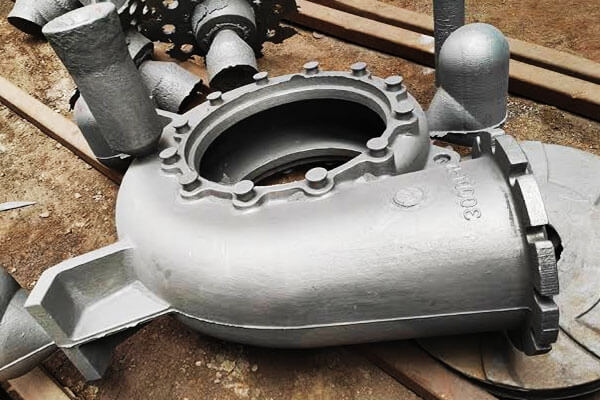
Procesdesign skal afspejle reelle produktionsforhold
En harpikssandproces bør aldrig kun designes ud fra teori eller laboratorieantagelser. Det skal tilpasses det faktiske støberimiljø, inklusive:
- hældecyklus og produktionsrytme,
- omgivende temperatur og årstidsvariationer,
- formstørrelse og støbesnittykkelse,
- genvindingskvalitet af brugt sand,
- udstyrs stabilitet,
- og operatørens arbejdsgang.
For eksempel, den samme hærdningsformel kan fungere godt i ét værksted, men blive upålidelig i et andet, hvis sandtemperaturen, fugtighed, eller hærdningstiden afviger væsentligt.
En korrekt proces er derfor ikke en fast skabelon. Det er en kontrolleret produktionsstrategi, der passer til støberiets reelle driftsforhold.
Endelig styrke skal defineres videnskabeligt
En af de vigtigste procesbeslutninger er at bestemme endelig styrke af harpikssandformen.
Harpikssand når typisk sin højeste styrke efter naturlig hærdning, ofte rundt 24 timer, men det betyder ikke, at ethvert støberi blindt skal bruge en 24-timers standard.
Det korrekte mål afhænger af, hvor længe formen forbliver i systemet, før den hældes.
- Til mindre operationer med lange produktionscyklusser, en 24-timers endelig styrkestandard kan være passende.
- Til produktionslinjer, hvor hældning sker tidligere, det relevante kriterium er den styrke, der faktisk er opnået før hældning.
Nøglen er at undgå to modsatte fejl:
- Overdreven styrke
Forøgelse af formstyrken ud over, hvad der er nødvendigt, øger harpiksforbruget, øger materialeomkostningerne, og kan skabe unødvendig stivhed, der komplicerer shakeout og genvinding. - Utilstrækkelig styrke
Hvis formen er for svag, det kan forvrænge, sprække, eller mister dimensionsstabilitet, forårsager skrot og procesvariation.
Den ideelle slutstyrke er den mindste styrke, der kræves for at garantere skimmelintegritet under håndtering, forsamling, og hældning.
Sand-til-metal-forholdet skal være afbalanceret
De sand-til-jern forhold
Hvis forholdet er for højt, the process may become wasteful:
- more resin and hardener are consumed,
- larger waste sand blocks are generated,
- reclamation becomes more difficult,
- LOI rises,
- and gas-related defects become more likely.
If the ratio is too low, the mold may become mechanically unsafe:
- metal breakout becomes more likely,
- local deformation can occur,
- and casting shape control is weakened.
A practical working range(generelt 2.2:1 til 3:1) is usually selected according to the part size and structural complexity, but the principle remains the same:
the mold should contain just enough sand to ensure soundness and dimensional control, without creating unnecessary material burden.
Hældesystemet skal passe til harpikssandets termiske opførsel
Resin sand does not tolerate heat indefinitely.
Its thermal stability is limited, so the pouring system must be designed to fill the mold quickly, smoothly, and without excessive turbulence før formen mister styrke.
Dette gør hældesystemet til en kritisk del af procesdesign. Et godt hældesystem bør:
- sikre stabil metalstrøm,
- minimere oxidation og luftindfangning,
- forhindre for tidlig frysning,
- og bevar skimmelsvampens integritet under påfyldning.
I mange harpikssandapplikationer, brugen af keramiske rør og flere, distribuerede indtagelser forbedrer metalafgivelse og reducerer lokaliseret termisk stress.
Målet er ikke blot at bringe metal ind i hulrummet, men at gøre det på en måde, der respekterer formens hærdningsegenskaber.
Procesdesign skal også tage højde for defektforebyggelse
Korrekt procesdesign er i det væsentlige defektforebyggelse ved ingeniørarbejde.
Mange almindelige støbefejl i harpikssandsystemer er ikke tilfældige; de er det forudsigelige resultat af dårlige designbeslutninger.
Typiske eksempler omfatter:
- gasporøsitet forårsaget af overdreven LOI, dårlig permeabilitet, eller svag udluftning,
- Misruns forårsaget af langsom fyldning eller dårlig termisk balance,
- sand inkludering forårsaget af utilstrækkelig skimmelstivhed eller overfladestabilitet,
- Overflades ruhed forårsaget af ustabil skimmelforberedelse,
- forvrængning forårsaget af ukorrekt styrke- eller tilbageholdenhedsbalance.
En veltilrettelagt proces reducerer disse risici, før produktionen påbegyndes. Det er langt mere effektivt end at forsøge at rette defekter bagefter.
Stabilt procesdesign forbedrer både kvalitet og omkostninger
Der er en almindelig misforståelse i støberiproduktionen, at højere proceskonservatisme automatisk betyder højere kvalitet.
I virkeligheden, overdesign kan skabe unødvendige omkostninger uden at forbedre ydeevnen.
Det bedste procesdesign er ikke det stærkeste eller mest komplicerede; det er den der er teknisk nok, økonomisk rationel, og driftsstabil.
Et rationelt procesdesign hjælper støberiet:
- reducere harpiksforbruget,
- lavere skrotsats,
- forbedre batch-konsistensen,
- stabilisere skimmelegenskaber,
- og holde produktionsomkostningerne under kontrol.
Dette er grunden til, at procesdesign er centralt for resin-sandstøbeøkonomi såvel som kvalitet.
Et stabilt procesvindue reducerer afhængigheden af operatørens dømmekraft og tillader produktionen at køre med forudsigelige resultater.
Det tekniske princip bag procesdesign
Kerneprincippet er enkelt: formen skal være stærk nok til at bevare formen, men ikke så stærk eller så stiv, at den bliver dyr eller svær at frigøre.
På samme tid, påfyldningssystemet skal være hurtigt nok til at fuldføre hældningen, mens formen er stabil, men skånsom nok til at undgå defekter.
Den balance mellem styrke, permeabilitet, fyldbarhed, og økonomi er det egentlige grundlag for kvalitet i harpikssandstøbning.
3. Råvarevalg: Den praktiske base for processtabilitet
I harpikssandstøbning, råvarevalg er ikke en indkøbsdetalje; det er en proceskontrolbeslutning.
Formens stabilitet, kurens repeterbarhed, kvaliteten af det genvundne sand, og den endelige overfladeintegritet af støbningen begynder alle med materialekonsistens.
Hvis råvarerne er ustabile, selv en veldesignet proces vil drive.
Hvis råvarerne er godt kontrolleret, hele støbesystemet bliver lettere at styre, lettere at reproducere, og nemmere at optimere økonomisk.
Fra et støberi-teknisk perspektiv, kernereglen er ligetil: råmaterialer skal opfylde ensartede tekniske specifikationer og forblive konsistente på tværs af batcher.
Dette er den eneste pålidelige måde at undgå kvalitetsudsving, reducere harpiksspild, beskytte genvindingssystemet, og holde defekter under kontrol.
Autoritative tekniske specifikationer for kerneråvarer
Følgende tabel opsummerer de vigtigste præstationsforventninger til de vigtigste råmaterialer, der anvendes i harpikssandsystemer.
| Råmateriale | Nøgle tekniske specifikationer | Funktionel rolle i proces | Hovedrisiko ved dårlig kvalitet |
| Rå kvartssand | Partikelstørrelse: 40/70 Mesh til store og mellemstore støbegods, 50/100 Mesh til konventionelle dele; Sio₂ > 90%; mudderindhold < 0.2–0,3%; vandindhold < 0.1–0,2 %; mikropulverindhold nedenfor 140 Mesh ≤ 0,5-1,0 %; syreforbrugsværdi < 5 ml; LOI < 5%; kornform rund eller polygonal med lav vinkelkoefficient | Giver den primære skeletstruktur af formen og bestemmer pakningsadfærd, permeabilitet, og basisdimensionsstabilitet | Overskydende harpiksforbrug, dårlig permeabilitet, overfladefejl, ustabil formstyrke |
| Regenereret sand | LOI < 3.0%; syreforbrugsværdi < 2.0 ml; Ph < 5; 200-mesh chassis rester < 1%; samlet chassisbeløb < 0.2%; vandindhold < 0.2%; rund kornform med stabil overfladeaktivitet | Sænker materialeomkostninger og understøtter bæredygtig genbrug af sand efter genvinding | Gasproduktion, dårlig bindingskonsistens, ustabil hærdning, defektakkumulering |
Furan harpiks |
Nitrogenindhold 2.0–5,0%; 24-times trækstyrke > 1.5 MPA; fri formaldehyd < 0.3%; fri phenol < 0.3%; Viskositet < 60 mPa·s; densitet 1.15–1,25 g/cm³; stabil termisk opførsel ved høje temperaturer | Danner den bindingsstruktur, der giver formen dens selvhærdende styrke | Lav formstyrke, højt harpiksforbrug, ustabil hærdning, forhøjet defektrisiko |
| Organisk sulfonsyrehærder | Viskositet < 200 mPa·s; vanduopløseligt stof < 0.1%; reversibel fryse- og opløsningsadfærd; brug segmenterede surhedsmodeller eller dobbeltkomponent (a+b) systemer til at tilpasse sig sæsonbestemte temperaturændringer | Styrer hærdningshastigheden, brugbar tid, og endelig formhærdning | For hurtig eller for langsom hærdning, inkonsekvent brugstid, blokerede rørledninger, dårlig repeterbarhed af skimmelsvamp |
| Alkoholbaseret belægning | Densitet 1.25–1,35 g/cm³; Viskositet 6–7 sek; 2-time suspension rate > 97%; kraftig børstning, nivellering, penetration, og modstand mod revner; høj belægningsstyrke og termisk stødbestandighed | Forbedrer formoverfladekvaliteten, beskytter mod metalgennemtrængning, og reducerer ruhed eller fastbrændingsfejl | Dårlig overfladefinish, metalgennemtrængning, revnedannelse, belægning afskalning |
Det ingeniørmæssige princip bag råvarevalg
Nøgleprincippet er det råvarer skal behandles som et koordineret system snarere end en liste over uafhængige køb.
Kvartssand, genvundet sand, harpiks, hærder, og belægning alle påvirker hinanden.
Hvis et materiale er ustabilt, det vil ofte tvinge kompensation gennem et andet materiale, øge omkostningerne og gøre processen sværere at kontrollere.
4. Komplet arbejdsgang for industriel produktion
Nedenfor er en praktisk arbejdsgang til produktion af harpikssandstøbning.
| Fase | Hovedformål | Teknisk nøglefokus | Typiske risici |
| 1. Proces planlægning | Definer støberute og produktionsmål | Del geometri, batchstørrelse, tolerancer, hældemetode | Forkert procesvalg, ustabilt udbytte |
| 2. Forberedelse af råvarer | Sørg for, at materialerne opfylder specifikationerne | Genvundet sandkvalitet, sandtemperatur, harpiks og hærder tilstand | Inkonsekvent bindingsstyrke, overskydende gasproduktion |
| 3. Inspektion af udstyr | Bekræft stabil drift af mixeren, støvsamler, og doseringssystemer | Flow konsistens, rørledningens renhed, kalibrering | Dosering afdrift, blokerede linjer, dårlig indvinding |
| 4. Skimmel-/værktøjsinspektion | Bekræft mønstre, kernekasser, og inventar | Dimensionstjek, slid, justering, udgivelseskvalitet | Blitz, mismatch, ufuldstændig form |
| 5. Sandblanding | Fremstil ensartet harpiksbundet sand | Nøjagtig dosering, jævn blanding, temperaturkontrol | Svag eller ujævn formstyrke |
| 6. Støbning og stamning | Byg formen med korrekt tæthed og udluftning | Påfyldningsmetode, komprimeringsbalance, udluftningshuller | Løse hjørner, indespærret gas, lokalt sammenbrud |
| 7. Kerneplacering og montage | Sørg for intern kavitets nøjagtighed | Kerneindstilling, støtte, belægning, udluftning | Kerneskift, dårlig udstødning, forkert justering |
8. Verifikation af hældesystem |
Bekræft hurtig og stabil metalindtastning | Port, brug af keramiske rør, løber balance | Egypten, turbulens, oxidindfangning |
| 9. Hælder | Fyld formen sikkert og helt | Hældningstemperatur, sats, kontinuitet | Koldt lukker, Krympning, Burn-on |
| 10. Størkning og afkøling | Tillad kontrolleret strukturdannelse | Køletid, tilbageholdenhed, hot spot adfærd | Revner, deformation, porøsitet |
| 11. Shakeout og rengøring | Adskil støbning fra sand | Shakeout timing, overfladebeskyttelse | Overfladeskader, restsand, forvrængning |
| 12. Skæring og efterbehandling | Fjern foderautomater, porte, og flash | Fedt, slibning, lokal reparation | Overslibning, dimensionelt tab |
| 13. Inspektion | Bekræft overholdelse før frigivelse | Visuel, dimensionel, intern kvalitet | Skjult defekt lækage |
| 14. Genbrug og genvinding | Genbrug sand og kontrolomkostninger | Sandrensning, afkøling, screening, LOV kontrol | Sand aldring, overskydende bøder |
5. Design- og formfremstillingskrav i harpikssandstøbning
Harpikssand stiller andre krav til værktøj og formdesign end lersand.
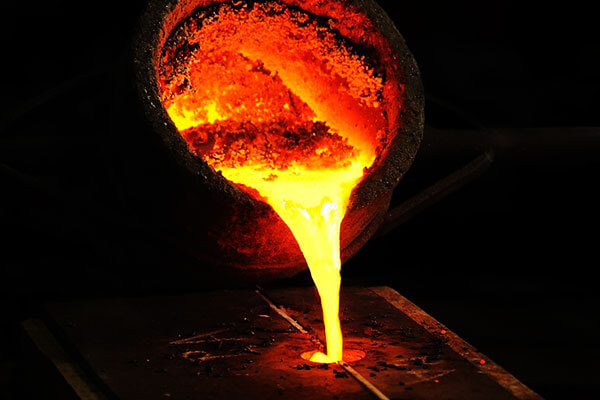
Mindre bearbejdningstillæg er ofte muligt
Fordi hærdede harpikssandforme er stivere og mere formstabile, processen kan understøtte mindre bearbejdningstillæg.
Dette reducerer metalforbrug og bearbejdningsomkostninger, samtidig med at den effektive dimensionelle præcision af støbningen forbedres.
Trækvinklen skal være mere generøs
Harpikssand har mindre sammenklappelighed end lersand og højere friktion under mønstertilbagetrækning.
Hvis trækvinklen er for lille, mønsteret kan blive beskadiget under tegningen, og formoverfladen kan være revet.
Derfor:
- øge trækvinklen, hvor det er praktisk muligt,
- design til glat mønstertilbagetrækning,
- undgå at tvinge fjernelse ved stød.
Overfladeruheden af mønsteret betyder mere
Formmønstrets overfladefinish påvirker i høj grad den endelige støbeoverflade.
En glattere mønsteroverflade understøtter generelt en glattere støbeoverflade.
Til harpikssandsystemer, mønster efterbehandling kvalitet er ikke kosmetisk. Det er et proceskrav.
Udluftning er afgørende
Fordi harpikssystemer genererer gas under hældning, udluftning skal udformes omhyggeligt.
Tykke sektioner, vægpaneler, og store forme kræver pålidelige udluftningsveje, især omkring kerner og lukkede hulrum.
6. De tre vigtigste håndtag til omkostningsreduktion
Omkostningskontrol for harpikssandstøbning er afhængig af tre kernedimensioner: udstyrsoptimering, procesforfinelse, og råvarescreening, opnå afbalancerede kvalitet og økonomiske fordele.
Optimer udstyrsvalg og drift
- Prioriter højeffektivt støvfjernelsesudstyr for at stabilisere regenereret sandkvalitet og undgå øget harpiksforbrug forårsaget af overdreven mikropulver.
- Vælg produktionsudstyr med høj pålidelighed med lave vedligeholdelsesomkostninger for at reducere nedetid for fejl og udskiftning af tilbehør, forbedring af udstyrsudnyttelsen.
- Brug udstyr med lavt energiforbrug for at undgå tomgangseffekttab og maksimere energiudnyttelseseffektiviteten.
Forfin procesparameterstyring
Stabiliser LOI-værdien inden for det optimale interval, undgå overbehandling af regenereret sand, og reducere investeringer i udstyr og råmaterialer.
Kalibrer slutstyrke og sand-til-metal-forhold dynamisk pr. produktionsbetingelser for at eliminere materialespild og samtidig sikre støbekvalifikation.
Optimer port- og udluftningssystemer for at reducere skrotmængderne fundamentalt.
Udvælgelse af videnskabeligt råmateriale
- Udvalg af råsand: Prioriter skuret sand med ultralavt mudder- og mikropulverindhold for at minimere harpiksforbruget, efterfulgt af vasket sand; forbyde ubehandlet råsand.
Overhold nærhedsindkøb for at reducere transportomkostninger og vælg sand med lav vinkelkoefficient for bedre støbeydelse. - Udvælgelse af harpiks: Undgå harpiksprodukter af lav kvalitet, der udelukkende er afhængige af producentens data.
Bekræft producentens produktionskapacitet, kvalitetskontrolsystemer, og udføre uafhængig prøvetagning.
Adopter højstabilt mærkeharpiks for at reducere doseringen og stabilisere produktionen på trods af lidt højere enhedspriser. - Tilpasning af hjælpemateriale: Vælg understøttende hærdningsmidler, overtræk, og frigivelsesmidler med afstemt ydeevne, afbalancering af kvalitetsstabilitet og indkøbskomfort for at reducere forbruget af hjælpematerialer og arbejdsomkostninger.
7. Konklusion
Harpikssand selvhærdende støbning er en højeffektivitet, Høj præcision, og miljøvenlig støbeproces, der løser kvalitets- og miljøsmertepunkterne ved traditionel lersandstøbning.
Dens produktionsstabilitet og økonomiske fordele afhænger af standardiseret fuld-proces kontrol:
præcis råvarescreening, videnskabelig parameterkalibrering, driftsovervågning af udstyr i realtid, og adaptivt formdesign er kernegarantierne for lav skrothastighed og lavprisproduktion.
Med den løbende opgradering af industrielle støbning kvalitetsstandarder, harpiks sandstøbning vil videreudvikles hen imod intelligent parameterstyring, grøn kulstoffattig produktion, og fuld ressourcegenbrug.
Optimeret processtyring og raffineret omkostningskontrol vil gøre det muligt for støberier at maksimere produktkvaliteten og samtidig reducere det omfattende forbrug, gør harpikssandstøbning til den almindelige præcisionsstøbeproces for avancerede industrielle støbegods på lang sigt.

