

1. Indledning
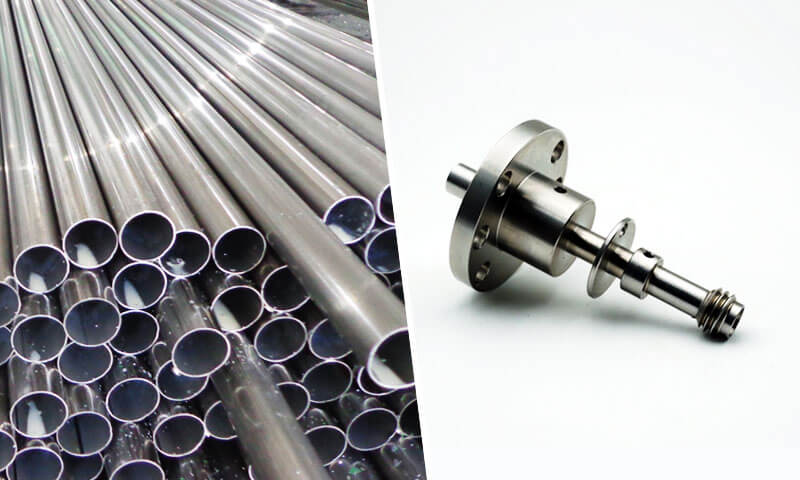
Ferritisk rustfrit stål er en af de største familier af rustfrit stål, udmærker sig primært ved sin ferritisk kropscentreret kubisk (BCC) krystalstruktur ved stuetemperatur og dets relativt høje chromindhold.
I modsætning til konventionelt austenitisk rustfrit stål, ferritiske kvaliteter indeholder normalt kun lidt eller intet bevidst tilsat nikkel.
Denne sammensætningskarakteristik kan give en attraktiv kombination af korrosionsbestandighed, Termisk stabilitet, Magnetiske egenskaber, og materialeomkostninger.
Ferritisk rustfrit stål bruges i vid udstrækning i bilers udstødningssystemer, husholdningsapparater, Varmevekslere, Arkitektoniske komponenter, Fødevarebehandlingsudstyr, og industrielle maskiner.
Deres præstation, imidlertid, afhænger stærkt af legeringskemi, kulstof- og nitrogenkontrol, stabilisering, Behandlingshistorie, og servicemiljø.
2. Hvad er ferritisk rustfrit stål?
Ferritisk Rustfrit stål er en gruppe af jern-chrom-legeringer, hvis matrix overvejende er ferritisk ved stuetemperatur.
Ferrit har en kropscentreret kubisk krystalstruktur og forbliver stabil over et bredt temperaturområde i passende legerede sammensætninger.
Chrom er det vigtigste legeringselement, der er ansvarlig for opførsel af rustfrit materiale.
Når der er tilstrækkelig chrom til stede, stålet kan danne en tynd, vedhæftende, kromrig passiv film, der væsentligt bremser yderligere korrosion.
Kommercielle ferritiske rustfrie stål dækker et relativt bredt sammensætningsområde. Almindelige karakterer kan indeholde ca 11-30% krom, mens kulstof og nitrogen generelt kontrolleres på relativt lave niveauer.
Nogle højtydende kvaliteter indeholder desuden molybdæn for forbedret lokaliseret korrosionsbestandighed eller titanium og niobium til stabilisering.
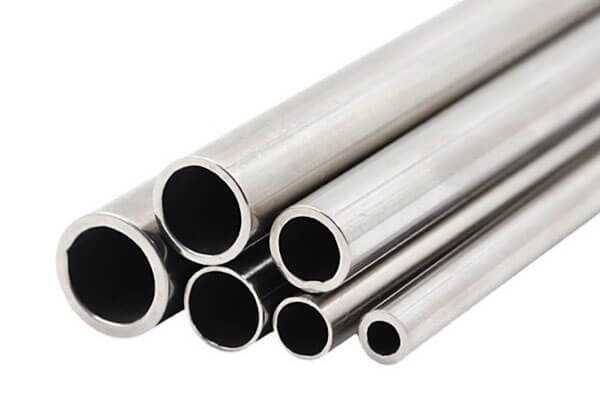
I modsætning til martensitisk rustfrit stål, konventionelle ferritiske rustfrit stål er normalt ikke hærdet gennem konventionel sluk-og-temperer varmebehandling.
Deres endelige egenskaber er primært bestemt af den kemiske sammensætning, termomekanisk bearbejdning, udglødning, Kornstruktur, og kold deformation.
Ferritisk rustfrit stål forstås derfor bedst som en særskilt metallurgisk familie snarere end blot et billigere alternativ til austenitisk rustfrit stål.
3. Kemisk sammensætning af ferritisk rustfrit stål
Kemisk sammensætning er en af de vigtigste faktorer, der styrer ydeevnen af ferritisk rustfrit stål.
Chrom giver den grundlæggende rustfri egenskab, mens kulstof, nitrogen, Molybdæn, Titanium, niobium, og andre elementer justeres for at opnå specifikke kombinationer af korrosionsbestandighed, Mekaniske egenskaber, svejsbarhed, og termisk stabilitet.
Typisk kemisk sammensætning
Sammensætningen varierer betydeligt mellem de enkelte karakterer. Følgende værdier repræsenterer typiske områder for almindelige kommercielle ferritiske rustfrie stål, ikke universelle specifikationsgrænser.
| Element | Typisk rækkevidde / Niveau | Primær metallurgisk funktion |
| Krom (Cr) | ~10,5-30 % | Passivering, Korrosionsmodstand, ferritstabilisering |
| Kulstof (C) | Generelt lav, ofte ≤0,08 % | Styrkelse; for høje niveauer kan fremme sensibilisering |
| Nitrogen (N) | Generelt lav | Styrkelse; for høje niveauer kan forringe ferritiske egenskaber |
| Molybdæn (Mo) | 0–4%+ afhængig af karakter | Forbedrer grubetæring og sprækkekorrosionsbestandighed |
| Titanium (Af) | Karakterafhængig | Stabiliserer kulstof og nitrogen |
Niobium (Nb) |
Karakterafhængig | Stabiliserer kulstof og nitrogen; forbedrer svejseydelsen |
| Nikkel (I) | Normalt lav | Styret for at opretholde ferritisk fasestabilitet |
| Mangan (Mn) | Normalt begrænset | Deoxidation og legerings-/proceskontrol |
| Silicium (Og) | Normalt begrænset | Bidrag til deoxidation og oxidationsmodstand |
De nøjagtige grænser bør altid tages fra den relevante materialespecifikation, såsom det gældende Astm, I, Det er han, eller anden national/international standard, fordi nominelle karakternavne alene ikke definerer enhver tilladt sammensætningsgrænse.
4. Vigtigste typer og kvaliteter af ferritisk rustfrit stål
Ferritisk rustfrit stål dækker en bred vifte af krombaserede legeringer, fra økonomiske kvaliteter designet til biludstødningssystemer til højchrom- og molybdænlegerede kvaliteter beregnet til krævende korrosion og høje temperaturer.
Følgende tabeller organiserer repræsentative karakterer i tre praktiske kategorier: standard ferritiske kvaliteter, ferritiske kvaliteter med høj krom, og støbt ferritisk rustfrit stål.
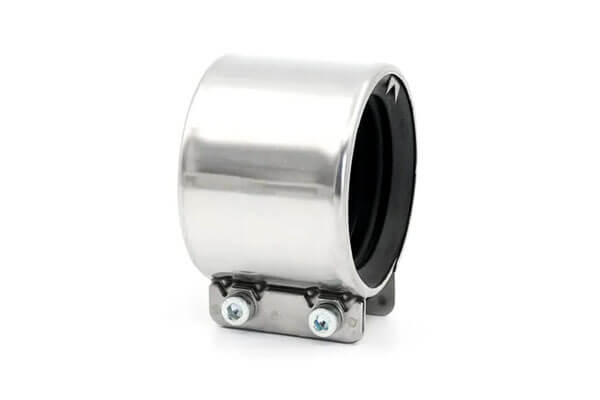
Standard ferritiske kvaliteter (400 Serie)
Disse kvaliteter er meget brugt, fordi de giver en praktisk balance mellem korrosionsbestandighed, Produktion, Termisk præstation, og omkostninger.
Karakterer som 409 og 430 er især vigtige i bilindustrien, apparat, Arkitektonisk, og generelle industrielle applikationer.
| Grad | US Betegnelse | Omtrentlig sammensætning | Nøgleegenskaber | Typiske applikationer |
| 409 | S40900 | Cr 10,5-11,7 %; C ≤0,08 %; De stabiliserede | Økonomisk ferritisk rustfrit stål med god oxidationsbestandighed og tilstrækkelig korrosionsbestandighed; velegnet til service ved høje temperaturer | Automotive udstødningssystemer, udstødningsrør, katalysatorkomponenter |
| 410L | S41003 | Cr 11,5-13,5 %; C ≤0,03 % | Meget lavt kulstofindhold forbedrer svejsbarheden og reducerer risikoen for svejserelateret sensibilisering; Moderat korrosionsbestandighed | Automotive komponenter, Strukturelle dele, vandtanke, Industrielt udstyr |
| 430 | S43000 | Cr 16-18 %; C ≤0,08 % | God generel korrosionsbestandighed, Magnetisk opførsel, god formbarhed, og et attraktivt overfladeudseende; bredt tilgængelig og økonomisk | Apparater, Køkkenudstyr, Automotive Trim, Arkitektoniske paneler |
430L |
S43003 | Cr 16-18 %; C ≤0,03 % | Kulstoffattig version af 430 med forbedret svejsbarhed og reduceret modtagelighed for intergranulær korrosion | Svejset udstyr, Fødevarebehandlingsudstyr, Arkitektoniske komponenter |
| 434 | S43400 | Cr 16-18 %; Må ca. 0,5-1,0 %; C ≤0,08 % | Molybdæn forbedrer modstanden mod lokal korrosion sammenlignet med konventionel 430; opretholder god oxidationsbestandighed | Automotive Trim, Udstødningskomponenter, varmerelateret udstyr |
| 436 | S43600 | Cr 16-18 %; Må ca. 0,5-1,0 %; Ti/Nb stabiliserede sig | Stabiliseret ferritisk kvalitet med forbedret svejsbarhed, Korrosionsmodstand, og modstand mod intergranulær korrosion | Automotive udstødningssystemer, Arkitektoniske komponenter, Industrielt udstyr |
Høje ferritiske kvaliteter af krom
Ferritisk rustfrit stål med højt krom indeholder væsentligt mere krom end konventionelle 400-seriens kvaliteter.
Nogle indeholder også molybdæn og stabiliserende elementer som titanium og niobium.
Disse legeringsstrategier forbedrer oxidationsmodstanden, lokaliseret korrosionsbestandighed, og præstation med høj temperatur.
| Grad | US Betegnelse | Omtrentlig sammensætning | Nøgleegenskaber | Typiske applikationer |
| 439 | S43035 | Cr 17-19 %; De stabiliserede | God korrosions- og oxidationsbestandighed med forbedret svejsbarhed; velegnet til service ved høje temperaturer | Automotive udstødningssystemer, Varmevekslere, vandvarmere |
| 441 | S44100 | Cr 17-19 %; Af + Nb stabiliseret | Stabiliseret ferritisk struktur giver god svejsbarhed, Oxidationsmodstand, og modstand mod sensibilisering | Automotive udstødningssystemer, katalysatorkomponenter, Varmevekslere |
| 444 | S44400 | Cr 17-19 %; ma 1,5-2,5 %; Af + Nb stabiliseret | Lavt kulstofindhold og nitrogen kombineret med Mo giver høj modstand mod grubetæring og sprækkekorrosion; god svejsbarhed | Varmevekslere, varmtvandssystemer, kølevandsudstyr, Kemisk forarbejdningsudstyr |
446 |
S44600 | Cr 23-27 %; Lav c | Meget højt kromindhold giver fremragende oxidationsmodstand og god ydeevne ved høje temperaturer | Ovnkomponenter, varmebehandlingsudstyr, højtemperatur kemisk behandlingsudstyr |
| 447 | S44700 | Cr 28-30 %; ma 2,0-3,0 %; meget lav C | Superferritisk rustfrit stål med fremragende modstandsdygtighed over for klorid-induceret lokal korrosion og oxidation | Kemisk behandling, udstyr til håndtering af havvand, Varmevekslere, Offshore -udstyr |
| 448 | S44800 | Cr 28-30 %; ma 3,5-4,2 %; meget lav C/N | Højlegeret ferritisk rustfrit stål, der tilbyder enestående korrosions- og oxidationsbestandighed i svære miljøer | Marine udstyr, Kemisk behandling, offshore systemer, alvorlig kloridservice |
Note: De nøjagtige kemiske grænser varierer med den gældende ASTM, Asme, I, eller UNS-specifikation. Sammensætningerne ovenfor er tilvejebragt som repræsentative områder til teknisk sammenligning.
Støbt ferritisk rustfrit stål
Nogle almindeligt refererede støbte rustfri kvaliteter er anført nedenfor.
Vigtigt, ikke alle kromholdige støbte rustfrie kvaliteter i ASTM A743/A744-familien er strengt ferritiske ved stuetemperatur; kvaliteter såsom CA-15 klassificeres konventionelt som martensitiske.
Derfor, den specifikke metallurgiske klassificering skal altid bekræftes fra den gældende materialespecifikation.
| Cast Grade | US Betegnelse | Nøgleegenskaber | Typiske applikationer |
| CA-15 | J91150 | Chrom rustfri støbekvalitet med god generel korrosionsbestandighed og god styrke efter passende varmebehandling; konventionelt klassificeret som martensitisk snarere end ferritisk | Pumpekomponenter, Ventillegemer, Turbinekomponenter, industrielle støbegods |
| CA-40 | J91151 | Højere hårdhed og styrke end kulstoffattige kromstøbekvaliteter; god slidstyrke men reduceret svejsbarhed | Slidbestandige komponenter, ventil dele, komponenter til dampservice |
CB-30 |
J91330 | Højere chromindhold giver forbedret korrosions- og oxidationsbestandighed for støbte komponenter | Udstyr til kemisk behandling, pumpe dele, Ventilkomponenter |
| CC-50 | J91450 | Meget højt kromindhold giver stærk oxidations- og korrosionsbestandighed, især i høje temperaturer | Højtemperatur kemisk forarbejdningsudstyr, ovnkomponenter, Korrosionsbestandige støbegods |
5. Nøgleegenskaber ved ferritisk rustfrit stål
Ferritisk rustfrit stål er kendetegnet ved en kropscentreret kubisk (BCC) ferritisk matrix, krom som det vigtigste legeringselement, og generelt lavt kulstof- og nikkelindhold.
Deres kombination af korrosionsbestandighed, Magnetisk opførsel, relativt lav termisk udvidelse,
og moderat til god varmeledningsevne gør dem særligt velegnede til biludstødningssystemer, apparater, Varmevekslere, Arkitektoniske komponenter, og industrielt udstyr.
Følgende værdier giver nyttige tekniske referencepunkter for almindeligt anvendte ferritiske kvaliteter:
| Ejendom | Typisk ferritisk rustfrit stålsortiment | Repræsentativ karakter / Værdi | Teknisk betydning |
| Elastikmodul | ~200-215 GPa | Type 430: ~ 200 GPa | Bestemmer elastisk stivhed |
| Densitet | ~7,6-7,8 g/cm³ | Type 430: ~7,7 g/cm³ | Relevant for komponentvægt |
| Koefficient for termisk ekspansion | ~9–11 × 10⁻⁶/K | Type 430: ~10,4 × 10⁻⁶/K | Vigtigt for termisk forvrængning |
| Termisk ledningsevne | ~24-27 W/(m · k) | Type 430: ~26 W/(m · k) | Påvirker varmeoverførslen |
Specifik varme |
~440-500 J/(kg·K) | Karakterafhængig | Anvendes i termiske beregninger |
| Elektrisk resistivitet | ~0,55–0,65 μΩ·m | Karakterafhængig | Relevant til elektriske/termiske applikationer |
| Magnetisk adfærd | Ferromagnetisk ved stuetemperatur | De fleste ferritiske kvaliteter | Nyttig til magnetiske applikationer |
| Smelteområde | ~1.425–1.510°C | Karakterafhængig | Vigtig til støbning og svejsning |
Disse tal skal behandles som referenceværdier, ikke erstatte specifikationer.
Til komponentdesign, den gældende ASTM, I, Det er han, eller anden materialestandard, og den certificerede materialetestrapport bør have forrang.
Korrosionsmodstand
Korrosionsbestandighed er en af de primære årsager til at bruge ferritisk rustfrit stål.
Chrom danner en tynd, vedhæftende, og selvhelbredende kromrig passiv film på ståloverfladen.
Når kromindholdet er tilstrækkeligt højt, og overfladen forbliver kemisk ren, dette passive lag reducerer korrosionshastigheden markant i mange atmosfæriske og vandige miljøer.
Korrosionsbestandigheden af ferritisk rustfrit stål stiger generelt med kromindholdet, mens tilsætning af molybdæn yderligere kan forbedre modstanden mod lokal korrosion, især grubetæring og sprækkekorrosion.
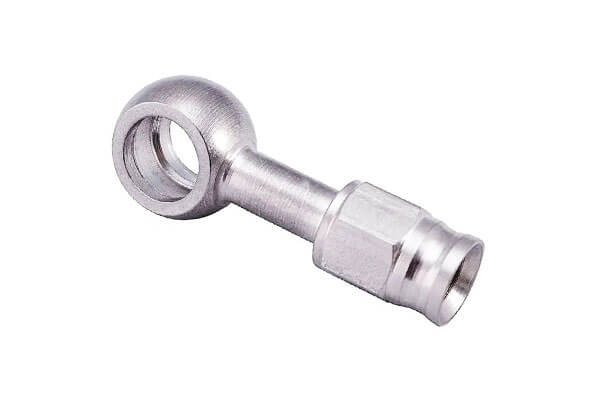
For eksempel, Aisi 430 giver nyttig korrosionsbestandighed til indendørs og mildt korrosive miljøer, hvorimod stabiliserede karakterer som f.eks 439 og 441 er meget udbredt i biludstødningssystemer.
Højere legerede kvaliteter som f.eks 444 giver væsentligt bedre modstandsdygtighed over for kloridholdige miljøer og er velegnede til anvendelser, der involverer varmt vand og visse kemiske medier.
Flere faktorer bør tages i betragtning, når korrosionsydelsen evalueres:
- Chromindhold: Højere Cr forbedrer generelt passiverings- og oxidationsmodstanden.
- Molybdæn indhold: Mo forbedrer modstanden mod grubetæring og sprækkekorrosion.
- Kulstof og nitrogen: For store interstitielle elementer kan fremme chromudtømning under termisk eksponering.
- Stabilisering: Titanium eller niobium tilsætninger hjælper med at binde kulstof og nitrogen, forbedring af modstandsdygtigheden over for sensibilisering efter svejsning.
- Overfladetilstand: Slibning, polering, Pickling, og passivering kan i høj grad påvirke den praktiske korrosionsadfærd.
- Servicemiljø: Kloridkoncentration, temperatur, Ph, fugtighed, og eksponeringstid påvirker alle korrosionsydelsen.
Ferritisk rustfrit stål er derfor særligt attraktivt, hvor korrosionsbestandighed er påkrævet, men den ekstreme korrosionsevne af nikkelholdigt austenitisk rustfrit stål er unødvendig.
6. Mekaniske egenskaber af ferritisk rustfrit stål
Den mekaniske opførsel af ferritisk rustfrit stål er stærkt påvirket af kromindholdet, kulstof- og nitrogenniveauer, kornstørrelse, legeringsstabilisering, koldt arbejde, og servicetemperatur.
Generelt, ferritiske kvaliteter tilbyder en nyttig kombination af moderat til høj styrke, tilstrækkelig duktilitet, god træthedsmodstand, og god dimensionel stabilitet.
Typiske mekaniske egenskaber
| Mekanisk egenskab | Typisk opførsel af ferritisk rustfrit stål | Teknisk betydning |
| Elastikmodul | Tilnærmelsesvis 200 GPA | Giver god elastisk stivhed og formstabilitet |
| Udbyttestyrke | Almindeligvis omkring 200–400 MPa for mange standardkvaliteter | Bestemmer modstand mod permanent deformation |
| Trækstyrke | Almindeligvis omkring 400-600 MPa, Afhængig af klasse og tilstand | Bestemmer den ultimative trækbelastningskapacitet |
Forlængelse |
Ofte cirka 15-30 %, men meget karakterafhængig | Angiver tilgængelig duktilitet under formning og overbelastning |
| Hårdhed | Generelt moderat i udglødet tilstand | Påvirker slidstyrke og bearbejdelighed |
| Påvirkning af sejhed | Meget afhængig af karakter, kornstørrelse, temperatur, og forarbejdning | Vigtigt til applikationer med lav temperatur og stødbelastning |
Ferritisk rustfrit stål udviser også generelt begrænset styrkelse gennem konventionel varmebehandling.
I modsætning til martensitisk rustfrit stål, de kan normalt ikke omdannes til en martensitisk struktur med høj hårdhed gennem bratkøling.
Deres mekaniske egenskaber styres i stedet primært gennem legering, kornforfining, koldt arbejde, og termomekanisk bearbejdning.
Koldarbejde kan øge styrke og hårdhed, men overdreven kolddeformation kan reducere duktiliteten og øge formningsbesværet.
Til krævende applikationer, den materielle tilstand - såsom udglødet, kold rullet, eller stabiliseret - bør derfor specificeres sammen med den rustfri stålkvalitet.
Ved lave temperaturer, hårdhed fortjener særlig opmærksomhed. Nogle ferritiske rustfrit stål kan udvise en duktil-til-skør overgang, som er fundamentalt forskellig fra adfærden for mange austenitiske rustfrie stål.
Kornforfining og lavt kulstof/nitrogenindhold kan forbedre sejheden, men ferritiske kvaliteter bør vælges omhyggeligt til slagkritiske eller kryogene anvendelser.
7. Svejsbarhed af ferritisk rustfrit stål
Svejsbarheden varierer betydeligt mellem ferritiske rustfri stålkvaliteter.
Moderne lavt kulstofindhold, stabiliserede kvaliteter har generelt meget bedre svejsbarhed end ældre ferritiske formuleringer med højt kulstofindhold, men ferritisk rustfrit stål kræver stadig mere omhyggelig svejsekontrol end mange almindelige austenitiske kvaliteter.
Den vigtigste metallurgiske bekymring er kornforgrovning i den varmepåvirkede zone (HAZ).
Fordi ferritisk rustfrit stål forbliver overvejende ferritisk under svejsning, høj varmetilførsel kan producere grove korn. Grovkornede HAZ-områder kan udvise reduceret duktilitet og sejhed.
En anden bekymring er dannelse af chromcarbid eller nitrid.
Hvis der er tilstrækkelig kulstof eller nitrogen til stede, termisk eksponering under svejsning kan forårsage chromudtømning ved siden af korngrænser, potentielt reducere lokal korrosionsbestandighed.
Dette er grunden til, at karaktererne stabiliserede sig med titanium eller niobium, såsom 409, 439, 441, og 444, er almindeligvis udvalgt til svejsede applikationer.
Vigtige svejseovervejelser
| Svejsningsfaktor | Potentielt problem | Anbefalet kontrol |
| Overdreven varmetilførsel | Kornet forgrov og reduceret sejhed | Brug kontrolleret varmetilførsel |
| Høj interpass temperatur | Overdreven termisk eksponering | Styr interpass temperatur |
| Høj kulstof/nitrogen | Sensibilisering og korrosionsfølsomhed | Foretrækker lav-C/N eller stabiliserede kvaliteter |
| Hurtig eller ukontrolleret afkøling | Reststress og forvrængning | Etabler en passende svejseprocedure |
| Fyld-metal uoverensstemmelse | Reduceret korrosion eller mekanisk ydeevne | Vælg fyldstof baseret på servicekrav |
| Overfladeforurening | Svejsefejl og reduceret korrosionsbestandighed | Grundig rengøring før og efter svejsning |
TIG, Mig/mag, Laser svejsning, og modstandssvejsning kan alle bruges afhængigt af komponentens geometri, tykkelse, Produktionsvolumen, og præstationskrav.
Efter svejsning, Pickling og passivering kan være påkrævet for at genoprette korrosionsbestandigheden ved at fjerne varmefarve, fri jernforurening, og andre overfladeforurenende stoffer.
Til kritiske komponenter, svejseprocedurekvalifikationen bør ikke kun omhandle visuel svejsekvalitet, men også trækegenskaber, Korrosionsadfærd, forvrængning, og HAZ-ydelse, hvor det er relevant.
8. Formbarhed og bearbejdelighed
Formbarhed
Ferritisk rustfrit stål udviser generelt gode koldformningsegenskaber, især når det leveres i udglødet tilstand.
Deres forlængelse falder almindeligvis i 20–30 % rækkevidde for mange kommercielle kvaliteter, giver tilstrækkelig duktilitet til bøjning, rulleformning, stempling, og andre pladeoperationer.
Imidlertid, formningsydelse afhænger af mere end forlængelse alene.
Udbyttestyrke, anisotropi, Arbejdshærdning, ark tykkelse, Kornstruktur, værktøjsgeometri, og smøring kan alle påvirke det endelige resultat.
Til præcisionsformning, følgende parametre skal kontrolleres:
- Minimum bøjningsradius
- Rulleretning
- Værktøjsafstand
- Smøring
- Dannende sekvens
- Tilbagespringskompensation
- Overfladebeskyttelse
Ferritiske kvaliteter kan være særligt attraktive for store pladekomponenter, fordi de kombinerer rimelig duktilitet med relativt stabil dimensionsadfærd.
Bearbejdningsevne
Ferritisk rustfrit stål er generelt velegnet til konventionelle CNC -bearbejdning.
Imidlertid, bearbejdningsparametre bør optimeres til den specifikke kvalitet, fordi krom, Molybdæn, materialets hårdhed, og termisk ledningsevne påvirker skærekræfterne og værktøjets levetid.
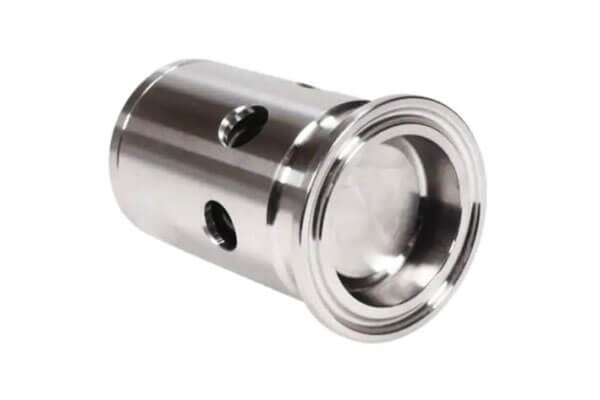
Typiske bearbejdningsoperationer omfatter:
CNC-drejning → fræsning → boring → oprømning → slibning → polering
Til præcisionskomponenter, dimensionelle tolerancer af ±0,01 mm eller tættere kan opnås under kontrollerede CNC-bearbejdningsforhold,
men den opnåelige tolerance afhænger af komponentens geometri, maskinkapacitet, arbejdshold, materielle tilstand, og termisk stabilitet i stedet for på rustfrit stål alene.
Under bearbejdning, for høj skærevarme kan forårsage dimensionsforskydning. Dette er især vigtigt for tyndvæggede komponenter og præcisionsdele med snævre positionstolerancer.
9. Overfladefinish til ferritisk rustfrit stål
Overfladebehandling spiller en vigtig rolle i korrosionsbestandigheden, udseende, Rensbarhed, slidadfærd, og dimensionelle ydeevne af ferritiske rustfri stålkomponenter.
| Overfladefinish | Typiske egenskaber | Typiske applikationer |
| 2B | Koldvalset, varmebehandlet, syltede, og let hud passerede; glat og relativt reflekterende | Apparater, generelle industrielle komponenter, Arkitektoniske paneler |
| Ba | Lys udglødet overflade med høj reflektionsevne og glat udseende | Automotive Trim, apparater, Dekorative komponenter |
| Ingen. 3 | Grov mekanisk poleret finish | Arkitektoniske og industrielle komponenter |
| Ingen. 4 | Fin retningsbestemt børstet finish, almindeligvis produceret med slibende bælter | Apparater, Arkitektoniske paneler, Køkkenudstyr |
Hårgrænse |
Bøde, kontinuerlig retningsbestemt korn | Dekorative arkitektoniske og indvendige komponenter |
| Spejlpoleret | Højreflekterende overflade opnået gennem progressiv polering | Dekorative komponenter og førsteklasses arkitektoniske applikationer |
| Elektropoleret | Elektrokemisk fjernelse af overflademateriale; glat og ren overflade | Hygiejnisk, præcision, og korrosionsfølsomme applikationer |
| Syltet og passiveret | Fjerner skala, Varme farvetone, og overfladeforurening og genopretter en ren passiv overflade | Svejste og korrosionsfølsomme komponenter |
10. Anvendelser af ferritisk rustfrit stål
Ferritisk rustfrit stål er meget udbredt, når en kombination af korrosionsbestandighed, Oxidationsmodstand, Magnetisk opførsel, Termisk stabilitet, Moderat mekanisk styrke, og omkostningseffektivitet er påkrævet.
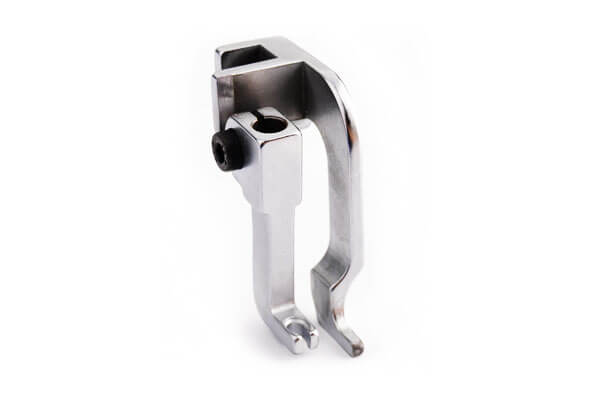
Automotive udstødningssystemer
Automotive udstødningssystemer er blandt de vigtigste anvendelser for ferritisk rustfrit stål.
Karakterer som 409, 439, og 441 er almindeligvis valgt til udstødningsmanifolder, rør, katalysatorkomponenter, lyddæmpere, og relaterede varmebestandige dele.
Materialet skal tåle:
- Gentagen termisk cykling
- Høje udstødningsgastemperaturer
- Oxidation
- Kondensat korrosion
- Vibrationer og mekanisk træthed
Den relativt lave termiske udvidelseskoefficient og gode modstandsdygtighed over for højtemperaturoxidation gør ferritiske kvaliteter særligt velegnede til dette miljø.
Husholdningsapparater
430 Rustfrit stål er meget brugt i apparater, fordi det kombinerer korrosionsbestandighed, attraktivt udseende, Magnetisk opførsel, Formbarhed, og relativt lave omkostninger.
Typiske produkter inkluderer:
- Køleskab paneler
- Opvaskemaskine komponenter
- Ovn og komfurkomponenter
- Køkkenudstyr
- Apparattrim
- Vaskemaskine komponenter
Dens magnetiske natur kan også være fordelagtig, hvor magnetisk fastgørelse er påkrævet.
Varmevekslere og vandopvarmningsudstyr
Stabiliserede ferritiske kvaliteter som f.eks 439 og 444 kan give en attraktiv kombination af korrosionsbestandighed og termisk ydeevne.
De bruges i:
- Komponenter til varmeveksler
- Vandvarmere
- Varmtvandssystemer
- Kølevandsudstyr
- Kondensatorer
- Udstyr til termisk behandling
Den relativt høje termiske ledningsevne og lave termiske udvidelse af ferritisk rustfrit stål kan hjælpe med at forbedre termisk stabilitet.
Arkitektoniske og dekorative komponenter
Ferritisk rustfrit stål bruges også til arkitektoniske applikationer, hvor moderat korrosionsbestandighed og overfladeudseende er påkrævet.
Typiske applikationer inkluderer:
- Indvendige vægpaneler
- Elevator paneler
- Dekorativ trim
- Arkitektonisk beklædning
- Møbelkomponenter
- Køkken og kommerciel interiørudstyr
Karakterer som 430 kan give en god balance mellem overfladens udseende, Formbarhed, Korrosionsmodstand, og omkostninger.
Industrielt og kemisk udstyr
Højere krom- og molybdænholdige ferritiske kvaliteter kan bruges i udvalgte industrielle miljøer, hvor forbedret korrosions- og oxidationsbestandighed er påkrævet.
For eksempel, 444 kan overvejes for visse varmtvands- og kloridholdige miljøer, mens højkromkvaliteter som f.eks 446 er velegnede til komponenter, der er modstandsdygtige over for forhøjede temperaturer.
Imidlertid, ferritisk rustfrit stål bør ikke automatisk vælges til meget aggressive kemiske eller marine miljøer.
Det nøjagtige medium, temperatur, kloridkoncentration, og korrosionsmekanisme skal evalueres før materialevalg.
11. Sammenlignende analyse: Ferritisk vs. Austenitisk vs. Martensitisk rustfrit stål
Ferritisk, austenitisk, og martensitisk rustfrit stål repræsenterer tre store metallurgiske familier af rustfrit stål.
Deres forskelle stammer primært fra krystalstruktur, legeringskemi, fasestabilitet, og varmebehandlingsrespons, som igen bestemmer mekaniske egenskaber, Korrosionsmodstand, svejsbarhed, Magnetisk opførsel, og typiske applikationer.
| Ejendom | Ferritisk rustfrit stål | Austenitisk rustfrit stål | Martensitisk rustfrit stål |
| Typiske karakterer | 409, 430, 439, 441, 444 | 304, 304L, 316, 316L, 321, 310 | 410, 420, 440EN, 440B, 440C |
| Typisk krystalstruktur ved driftstemperatur | BCC Ferrit | FCC Austenite | BCT/BCC martensitisk struktur Efter hærdning |
| Typisk Cr indhold | Tilnærmelsesvis 10.5–30% | Tilnærmelsesvis 16–26% | Tilnærmelsesvis 11.5–18% |
| Typisk Ni-indhold | Generelt meget lav eller fraværende | Almindeligvis 8–20 %+ | Generelt lav, selvom nogle kvaliteter indeholder Ni |
| Kulstofindhold | Generelt lav, især i moderne kvaliteter | Meget lav til moderat; mange kulstoffattige kvaliteter tilgængelige | Generelt højere end ferritiske og austenitiske kvaliteter |
| Magnetisk adfærd | Magnetisk | Generelt ikke-magnetisk i udglødet tilstand; koldt arbejde kan fremkalde en vis magnetisme | Magnetisk |
| Varmebehandling til hærdning | Generelt ikke hærdelig ved konventionel bratkøling | Generelt ikke hærdelig ved konventionel bratkøling | Kan hærdes ved bratkøling og hærdes |
Styrke niveau |
Moderat; kan øges ved koldbearbejdning | Moderat i udglødet tilstand; fremragende arbejdshærdningsevne | Høj til meget høj efter varmebehandling |
| Hårdhed | Generelt moderat | Generelt moderat | Moderat til meget høj, Afhængig af klasse og varmebehandling |
| Duktilitet | Moderat | Fremragende | Generelt lavere, især i hærdet tilstand |
| Sejhed | Moderat; lav temperatur sejhed kan begrænses | Fremragende, herunder ved lave temperaturer | Moderat; stærkt afhængig af kulstofindhold og varmebehandling |
| Korrosionsmodstand | God til meget god, afhængig af Cr/Mo indhold | Generelt fremragende, især til 316/316L og højere legeringskvaliteter | Moderat til godt; typisk lavere end austenitiske kvaliteter |
| Modstandsdygtighed mod grubetæring/spalter | God i høj-Cr/Mo kvaliteter som f.eks 444 | Meget god til fremragende i Mo-holdige kvaliteter som 316L | Generelt moderat |
Termisk ledningsevne |
Relativt høj for rustfrit stål; typisk omkring 20–30 W/m·K | Sænke; typisk omkring 14–16 W/m·K for fælles 304/316 karakterer | Generelt omkring 20–30 W/m·K, Afhængig af karakter |
| Koefficient for termisk ekspansion | Relativt lav; typisk omkring 10–11 × 10⁻⁶/K | Relativt højt; typisk omkring 16–17 × 10⁻⁶/k for 304/316 | Generelt omkring 10–11 × 10⁻⁶/K |
| Svejsbarhed | Moderat til god til lav-C/stabiliserede kvaliteter; kornvæksten skal kontrolleres | Generelt fremragende, især for 304L/316L | Generelt begrænset sammenlignet med austenitiske kvaliteter; forvarmning og eftersvejsning kan være påkrævet |
| Formbarhed | Moderat; velegnet til bukning og mange formningsoperationer | Fremragende, især til dyb tegning og kompleks formning | Moderat til dårlig i hærdet tilstand |
| Bearbejdningsevne | Moderat; afhænger stærkt af karakter og arbejdshærdende adfærd | Moderat; arbejdshærdning kan øge bearbejdningsbesværet | Generelt god til fribearbejdning eller udglødede kvaliteter, men hærdede kvaliteter er svære at bearbejde |
Arbejdshærdning |
Relativt begrænset | Stærk arbejdshærdning, især i metastabile kvaliteter | Begrænset sammenlignet med austenitiske kvaliteter |
| Ydeevne ved lav temperatur | Begrænset af mulig duktil-til-skør overgang | Fremragende sejhed ved lav temperatur | Generelt begrænset sammenlignet med austenitiske kvaliteter |
| Oxidationsbestandighed ved høje temperaturer | God, især i høje Cr-grader | God til fremragende afhængig af Cr/Ni indhold | Moderat til godt |
| Typiske fremstillingsruter | Rullende, stempling, bøjning, svejsning, Fremstilling | Rullende, dyb tegning, stempling, rørproduktion, svejsning | Valsning/smedning efterfulgt af varmebehandling, bearbejdning, slibning |
| Typiske applikationer | Biludstødninger, apparater, Arkitektoniske paneler, Varmevekslere, vandvarmere | Kemisk behandling, Madudstyr, Farmaceutisk udstyr, rør, Trykfartøjer, Arkitektoniske strukturer | Knive, Kirurgiske instrumenter, ventiler, pumper, aksler, Turbinekomponenter, slidbestandige dele |
Hovedfordel |
God korrosionsbestandighed med lave legeringsomkostninger, magnetisk respons, lav termisk udvidelse | Fremragende korrosionsbestandighed, Duktilitet, sejhed, og svejsbarhed | Høj hårdhed, styrke, og slidstyrke efter varmebehandling |
| Hovedbegrænsning | Lavere sejhed og formbarhed ved lav temperatur end austenitiske kvaliteter | Højere legeringsomkostninger, højere termisk udvidelse, og generelt ikke-magnetisk adfærd | Lavere korrosionsmodstand, svejsbarhed, og sejhed end de fleste austenitiske kvaliteter |
| Bedst egnet til | Omkostningsfølsomme korrosionsbestandige komponenter og termisk stabile applikationer | Ætsende, svejset, højt dannet, eller lavtemperaturapplikationer | Højstyrke og slidstærke komponenter, der kræver varmebehandling |
12. Konklusion
Ferritisk rustfrit stål er en vigtig familie af rustfrit stål, der kombinerer Korrosionsmodstand, Magnetiske egenskaber, relativt lav termisk udvidelse, God termisk ledningsevne, og omkostningseffektivitet.
Dens overvejende ferritiske BCC-struktur giver den en karakteristisk egenskabsprofil sammenlignet med austenitisk og martensitisk rustfrit stål.
Nøgle takeaways
- Ferritisk rustfrit stål er kendetegnet ved en kropscentreret kubisk (BCC) struktur, magnetisk adfærd, og lavt nikkelindhold.
- Korrosionsmodstand leveres af krom (10.5–30%); molybdæn og stabilisatorer (Af, Nb) forbedre ydeevnen.
- Karakterer spænder fra standardkarakterer (409, 430) til høje kromkvaliteter (446) og stabiliserede karakterer (439, 441, 444).
- Nøgleegenskaber: God korrosionsmodstand, Magnetisk, høj termisk ledningsevne, lav termisk udvidelse, og god formbarhed.
- Begrænsninger: Lavere duktilitet, DBTT, Begrænset svejsbarhed, og sensibiliseringsrisiko.
- Applikationer: Biludstødning, apparater, Arkitektonisk, Varmevekslere, Madbehandling, og kemisk behandling.
- Fordele: Omkostningseffektiv, SCC-resistent, Magnetisk, og genanvendelig.
- Ulemper: Begrænset sejhed ved lav temperatur, problemer med svejsning, og lavere korrosionsbestandighed end austenitiske kvaliteter.
Til tekniske applikationer, den korrekte tilgang er at evaluere det komplette servicemiljø – inklusive temperatur, korrosionseksponering, mekanisk belastning, dannelse af krav, svejseforhold, Dimensionelle krav, og forventet levetid.
Når disse faktorer tages ordentligt i betragtning, ferritisk rustfrit stål kan give en yderst effektiv kombination af ydeevne, holdbarhed, og produktionsøkonomi.
LangHe – Din betroede partner for præcisionsdele i rustfrit stål
Langhe industri er en højt specialiseret producent af præcisionskomponenter i rustfrit stål, leverer tilpassede dele af høj kvalitet til industrier lige fra industrielt udstyr og bilindustrien til rumfart, medicinsk udstyr, og væskehåndteringssystemer.
Med årtiers praktisk erfaring med investeringsstøbning, præcisions CNC-bearbejdning, og omfattende overfladebehandling,
LangHe leverer en integreret produktionsløsning designet til at reducere forsyningskædens kompleksitet og sikre ensartet produktkvalitet.
LangHe er ikke kun en støbegodsleverandør; vi er en fuld-service ingeniørpartner.
Fra DFM-analyse og hurtig prototyping til produktion, Varmebehandling, og kvalitetssikring, vi styrer hele produktionslivscyklussen.
Vores ISO 9001:2015 certificeret anlæg, interne værktøjskapaciteter, og strenge inspektionsprotokoller – inklusive CMM, Ndt, og trykprøvning – sørg for, at hver komponent opfylder eller overgår internationale standarder.
Kontakt os i dag for at diskutere dit næste projekt og opdage, hvordan LangHe kan bringe dine designs til live med præcision, kvalitet, og effektivitet.
FAQS
Er ferritisk rustfrit stål magnetisk?
Ja. Ferritisk rustfrit stål er generelt Ferromagnetisk ved stuetemperatur på grund af deres ferritiske BCC-struktur.
Denne egenskab gør dem velegnede til applikationer, hvor magnetisk respons er påkrævet.
Er ferritisk rustfrit stål korrosionsbestandigt?
Ja, men niveauet af korrosionsbestandighed varierer betydeligt mellem kvaliteter.
Grad 430 giver god modstand i mange atmosfæriske og mildt korrosive miljøer,
mens højere legerede kvaliteter indeholder molybdæn, såsom 444, give væsentlig bedre modstandsdygtighed over for grubetæring og kloridholdige miljøer.
Er ferritisk rustfrit stål bedre end austenitisk?
Ikke nødvendigvis; det afhænger af applikationen.
Ferritiske kvaliteter er bedre til applikationer, der kræver magnetiske egenskaber, God termisk ledningsevne, og modstand mod stresskorrosion revner (SCC). De er også mere omkostningseffektive.
Austenitiske kvaliteter tilbyder overlegen korrosionsbestandighed, bedre formbarhed, og højere sejhed ved lave temperaturer.
Hvad er forskellen mellem ferritisk og martensitisk rustfrit stål?
Ferritisk rustfrit stål kan ikke hærdes ved varmebehandling og har en BCC-struktur.
Martensitisk rustfrit stål kan hærdes ved varmebehandling (slukning og temperering) og har en kropscentreret tetragonal (BCT) struktur. Martensitiske kvaliteter har højere kulstofindhold og højere hårdhed.
Hvad er DBTT af ferritisk rustfrit stål?
Ferritisk rustfrit stål udviser en duktil-til-skør overgangstemperatur (DBTT) i området fra -50°C til +20°C.
Under denne temperatur, de bliver skøre og modtagelige for brud under stødbelastning. Dette begrænser deres anvendelse i lavtemperaturapplikationer.
Hvordan er ferritisk rustfrit stål sammenlignet med kulstofstål?
Ferritisk rustfrit stål giver betydeligt bedre korrosionsbestandighed end kulstofstål på grund af dets kromindhold. Det er også dyrere.
Imidlertid, det deler nogle egenskaber med kulstofstål, såsom at være magnetisk og have en BCC-struktur.
Kan ferritisk rustfrit stål hærdes?
Ingen, ferritisk rustfrit stål kan ikke hærdes ved varmebehandling. Det kan kun styrkes ved koldbearbejdning (Arbejdshærdning).
Dette adskiller det fra martensitiske kvaliteter, som kan hærdes ved bratkøling og temperering.

