Zavedení
Mezi nesčetné množství výrobních metod, vynikají dvě výrazně odlišné – a přesto často konkurenční – technologie: Investiční lití a prášková metalurgie (ODPOLEDNE).
Investiční lití, tisíciletí starý proces rafinovaný moderní vědou o materiálech, nabízí bezkonkurenční geometrickou svobodu a všestrannost slitin.
Prášková metalurgie, inovace 20. století, poskytuje výjimečnou materiálovou efektivitu, vysoké produkční rychlosti, a řízenou porézností pro specializované aplikace.
Na první pohled, oba procesy produkují kovové díly téměř čistého tvaru s minimálním obráběním.
Ale jejich základní principy – tuhnutí z roztaveného kovu versus tlakové slinování pevných prášků – vedou k radikálně odlišným konstrukčním pravidlům, materiální schopnosti, Mechanické vlastnosti, a ekonomické váhy.
Volba mezi těmito dvěma technologiemi vyžaduje komplexní pochopení nejen výrobních nákladů, ale také mechanických požadavků, Složitost geometrie, Objem výroby, výběr materiálu, a dlouhodobý výkon služby.
1. Pochopení investičního castingu
Investiční lití, také známý jako lití do ztraceného vosku, je přesný proces tváření kovu, při kterém je voskový vzor potažen žáruvzdorným keramickým pláštěm, vosk se roztaví, a výsledná dutina je vyplněna roztaveným kovem.
Po ztuhnutí, keramický plášť je odstraněn, odhalující kovovou součást téměř čistého tvaru s výjimečnou povrchovou úpravou a rozměrovou přesností.
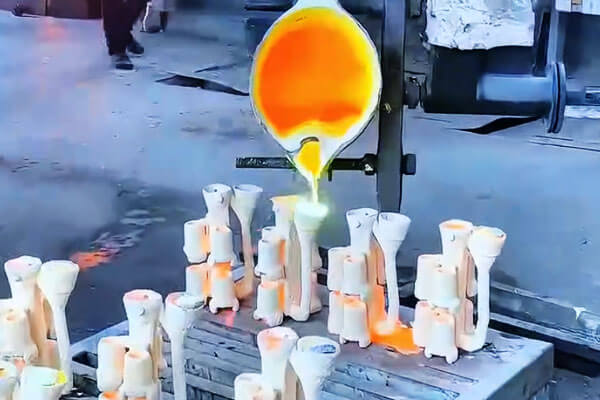
Proces se datuje zpět 5,000 let do starověkých civilizací v Egyptě, Čína, a Mezopotámii, kde se používal na bronzové sochy a šperky.
Dnes, jde o špičkovou technologii výroby lopatek leteckých turbín, lékařské implantáty, součásti střelných zbraní, a průmyslové ventily.
Procesní základy
| Fáze | Krok | Klíčový detail |
| 1 | Výroba vzorů | Vosk (nebo termoplast) vstřikován do přesné kovové matrice (nástroj). |
| 2 | Sestavení stromu | Více vzorů připojených k centrálnímu vliku (voskový strom). |
| 3 | Budova skořápky | 6-10 vrstev keramické kaše (Oxid křemičitý sol) + žáruvzdorný štuk (zirkon/oxid hlinitý). |
| 4 | Dewaxing | Parní autokláv roztaví vosk; skořápka zůstává dutá. |
| 5 | Střelba granátů | 900-1100°C vypalování pro zpevnění keramiky a odstranění těkavých látek. |
| 6 | Tání & nalévání | Kov tavený v indukční peci; nalijeme do předehřáté skořápky. |
| 7 | Knokaut & přerušení | Skořápka odstraněna vibracemi; komponenty vyřezané ze stromu. |
| 8 | Dokončení | Broušení, výstřel, tepelné zpracování, NDT kontrola. |
Klíčové vlastnosti
| Funkce | Popis |
| Geometrie | Velmi vysoká složitost; podříznutí, vnitřní pasáže, Tenké stěny (≥0,5 mm). |
| Povrchová úprava | As-cast Ra 1,6-6,3 µm; lze vyleštit na Ra <0.4 µm. |
| Tolerance | ±0,1–0,3 mm za 25 MM typický. |
| Materiály | Téměř jakákoliv litá slitina: Uhlíková ocel, nerez, Supermiony, titan, hliník, bronz. |
| Velikost dílu | Gram do ~150 kg (ocel). |
| Objem | Ekonomické z 100 na 10,000+ Části/rok. |
| Šrot | Minimální (téměř síťový tvar). |
2. Pochopení práškové metalurgie
Prášková metalurgie je výrobní proces, při kterém se zhutňují jemné kovové prášky (lisované) v tuhé matrici a poté zahřátý (slinovaný) pod bodem tání, aby se částice spojily do pevné složky.
Na rozdíl od lití na vytavitelné odlévání – které zahrnuje změnu fáze z kapaliny na pevnou látku – je PM proces v pevném stavu, který si zachovává chemické a mikrostrukturální vlastnosti prášku..
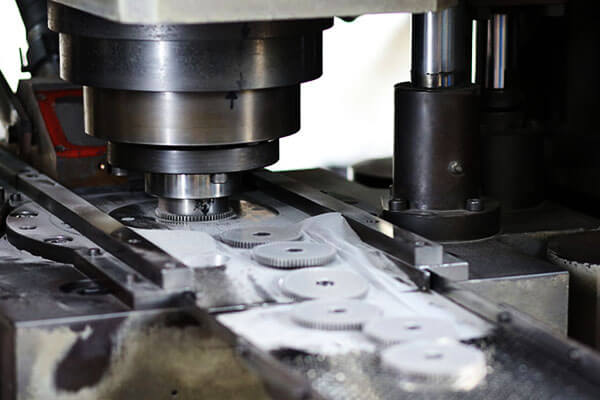
Moderní průmysl PM se objevil ve 20. letech 20. století výrobou samomazných ložisek a vláken wolframových žárovek.
Dnes, je to zralé, technologie velkoobjemové výroby, s automobilovým průmyslem spotřebovává přes 70% všech železných dílů PM na celém světě.
Procesní základy
| Fáze | Krok | Klíčový detail |
| 1 | Výroba prášku | Rozprašování vody nebo plynu, elektrolýza, snížení; kontrolovaná velikost/tvar částic. |
| 2 | Míchání | Prášky smíchané s lubrikanty (0.5-1,5 %) a přísady slitin (NAPŘ., grafit). |
| 3 | Zhutnění (lisování) | Jednoosé lisování v tuhé matrici; tlak 200-800 MPa; hustota zeleně 70–85 %. |
| 4 | Slinování | Topení v řízené atmosféře (endotermický plyn, N₂–H₂) na 70-90 % bodu tání (typicky 1120–1150 °C pro železo). |
| 5 | Volitelné sekundární operace | Dimenzování, razení, tepelné zpracování, infiltrace, obrábění, impregnace pryskyřicí. |
Klíčové vlastnosti
| Funkce | Popis |
| Geometrie | Střední složitost (2D tvary); omezené podříznutí; omezené úhly ponoru. |
| Povrchová úprava | As-slinutý Ra 3‑12 µm; lze vylepšit dimenzováním/ražbou. |
| Tolerance | ±0,05–0,1 mm za 25 mm (po dimenzování). |
| Materiály | Především železné (železo, ocel, nerez), na bázi mědi, wolfram, a speciální slitiny. Titan a hliník jsou možné, ale méně časté. |
| Velikost dílu | Obvykle <10 kg, <300 průměr mm. |
| Objem | Ekonomické z 5,000 na miliony dílů/rok. |
| Šrot | >95% materiálové využití. |
3. Výrobní principy: Jak se procesy liší
| Aspekt | Investiční lití | Prášková metalurgie |
| Výchozí materiál | Roztavený kov (kapalná fáze). | Kovový prášek (pevná fáze). |
| Změna fáze | Kapalina → Pevná (tuhnutí). | Pevné → Pevné (difúzní lepení). |
| Energetický zdroj | Teplo pro roztavení + nalévání. | Tlak + teplo (slinování). |
| Požadavek na plíseň | Keramická skořepina na jedno použití (za část). | Opakovaně použitelná kovová matrice (tisíce cyklů). |
| Doba cyklu | Hodiny (budova skořápky) na dny. | Sekundy (lisování) + hodin (slinovací vsázka). |
| Náklady na nástroje | Mírný (vosk zemře 5–20 tisíc dolarů). | Vysoký (lisovací matrice 10–50 tisíc dolarů). |
| Intenzita práce | Vysoký (hrubá stavba je ruční). | Nízký (automatizované lisování). |
| Rozměrová kontrola | Prostřednictvím smrštění pláště + voskový vzor. | Přes přesnost matrice + slinovací smrštění. |
Zásadní rozdíl: Investiční lití je a přesné lití tvaru sítě proces; PM je a prášková konsolidace proces.
První z nich nabízí téměř nekonečnou geometrickou svobodu; ten druhý nabízí téměř nekonečnou materiálovou efektivitu.
4. Kompatibilita materiálů a flexibilita slitin
| Materiální rodina | Investiční lití | Prášková metalurgie |
| Uhlíková ocel | Ano (široký rozsah) | Ano (nejběžnější PM materiál) |
| Nízkolegovaná ocel | Ano | Ano (Fe-Cu-C, Fe‐Ni‐Mo‐Cu) |
| Nerez | Vynikající (CF-8, CF-8M, 17-4ph) | Ano (304L, 316L, 410L, 17-4ph) |
| Nickel SuperLoys | Vynikající (Inconel 718, 625, Rene) | Omezený (vysoké náklady; specializované) |
| Slitiny kobaltu | Vynikající (Co-Cr-Mo) | Omezený |
| Titan | Vynikající (Stupeň 5, Cp) | Možné (vysoké náklady, reaktivní) |
| Hliník | Ano (A356, 380) | Omezený (problémy s oxidy; vzácný) |
| Měď / bronz | Ano (C90500, C93200) | Vynikající (Cu, mosaz, bronz) |
| Wolfram / těžké slitiny | Obtížný (vysoký bod tání) | Vynikající (W-Ni-Fe, W-Ni-Cu) |
| Keramicko-kovové kompozity | Není možné | Ano (cermety, WC-Co) |
Klíčový poznatek: Nabídka investičního lití podstatně širší pružnost slitiny, zejména pro vysokou teplotu tání, reaktivní, nebo těžko lisovatelné slitiny (titan, Supermiony, kobalt-chrom).
Prášková metalurgie vyniká železem, na bázi mědi, a materiály na bázi wolframu, stejně jako kompozity, které nelze odlévat kvůli nemísitelnosti nebo segregaci.
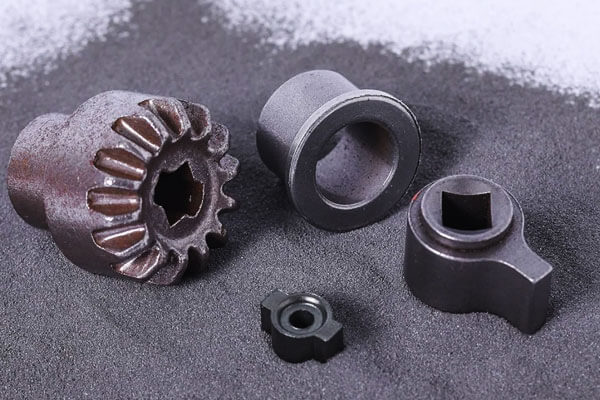
5. Rozměrová přesnost a povrchová úprava
| Kritérium | Investiční lití | Prášková metalurgie |
| Typická tolerance (mm/25 mm) | ±0,1–0,3 | ±0,05–0,1 (jako slinuté) ±0,025–0,05 (dimenzovaný/ražený) |
| Povrchová úprava (Ra, µm) | 1.6-6.3 (v obsazení) | 3-12 (jako slinuté) 0.8-3 (dimenzovaný/ražený) |
| Toleranční stabilita | Dobrý (smršťování pláště konzistentní) | Vynikající (přesnost matrice; slinovací proměnné) |
| Požadován úhel ponoru | Žádný (voskové vzory odstranit bez průvanu) | Ano (pro vyjmutí části z matrice) |
| Vlákna / vnitřní funkce | Cast přímo | Musí být opracováno (nelze stisknout nitě) |
Což je lepší? Pro složité geometrie s jemnými detaily a vysokou povrchovou úpravou, investiční lití je vynikající.
Pro jednoduché geometrie vyžadující extrémně úzké tolerance (zejména po sekundárních operacích), PM má výhodu.
6. Složitost geometrie a svoboda designu
| Designová vlastnost | Investiční lití | Prášková metalurgie |
| Podříznutí | Ano (voskový vzor lze sestavit) | Žádný (extrakce matrice vyžaduje přímý tah) |
| Vnitřní průchody | Ano (keramická jádra) | Žádný (nelze stisknout duté prvky) |
| Tenké stěny | 0.5-1,5 mm dosažitelné | 1.5-2,5 mm minimálně |
| Jemné vlastnosti (nápis, Logos) | Výborná reprodukce | Omezený (musí být raženy nebo opracovány) |
| Variabilní tloušťka řezu | Ano (se může hladce zužovat) | Omezený (nutná rovnoměrná hustota) |
| Asymetrický / Organické tvary | Vynikající | Chudý (lisování preferuje jednotné stěny) |
| 3D složitost | Vysoký | Mírný (v podstatě 2,5D) |
Investiční lití rozhodně vítězí v geometrické složitosti.
Schopnost vytvářet podříznutí, zakřivené vnitřní kanály, organické kontury, a jemným povrchovým detailům se prášková metalurgie nevyrovná, který je omezen lisovacím nástrojem a požadavkem na jednoosé zhutňování.
7. Mechanické vlastnosti a konstrukční vlastnosti
| Mechanická vlastnost | Investiční lití | Prášková metalurgie |
| Typická hustota | 99-100 % teoretického | 85-98 % (v závislosti na lisování a slinování) |
| Pevnost v tahu | Dobrý (kované jako ve zvukových odlitcích) | Středně dobré (záleží na hustotě) |
| Výnosová síla | Srovnatelné s tepanou | 10-30 % nižší než kované (efekt porozity) |
| Prodloužení | 10-35 % (Austenic) | 2-15 % (závislé na hustotě) |
| Tvrdost | 80-600 HB (závislý na slitině) | 60-400 HB (v závislosti na materiálu) |
| Únava | Mírný (citlivé na zářez) | Spodní (pórovitost působí jako stresor) |
| Ovlivnit houževnatost | Dobrý (v závislosti na slitině) | Spodní (poréznost křehne) |
| Jednotnost | Odlévaná struktura (dendritický) | Slinutá struktura (porézní, izotropní) |
| Odezva na zpevnění práce | Omezený (v obsazení) | Slinutá struktura může být tepelně zpracována |
Klíčové srovnání: Investiční lité díly jsou plně hustá a, při správném obsazení, přiblížit kované vlastnosti (90-95 % padělaných hodnot).
Díly pro práškovou metalurgii, i ve třídách s vysokou hustotou (≥95 % teoreticky), mají zbytkovou poréznost, která snižuje tažnost, houževnatost, a únavový výkon.
Pro bezpečnost kritické, vysoké zatížení, nebo aplikace náchylné k nárazům, preferován je investiční lití.
8. Hustota, Pórovitost, a vnitřní kvalita
| Aspekt | Investiční lití | Prášková metalurgie |
| Typická hustota | 99-100 % (plně hustá) | 85-98 % (zbytková pórovitost) |
| Typ pórovitosti | Smrštění nebo plyn (náhodný, vyhnout se) | Propojené a uzavřené (vlastní) |
| Kontrola poréznosti | Konstrukce vtoku / stoupačky; Hip snižuje porozitu | Lisovací tlak; spékací atmosféra |
| Tlaková těsnost | Vynikající (možné těsnící odlitky) | Chudý (porézní, vyžaduje těsnění) |
| Rozložení hustoty | Uniforma v celém rozsahu | Husté v blízkosti děr; nižší blízko středu (gradient zhutnění) |
| Použitelnost HIP | Společný (uzavírá pórovitost) | Vzácný (póry již uzavřené; HIP zvyšuje náklady) |
| Vnitřní čistota | Dobrý (možné inkluze) | Vynikající (prášky jsou čisté) |
Klíčový poznatek: Investiční lití vytváří plně husté díly, které jsou tlakově těsné a lze je tepelně zpracovat bez tvorby puchýřů.
PM díly, pokud nejsou speciálně zpracovány (NAPŘ., teplé zhutnění, dvojité stisknutí, Hip), mají zbytkovou poréznost, která omezuje tlakovou těsnost a určité odezvy tepelného zpracování.
9. Objem výroby a ekonomika výroby
| Ekonomický faktor | Investiční lití | Prášková metalurgie |
| Náklady na nástroje | Mírný ($5-20k vosková matrice) | Vysoký ($10-50k lisovací matrice) |
| Životnost nářadí | 50,000-200 000 cyklů vosku | 500,000-1 000 000 lisovacích cyklů |
| Náklady na suroviny | Vyšší (vosk, keramický, kov) | Spodní (prášek, lubrikant) |
| Využití materiálu | 85-95 % | >95% (téměř nulový odpad) |
| Doba cyklu | Minuty až hodiny (manuál) | <1 druhý (lisování) |
| Intenzita práce | Vysoký (budova skořápky) | Nízký (automatizované) |
| Zlomový objem | ~100-1000 dílů/rok | ~5 000–10 000 dílů/rok |
| Dodací lhůta (nástrojový) | 8-16 týdnů | 6-10 týdnů |
| Cena za díl (nízký objem, <500) | Středně vysoká | Velmi vysoká (nástroje amortizované) |
| Cena za díl (střední objem, 5k-50 tis) | Nízký | Velmi nízké |
| Cena za díl (vysoká hlasitost, >100k) | Nízký (ale PM je nižší) | Nejnižší |
Pravidlo rozhodování o nákladech:
- <1,000 Části/rok → Investiční lití (nástroje amortizované).
- 1,000-5 000 dílů/rok → Obojí možné; porovnávat složitost.
- >10,000 Části/rok → Prášková metalurgie (dramatické úspory nákladů).
- >100,000 Části/rok → PM je jasným vítězem.
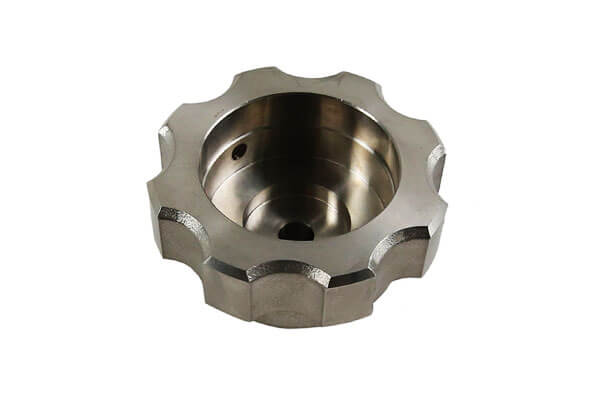
10. Průmyslové aplikace: Investiční lití versus prášková metalurgie
| Průmysl | Investiční lití | Prášková metalurgie |
| Automobilový průmysl | Kola turbodmychadla, Výfukové potrubí (nerez) | Ozubená kola, řetězové kopce, synchronizační rozbočovače, spojovací tyče (PM na bázi Fe) |
| Letectví | Turbínové čepele, palivové trysky, konstrukční pouzdra (Supermiony, titan) | Lehčí aplikace: tahové podložky, pouzdra, filtry |
| Lékařský | Ortopedické implantáty (Stonky kyčle, kolenní vaničky), Chirurgické nástroje | Ortopedické šrouby (Mim, PM derivát), kostní destičky |
| Olej & plyn | Tělesa ventilu, Oběžné kol, Podmořské konektory (nerez/duplex) | Filtrační prvky, vyvažovací závaží z těžké slitiny wolframu |
Střelné zbraně |
Přijímače, spouštěče, supresorové komponenty (17-4ph) | Spouštěcí mechanismy, následovníci časopisu, vratné pružiny |
| Průmyslové stroje | Čerpadlo, tělesa ventilu, převodovky (nerez/litina) | Ozubená kola, vačky, válečky, ložiska, Noste talíře |
| Elektrický | Součásti rozvaděče, Teteře | Elektrické kontakty, magnetická jádra, držáky kartáčů |
| Konzumní zboží | Sledujte případy, kování, dekorativní předměty | Komponenty zámku, části zipu, malé závorky |
11. Výhody a omezení investičního lití
Výhody
- Výjimečná geometrická složitost – podříznutí, vnitřní pasáže, Tenké stěny, Organické tvary.
- Široká pružnost slitiny – téměř jakýkoli slévatelný kov, včetně superslitin a titanu.
- Vynikající povrchová úprava – Ra 1,6-6,3 µm jako odlitek; lze vyleštit do zrcadla.
- Téměř síťový tvar – minimální odpad materiálu; poměr buy-to-fly <1.5:1.
- Není vyžadován žádný koncept – možné svislé stěny.
- Tlakotěsné odlitky – lze svařovat a tepelně zpracovávat.
- Osvědčené dědictví – tisíce let; rozsáhlé údaje a normy.
Omezení
- Vysoká pracnost – hrubá stavba je ruční, závislé na dovednostech.
- Pomalá doba cyklu – dny od vzoru po hotový díl.
- Omezení velikosti – praktické maximum ~150 kg.
- Vyšší náklady při malých objemech – amortizace nástrojů.
- Riziko poréznosti – smršťování a poréznost plynu vyžadují robustní řízení procesu.
- Omezeno na lité slitiny – s vysokou teplotou tání, nelze použít neslévatelné materiály.
12. Výhody a omezení práškové metalurgie
Výhody
- Špičkové využití materiálu - >95% bez šrotu; udržitelný.
- Vysoká míra produkce – lisovací cyklus <1 druhý; slinování kontinuální.
- Výborná rozměrová konzistence – přesnost řízená matricí.
- Nízké náklady na díl při vysokých hlasitostech.
- Řízená pórovitost - pro filtry, samomazná ložiska, elektrody baterie.
- Dobře, jednotná struktura zrna – žádné vady odlitku.
- Schopnost mísit slitiny – vytvářet jedinečné kompozice, které není možné tavením.
- Dobrá machinabilita – mnoho slitin PM obsahuje prvky, které zlepšují obrábění.
Omezení
- Omezená geometrická složitost - v podstatě 2,5D; žádné podříznutí, vnitřní pasáže.
- Potřebné úhly ponoru – pro vyhození části z matric.
- Nižší mechanické vlastnosti – zbytková pórovitost snižuje tažnost a únavu.
- Omezení velikosti a hmotnosti - <10 kg, <300 MM typický.
- Pórovitost omezuje tlakovou těsnost – těsnění požadované pro aplikace s kapalinami.
- Omezená flexibilita slitiny – titan, hliník, superslitiny jsou obtížné nebo nákladné.
- Vysoké náklady na nástroje – sady matric jsou drahé; vyrovnané objemy vysoké.
13. Investiční lití versus prášková metalurgie: Komplexní srovnávací tabulka
| Kritérium | Investiční lití | Prášková metalurgie |
| Princip procesu | Tuhnutí tekutého kovu v keramické formě | Zhutňování prášku + slinování |
| Výchozí materiál | Voskový vzor + roztavený kov | Kovový prášek + lubrikant |
| Geometrická složitost | Velmi vysoká (3D, podříznutí) | Mírný (2.5D, žádné podříznutí) |
| Minimální tloušťka stěny | 0.5-1,5 mm | 1.5-2,5 mm |
| Povrchová úprava (Ra, µm) | 1.6-6.3 (v obsazení) | 3-12 (jako slinuté) |
| Rozměrová tolerance | ±0,1–0,3 mm/25 mm | ±0,05-0,1 mm/25 mm (po dimenzování) |
| Hustota | 99-100 % | 85-98 % |
| Pórovitost | Nízký (smrštění/plyn) | Vlastní (reziduální) |
| Tlakotěsnost | Vynikající | Chudý (vyžaduje těsnění) |
| Řada slitin | Velmi široký (ocel, nerez, Supermiony, Z, Al, bronz) | Omezený (Fe, Cu, W, nějaké nerezové; Ti/Al vzácný) |
| Pevnost v tahu | Kované jako (dobrý) | Mírný (závislá na pórovitosti) |
| Tažnost | Dobrý (10-35 %) | Spodní (2-15 %) |
| Únava | Mírný | Spodní (látky zvyšující napětí z pórovitosti) |
| Náklady na nástroje | Mírný | Vysoký |
| Životnost nářadí | 50k-200 000 cyklů | 500k-1 000 tisíc cyklů |
| Využití materiálu | 85-95 % | >95% |
| Doba cyklu (za část) | Minuty až hodiny | <1 druhý (lisování) |
| Intenzita práce | Vysoký | Nízký |
| Zlomový objem | ~100-1000/rok | ~5 000–10 000/rok |
| Cena za díl (vysoká hlasitost) | Mírný | Velmi nízké |
| Typická maximální hmotnost dílu | 150 kg | 10 kg |
| Sekundární operace | Řezání, broušení, tepelné zpracování, Ndt | Dimenzování, tepelné zpracování, obrábění (omezený) |
14. Závěr
Investiční lití versus prášková metalurgie nejsou konkurenční technologie v každé situaci; spíše, řeší různé výrobní výzvy.
Investiční lití vyniká, když inženýři vyžadují složité geometrie, široký výběr slitin, Vynikající mechanické vlastnosti, vysoká hustota, a konstrukční spolehlivost.
Zůstává preferovanou volbou pro letecké komponenty, tělesa ventilu, díly čerpadla, zdravotnické prostředky, a vysoce výkonná průmyslová zařízení.
Prášková metalurgie vyniká ve velkých výrobních prostředích, kde je rozměrová konzistence, Účinnost materiálu, automatizace, a nízké jednotkové náklady jsou primárními cíli.
Dominuje aplikacím, jako jsou automobilové převody, ložiska, pouzdra, a sériově vyráběné mechanické komponenty.
Optimální výběr závisí na vyvážení pěti kritických faktorů:
- Geometrie součástí
- Požadovaný mechanický výkon
- Materiálové požadavky
- Objem výroby
- Celkové náklady životního cyklu
Pochopení těchto faktorů umožňuje výrobcům vybrat technicky nejvhodnější a ekonomicky konkurenceschopný proces.
Časté časté
Je vytavitelné lití silnější než prášková metalurgie?
Ve většině konstrukčních aplikací, Ano. Komponenty odlitku obecně dosahují vyšší hustoty, nižší porozita, a lepší odolnost proti únavě než konvenční díly práškové metalurgie.
Který proces poskytuje lepší rozměrovou přesnost?
Pro jednoduché, HIGH-EBEMUME PÍLY, prášková metalurgie často nabízí těsnější opakovatelnost. Pro složité geometrie, vytavitelné lití obvykle poskytuje lepší celkovou rozměrovou schopnost.
Mohou oba procesy vyrábět součásti z nerezové oceli?
Ano. Obě technologie podporují výrobu nerezové oceli, i když vytavitelné lití nabízí větší flexibilitu v jakostech slitin a složitosti součástí.
Který proces je nákladově efektivnější?
Prášková metalurgie je obecně nákladově efektivnější pro velmi vysoké objemy výroby. Investiční lití je často ekonomičtější pro nízké až střední výrobní série a složité díly.
Která odvětví nejvíce spoléhají na investiční lití?
Letectví, ropa a plyn, Chemické zpracování, lékařské vybavení, výroba energie, Zpracování potravin, a průmyslové stroje patří mezi největší uživatele komponentů odlévaných vytavitelným způsobem.