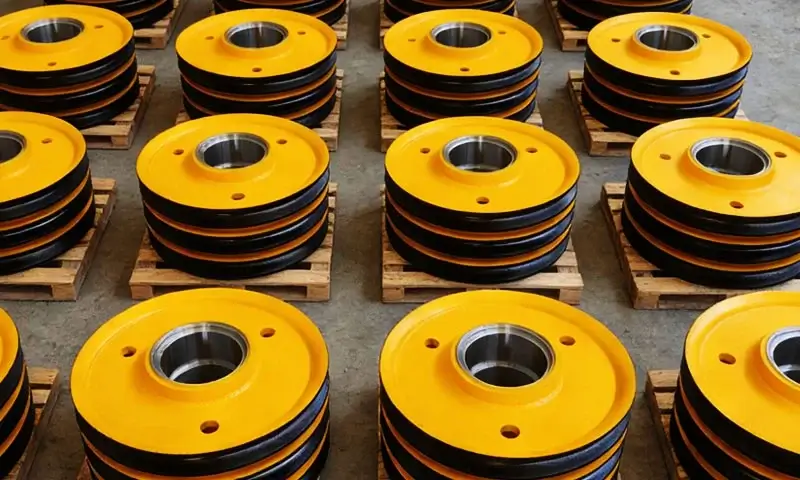
Hassas döküm, kontrollü boyut tutarlılığını korurken nispeten karmaşık metal geometrileri yeniden üretebildiğinden ve sonraki işleme için net şekle yakın bir başlangıç noktası sağladığından, özel vinç kasnakları için etkili bir üretim yolu sağlar..
Uygun alaşım seçimi ile birleştirildiğinde, Kontrollü Isı Tedavisi, CNC işleme, ve tahribatsız muayene, hassas döküm, belirli tel halat sistemlerine ve kaldırma uygulamalarına göre uyarlanmış makaralar üretebilir.
Mühendisliğin amacı sadece bir düzeneğe uyan bir kasnak üretmek değildir..
Amaç, döküm bütünlüğüne sahip bir bileşen üretmektir., Mekanik Özellikler, oluk geometrisi, boyutsal doğruluk, ve yüzey durumu tekrarlanan servis döngüleri boyunca uygun kalır.
Bu makale inceleniyor hassas döküm vinç kasnakları bileşen tasarımı açısından, malzeme mühendisliği, dökümhane üretimi, işleme, kalite kontrolü, ve uygulama performansı.
1. Vinç Kasnağı Nedir??
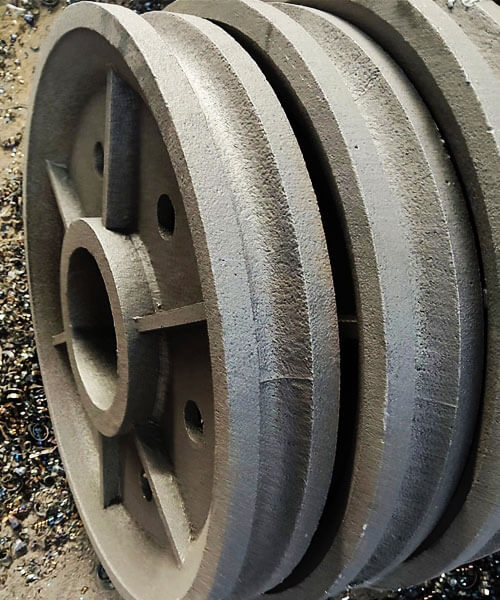
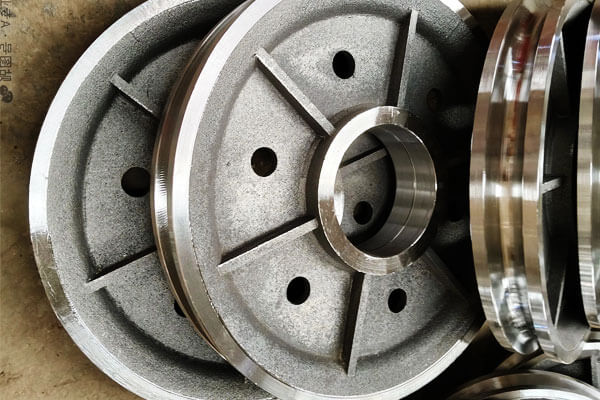
A vinç kasnağı yönlendirmek için kullanılan yivli bir tekerlektir, yönlendirmek, Destek, veya bir tel halatı bir vinç veya başka bir kaldırma mekanizması içine dağıtın.
Tel halat makaranın çevresi boyunca uzanır, kasnak bir şaft etrafında dönerken, pin, veya yatak destekli göbek.
Vinç konfigürasyonuna bağlı olarak, bir makara bloğuna bir veya daha fazla makara takılabilir, boşaltma sistemi, bom kafası, arabası montajı, veya başka bir kaldırma mekanizması.
Bir kasnağın temel amacı basittir: tel halatın yönünü değiştirir ve halatın yük altında azaltılmış sürtünme ve kontrollü bükülme ile hareket etmesini sağlar.
Gerçek mekanik işlevi, Yine de, oldukça daha talepkar.
Yüklü bir tel halat makaranın üzerinden geçtiğinde, halat defalarca bükülür ve bükülmez. Makara oluğu halatı destekler ve temas kuvvetlerini tanımlanmış bir bölgeye dağıtır.
Aynı zamanda, Kasnağın kendisi, aşırı deformasyon olmadan halattan iletilen kuvvetlere dayanmalıdır, çatlama, giymek, veya hizalama kaybı.
Temel Vinç Kasnağı Yapısı
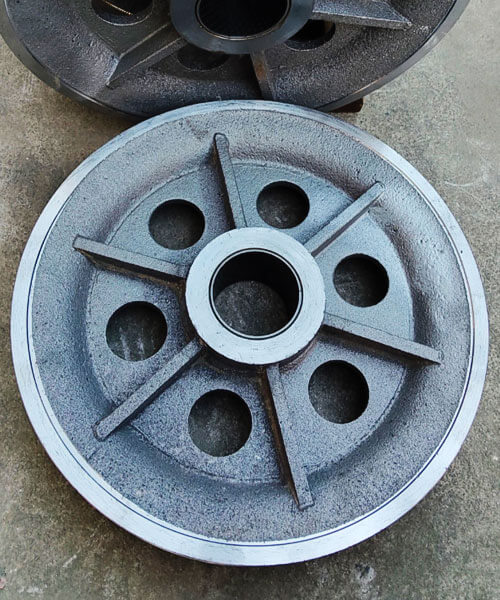
Geleneksel bir vinç kasnağı genellikle birkaç fonksiyonel alandan oluşur:
| Bileşen | Birincil işlev | Temel Mühendislik Hususları |
| Kasnak Gövdesi | Halatı destekler ve yükü iletir | Kuvvet, sertlik, döküm bütünlüğü |
| Halat Oluğu | Tel halatı alır ve yönlendirir | Yarıçap, derinlik, profil, yüzey kaplaması |
| Merkez | Kasnağı dönen desteğe bağlar | Yük aktarımı, duvar kalınlığı |
| Sıkıntı | Şaft veya yatak düzenine uygundur | Çap, tolerans, eş merkezlilik |
| Flanşlar | Tel halatın korunmasına yardımcı olur | Yükseklik, sertlik, gümrükleme |
| Rulman Yuvası | Uygun olduğu yerde rulmanı destekler | Boyutsal doğruluk, yüzey kaplaması |
| Kama yuvası / Montaj Özellikleri | Torku aktarır veya montajı sabitler | Konum, geometri, uyuşma |
2. Vinç Kasnakları için Ortak Malzemeler
Malzeme mukavemeti etkilediğinden, özel vinç kasnağı imalatında malzeme seçimi en önemli kararlardan biridir., sertlik, Direnç Giymek, yorgunluk davranışı, korozyon direnci, işlenebilirlik, ısıl işlem tepkisi, ve döküm performansı.
Karbon Çelik Dökümleri
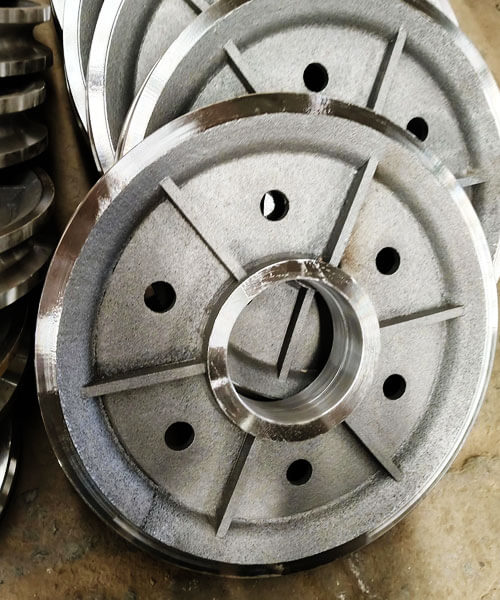
Karbon çeliği genel endüstriyel bileşenlere geniş ölçüde uygulanabilir çünkü faydalı bir mukavemet kombinasyonu sağlar, sertlik, işlenebilirlik, kaynaklanabilirlik, ve maliyet verimliliği.
Vinç makaraları için, Servis koşullarının arttırılmış mukavemeti gerektirmediği durumlarda karbon çeliği uygun olabilir, Sertleşebilirlik, veya daha yüksek alaşımlı malzemelerle ilişkili korozyon direnci.
Tam çelik kalitesi gerekli mekanik özelliklere göre seçilmelidir., döküm bölümü boyutu, ısıl işlem koşulu, çalışma ortamı, ve uygulanabilir teknik özellikler.
Alaşımlı Çelik Dökümler
Alaşımlı çelikler, kasnak daha zorlu bir yüklemeye maruz kaldığında veya sertleşebilirliği arttığında çekici hale gelir, sertlik, kuvvet, veya aşınma direnci gereklidir.
Manganez gibi alaşım elementleri, krom, molibden, ve nikel, malzemenin ısıl işlem ve servis yüklemesine tepkisini değiştirmek için farklı kombinasyonlarda kullanılabilir.
Ağır hizmet tipi vinç kasnakları için, Alaşımlı çeliğin faydası sadece daha yüksek mukavemet değildir. Doğru alaşım tasarımı, daha dengeli bir kombinasyon elde edilmesine yardımcı olabilir.:
Kuvvet + sertlik + yorgunluk direnci + Sertleşebilirlik + Direnç Giymek
Bu denge, makaranın, eşit ısıl işlem yanıtının daha zor olabileceği nispeten kalın bölümler içerdiği durumlarda özellikle önemlidir..
Paslanmaz çelik
Aşındırıcı koşullara maruz kalan özel vinç makaraları için paslanmaz çelik düşünülebilir., Marine dahil, kıyı, açık deniz, kimyasal, veya yıkama ortamları.
Fakat, Paslanmaz çelik, üstün korozyon direncine sahip olduğu için otomatik olarak en iyi seçenek olarak görülmemelidir..
Malzeme seçiminde mekanik yükleme dikkate alınmalıdır, aşınma davranışı, maliyet, işleme gereksinimleri, ve çevrenin gerçek aşındırıcılığı.
Birçok ağır hizmet kaldırma uygulaması için, uygun bir koruma sistemine sahip, uygun şekilde tasarlanmış karbon veya alaşımlı çelik, paslanmaz çelikten daha pratik olabilir.
Sünek demir
Sfero döküm, kullanışlı mukavemetin yanı sıra çekici döküm özellikleri de sağlayabilir, sertlik, Direnç Giymek, Titreşim sönümleme, ve boyutsal istikrar.
Uygulanabilirliği büyük ölçüde tasarım ve yük gereksinimlerine bağlıdır.
Sadece dökülebilirliği uygun olduğu için seçilmemelidir.; uygulamanın mekanik yükleme ve arıza sonuçlarının tamamı değerlendirilmelidir.
3. Vinç Kasnakları İçin Hassas Döküm Prosesi
Hassas döküm, karmaşık profillere sahip vinç makaralarının üretilmesi için etkili bir üretim yöntemidir, entegre hub'lar, yapısal geçişler, ve tamamen talaşlı imalatla üretilmesi maliyetli veya verimsiz olabilecek diğer geometriler.
Özelleştirilmiş vinç kasnakları için, yatırım kadrosu (Kayıp-Ağlama Dökümü) süreç nispeten sıkı döküm toleransları ve net şekle yakın bir yapı ile karmaşık geometrileri yeniden üretebildiği için özellikle değerlidir, sonraki CNC işleme kritik fonksiyonel boyutları oluştururken.
Hassas Döküm (Kayıp-Ağlama Dökümü) İşlem
| Sahne | Süreç Adımı | Tanım | Anahtar Kontroller |
| 1. Mühendislik & Alet | DFM analizi | 2D çizim veya 3D CAD modeli, döküm fizibilitesi açısından incelenir, duvar kalınlığı, geçişler, büzülme, işleme ödenekleri, ve geçiş gereksinimleri. | Döküm simülasyonu; Boyutlu Gereksinimler; taslak; fileto yarıçapı; işleme ödeneği |
| 2. Desen Üretimi | Balmumu enjeksiyonu | Vinç kasnağı geometrisini temsil eden doğru bir kurban modeli oluşturmak için hassas bir alete balmumu enjekte edilir. | Balmumu sıcaklığı; enjeksiyon basıncı; tutma baskısı; döngü süresi; desen boyutları |
| Desen incelemesi | Balmumu desenleri bozulma açısından kontrol edilir, eksik doldurma, flaş, boyutsal değişim, ve yüzey kusurları. | Desen boyutları; görsel muayene; boyutsal tutarlılık | |
| 3. Desen montajı | Ağaç montajı | Bireysel mum desenleri, kontrollü metal akışı sağlamak üzere tasarlanmış yolluklar ve kapaklarla merkezi bir yolluk sistemine bağlanır. | Geçit düzeni; desen yönü; boşluk; koşucu boyutları |
| 4. Kabuk binası | Bulamaç kaplama | Balmumu düzeneği tekrar tekrar seramik bulamacına batırılır ve çok katmanlı bir seramik kabuk oluşturmak için refrakter sıva ile kaplanır.. | Bulamaç viskozitesi; katman kalınlığı; kuruma süresi; nem; sıva parçacık boyutu |
| Kabuk takviyesi | Kabuk, metal dökümü için yeterli dayanıma ve geçirgenliğe sahip oluncaya kadar ilave seramik katmanlar uygulanır.. | Kabuk kalınlığı; kurutma koşulları; kabuk bütünlüğü | |
5. Çiğneme |
Otoklav / flaş mum giderme | Birleştirilen kabuk, mum desenini çıkarmak ve temiz bir seramik boşluk bırakmak için ısıtılır.. | Sıcaklık; buhar basıncı; ısıtma hızı; mum alma süresi |
| 6. Kabuk ateşleme | Seramik pişirme | Seramik kabuk, artık mumu çıkarmak için yüksek sıcaklıkta ateşlenir, kalıbı güçlendirmek, ve termal stabiliteyi sağlayın. | Fırın sıcaklığı; ısıtma hızı; bekletme süresi; kabuk sıcaklığı |
| 7. Erime | İndüksiyonla eritme | Seçilen alaşım kontrollü fırında eritilerek gerekli kimyasal bileşime ve dökme durumuna getirilir.. | Alaşım kimyası; erimiş sıcaklık; bekletme süresi; temizliği eritmek |
| 8. Metal Doğrulaması | Kimyasal analiz | Erimiş metal, dökmeden önce bileşiminin belirtilen alaşım derecesini karşıladığını doğrulamak için analiz edilir.. | Spektrometrik analiz; şarj malzemesi kontrolü; ısı numarası |
9. Dökme |
Yer çekimi / kontrollü dökme | Erimiş metal, özel olarak tasarlanmış geçit sistemi aracılığıyla önceden ısıtılmış seramik kabuğa verilir.. | Dökme sıcaklığı; dökme oranı; kalıp ön ısıtması; doldurma stabilitesi |
| 10. Katılaşma | Kontrollü soğutma | Döküm seramik kalıp içinde katılaşır. Besleme ve yönlü katılaşma, büzülmeyi ve diğer iç süreksizlikleri en aza indirecek şekilde kontrol edilir. | Termal gradyanlar; yükseltici verimliliği; soğutma oranı; bölüm kalınlığı |
| 11. Nakavt | Kabuk kaldırma | Yeterli soğutmanın ardından, seramik kabuk metal dökümden mekanik olarak çıkarılır. | Titreşim yoğunluğu; kabuk çıkarma yöntemi; döküm koruması |
| 12. Ayırmak | Kapı ve yükselticinin çıkarılması | Yolluklar, koşucular, kapılar, ve yükselticiler vinç kasnağı dökümünden ayrılır. | Kesim yeri; aşındırıcı testere parametreleri; parça taşıma |
13. Döküm Bitirme |
Bileme / atış patlaması | Artık kapılar, yüzgeçler, flaş, ve yapışan seramik kaldırılır ve yüzey sonraki işlemlere hazırlanır. | Aşındırıcı tip; patlatma basıncı; öğütme payı; yüzey durumu |
| 14. Isıl işlem | Normalleştirme / Q&T / stres giderme | Döküm, alaşıma ve gerekli mekanik özelliklere göre ısıl işleme tabi tutulur.. | Fırın sıcaklığı; ıslatma zamanı; soğutma oranı; sertlik |
| 15. CNC İşleme | Dönme / sıkıcı / oluk işleme | Delik gibi fonksiyonel özellikler, hub, yatak yuvası, halat oluğu, ve montaj yüzeyleri son boyutlara göre işlenir. | Boyutsal tolerans; eş merkezlilik; somun; yüzey pürüzlülüğü |
| 16. Son muayene | Boyutsal ve NDT denetimi | Bitmiş kasnak geometriyi doğrulamak için incelenir, Mekanik Özellikler, yüzey durumu, Ve, belirtildiği yerde, iç bütünlük. | CMM; sertlik; Uygun olduğu şekilde UT/MT/PT/RT; görsel muayene |
4. Halat Oluğu İşleme ve Yüzey İşlemi
Halat oluğu, vinç makarasının en önemli işlevsel özelliklerinden biridir çünkü tel halatın nasıl desteklendiğini belirler, yönlendirilmiş, ve çalışma sırasında bükülmüş.
Döküm gövdesi mükemmel metalurjik bütünlüğe sahip olsa bile, Yanlış işlenmiş bir oluk ipin aşınmasını hızlandırabilir, Yerel temas stresini artırın, Düzensiz yüklemeyi teşvik edin, ve hem halatın hem de makaranın servis ömrünü kısaltır.
Döküm Sonrası Oluk İşleme
Hassas döküm veya diğer hassas döküm işlemleri, net şekle yakın bir kasnak üretebilir, ancak son halat oluğu, kontrollü geometri ve yüzey kalitesi kritik olduğunda normal olarak işleme gerektirir.
İşleme sırası şunları içerebilir::
Döküm denetimi → veri oluşturma → kaba tornalama → kanal işleme → son tornalama → boyut doğrulama
Kasnak öncelikle uygun veriler kullanılarak güvenli bir şekilde yerleştirilir. İşleme referansı, rastgele bir döküm yüzeyinden ziyade bileşenin işlevsel merkez çizgisinden oluşturulmalıdır..
Bu özellikle büyük veya asimetrik makaralar için önemlidir çünkü aksi takdirde döküm varyasyonu doğrudan nihai oluk konumuna aktarılabilir..
Oluk Eşmerkezliliği ve Salgı
Halat oluğu ile kasnak deliği arasındaki ilişki kritik öneme sahiptir.
Yiv delik ile eşmerkezli değilse, halat, makara döndükçe değişen bir radyal konum deneyimleyebilir.
Aşırı salgı, halat temasında ve yüklemede döngüsel değişikliklere yol açabilir ve titreşime veya bileşenlerin daha hızlı aşınmasına katkıda bulunabilir.
Hassas vinç kasnakları için, bu nedenle üreticiler aşağıdakiler için muayene kriterleri oluşturmalıdır::
- Oluktan deliğe eş merkezlilik
- Radyal salgı
- Eksenel salgı
- Delik çapı
- Oluk çapı
- Oluk profili
- Flanş boyutları
İzin verilen değerler evrensel olarak atanmak yerine mühendislik çiziminden veya geçerli spesifikasyondan gelmelidir..
Halat Oluğunun Yüzey Kaplaması
Amaçlanan temas geometrisini korurken tel halatın gereksiz aşınmasını önlemek için yüzey kalitesi yeterince kontrol edilmelidir..
Kaba bir, yırtık, gözenekli, veya yanlış taşlanmış oluk, gerilim yoğunlaşmaları veya aşındırıcı noktalar olarak işlev gören lokal pürüzlerin oluşmasına neden olabilir.
Tersine, Yanlış bir oluk profilini telafi etmek için yüzey bitirme işlemi kullanılmamalıdır.
Yüzey hazırlama sırası şunları içerebilir::
- Kaba işleme
- Yarı finiş işleme
- Bitiş işleme
- Çiğneme
- Belirtildiği yerde kontrollü cilalama veya taşlama
- Son temizlik
Halat ve makara spesifikasyonuna göre gerekli yüzey pürüzlülüğü tanımlanmalıdır..
Tek bir sayısal Ra değeri evrensel olarak uygulanabilir olarak değerlendirilmemelidir çünkü farklı halat yapıları ve hizmet koşulları farklı yüzey kriterleri gerektirebilir.
5. Döküm Vinç Kasnaklarının Isıl İşlemi
Isıl işlem döküm vinç kasnaklarının imalatında kritik bir aşamadır, özellikle karbon çeliği veya alaşımlı çelik kullanıldığında.
Döküm, bileşenin temel geometrisini oluşturur, ancak döküm halindeki mikro yapı, zorlu mekanik servisler için mutlaka optimum yapı değildir.
Uygun şekilde kontrol edilen bir ısıl işlem süreci, mikro yapıyı değiştirebilir ve gerekli ısıl işlem kombinasyonunu geliştirebilir. kuvvet, sertlik, sertlik, yorgunluk direnci, ve boyutsal istikrar.
Uygun ısıl işlem yöntemi alaşım kimyasına bağlıdır, döküm bölümü boyutu, gerekli mekanik özellikler, ve müşteri özellikleri.
Ortak Isıl İşlem Prosesleri
Normalleştirme
Normalleştirme, çeliğin dönüşüm sıcaklığının üzerinde uygun bir sıcaklık aralığına ısıtılmasını içerir., yeterli süre boyunca tutmak, ve daha sonra havada soğutuyoruz.
Dökme çelikler için, normalleştirme, mikro yapıyı iyileştirmeye ve homojenleştirmeye yardımcı olabilir ve dökümle ilişkili bazı düzensizlikleri azaltabilir.
Makul tokluk ve boyutsal stabilite ile birlikte orta ila yüksek mukavemetin gerekli olduğu durumlarda kullanılabilir..
Tavlama
Tavlama genellikle ısıtmayı ve ardından kontrollü soğutmayı içerir.
Sertliği azaltabilir, işlenebilirliği geliştirmek, İçsel stresleri hafifletin, ve daha yumuşak bir ürün üretin, daha kararlı metalurjik durum.
Tavlama, sonraki işleme gereksinimlerinin özellikle zorlu olduğu durumlarda bir ara işlem olarak faydalı olabilir..
Söndürme ve temperleme
Uygun alaşımlı ve karbonlu çelikler için, söndür ve öfkelendir (Q&T) Kontrollü tokluğun yanı sıra önemli ölçüde artırılmış mukavemet ve sertlik elde etmek için işlem kullanılabilir.
Temel süreç:
Östenitleme → Su Verme → Temperleme
Söndürme adımı daha sert bir mikro yapı üretir, Temperleme aşırı kırılganlığı azaltır ve güç ile tokluğun nihai dengesini ayarlar..
Ağır yüklü vinç bileşenleri için, Temperleme aşaması özellikle önemlidir çünkü maksimum sertlik mutlaka optimum servis performansına eşdeğer değildir.
Stres rahatlatıcı
Gerilim giderme ısıl işlemi, döküm sırasında oluşan artık gerilimleri azaltmak için kullanılabilir., kaynak, kapsamlı işleme, veya önceki ısıl işlem.
Bu, boyutsal stabilitenin önemli olduğu büyük makaralar için özellikle yararlı olabilir..
6. Yaygın Vinç Kasnağı Döküm Kusurları ve Kök Nedenleri
Döküm kusurları vinç makaralarının yapısal güvenilirliğini önemli ölçüde etkileyebilir.
Çünkü bir kasnak döngüsel olarak yüklenen bir bileşendir, Düşük gerilimli dekoratif dökümde tolere edilebilecek iç süreksizlikler, bileşen tekrarlanan kaldırma yüklerine maruz kaldığında önemli hale gelebilir.
| Kusur | Tanım | Ana neden | Önleyici Tedbirler |
| Büzülme gözenekliliği | İç boşluklar | Katılaşma sırasında yetersiz besleme. | Yükseltici tasarımını optimize edin; titremeyi kullan; simülasyon. |
| Gaz gözenekliliği | Küçük yuvarlak boşluklar | Gaz tuzağı; eriyikteki çözünmüş gazlar. | Erimek için yanmak; Dökme uygulamasını geliştirin; temiz şarj. |
| Sıcak Gözyaşları | Çatlaklar | Katılaşma sırasında çekme gerilimi. | Dökme sıcaklığını azaltın; kabuğun katlanabilirliğini iyileştirin. |
| Kum kalıntıları | Gömülü kum | Seramik kabuğun erozyonu. | Kabuk gücünü artırın; türbülansı azaltın. |
Mısır |
Eksik doldurma | Düşük dökme sıcaklığı; yetersiz metal. | Dökme sıcaklığını artırın; geçitlemeyi iyileştir. |
| Soğuk Kapatır | Yüzey turları | İki akışın birleşmeden buluşması. | Dökme sıcaklığını artırın; geçitlemeyi iyileştir. |
| Boyutsal değişiklik | Tolerans dışı boyutlar | Desen aşınması; kabuk genişletme. | Takımların bakımını yapın; kabuk sürecini kontrol etme. |
| Kötü yüzey kalitesi | Pürüzlü yüzey | Kaba seramik; kabuk kusurları. | Daha ince kabuk kullanın; kabuk sürecini iyileştir. |
7. Hassas Döküm Vinç Kasnaklarının Uygulamaları
Tel halatların yeniden yönlendirilmesi gereken kaldırma sistemlerinde hassas döküm vinç kasnakları kullanılır, desteklenen, Kontrollü halat temasını ve mekanik güvenilirliği korurken veya sarılırken.
Tavan ve EOT Vinçleri
Havai vinçler ve elektrikli havai yolculuklar (EOT) vinçler genellikle kanca bloğundaki makaraları kullanır, kaldırma mekanizması, ve tarama sistemi.
Bu uygulamalar genellikle gerektirir:
- Tekrarlanan yüklemelere karşı yüksek direnç
- Doğru halat oluğu geometrisi
- İyi dönme dengesi
- Güvenilir rulman arayüzleri
- Delik ve oluk arasında kontrollü eşmerkezlilik
- Yeterli yorulma direnci
Sık sık döngülenen üretim vinçleri için, kasnak dayanıklılığı bakım aralıkları üzerinde doğrudan etkiye sahip olabilir çünkü oluk aşınması ve halat yorgunluğu yakından ilişkilidir.
Özel döküm makaralar, vinç üreticisinin belirli bir tambur için optimize edilmiş boyutlara ihtiyaç duyduğu durumlarda özellikle kullanışlıdır, kanca bloğu, tel halat, veya kurulum zarfı.
Portal ve Portal Vinçler
Portal ve portal vinçler konteyner elleçlemesinde yaygın olarak kullanılmaktadır, tersaneler, endüstriyel alanlar, çelik tesisleri, ve ağır malzeme taşıma.
Makaraları nispeten yüksek halat gerilimlerine ve dinamik yüklemeye maruz kalabilir.
Ek olarak, dış mekan kurulumları bileşenleri yağmura maruz bırakır, nem, toz, sıcaklık dalgalanmaları, ve potansiyel olarak aşındırıcı atmosferik koşullar.
Sonuç olarak malzeme seçimi tasarımın önemli bir parçası haline gelir.
Genel ağır hizmet uygulamaları için karbon veya alaşımlı dökme çelik uygun olabilir, korozyona dayanıklı alaşımlar veya koruyucu kaplama sistemleri deniz ortamlarında daha uygun hale gelebilir.
Büyük portal vinçler için, boyutsal stabilite ve yapısal döküm bütünlüğü özellikle önemlidir çünkü kasnak boyutları önemli hale gelebilir.
Kule Vinçler
Kule vinçleri kaldırma işleminde makaraları kullanır, tramvayla taşıma, ve orsa mekanizmaları. Alan kısıtlamaları, halat yönlendirme, ve nispeten yüksek çalışma döngüleri boyut optimizasyonunu önemli kılmaktadır.
Özel bir kasnağın birbiriyle rekabet eden birçok gereksinimi karşılaması gerekebilir:
Ciddi halat bükülmesini azaltacak kadar büyük, ancak vincin mekanik kaplamasına sığacak kadar kompakt.
Oluk profili aynı zamanda seçilen tel halata da uygun olmalıdır, göbek ve yatak düzeninin ise vincin mevcut bileşenleriyle entegre olması gerekir.
Hassas döküm, tüm bileşenin büyük bir kütükten işlenmesini gerektirmeden karmaşık göbek ve flanş konfigürasyonlarının geliştirilmesinde esneklik sağlayabilir.
Liman, Liman, ve Konteyner Vinçleri
Liman vinçleri zorlu kombinasyonlar altında çalışır:
- Yüksek kaldırma yükleri
- Yüksek kullanım
- Sürekli veya yarı sürekli görev
- Tuz yüklü atmosferler
- Dinamik yükleme
- Sıkı bakım gereksinimleri
Bu sistemlerde kullanılan makaralar bu nedenle mekanik mukavemetin bir kombinasyonunu gerektirebilir, Direnç Giymek, yorgunluk direnci, korozyon koruması, ve hassas işleme.
Korozyonun şiddetli olduğu yerlerde, belirli bileşenler için paslanmaz veya dubleks paslanmaz dökümler düşünülebilir, seçimin yalnızca korozyon direncinden ziyade tüm mekanik ve çevresel gerekliliklere dayanması gerekse de.
Gemi İnşa ve Deniz Vinçleri
Deniz vinçleri genellikle nemli ortamlarda çalışır, Korozyonun bileşen ömrünü önemli ölçüde etkileyebileceği tuzlu su içeren ortamlar.
Hassas döküm vinç kasnakları kullanılabilir:
- Gemi kaldırma sistemleri
- Tersane vinçleri
- Güverte vinçleri
- Deniz taşıma sistemleri
- Açık deniz destek ekipmanları
Bu uygulamalar için, Üretici sadece dökme malzemeyi değil aynı zamanda işlenmiş yüzeylerin durumunu da dikkate almalıdır., bağlantı elemanları, rulmanlar, koruyucu kaplamalar, drenaj, ve bakım.
Oluktaki lokal korozyon, hub, veya yatak arayüzü özellikle istenmeyebilir çünkü bu alanlar işlevsel olarak kritiktir.
Açık Deniz Vinçleri
Açık deniz kaldırma sistemleri, yüksek mekanik yükleri deniz korozyonuyla birleştirdiklerinden özellikle zorlu servis koşulları gerektirir, Rüzgarın neden olduğu hareket, titreşim, ve potansiyel olarak ciddi dinamik etkiler.
Açık deniz hizmetine yönelik hassas döküm vinç kasnağı,:
- Yüksek kırık tokluğu
- Kontrollü kimyasal bileşim
- Nitelikli ısıl işlem
- Korozyona dayanıklı malzeme veya kaplama
- Kapsamlı NDT
- İzlenebilir malzeme sertifikası
- Sıkı boyut kontrolü
Bu tür uygulamalar için, Mühendislik spesifikasyonu gerekli muayene ve kabul kriterlerini ayrıntılı olarak tanımlamalıdır.. Uygunluğu belirlemek için malzeme kalitesi tek başına yeterli değildir.
Madencilik ve Ağır Sanayi Vinçleri
Madencilik tesisleri, çelik fabrikaları, dökümhaneler, enerji santralleri, ve ağır üretim operasyonlarında genellikle tozla karakterize edilen ortamlarda vinçler kullanılır, titreşim, Yüksek sıcaklıklar, yüksek kullanım, ve ağır yükler.
Bu uygulamalara yönelik makaralar, daha yüksek direnç gerektirebilir:
- Döngüsel yorgunluk
- Mekanik etki
- Oluk aşınması
- Kirlenme
- Yüksek çalışma sıcaklıkları
- Aşındırıcı ortamlar
Uygun ısıl işleme tabi tutulmuş alaşımlı çelik dökümler, ağır hizmet performansının gerekli olduğu yerlerde mekanik özelliklerin güçlü bir kombinasyonunu sağlayabilir.
İnşaat ve Malzeme Taşıma Ekipmanları
İnşaat vinçleri, yük asansörleri, vinçler, ve malzeme taşıma sistemleri aynı zamanda tel halatı yeniden yönlendirmek ve kontrollü sarma işlemini sürdürmek için makaraları kullanır.
Gereksinimler önemli ölçüde farklılık gösteriyor. Nispeten küçük bir kaldırma kasnağı, maliyete ve kompaktlığa öncelik verebilir, yüksek kapasiteli bir inşaat vinci ise yüksek düzeyde mühendislik ürünü oluk ve yatak arayüzleri gerektirebilir.
Bu uygulama çeşitliliği, yetenekli bir özel üreticinin, her uygulamayı tek bir standart tasarıma zorlamak yerine birden fazla malzeme ve üretim yolunu destekleyebilmesinin nedenlerinden biridir..
8. Vinç Kasnakları İçin Hassas Dökümün Avantajları
| Avantaj | Mühendislik Değeri |
| Net şekle yakın yetenek | Gereksiz işlemeyi azaltır |
| Karmaşık geometri | Optimize edilmiş hub'ı destekler, flanş, ve yapısal özellikler |
| Malzeme esnekliği | Uygulamaya özel alaşım seçimini mümkün kılar |
| Entegre üretim | Döküm ve CNC işleme birlikte tasarlanabilir |
| Tekrarlanabilirlik | OEM ve yedek parça üretimi için kullanışlıdır |
| Azaltılmış malzeme atığı | Büyük stoktan işlemeye göre daha az çıkarma |
| Tasarım özelleştirme | Uygulamaya özel geometriyi destekler |
| Ölçeklenebilir üretim | Takımlamanın uygun olduğu durumlarda tekrarlı üretime uygundur |
9. Hassas Döküm Vinç Kasnakları vs. Dövme ve Fabrikasyon Makaralar
Arasındaki seçim hassas döküm, dövme, ve imalat tek bir üretim sürecinin evrensel olarak üstün olduğu varsayımı yerine, vinç makarasının gerçek mühendislik gereksinimlerine dayanmalıdır.
Her yöntem farklı bir geometri dengesi yaratır, malzeme kullanımı, Mekanik Özellikler, üretim esnekliği, işleme gereksinimleri, ve maliyet.
Özel vinç kasnakları için, Dolayısıyla asıl soru basitçe “Hangi süreç daha güçlü?” ama daha ziyade:
Hangi üretim süreci gerekli yük kapasitesini en verimli şekilde sağlayabilir?, yorgunluk performansı, halat oluğu doğruluğu, yapısal bütünlük, boyutlar, üretim hacmi, ve hizmet güvenilirliği?
Aşağıdaki karşılaştırma, vinç makaraları için üretim rotası seçerken önemli olan temel mühendislik farklılıklarına odaklanmaktadır.
| Temel Fark | Hassas Döküm Vinç Kasnakları | Dövme Vinç Kasnakları | Fabrikasyon / Kaynaklı Makaralar |
| En Uygun | Karmaşık, net şekle yakın geometri ve tekrarlı üretim gerektiren özelleştirilmiş makaralar | Yüksek mukavemetli ve yorulma açısından kritik uygulamalar | Çok büyük, düşük hacimli, veya son derece özelleştirilmiş kasnaklar |
| Geometri & Tasarım Özgürlüğü | Harika karmaşık merkezler için, flanşlar, kaburga, ve geçişler | Ilıman; geometri dövme ile uyumlu olmalıdır | Harika çok parçalı yapı sayesinde |
| Mekanik performans | Döküm kalitesi ve ısıl işlem uygun şekilde kontrol edildiğinde mükemmel | Harika, özellikle yüksek mukavemetli ve yorulma gerektiren uygulamalar için | İyi, ancak kaynak tasarımına ve kalitesine büyük ölçüde bağlıdır |
| Malzeme Verimliliği | Yüksek, nispeten az fazla malzeme ile | Ilıman; işleme ödeneği genellikle gereklidir | Değişken; plakaya bağlıdır, yüzük, ve bileşen düzeni |
| İşleme Gereksinimi | Ilıman; esas olarak kritik fonksiyonel yüzeyler | Orta ila yüksek | Orta ila yüksek |
| Büyük Çap Yeteneği | İyi, ancak döküm ekipmanına ve prosesine bağlıdır | Dövme kapasitesi ve takımlarla sınırlıdır | Çok büyük yapılar için mükemmel |
Üretim hacmi |
OEM üretimini tekrarlamak için çok uygundur | Kalıplamanın gerekli olduğu durumlarda tekrarlanan üretim için en uygunudur | Düşük hacimli veya proje bazlı üretime çok uygundur |
| Takım maliyeti | Ilıman | Yüksek | Nispeten düşük |
| Ana Kalite Konusu | Büzülme gibi döküm kusurları, gözeneklilik, ve kapanımlar | Malzeme kalitesi, bütünlüğü sağlamak, ve ısıl işlem kontrolü | Kaynak kusurları, kalıntı stres, ve bozulma |
| Ana Avantaj | Karmaşık geometri + özelleştirme + Net Net Şekil | Yüksek mekanik performans | Büyük boy + yapısal esneklik |
| Ana Sınırlama | Sıkı dökümhane ve NDT kontrolü gerektirir | Daha yüksek takım ve işleme maliyeti | Daha fazla kaynak ve boyut kontrolü zorluğu |
10. Özel Hassas Döküm Vinç Kasnakları için Neden LangHe Endüstrisini Seçmelisiniz??
Vinç-kasnak tedarikçisinin seçilmesi, döküm fiyatlarını karşılaştırmanın ötesine geçmelidir.
Çünkü bileşen yapısal dökümü birleştiriyor, ısıl işlem, hassas işleme, halat temas geometrisi, ve muayene, Tedarikçinin tüm üretim zincirini kontrol etme yeteneği çoğu zaman nominal döküm prosesinin kendisinden daha önemlidir..
Langhe Endüstrisi Özel hassas döküm vinç kasnaklarına entegre bir üretim projesi olarak yaklaşabilir, bağlantı mühendisliği incelemesi, döküm geliştirme, işleme, bitirme, ve kalite muayenesi.
| Yetenek | Detaylar |
| Malzemeler | Karbon çeliği (WCB), dökme çelik, sünek demir (60-40-18, 65-45-12, 80-55-06), paslanmaz çelik (CF-8, CF-8M, 17-4Ph), alaşım çelik (4140, 4340) |
| Döküm işlemi | Yatırım kadrosu, kum dökümü. |
| Parça ağırlığı | 0.5 kg yapmak 500 kilogram. |
| Tolerans | ± 0.1-0.3 mm (ISO başına CT5-CT7 8062). |
| Kalite | ISO 9001:2015 sertifikalı; 100% denetleme; CMM; yüzey profilometresi; NDT (Röntgen, penetran). |
| Kurşun zamanı | 6Takımlama için –12 hafta; 2Tekrarlanan siparişler için –4 hafta. |
11. Çözüm
Vinç kasnağı, zorlu bir mekanik işleve sahip, nispeten basit görünümlü bir bileşendir. Yükü göbekten aktarırken tel halatı tekrar tekrar yönlendirmeli ve bükmelidir., rulmanlar, ve destekleyici yapı.
Sonuç olarak, oluk geometrisi, Malzeme Bütünlüğü, ısıl işlem koşulu, işleme doğruluğu, eş merkezlilik, ve yüzey kalitesinin tümü gerçek dünyadaki kasnak performansına katkıda bulunur.
Hassas döküm, karmaşık geometri söz konusu olduğunda özel vinç kasnakları için ilgi çekici bir üretim rotası sunar, net şekle yakın üretim, Malzeme esnekliği, ve tekrarlanabilirlik önemlidir.
Mühendislerin göbekleri entegre etmesine izin verirken gereksiz işlemeyi azaltabilir, flanşlar, kaburga, geçişler, ve dökümdeki diğer yapısal özellikler.
LangHe Industry, hassas döküm vinç kasnakları için özel bir üretim yaklaşımı sunuyor, döküm mühendisliğini birleştirmek, malzeme seçimi, CNC işleme, ısıl işlem, bitirme, uygulamaya özel OEM gereksinimlerini desteklemek için denetim ve denetim.
SSS
Hassas döküm vinç kasnağı nedir?
Hassas döküm vinç kasnağı, kontrollü bir döküm işlemi kullanılarak üretilen bir tel halat kasnağıdır., yaygın olarak yatırım veya başka bir hassas odaklı döküm yöntemi, ardından kritik fonksiyonel yüzeylerin işlenmesi gelir.
Döküm birincil geometriyi oluşturur, CNC işleme halat oluğu gibi özellikleri oluştururken, delik, ve yatak koltukları.
Masif çelikten bir vinç kasnağını işlemek yerine neden hassas döküm kullanmalısınız??
Hassas döküm, işleme öncesinde nihai geometrinin çoğunu üretebilir.
Bu malzeme kaldırmayı azaltabilir, işleme süresi, ve malzeme israfını önlerken karmaşık göbekler için daha fazla özgürlük sağlar, flanşlar, kaburga, ve yapısal geçişler.
Döküm vinç kasnağı dövme kasnak kadar güçlü müdür??
Evrensel bir cevap yok. Düzgün tasarlanmış ve işlenmiş bir çelik döküm kasnak mükemmel mekanik performans sağlayabilir,
ancak dövme, oldukça konsolide bir dövme yapının ve belirli yorulma özelliklerinin gerekli olduğu uygulamalarda avantajlar sunabilir.
Uygunluk malzemeye bağlıdır, geometri, bölüm boyutu, ısıl işlem, yükleniyor, ve muayene gereklilikleri.
Bir vinç kasnağı için en önemli kalite faktörü nedir??
Kaliteyi belirleyen tek bir parametre yoktur. Döküm bütünlüğü, Mekanik Özellikler, oluk geometrisi, delik hizalaması, yüzey durumu, ve boyutsal doğruluk birlikte çalışmalıdır.
Güvenlik açısından kritik uygulamalar için, bu özellikler onaylı mühendislik spesifikasyonuna ve muayene planına göre doğrulanmalıdır..
Vinç kasnağının hizmet ömrü nasıl artırılabilir??
Servis ömrü, makaradan ipe doğru boyutlandırmayla artırılabilir, uygun oluk geometrisi, uygun malzeme seçimi, uygun yağlama ve bakım,
doğru hizalama, kontrollü üretim kalitesi, ve oluk aşınması veya diğer hasarlar belirtilen sınırı aştığında zamanında değiştirme.