Yönlendirme vanaları sıvı taşıma sistemlerinde önemli bileşenlerdir, akışın bir yoldan diğerine yönlendirilmesini sağlamak.
Bu vanalar sıhhi tesisatta yaygın olarak kullanılmaktadır., ısıtma, havalandırma, klima (HVAC), su arıtma, ve endüstriyel işleme.
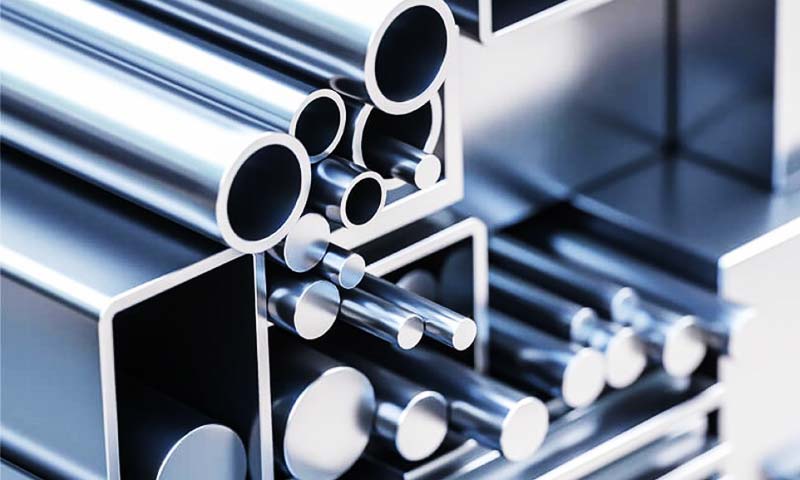
Yönlendirme vanalarında kullanılan çeşitli malzemeler arasında, Pirinç, mükemmel işlenebilirliği nedeniyle tercih edilen seçenek olarak öne çıkıyor, korozyon direnci, antimikrobiyal özellikler, ve estetik çekicilik.
Yüksek kaliteli pirinç yönlendirme vanalarının üretimi, hassas döküm ve gelişmiş CNC işlemenin bir kombinasyonunu gerektirir.
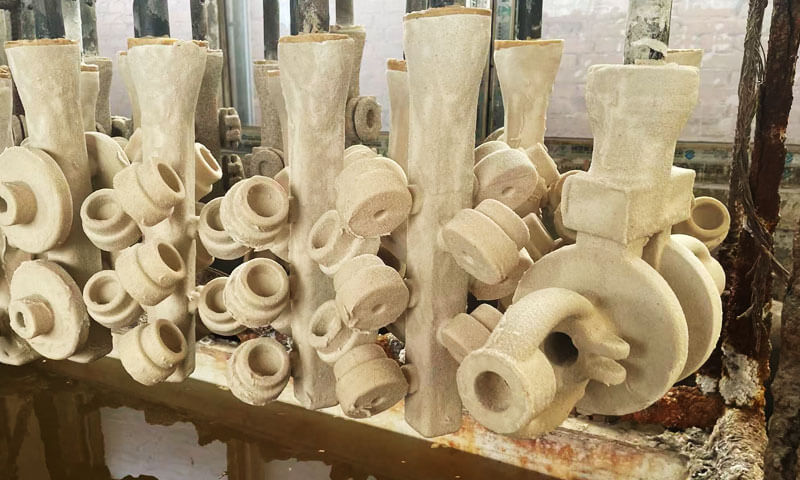
Kayıp balmumu dökümü (yatırım kadrosu) Yönlendirici vana gövdelerinin karmaşık iç geçişlerini ve karmaşık geometrilerini üretmek için ideal yöntemdir.
Hassas CNC işlemeyle birleştirildiğinde, bu süreç olağanüstü boyutsal doğruluğa sahip valfler sağlar, Pürüzsüz yüzey kaplamaları, and reliable performance.
1. Pirinç Yönlendirme Vanası Nedir??
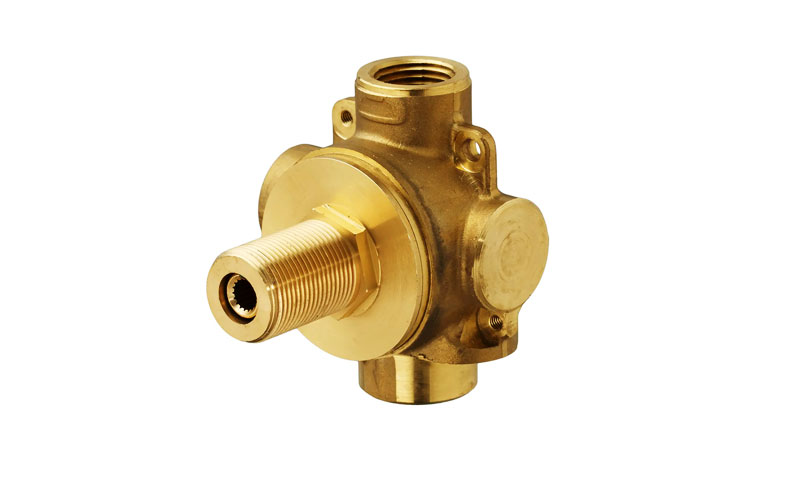
A brass diverter valve yönlendirmek için tasarlanmış çok portlu bir akışkan kontrol cihazıdır., seçme, veya sıvı akışını farklı akış yolları arasında dağıtın.
Geleneksel iki yollu kapatma vanasının aksine, bir yön değiştirme vanası, belirli bir çalışma konumunda hangi geçitlerin bağlandığını belirlemek için birden fazla bağlantı noktası ve dahili bir hareketli eleman kullanır.
Valf gövdesi normalde basınç içeren bileşendir. Giriş ve çıkış portlarını içerir, internal flow passages, valve chamber, sızdırmazlık arayüzleri, and connection features.
Dahili bir öğe - genellikle bir top, fiş, cartridge, veya mil ile çalıştırılan mekanizma — valf döndürüldüğünde veya çalıştırıldığında akış yolunu değiştirir.
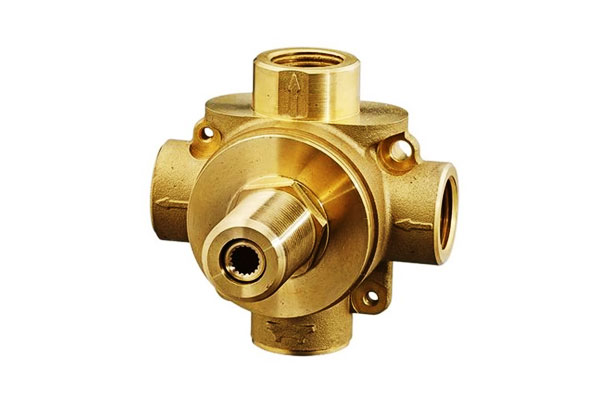
Tipik bir üç yollu yön değiştirme valfi, Örneğin, iki temel pozisyonda çalışabilir:
Pozisyon A: Giriş → Çıkış A
Pozisyon B: Giriş → Çıkış B
Daha karmaşık konfigürasyonlar, proses gereksinimlerine bağlı olarak akış yollarını birleştirebilir veya izole edebilir.
Pirinç yön değiştirme vanasının performansı, akışı değiştirme yeteneğinden daha fazlasına bağlıdır.
Valf basınç bütünlüğünü korumalıdır, kontrollü akış direnci, güvenilir kapatma, boyutsal stabilite, ve amaçlanan hizmet ömrü boyunca tekrarlanabilir sızdırmazlık.
Yönlendirme Vana Çeşitleri
| Tip | Tanım | Tipik uygulamalar |
| 3-Yol Yönlendirme Vanası | One inlet, iki çıkış (veya tam tersi). | Duş sistemleri, mixing valves, HVAC, işlem kontrolü. |
| 4-Yol Yönlendirme Vanası | İki giriş, iki çıkış. | Isıtma sistemleri, ısı pompaları, reverse flow applications. |
| Rotary Diverter Valve | Dönen bir eleman, bağlantı noktaları arasındaki akışı yönlendirir. | Pneumatic conveying, toz taşıma, endüstriyel işleme. |
| Slide Diverter Valve | A sliding plate redirects flow. | Bulk material handling, toz toplama. |
| Ball Diverter Valve | Birden fazla geçişe sahip bir top doğrudan akışa döner. | Sıhhi tesisat, kimyasal işleme, gaz dağıtımı. |
2. Yönlendirici Vana Dökümü için Ortak Pirinç Alaşımları
Doğruyu seçmek pirinç alaşım basınç bütünlüğü için temeldir, korozyon direnci, işlenebilirlik, boyutsal stabilite, and service life of a diverter valve.
Pirinç tek bir malzeme değil, önemli ölçüde farklı bileşimlere ve performans özelliklerine sahip geniş bir bakır bazlı alaşım ailesidir..
For a precision-cast diverter valve, Alaşım seçiminde mekanik dayanımdan daha fazlası dikkate alınmalıdır.
Üretici aynı zamanda döküm davranışını da değerlendirmelidir., internal pressure requirements, akışkan kimyası, çinkosuzlaşma direnci, işleme gereksinimleri, sıcaklık, çevresel maruziyet, ve alaşım bileşenlerine ilişkin düzenleyici kısıtlamalar.
Özellikle, İçme suyu veya diğer düzenlenmiş sıvı temaslı uygulamalar için tasarlanan vanalar, bu hizmet için özel olarak nitelikli düşük kurşunlu veya kurşunsuz alaşımlar gerektirebilir.
Öyleyse, "En iyi" pirinç alaşımı evrensel olmaktan ziyade uygulamaya bağlıdır.
Yönlendirici Vana Dökümünde Yaygın Olarak Kullanılan Pirinç Alaşımları
| Alaşım (BİZ) | Anahtar Özellikler | Tipik Valf Uygulamaları |
| C84400 | Good castability and machinability; traditional leaded semi-red brass | Döküm vana gövdeleri, sıhhi tesisat armatürleri, general fluid-control components |
| C85700 | Kurşunlu deniz pirinci; good machinability and corrosion resistance | Cast pressure-containing components, deniz odaklı bağlantı parçaları |
| C87610 | İyi mukavemet ve korozyon direncine sahip bakır-silisyum alaşımı; düşük kurşun | Belirtilen yerlerde su hizmeti bileşenleri ve korozyona dayanıklı dökümler |
| C87800 | Silikon pirinç; İyi Dökülebilirlik, kuvvet, korozyon direnci, ve düşük kurşun özellikleri | Water-service valve bodies, sıhhi tesisat armatürleri, endüstriyel bileşenler |
C87850 |
İyi işlenebilirliğe sahip silikon pirinç, basınç sızdırmazlığı, ve korozyon direnci | Valf gövdeleri, musluklar, su sayacı kılıfları, sıhhi tesisat ve denizcilik bileşenleri |
| C89833 | Kurşunsuz bizmut içeren alaşım; good machinability and corrosion resistance | Kurşunsuz basınç içeren bileşenler, Belirtildiği yerlerde içme suyu odaklı vana ve sıhhi tesisat uygulamaları |
| C36000 | Mükemmel serbest işleme özellikleri | Machined valve components, saplar, bağlantı parçaları, adaptörler, Küçük hassas parçalar |
3. Pirinç Yönlendirme Vanası Kayıp Balmumu Döküm Prosesi
. kayıp balmumu döküm işlemi pirinç yön değiştirme vanaları için, karmaşık bir vana gövdesi geometrisini, kontrollü boyut tutarlılığı ve sağlam yapısal bütünlük ile net şekle yakın bir metal döküme dönüştürmek üzere tasarlanmıştır..
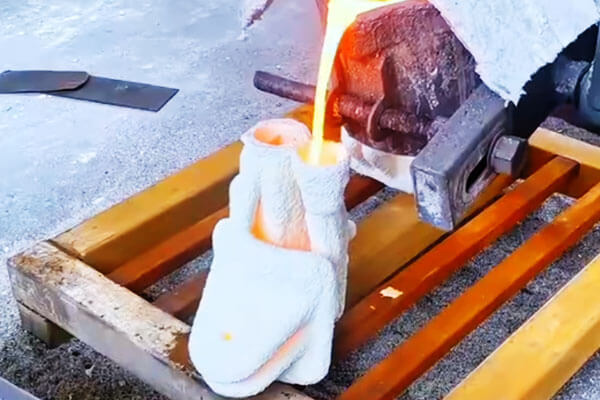
CAD İnceleme ve Araç Oluşturma
Süreç vana çizimi veya 3D CAD modeliyle başlar. Before tooling is produced, geometri, döküm fizibilitesi ve üretim stabilitesi açısından gözden geçirilir.
Üretici gerekli büzülme payını belirler, işleme ödeneği, duvar geçişleri, fileto, geçit yerleri, ve döküm yönelimi.
Yönlendirme vanası için, Kesişen akış geçitlerini çevreleyen bölgelere özellikle dikkat edilir çünkü kesit kalınlığındaki ani değişiklikler metal beslemeyi ve katılaşmayı etkileyebilir..
Takım daha sonra gerekli mum desen geometrisini yeniden üretecek şekilde üretilir..
Balmumu desen üretimi
Valf gövdesinin kurban modelini oluşturmak için hassas kalıba erimiş balmumu enjekte edilir.
Desen kalitesi dökümün boyutsal temelini belirler. Enjeksiyon sıcaklığı, basınç, bekletme süresi, soğutma, Parlamayı en aza indirmek için kalıp durumu kontrol edilmelidir, çarpıtma, eksik doldurma, ve boyutsal değişiklik.
Tamamlanan mum modeli montaja geçmeden önce incelenir.
Balmumu Montajı ve Geçitleme
Bireysel mum desenleri, bir döküm ağacı oluşturmak için merkezi bir yolluk sistemine bağlanır.
Bu aşamada, yolluk sistemi, erimiş pirincin vana boşluğunu kontrollü bir şekilde doldurabileceği şekilde kurulmuştur..
Kapı konumu ve yolluk boyutları doldurma süresini etkiler, türbülans, termal gradyanlar, ve beslenme davranışı.
Karmaşık yön değiştirme vanaları için, gating is designed around the tüm vücut geometrisi, rather than simply maximizing filling speed.
Seramik kabuk binası
Balmumu ağacı defalarca seramik bulamacına batırılır ve refrakter sıva ile kaplanır.. Ardışık katmanlar desenin etrafında sert bir seramik kabuk oluşturur.
Kabuk, gerekli yüzey detayını üretirken, mum giderme ve metal dökme için yeterli mukavemeti sağlamalıdır..
Birincil süreç kontrolleri şunlardır::
Bulamaç viskozitesi + refractory particle size + katman kalınlığı + kurutma koşulları + kabuk gücü
Tutarsız kabuk hazırlığı çatlamaya neden olabilir, boyutsal değişim, zayıf yüzey kalitesi, veya dökme sırasında kabuk kırılması.
Dewaxing ve kabuk ateşleme
Seramik kabuk, mum desenini ortadan kaldırmak ve valf gövdesinin negatif boşluğunu oluşturmak için ısıtılır..
Dewaxing'den sonra, kabuk, artık organik materyali çıkarmak ve gerekli refrakter mukavemeti ve termal stabiliteyi geliştirmek için ateşlenir.
Ortaya çıkan seramik kalıp temiz olmalıdır, kuru, ve erimiş pirinç kullanılmadan önce yapısal olarak sağlam.
Pirinç Eritme ve Alaşım Kontrolü
Seçilen pirinç alaşımı kontrollü koşullar altında eritilir.
Temel amaç, erimiş metalin belirtilen gereksinimleri karşılamasını sağlamaktır. kimyasal bileşim ve temizlik gereksinimleri dökülmeden önce.
Bu, malzeme özelliklerinin ve düzenleyici gerekliliklerin belirli bir alaşım kalitesine bağlı olabileceği özel valfler için özellikle önemlidir..
Proses kontrolü tipik olarak şunları içerir::
- Doğrulanmış şarj malzemeleri
- Erime sıcaklığı izleme
- Kimyasal analiz
- Cüruf ve oksit kontrolü
- Isı tanımlama ve izlenebilirlik
Kontrollü Döküm
Önceden ısıtılmış seramik kabuk, tasarlanan yolluk sistemi aracılığıyla erimiş pirinçle doldurulur.
Dökme sıcaklığı ve dolum oranı alaşım ve valf geometrisine uygun olmalıdır.
Metal, ince kesitleri ve karmaşık geçitleri aşırı türbülans veya erken katılaşma olmadan dolduracak kadar akıcı kalmalıdır..
İyi kontrol edilen bir dökme işlemi,:
Komple dolum + kararlı akış + minimum sürüklenme + kontrollü termal koşullar
Solidification and Feeding
Doldurduktan sonra, pirinç katılaşmaya başlıyor. Çünkü vana gövdesi farklı duvar kalınlıkları içerebilmektedir., patronlar, ve geçiş kavşakları, farklı alanlar farklı hızlarda soğuyabilir.
Bu nedenle döküm tasarımı kontrollü katılaşmayı ve büzüşen metalin yeterli şekilde beslenmesini desteklemelidir..
Zayıf katılaşma kontrolü aşağıdaki gibi kusurlara neden olabilir::
- Büzülme gözenekliliği
- Büzülme boşlukları
- Gazla ilgili süreksizlikler
- Sıcak Çatlama
Karmaşık valf gövdeleri için, döküm simülasyonu doldurma ve katılaşma davranışını tahmin etmek ve üretim öncesinde yolluk ve besleme sistemini optimize etmek için kullanılabilir.
Nakavt
Döküm yeterince soğuduktan sonra, seramik kabuk mekanik olarak çıkarılır.
Titreşim, mekanik ayırma, Bileşene ve üretim sistemine bağlı olarak veya başka uygun yöntemler kullanılabilir.
Aşırı mekanik kuvvet ince kesitlere zarar verebileceğinden, nakavt sırasında dikkatli olunmalıdır., bağlantı noktası özellikleri, veya döküm yüzeyler.
Kapı ve Yükselticinin Sökülmesi
yolluk, koşucular, kapılar, ve yükselticiler valf dökümünden kesilir.
Kesim konumları, çıkarma işlemi fonksiyonel alanlara zarar vermeyecek veya daha sonraki işlemeyi zorlaştıracak aşırı malzeme bırakmayacak şekilde seçilmiştir.
Bu aşama hassas döküm ağacını ayrı bir valf gövdesi dökümüne dönüştürür.
Döküm Bitirme
Temizlenen döküm taşlama işlemine tabi tutulur., patlatma, veya seramik kalıntılarını gidermek için diğer uygun bitirme işlemleri, yüzgeçler, flaş, ve kapı kalıntıları.
Amaç, muayeneye ve sonraki işlemeye uygun, temiz ve stabil bir döküm üretmektir..
Önemlisi, kabul edilemez döküm süreksizliklerini gizlemek için son işlem kullanılmamalıdır. Basınç sınırı haline gelecek alanlar, Sızdırmazlık yüzeyleri, veya kritik işleme verileri özel dikkat gerektirir.
4. CNC Machining of Brass Diverter Valve Castings
Kayıp balmumu dökümü, pirinç yönlendirme vanasının ana geometrisini oluşturur, ancak normalde kritik arayüzler için gereken nihai doğruluğu sağlamaz.
CNC işleme bu nedenle net şekle yakın bir döküm ile işlevsel bir hassas valf arasındaki köprüdür.
İşleme süreci yalnızca bireysel boyutlara ulaşmamalı; bağlantı noktaları arasındaki geometrik ilişkiyi korumalıdır, akış geçitleri, valf koltukları, Sızdırmazlık yüzeyleri, saplar, ve aktüatör arayüzleri.
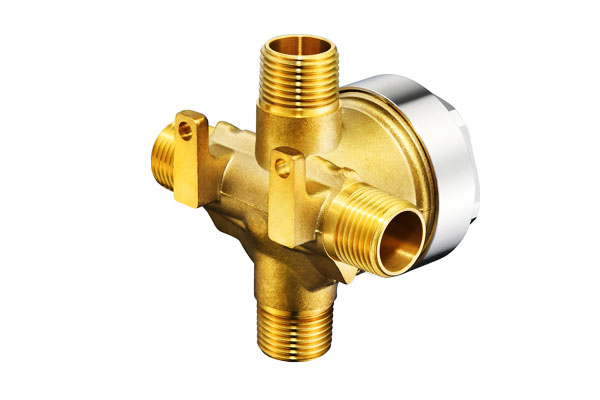
Tipik bir üretim sırası şöyledir::
Döküm Denetimi → Referans Noktası Belirleme → Kaba İşleme → Delik/Liman İşleme → Diş İşleme → Yuva ve Sızdırmazlık-Yiv İşleme → Aktüatör Arayüzü İşleme → Çapak Alma → Boyutsal Muayene
Kesin sıra valf mimarisine bağlıdır.
Machining the Valve Ports and Internal Bores
Giriş ve çıkış portları, vananın harici akışkan sistemiyle bağlantısını kurar. Valf tasarımına bağlı olarak, bu arayüzler kullanabilir:
- NPT veya diğer konik boru dişleri
- BSP veya BSPP/BSPT konuları
- Metrik veya özel dişler
- Sıkıştırma arayüzleri
- Flanşlı bağlantılar
- Lehimleme veya özel bağlantı geometrileri
Bağlantı noktası işleme operasyonu hem boyutu hem de konumu kontrol etmelidir.
Doğru şekilde işlenmiş bir diş, bağlantı noktası ekseninin valf gövdesine veya bitişik bağlantı noktalarına göre yanlış konumlandırılması durumunda yine de montaj sorunları yaratabilir.
Kesişen iç geçişler için, işleme delmeyi içerebilir, sıkıcı, çapraz delme, veya döküm ve işlenmiş özelliklerin bir kombinasyonu.
Bu geçişler arasındaki geçiş dikkatle incelenmelidir çünkü aşırı anilik basınç kaybını ve türbülansı arttırabilir..
Özel tasarımlarda, döküm, akış mimarisinin çoğunu üretebilirken, CNC işleme açıklıkları ve işlevsel arayüzleri tamamlar.
Valf Yuvalarının Hassas İşlenmesi
Valf yuvası, bir yön değiştirme valfinin en kritik özellikleri arasındadır çünkü istenmeyen sıvı sızıntısını sınırlayan arayüzü oluşturur.
Koltuk performansı birçok özelliğin birlikte çalışmasına bağlıdır:
Eşe + Kontak geometrisi + Yüzey kaplaması + Düzlük/Yuvarlaklık + Malzeme uyumluluğu
Nominal çapına uygun ancak valf elemanı ile eşmerkezli olmayan bir valf yuvası düzensiz temasa neden olabilir.
Benzer şekilde, aşırı pürüzlü bir yüzey sızdırmazlığı engelleyebilir, yanlış bir yüzey geometrisi çalışma torkunu artırabilir.
Bu nedenle uygun yuva toleransı ve yüzey kalitesi, ilgili valf tasarımına göre belirtilmelidir., sızdırmazlık elemanı, basınç derecesi, ve sızıntı gereksinimi.
Konu İşleme
Kompakt ve ekonomik bağlantılar sağladıkları için pirinç yön değiştirme vanalarında dişler yaygındır.
CNC işleme hem iç hem de dış dişler için kullanılabilir. Kritik parametreler şunları içerir::
- Ana çap
- Küçük çap
- Saha
- Konu profili
- Etkili çap
- Konu derinliği
- Eşe
- Yüzey kaplaması
İplik mastarları genellikle üretim doğrulaması için kullanılır, boyutsal inceleme altta yatan geometriyi doğrulayabilirken.
Pirinç nispeten işlenebilir olduğundan, verimli iplik üretimini destekler, ancak kesme stratejisinin yine de söz konusu alaşımla eşleştirilmesi gerekiyor.
Bazı kurşunsuz pirinç alaşımları geleneksel serbest işleme kalitelerinden farklı davranabilir ve optimize edilmiş kesici takımlar ve parametreler gerektirebilir.
O-Ring and Seal-Groove Machining
Elastomerik contaların kullanıldığı yerler, O-halkası oluğu basit bir girintiden ziyade hassas bir özelliktir.
Boyutları contanın sıkışmasını belirler ve dolayısıyla sızıntı performansını etkiler. Yanlış oluk genişliği, derinlik, köşe geometrisi, veya yüzey durumu neden olabilir:
- Yetersiz sızdırmazlık
- Aşırı sıkıştırma
- Mühür ekstrüzyonu
- Montaj zorluğu
- Erken conta aşınması
İşleme prosesi sonuç olarak çevredeki sızdırmazlık yüzeyini korurken belirtilen oluk geometrisini de korumalıdır..
5. Pirinç Yönlendirme Vanaları için Yüzey İşlem Seçenekleri
For custom valve components, yüzey bitirme işlemi alaşımla birlikte seçilmelidir, işleme süreci, boyutsal toleranslar, and operating environment.
Her bitirme işlemi her yüzeye uygun değildir.
Özellikle, valf koltukları, iplikler, sızdırmazlık arayüzleri, ve ıslak pasajlar, işlevsel boyutlarının değişmesini önlemek için sıkı bir şekilde kontrol edilen bitirme koşulları gerektirebilir.
Mekanik parlatma
Mekanik parlatma, işleme izlerini gidermek için giderek daha ince aşındırıcı ortam kullanır, minor surface irregularities, ve pirinç yüzeyinden dökümle ilgili yüzey kusurları.
Depending on the required appearance, süreç, temel aşındırıcı son işlemden yüksek parlaklıktaki cilalamaya kadar değişebilir.
Avantajlar:
- Produces a smooth and attractive brass surface
- Improves visual appearance
- Görünür işleme ve döküm izlerini azaltır
- Sonraki kaplamalar için etkili bir alt tabaka sağlar
- Harici valf yüzeylerinde yüzey düzgünlüğünü geliştirebilir
Nikel kaplama
Nikel kaplama, hazırlanan pirinç yüzeye kontrollü bir nikel tabakası bırakır, tipik olarak bir elektrokaplama işlemi yoluyla.
Pirinç alt tabaka ile kaplama arasında iyi bir yapışma sağlamak için uygun ön işlem şarttır..
Avantajlar:
- Korozyon direncini iyileştirir
- İşlenmemiş pirinçten daha fazla yüzey sertliği sağlar
- Aşınma direncini iyileştirir
- Düzgün bir metalik görünüm üretir
- Neme ve kullanıma maruz kalan bileşenler için uygundur
- Dekoratif veya fonksiyonel kaplama sistemleri için bir temel katman sağlayabilir
Krom kaplama
Krom kaplama, uygun şekilde hazırlanmış bir alt tabaka üzerine krom bazlı bir yüzey katmanı uygular, genellikle nikel kaplamanın üzerinde.
Süreç zorlu bir süreç yaratıyor, Aşınma ve kararmaya karşı iyi direnç gösteren parlak yüzey.
Avantajlar:
- Mükemmel dekoratif görünüm
- Yüksek yüzey sertliği
- İyi aşınma direnci
- Kararmaya ve atmosfere maruz kalmaya karşı iyi direnç
- Açıkta kalan vana bileşenleri ve dekoratif tesisat donanımı için uygundur
Elektroles nikel kaplama
Akımsız nikel kaplama, doğrudan harici elektrik akımına dayanmak yerine otokatalitik bir kimyasal reaksiyon yoluyla nikel-fosfor veya ilgili nikel alaşımı kaplamayı biriktirir.
Bu, karmaşık geometrilerde nispeten eşit kaplama kalınlığı sağlar.
Avantajlar:
- Karmaşık yüzeylerde daha düzgün kaplama kalınlığı
- İyi korozyon direnci
- İyi aşınma ve aşınma direnci
- Gömme ve düzensiz geometriler için uygundur
- Nispeten öngörülebilir boyutsal birikimle kontrollü yüzey koruması sağlar
- Hem koruma hem de boyutsal tutarlılık gerektiren endüstriyel valf bileşenleri için kullanışlıdır
Precision Machined Surface Finish
Valf yuvaları gibi fonksiyonel yüzeyler için, delik, iplikler, ve sızdırmazlık arayüzleri, gerekli yüzey genellikle doğrudan kontrollü CNC işleme yoluyla üretilir, ince tornalama, sıkıcı, bileme, veya dekoratif bir kaplama yerine diğer hassas işlemler.
Avantajlar:
- Hassas boyut kontrolünü korur
- Doğru sızdırmazlık geometrisini mümkün kılar
- Kontrollü yüzey pürüzlülüğünü destekler
- Kritik arayüzlerde gereksiz kaplama oluşumunu önler
- Tahmin edilebilir montaj ve işlevsel performans sağlar
- Valf yuvaları için özellikle uygundur, delik, iplikler, ve contayla temas eden yüzeyler
6. Pirinç Yönlendirme Vanaları İçin Kayıp Balmumu Dökümünün Avantajları
Kayıp balmumu dökümü, saptırıcı valf üretimi için alternatif döküm veya şekillendirme yöntemleriyle karşılaştırılamayacak benzersiz avantajlar sağlar.
Eşsiz Boyutsal Doğruluk & Tekrarlanabilirlik
Hassas döküm, başına ±0,05–0,1 mm'ye ulaşır 25 mm döküm toleransı, yüksek üretim hacimlerinde tutarlı tekrarlanabilirlik ile.
Bu, işleme stoğunu azaltır, Tolerans yığılmasını en aza indirir, ve değiştirilebilir montaj sağlar.
Complex Internal Geometry & Akış Optimizasyonu
Kaybedilen mum karmaşık dahili port geometrilerine neden olabilir, pürüzsüz akış geçişleri, ve kum dökümüyle imkansız olan veya makineyle işlenmesi ekonomik olmayan konturlu geçişler.
Optimize edilmiş iç akış yolları türbülansı azaltır, basınç düşüşü, ve akış gürültüsü.
Superior As-Cast Surface Finish
İnce seramik yüzey kaplaması Ra 1,6–3,2 μm döküm yüzey kalitesi üretir, İşleme süresini azaltır ve sızdırmazlık yüzeyi performansını artırır.
Pürüzsüz döküm yüzeyleri aynı zamanda sıvı geçişlerinde akışa bağlı erozyonu da azaltır.
Minimum İşleme Stoku & Malzeme Verimliliği
Net şekle yakın döküm, kenar başına yalnızca 0,8–1,5 mm işleme stoğu gerektirir, kum dökümü için 3–6 mm ile karşılaştırıldığında.
Bu, malzeme israfını @-60 oranında azaltır ve işleme süresini önemli ölçüde kısaltır.
Alaşım esnekliği & Özel Formülasyon
Kayıp balmumu dökümü hemen hemen her pirinç alaşımıyla çalışır, özel alaşım formülasyonunun belirli korozyona uyum sağlamasına olanak tanır, kuvvet, veya büyük takım değişiklikleri olmadan düzenleyici gereksinimler.
Consistent Pressure Integrity & Sızıntı Direnci
Tek parçalı döküm gövdeler, birleştirilmiş bağlantı noktası sızıntı yollarını ortadan kaldırır. Kontrollü katılaşma iç gözenekliliği en aza indirir, 1,5x çalışma basıncı sızıntı testini geçen basınç geçirmez performansın sağlanması.
7. Lost Wax Casting vs. Dövme Pirinç Yönlendirme Vanaları
Hem döküm hem de dövme, pirinç valf bileşenleri üretir, ancak farklı tasarım ve performans senaryolarına hizmet ediyorlar.
| Performans Boyutu | Kayıp Balmumu Dökme Pirinç Vanalar | Dövme Pirinç Vanalar |
| Boyutsal doğruluk | ±0,05 – ±0,1 mm/25 mm döküm halinde; işlemeden sonra daha sıkı | ±0,02 – ±0,05 mm; çok tutarlı |
| İç Geometri Karmaşıklığı | Çok yüksek — karmaşık bağlantı noktaları, konturlu geçişler, çok portlu tasarımlar | Sınırlı — yalnızca basit eksenel şekiller; derin dahili özellikler mümkün değil |
| Basınç & Yorgunluk direnci | Standart basınç için iyi; gözenekliliğe bağlı | Harika; daha yüksek yorulma direnci ve patlama basıncı |
| Üretim hacmi uygunluğu | 500 - 50,000 PCS/Yıl | 10,000 - 500,000+ PCS/Yıl |
| Takım maliyeti & Kurşun zamanı | Orta düzeyde takım maliyeti; 4–6 hafta teslim süresi | Yüksek takım maliyeti; 6–10 hafta teslim süresi |
| Toplam Birim Maliyet | Düşük hacim için orta-yüksek; orta hacimde rekabetçi | Düşük ses seviyesinde yüksek; çok yüksek ses seviyesinde en düşük |
| İdeal Uygulama Senaryoları | Karmaşık çok bağlantı noktalı gövdeler, konturlu akış yolları, orta hacim | Basit eksenel tasarımlar, yüksek baskı, yüksek döngülü yorgunluk, çok yüksek hacim |
8. Pirinç Yönlendirme Vanalarının Uygulamaları
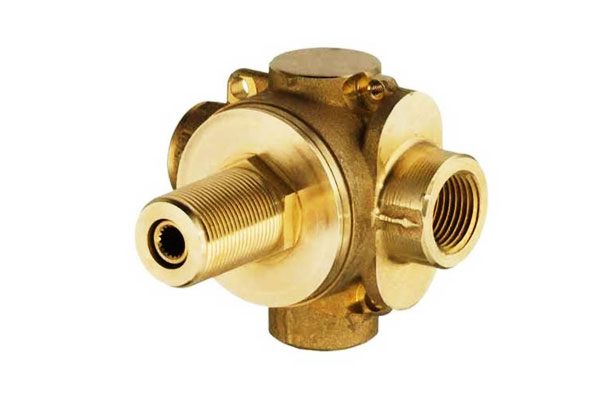
Sıhhi Tesisat ve Su Dağıtımı
Pirinç yön değiştirme vanaları, suyu farklı çıkışlar arasında yönlendirmek için sıhhi tesisat sistemlerinde yaygın olarak kullanılmaktadır., devreler, veya demirbaşlar.
Kompakt tasarımları, korozyon direnci, ve iyi işlenebilirlik, onları hem konut hem de ticari su kontrol ekipmanları için uygun kılar.
Tipik uygulamalar:
- Duş sistemleri
- Musluk düzenekleri
- Su dağıtım ekipmanları
- Karıştırma ve yönlendirme sistemleri
- Ev sıhhi tesisat ekipmanları
HVAC and Heating Systems
Pirinç yön değiştirme vanaları, dolaşımdaki suyun ve diğer uyumlu akışkanların yönünü kontrol etmek için HVAC ve hidronik ısıtma sistemlerinde yaygın olarak kullanılır..
Valf, ısıtma devreleri arasındaki akışı değiştirebilir, baypas hatları, veya ikincil döngüler.
Tipik uygulamalar:
- Radyatör ısıtma sistemleri
- Yerden ısıtma sistemleri
- HVAC sirkülasyon devreleri
- Isı pompası sistemleri
- Kazan ve ısıtma ekipmanları
Sulama sistemleri
Sulama ekipmanlarında, pirinç yön değiştirme vanaları, suyu farklı dallar veya bölgeler arasında yönlendirmek için kullanılabilir.
Korozyona dayanıklılıkları ve sağlam yapıları, onları dış ortamlarda tekrarlanan akış değiştirmeye uygun hale getirir.
Tipik uygulamalar:
- Tarımsal sulama sistemleri
- Bahçe sulama ekipmanları
- Sprinkler Sistemleri
- Sera sulama
- Su dağıtım manifoldları
Su Arıtma Ekipmanları
Pirinç yön değiştirme vanaları, farklı akış yollarının seçilmesi veya izole edilmesi gereken kompakt su arıtma sistemlerine entegre edilebilir.
Hassas döküm, özellikle valf gövdesi özelleştirilmiş iç geçitler gerektirdiğinde kullanışlıdır.
Tipik uygulamalar:
- Su filtreleme sistemleri
- Su arıtma ekipmanları
- Yumuşatma sistemleri
- Pompa ve filtreleme düzenekleri
- Su arıtma kontrol üniteleri
Aletler ve Konut Ekipmanları
Kompakt pirinç yönlendirme vanaları, suyun veya başka bir uyumlu sıvının farklı dahili devreler arasında yeniden yönlendirilmesi gereken cihazlarda da kullanılır..
Tipik uygulamalar:
- Kahve ve içecek ekipmanları
- Yıkama aletleri
- Su ısıtıcıları
- Temizleme ekipmanları
- Konut su kontrol cihazları
Endüstriyel Akışkan Kontrol Ekipmanları
Endüstriyel ekipmanlar, suyun yönlendirilmesi için pirinç yönlendirme vanaları kullanabilir, yağ, hava, veya basıncın olduğu diğer uyumlu sıvılar, sıcaklık, ve kimyasal ortam malzeme ve valf tasarımı sınırları dahilindedir.
Tipik uygulamalar:
- Pompa sistemleri
- Kompresörler ve yardımcı ekipmanlar
- Sıvı işleme makineleri
- Endüstriyel soğutma sistemleri
- Özelleştirilmiş ekipman montajları
Ticari ve Özel Sistemler
Özel pirinç yön değiştirme vanaları, belirli bir düzenek veya akışkan devresi etrafında tasarlanmış kompakt, çok portlu bir akış kontrol bileşeni gerektiren ekipman üreticileri için de uygundur..
Tipik uygulamalar:
- Ticari sıhhi tesisat ekipmanları
- Su sirkülasyon sistemleri
- Ekipman manifoldları
- OEM sıvı kontrol düzenekleri
- Özel makine ve proses ekipmanları
9. Pirinç Yönlendirme Vanası Kayıp Balmumu Dökümü için Neden LangHe Endüstrisini Seçmelisiniz? & İşleme?
Özel pirinç yön değiştirme vanaları için, Bir üreticinin seçilmesi yalnızca pirinç döküm yapabilecek bir tedarikçi bulma meselesi değildir.
Son bileşen döküm mühendisliğinin koordinasyonuna bağlıdır., alaşım seçimi, CNC işleme, yüzey kaplaması, Boyutlu Kontrol, ve fonksiyonel testler.
Langhe Endüstrisi Özel pirinç yönlendirme vanası üretimine entegre bir üretim projesi olarak yaklaşıyor, Döküm ve işleme aşamalarının müşterinin fonksiyonel gereksinimleri doğrultusunda birlikte geliştirilmesine olanak tanır.
| Yetenek | Detaylar |
| Malzemeler | C84400, C85700, C87610, C87800, C87850, C89833, C36000. |
| Döküm işlemi | Kayıp balmumu dökümü (yatırım kadrosu). |
| Tolerans | ± 0.1-0.3 mm (ISO başına CT5-CT7 8062). |
| CNC İşleme | CNC Dönüşü, frezeleme, sondaj, dokunma, sıkıcı, sallama, iş parçacığı. |
| Kalite | ISO 9001:2015 sertifikalı; 100% denetleme; CMM. |
| Kurşun zamanı | 6Takımlama için –12 hafta; 2Tekrarlanan siparişler için –4 hafta. |
10. Çözüm
Pirinç yön değiştirme vanası kompakt bir bileşendir, ancak üretim gereksinimleri birbiriyle oldukça bağlantılıdır.
Valf gövdesi basınç içermelidir, doğru akış yolları sağlayın, dahili valf elemanını barındırır, sızdırmazlık arayüzlerini koruyun, ve harici borulara veya ekipmanlara güvenilir şekilde bağlanın.
Karmaşık özel tasarımlar için, kayıp balmumu dökümü, ana valf gövdesi geometrisini oluşturmak için etkili bir yol sağlar, özelleştirilmiş bağlantı noktaları dahil, patronlar, geçişler, ve uygun iç mimari.
CNC işleme daha sonra iplikler getirir, delik, valf koltukları, mühür olukları, ve aktüatör arayüzlerini gerekli hassasiyete göre ayarlayın.
Malzeme seçimi de aynı derecede önemlidir. Farklı pirinç alaşımları farklı dökülebilirlik kombinasyonları sunar, işlenebilirlik, mekanik güç, korozyon direnci, ve mevzuata uygunluk.
Bu nedenle doğru seçim gerçek akışkana ve çalışma ortamına göre yapılmalıdır..
LangHe Industry, ilk tasarım incelemesinden bitmiş bileşen incelemesine kadar özelleştirilmiş yön değiştirme vanası üretimini desteklemek için pirinç hassas dökümü ve CNC işlemeyi birleştirir, OEM müşterilerinin karmaşık valf konseptlerini üretilebilir ve tekrarlanabilir ürünlere dönüştürmelerine yardımcı oluyor.
SSS
Pirinç yön değiştirme vanası nedir?
Pirinç yönlendirme valfi, sıvıyı farklı akış yolları arasında yönlendirmek veya seçici olarak dağıtmak için kullanılan çok portlu bir sıvı kontrol cihazıdır..
Dahili valf elemanı, her çalışma konumunda hangi bağlantı noktalarının bağlanacağını belirler.
Yönlendirme vanalarında neden pirinç yaygın olarak kullanılıyor??
Pirinç, korozyon direncinin kullanışlı bir kombinasyonunu sağlar, işlenebilirlik, mekanik güç, bozulabilirlik, ve maliyet verimliliği.
Bu özellikler onu birçok su için uygun hale getirir, HVAC, sıhhi tesisat, cihaz, ve endüstriyel akışkan kontrol uygulamaları.
Pirinç yön değiştirme vanası için neden kayıp balmumu dökümü kullanılmalı??
Kayıp balmumu dökümü, valf gövdesi karmaşık geometri içerdiğinde özellikle kullanışlıdır, birden fazla bağlantı noktası, entegre patronlar, veya özelleştirilmiş akış geçitleri.
Daha sonra CNC ile işlenebilecek net şekle yakın bir gövde üretir.
İçme suyu için pirinç yön değiştirme vanaları kullanılabilir mi??
Onlar olabilir, vana yapısının tamamının içme suyu hizmetine ilişkin geçerli gereklilikleri karşılaması koşuluyla.
Pirinç alaşımı, öncü içerik, ıslanan bileşenler, üretim süreci, ve gerekli ürün uyumluluğunun tamamının dikkate alınması gerekir.