

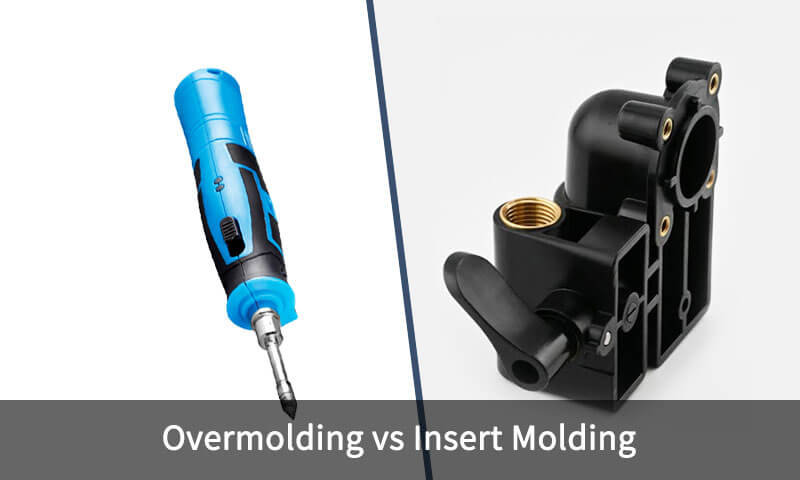
Modern üretimde, tek malzemeli parçalar nadiren performans taleplerinin tamamını karşılar, estetik, ve işlevsellik.
Günümüzün ürünleri hem dayanıklı hem de konforlu olmalı, su geçirmez ama nefes alabilir, ve karmaşık olmasına rağmen montajı kolay.
Bu, çok malzemeli üretim süreçlerinin yaygın olarak benimsenmesine yol açtı. Bunların arasında, Overmolding ve insert kalıplama en önemli ve sıklıkla karşılaştırılan tekniklerden ikisidir.
Her ne kadar bu iki terim bazen birbirinin yerine kullanılsa da, farklı üretim yaklaşımlarını tanımlarlar ve farklı mühendislik problemlerini çözerler.
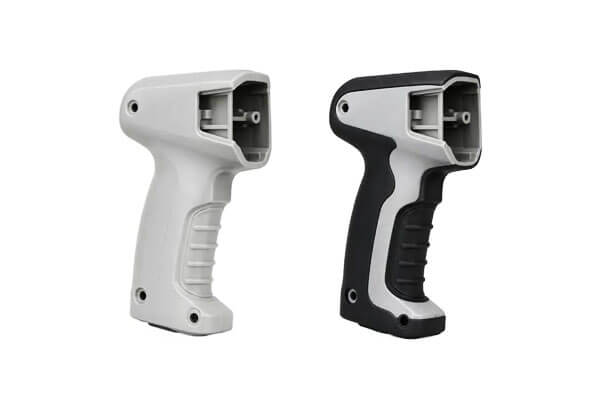
Üst kalıplama genellikle çok malzemeli bir bileşen oluşturmak için mevcut bir alt tabaka üzerine ikinci bir malzemenin kalıplanmasını içerir.
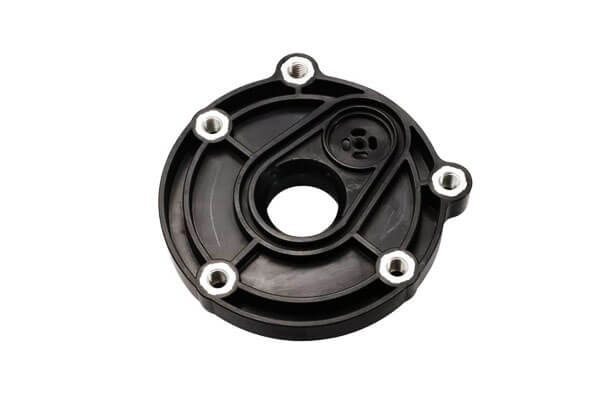
Kalıp ekle, aksine, önceden oluşturulmuş bir parçayı (genellikle metal) bir enjeksiyon kalıbının içine yerleştirir ve bunu plastikle kapsüller veya kısmen çevreler.
Bu makale kapsamlı bir, Overmolding ve insert kalıplamanın yan yana karşılaştırılması.
1. Aşırı Kalıplama Nedir??
Lüks entegre çok malzemeli bir parça oluşturmak için bir malzemenin mevcut bir alt tabaka veya önceden kalıplanmış bileşen üzerine kalıplandığı bir enjeksiyonlu kalıplama işlemidir.
İlk bileşene genel olarak şu ad verilir: substrat, ikincil kalıplama işlemi sırasında uygulanan malzeme ise aşırı kalıp malzemesi.
Ürün tasarımına bağlı olarak, substrat sert bir termoplastik olabilir, elastomer, metal bileşen, veya başka uygun önceden oluşturulmuş parça.
Tipik bir üst kalıplanmış bileşen, sert bir yapısal malzemeyi daha yumuşak bir malzemeyle birleştirebilir.
Örneğin, sert bir ABS muhafazası, rahat bir tutuş sağlamak için bir TPE üst kalıbını alabilir, Sızdırmazlığı iyileştirin, veya koruyucu bir dış yüzey oluşturun.
Amaç sadece bir malzemeyi diğerinin üzerine yerleştirmek değil. İki malzeme arasındaki arayüz yeterli yapışmayı sağlamalıdır, mekanik tutma, veya ürünün beklenen mekanik dayanımına dayanmak için her ikisinin bir kombinasyonu, termal, kimyasal, ve çevre koşulları.
Overmolding Nasıl Çalışır?
Üst kalıplama işlemi genellikle alt tabakanın üretimi ile başlar..
Bu, ayrı bir enjeksiyonlu kalıplama işlemini içerebilir, işleme süreci, damgalama işlemi, Dövme işlemi, veya başka bir üretim yöntemi.
Substrat incelendikten sonra, ikinci bir kalıbın içine yerleştirilir. Kalıp, alt tabakayı doğru bir şekilde konumlandırıp desteklerken, üst kalıp malzemesini alması gereken alanları ortaya çıkarmak için tasarlanmıştır..
İkincil malzeme daha sonra uygun işlem sıcaklığına ısıtılır ve kalıp boşluğuna enjekte edilir..
Belirlenen alt tabaka yüzeylerinin etrafından akar ve gerekli dış geometriyi oluşturur.
Doldurup paketledikten sonra, tamamlanan bileşen çıkarılmadan önce malzeme soğur ve katılaşır.
Tipik bir iş akışı:
Substrat üretimi → substrat denetimi → kalıp yükleme → konumlandırma → ikincil malzeme enjeksiyonu → paketleme → soğutma → çıkarma → inceleme
Nihai ürünün kalitesi büyük ölçüde arayüz tasarımına bağlıdır. Kimyasal yapışma gerekiyorsa, alt tabaka ve üst kalıp malzemesi yeterli uyumluluğa sahip olmalıdır.
Mekanik tutma birincil mekanizma ise, alt tabaka oluklar gerektirebilir, kaburga, delik, alt kesimler, veya ikinci malzemenin yerine kilitlenmesini sağlayan diğer özellikler.
Yüzey kirliliği bir diğer önemli husustur. Yağ, toz, serbest bırakma ajanları, oksidasyon, nem, veya diğer kirletici maddeler yapışmayı engelleyebilir ve katmanların ayrılmasına veya erken ayrılmaya yol açabilir.
Yaygın Kalıplama Malzemeleri
Overmolding çok çeşitli termoplastik ve elastomerik malzemeler kullanabilir, ancak her malzeme kombinasyonu doğası gereği uyumlu değildir.
Malzeme seçiminde erime sıcaklığı dikkate alınmalıdır, kimyasal uyumluluk, büzülme, termal genleşme katsayısı, sertlik, esneklik, yüzey özellikleri, ve beklenen hizmet koşulları.
Yaygın kombinasyonlar şunları içerir::
| Substrat malzemesi | Üst Kalıp Malzemesi | Tipik Amaç |
| ABS'ler | TPE | Yumuşak dokunuşlu muhafazalar ve tutma yerleri |
| bilgisayar | TPE | Ergonomik yüzeylere sahip darbeye dayanıklı ürünler |
| Naylon | TPE/TPU | Endüstriyel tutma yerleri ve esnek arayüzler |
| PP | TPE | Tüketici ürünleri ve mühürler |
| PC/ABS | TPU | Koruyucu ve ergonomik yüzeyler |
| Sert termoplastik | LSR | Sızdırmazlık ve özel esnek bileşenler |
Tipik Overmolding Uygulamaları
Üst kalıplama özellikle ürünün yapısal performansını yumuşaklıkla birleştirmesi gerektiğinde kullanışlıdır., esneklik, sızlanma, yalıtım, veya geliştirilmiş ergonomi.
Overmolding yaygın olarak kullanılır:
- El aleti kulpları
- Otomotiv anahtarları ve kontrolleri
- Tüketici elektroniği muhafazaları
- Tıbbi cihaz bileşenleri
- Giyilebilir cihazlar
- Kablo ve tel koruması
- Sızdırmazlık bileşenleri
- Tutma yerleri ve ergonomik arayüzler
- Koruyucu kapaklar
- Endüstriyel ekipman kontrolleri
2. Insert Kalıplama Nedir??
Kalıp ekle önceden oluşturulmuş bir bileşenin kullanıldığı bir enjeksiyon kalıplama işlemidir, olarak bilinir sokmak, bir enjeksiyon kalıbının içine yerleştirilir ve daha sonra kısmen veya tamamen erimiş plastikle kaplanır.
Ek parça genellikle metalden yapılır, plastik olmasına rağmen, seramik, elektronik, ve diğer önceden oluşturulmuş bileşenler de kullanılabilir.
Geleneksel tek malzemeli enjeksiyon kalıplamanın aksine, Insert kalıplama, bağımsız olarak üretilmiş bir bileşeni tek bir kalıplama işlemi sırasında enjekte edilmiş plastikle birleştirir.
Plastik ek parçanın etrafında katılaşıyor, sonraki montaj işlemlerini ortadan kaldırabilecek entegre bir parça üretmek.
Örneğin, pirinç dişli bir parça bir kalıbın içine yerleştirilebilir ve naylonla çevrelenebilir.
Kalıplamadan sonra, ortaya çıkan bileşen, daha sonra dişli ek parçanın takılmasını gerektirmeden kalıcı bir dişli metal arayüz içerir.
Insert Kalıplama Nasıl Çalışır?
Insert kalıplama, insertin imalatı ve incelenmesiyle başlar. Boyutsal doğruluk özellikle önemlidir çünkü kesici ucun kalıba doğru şekilde oturması ve enjeksiyon boyunca belirtilen konumunu koruması gerekir.
Daha sonra parça manüel olarak kalıba yerleştirilir., yarı otomatik, veya otomatik yükleme sistemi aracılığıyla.
Özel armatürler, pinler, boşluk, veya tutma özellikleri hareketi önlemek için kullanılabilir.
Kalıp kapanınca, ek parçanın etrafına erimiş plastik enjekte edilir. Enjeksiyon basıncı önemli olabilir, bu nedenle kalıp, kesici ucun kaymasını önlemek için yeterli desteği sağlamalıdır, deforme edici, veya yanlış hizalanmış olma.
Plastik daha sonra ek parçanın etrafında soğur ve katılaşır. Fırlatmadan sonra, bitmiş bileşen boyutsal doğruluk açısından incelenir, konum ekle, flaş, boşluk, çatlaklar, ve diğer kusurlar.
Temel dizi şu şekildedir::
Uç imalatı → uç denetimi → uç yükleme → konumlandırma ve tutma → kalıp kapatma → plastik enjeksiyon → soğutma → çıkarma → denetim
Yüksek hacimli üretim için, otomatik kesici uç yükleme kalıplama hücresine entegre edilebilir. Bu, manuel kullanımı azaltırken döngü tutarlılığını artırabilir.
Ortak Insert Malzemeleri
Metal, plastiklerin genellikle yeniden üretemeyeceği özellikleri sağladığı için en yaygın olarak tanınan kesici uç malzemesidir., yüksek elektrik iletkenliği gibi, iplik dayanıklılığı, sertlik, Direnç Giymek, veya lokalize mekanik dayanım.
Ortak kesici uç malzemeleri şunları içerir::
- Pirinç
- Paslanmaz çelik
- Karbon çeliği
- Alüminyum
- Bakır ve bakır alaşımları
- Mühendislik plastikleri
- Seramik
- Elektronik bileşenler
Tipik Insert Kalıplama Uygulamaları
Insert kalıplama, bir ürünün metal veya başka bir önceden şekillendirilmiş bileşenin plastik bir gövdeye kalıcı olarak entegre edilmesini gerektirdiğinde yaygın olarak kullanılır..
Tipik uygulamalar:
- Dişli patronlar
- Elektrik konnektörleri
- Otomotiv terminalleri
- Sensör muhafazaları
- Bileşenleri değiştir
- Tıbbi aletler
- Yapısal güçlendirme bileşenleri
- Kablo konnektörleri
- Elektronik düzenekler
- Hassas mekanik bileşenler
3. Aşırı kalıplama ve Eklemeli Kalıplama: Fark Nedir??
Her iki teknoloji de birden fazla malzeme veya bileşeni entegre etse de, üretim mantığı farklı.
En basit ayrım:
Overmolding, mevcut alt tabakanın üzerine yeni bir malzeme ekler, Insert kalıplama, önceden oluşturulmuş bir eklentiyi enjeksiyonla kalıplanmış plastikle kapsüller veya çevrelerken.
Fakat, terminoloji örtüşebilir. Bazı üretim bağlamlarında, Eklemeli kalıplama, üst kalıplamanın daha geniş bir biçimi olarak tartışılabilir çünkü her ikisi de önceden var olan bir bileşenin etrafında kalıplama malzemesi içerir.
Mühendislik iletişimi için, Yine de, bunları önceden var olan bileşenin rolüne göre ayırmak faydalıdır.
Overmolding ve Insert Kalıplama Karşılaştırması
| Faktör | Lüks | Kalıplama Ekle |
| Birincil amaç | Farklı malzeme özelliklerini birleştirin | Önceden oluşturulmuş bir parçayı plastiğe entegre edin |
| Önceden var olan bileşen | Yüzey | Sokmak |
| Ortak alt tabaka/ek parça | Plastik, elastomer, metal | Metal, plastik, seramik, elektronik bileşen |
| Tipik kombinasyon | Sert plastik + elastomer | Plastik + metal |
| Ana arayüz mekanizması | Yapışma, mekanik kilitleme, veya her ikisi de | Kapsülleme, mekanik tutma, bazı durumlarda yapışma |
| Temel tasarım kaygısı | Malzeme uyumluluğu | Konumlandırma ve saklama ekleme |
| Tipik uygulama | Yumuşak dokunuşlu kavrama | Dişli metal uç |
| Yüzey işlevi | Kavramak, fok, minder, koruma | Elektrik, mekanik, yapısal, sabitleme |
| Otomasyon | Son derece otomatikleştirilebilir | Son derece otomatikleştirilebilir, ancak ekleme yükleme kritik öneme sahiptir |
| Büyük risk | Delaminasyon veya zayıf bağlanma | Hareket veya yanlış hizalama ekleme |
4. Aşırı kalıplama ve Eklemeli Kalıplama: Tasarım Hususları
Üst kalıplama ve ekleme kalıplama için tasarım gereksinimleri, öncelikle iki işlemin farklı arayüzleri yönetmesi nedeniyle farklılık gösterir.
Üst kalıplama, alt tabaka ile üst kalıplanmış malzeme arasında güvenilir bir arayüz oluşturmaya odaklanır, kesici uç kalıplama, önceden oluşturulmuş bir kesici ucun doğru şekilde konumlandırılmasına ve güvenli bir şekilde kapsüllenmesine odaklanır.
| Tasarımın Dikkate Alınması | Lüks | Kalıplama Ekle |
| Malzeme uyumluluğu | Yapışmaya göre uyumlu alt tabaka ve üst kalıplama malzemelerini seçin, erime sıcaklığı, büzülme, sertlik, ve termal genleşme. | Ek parçanın deformasyon veya boyutsal dengesizlik olmadan kalıplama sıcaklığına ve basıncına dayanabildiğinden emin olun. |
| Geometri & Duvar kalınlığı | Üniform üst kalıp kalınlığını koruyun ve yeterli yapıştırma alanı sağlayın. Büzülmeye neden olabilecek ani kalınlık değişikliklerinden kaçının, çarpışma, veya zayıf bağlanma. | Mukavemet ve kullanım olukları için kesici ucun etrafında yeterli plastik kalınlığı sağlayın, homurdanıyor, delik, veya ek tutma gerektiğinde omuzlar. |
| yapıştırma & Tutulma | Kimyasal yapışma için arayüzü tasarlayın, mekanik kilitleme, veya her ikisi de, malzeme uyumluluğuna bağlı olarak. | Dışarıya çekilmeye ve dönmeye karşı dayanıklı olacak mekanik tutma ve kapsülleme özellikleri tasarlayın. |
| Geçit & Malzeme Akışı | Dengeli dolum elde etmek ve kaynak çizgilerini en aza indirmek için kapakları konumlandırın, hava sıkışması, ve arayüzde aşırı stres. | Uç kaymasını önlemek için malzeme akışını dikkatli bir şekilde kontrol edin, eksik kapsülleme, veya kesici uç üzerinde aşırı basınç. |
Sokmak / Substrat Konumlandırma |
Substrat doğru bir şekilde yerleştirilmeli ve enjeksiyon sırasında güvenli bir şekilde tutulmalıdır.. | Hassas kesici uç konumlandırması kritik öneme sahiptir; yerleştirme pimleri, cepler, armatürler, veya otomatik yerleştirme gerekli olabilir. |
| Büzülme & Termal genişleme | Çarpılmayı önlemek için alt tabaka ile üst kalıp arasındaki büzülme ve termal genleşme farklılıklarını göz önünde bulundurun, kalıntı stres, ve delaminasyon. | Uç ile polimer arasındaki termal genleşme farklarını göz önünde bulundurun, özellikle metalden plastiğe uygulamalarda, boyutsal değişimi ve iç gerilimi önlemek için. |
| Taslak & Atma | Üst kalıba veya arayüze zarar vermeden parçayı serbest bırakmak için yeterli çekiş ve düzgün konumlandırılmış ejektörler sağlayın. | Uç hareketini önlemek için taslak ve çıkarma işlemini dikkatli bir şekilde tasarlayın, deformasyon, veya kalıptan çıkarma sırasında gevşeme. |
Tolerans |
Alt tabaka boyutlarını hesaba katın, aşırı kalıp kalınlığı, Malzeme Büzülmesi, ve olası arayüz hareketi. | Ekleme boyutlarının hesabı, konumlandırma doğruluğu, polimer büzülmesi, ve son ekleme konumu. |
| DFM & Kalıp Akışı | Yapışma alanını değerlendirin, malzeme akışı, duvar kalınlığı, kapı konumu, ve takımlamadan önce diferansiyel büzülme. | Uç tutmayı değerlendirin, konumlandırma, polimer akışı, termal davranış, ve takımlama öncesinde potansiyel kesici uç yer değiştirmesi. |
| Kalite kontrolü | Bağlanma gücüne odaklanın, aşırı kalıp kalınlığı, flaş, delaminasyon, çarpışma, ve boyutsal doğruluk. | Ekleme konumuna odaklan, tutma gücü, kapsülleme, flaş, boşluk, ve boyutsal doğruluk. |
5. LangHe Endüstrisinden Özel Overmolding ve Insert Kalıplama Hizmetleri
Langhe Endüstrisi Overmolding gerektiren uygulamalar için özelleştirilmiş enjeksiyonlu kalıplama çözümleri sunar, kalıplama eklemek, ve diğer entegre kalıplama teknolojileri.
Üretim yaklaşımımız, ilk ürün geliştirme ve kalıplamadan üretim ve kalite kontrolüne kadar projeleri destekleyebilir.
| Yetenek | Detaylar |
| Overmolding Çeşitleri | İki atış (2K) lüks, al ve yerleştir aşırı kalıplama. |
| Kalıplama Ekle | Metal ekler (pirinç, çelik, bakır), seramik ekler, elektronik ekler (PCBS, sensörler). |
| Malzemeler (Yüzey) | ABS'ler, bilgisayar, Naylon (PA6, PA66), PP, PBT. |
| Malzemeler (Aşırı kalıplama) | TPE, TPU, LSR, KDV, silikon. |
| Alet | Şirket içi takım tasarımı ve üretimi. |
| Kalite | ISO 9001:2015 sertifikalı; 100% denetleme. |
| Kurşun zamanı | 2Prototipler için –4 hafta; 4Üretim takımları için –8 hafta. |
6. Çözüm
Aşırı kalıplama vs ekleme kalıplama hangi sürecin evrensel olarak daha iyi olduğunu belirlemek meselesi değildir. Her ikisi de son derece etkili enjeksiyon kalıplama teknolojileridir, ancak farklı ürün geliştirme gereksinimlerine hitap ediyorlar.
Overmolding öncelikle farklı malzeme özelliklerini tek bir entegre bileşen içinde birleştirmesi gereken ürünler için uygundur..
Yumuşak dokunuşlu yüzeyler için özellikle değerlidir, ergonomik kulplar, esnek contalar, yastıklama, yalıtım, ve koruyucu katmanlar.
Başarısı büyük ölçüde malzeme uyumluluğuna bağlıdır, arayüz tasarımı, yapışma, mekanik kilitleme, ve diferansiyel büzülme kontrolü.
Kalıp ekle, tersine, önceden oluşturulmuş bir bileşenin (genellikle metal bir parçanın) plastik bir yapıya kalıcı olarak entegre edilmesi gerektiğinde özellikle etkilidir.
Dişli arayüzlere yaygın olarak uygundur, elektriksel terminaller, takviye bileşenleri, sensörler, konektörler, ve plastik ile başka bir malzemenin tamamlayıcı işlevler yerine getirdiği diğer uygulamalar.
Nihayetinde, Proses seçimi tüm üretim sistemine dayalı olmalıdır, maddi davranış dahil, ürün geometrisi, alet, bağlama veya tutma stratejisi, üretim hacmi, otomasyon, denetleme, ve yaşam döngüsü maliyeti.
SSS
Eklemeli kalıplama ile iki atışlı kalıplama arasındaki fark nedir??
Insert kalıplama kullanır önceden oluşturulmuş uç plastik enjeksiyondan önce kalıba yerleştirilen.
İki atışlı kalıplama tipik olarak özel takımlar ve çoklu enjeksiyon aşamaları kullanılarak iki malzemeyi sırayla üretir, genellikle çekimler arasında ayrı olarak üretilmiş bir alt tabakayı manuel olarak yüklemeden.
Hangi süreç daha hızlı: aşırı kalıplama veya ekleme kalıplama?
Insert kalıplama genellikle daha hızlıdır çünkü tek bir enjeksiyon atımı kullanır. Overmolding iki çekim veya çok adımlı bir işlem gerektirir.
Hangi prosesin takım maliyetleri daha düşüktür?
Insert kalıplama, yalnızca tek bir kalıp boşluğu gerektirdiğinden daha düşük takım maliyetlerine sahiptir. Overmolding, iki ayrı kalıp veya karmaşık iki atışlı kalıp gerektirir.
Overmolding'i ne zaman kullanmalıyım??
Yumuşak dokunuşlu tutma yerlerine ihtiyaç duyduğunuzda üst kalıplamayı kullanın, su geçirmez sızdırmazlık, Titreşim nemlendirmesi, veya geliştirilmiş estetik.
Insert kalıplamayı ne zaman kullanmalıyım??
Yüksek mukavemetli dişli bağlantılara ihtiyaç duyduğunuzda kalıplama kullanın, elektriksel iletkenlik, veya plastik parçalarda yapısal takviye.
Overmolding ve insert kalıplama birlikte kullanılabilir mi??
Evet. Bazı karmaşık parçalar her iki süreci de birleştirir; örneğin, aynı bileşen üzerinde aşırı kalıplanmış yumuşak dokunuşlu kavrama ile kalıplanmış metal diş.
Insert kalıplama bir tür aşırı kalıplama mıdır??
Terminoloji örtüşebilir çünkü her iki süreç de malzemeyi önceden var olan bir bileşen etrafında şekillendirir.
Fakat, pratik üretim terminolojisinde, lüks genellikle başka bir malzeme katmanı veya malzeme sistemi eklemeyi vurgular, sırasında kalıplama eklemek önceden oluşturulmuş bir ek parçanın kalıplanmış bileşene yerleştirilmesini özellikle vurgular.
Kalıplamada metal kullanılabilir mi??
Evet. Metal alt tabakalar uygun plastik veya elastomerlerle üst kalıplanabilir.
Fakat, süreç yüzey hazırlığını hesaba katmalıdır, termal genişleme, yapışma, mekanik tutma, ve diferansiyel büzülme.

