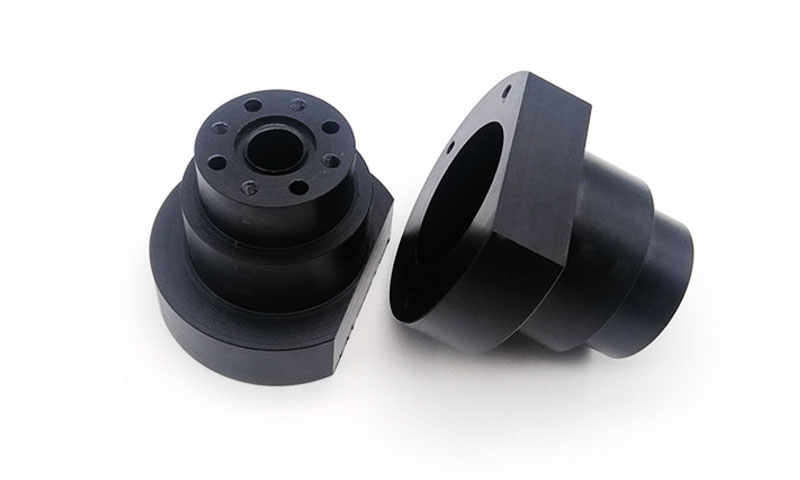
Bevezetés
A precíziós öntési eljárások családjába tartozik, A befektetési öntvény – amelyet gyakran „elveszett viaszöntvénynek” neveznek – kitűnik azzal a képességével, hogy közel háló alakú fém alkatrészeket készíthet kivételes felületi minőséggel, bonyolult geometria, és a szűk méretű toleranciák.
Ez a cikk a befektetési öntés folyamatát boncolgatja az első elvektől a fejlett alkalmazásokig.
Feltárjuk kohászati alapjait, részletes folyamatfolyamat, technológiai változatok (vízüveg, Szilícium -dioxid -szol, összetett), hibamechanizmusok, összehasonlító pozicionálás más gyártási módszerekhez képest, és ipari felhasználási esetek.
1. Mi az a befektetési casting?
Befektetési öntés, más néven az elveszett viasz folyamat, egy precíziós fémformázási eljárás, amelyben egy eldobható viaszt vagy olvadó mintát vonnak be tűzálló kerámia héjjal, majd eltávolítjuk, hogy egy üreget hozzunk létre, amely tele van olvadt fémmel.
Az eljárást úgy tervezték, hogy az eredeti mintát nagy hűséggel reprodukálja, így ez az egyik leghatékonyabb gyártási mód komplexumokhoz, közel háló alakú fém alkatrészek.
Ellentétben a hagyományos öntési útvonalakkal, amelyeket gyakran az egyszerűségre vagy a mennyiségre optimalizáltak, köré épül a befektetési öntés részletreplikáció, dimenziós vezérlés, És az ötvözet rugalmasságát.
Akkor használatos, ha egy alkatrésznek bonyolult geometriát kell kombinálnia, funkcionális pontosság, és megbízható kohászati minőség egyetlen folyamatláncban.
Ezért széles körben alkalmazzák az olyan iparágakban, mint a repülőgépipar, energia, autóipari, orvosi berendezések, és precíziós ipari hardver.
A befektetési öntés fő versenyelőnyei
Összehasonlítva más fémformázó eljárásokkal, A befektetési öntés hat alapvető előnyt kínál, amelyek megkülönböztető és tartós piaci pozíciót biztosítanak számára:
Kiváló méretpontosság és felületi minőség
A befektetési öntéssel szabványos mérettűrések érhetők el CT4–CT7, lényegesen szorosabb, mint a homoköntés (CT9–CT14).
A felületi érdesség jellemzően szabályozható Ra 1,6-6,3 μm, ami nagymértékben csökkenti a kiterjedt köszörülés szükségességét, polírozás, vagy másodlagos kikészítés dekoratív és precíziós funkcionális felületeken.
Kivételes képesség összetett geometriákhoz
Ez az eljárás különösen alkalmas a rendkívül bonyolult jellemzőkkel rendelkező alkatrészekhez, beleértve belső üregek, aláhúzások, vékony falú szakaszok (lefelé 0.5 mm), összetett ívelt felületek, és finom lyukmintákat.
Szinte bármilyen geometriát képes reprodukálni, amely az ipari precíziós alkatrészekhez szükséges.
Széles ötvözet kompatibilitása
A befektetési öntvény nagyon sokféle ötvözettel kompatibilis, beleértve a közönséges vas- és színesfémeket, valamint az igényes, nagy teljesítményű anyagokat.
Alkalmazható rozsdamentes acélokhoz, szénanala, alumíniumötvözetek, rézötvözetek, nikkel-alapú szuperfémek, kobalt-alapú ötvözetek, sőt olyan aktív ötvözetek is, mint a titán.
Ez a széles ötvözettűrés sokkal nagyobb szabadságot biztosít a mérnököknek az anyagválasztásban, mint sok más alakítási eljárás.
Magas kohászati minőség
A kémiailag inert kerámia héj minimalizálja az olvadt fém szennyeződését.
Emellett, az ellenőrzött szilárdulás és a jól megtervezett kapurendszerek segítenek csökkenteni zsugorodás, porozitás, és szegregáció, sűrű mikroszerkezetű és stabil mechanikai teljesítményű alkatrészeket állít elő.
Magas anyagi hatékonyság
Nettó-közeli alakzati folyamatként, a befektetési öntés kb 92%-98%, jelentősen csökkenti a fémhulladékot a kivonó megmunkálási folyamatokhoz képest.
Rugalmas termelési skála
A befektetési casting rendkívül alkalmazkodó, Megfelelővé teszi egyedi egyedi prototípusok, kis szériás speciális alkatrészek, és szabványosított alkatrészek nagy volumenű gyártása.
2. A kohászati és eljárási alapelvek
A befektetési öntés nem csak formálási módszer. Ez egy szorosan integrált kohászati rendszer amelyben mintahűség, héj viselkedése, hőgazdálkodás, és az ötvözet megszilárdulása mind kölcsönhatásban vannak.
Az utolsó rész minőségét az határozza meg, hogy ez a négy tényező együttesen mennyire szabályozható.
Geometriai replikáció mintaátvitelen keresztül
A folyamat viasszal vagy olvasztható mintával kezdődik, amely nagy pontossággal rögzíti a végső alkatrész geometriáját.
Mivel a kerámia forma közvetlenül erre a mintára épül, az üreg szinte pontról pontra reprodukálja a tervezett formát.
Ez adja a befektetési öntés előnyét a termelésben:
- finom bordák,
- éles átmenetek,
- barázdák,
- kis lyukak,
- belső részek,
- és összetett felületi jellemzők.
Más szavakkal, a befektetési öntés nem „közelíti” a geometriát.
Nagyon magas részletmegtartással viszi át a mintából a formába. Ez az alapja a hálózathoz közeli formájú képességének.
Kerámia héj precíziós hőszigetelésként
A kerámia héj nem csak egy tartály az olvadt fém számára. Ez egy precíziós tűzálló szerkezet amelyeknek egyszerre két egymásnak ellentmondó követelménynek kell megfelelniük.
Elég erősnek kell lennie ahhoz, hogy ellenálljon:
- vahaszkodás,
- héjas lövöldözés,
- öntés,
- fémnyomás,
- és hősokk.
Egy időben, mérethűnek kell maradnia, hogy az üreg ne torzítsa el az alkatrész geometriáját.
Ez az egyensúly között mechanikai erő és dimenziós stabilitás a befektetési öntés egyik központi technikai kihívása.
Ha a héj túl gyenge, megreped vagy erodálódik. Ha rosszul van szabályozva, eltorzítja vagy elveszti a hűségét.
A héj ezért kritikus mérnöki interfész a minta és a végső öntvény között.
Megszilárdulás szabályozása, mint a kohászati mag
Miután az olvadt fém belép a héj üregébe, kérdéssé válik a folyamat hogyan töltődik meg és szilárdul meg az ötvözet.
Ez a szakasz határozza meg, hogy az alkatrész sűrű lesz-e, hang, és dimenziósan stabil, vagy tartalmaz-e porozitást, zsugorodás, hideg bezárások, vagy strukturális egyensúlyhiány.
A legfontosabb vezérlőváltozók közé tartozik:
- kapurendszer tervezése,
- felszálló elhelyezés,
- héj előmelegítési hőmérséklete,
- öntési hőmérséklet,
- ötvözet folyékonysága,
- és a megszilárdulási sebesség.
Ezek a tényezők éppúgy alakítják az öntvény belső szerkezetét, mint a külső formát.
Egy alkatrész kívülről megfelelőnek tűnhet, és belülről mégis meghibásodhat, ha a megszilárdulást nem kezelik megfelelően.
Miért kohászati az eljárás, nemcsak geometrikus
A befektetési öntést gyakran precíziós alakítási eljárásként írják le, de ez a leírás hiányos.
Ez is a kohászati folyamat, mert az alkatrész végső tulajdonságai az olvasztás során épülnek fel, öntés, töltő, és megszilárdulása.
Ez azt jelenti, hogy az öntöde nem csak a formát reprodukálja. Aktívan irányítja:
- gabonaszerkezet,
- sűrűség,
- elkülönítés,
- hiba kialakulása,
- és a végső mechanikai viselkedés.
Emiatt a fémalakítási technológiák között különleges helyet foglal el a befektetett öntés.
Egyesíti alakmásolás -vel ellenőrzött kohászati konszolidáció, és mindkettő egyformán fontos.
3. A befektetési öntés teljes folyamatának teljes munkafolyamata
Az ipari beruházási öntés egy szigorúan ellenőrzött folyamatlánc, amelynek minden szakasza befolyásolja a végső öntés minőségét.
Dimenziós pontosság, felületi állapot, belső szilárdság, és a kohászati teljesítményt mind az határozza meg, hogy mennyire jól irányítják a folyamatot a viaszmintától a végső ellenőrzésig.
Gyakorlatban, A beruházási öntés nem egyetlen művelet, hanem egymásra épülő gyártási lépések sorozata.
3.1 Viaszminta gyártás és anyagválasztás
A viaszminta az utolsó rész első fizikai ábrázolása, így méretstabilitása közvetlenül meghatározza az öntvény pontossági mennyezetét.
Viasz anyagválasztás
Az ipari beruházási öntés általában három viaszkategóriát használ:
- Alacsony hőmérsékletű viasz egyszerűnek, kis pontosságú alkatrészek
- Medium-temperature wax általános célú termeléshez
- Magas hőmérsékletű viasz ultraprecíziós vagy speciális alkalmazásokhoz
Ezek között, közepes hőmérsékletű viasz a legszélesebb körben használt. Alacsony zsugorodást biztosít, jó folyékonyság, stabil kezelési teljesítmény, és a részletek megbízható reprodukálása.
Ez alkalmassá teszi a legtöbb acélhoz, rézötvözet, és alumíniumötvözet öntvények.
Fröccsöntés vezérlés
A viaszinjektálást a:
- viasz hőmérséklet,
- befecskendezési nyomás,
- tartási idő,
- és alkatrész geometriája.
Ha a viasz túl hideg, a tölthetőség romlik. Ha túl meleg, a méretstabilitás sérülhet.
A nyomás tartása azért is lényeges, mert a viaszban lévő belső zsugorodási üregek később a fémöntvény által hibaként öröklődnek..

Zsugorodás kompenzáció
A viaszmintának tartalmaznia kell az öntendő ötvözet alapján számított zsugorodási ráhagyást.
A különböző ötvözetek eltérő zsugorodási viselkedéssel szilárdulnak meg, tehát a kompenzációt kezdettől fogva be kell építeni a szerszámozásba.
Hibaszabályozás
A viaszmintákat ellenőrizni kell:
- buborékok,
- depressziók,
- deformáció,
- vaku,
- és felületi sérülések.
A héjgyártás megkezdése előtt minden hibás viaszmintát vissza kell utasítani, mert a viaszhibák a folyamat későbbi szakaszában gyakran öntési hibákká válnak.
3.2 Minta összeállítás és kapurendszer tervezése
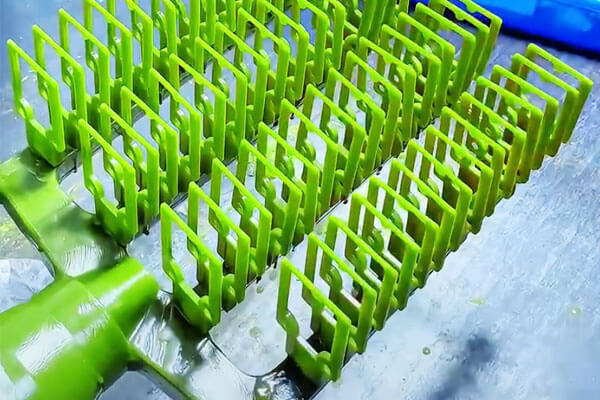
Egyedi viaszminták össze vannak szerelve a fürt vagy fa, amely javítja a gyártás hatékonyságát és lehetővé teszi több öntvény előállítását egy formaciklusban.
Klaszter elrendezés
A minták közötti távolságnak elegendőnek kell lennie ahhoz, hogy megakadályozza a héj interferenciáját a bevonat és a szárítás során.
A klaszterenkénti alkatrészek számának meg kell egyeznie a kemence kapacitásával is, ömlő ritmus, és az ötvözet szilárdulási viselkedése.
Kapu kialakítás
A kapurendszernek támogatnia kell:
- sima töltelék,
- alacsony turbulencia,
- és szabályozott fémáramlás.
A lamináris áramlást részesítjük előnyben, mert a turbulencia növeli annak kockázatát:
- légi bevonás,
- oxid hajtogatás,
- és salakzárvány.
Igényesebb ötvözetekhez, különösen erősen ötvözött acélok és szuperötvözetek, általánosan használt fenékkapuzás vagy lépcsős futómű elrendezések.
Salakcsapdák vagy futószalag-hosszabbítók hozzáadhatók a lebegő szennyeződések elfogására, mielőtt azok bejutnának az üregbe.
Felszálló elrendezés
A felszállók a forró pontokon és az utolsó megszilárdulási zónákban vannak elhelyezve, hogy biztosítsák a fém adagolását a megszilárdulás során. Ez elengedhetetlen a megelőzéshez:
- zsugorodási üregek,
- mikroporozitás,
- és a középvonali zsugorodás.
Széles fagyasztási tartományú ötvözetekhez, több kiegészítő felszállóra lehet szükség a megfelelő etetési viselkedés fenntartásához.
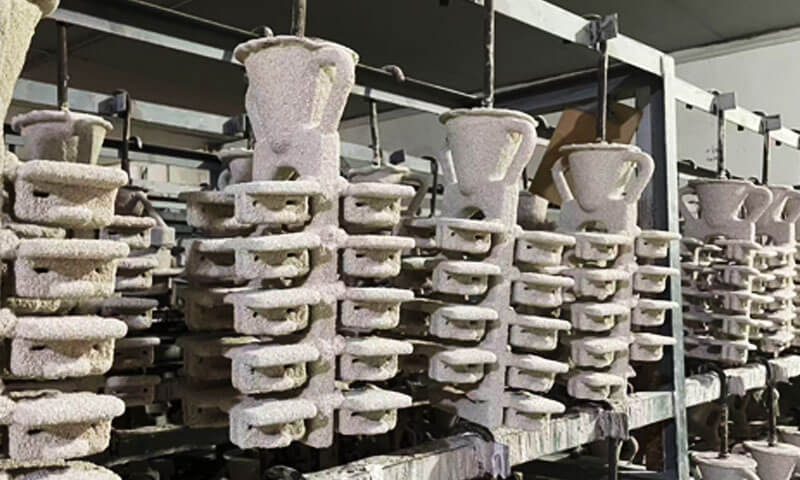
3.3 Kerámia héj gyártása (A befektetési öntés alapfolyamata)
A kerámiahéjkészítés a legidőigényesebb és műszakilag legigényesebb eljárás.
A héjat tűzálló iszap és száraz homok stukkó ismételt bevonásával alakítják ki, arcbőrre osztva, átmeneti bevonat és tartalék bevonat megkülönböztetett tűzálló anyagokkal és funkciókkal.
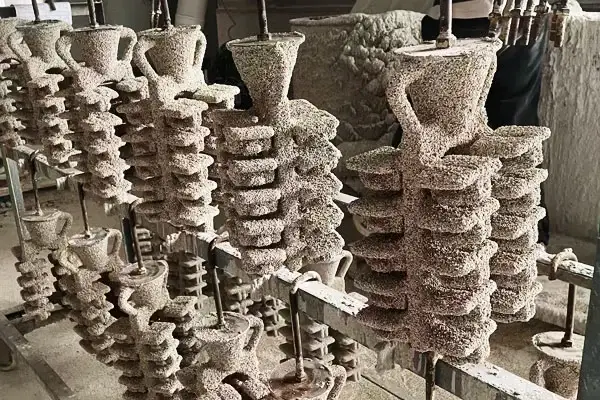
Réteges szerkezet és anyagillesztés
- Arckabát (felületi réteg): Közvetlenül érintkezik a magas hőmérsékletű olvadt fémmel, rendkívül nagy tűzállóságot és kémiai tehetetlenséget igényelnek.
Kiváló minőségű rozsdamentes acélhoz és szuperötvözetekhez, nagy tisztaságú cirkonlisztet és cirkonhomokot alkalmaznak; általános szénacélhoz, általában olvasztott alumínium-oxidot használnak.
Ez a réteg megakadályozza a fém behatolását, homok megtapadása és kémiai reakció az olvadt fém és a tűzálló között. - Átmeneti kabát: Növeli a tapadási szilárdságot az arc bevonat és a kiegészítő bevonat között, hogy elkerülje a héj leválását az égetés és az öntés során.
- Tartalék kabát (hátsó réteg): Olcsó kvarchomok és mullit aggregátumot használ a héj általános szerkezeti szilárdságának javítására és az átfogó anyagköltség csökkentésére.
Szárítás ellenőrzése:
Minden bevont rétegnek állandó hőmérsékleten teljes természetes száradáson kell átesnie (22~26°C) és állandó páratartalom (55%~65% relatív páratartalom).
Az elégtelen szárítás maradék szabad vizet hagy a héj belsejében, amely hidrogénforrássá válik és lyukporozitást okoz az öntvényekben.
A héjrétegek teljes száma től 8 hogy 12; vastag falú nagy öntvények több mint 12 rétegek a fokozott szilárdság érdekében.
Kötőanyag differenciálás:
A kötőanyag típusa határozza meg a héj tűzállóságát, szennyeződéstartalom és általános teljesítmény, amely egyben a nagyobb beruházási öntéstechnikai útvonalak osztályozásának alapja is.
3.4 Vahaszkodás
A viaszmentesítés eltávolítja a mintaanyagot a kerámia héjból, és létrehozza az üreges üreget, amelyet később olvadt fémmel töltenek meg.
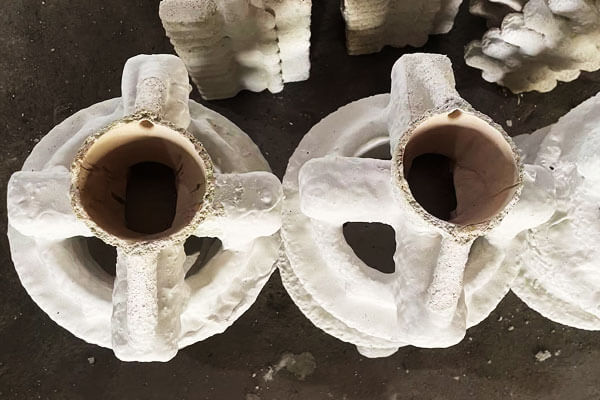
Szabványos ipari módszer
Az előnyben részesített ipari módszer az nagynyomású gőz viasztalanítás. Ezt széles körben használják, mert gyorsan eltávolítja a viaszt és csökkenti a héj sérülésének kockázatát.
Folyamatvezérlés
A gőzzel történő viaszmentesítést gondosan ellenőrizni kell, hogy:
- a viasz teljesen kiolvad,
- a héj nem repedt meg a hősokktól,
- és nem marad maradék az üregben.
A maradék viasz komoly problémát jelent, mert a későbbi égetés során lebomolhat és szénszennyezést okozhat, gázfejlődés, vagy felületi hibák a végső öntvényben.
Anyagvisszanyerés
A visszanyert viaszt általában összegyűjtik, szűrt, és újrahasznosított, amely javítja a folyamat gazdaságosságát és támogatja az anyagok újrafelhasználását.
3.5 Kagylóégetés és előöntés előmelegítés
Az üreges kerámia héj szegmentált magas hőmérsékletű égetést igényel a szerves maradványok teljes eltávolításához, szintereli a tűzálló részecskéket és stabilizálja a héj szerkezetét; Az öntés előtt előmelegítést végeznek, hogy alkalmazkodjanak az olvadt fém hőmérsékletéhez.
Szegmentált tüzelés
A héjégetés általában szakaszosan történik:
- Alacsony hőmérsékletű szakasz: eltávolítja a maradék szerves anyagokat és a viasznyomokat
- Középhőmérsékletű szakasz: elvezeti a megkötött nedvességet és lebontja a megmaradt kötőanyag-maradványokat
- Magas hőmérsékletű szakasz: szintereli a tűzálló héjat és megépíti a végső szilárdságot
Ez a fokozatos fűtés megakadályozza a héj megrepedését, és biztosítja a héj stabil hő- és szerkezeti állapotát.
Öntés előtt előmelegítés
A kiégetett héjat ezután előmelegítik, hogy csökkentsék az öntőforma és az olvadt fém közötti hőmérsékleti különbséget. Az előmelegítés segít:
- javítja a töltést,
- csökkenti a félrefutás és a hidegzárás kockázatát,
- minimalizálja a hősokkot,
- és támassza alá a vékonyabb részeket a töltés során.
A pontos előmelegítési tartomány az ötvözettől függ, szakasz vastagság, és a rész bonyolultsága.
3.6 Olvasztó, Légkör szabályozás, és Öntés
Ez az a szakasz, ahol eldől a kohászati tisztaság és a formatöltés.
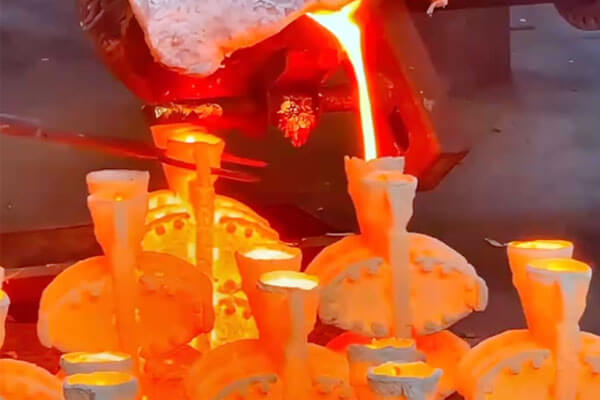
Olvadó berendezés
Az olvasztási módszernek meg kell egyeznie az ötvözetcsaláddal:
- Középfrekvenciás indukciós kemence általános ipari öntvényekhez
- Vákuumos indukciós olvasztás (Vim) nikkelötvözetekhez, titánötvözetek, és nagy tisztaságú rozsdamentes acélok
Légköri szabályozás
A légköri követelmények az ötvözettől függenek:
- a közönséges szénacélok levegő alapú rendszerekben megolvaszthatók,
- a rozsdamentes acélok és rézötvözetek gyakran nitrogén vagy argon árnyékolást igényelnek,
- a reaktív vagy nagy teljesítményű ötvözetek pedig vákuumot vagy erősen szabályozott atmoszférát igényelnek.
Öntési hőmérséklet szabályozás
Az öntési hőmérséklet az egyik legérzékenyebb változó a befektetési öntés során. Ha túl magas, a szegregáció és a mikroporozitás kockázata nő.
Ha túl alacsony, a folyékonyság csökken, és valószínűsíthető a hibás futás vagy a hidegzárás.
A túlhevítést az ötvözet kémiájához kell igazítani, folyékonyság, és megszilárdulási viselkedés.
Öntési mód
A gravitációs öntés a leggyakoribb módszer. Vákuumos öntés használható ultravékony vagy nagyon bonyolult alkatrészekhez.
A módszertől függetlenül, az áramlásnak egyenletesnek és a lehető leglaminárisabbnak kell lennie.
3.7 Hűtés, Rázkódás, és Elsődleges tisztítás
Öntés után, a fémnek ellenőrzött körülmények között meg kell szilárdulnia és le kell hűlnie.
Hűtési rendszer
A kerámia héjon belüli öntvények természetes lassú hűtést alkalmaznak.
Termikus repedésre hajlamos ötvözetekhez (mint például az erősen ötvözött rozsdamentes acél és szuperötvözetek), a kényszerített gyors hűtés tilos a megszilárdulási feszültség fokozatos feloldásához.
Héj eltávolítás
Miután az öntvény elérte a szobahőmérsékletet, a kerámia héjat eltávolítjuk:
- mechanikus rezgés,
- nagynyomású víz,
- vagy koptató tisztítási módszerek, például szemcseszórás.
A cél az összes héjmaradvány eltávolítása az öntvényfelület sérülése nélkül.
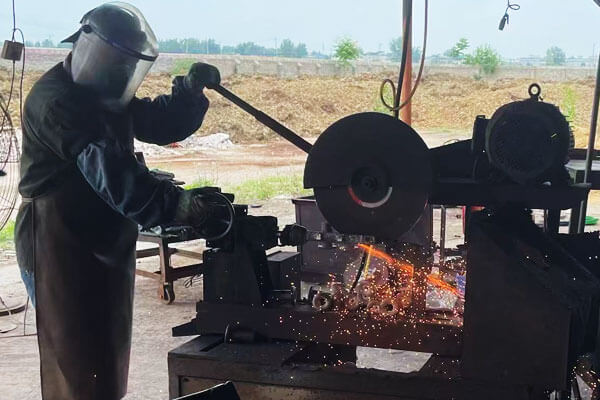
Elsődleges vágás
Ebben a szakaszban, az öntvény el van választva a futó- és emelőrendszertől.
A felesleges anyagot eltávolítják, és az első csiszolási vagy tisztítási lépéseket a csatlakozó régiókon és a vágási pontokon hajtják végre.
3.8 Utófeldolgozás és végső kikészítés
Az öntőtest előállítása után, további műveleteket alkalmaznak a végső méret eléréséhez, mechanikai, és felületi követelmények.
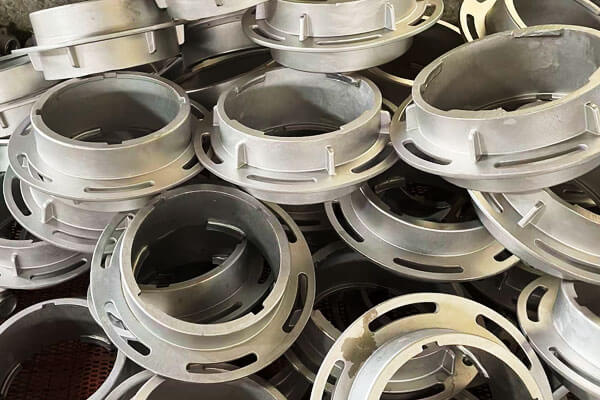
Gyakori utófeldolgozási lépések
- Precíziós köszörülés és sorjázás
- Hőkezelés
- Felszíni befejezés
- Pontossági megmunkálás
- Roncsolásmentes tesztelés
- Végső méretvizsgálat
Hőkezelés
A hőkezelés módja az ötvözettől függ:
- a szénacél normalizálást igényelhet, eloltás, és temperálás,
- a rozsdamentes acél oldatos izzítást igényelhet,
- csapadékkal megerősített ötvözetek megoldást igényelhetnek, plusz öregítést.
Ez a lépés elengedhetetlen a mikrostruktúra stabilizálásához és a végső mechanikai tulajdonságok eléréséhez.
Felületkezelés
Az alkalmazástól függően, a rész kaphat:
- robbantás,
- pácolás,
- passziválás,
- Eloxálás,
- galvanizáló,
- vagy védőbevonat.
Pontossági megmunkálás
A kritikus felületek, mint pl:
- szerelési felületek,
- menetes lyukak,
- felületek lokalizálása,
- és tömítési területek
kis ráhagyásokkal további megmunkálást igényelhet.
Ellenőrzés
A végső minőségellenőrzés általában magában foglalja:
- behatoló tesztelés,
- radiográfiai tesztelés,
- ultrahangos tesztelés,
- és méretmérés.
Csak azok az alkatrészek kerülnek besorolásra, amelyek megfelelnek az összes előírt ellenőrzésnek, csomagolva, és szállították.
4. A mainstream befektetési öntéstechnológiák osztályozása
A mainstream befektetési casting osztályozásának legpraktikusabb módja a a kerámiahéj felépítéséhez használt kötőanyagrendszer.
A jelenlegi ipari gyakorlatban, a három domináns útvonal az vízüveg befektetési öntés, Silica Sol Investing casting, és kompozit befektetési öntés.
Ezt a besorolást széles körben használják, mivel a kötőanyag közvetlenül befolyásolja a héj szilárdságát, dimenziós pontosság, felületi minőség, kagylókészítési ciklus, és az egyes útvonalak által támogatott ötvözetcsaládok.
Vízüveg -befektetési casting
Víz-üveg befektetési öntés felhasználás nátrium -szilikát mint a kagyló kötőanyaga.
Az iparági leírások viszonylag rövid héjkészítési ciklusú és alacsony költségű eljárásként jellemzik, ami vonzóvá teszi a termelés számára, ahol a gazdaságosság fontos.
Egy időben, több forrás megjegyzi, hogy a vízüveg kagylók általában adnak kisebb méretpontosság és nagyobb felületi érdesség mint a szilícium-dioxid-szol héjak.
Ez az útvonal ezért a legjobban úgy értelmezhető, mint a költségorientált precíziós öntési módszer.
Szénacélhoz széles körben használják, alacsony ötödik acél, alumíniumötvözet, és rézötvözet öntvények, ahol a folyamat egyensúlya a termelékenységet és az árat részesíti előnyben a legmagasabb felülettel vagy tűrésszinttel szemben.
Silica Sol Investing casting
Szilika-szol befektetési öntés felhasználás kolloid szilícium -dioxid mint a kötőanyag.
A műszaki források következetesen a nagyobb pontosságú útvonalként írják le: jobb méret- és geometriai tűréseket kínál, simább felületi minőség, és erősebb a héj teljes teljesítménye, mint a vízüveg-öntésnél.
Ez a hosszabb héjépítési idővel és magasabb költségekkel is összefügg, mert a pontosság az ellenőrzöttebb héjgyártással érhető el.
Általában ezt az útvonalat részesítik előnyben rozsdamentes acél, hőálló acél, és nagy teljesítményű ötvözetöntvények, különösen ott, ahol az alkatrész finom részleteket igényel, megbízható felületi minőség, és szigorúbb tolerancia-ellenőrzés.
Gyakorlatban, A szilícium-dioxid szol a leggyakrabban az igényes ipari alkatrészekkel kapcsolatos út, ahol a folyamat minőségének meg kell felelnie az ötvözet teljesítményének.
Kompozit befektetési öntés
A kompozit befektetési öntés a hibrid megközelítés amely mindkét kötőanyag-rendszer elemeit egyesíti a pontosság kiegyensúlyozása érdekében, termelékenység, és a költségek.
Az öntödei források ezt a fajta útvonalat gyakorlati középútként írják le, ahol a héj kialakítását vagy a kötőanyag kiválasztását úgy állítják be, hogy az eljárás ne legyen teljesen prémium költségű, mint a szilícium-dioxid szol, de nem is olyan költségkorlátos, mint a tiszta vízüveg héj.
Mérnöki szempontból, az összetett útvonalat akkor használják, amikor az alkatrésznek szüksége van rá jobb gazdaságosság, mint a teljes szilícium-dioxid-szol öntés hanem igényeket is jobb minőségű, mint a tiszta vízüveg öntvény.
A pontos megvalósítás öntödénként eltérő, mert a kompozit rendszerek nagymértékben függenek az arc bevonatától, tartalék kabát, és a kötőanyag-kémiát kombinálják.
5. Tipikus öntési hibák: Kiváltó okok és célzott orvosi intézkedések
Befektetési öntés, pontossága ellenére, számos hibatípusra érzékeny. Az alábbi táblázat összefoglalja a gyakori hibákat, származásukat, és korrekciós intézkedések.
| Disszidál | Vizuális / NDT aláírás | Kiváltó ok | Javító intézkedések |
| Gázporozitás | Kerek, sima falú belső üregek | Oldott gázok (H₂, N₂) olvadt fémben; alacsony deoxidáció | Vákuumos olvasztás; gáztalanítás inert gázzal; megfelelő dezoxidációs gyakorlat |
| Zsugorodási porozitás | Egyenetlen, szabálytalan üregek | Elégtelen etetés; rossz felszálló kialakítás | Növelje a felszálló méretet; adjunk hozzá hidegrázást; módosítsa a kapuzást az irányított szilárdulás elősegítése érdekében |
| Forró könny | Repedés rongyossal, oxidált élek | Szakítófeszültség késői megszilárduláskor; penész kényszer | Csökkentse a héj merevségét; alacsonyabb öntési hőmérséklet; Módosítsa az ötvözet kompozícióját |
| Befoglalás (salak, salak) | Szabálytalan, nem fémes részecskék | Turbulens öntés; piszkos olvadék; erodált tűzálló | Használjon tiszta töltést; kerámia szűrők; fenéköntés; gyengéd töltelék |
Felületi érdesség / erezet |
Megemelt vonalak vagy „uszonyok” öntéskor | A héj repedése töltés közben; alacsony héjszilárdság | Növelje a héj vastagságát; magasabb kötőanyag-tartalom; használjon erősebb tűzállóságot |
| Egyiptom / hideg zárva | Hiányos töltés; hajtogatott felület | Alacsony öntési hőmérséklet; rossz folyékonyság; vékony szakasz | Növelje az öntési hőmérsékletet; a kapuzás javítása; evakuálja a penészt (vákuumöntés) |
| Core shift | Falvastagság változás | A mag mozgása héjépítés vagy öntés közben | Jobb alaptámogatás (chaplets); lassabb héjszáradás; alacsonyabb öntési nyomás |
6. Összehasonlítás a homoköntéssel, Die Casting, és Kovácsolás
A mérnökök gyakran hasonlítják össze a beruházási öntést három alternatív gyártási úttal. Az alábbi táblázat mennyiségi kompromisszumot ad.
| Értékelési kritérium | Befektetési öntés | Homoköntés | Die Casting (HPDC) | Kovácsolás |
| Felszíni befejezés (RA, µm) | 1.6–6.3 | 6.3–25 | 0.8–3.2 | 0.4–3.2 |
| Méreti tolerancia (mm / 25 mm) | ±0,1–0,3 | ±0,5–1,0 | ±0,1–0,3 | ±0,05–0,2 |
| Minimális gyakorlati rész (mm) | 0.5–1.5 | 3–5 | 0.5–1.0 | 1–3 |
| Geometriai összetettség | Nagyon magas; aláhúzások, Finom részletek, belső jellemzők | Magas magokkal, de korlátozott a pontosság | Mérsékelt; korlátozott alávágási képesség | Alacsony vagy mérsékelt; egyszerűbb formákhoz a legjobb |
| Anyagfelhasználás | 90–95% | 60–80% | 90–95% | 60–80% |
| Szerszámköltség | Közepes vagy magas | Alacsony vagy mérsékelt | Magas | Nagyon magas |
| Alkatrészenkénti költség nagy mennyiség mellett | Mérsékelt | Alacsony | Nagyon alacsony | Mérsékelt |
| Alkatrészenkénti költség alacsony mennyiség mellett | Magas, hacsak a szerszámok nem amortizálódnak | Alacsony vagy mérsékelt | A szerszámterhelés miatt nem praktikus | Nagyon magas |
| Tipikus maximális súly | Akár kb 150 kg acélöntvényekhez | Nagyon nagy; felett 10,000 kg lehetséges | Jellemzően kb 15 kg | Felett 500 kg lehetséges |
| Ötvözet tartomány | Szinte minden önthető ötvözet | Szinte minden önthető ötvözet | Többnyire színesfém ötvözetek | Minden fém, de geometriailag korlátozott |
7. A befektetési öntés ipari alkalmazásai
A befektetési öntést olyan iparágakban használják, ahol geometriai összetettség, felületi minőség, ötvözet teljesítménye, és megismételhetőség többet jelent, mint a lehető legalacsonyabb gyártási költség.
Repülési és gázturbinák
A repüléstechnika az egyik legigényesebb alkalmazási terület a befektetési öntés területén.
Alkatrészek, mint pl turbina pengék, lapátok, üzemanyag fúvókák, diffúzor tokok, és egyéb forró metszetű alkatrészek gyakran bonyolult szárnygeometriát igényelnek, vékony falak, pontos belső átjárók, és kiváló magas hőmérsékleti szilárdság.
A nikkel alapú szuperötvözetek és a kobalt alapú ötvözetek széles körben használatosak, mert megőrzik mechanikai integritásukat súlyos hő- és igénybevételi körülmények között.
Orvosi eszközök és implantátumok
Az orvosi alkalmazások eltérő követelményeket támasztanak a folyamattal szemben.
Alkatrészek, mint pl ortopéd implantátumok, csípőre, térdtálcák, műtéti eszközök, és precíziós anatómiai hardver biokompatibilitást igényelnek, felületi minőség, dimenziós pontosság, és megbízható mechanikai teljesítmény.
A közönséges anyagok között szerepel 316L rozsdamentes acél, Co-Cr-Mo ötvözetek, és a titánötvözetek, például a Ti-6Al-4V.
Autóipar és közlekedés
Az autóiparban, befektetési öntést használnak olyan alkatrészekhez, mint pl turbófeltöltő kerekek, kipufogócsonk, EGR-hez kapcsolódó alkatrészek, váltóvillák, zárójel, és más nagy teljesítményű hardver.
Ezek az alkatrészek gyakran megkövetelik a hőállóság egyensúlyát, súlykontroll, és geometriai összetettség.
A hő- és mechanikai terheléstől függően általában rozsdamentes acélokat és nagy széntartalmú vagy ötvözött acélokat használnak..
Olaj és gáz, vegyi feldolgozás, és folyadékkezelés
Az olaj- és gázipar, valamint a vegyipar nagymértékben támaszkodik a befektetésekre szeleptestek, szivattyúkérdők, áramlásmérő házak, szerelvények, és korrózióálló áramlási alkatrészek.
A tipikus anyagok közé tartozik CF-8M típusú rozsdamentes acél, duplex rozsdamentes acélok, és nikkel alapú korrózióálló ötvözetek.
Áramfejlesztő és termikus berendezések
Az energiatermelés a beruházásokat a legszigorúbb szolgáltatási feltételek közé helyezi.
Alkatrészek, mint pl égésbetétek, átmeneti darabok, fúvóka gyűrűk, és egyéb forrógáz hardver oxidációnak vannak kitéve, termikus kerékpározás, és magas hőmérsékletű gázáramlás.
A rozsdamentes acélok, mint pl 310 és nikkel alapú ötvözetek, mint pl Kuncol 625 magas hőmérsékletű képességük miatt gyakran használják.
10. Következtetés
A befektetési öntés kiforrott, többágú és folyamatosan fejlődő precíziós fémformázó technológia.
Alapvető értéke a hagyományos formák szerkezeti korlátainak áttörésében és a komplex, nagy teljesítményű alkatrészek integrált hálóközeli alakformálásában rejlik..
A három főáramú iratgyűjtő-alapú műszaki út világos hierarchikus piacot alkot: Az alacsony költségű vízüveg befektetési öntvény uralja az általános ipari közepes pontosságú alkatrészeket,
míg a nagy tisztaságú szilícium-dioxid szol befektetett öntvény az űrrepülés csúcskategóriás precíziós alkatrészek aranyszabványává válik, orvosi és csúcskategóriás energiamezőkben.
A befektetett öntvények minősége a viaszmintázatkészítés teljes láncú pontos szabályozásától függ, kagylókészítés, vahaszkodás, égetés, olvasztás és öntés.
Minden folyamatparaméter és működési norma reteszelve van, és minden hanyagság lépcsőzetes hibákat vált ki.
Bár bizonyos forgatókönyvekben korlátozza a gyártási ciklus és a költségek, egyedülálló előnyei a komplex szerkezet kialakításában, a kohászati minőség és az anyagok alkalmazkodóképessége biztosítja pótolhatatlan státuszát a csúcsgyártásban.
Az intelligens gyártás vezérli, zöld termelés és új anyagok iterációja, a modern befektetési öntés tovább fogja törni a technikai szűk keresztmetszeteket, javítja a termelés hatékonyságát és csökkenti az átfogó költségeket.
Alapvető precíziós öntési technológiaként, továbbra is támogatja a globális csúcskategóriás berendezésgyártás korszerűsítését, és kiterjeszti alkalmazási határait a feltörekvő iparágakban.
GYIK
Mi a fő gondolat a befektetési casting mögött??
Az eldobható viasz vagy műanyag mintát kerámia héj veszi körül, a mintát eltávolítják, és olvadt fémet öntenek az üregbe, hogy egy közel háló alakú részt hozzanak létre.
Miért a befektetési öntést választják a homoköntéssel szemben??
Mert általában finomabb részleteket ad, Jobb felszíni kivitel, és szigorúbb toleranciák, amelyek csökkentik a befejező munkát.
Melyik kötőanyagrendszer biztosítja a legnagyobb pontosságot?
A szilikaszolt általában a legnagyobb pontosság érdekében használják, sima felületű beruházási öntvények, míg a vízüveg rendszerek költségorientáltabbak.
Melyek a leggyakoribb hibák?
Zárvány, porozitás, zsugorodási hibák, félrefutás/hidegzárás, és a héj repedése a leggyakoribb öntési problémák közé tartozik.