

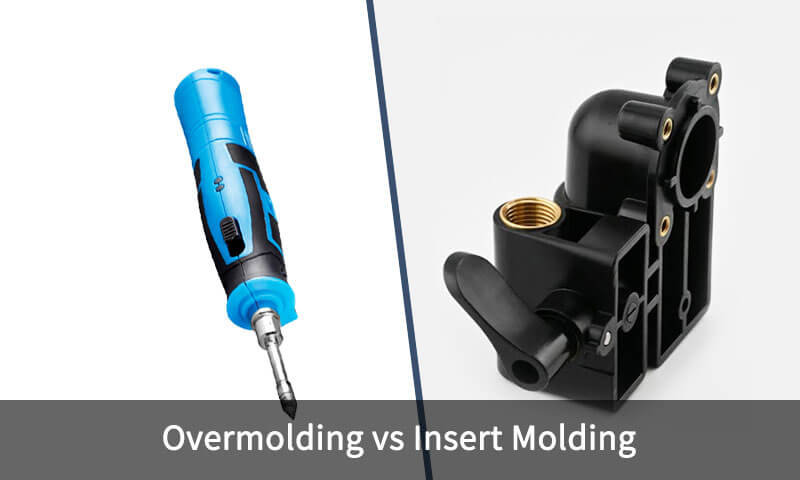
A modern gyártásban, az egyanyagú alkatrészek ritkán felelnek meg a teljesítmény teljes követelményének, esztétika, és funkcionalitás.
A mai termékeknek tartósnak, de kényelmesnek kell lenniük, vízálló, mégis légáteresztő, és összetett, mégis könnyen összeszerelhető.
Ez ösztönözte a több anyagból álló gyártási eljárások széles körű elterjedését. Ezek között, Az átöntés és a betétformázás a két legfontosabb és leggyakrabban összehasonlított technika.
Bár a két kifejezést néha felcserélhetően használják, különböző gyártási megközelítéseket írnak le és különböző mérnöki problémákat oldanak meg.
A ráöntés általában magában foglalja egy második anyag öntését egy meglévő hordozóra, hogy több anyagból álló komponenst hozzanak létre.
Beilleszthető öntés, ezzel szemben, előre kialakított betétet – gyakran fémet – helyez a fröccsöntő öntőformába, és műanyaggal kapszulázza vagy részben körülveszi.
Ez a cikk átfogó, az átöntés és a betétformázás egymás melletti összehasonlítása.
1. Mi az Overmolding?
Túlzsúfolás egy fröccsöntési eljárás, amelyben az egyik anyagot egy meglévő hordozóra vagy korábban öntött alkatrészre öntik, hogy egy integrált, több anyagból álló alkatrészt hozzanak létre.
Az első komponenst általában a szubsztrát, míg a másodlagos formázási művelet során alkalmazott anyag az túlöntő anyag.
A termék kialakításától függően, a hordozó lehet merev, hőre lágyuló műanyag, elasztomer, fém alkatrész, vagy más alkalmas előformázott alkatrész.
Egy tipikus felülöntött alkatrész kombinálhatja a merev szerkezeti anyagot egy lágyabb anyaggal.
Például, a merev ABS-ház TPE-fedőt kaphat, hogy kényelmes fogást biztosítson, javítja a tömítést, vagy védő külső felületet hozzon létre.
A cél nem egyszerűen az, hogy egyik anyagot a másikra helyezzük. A két anyag közötti felületnek megfelelő tapadást kell biztosítania, mechanikus rögzítés, vagy mindkettő kombinációja, hogy ellenálljon a terméktől elvárt mechanikai hatásoknak, termikus, kémiai, és környezeti feltételek.
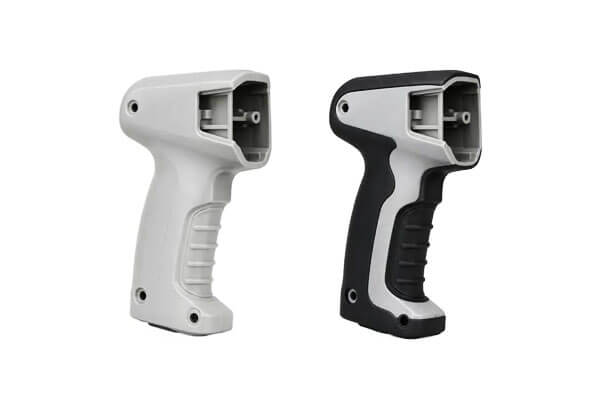
Hogyan működik az overmolding
Az öntési folyamat általában a hordozó előállításával kezdődik.
Ez magában foglalhat egy külön fröccsöntési műveletet, megmunkálási folyamat, bélyegzési művelet, die casting folyamat, vagy más gyártási módszer.
Az aljzat ellenőrzése után, egy második forma belsejében van elhelyezve. A formát úgy tervezték, hogy szabaddá tegye azokat a területeket, amelyeknek be kell fogadniuk a fröccsöntő anyagot, miközben pontosan megtalálja és alátámasztja az aljzatot.
A másodlagos anyagot ezután a megfelelő feldolgozási hőmérsékletre melegítik, és befecskendezik a formaüregbe.
Körbefolyik a kijelölt hordozófelületeken, és kialakítja a szükséges külső geometriát.
Feltöltés és csomagolás után, az anyag lehűl és megszilárdul, mielőtt az elkészült komponens kilökődik.
Egy tipikus munkafolyamat az:
Aljzatgyártás → aljzatvizsgálat → formabetöltés → pozicionálás → másodlagos anyag befecskendezése → csomagolás → hűtés → kilökődés → ellenőrzés
A végtermék minősége nagymértékben függ az interfész kialakításától. Ha kémiai tapadás szükséges, az aljzatnak és a fröccsöntő anyagnak megfelelően kompatibilisnek kell lennie.
Ha a mechanikai retenció az elsődleges mechanizmus, az aljzat hornyokat igényelhet, borda, lyukak, aláhúzások, vagy más olyan jellemzők, amelyek lehetővé teszik a második anyag rögzítését a helyére.
A felületi szennyeződés egy másik fontos szempont. Olaj, por, leválasztó szerek, oxidáció, nedvesség, vagy más szennyeződések megzavarhatják a tapadást, és delaminációhoz vagy idő előtti elváláshoz vezethetnek.
Általános fröccsöntő anyagok
A felülöntéshez hőre lágyuló műanyagok és elasztomer anyagok széles skálája használható, de nem minden anyagkombináció eleve kompatibilis.
Az anyag kiválasztásánál figyelembe kell venni az olvadék hőmérsékletét, kémiai kompatibilitás, zsugorodás, termikus tágulási együttható, keménység, rugalmasság, felületi jellemzők, és a várható szolgáltatási feltételek.
A gyakori kombinációk közé tartozik:
| Szubsztrát anyag | Overmold anyag | Tipikus cél |
| ABS | Tpe | Puha tapintású házak és fogantyúk |
| PC | Tpe | Ütésálló termékek ergonomikus felülettel |
| Nejlon | TPE/TPU | Ipari fogantyúk és rugalmas interfészek |
| PP | Tpe | Fogyasztói termékek és pecsétek |
| PC/ABS | TPU | Védő és ergonomikus felületek |
| Merev hőre lágyuló műanyag | LSR | Tömítés és speciális rugalmas alkatrészek |
Tipikus overmolding alkalmazások
A ráöntés különösen akkor hasznos, ha a terméknek egyesítenie kell a szerkezeti teljesítményt a puhasággal, rugalmasság, lezárás, szigetelés, vagy javított ergonómia.
A túlformázást általában használják:
- Kéziszerszám fogantyúk
- Autóipari kapcsolók és kezelőszervek
- Szórakoztató elektronikai házak
- Orvosi eszköz alkatrészek
- Viselhető eszközök
- Kábel- és vezetékvédelem
- Tömítő alkatrészek
- Fogantyúk és ergonomikus interfészek
- Védőburkolatok
- Ipari berendezések vezérlése
2. Mi az a betétléc?
Beilleszthető öntés egy fröccsöntési eljárás, amelyben egy előre kialakított alkatrész, néven ismert an beilleszt, egy fröccsöntő öntőformában van elhelyezve, majd részben vagy teljesen olvadt műanyagba van kapszulázva.
A betét gyakran fémből készül, bár műanyag, kerámiai, elektronikus, és más előre kialakított komponensek is használhatók.
A hagyományos egyanyagú fröccsöntéssel ellentétben, A betétes fröccsöntés egy önállóan gyártott alkatrészt egyesít egy fröccsöntési művelet során fröccsöntött műanyaggal.
A műanyag a betét körül megszilárdul, olyan integrált alkatrész gyártása, amely kiküszöböli a későbbi összeszerelési műveleteket.
Például, egy sárgaréz menetes betét elhelyezhető egy forma belsejében, és nejlonnal körbevehető.
Formázás után, az eredményül kapott alkatrész állandó menetes fém interfészt tartalmaz anélkül, hogy a menetes betétet utólag be kellene szerelni.
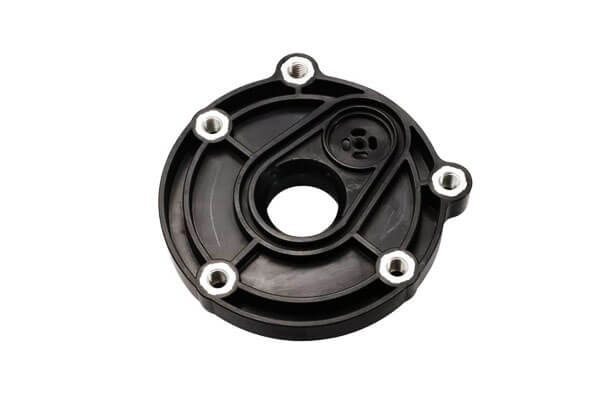
Hogyan működik a betétléc
A betétformázás a betét legyártásával és ellenőrzésével kezdődik. A méretpontosság különösen fontos, mert a betétnek megfelelően illeszkednie kell a formába, és meg kell tartania meghatározott helyzetét a fröccsöntés során.
Ezután a betétet kézzel helyezik a formába, félautomata, vagy automatizált rakodórendszeren keresztül.
Dedikált lámpatestek, csapok, üregek, vagy tartóelemek használhatók a mozgás megakadályozására.
Miután a forma bezárult, olvadt műanyagot fecskendeznek a betét köré. A befecskendezési nyomás jelentős lehet, így a formának kellő támasztékot kell nyújtania ahhoz, hogy megakadályozza a betét elmozdulását, deformáló, vagy rosszul igazodik.
A műanyag ezután lehűl és megszilárdul a betét körül. Kidobás után, a kész alkatrész méretpontosságát ellenőrzik, beillesztési pozíció, vaku, üregek, repedések, és egyéb hibák.
Az alapvető sorrend az:
Betétgyártás → lapkaellenőrzés → lapka betöltés → pozicionálás és visszatartás → formazárás → műanyag befecskendezés → hűtés → kilökődés → ellenőrzés
Nagy volumenű gyártáshoz, automata lapkabetöltés integrálható a formázócellába. Ez javíthatja a ciklus konzisztenciáját, miközben csökkenti a kézi kezelést.
Általános betétanyagok
A fém a legszélesebb körben elismert betétanyag, mert olyan tulajdonságokat biztosít, amelyeket a műanyagok általában nem képesek reprodukálni, mint például a nagy elektromos vezetőképesség, szál tartóssága, merevség, kopásállóság, vagy helyi mechanikai szilárdság.
A gyakori betétanyagok közé tartozik:
- Sárgaréz
- Rozsdamentes acél
- Szénacél
- Alumínium
- Réz és rézötvözetek
- Műszaki műanyagok
- Kerámia
- Elektronikus alkatrészek
Tipikus betétes fröccsöntési alkalmazások
A betétformázást általában akkor használják, ha egy termékhez fém vagy más előre kialakított alkatrészt tartósan műanyag testbe kell integrálni..
A tipikus alkalmazások között szerepel:
- Menetes főnökök
- Elektromos csatlakozók
- Autóipari terminálok
- Érzékelő házak
- Kapcsoló alkatrészek
- Orvosi műszerek
- Szerkezeterősítő alkatrészek
- Kábel csatlakozók
- Elektronikus szerelvények
- Precíziós mechanikai alkatrészek
3. Fölöntés kontra betétléc: Mi a különbség?
Bár mindkét technológia több anyagot vagy alkatrészt integrál, más a gyártási logikájuk.
A legegyszerűbb megkülönböztetés az:
A ráöntés új anyagot ad a meglévő hordozóhoz, míg a betétformázás az előre kialakított betétet fröccsöntött műanyaggal kapszulázza vagy veszi körül.
Viszont, a terminológia átfedheti egymást. Egyes gyártási környezetben, A betétes öntést a ráöntés tágabb formájaként lehet megvitatni, mivel mindkettő magában foglalja az anyag öntését egy már meglévő alkatrész köré.
Mérnöki kommunikációhoz, viszont, hasznos megkülönböztetni őket a már létező komponens szerepe alapján.
Fölöntés és betétléc összehasonlítása
| Tényező | Túlzsúfolás | Beillesztési forma |
| Elsődleges cél | Kombinálja a különböző anyagtulajdonságokat | Integráljon egy előre kialakított betétet a műanyagba |
| Meglévő komponens | Szubsztrát | Beilleszt |
| Közös hordozó/betét | Műanyag, elasztomer, fém | Fém, műanyag, kerámiai, elektronikus alkatrész |
| Tipikus kombináció | Merev műanyag + elasztomer | Műanyag + fém |
| Fő interfész mechanizmus | Tapadás, mechanikus reteszelés, vagy mindkettő | Kapszulázás, mechanikus rögzítés, egyes esetekben adhézió |
| Fő tervezési szempont | Anyagi kompatibilitás | Helyezés és rögzítés |
| Tipikus alkalmazás | Puha tapintású markolat | Menetes fém betét |
| Felületi funkció | Markolat, pecsét, párna, védelem | Elektromos, mechanikai, szerkezeti, rögzítés |
| Automatizálás | Nagymértékben automatizálható | Nagymértékben automatizálható, de a betét betöltése kritikus |
| Fő kockázat | Delamináció vagy rossz kötés | A betét elmozdulása vagy eltolása |
4. Fölöntés kontra betétléc: Tervezési megfontolások
A ráöntéssel és a lapkás fröccsöntéssel kapcsolatos tervezési követelmények elsősorban azért különböznek egymástól, mert a két folyamat különböző interfészeket kezel.
Az overmolding a hordozó és a fröccsöntött anyag közötti megbízható interfész létrehozására összpontosít, míg a betétformázás az előre kialakított betét pontos pozícionálására és biztonságos tokozására összpontosít.
| Tervezési szempont | Túlzsúfolás | Beillesztési forma |
| Anyagi kompatibilitás | A tapadás alapján válasszon kompatibilis aljzatot és fröccsöntő anyagokat, olvadási hőmérséklet, zsugorodás, keménység, és hőtágulás. | Győződjön meg arról, hogy a betét deformáció vagy méretbeli instabilitás nélkül ellenáll az öntési hőmérsékletnek és nyomásnak. |
| Geometria & Falvastagság | Ügyeljen arra, hogy a fröccsöntési vastagság egyenletes legyen, és biztosítson elegendő ragasztási területet. Kerülje a hirtelen vastagságváltozásokat, amelyek zsugorodást okozhatnak, vitorlás, vagy gyenge kötés. | A szilárdság érdekében biztosítson elegendő műanyag vastagságot a betét körül, és használjon hornyokat, morog, lyukak, vagy vállak, ha további rögzítésre van szükség. |
| Ragasztás & Visszatartás | Tervezze meg a felületet a kémiai adhézióhoz, mechanikus reteszelés, vagy mindkettő, anyagkompatibilitástól függően. | Tervezze meg a mechanikus rögzítési és tokozási jellemzőket, hogy ellenálljon a kihúzásnak és az elforgatásnak. |
| Kapu & Anyagáramlás | Helyezze el a kapukat a kiegyensúlyozott töltés eléréséhez és a hegesztési vonalak minimalizálásához, levegő beszorulása, és túlzott stressz a felületen. | Óvatosan szabályozza az anyagáramlást, hogy megakadályozza a betét elmozdulását, hiányos tokozás, vagy túlzott nyomás nehezedik a betétre. |
Beilleszt / Aljzat elhelyezése |
A szubsztrátumot pontosan kell elhelyezni és biztonságosan meg kell tartani az injektálás során. | A lapka pontos pozicionálása kritikus; helymeghatározó csapok, zsebek, szerelvény, vagy automatizált elhelyezésre lehet szükség. |
| Zsugorodás & Termikus tágulás | A vetemedés elkerülése érdekében vegye figyelembe a zsugorodás és a hőtágulás közötti különbségeket az aljzat és a fröccsöntés között, fennmaradó stressz, és delamináció. | Vegye figyelembe a betét és a polimer közötti hőtágulási különbségeket, különösen a fém-műanyag alkalmazásoknál, méretváltozás és belső feszültség megakadályozására. |
| Vázlat & Kidobás | Biztosítson megfelelő huzatot és megfelelően elhelyezett kilökőket, hogy az alkatrészt az öntőforma vagy az interfész sérülése nélkül engedje ki. | Óvatosan tervezze meg a huzatot és a kilökést, hogy megakadályozza a betét elmozdulását, deformáció, vagy meglazulás a bontás során. |
Tolerancia |
Vegye figyelembe az aljzat méreteit, túlöntési vastagság, anyag zsugorodás, és az interfész lehetséges mozgása. | Vegye figyelembe a lapka méreteit, pozicionálási pontosság, polimer zsugorodás, és a végső betét helye. |
| DFM & Mold Flow | Értékelje a kötési területet, anyagáramlás, falvastagság, kapu helye, és differenciális zsugorodás a szerszámozás előtt. | Értékelje a betét megtartását, elhelyezés, polimer áramlás, termikus viselkedés, és a lehetséges lapkaelmozdulás szerszámozás előtt. |
| Minőség -ellenőrzés | Fókuszáljon a kötési szilárdságra, túlöntési vastagság, vaku, elrablás, vitorlás, és dimenziós pontosság. | Koncentráljon a beillesztés helyzetére, megtartó erő, tokozás, vaku, üregek, és dimenziós pontosság. |
5. Egyedi fröccsöntési és betétformázási szolgáltatások a LangHe iparágtól
Langhe -ipar testreszabott fröccsöntési megoldásokat kínál olyan alkalmazásokhoz, amelyek túlöntést igényelnek, betétléc, és egyéb integrált fröccsöntési technológiák.
Gyártási megközelítésünk támogathatja a projekteket a kezdeti termékfejlesztéstől és a szerszámozástól a gyártásig és a minőségellenőrzésig.
| Képesség | Részletek |
| Az öntési típusok | Kétlövés (2K -) túlformázás, pick-and-place overforming. |
| Beillesztési forma | Fém betétek (sárgaréz, acél, réz), kerámia betétek, elektronikus betétek (PCB -k, érzékelők). |
| Anyagok (Szubsztrát) | ABS, PC, Nejlon (PA6, PA66), PP, PBT. |
| Anyagok (Overmold) | Tpe, TPU, LSR, KÁD, szilikon. |
| Szerszámkészítés | Házon belüli szerszámtervezés és gyártás. |
| Minőség | ISO 9001:2015 tanúsított; 100% ellenőrzés. |
| Átfutási idő | 2– 4 hét a prototípusoknál; 4– 8 hét a gyártási szerszámokhoz. |
6. Következtetés
Fölöntés vs betétfröccsöntés nem annak meghatározása, hogy melyik folyamat a jobb. Mindkettő rendkívül hatékony fröccsöntési technológia, de eltérő termékfejlesztési követelményekkel foglalkoznak.
Az overmolding elsősorban olyan termékekhez alkalmas, amelyeknek különböző anyagjellemzőket kell kombinálniuk egy integrált komponensen belül.
Különösen értékes puha tapintású felületeknél, ergonomikus markolat, rugalmas tömítések, párnázás, szigetelés, és védőrétegek.
Sikeressége nagymértékben függ az anyagok kompatibilitásától, felület kialakítása, tapadás, mechanikus reteszelés, és differenciális zsugorodás szabályozása.
Beilleszthető öntés, ezzel szemben, különösen akkor hatékony, ha egy előre kialakított alkatrészt – gyakran fémbetétet – tartósan be kell építeni egy műanyag szerkezetbe.
Széles körben alkalmas menetes interfészekhez, elektromos csatlakozók, erősítő alkatrészek, érzékelők, csatlakozók, és más alkalmazások, ahol a műanyag és más anyagok kiegészítik egymást.
Végül, A folyamat kiválasztásának a teljes gyártási rendszeren kell alapulnia, beleértve az anyagi viselkedést, termék geometriája, szerszámkészítés, kötési vagy megtartási stratégia, termelési kötet, automatizálás, ellenőrzés, és az életciklus költsége.
GYIK
Mi a különbség a lapkás öntés és a kétlövéses fröccsöntés között??
A betétlécek felhasználása a előformázott betét amelyet a műanyag fröccsöntés előtt a formába helyeznek.
A kétlövéses fröccsöntéssel általában két anyagot állítanak elő egymás után, speciális szerszámokkal és több fröccsöntési lépéssel, gyakran anélkül, hogy egy külön gyártott hordozót kézzel kellene betölteni a felvételek között.
Melyik folyamat gyorsabb: ráöntés vagy betétsajtolás?
A betétformázás általában gyorsabb, mert egyetlen fröccsöntést használ. Az öntözéshez két felvétel vagy többlépéses folyamat szükséges.
Melyik eljárásnak alacsonyabb a szerszámköltsége?
A betétlécnek alacsonyabb a szerszámköltsége, mert csak egyetlen formaüreget igényel. A ráöntéshez két különálló öntőformára vagy egy összetett, kétlövéses formára van szükség.
Mikor használjam az átfedést??
Ha puha tapintású fogantyúkra van szüksége, használja a ráöntést, vízálló tömítés, rezgéscsillapítás, vagy javított esztétika.
Mikor használjam a betétformázást?
Ha nagy szilárdságú menetes csatlakozásokra van szüksége, használjon betétléceket, elektromos vezetőképesség, vagy szerkezeti megerősítés műanyag alkatrészekben.
Az átöntés és a betétformázás együtt használható?
Igen. Néhány összetett rész egyesíti mindkét folyamatot – például, betétbe öntött fémmenet, felülöntött puha tapintású markolattal ugyanazon az alkatrészen.
A betétes fröccsöntés a ráöntés egyik fajtája?
A terminológia átfedheti egymást, mivel mindkét folyamat egy már létező komponens körül formálja az anyagot.
Viszont, a gyakorlati gyártási terminológiában, túlformázás általában egy másik anyagréteg vagy anyagrendszer hozzáadását hangsúlyozza, míg betétléc kifejezetten hangsúlyozza az előre kialakított betét beágyazását az öntött alkatrészbe.
Fém használható felülöntéshez?
Igen. A fémfelületek megfelelő műanyagokkal vagy elasztomerekkel önthetők át.
Viszont, az eljárás során figyelembe kell venni a felület előkészítését, termikus tágulás, tapadás, mechanikus rögzítés, és differenciális zsugorodás.

