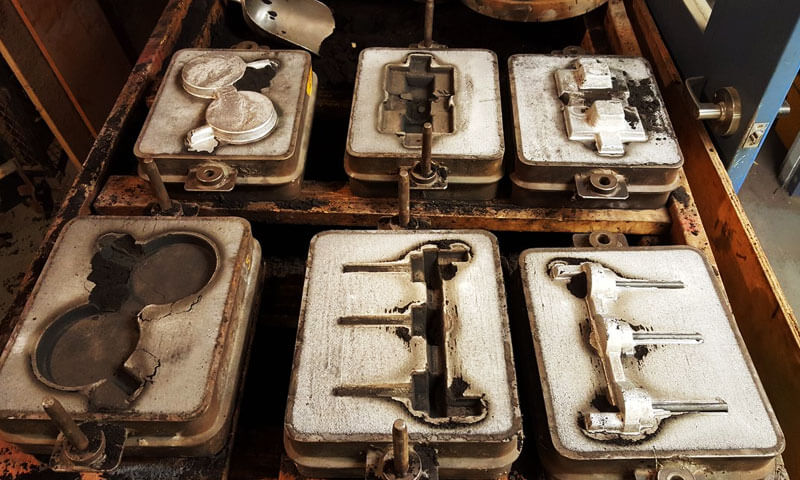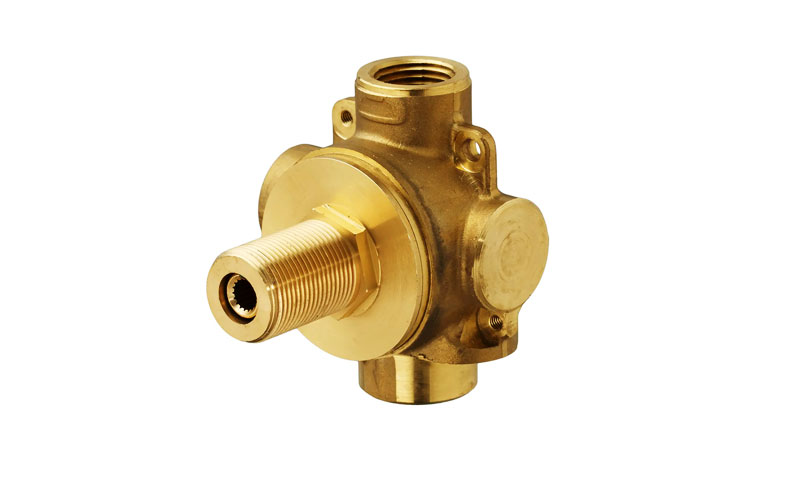
A váltószelepek a folyadékkezelő rendszerek alapvető alkotóelemei, lehetővé teszi az áramlás átirányítását egyik útvonalról a másikra.
Ezeket a szelepeket széles körben használják a vízvezetékekben, fűtés, szellőzés, légkondicionálás (HVAC), vízkezelés, és ipari feldolgozás.
A váltószelepekhez használt különféle anyagok közül, A sárgaréz kiváló megmunkálhatósága miatt a preferált választás, korrózióállóság, antimikrobiális tulajdonságok, és esztétikai vonzerő.
A kiváló minőségű sárgaréz váltószelepek gyártásához a precíziós öntés és a fejlett CNC megmunkálás kombinációja szükséges.
Elveszett viaszöntés (befektetési casting) ideális módszer a váltószeleptestek bonyolult belső járatainak és bonyolult geometriájának előállítására.
Precíziós CNC megmunkálással kombinálva, ez az eljárás kivételes méretpontosságú szelepeket biztosít, Sima felszíni kivitel, és megbízható teljesítményt.
1. Mi az a sárgaréz váltószelep?
A sárgaréz váltószelep egy többportos folyadékvezérlő eszköz, amelyet átirányításra terveztek, válasszon, vagy elosztja a folyadékáramlást a különböző áramlási utak között.
A hagyományos kétjáratú elzárószelepekkel ellentétben, egy váltószelep több portot és egy belső mozgatható elemet használ annak meghatározására, hogy egy adott működési helyzetben mely járatok vannak csatlakoztatva.
A szeleptest általában a nyomást tartalmazó alkatrész. Tartalmazza a bemeneti és kimeneti nyílásokat, belső áramlási csatornák, szelepkamra, tömítő felületek, és a csatlakozási jellemzők.
Belső elem – általában labda, dugó, patron, vagy orsóval működtetett mechanizmus – megváltoztatja az áramlási utat, amikor a szelepet elforgatják vagy működtetik.
Egy tipikus háromjáratú váltószelep, például, két alapállásban működhet:
A pozíció: Bemenet → Kimenet A
B pozíció: Bemenet → Kimenet B
A kifinomultabb konfigurációk kombinálhatják vagy elkülöníthetik az áramlási útvonalakat a folyamatkövetelményektől függően.
A sárgaréz váltószelep teljesítménye nem csak az áramlásváltás képességétől függ.
A szelepnek meg kell őriznie a nyomás integritását, szabályozott áramlási ellenállás, megbízható elzárás, dimenziós stabilitás, és ismételhető tömítés a tervezett élettartam alatt.
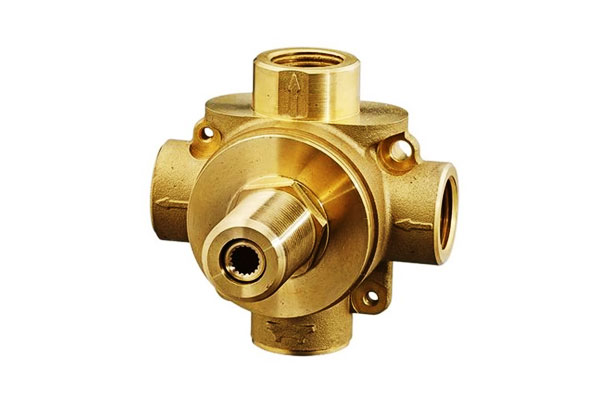
A váltószelepek típusai
| Beír | Leírás | Tipikus alkalmazások |
| 3-Útirányító szelep | Egy bemenet, két kivezetés (vagy fordítva). | Zuhanyrendszerek, keverőszelepek, HVAC, folyamatvezérlés. |
| 4-Útirányító szelep | Két bemenet, két kivezetés. | Fűtési rendszerek, hőszivattyúk, fordított áramlású alkalmazások. |
| Forgó váltószelep | Egy forgó elem eltereli az áramlást a portok között. | Pneumatikus szállítás, porkezelés, ipari feldolgozás. |
| Slide Diverter Valve | Egy csúszólap átirányítja az áramlást. | Ömlesztett anyag kezelése, porgyűjtés. |
| Golyós terelőszelep | A több járattal rendelkező labda közvetlen áramlásra forog. | Vízvezeték -szerelő, vegyi feldolgozás, gázelosztás. |
2. Általános sárgarézötvözetek váltószelep-öntéshez
A megfelelő kiválasztása sárgaréz ötvözet alapvető fontosságú a nyomás integritásához, korrózióállóság, megmunkálhatóság, dimenziós stabilitás, és egy váltószelep élettartama.
A sárgaréz nem egyetlen anyag, hanem a rézalapú ötvözetek széles családja, lényegesen eltérő összetétellel és teljesítményjellemzőkkel.
Precíziós öntésű váltószelephez, Az ötvözet kiválasztásánál többet kell figyelembe venni, mint a mechanikai szilárdságot.
A gyártónak értékelnie kell az öntési viselkedést is, belső nyomás követelményei, folyadékkémia, cinktelenítési ellenállás, megmunkálási követelmények, hőmérséklet, környezeti expozíció, valamint az ötvözet összetevőire vonatkozó szabályozási korlátozások.
Különösen, az ivóvízhez vagy más szabályozott, folyadékkal érintkező alkalmazásokhoz szánt szelepekhez alacsony ólomtartalmú vagy ólommentes ötvözetekre lehet szükség, amelyek kifejezetten erre a szolgáltatásra minősítettek.
Ezért, a „legjobb” sárgarézötvözet inkább alkalmazásfüggő, mint univerzális.
Általánosan használt sárgarézötvözetek váltószelep-öntéshez
| Ötvözet (MINKET) | Legfontosabb tulajdonságok | Tipikus szelepalkalmazások |
| C84400 | Jó önthetőség és megmunkálhatóság; hagyományos ólmozott félvörös sárgaréz | Öntött szeleptestek, vízvezeték -szerelvények, általános folyadékszabályozó alkatrészek |
| C85700 | Ólmozott haditengerészeti sárgaréz; jó megmunkálhatóság és korrózióállóság | Öntött nyomást tartalmazó alkatrészek, tengeri célú szerelvények |
| C87610 | Jó szilárdságú és korrózióálló réz-szilícium ötvözet; alacsony ólom | Vízellátáshoz szükséges alkatrészek és korrózióálló öntvények, ahol elő vannak írva |
| C87800 | Szilikon sárgaréz; jó öntözhetőség, erő, korrózióállóság, és alacsony ólomtartalmú jellemzők | Vízellátási szeleptestek, vízvezeték -szerelvények, ipari alkatrészek |
C87850 |
Jó megmunkálhatóságú szilikon sárgaréz, nyomástömörség, és korrózióállóság | Szeleptestek, csaptelep, vízmérő tokok, vízvezeték és tengeri alkatrészek |
| C89833 | Ólommentes bizmut tartalmú ötvözet; jó megmunkálhatóság és korrózióállóság | Ólommentes, nyomást tartalmazó alkatrészek, ivóvíz-orientált szelep- és vízvezeték-alkalmazások, ahol előírják |
| C36000 | Kiváló szabad megmunkálási tulajdonságok | Megmunkált szelepalkatrészek, szár, szerelvények, adapterek, kis precíziós alkatrészek |
3. A sárgaréz váltószelep elveszett viasz öntési folyamata
A elveszett viaszöntési folyamat A sárgaréz váltószelepekhez úgy tervezték, hogy egy bonyolult szeleptest geometriát alakítson át közel háló alakú fémöntvényré, szabályozott méretkonzisztenciával és szilárd szerkezeti integritással.
CAD áttekintés és szerszámozás
A folyamat a szeleprajzzal vagy a 3D CAD modellel kezdődik. A szerszámok gyártása előtt, a geometriát felülvizsgálják az öntési megvalósíthatóság és a gyártási stabilitás szempontjából.
A szükséges zsugorodási ráhagyást a gyártó határozza meg, megmunkálási ráhagyás, falátmenetek, filé, kapuzási helyek, és öntési tájolás.
Egy váltószelephez, különös figyelmet kell fordítani az egymást keresztező áramlási járatokat körülvevő területekre, mivel a metszetvastagság hirtelen változásai befolyásolhatják a fém betáplálását és megszilárdulását.
Ezután a szerszámot legyártják a szükséges viaszmintázat-geometria reprodukálására.
Viaszmintás előállítás
Az olvadt viaszt a precíziós szerszámba fecskendezik, hogy létrehozzák a szeleptest áldozati mintáját.
A minta minősége határozza meg az öntvény méretbeli alapját. Befecskendezési hőmérséklet, nyomás, tartási idő, hűtés, és a szerszám állapotát ellenőrizni kell a villanás minimalizálása érdekében, eloszlás, hiányos töltés, és méretváltoztatás.
Az elkészült viaszmintát az összeszerelés előtt ellenőrizzük.
Viasz összeszerelés és kapuzás
Az egyes viaszmintákat egy központi csatlórendszerhez csatlakoztatják, így öntőfát alkotnak.
Ebben a szakaszban, a kapurendszer úgy van kialakítva, hogy az olvadt sárgaréz ellenőrzött módon tudja kitölteni a szelepüreget.
A kapu helyzete és a futófelület méretei befolyásolják a töltési időt, turbulencia, hőgradiensek, és táplálkozási viselkedés.
Összetett váltószelepekhez, kapuja körül van kialakítva az egész test geometriája, ahelyett, hogy egyszerűen maximalizálná a töltési sebességet.
Kerámia héjépület
A viaszfát többször kerámiazagyba mártják, és tűzálló stukkóval vonják be. Az egymást követő rétegek merev kerámiahéjat építenek a minta köré.
A héjnak kellő szilárdságot kell biztosítania a viaszmentesítéshez és a fémöntéshez, miközben a szükséges felületi részleteket reprodukálja.
Az elsődleges folyamatvezérlők a következők:
Hüvelyes viszkozitás + tűzálló részecskeméret + rétegvastagság + szárítási körülmények + héj erőssége
A héj inkonzisztens előkészítése repedéshez vezethet, méretváltoztatás, rossz felületi minőség, vagy héj meghibásodása öntés közben.
Vazózás és héj tüzelése
A kerámia héjat felmelegítik, hogy eltávolítsák a viaszmintázatot és létrehozzák a szeleptest negatív üregét.
A viválás után, a héjat kiégetik, hogy eltávolítsák a maradék szerves anyagot, és kialakítsák a szükséges tűzálló szilárdságot és hőstabilitást.
A kapott kerámia formának tisztának kell lennie, száraz, és szerkezetileg szilárd az olvadt sárgaréz bevezetése előtt.
Sárgaréz olvadás és ötvözet szabályozás
A kiválasztott sárgarézötvözetet ellenőrzött körülmények között olvasztják meg.
A fő cél annak biztosítása, hogy az olvadt fém megfeleljen az előírtaknak vegyi összetételre és tisztasági követelményekre öntés előtt.
Ez különösen fontos az egyedi szelepek esetében, ahol az anyagtulajdonságok és a szabályozási követelmények egy adott ötvözetminőségtől függhetnek.
A folyamatvezérlés általában magában foglalja:
- Ellenőrzött töltőanyagok
- Olvadékhőmérséklet figyelése
- Kémiai elemzés
- Salak- és oxidszabályozás
- Hőazonosítás és nyomon követhetőség
Ellenőrzött öntés
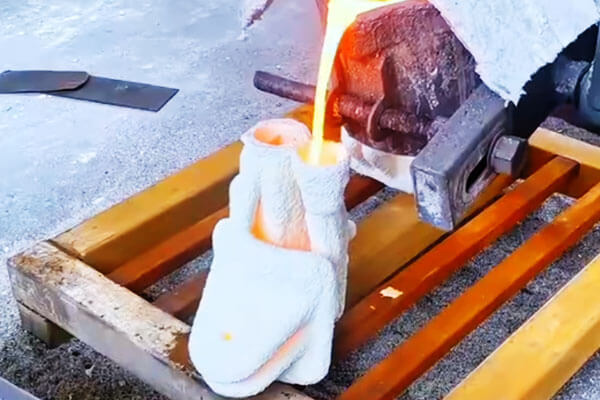
Az előmelegített kerámia héjat olvadt sárgarézzel töltik fel a tervezett kapurendszeren keresztül.
Az öntési hőmérsékletet és a töltési sebességet az ötvözet és a szelep geometriájához kell igazítani.
A fémnek kellően folyékonynak kell maradnia ahhoz, hogy túlzott turbulencia vagy idő előtti megszilárdulás nélkül kitöltse a vékony szakaszokat és az összetett járatokat..
A jól irányított öntési műveletet igyekszik elérni:
Teljes kitöltés + stabil áramlás + minimális bevonás + szabályozott hőviszonyok
Megszilárdulás és táplálás
Feltöltés után, a sárgaréz kezd megszilárdulni. Mivel a szeleptest különböző falvastagságokat tartalmazhat, főnökök, és átjáró kereszteződései, a különböző területek eltérő sebességgel hűlhetnek le.
Az öntvény kialakításának ezért támogatnia kell a szabályozott szilárdulást és a zsugorodó fém megfelelő adagolását.
A rossz szilárdulás szabályozás hibákat okozhat, mint pl:
- Zsugorodási porozitás
- Zsugorodási üregek
- Gázzal kapcsolatos megszakítások
- Forró repedés
Összetett szeleptestekhez, Az öntési szimuláció felhasználható a töltési és megszilárdulási viselkedés előrejelzésére, valamint a kapu- és adagolórendszer optimalizálására a gyártás előtt.
Kiütés
Miután az öntvény kellően lehűlt, a kerámia héjat mechanikusan eltávolítják.
Rezgés, mechanikai elválasztás, vagy más alkalmas módszerek alkalmazhatók a komponenstől és a gyártási rendszertől függően.
A kiütésnél óvatosan kell eljárni, mert a túlzott mechanikai erő károsíthatja a vékony részeket, port jellemzői, vagy öntött felületek.
Kapu és felszálló eltávolítása
A sprue, futók, kapuk, és a felszállókat levágják a szelepöntvényből.
A vágási helyeket úgy választják meg, hogy az eltávolítás ne sértse meg a funkcionális területeket, és ne hagyjon túl sok anyagot, ami megnehezítené a későbbi megmunkálást.
Ez a szakasz a befektetett öntvényfát egyedi szeleptest-öntvénylé alakítja.
Öntés befejezése
A megtisztított öntvényt köszörülésnek vetik alá, robbantás, vagy más megfelelő befejező műveletek a maradék kerámia eltávolítására, uszony, vaku, és kapumaradványok.
A cél egy tiszta és stabil öntvény előállítása, amely alkalmas ellenőrzésre és későbbi megmunkálásra.
Fontos, a befejezést nem szabad az elfogadhatatlan öntési szakadások elrejtésére használni. Területek, amelyek nyomáshatárokká válnak, lezáró felületek, vagy a kritikus megmunkálási nullapontok különös figyelmet igényelnek.
4. Sárgaréz váltószelep-öntvények CNC megmunkálása
Az elveszett viaszöntvény meghatározza a sárgaréz váltószelep fő geometriáját, de általában nem biztosítja a kritikus interfészekhez szükséges végső pontosságot.
CNC megmunkálás ezért ez a híd a közel háló alakú öntvény és a funkcionális precíziós szelep között.
A megmunkálási folyamatnak nem csak egyedi méreteket kell elérnie; fenn kell tartania a portok közötti geometriai kapcsolatot, áramlási járatok, szelepülések, lezáró felületek, szár, és működtető interfészek.
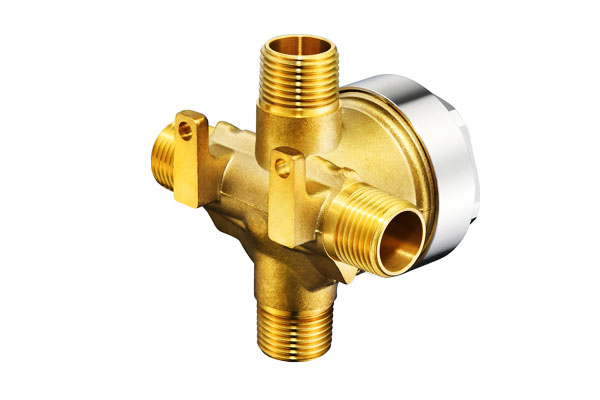
Egy tipikus gyártási sorrend az:
Öntvényellenőrzés → Nullapont létrehozása → Durva megmunkálás → Furat/nyílás megmunkálás → Menet megmunkálás → Ülés- és tömítés-horony megmunkálás → Működtetőfelület megmunkálás → Sorjázás → Méretellenőrzés
A pontos sorrend a szelep felépítésétől függ.
Szelepnyílások és belső furatok megmunkálása
A bemeneti és kimeneti nyílások biztosítják a szelep kapcsolatát a külső folyadékrendszerrel. A szelep kialakításától függően, ezek az interfészek használhatják:
- NPT vagy más kúpos csőmenetek
- BSP vagy BSPP/BSPT szálak
- Metrikus vagy egyéni szálak
- Tömörítési interfészek
- Karimás csatlakozások
- Forrasztás vagy speciális csatlakozási geometriák
A port-megmunkálási műveletnek mind a méretet, mind a pozíciót ellenőriznie kell.
A megfelelően megmunkált menet továbbra is összeszerelési problémákat okozhat, ha a nyílás tengelye nem megfelelően van elhelyezve a szeleptesthez vagy a szomszédos nyílásokhoz képest.
Keresztező belső járatokhoz, a megmunkálás fúrással járhat, fúrás, keresztfúrás, vagy öntött és megmunkált jellemzők kombinációja.
A járatok közötti átmenetet gondosan meg kell vizsgálni, mert a túlzott hirtelenség növelheti a nyomásveszteséget és a turbulenciát.
Egyedi kivitelben, az öntéssel lehet előállítani az áramlási architektúra nagy részét, míg a CNC megmunkálás befejezi a nyílásokat és a funkcionális interfészeket.
Szelepülések precíziós megmunkálása
A szelepülés a váltószelepek egyik legkritikusabb jellemzője, mivel ez képezi azt a felületet, amely korlátozza a nem kívánt folyadékszivárgást.
Az ülések teljesítménye több jellemző együttes működésétől függ:
Körkörösség + Érintkező geometria + Felszíni befejezés + Laposság/kerekség + Anyagi kompatibilitás
A névleges átmérőjének megfelelő, de a szelepelemmel nem koncentrikus szelepülék egyenetlen érintkezést eredményezhet.
Hasonlóképpen, a túl durva felület zavarhatja a tömítést, míg a helytelen felületgeometria növelheti az üzemi nyomatékot.
A megfelelő üléstűrést és felületi minőséget ezért az adott szelepkonstrukciónak megfelelően kell meghatározni, tömítő elem, nyomásértékelés, és szivárgási követelmény.
Menet megmunkálás
A sárgaréz váltószelepeken gyakoriak a menetek, mivel kompakt és gazdaságos csatlakozásokat biztosítanak.
A CNC megmunkálás belső és külső menetekhez egyaránt használható. A kritikus paraméterek közé tartozik:
- Fő átmérő
- Kis átmérőjű
- Hangmagasság
- Szálprofil
- Hatékony átmérő
- Menetmélység
- Körkörösség
- Felszíni befejezés
A menetmérőket gyakran használják a gyártás ellenőrzésére, míg a méretvizsgálat megerősítheti a mögöttes geometriát.
Mert a sárgaréz viszonylag megmunkálható, támogatja a hatékony cérnagyártást, de a vágási stratégiát továbbra is az adott ötvözethez kell igazítani.
Egyes ólommentes sárgarézötvözetek a hagyományos, szabadon megmunkált minőségektől eltérően viselkedhetnek, és optimalizált vágószerszámokat és paramétereket igényelhetnek.
O-gyűrű és tömítés-horony megmunkálás
Ahol elasztomer tömítéseket használnak, az O-gyűrű hornya inkább precíziós jellemző, mint egyszerű bemélyedés.
Méretei meghatározzák a tömítés összenyomódását, és ezáltal befolyásolják a szivárgási teljesítményt. Nem megfelelő horonyszélesség, mélység, sarokgeometria, vagy felületi állapot okozhat:
- Nem megfelelő tömítés
- Túlzott tömörítés
- Tömítés extrudálás
- Összeszerelési nehézség
- Korai tömítéskopás
A megmunkálási folyamatnak következésképpen meg kell tartania a megadott horonygeometriát, miközben védi a környező tömítőfelületet.
5. Felületkezelési lehetőségek sárgaréz váltószelepekhez
Egyedi szelepalkatrészekhez, A felületkezelést az ötvözettel együtt kell kiválasztani, megmunkálási folyamat, mérettűrések, és működési környezet.
Nem minden befejező eljárás alkalmas minden felületre.
Különösen, szelepülések, szálak, tömítő felületek, és a nedves átjárók szigorúan ellenőrzött befejezési feltételeket igényelhetnek, hogy elkerüljék funkcionális méretük megváltoztatását.
Mechanikus polírozás
A mechanikus polírozás fokozatosan finomabb csiszolóanyagot használ a megmunkálási nyomok eltávolítására, kisebb felületi egyenetlenségek, és az öntéssel kapcsolatos felületi hibák a sárgaréz felületről.
A kívánt megjelenéstől függően, a folyamat az alapvető csiszolófényezéstől a magasfényű polírozásig terjedhet.
Előnyök:
- Sima és vonzó sárgaréz felületet hoz létre
- Javítja a vizuális megjelenést
- Csökkenti a látható megmunkálási és öntési nyomokat
- Hatékony hordozót biztosít a későbbi bevonatokhoz
- Javíthatja a felület egyenletességét a külső szelepfelületeken
Nikkel -bevonat
A nikkelezés szabályozott nikkelréteget visz fel az előkészített sárgaréz felületre, jellemzően galvanizálási eljárással.
A megfelelő előkezelés elengedhetetlen a sárgaréz alapfelület és a bevonat közötti jó tapadás biztosításához.
Előnyök:
- Javítja a korrózióállóságot
- Nagyobb felületi keménységet biztosít, mint a kezeletlen sárgaréz
- Javítja a kopásállóságot
- Egységes fémes megjelenést biztosít
- Alkalmas nedvességnek kitett alkatrészekhez és kezeléshez
- Alaprétegként szolgálhat dekoratív vagy funkcionális befejező rendszerekhez
Krómozás
A krómozás króm alapú felületi réteget visz fel egy megfelelően előkészített hordozóra, gyakran nikkelezés felett.
A folyamat keménységet eredményez, fényes felület, jó kopás- és elszíneződésállósággal.
Előnyök:
- Kiváló dekoratív megjelenés
- Magas felületi keménység
- Jó kopásállóság
- Jól ellenáll a szennyeződéseknek és a légköri hatásoknak
- Alkalmas látható szelepalkatrészekhez és dekoratív vízvezeték-szerelvényekhez
Elektrolatlan nikkel borítás
Az elektromentes nikkelezés nikkel-foszfor vagy rokon nikkelötvözet bevonatot visz fel autokatalitikus kémiai reakcióval, nem pedig külső egyenáramra támaszkodva.
Ez viszonylag egyenletes bevonatvastagságot tesz lehetővé összetett geometriákon.
Előnyök:
- Egyenletesebb bevonatvastagság összetett felületeken
- Jó korrózióállóság
- Jó kopás- és kopásállóság
- Alkalmas süllyesztett és szabálytalan geometriákhoz
- Ellenőrzött felületvédelmet biztosít viszonylag kiszámítható méretfelépítéssel
- Hasznos ipari szelepalkatrészekhez, amelyek védelmet és méretállandóságot is igényelnek
Precíziósan megmunkált felületkezelés
Funkcionális felületekhez, például szelepülékekhez, fúrások, szálak, és tömítő felületek, a kívánt felületet gyakran közvetlenül ellenőrzött CNC megmunkálással állítják elő, finom esztergálás, fúrás, őrlés, vagy más precíziós műveletekkel, nem pedig dekoratív bevonattal.
Előnyök:
- Fenntartja a pontos méretszabályozást
- Pontos tömítési geometriát tesz lehetővé
- Támogatja a szabályozott felületi érdességet
- Megakadályozza a bevonat szükségtelen felhalmozódását a kritikus felületeken
- Kiszámítható összeszerelési és funkcionális teljesítményt biztosít
- Különösen alkalmas szelepülékekhez, fúrások, szálak, és tömítéssel érintkező felületek
6. Az elveszett viaszöntvény előnyei sárgaréz terelőszelepekhez
Az elveszett viaszöntvény olyan egyedülálló előnyöket biztosít a váltószelepek gyártásában, amelyeket nem lehet más öntési vagy formázási módszerekkel összehozni.
Páratlan méretpontosság & Ismételhetőség
Befektetési öntés ±0,05–0,1 mm per 25 mm öntési tűrés, konzisztens megismételhetőséggel a nagy gyártási mennyiségeken keresztül.
Ez csökkenti a megmunkálási készletet, minimalizálja a tolerancia felhalmozódását, és biztosítja a cserélhető összeszerelést.
Komplex belső geometria & Áramlásoptimalizálás
Az elveszett viasz bonyolult belső port geometriákat hozhat létre, sima áramlási átmenetek, és olyan kontúros átjárók, amelyek homoköntéssel lehetetlenek vagy gazdaságtalanok lennének a megmunkálása.
Az optimalizált belső áramlási utak csökkentik a turbulenciát, nyomásesés, és áramlási zaj.
Kiváló öntött felületi kikészítés
A finom kerámia bevonat Ra 1,6–3,2 μm öntött felületi minőséget eredményez, csökkenti a megmunkálási időt és javítja a tömítőfelület teljesítményét.
A sima öntvényfelületek csökkentik az áramlás által kiváltott eróziót is a folyadékjáratokban.
Minimális megmunkálási készlet & Anyagi hatékonyság
A közel háló alakú öntéshez oldalanként csak 0,8-1,5 mm megmunkáló anyag szükséges, szemben a homoköntéshez használt 3-6 mm-rel.
Ez 40-60%-kal csökkenti az anyagpazarlást, és jelentősen csökkenti a megmunkálási időt.
Ötvözött rugalmasság & Egyedi összetétel
Az elveszett viaszöntés gyakorlatilag bármilyen sárgarézötvözetnél működik, lehetővé teszi, hogy az egyedi ötvözetkészítmények megfeleljenek az adott korróziónak, erő, vagy a szabályozási követelményeket jelentősebb eszközváltozások nélkül.
Következetes nyomásintegritás & Szivárgási ellenállás
Az egyrészes öntött testek kiküszöbölik az összeszerelt illesztési szivárgásutakat. Az ellenőrzött szilárdulás minimalizálja a belső porozitást, olyan nyomásálló teljesítményt biztosít, amely megfelel az 1,5-szeres üzemi nyomás szivárgásvizsgálatának.
7. Lost Wax Casting vs. Kovácsolt sárgaréz váltószelepek
Mind az öntés, mind a kovácsolás sárgaréz szelepalkatrészeket állít elő, de különböző tervezési és teljesítmény-forgatókönyveket szolgálnak ki.
| Teljesítmény dimenzió | Elveszett viasz öntött sárgaréz szelepek | Kovácsolt sárgaréz szelepek |
| Dimenziós pontosság | ±0,05 – ±0,1 mm/25 mm öntött állapotban; megmunkálás után szorosabb | ±0,02 – ±0,05 mm; nagyon következetes |
| Belső geometria összetettsége | Nagyon magas – összetett portok, kontúros átjárók, többportos kivitelek | Korlátozott – csak egyszerű axiális formák; mély belső jellemzők nem megvalósíthatók |
| Nyomás & Fáradtság ellenállás | Normál nyomáshoz jó; porozitásfüggő | Kiváló; nagyobb fáradtságállóság és repedési nyomás |
| Termelési mennyiség -alkalmasság | 500 - - 50,000 PC -k/év | 10,000 - - 500,000+ PC -k/év |
| Szerszámköltség & Átfutási idő | Mérsékelt szerszámköltség; 4-6 hét átfutási idő | Magas szerszámköltség; 6-10 hét átfutási idő |
| Teljes egységköltség | Közepes-magas az alacsony hangerőért; versenyképes közepes hangerőn | Magas alacsony hangerőn; a legalacsonyabb nagyon nagy hangerőn |
| Ideális alkalmazási forgatókönyvek | Összetett többportos testek, kontúros áramlási utak, közepes hangerő | Egyszerű axiális kialakítás, nagynyomású, nagy ciklusú fáradtság, nagyon nagy hangerő |
8. A sárgaréz váltószelepek alkalmazásai
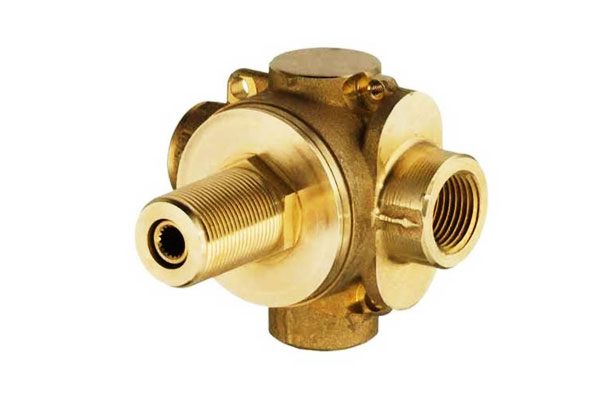
Vízszerelés és vízelosztás
A sárgaréz váltószelepeket széles körben használják a vízvezeték-rendszerekben a víz különböző kimenetek közötti átirányítására, áramkörök, vagy berendezési tárgyakat.
Kompakt kialakításuk, korrózióállóság, és jó megmunkálhatóságuk alkalmassá teszi őket lakossági és kereskedelmi vízszabályozó berendezésekhez egyaránt.
A tipikus alkalmazások között szerepel:
- Zuhanyrendszerek
- Csaptelepek
- Vízelosztó berendezések
- Keverő és útválasztó rendszerek
- Háztartási vízvezeték-berendezések
HVAC és fűtési rendszerek
A sárgaréz váltószelepeket általában HVAC és hidraulikus fűtési rendszerekben használják a keringő víz és más kompatibilis folyadékok irányának szabályozására..
A szelep áramlást válthat a fűtési körök között, elkerülő vonalak, vagy másodlagos hurkok.
A tipikus alkalmazások között szerepel:
- Radiátoros fűtési rendszerek
- Padlófűtési rendszerek
- HVAC cirkulációs körök
- Hőszivattyús rendszerek
- Kazán és fűtőberendezés
Öntözőrendszer
Öntözőberendezésekben, A sárgaréz váltószelepek a víz különböző ágak vagy zónák közötti irányítására használhatók.
Korrózióállóságuk és robusztus felépítésük alkalmassá teszi őket ismételt áramlásváltásra kültéri környezetben.
A tipikus alkalmazások között szerepel:
- Mezőgazdasági öntözőrendszerek
- Kerti öntözőberendezések
- Sprinkler rendszerek
- Üvegházi öntözés
- Vízelosztó csővezetékek
Vízkezelő berendezések
A sárgaréz váltószelepek kompakt vízkezelő rendszerekbe integrálhatók, ahol különböző áramlási utakat kell kiválasztani vagy le kell választani.
A precíziós öntés különösen akkor hasznos, ha a szeleptest testreszabott belső járatokat igényel.
A tipikus alkalmazások között szerepel:
- Vízszűrő rendszerek
- Víztisztító berendezések
- Lágyító rendszerek
- Szivattyú és szűrő szerelvények
- Vízkezelő vezérlőegységek
Készülékek és lakossági berendezések
A kompakt sárgaréz váltószelepeket olyan készülékekben is használják, ahol vizet vagy más kompatibilis folyadékot kell átirányítani a különböző belső áramkörök között.
A tipikus alkalmazások között szerepel:
- Kávé- és italfelszerelés
- Mosógépek
- Vízmelegítők
- Tisztító berendezések
- Lakossági vízszabályozó berendezések
Ipari folyadékszabályozó berendezések
Az ipari berendezések sárgaréz váltószelepeket használhatnak a víz elvezetésére, olaj, levegő, vagy más kompatibilis folyadékok, ahol a nyomás, hőmérséklet, és a kémiai környezet az anyag- és szeleptervezési határokon belül van.
A tipikus alkalmazások között szerepel:
- Szivattyús rendszerek
- Kompresszorok és segédberendezések
- Folyadékfeldolgozó gépek
- Ipari hűtőrendszerek
- Egyedi berendezés összeállítások
Kereskedelmi és speciális rendszerek
Az egyedi sárgaréz váltószelepek olyan berendezésgyártók számára is alkalmasak, amelyek kompakt többportos áramlásszabályozó alkatrészt igényelnek, amelyet egy adott szerelvény vagy folyadékkör köré terveztek.
A tipikus alkalmazások között szerepel:
- Kereskedelmi vízvezeték berendezések
- Vízkeringtető rendszerek
- Berendezések elosztói
- OEM folyadékszabályozó szerelvények
- Egyedi gépek és feldolgozó berendezések
9. Miért válassza a LangHe ipart a sárgaréz terelőszelep elveszett viasz öntéséhez & Megmunkálás?
Egyedi sárgaréz váltószelepekhez, a gyártó kiválasztása nem csupán a sárgarézöntésre alkalmas beszállító megtalálásának kérdése.
A végső komponens az öntéstechnika koordinációjától függ, ötvözött választás, CNC megmunkálás, felszíni befejezés, dimenziós vezérlés, és funkcionális tesztelés.
Langhe -ipar integrált gyártási projektként közelíti meg az egyedi sárgaréz váltószelepgyártást, lehetővé téve az öntési és megmunkálási szakaszok együttes kidolgozását az ügyfél funkcionális követelményei szerint.
| Képesség | Részletek |
| Anyagok | C84400, C85700, C87610, C87800, C87850, C89833, C36000. |
| Öntési folyamat | Elveszett viaszöntés (befektetési casting). |
| Tolerancia | ± 0,1–0,3 mm (CT5-CT7 ISO szerint 8062). |
| CNC megmunkálás | CNC fordulás, őrlés, fúrás, csapás, fúrás, romboló, menetes. |
| Minőség | ISO 9001:2015 tanúsított; 100% ellenőrzés; CMM. |
| Átfutási idő | 6–12 hét a szerszámozáshoz; 2-4 hét ismételt rendelés esetén. |
10. Következtetés
A sárgaréz váltószelep kompakt alkatrész, de gyártási követelményei erősen összefüggenek egymással.
A szeleptestnek nyomást kell tartalmaznia, pontos áramlási útvonalakat biztosítanak, helyezze el a belső szelepelemet, karbantartani a tömítő felületeket, és megbízhatóan csatlakoztassa külső csővezetékhez vagy berendezéshez.
Bonyolult egyedi tervezésekhez, Az elveszett viaszöntvény hatékony módszert biztosít a fő szeleptest geometriájának meghatározására, beleértve a testreszabott portokat, főnökök, átmenetek, és megfelelő belső architektúra.
A CNC megmunkálás ezután szálakat hoz, fúrások, szelepülések, tömítési hornyok, és a szelepmozgató interfészeket a kívánt pontossággal.
Ugyanilyen fontos az anyagválasztás. A különböző sárgarézötvözetek az önthetőség különböző kombinációit kínálják, megmunkálhatóság, mechanikai erő, korrózióállóság, és a szabályozási alkalmasság.
A helyes választásnak ezért a tényleges folyadékon és üzemi környezeten kell alapulnia.
A LangHe Industry egyesíti a sárgaréz precíziós öntését és a CNC megmunkálást, hogy támogassa a testreszabott váltószelep-gyártást a kezdeti tervezéstől a kész alkatrészek ellenőrzéséig, segíti az OEM ügyfeleit abban, hogy a komplex szelepkoncepciókat legyártható és megismételhető termékekké alakítsák át.
GYIK
Mi az a sárgaréz váltószelep?
A sárgaréz terelőszelep egy többportos folyadékszabályozó eszköz, amely a folyadék átirányítására vagy szelektív elosztására szolgál a különböző áramlási utak között..
Belső szelepeleme határozza meg, hogy az egyes működési helyzetekben mely portok vannak csatlakoztatva.
Miért használják a sárgaréz általában váltószelepekhez??
A sárgaréz a korrózióállóság hasznos kombinációja, megmunkálhatóság, mechanikai erő, önthetőség, és a költséghatékonyság.
Ezek a tulajdonságok sok vízhez alkalmassá teszik, HVAC, vízvezeték -szerelő, készülék, és ipari folyadékszabályozási alkalmazások.
Miért használjon elveszett viaszöntvényt sárgaréz váltószelephez??
Az elveszett viaszöntvény különösen hasznos, ha a szeleptest összetett geometriával rendelkezik, több port, integrált főnökök, vagy testreszabott áramlási járatokat.
Közel háló alakú testet állít elő, amely utólag CNC megmunkálható.
Használhatók-e sárgaréz váltószelepek ivóvízhez??
Lehetnek, feltéve, hogy a teljes szelepkonstrukció megfelel az ivóvíz szolgáltatásra vonatkozó követelményeknek.
A sárgaréz ötvözet, ólomtartalom, nedvesített alkatrészek, gyártási folyamat, és a szükséges termékmegfelelőséget mind figyelembe kell venni.