

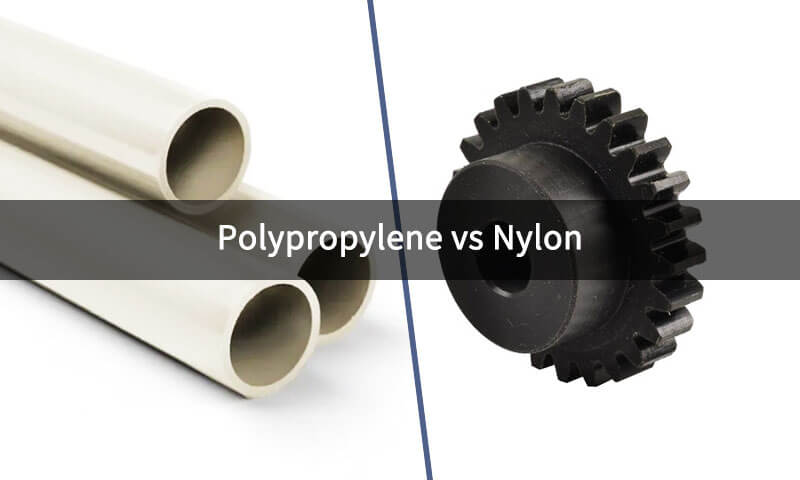
Polipropilen je polukristalni poliolefin poznat po svojoj niskoj gustoći, izvrsna otpornost na vlagu, kemijska otpornost, otpornost na umor, i relativno laka obrada.
Najlon, obitelj poliamida, je općenito poznat po svojoj većoj čvrstoći i krutosti, Izvrsna žilavost, nisko trenje, nositi otpor, i bolje performanse pri visokim temperaturama.
Također je važno izbjegavati tretiranje bilo kojeg materijala kao jednog, fiksna specifikacija. PP i najlon su skupine materijala, a ne pojedinačni razredi.
Pa6, PA66, PA12, najlon punjen staklom, PP homopolimer, PP kopolimer, PP s mineralnim punjenjem, i staklom ojačani PP mogu imati bitno drugačija svojstva.
Stoga, smisleno polipropilen protiv najlona usporedba treba uzeti u obzir ne samo čvrstoću i temperaturnu otpornost, ali i upijanje vlage, kemijska kompatibilnost, trenje i trošenje, električna izvedba, dimenzijska stabilnost, ponašanje ubrizgavanja, trošak proizvodnje, i stvarnim uvjetima rada.
1. Što je polipropilen?
Polipropilen (PP) široko je korišten termoplastični polimer koji pripada obitelj poliolefina.
Cijenjen je zbog niske gustoće, Izvrsna kemijska otpornost, vrlo niska apsorpcija vlage, dobra izvedba zamora, električna izolacija, i učinkovitu preradljivost.
Polipropilen je posebno privlačan kada plastične komponente trebaju kombinirati malu težinu, otpornost na kemikalije i vlagu, Dobra žilavost, ponovljena izvedba savijanja, i isplativa proizvodnja.
Polipropilen se bitno razlikuje od najlona u svojoj molekularnoj kemiji. Njegova polimerna okosnica sastoji se prvenstveno od lanaca ugljikovodika s ponavljajućim metilnim skupinama (-CH3) pričvršćen na karbonsku okosnicu.
Za razliku od najlona, PP ne sadrži polarne amidne skupine koje mogu stvoriti jake vodikove veze s molekulama vode.
Ova relativno nepolarna molekularna struktura odgovorna je za mnoge važne tehničke karakteristike polipropilena.
To doprinosi njegovoj vrlo niskoj apsorpciji vode, izvrsna otpornost na mnoge kemikalije, stabilna električna izolacija, niska gustoća, i dobru otpornost na promjene dimenzija uzrokovane vlagom.
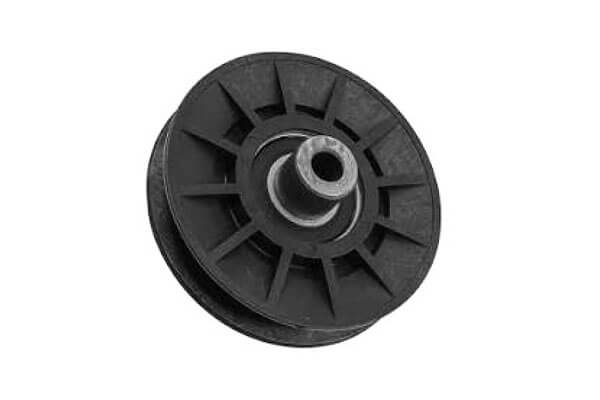
Za različite primjene mogu se konstruirati različite formulacije.
Uobičajene kategorije polipropilena uključuju:
- PP homopolimer
- PP slučajni kopolimer
- PP udarni kopolimer
- PP ojačan staklenim vlaknima
- PP punjen mineralima
- PP punjen talkom
- UV-stabilizirani PP
- Otporan na plamen PP
- Električno modificirani PP
Sposobnost modificiranja PP kopolimerizacijom, punila, vlakna, i aditivi omogućuju proizvođačima da uravnoteže krutost, snaga udarca, kemijska otpornost, izgled, ponašanje obrade, i trošak.
Prednosti i ograničenja polipropilena
Glavne prednosti polipropilena uključuju:
- Niska gustoća: PP proizvodi lagane komponente.
- Izvrsna otpornost na vlagu: Upijanje vode je izuzetno nisko.
- Dobra kemijska otpornost: Posebno djelotvoran protiv mnogih vodenih kiselina, alkalija, soli, i deterdženti.
- Izvrsna otpornost na umor: Prikladno za opetovano savijanje i žive šarke.
- Dobra električna izolacija: Korisno za električna kućišta i izolacijske komponente.
- Izvrsne karakteristike brizganja: Niska viskoznost taline i dobar protok olakšavaju proizvodnju velikih količina.
- Niska cijena materijala: PP je općenito ekonomičniji od najlona tehničke kvalitete.
- Dobra fleksibilnost dizajna: Može se proizvoditi u različitim bojama, formulacije, i izgled površine.
Međutim, polipropilen također ima ograničenja.
Standardni PP općenito pruža manja krutost i mehanička svojstva pri visokim temperaturama od najlona.
Pod dugotrajnim mehaničkim opterećenjima, posebno na povišenim temperaturama, PP može doživjeti puzanje i deformaciju.
Njegov relativno visok koeficijent toplinskog širenja također može biti važan u preciznim primjenama.
Uz to, nemodificirani PP može se razgraditi pod dugotrajnom izloženošću ultraljubičastom zračenju, tako da vanjske primjene mogu zahtijevati UV stabilizatore ili druge zaštitne mjere.
2. Što je najlon?
Najlon je obitelj inženjerskih termoplasta koja pripada poliamid (GODIŠNJE) skupina.
Naširoko se koristi kada plastične komponente moraju pružiti kombinaciju visoke čvrstoće, ukočenost, žilavost, nositi otpor, nisko trenje, performanse umor, i sposobnost za povišene temperature.
Najlon se bitno razlikuje od polipropilena u svojoj molekularnoj kemiji.
Polimerna okosnica sadrži ponavljajuće amidne skupine (-CONH-), koji stvaraju jače međumolekularne interakcije od onih prisutnih u nepolarnoj strukturi ugljikovodika PP.
Ove amidne skupine odgovorne su za mnoga poželjna tehnička svojstva najlona.
Oni doprinose njegovoj mehaničkoj čvrstoći, ukočenost, žilavost, i sposobnost podnošenja opetovanog trenja i opterećenja.
Istovremeno, polarna priroda amidnih skupina uzrokuje da najlon apsorbira vlagu. Ovo je jedno od najvažnijih razmatranja pri usporedbi najlon vs polipropilen.
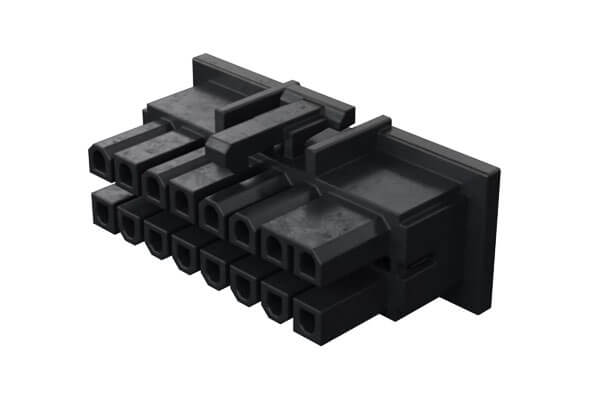
Najlon nije jedan materijal. Postoji nekoliko komercijalno važnih obitelji poliamida,
uključujući:
- Pa6
- PA66
- PA11
- PA12
- PA46
- Različite vrste PA ojačane staklenim vlaknima
- PA vrste punjene mineralima
- PA vrste otporne na plamen
- Toplinski stabilizirane vrste PA
Među njima, PA6 i PA66 su osobito česti u inženjerskim primjenama.
Najlon se široko koristi za mehaničke komponente jer može kombinirati strukturnu izvedbu s relativno niskim trenjem.
Za razliku od mnogih metala, također može pružiti laganu alternativu za zupčanike, čahure, valjka, vodič, i druge pokretne komponente.
Prednosti i ograničenja najlona
Glavne prednosti najlona uključuju:
- Visoka vlačna čvrstoća
- Visoka krutost
- Izvrsna žilavost
- Dobar otpor umora
- Izvrsna otpornost na habanje
- Nisko trenje
- Dobra otpornost na ponavljana mehanička opterećenja
- Bolja izvedba na visokim temperaturama od standardnog PP-a
- Velika prikladnost za mehaničke komponente
Njegova ograničenja uključuju:
- Veća apsorpcija vlage
- Dimenzionalne promjene povezane s vlagom
- Zahtjevniji zahtjevi za sušenje
- Više temperature obrade
- Veća osjetljivost na uvjete obrade
- Veći trošak materijala
- Moguće promjene svojstava između suhog i vlažnog stanja
3. Čvrstoća polipropilena u odnosu na najlon
Veća čvrstoća i krutost najlona
Kada se uspoređuje polipropilen i najlon za mehaničku čvrstoću, najlon općenito daje veću vlačnu čvrstoću, ukočenost, i nosivosti od neispunjenog polipropilena.
Tipični tipovi PP bez punila imaju vlačnu čvrstoću od približno 25–40 MPa, dok uobičajeni stupnjevi PA6 i PA66 obično mogu doseći oko 50–90 MPa, ovisno o konkretnoj ocjeni i uvjetima testiranja.
Razlika je usko povezana s molekularnom strukturom. Polipropilen ima relativno nepolarnu okosnicu ugljikovodika, dok najlon sadrži polarne amidne skupine koje stvaraju jače međumolekularne interakcije i vodikove veze.
Ove interakcije ograničavaju kretanje molekula i omogućuju najlonu da se učinkovitije odupre deformaciji pod mehaničkim opterećenjem.
Izvrsna izvedba polipropilena na savijanje
Iako je najlon općenito jači, polipropilen ima važnu mehaničku prednost u ponovljeno savijanje.
PP može izdržati ekstenzivno cikličko savijanje bez pucanja ako je komponenta pravilno dizajnirana.
To ga čini posebno pogodnim za žive šarke, fleksibilni zatvarači, snap-fit značajke, i opetovano savijenih komponenti.
Stoga, veća vlačna čvrstoća ne čini automatski najlon boljim materijalom za svaku mehaničku primjenu.
Način opterećenja mora se uzeti u obzir zajedno sa snagom, ukočenost, umor, utjecaj, i zahtjevi za puzanje.
Poboljšana čvrstoća s ojačanjem
Oba polimera mogu se ojačati kako bi se postigla znatno veća mehanička učinkovitost.
PP ojačan staklenim vlaknima može doseći vlačnu čvrstoću od približno 70–90 MPa u reprezentativnim razredima, dok 30% PA6 ojačan staklenim vlaknima može dosegnuti otprilike 130–170 MPa, ovisno o formulaciji i uvjetima ispitivanja.
Ojačanje također povećava krutost i otpornost na puzanje, iako može unijeti veću anizotropiju, razlike u skupljanju kalupljenja, i razmatranja obrade.
4. Otpornost na temperaturu od polipropilena i najlona
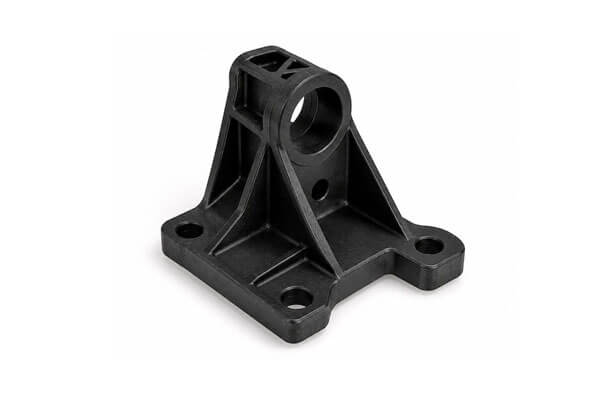
Otpornost najlona na višu temperaturu
Najlon općenito pruža bolju temperaturnu otpornost od polipropilena, posebno kada materijal mora zadržati mehaničku čvrstoću i krutost na povišenim temperaturama.
Tipične vrste polipropilena imaju temperaturu taljenja od približno 160–170 ° C, dok se PA6 topi na oko 220° C i PA66 na približno 255° C.
Međutim, temperaturu taljenja ne treba brkati s kontinuiranom radnom temperaturom.
Termoplastične komponente obično gube krutost i sposobnost nosivosti mnogo prije nego što dostignu točku taljenja.
Najlon općenito zadržava korisna mehanička svojstva na višim temperaturama.
Ovisno o stupnju i armaturi, najlon može pružiti značajno bolje performanse otklona topline i otpornost na deformacije.
Umjerena temperaturna sposobnost polipropilena
Polipropilen ostaje vrlo učinkovit u mnogim primjenama koje rade na umjerenim temperaturama.
Njegova niska cijena, kemijska otpornost, a nisko upijanje vlage može ga učiniti ekonomičnijim od najlona kada nije potrebna otpornost na ekstremne temperature.
Na primjer, PP se široko koristi za kontejnere, kanali, kućište, komponente cjevovoda, i dijelovi interijera automobila gdje radne temperature ostaju unutar praktičnog raspona materijala.
5. Otpornost na vlagu i kemikalije polipropilena u odnosu na najlon
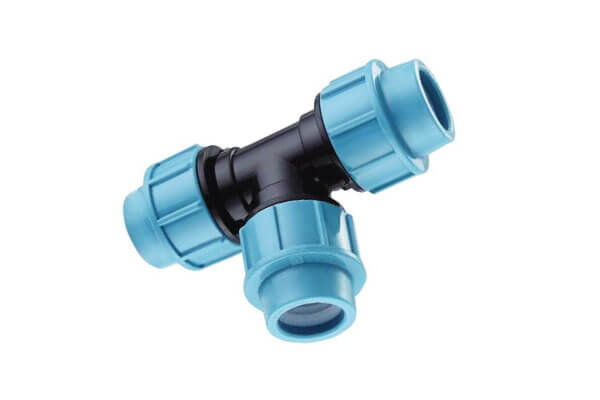
Vrhunska otpornost polipropilena na vlagu
Polipropilen ima veliku prednost u odnosu na najlon u otpornosti na vlagu. Njegova molekularna struktura je pretežno nepolarna, tako da voda ima vrlo ograničenu interakciju s polimernim lancima.
Tipične vrste polipropilena pokazuju izuzetno nisku apsorpciju vode, često okolo 0.01% ili manje poslije 24 sati, ovisno o ocjeni i načinu provjere znanja.
Ova niska apsorpcija vlage omogućuje PP komponentama da zadrže relativno stabilne dimenzije, težina, mehanička svojstva, i električne karakteristike u vlažnom ili mokrom okruženju.
Veća apsorpcija vlage najlona
Najlon se ponaša drugačije jer njegova molekularna okosnica sadrži polarne amidne skupine.
Ove skupine lako stupaju u interakciju s molekulama vode, omogućujući najlonu da upije znatno više vlage.
Ovisno o vrsti poliamida i uvjetima okoline, najlon može upiti nekoliko postotaka svoje težine u vodi u ravnoteži.
PA6 i PA66 posebno su osjetljivi na vlagu u usporedbi s polipropilenom.
Vlaga djeluje kao plastifikator u najlonu. Kako se sadržaj vode povećava, najlon općenito postaje rastegljiviji dok se njegova krutost i čvrstoća smanjuju. Istovremeno, može doći do dimenzionalnog širenja.
Ovo ponašanje je osobito važno za precizne komponente kao što su zupčanici, čahure, konektori, i kućišta s malom tolerancijom.
Izvrsna kemijska otpornost polipropilena
Polipropilen također nudi izvrsnu otpornost na mnoge kemikalije, posebno razrijeđene kiseline, alkalija, soli, deterdženti, i vodene kemijske otopine.
Ova kombinacija kemijske otpornosti i niske apsorpcije vlage čini PP širokom uporabom za kemijske spremnike, tenkovi, cijevi, laboratorijska oprema, obloge, i komponente za rukovanje tekućinom.
Dobra, ali kemijska otpornost najlona koja više ovisi o primjeni
Najlon pruža korisnu otpornost na mnoga ulja, goriva, masti, i industrijske kemikalije. Međutim, njegova kemijska otpornost više ovisi o specifičnim kemijskim i radnim uvjetima.
Određene jake kiseline i agresivna kemijska okruženja mogu napasti poliamidne materijale. Povišena temperatura i mehanički stres mogu dodatno utjecati na kemijsku kompatibilnost.
Stoga, najlon se ne bi trebao birati samo na temelju opće klasifikacije kemijske otpornosti.
Stvarni kemijska koncentracija, temperatura, trajanje izlaganja, razina stresa, i najlonske kvalitete treba ocijeniti.
6. Otpornost na trenje i habanje polipropilena u odnosu na najlon
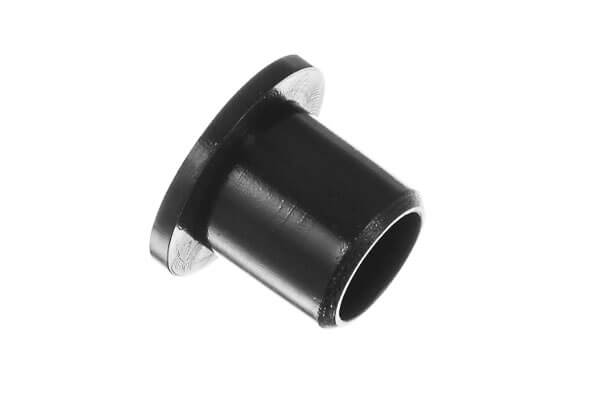
Bolja mehanička izvedba najlona
Najlon je široko poznat kao koristan inženjerski materijal za primjene koje uključuju trenje, klizni, i ponovljeni mehanički kontakt.
Njegova kombinacija snage, žilavost, ukočenost, a relativno nisko trenje čini ga pogodnim za zupčanike, čahure, ležajevi, valjka, nosite trake, i komponente vodiča.
Tipični koeficijenti suhog trenja za najlon mogu pasti u približnom rasponu od 0.2–0.4, jako ovisi o ocjeni, kontrafaca, opterećenje, brzina klizanja, površinski završetak, i metoda ispitivanja.
Relativno visoka mehanička čvrstoća najlona omogućuje mu da izdrži kontaktna naprezanja bez pretjerane deformacije, što je osobito važno kod opterećenih kliznih komponenti.
Karakteristike polipropilena niskog trenja
Polipropilen također može pokazati relativno nisko trenje i može se dobro ponašati u odabranim primjenama klizanja.
Određene vrste PP koriste se tamo gdje su lagane, kemijski otporan, i potreban je jeftin materijal za klizanje.
Međutim, koeficijent trenja i otpornost na trošenje nisu identična svojstva.
Materijal može imati nizak koeficijent trenja dok još uvijek doživljava relativno velike gubitke materijala pod dugotrajnim mehaničkim kontaktom.
Za jako opterećene ili stalno pokretne komponente, najlon često pruža povoljniju kombinaciju mehaničke nosivosti i otpornosti na trošenje.
Specijalizirani spojevi mogu poboljšati otpornost na trošenje
Oba materijala mogu se modificirati za tribološku primjenu.
Najlonski spojevi mogu sadržavati PTFE, grafit, molibden disulfid, lubrikanti na bazi silikona, ili drugi aditivi za smanjenje trenja i poboljšanje otpornosti na trošenje.
Polipropilen se također može formulirati s punilima i aditivima za podmazivanje za specijalizirane primjene s niskim trenjem.
Međutim, armatura mora biti pažljivo odabrana. Staklena vlakna mogu značajno povećati krutost i nosivost, ali također mogu utjecati na mehanizam trošenja i ponašanje spojne površine.
7. Električna svojstva polipropilena i najlona
Izvrsna električna izolacija od polipropilena
Polipropilen je izvrstan električni izolacijski materijal i posebno je vrijedan kada je potrebna stabilna dielektrična izvedba.
Reprezentativne vrste PP mogu imati dielektričnu konstantu od približno 2.2–2.6 a volumni otpor reda veličine 10¹⁶ Ω·cm, iako vrijednosti variraju s učestalošću, temperatura, formulacija, i uvjete ispitivanja.
Njegova kombinacija visokog električnog otpora, niska dielektrična konstanta, i izuzetno niska apsorpcija vlage čini polipropilen korisnim za električnu izolaciju, filmovi kondenzatora, komponente kabela, elektronički dijelovi, i druge dielektrične primjene.
Dobra električna izolacija od najlona
Najlon je također učinkovit električni izolator, posebno u suhim uvjetima.
Reprezentativne vrste najlona mogu imati dielektrične konstante oko 3.5–4.0, iako točna vrijednost jako ovisi o vrsti polimera, frekvencija, temperatura, i sadržaj vlage.
Prednost najlona je u tome što kombinira električnu izolaciju sa znatno većom mehaničkom čvrstoćom i žilavošću od konvencionalnog polipropilena.
To ga čini korisnim za električne priključke, kućište, komponente za upravljanje kabelima, te mehanički zahtjevnih izolacijskih dijelova.
8. Polipropilen naspram najlona za injekcijsko prešanje
Izvrsna mogućnost prerade polipropilena injekcijskim prešanjem
Polipropilen je jedan od najčešće brizganih termoplasta jer kombinira dobru tečnost taline, relativno niske zahtjeve za obradu, niska osjetljivost na vlagu, i kratko vrijeme ciklusa.
Njegova relativno niska viskoznost taline omogućuje da rastaljeni PP učinkovito ispuni složene šupljine kalupa, što ga čini pogodnim za komponente tankih stijenki, snap-fit značajke, žive šarke, spremnici, kućište, i drugi proizvodi velike količine.
Glavna prednost obrade PP-a je ta smola obično ne zahtijeva opsežno prethodno sušenje koje zahtijeva najlon.
Budući da polipropilen upija vrlo malo vlage, proizvođači općenito mogu pravilno uskladišteni PP obraditi izravno ili relativno jednostavnim postupcima kondicioniranja materijala.
PP također ima relativno širok prozor obrade.
Tipične temperature taljenja često su u rasponu od približno 200–250 ° C, ovisno o stupnju i primjeni, dok se temperature kalupa obično kontroliraju na znatno nižim temperaturama.
Točni uvjeti moraju se utvrditi iz preporuka proizvođača smole za obradu.
Veća osjetljivost najlona na vlagu
Najlon je također vrlo pogodan za injekcijsko prešanje, ali su njegovi zahtjevi za obradu zahtjevniji.
Većina najlonskih smola je higroskopna i može apsorbirati atmosfersku vlagu tijekom skladištenja.
Prije kalupljenja, najlon općenito treba biti pravilno osušen do određene razine vlage.
Ako u smoli ostane prekomjerna vlaga, kombinacija vode i visoke temperature taline može izazvati hidrolitičku degradaciju, smanjenje molekularne težine i potencijalno smanjenje mehaničkih svojstava gotove komponente.
Zbog toga je rukovanje materijalom osobito važno pri obradi najlona.
Smolu treba čuvati u ambalaži otpornoj na vlagu, a uvjete sušenja treba kontrolirati prema specifičnom stupnju PA.
Više temperature obrade za najlon
Najlon općenito zahtijeva više temperature taljenja od polipropilena.
PA6 se obično obrađuje na temperaturama taline oko 240–280°C, dok PA66 može zahtijevati otprilike 260–300 ° C, ovisno o kvaliteti i tehnologiji obrade.
Viša temperatura obrade povećava zahtjeve za energijom i postavlja veće zahtjeve za opremu za kalupljenje, komponente kalupa, i kontrola procesa.
Međutim, viša temperatura obrade najlona također odražava njegovu višu točku taljenja i omogućuje proizvodnju komponenti koje mogu pružiti veću mehaničku i toplinsku izvedbu.
9. Dimenzijska stabilnost polipropilena u odnosu na najlon
| Aspekt | Polipropilen | Najlon |
| Apsorpcija vlage | Vrlo nizak | Visok |
| Promjena dimenzija s vlagom | Minimalan | Značajan |
| Skupljanje plijesni (%) | 1.0–2.5 | 0.5–2.0 |
| Skupljanje nakon kalupljenja | Umjeren | Značajan (kondicioniranje vlage) |
| Otpornost na puzanje | Umjeren | Dobro |
Hidrofobna priroda polipropilena daje mu izvrsnu dimenzijsku stabilnost u vlažnim okruženjima.
Najlon upija vlagu, uzrokujući bubrenje dijelova i promjenu dimenzija. Međutim, najlonski dijelovi mogu se kondicionirati na vlagu kako bi se postigle stabilne dimenzije.
10. Polipropilen protiv najlona: Razmatranja troškova i proizvodnje
Trošak materijala
Polipropilen je općenito ekonomičniji od najlona. Njegova niska gustoća također znači da može biti potrebno manje materijala po težini za proizvodnju komponente usporedivog volumena.
Za proizvode velike količine, to može osigurati značajnu troškovnu prednost.
Najlon je obično skuplji jer je inženjerska termoplastika s boljim mehaničkim i toplinskim svojstvima.
Međutim, njegova veća čvrstoća i krutost mogu omogućiti dizajnerima da smanje debljinu stijenke ili veličinu komponente, djelomično nadoknađujući višu cijenu smole.
Proizvođanja
| Faktor | Polipropilen | Najlon |
| Trošak materijala | Općenito | Općenito više |
| Gustoća | Donji | Viši |
| Temperatura obrade | Donji | Viši |
| Zahtjev za sušenje | Minimalan | Obično kritično |
| Ubrizgavanje | Relativno lako | Osjetljiviji na proces |
| Učinkovitost ciklusa | Izvrstan | Dobro |
| Osjetljivost na vlagu | Vrlo nizak | Visok |
| Složenost alata/procesa | Općenito | Općenito više |
| Tipična ekonomika primjene | Veličanstveni, troškovno osjetljivi dijelovi | Komponente kritične za performanse |
Polipropilen je obično lakši i jeftiniji za obradu.
Njegova niska osjetljivost na vlagu pojednostavljuje rukovanje materijalom, dok njegove dobre karakteristike protoka podržavaju učinkovito injekcijsko prešanje i velike količine proizvodnje.
Najlon zahtijeva pažljiviju kontrolu proizvodnje. Prije injekcijskog prešanja, mnoge najlonske smole moraju biti pravilno osušene kako bi se spriječila degradacija uzrokovana vlagom i defekti oblikovanja.
Temperatura kalupa, temperatura otopljenja, vrijeme boravka, a uvjeti hlađenja također zahtijevaju strožu kontrolu.
11. Primjena polipropilena u odnosu na najlon
Raspon primjene od polipropilen (PP) i najlon (GODIŠNJE) preklapaju u mnogim područjima, ali svaki je materijal bolje prilagođen različitim radnim uvjetima.
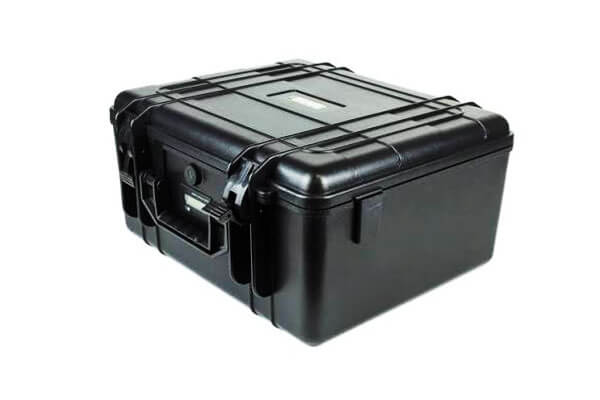
Primjene polipropilena
Polipropilen se naširoko koristi gdje niska gustoća, niska apsorpcija vlage, kemijska otpornost, otpornost na umor, i ekonomična obrada velikih količina su važni.
| Sektor prijave | Tipične PP komponente | Zašto je odabran PP |
| Pakiranje | Spremnici, čepovi boca, zatvaranja, ladice, pakiranje hrane | Niska gustoća, otpornost na vlagu, kemijska otpornost, Obrada |
| Automobilizam | Branici, unutarnje obloge, paneli vrata, kućišta za baterije, spremnici tekućine | Lagan, učinak utjecaja, kemijska otpornost, troškovna učinkovitost |
| Vodovodni & Vodovodni sustavi | Cijevi, fiting, Komponente pumpe, dijelovi za navodnjavanje | Slabo upijanje vode i otpornost na mnoge kemikalije |
Potrošački proizvodi |
Spremnici za skladištenje, namještaj, Kućišta uređaja, posuđe za kućanstvo | Lagan, izdržljiv, ekonomičan |
| Električni & Elektronika | Izolacijske komponente, dijelovi povezani s kabelom, filmovi kondenzatora, kućište | Dobra električna izolacija i niska osjetljivost na vlagu |
| Medicinski & Laboratorijski proizvodi | Spremnici, ladice, šprice, laboratorijska oprema | Otpornost na kemikalije, niska apsorpcija vlage, dostupne odgovarajuće ocjene |
| Industrijska oprema | Tenkovi, kanali, spremnici, prekrivači, komponente za rukovanje tekućinom | Otpornost na kemikalije, niska težina, ekonomična obrada |
Najlonske aplikacije
Najlon se prvenstveno koristi gdje jačina, ukočenost, žilavost, nisko trenje, nositi otpor, i performanse na povišenoj temperaturi važniji su od minimalnih troškova materijala i upijanja vlage.
| Sektor prijave | Tipične najlonske komponente | Zašto je odabran najlon |
| Automobilizam | Zupčanici, ležajevi, čahure, Komponente motora, konektori, zagrada | Visoka snaga, ukočenost, nositi otpor, temperaturna sposobnost |
| Električni & Elektronika | Kućišta konektora, stezaljke, komponente prekidača | Mehanička čvrstoća, izolacija, dimenzionalna izvedba |
| Industrijski strojevi | Zupčanici, valjka, komponente ležaja, nositi tanjure, Transportni dijelovi | Nisko trenje, nositi otpor, sposobnost nosivosti |
Pričvršćivači & Hardver |
Vezice za kabele, orah, isječke, pričvršćivači, uskočne komponente | Jačina, žilavost, otpornost na umor |
| Mehaničke komponente | Čahure, remenice, vodič, zupčanici, strukturni zagrada | Visoka krutost i dobra tribološka izvedba |
| Vlakna & Tekstil | Industrijska vlakna, kabel za gume, struna za pecanje, filamenti četkica, tehnički tekstil | Visoka vlačna čvrstoća, žilavost, otpor abrazije |
| Potrošački proizvodi | Zatvarači, kopče, kućišta alata, mehaničke komponente | Žilavost, jačina, nositi otpor |
Polipropilen protiv najlona: Odabir aplikacije
Izbor između PP-a i najlona može se pojednostaviti utvrđivanjem dominantnog servisnog zahtjeva:
- Odaberite polipropilen kada mala težina, otpornost na vlagu, kemijska otpornost, performanse umor, i niski troškovi proizvodnje primarni su zahtjevi.
- Odaberite najlon kada je velika čvrstoća, ukočenost, nositi otpor, nisko trenje, žilavost, ili performanse na povišenoj temperaturi su važnije.
- Razmotrite ojačani PP kada je važna lagana konstrukcija, ali je potrebna veća krutost i čvrstoća.
- Razmislite o ojačanom najlonu kada komponenta mora izdržati velika mehanička opterećenja, kontinuirani stres, ili zahtjevnim toplinskim uvjetima.
12. Zaključak
Polipropilen i najlon komplementarni su inženjerski materijali, ne izravni konkurenti.
Svaki zauzima različitu nišu performansi definiranu svojom temeljnom kemijom:
polipropilen pruža niske troškove, izvrsna dimenzionalna stabilnost i neosjetljivost na vlagu na račun niže čvrstoće i performansi trošenja;
najlon daje visoku čvrstoću, izvrsna otpornost na habanje i toleranciju na ulje nauštrb viših troškova, osjetljivost na vlagu i složenost obrade.
Nijedno nije univerzalno superiorno. PP je optimalan izbor za komponente robe, precizni dijelovi u promjenjivoj vlažnosti, primjene tople vode i troškovno osjetljivi proizvodi.
Najlon je bolji izbor za visokoopterećene strukturne komponente, nositi dijelove, komponente ispod haube izložene ulju i primjene na visokim temperaturama sa staklenim ojačanjem.
Najčešća pogreška pri odabiru je određivanje najlona kada bi PP imao odgovarajuće performanse uz 40–60% nižu ukupnu cijenu, ili navođenje PP-a za aplikacije s visokim opterećenjem gdje će doći do preranog kvara.
Sustavna usporedba sa stvarnim radnim uvjetima - bez zadanog korištenja poznatog materijala - osigurava optimalnu izvedbu uz minimalne ukupne troškove.
Česta pitanja
Mogu li se polipropilen i najlon reciklirati?
Da, oba materijala se mogu reciklirati. Polipropilen se široko reciklira (kod smole #5). Najlon se može reciklirati, ali se rjeđe reciklira od polipropilena.
Je li najlon ili polipropilen lomljiviji na niskim temperaturama?
Polipropilen je lomljiviji na niskim temperaturama. Ima temperaturu staklastog prijelaza od –10 do 0°C, ispod koje postaje krt. Najlon ostaje otporan na –30 do –40°C.
Polipropilen je jači od najlona?
Općenito, Ne. Standardni najlon obično ima veću vlačnu čvrstoću, ukočenost, i nosivosti od neispunjenog polipropilena. Međutim, polipropilen ima manju gustoću i izvrsnu otpornost na umor i vlagu.
Ojačani PP također može postići znatno veću mehaničku izvedbu i može nadmašiti neispunjeni najlon u određenim primjenama.
Polipropilen je otporniji na toplinu od najlona?
Općenito, najlon ima bolju otpornost na toplinu od standardnog polipropilena.
Uobičajene vrste najlona imaju više temperature taljenja i općenito bolje zadržavaju mehaničku čvrstoću i krutost na povišenim temperaturama.
Ojačani stupnjevi mogu dodatno poboljšati performanse oba materijala pri visokim temperaturama.
Koji upija više vode, polipropilena ili najlona?
Najlon upija znatno više vode od polipropilena. Polipropilen ima izuzetno nisku sposobnost upijanja vlage, dok je najlon higroskopan zbog svojih polarnih amidnih skupina.
Apsorpcija vlage može utjecati na dimenzije najlona, ukočenost, žilavost, i električna svojstva.
Što je jeftinije, polipropilena ili najlona?
Polipropilen je općenito jeftiniji od najlona. PP također ima nižu gustoću, što može dodatno smanjiti potrošnju materijala težinom komponente.
Međutim, ukupni trošak treba uključiti obradu, alati, dizajn dijela, pojačanje, odsjeći, i služiti život.
Skuplja najlonska komponenta može u konačnici biti ekonomičnija ako pruža znatno dulji vijek trajanja ili omogućuje manji, jači dizajn komponenti.
Što ima bolju dimenzijsku stabilnost, polipropilena ili najlona?
Odgovor ovisi o okolini.
Polipropilen ima veliku prednost u dimenzionalnoj stabilnosti povezanoj s vlagom jer upija vrlo malo vode. Najlon može doživjeti promjene dimenzija jer upija vlagu.
Međutim, PP ima relativno veliko toplinsko širenje, dok ojačani najlon može pružiti izvrsnu dimenzijsku stabilnost u odnosu na temperaturu kada je pravilno formuliran.
Za precizne aplikacije, inženjeri bi trebali procijeniti promjene dimenzija izazvane vlagom i temperaturom.

