1. Uvod
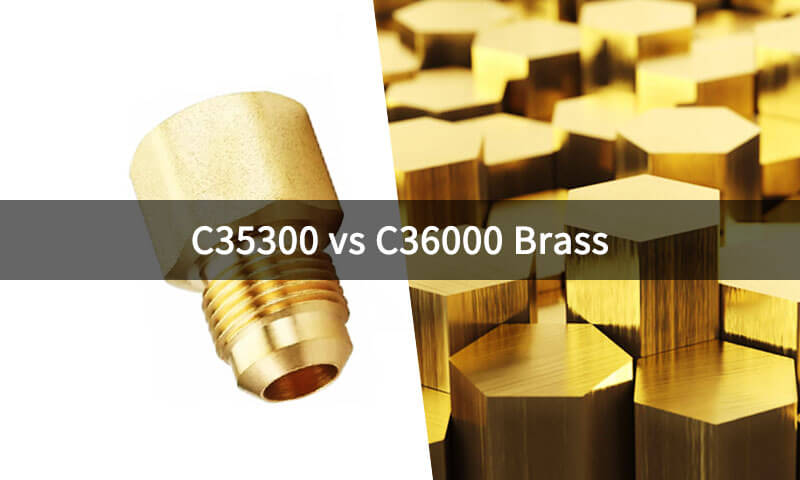
US C36000 (Mjeđenje bez rezanja) i US C35300 (Mesing) oba pripadaju obitelji kovanog olovnog mesinga, i oba su dizajnirana za dobru obradivost, otpor korozije, i učinkovitu proizvodnju.
Na prvi pogled, izgledaju vrlo slično: obje su legure bakra, cinka i olova s usporedivom osnovnom kemijom i gotovo identičnom gustoćom, provodljivost, i vrijednosti modula. Ali u praksi, služe različitim inženjerskim prioritetima.
C36000 je klasični mesing za slobodno rezanje, široko se smatra referentnom legurom za rad automatskih strojeva za vijčanje, dok je C35300 mjed s visokim udjelom olova koja nudi izvrsnu obradivost s nešto boljom duktilnošću od C36000 u određenim kategorijama proizvoda.
2. Kemijski sastav: Temelj razlike
| Element | C35300 | C36000 | Zašto je to važno |
| Bakar (Pokrajina) | 60.0–63,0% | 60.0–63,0% | Isti bakreni prozor znači da je osnovna obitelj mesinga slična. |
| Dovesti (Pb) | 1.5–2,5% | 2.5–3,7% | Veća prednost kod C36000 potiče snažnije ponašanje pri slobodnoj obradi. |
Cinkov (Zn) |
Uravnotežiti | Uravnotežiti | Cink je glavni matrični partner s bakrom. |
| Željezo (FE) | Maksimum 0.15% | Maksimum 0.35% | Veći udio željeza u C36000 odražava njegovu standardnu specifikaciju legure za slobodno rezanje. |
| Pokrajina + imenovani elementi | 99.5% min. | 99.5% min. | Oba su strogo kontrolirana industrijska kovana mesing. |
3. Usporedba mehaničkih i fizičkih svojstava
Iako C35300 i C36000 pripadaju istoj obitelji olovnog mesinga, njihovi imovinski profili nisu identični.
Reprezentativna mehanička svojstva
Sljedeća tablica uspoređuje mehaničke karakteristike ovih legura u standardu H02 (Polutvrdo) temperament:
| Vlasništvo | C35300 | C36000 | Inženjersko značenje |
| Zatečna čvrstoća | 58 ksi = 400 MPA (štap, 1/2 tvrdoglav, tipičan) | 57 ksi = 393 MPA (štap, 1/2 tvrdoglav, tipičan) | Vrlo blizu nominalne čvrstoće; C35300 je nešto viši u ovom reprezentativnom stanju. |
| Snaga popuštanja (0.5% nagib) | 45 ksi = 310 MPA (štap, 1/2 tvrdoglav, tipičan) | 25 ksi = 172 MPA (štap, 1/2 tvrdoglav, tipičan) | C35300 pokazuje izrazito višu razinu prinosa u objavljenom stanju štapa, koji podržava bolju otpornost na ranu plastičnu deformaciju. |
| Produženje | 25% (štap, 1/2 tvrdoglav, tipičan) | 7% (štap, 1/2 tvrdoglav, tipičan) | C35300 je znatno duktilniji u usporedivoj temperamentu štapa, dok je C36000 mnogo manje izdužen. |
Rockwell B tvrdoća |
75 Resurs (štap, 1/2 tvrdoglav, tipičan) | 65 Resurs (štap, 1/2 tvrdoglav, tipičan) | C35300 je tvrđi u objavljenom reprezentativnom stanju štapa, što je u skladu s njegovom većom granicom razvlačenja. |
| Snaga smicanja | 34 ksi = 234 MPA (štap, 1/2 tvrdoglav, tipičan) | 32 ksi = 221 MPA (štap, 1/2 tvrdoglav, tipičan) | Oba su slična, ali C35300 ima malu prednost u otpornosti na smicanje. |
| Modul elastičnosti | 15,000 ksi = 103,400 MPA | 14,000 ksi = 96,500 MPA | C35300 je nešto čvršći u napetosti prema objavljenim vrijednostima. |
| Modul krutosti | 5,600 ksi = 38,600 MPA | 5,300 ksi = 36,500 MPA | Opet, C35300 ima neznatno veću krutost. |
Reprezentativna fizička svojstva
| Vlasništvo | C35300 | C36000 |
| Gustoća | 0.306 lb/in³ = 8.47 g/cm³ | 0.307 lb/in³ = 8.50 g/cm³ |
| Temperatura tekućine | 1670° F = = 910° C | 1650° F = = 899° C |
| Temperatura solidusa | 1630° F = = 888° C | 1630° F = = 888° C |
| Električna vodljivost | 26% IACS | 26% IACS |
| Toplinska vodljivost | 67 Btu/ft²·hr·°F = ≈ 116 W/m · k | 67 Btu/ft²·hr·°F = ≈ 116 W/m · k |
| Koeficijent toplinske ekspanzije | 11.3 × 10⁻⁶/°F = 20.3 × 10⁻⁶/° C | 11.4 × 10⁻⁶/°F = 20.5 × 10⁻⁶/° C |
4. Obradivost: C36000 je mjerilo, C35300 je i dalje izvrstan
Zašto je obradivost ključna razlika
Među svim praktičnim razlikama između C35300 i C36000, obradivost je najodlučnija.
Oba su olovna mjed, i oba su projektirana za učinkovito uklanjanje metala, ali nisu optimizirani u istom stupnju.
C36000 je klasično slobodno rezanje mesing i dodijeljena mu je najveća ocjena obradivosti 100, zbog čega se naširoko tretira kao referentni materijal za proizvodnju visokobrzinskih pužnih strojeva.
C35300 je također vrlo pogodan za strojnu obradu, ali njegova ocjena obradivosti je 90, stavljajući ga korak ispod C36000 u učinku rezanja.
Metalurški razlog za razliku
Razlika u izvedbi uglavnom dolazi od sadržaja olova.
C36000 sadrži veći raspon olova od C35300, a to dodatno olovo poboljšava lomljenje strugotine, smanjuje sile rezanja, smanjuje stvaranje nakupljenih rubova, i produžuje vijek trajanja alata.
U mesingu za slobodnu strojnu obradu, olovo ne ojačava leguru u konvencionalnom strukturnom smislu;
umjesto toga, djeluje kao lokalizirana meka faza koja poboljšava mehaniku formiranja strugotine i čini automatiziranu obradu stabilnijom i ekonomičnijom.
Zbog toga se C36000 tako često bira za tokarenje, bušenje, kuckanje, navođenje, i druge operacije u kojima stroj troši više vremena na rezanje nego što operater troši na rukovanje dijelom.
To je proizvodna legura u najdoslovnijem smislu: njegova vrijednost leži u smanjenju vremena ciklusa, poboljšanje površinske obrade, i održavanje predvidljivog ponašanja automatske opreme.
Zašto je C35300 još uvijek vrlo jak u strojnoj obradi
C35300 se ne bi trebao opisati kao "slabija legura za strojnu obradu" u bilo kojem praktičnom smislu.
Ocjena obradivosti od 90 još uvijek je izvrstan, a legura se pojavljuje u mnogim primjenama koje zahtijevaju intenzivnu strojnu obradu, uključujući vijke, orah, adapteri, spojnice, fiting, zupčanici, zakovice, kavezi ležajeva, i dijelovi automatskih vijčanih strojeva.
To znači da C35300 ostaje ozbiljna proizvodna legura, posebno tamo gdje strojna obrada mora koegzistirati s drugim zahtjevima kao što je skromna tolerancija oblikovanja ili uravnoteženiji mehanički odgovor.
Implikacije procesa u proizvodnom okruženju
Iz perspektive prodajnog prostora, razlika između 90 i 100 nije trivijalan.
U masovnoj proizvodnji, malo poboljšanje kontrole strugotine može dovesti do kraćeg vremena ciklusa, manje zastoja radi izmjene alata, i manji rizik od otpada.
C36000 stoga ima tendenciju da bude prvi izbor kada se geometrija dijela jako ponavlja, a rutom proizvodnje dominira tokarenje i narezivanje navoja.
C35300 ostaje privlačan kada je obradivost važna, ali dio također treba malo više fleksibilnosti izrade nakon strojne obrade.
5. Mogućnost oblikovanja i izrada: C35300 u odnosu na C36000 mesing
Mogućnost oblikovanja nije isto što i obradivost
Česta pogreška u odabiru legure je pretpostavka da izvrsna obradivost automatski podrazumijeva dobro ponašanje pri izradi. U mjedi, to su srodna ali ne identična svojstva.
C35300 i C36000 dizajnirani su prvenstveno za strojnu obradu, ali njihov odgovor na formiranje, savijanje, navođenje, a pridruživanje nije isto.
Ta je razlika važna kada dio nije jednostavno izrezan u obliku, ali mora biti i spljoštena, rasplamsao, nabrazdana, udaren, žigosana, ili lagano hladno obrađeno.
Ponašanje pri hladnom radu
Obje legure su ocijenjene Fer u hladnoj obradivosti, što znači da mogu tolerirati ograničenu hladnu deformaciju, ali nijedno nije idealno za agresivno oblikovanje.
U praksi, to ih smješta daleko ispod pravih mesinga za oblikovanje i čini ih prikladnijima za proizvodne rute vođene strojnom obradom.
Još, C35300 ima značajnu prednost u određenim kategorijama proizvoda jer je opisan kao da ima bolja duktilnost od C36000 u mesinganoj robi za vodoinstalatere.
To je važan pokazatelj da C35300 ima malo širu tvorničku omotnicu kada dizajn nije čisto strojno obrađen.
Vruće oblikovanje i toplinska obrada
Mogućnost vrućeg oblikovanja još je jedno područje u kojem se dvije legure razlikuju. C36000 ima ocjenu Fer u toploj oblikovanosti, dok je C35300 ocijenjen Siromašan.
To ne čini C36000 pravom legurom za vruće oblikovanje, ali predlaže nešto širi prozor obrade ako je ograničeno oblikovanje na povišenoj temperaturi neizbježno.
C35300, za razliku od, više je usmjeren na strojnu obradu i umjerenu sekundarnu izradu nego na toplinsku deformaciju.
Ponašanje pridruživanja: što radi, a što ne
Obje su legure mnogo prikladnije za lemljenje nego za zavarivanje topljenjem.
Njihovi objavljeni profili izrade stope lemljenje kao Izvrsno i lemljenje kao Dobro,
ali navedite nekoliko metoda zavarivanja kao što su zavarivanje oksiacetilenom, zavarivanje u zaštitnom plinu, elektrolučno zavarivanje obloženim metalom, točkasto zavarivanje, i šavno zavarivanje kao Nije preporučeno.
To je kritično praktično ograničenje. Ako koncept proizvoda ovisi o zavarenoj konstrukciji, ni C35300 ni C36000 ne bi trebali biti odabrani slučajno.
Sekundarni pravci izrade
Najznačajnija razlika pojavljuje se u njihovim zajedničkim procesima izrade.
Za C35300, navedeni procesi uključuju:
- praznina
- obrada
- piercing i bušenje
- narezivanje navoja i narezivanje
- žigosanje
Za C36000, navedeni procesi su uži:
- obrada
- narezivanje navoja i narezivanje
Ova je razlika vrlo informativna. To pokazuje da C35300 podržava širu kombinaciju proizvodnih koraka, posebno tamo gdje dio nije samo strojno obrađen već i lagano oblikovan ili izbušen.
C36000, za razliku od, čvršće je usmjeren na proizvodnju usmjerenu na strojnu obradu i stoga je čišći izbor kada proizvodnjom dominira tokarenje i stvaranje navoja.
6. Otpor korozije: Razlike u učinku na okoliš
Otpornost C35300 i C36000 na okoliš je funkcija njihove sposobnosti da razviju stabilan, adhezivna bakreno-karbonatna patina nakon izlaganja atmosferi.
Ova prirodna barijera pruža izvrsnu otpornost na urbana i morska okruženja.
Metalurške ranjivosti
- Potencijal dezincifikacije: Kao "dvofazni" ($\alfa$+$beta$) mjedi s visokim sadržajem cinka, obje su legure osjetljive na dezincifikaciju u stagnaciji, meka voda ili kisela sredina.
Ovaj elektrokemijski proces ispire cink iz rešetke, ostavljajući strukturno ugroženu, porozna bakrena spužva. - Pucanje korozije stresa (SCC): Oba stupnja osjetljiva su na "sezonsko pucanje" ili SCC kada su unutarnja zaostala naprezanja izložena okruženju s amonijakom.
- Prednost čistoće: Nešto viša koncentracija bakra i manje nečistoće željeza C35300 pružaju marginalnu prednost u dugoročnoj kemijskoj stabilnosti.
Međutim, za većinu industrijskih vodovodnih i hardverskih aplikacija, njihovi korozijski profili su funkcionalno zamjenjivi,
a ni jedno ni drugo ne bi se smjelo koristiti u visoko agresivnim sredinama za uklanjanje legure bez odgovarajuće inhibicije.
7. Prijava: C35300 u odnosu na C36000 mesing
Tipične primjene C35300
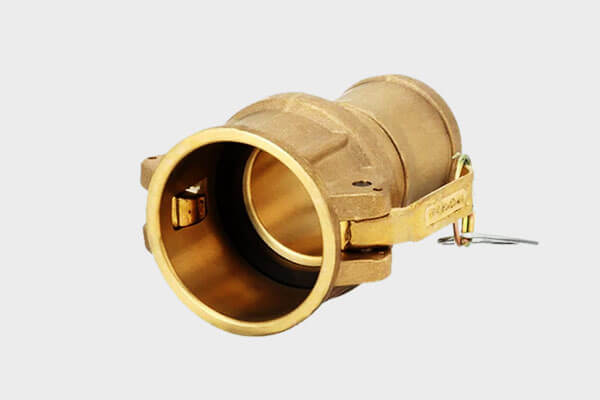
C35300 se obično koristi za povlačenje ladica, šarke, bradavice za žbice bicikla, dijelovi sata, prazni ključevi, orah, zakovice, vijci, adapteri, dijelovi automatskih vijčanih strojeva, kavezi za ležajeve, spojnice, flare fittings, zupčanici, poleđine instrumenata, i stabljike ventila.
To su dijelovi kod kojih je važna izvrsna obradivost, ali neka duktilnost, savitljivost, ili odgovor na hladnoću je također koristan.
Tipične primjene C36000
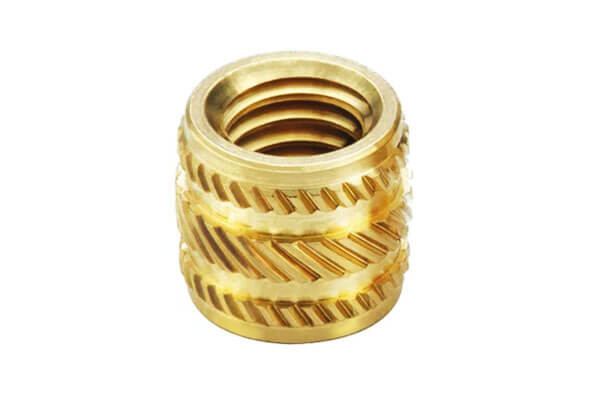
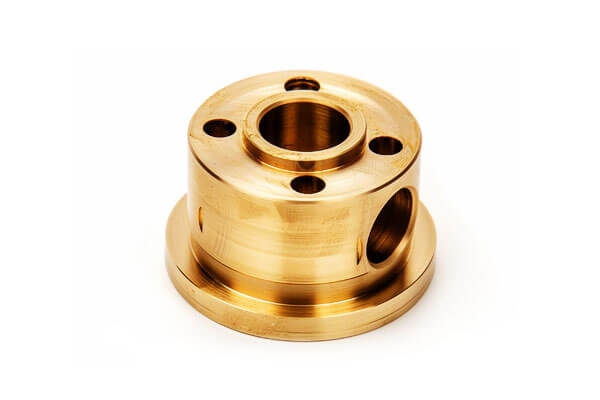
C36000 naširoko se koristi za konektore za tekućine, tijela senzora, dijelovi termostata, navojni umetci za plastiku, fiting, tijela za zaključavanje, vijci, orah, vijci, adapteri, dijelovi automatskih vijčanih strojeva, komponente slavine, ventili, sindikati, sjedala ventila, stabljike ventila, i trim ventila.
To je kanonski izbor kada arhitekturom proizvoda dominiraju propusnost strojne obrade i dosljednost dimenzija.
8. Koštati, Rizik procesa, i razmišljanje o lancu opskrbe
Iz perspektive nabave i opskrbnog lanca, C36000 je "najlikvidnije" sredstvo na tržištu mesinga.
Održavaju ga u golemim zalihama globalni servisni centri u svim primarnim geometrijama (krug, šesterokutan, kvadrat, i pravokutne šipke).
Ova sveprisutna dostupnost osigurava konkurentne cijene i brzo vrijeme isporuke za standardne industrijske komponente.
C35300, dok standardna legura, zauzima specijaliziraniju nišu.
Iako je lako dostupan u obliku štapića i ploča, možda neće biti na zalihama u istoj širini veličina kao C36000, potencijalno dovodeći do malih cjenovnih premija ili produljenih rokova isporuke za nestandardne profile.
Međutim, rigorozan ukupni trošak vlasništva (Tco) analiza često favorizira C35300 za složene dijelove.
"Skriveni troškovi" korištenja C36000 u primjenama koje zahtijevaju sekundarno oblikovanje—kao što su povećane stope otpada zbog pucanja i potreba za srednjim toplinskim tretmanima za ublažavanje naprezanja—često zasjenjuju marginalnu razliku u cijeni materijala C35300.
9. Sveobuhvatna usporedna tablica: C35300 u odnosu na C36000 mesing
Reprezentativni podaci o sobnoj temperaturi za kovane poluge i plosnate proizvode; najčešće navedene mehaničke vrijednosti u nastavku su za 1/2 tvrdoglav (H02) stanje osim ako nije drugačije navedeno.
Mehanička svojstva variraju ovisno o obliku, temperament, i veličina odjeljka, pa ih treba čitati kao objavljene referentne vrijednosti, a ne kao apsolutne konstante.
| Kategorija | C35300 | C36000 |
| Obitelj legure | Visoko olovni mjed, 62% | Mjeđenje bez rezanja |
| Sadržaj bakra | 60.0–63,0% | 60.0–63,0% |
| Glavni sadržaj | 1.5–2,5% | 2.5–3,7% |
| Sadržaj željeza | do 0.15% | do 0.35% |
| Zatečna čvrstoća | 58 ksi / 400 MPA | 57 ksi / 393 MPA |
| Snaga popuštanja (0.5% ekst.) | 45 ksi / 310 MPA | 25 ksi / 172 MPA |
| Produženje | 25% | 7% |
| Rockwell B tvrdoća | 75 Resurs | 65 Resurs |
| Gustoća | 0.306 lb/in³ / 8.47 g/cm³ | 0.307 lb/in³ / 8.50 g/cm³ |
| Ocjena obradivosti | 90 | 100 |
| Sposobnost za hladnu obradu | Fer | Fer |
| Sposobnost za vruće oblikovanje | Siromašan | Fer |
| Lemljenje | Izvrstan | Izvrstan |
| Lemljenje | Dobro | Dobro |
Fuzijsko zavarivanje |
Nije preporučeno | Nije preporučeno |
| Uobičajeni procesi izrade | Praznina, obrada, bušenje/probijanje, narezivanje/narezivanje rola, žigosanje | Obrada, narezivanje/narezivanje rola |
| Tipičan naglasak na proizvodu | Šarke, vijci, orah, spojnice, flare fittings, adapteri, zakovice, kavezi za ležajeve | Vijčani proizvodi, konektori, pričvršćivači, ventili, fiting, stabljike ventila, tekuće komponente |
10. Zaključak
Razlika između mesinga C35300 i C36000 predstavlja klasični metalurški kompromis između maksimiziranih stopa uklanjanja materijala i kapaciteta plastične deformacije.
C36000 ostaje globalno mjerilo produktivnosti strojne obrade, pružajući razinu učinkovitosti koja je neophodna za proizvodnju velikih količina standardnog hardvera.
Obrnuto, C35300 funkcionira kao alternativa visokog integriteta, nudeći elitne performanse strojne obrade dok temeljno proširuje sposobnost materijala da izdrži složene sekundarne operacije oblikovanja.
Pedantnim usklađivanjem ovih metalurških karakteristika sa specifičnim slijedom proizvodnje, inženjeri mogu optimizirati proizvodne prinose, minimizirati rizik za okoliš, i osigurati dugoročnu strukturnu pouzdanost precizno konstruiranih komponenti.
Česta pitanja
Može li se C36000 uspješno koristiti za hladno kaljenje?
Općenito, Ne. C36000 je metalurški "kratak" i nema potrebnu duktilnost za hladno dizanje.
Pokušaj obrade glave ove legure obično rezultira teškim uzdužnim pucanjem. C35300 je preferirani izbor za komponente koje zahtijevaju i strojnu obradu i zaglavljivanje.
Što je primarni pokretač razlike u cijeni između C35300 i C36000?
Odstupanje u cijeni prvenstveno je uzrokovano obujmom opskrbnog lanca, a ne elementarnim troškovima.
C36000 se proizvodi u ogromnim količinama kao industrijski standard, dok je C35300 specijaliziraniji stupanj, što često rezultira malom premijom za manje serije nabave.
Jesu li ove legure u skladu s modernim propisima o bezolovnim proizvodima?
Ne. Obje legure sadrže značajne koncentracije olova (do 3.7% za 36000 Centar).
Za primjene koje reguliraju RoHS ili standardi za pitku vodu (Npr., NSF/ANSI 61), inženjeri bi trebali odrediti alternative bez olova kao što su C27450 ili C46400.
Zašto je C35300 bolji za motanje navoja?
Valjanje navoja uključuje značajan plastični pomak metala.
Veći udio bakra u C35300 i rafinirana distribucija olova omogućuju mu da teče u navoje matrice bez površinskog ljuštenja ili "šavova" koji se često javljaju kod lomljivijeg C36000.
Kako je C35300 dobio nadimak "Clock Brass"?
Naziv potječe iz urarske industrije, gdje je jedinstveni profil legure bio bitan.
Omogućio je brzu obradu zamršenih zupčanika i zupčanika dok je ostao dovoljno duktilan za zakivanje i savijanje potrebno u sklopu okvira sata.