I-edit ang Pagsasalin
ayon kay Transposh - translation plugin for wordpress

Blog

Welcome to our blog for insights into different manufacturing processes.

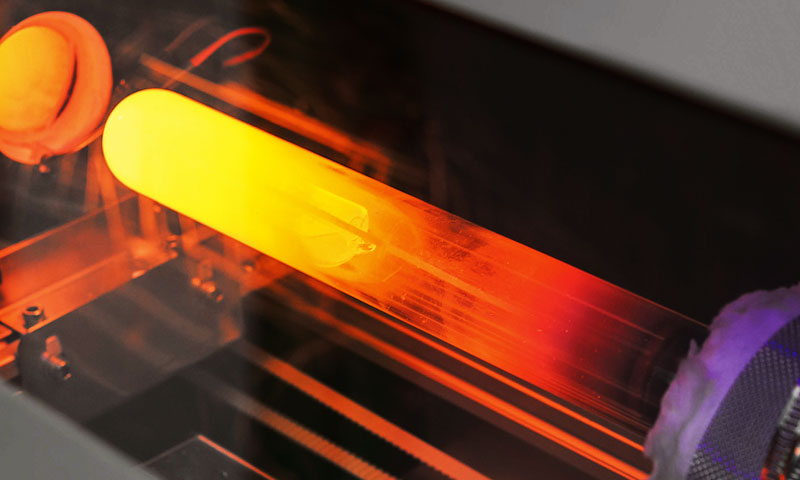
Six High-Temperature Alloys

Six High-Temperature Alloys

In advanced industrial systems—gas turbines, reheating furnaces, chemical reactors and aerospace hardware—materials are routinely expected to survive extreme thermal and chemical environments while retaining strength, dimensional stability and resistance to
Read More »
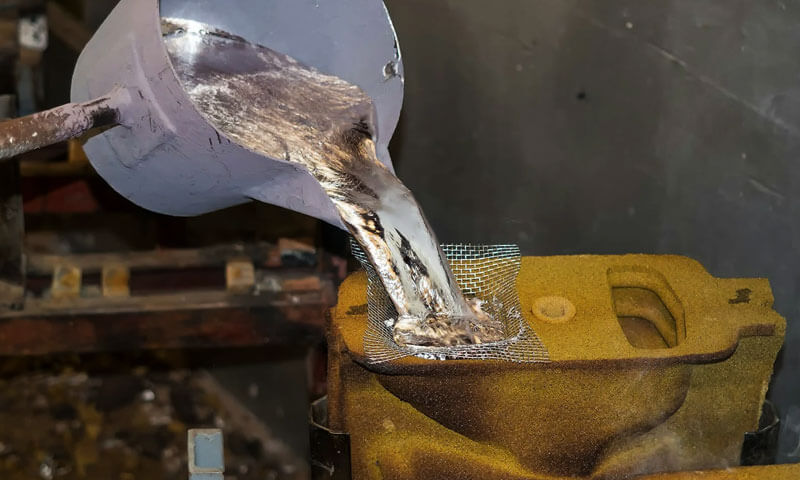
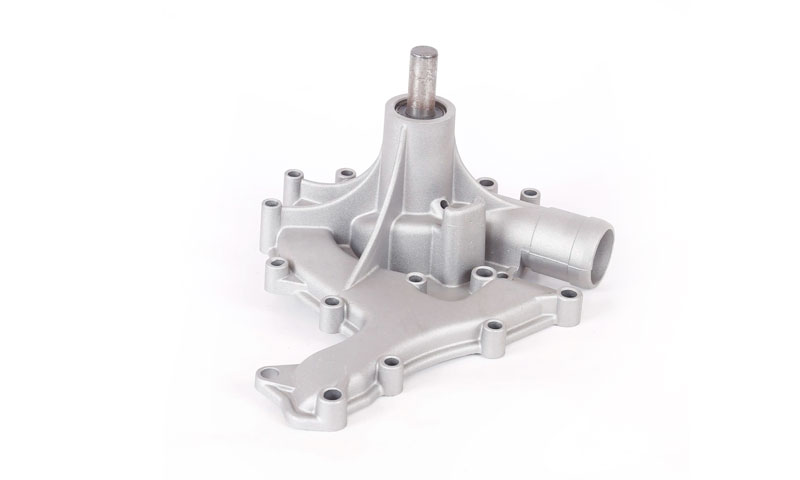
Common Defects in Cast Aluminum Parts

Common Defects in Cast Aluminum Parts

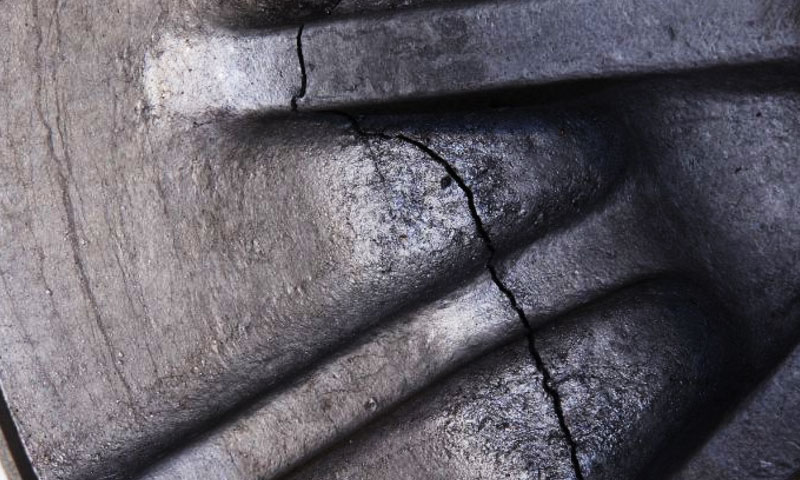
1. Introduction Aluminum alloys are widely cast in sand, permanenteng amag, mamatay ka na, gravity or investment processes for automotive, aerospace, consumer and industrial applications. Compared with ferrous castings, aluminum presents specific

Read More »
Polyethylene PE Material

What Is Polyethylene (PE)?

1. Introduction Polyethylene (PE) is a polymer produced by polymerisation of the monomer ethylene (CH₂=CH₂). First commercialised in the 1930s, PE is now available in multiple engineered forms whose properties

Read More »
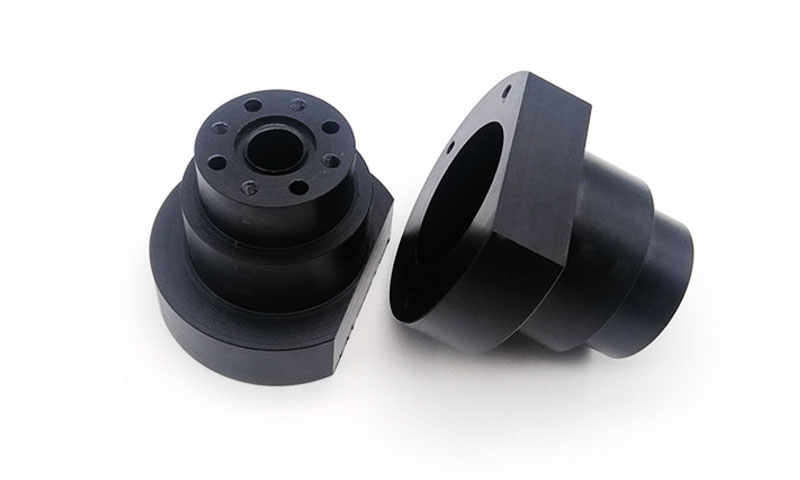
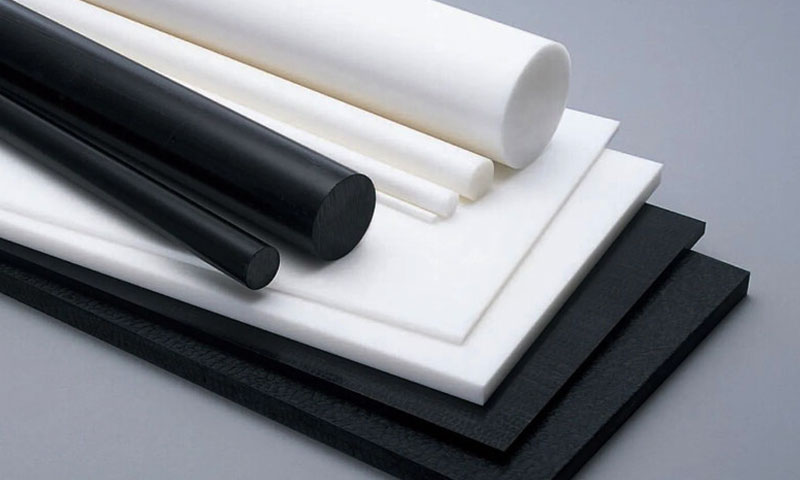
PTFE CNC Machining Service

What Is PTFE Material?

1. Introduction Polytetrafluoroethylene (PTFE) is a fully fluorinated, semi-crystalline thermoplastic polymer best known for an exceptionally low coefficient of friction, outstanding chemical inertness, a wide service temperature window, at mahusay na

Read More »
POM Material

What Is POM?

1. Introduction Polyoxymethylene (POM), commonly called acetal or by trade names such as Delrin®, is a semi-crystalline engineering thermoplastic prized for its combination of high stiffness, excellent wear and fatigue

Read More »
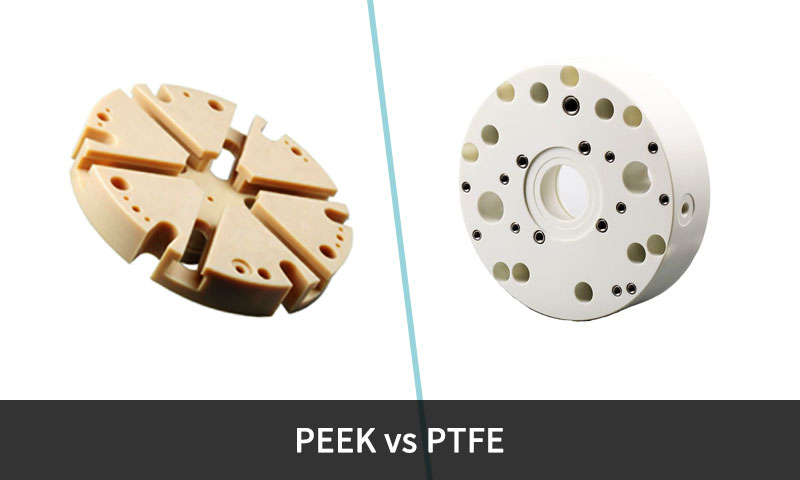
PEEK vs PTFE

PEEK vs PTFE: Which Wins for Your Application?

1. Introduction PEEK (polyetheretherketone) and PTFE (polytetrafluoroethylene) are high-performance engineering polymers but with very different strengths and weaknesses. PEEK is a semi-crystalline, mataas na lakas, high-stiffness thermoplastic with excellent creep resistance, dimensional

Read More »
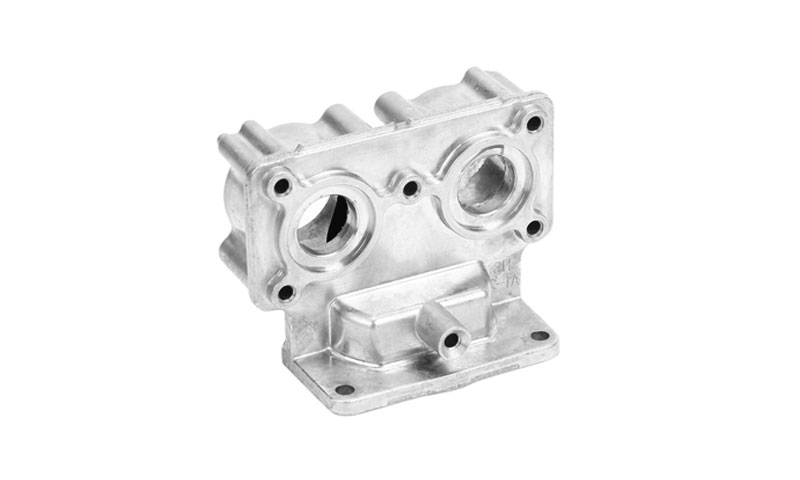
Classification & Performance of Cast Aluminum Alloys

Classification & Performance of Cast Aluminum Alloys

Cast aluminum alloys are pivotal materials in automotive, aerospace, pang industriya na makinarya, at consumer electronics, valued for their lightweight properties (density 2.5–2.8 g/cm³), mahusay na castability, and tunable mechanical performance. Batay sa

Read More »
Advantages of Cast Aluminum

Advantages of Cast Aluminum: Why Choose Cast Aluminum?

1. Introduction “Cast aluminum” refers to aluminum alloys shaped by liquid-metal processes (mamatay sa paghahagis, buhangin paghahagis, permanent-mold, pamumuhunan paghahagis, pisilin ang paghahagis, atbp.). Compared with wrought or forged aluminum and with competing

Read More »
Mga Katangian ng Cast Aluminum

Mga Katangian ng Cast Aluminum

1. Executive summary Cast aluminum combines low density, good specific strength, excellent castability and corrosion resistance with wide process flexibility. Its properties are strongly dependent on alloy chemistry, casting method

Read More »
Mag-scroll sa Itaas

Kumuha ng Instant Quote

Mangyaring punan ang iyong impormasyon at agad ka naming kokontakin.