

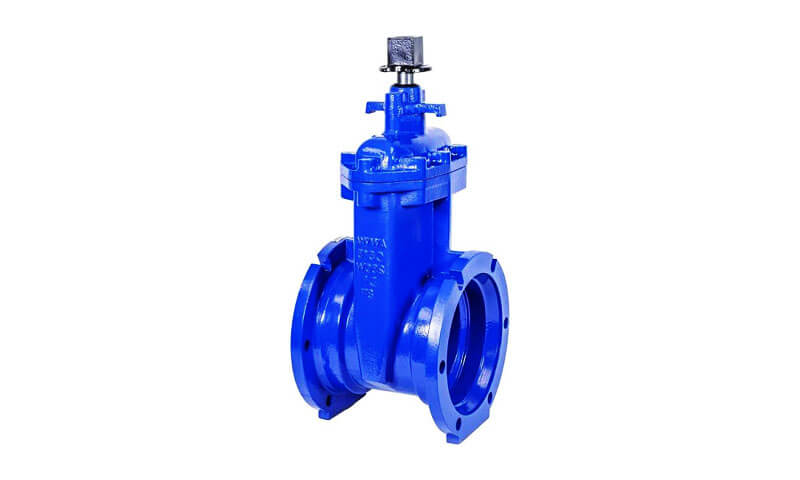
Sürgülü vanalar en yaygın kullanılan endüstriyel vanalar arasındadır., Dünya genelinde sayısız boru sisteminde birincil kapatma mekanizması olarak hizmet veren.
Basit ama sağlam tasarımları (akış yoluna dik olarak hareket eden bir kapı) güvenilir, Tamamen açıkken minimum basınç kaybıyla sıkı kapatma.
Sürgülü vanalar çeşitli malzemelerden üretilebilmekle birlikte, Sfero demir, olağanüstü mukavemet kombinasyonu nedeniyle birçok endüstriyel uygulama için tercih edilen malzeme olarak ortaya çıkmıştır., sertlik, bozulabilirlik, ve maliyet etkinliği.
Sünek demir sürgülü vanalar hassas döküm yoluyla üretildiğinde, sonuç üstün boyutsal doğruluğa sahip bir bileşendir, Mükemmel yüzey kaplaması, ve kum döküm alternatiflerini aşan tutarlı mekanik özellikler.
Hassas döküm, karmaşık iç geometrilere sahip net şekle yakın bileşenlerin üretilmesini sağlar, hassas sızdırmazlık yüzeyleri, ve entegre flanşlar — hepsi tek bir dökümde.
Bu makale hassas döküm sünek demir sürgülü vanaların kapsamlı bir incelemesini sunmaktadır..
1. Yatırım Döküm Sfero Döküm Sürgülü Vana Nedir??
Sfero bir demir kapı valfi basınç içeren bileşenleri (öncelikle valf gövdesi ve kapağı) sünek demirden üretilen doğrusal hareket izolasyon valfidir (nodüler dökme demir).
Akışı sürekli kontrol eden düzenleme vanalarının aksine, Sürgülü vana tamamen açık veya tamamen kapalı konumda çalışacak şekilde tasarlanmıştır, Açıkken minimum akış kısıtlaması sağlar ve kapalıyken güvenilir kapanma sağlar.
Sfero demirin ayırt edici özelliği grafit morfolojisinde yatmaktadır.. Nodülerizasyon işlemi sırasında, magnezyum veya nadir toprak elementleri grafit pullarını küresel nodüllere dönüştürür.
Bu mikroyapısal değişiklik, çekme mukavemetini önemli ölçüde artırır, süneklik, yorgunluk direnci, ve dökme demirin mükemmel dökülebilirliğini korurken darbe dayanıklılığını da sağlar.
Hassas döküm sünek demir sürgülü vana, olağanüstü boyutsal tutarlılığa ve yüzey kalitesine sahip karmaşık vana bileşenleri üretmek için hassas hassas döküm işlemini uygular.
Geleneksel döküm yöntemleriyle karşılaştırıldığında, hassas döküm, mükemmel mekanik performansı korurken daha az işleme gerektiren net şekle yakın bileşenlerin üretilmesini sağlar.
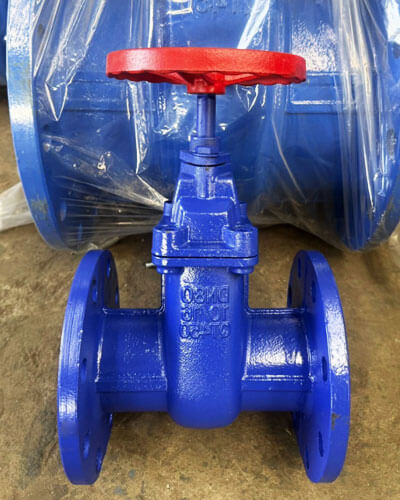
Kapı vanalarının çalışma prensibi
Sürgülü vananın çalışma prensibi basit ancak son derece etkilidir.
El çarkının veya aktüatörün döndürülmesi dişli gövdenin kapıyı hareket ettirmesine neden olur (kama veya paralel disk) valf gövdesi içinde dikey olarak.
Vana açıldığında, kapı tamamen akış yolunun dışına çıkıyor, İç çapı boru hattınınkine yakın olan engelsiz bir geçiş oluşturmak.
Bu tam bağlantı noktası yapılandırması basınç kaybını en aza indirir, türbülansı azaltır, ve yüksek akış verimliliğine olanak tanır, Sınırsız akışın gerekli olduğu sistemler için sürgülü vanaları ideal hale getirir.
Vana kapatıldığında, kapı, valf yuvalarına sıkı bir şekilde temas edene kadar alçalır, sıvı sızıntısını önleyen basınca dayanıklı bir conta oluşturmak.
Valf tasarımına bağlı olarak, sızdırmazlık esnek yuvalar aracılığıyla sağlanabilir, metalden metale temas, veya her ikisinin bir kombinasyonu.
Sızdırmazlık yüzeyleri tam olarak yerine oturduğunda çok az göreceli hareket gösterdiğinden, Sürgülü vanalar, izolasyon amacıyla kullanıldığında genellikle kısma vanalarına göre daha az yatak aşınması sergiler. Fakat, akış düzenlemesi için tasarlanmamıştır.
Sürgülü vananın kısmen açık konumda çalıştırılması, kapıyı ve yuvaları sürekli sıvı erozyonuna maruz bırakır, titreşim, ve kavitasyon, servis ömrünü önemli ölçüde azaltır.
Sürgülü Vana Bileşenleri
| Bileşen | İşlev | Materyal Hususlar |
| Vücut | Ana gövde; kapıyı ve koltukları içerir; boru bağlantıları sağlar. | Sünek demir (yatırım) güç için, bozulabilirlik, ve basınç bütünlüğü. |
| Geçit (disk) | Akışı kontrol eden hareketli kama; vücutta yükselir ve düşer. | Sünek demir (yatırım) aşınma direnci ve sızdırmazlık yüzeyleri için. |
| Koltuklar | Kapının bastırdığı sabit sızdırmazlık yüzeyleri. | Sünek demir (yatırım) yüzey sertleştirmeli (Örn., stellit kaplama). |
Kök |
Torku aktüatörden kapıya iletir. | Paslanmaz çelik (martensitik) korozyon direnci ve aşınma direnci için. |
| Kaput | Vananın üst kısmını kaplar; sapı ve salmastrayı barındırır. | Sünek demir (yatırım) basınç bütünlüğü için. |
| Aktüatör | Manuel (el çarkı), vites, veya otomatik (elektrikli, pnömatik). | Ticari bileşenler. |
2. Sürgülü Vanalar için Neden Sfero Döküm Seçilmeli??
Sünek demir nedir?
Sünek demir, olarak da bilinir nodüler dökme demir veya sferoidal grafit demir (SG demir), Grafitin birbirine bağlı pullar yerine ayrı küresel yumrular halinde bulunduğu yüksek performanslı bir dökme demirdir.
Bu eşsiz grafit morfolojisi, dökümden önce erimiş metalin işlenmesi sırasında kontrollü miktarlarda magnezyum veya seryum eklenmesiyle elde edilir..
Pul grafitten küresel grafite dönüşüm, dökme demirin mekanik davranışını temelden değiştirir.
Gri demir basınç altında güçlü olmasına rağmen çekme yüklemesi altında nispeten kırılgandır., Sfero döküm, yüksek çekme mukavemetini mükemmel süneklik ile birleştirir, Şok yükleri absorbe etmesine izin vermek, stres konsantrasyonlarını karşılamak, ve çatlak yayılmasına çok daha etkili bir şekilde direnir.
Sürgülü vanalar gibi basınç içeren bileşenler için, bu özellikler özellikle değerlidir çünkü vanalar sıklıkla dalgalanan iç basınçlara maruz kalır, termal gerilmeler, mekanik titreşim, ve ara sıra su darbesi olayları.
Birçok çelik bileşenle karşılaştırıldığında, sünek demir aynı zamanda mükemmel dökülebilirlik sunar, üreticilerin daha az döküm hatasıyla ve daha düşük üretim maliyetleriyle karmaşık valf geometrileri üretmesine olanak tanır.
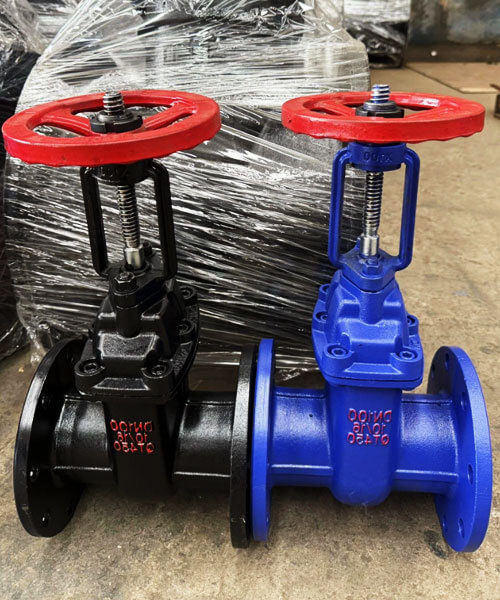
Sfero Dökümün Mekanik ve Metalurjik Avantajları
Mükemmel mukavemet / ağırlık oranı
Sfero döküm, daha düşük üretim maliyetlerini ve mükemmel dökülebilirliği korurken, dökme çeliğinkine yaklaşan mekanik mukavemet sağlar.
Yüksek çekme ve akma dayanımı, valf gövdelerinin iç basınca güvenli bir şekilde dayanabilmesini sağlar, flanş yükleme, ve uzun servis süreleri boyunca harici mekanik kuvvetler.
Üstün Sağlamlık ve Darbe Dayanımı
Küresel grafit yapısı çatlak ilerlemesini engeller ve gerilimi metal matris boyunca daha düzgün bir şekilde dağıtır.
Sonuç olarak, Sünek demir, gri demirden önemli ölçüde daha fazla kırılma tokluğu sergiler, darbe yüklemesi veya su darbesi gibi basınç dalgalanmaları altında kırılganlık olasılığını azaltır.
Üstün Basınç Taşıma Yeteneği
Mukavemet ve süneklik kombinasyonu nedeniyle, Sfero döküm özellikle basınç tutucu bileşenler için çok uygundur.
Düzgün tasarlanmış hassas döküm sürgülü vana gövdeleri, uzun çalışma süreleri boyunca boyutsal kararlılığı ve sızdırmazlık performansını korurken, tekrarlanan basınç çevrimlerine güvenli bir şekilde dayanabilir.
Mükemmel Dökülebilirlik
Sfero döküm, döküm sırasında iyi akar ve karmaşık kalıp boşluklarını verimli bir şekilde doldurur, entegre flanşlara sahip karmaşık valf gövdeleri üretmek için idealdir, takviye kaburgaları, montaj özellikleri, ve optimize edilmiş akış geçitleri.
Bu mükemmel dökülebilirlik, azaltılmış işleme gereksinimleriyle net şekle yakın üretime olanak sağlayarak hassas döküm sürecini tamamlar..
İyi işlenebilirlik
Yüksek mekanik mukavemetine rağmen, sünek demirin işlenmesi nispeten kolaydır.
Grafit nodülleri doğal talaş kırıcı görevi görür ve kesme sırasında bir dereceye kadar kendi kendine yağlama sağlar, daha düşük takım aşınmasıyla sonuçlanır, geliştirilmiş işleme verimliliği, ve sızdırmazlık yüzeylerinde mükemmel yüzey kalitesi, flanş yüzeyleri, ve dişli özellikler.
Mükemmel Titreşim Sönümleme
Çelikle karşılaştırıldığında, Sünek demir üstün sönümleme kapasitesine sahiptir, mekanik titreşimi absorbe etmesine ve gürültü iletimini azaltmasına olanak tanır.
Bu özellik, döngüsel yüklemeye maruz kalan boru sistemlerinde yorulma gerilimlerinin en aza indirilmesine yardımcı olurken, daha sessiz pompa ve valf çalışmasına katkıda bulunur..
Üstün Maliyet Performansı
Sfero dökümün belki de en büyük mühendislik avantajı, rekabetçi bir maliyetle yüksek mekanik performans sağlama yeteneğidir..
Hassas döküm ile birleştirildiğinde, üreticiler karmaşık geometriler elde edebilir, güvenilir basınç bütünlüğü, azaltılmış işleme, ve paslanmaz çelik veya dökme çeliğin getirdiği yüksek malzeme maliyetleri olmadan uzun servis ömrü, Çok çeşitli sürgülü vana uygulamaları için sünek demiri olağanüstü ekonomik bir seçim haline getiriyor.
3. Sfero Döküm Sürgülü Vanalar için Hassas Döküm Üretim Süreci
Yüksek performanslı sünek demir sürgülü vanalar üretmek, erimiş metali bir kalıba dökmekten daha fazlasını gerektirir.
İşin her aşaması yatırım döküm süreci boyutsal doğruluğu etkiler, basınç bütünlüğü, sızdırmazlık performansı, ve uzun vadeli dayanıklılık.
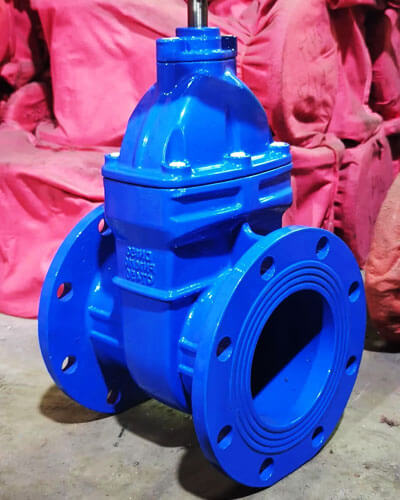
Kritik valf bileşenleri için, ASTM gibi uluslararası standartlara uygunluğun sağlanması için üretim süreci malzeme hazırlığından son denetime kadar dikkatle kontrol edilir, ISO, API, İÇİNDE, ve müşteriye özel mühendislik özellikleri.
Süreç Akışına Genel Bakış
| Sahne | Adım | Önemli Detay |
| 1 | Desen üretimi | Sürgülü valf geometrisini kopyalayan hassas kalıp içine balmumu enjeksiyonu (vücut, geçit, kaput). |
| 2 | Çekirdek düzeneği | İç akış geçişleri için seramik veya çözünür mum çekirdekler, koltuk olukları, ve alt kesimler. |
| 3 | Ağaç montajı | Merkezi yolluğa iliştirilmiş çoklu balmumu desenleri (ağaç). |
| 4 | Kabuk binası | 6-10 seramik bulamaç katmanları (Silika Sol) + sıva (zirkon/alümina). |
| 5 | Çiğneme | Buharlı otoklav balmumunu eritir; kabuk içi boş kalır. |
| 6 | Mermi ateşlemesi | Seramiği güçlendirmek ve uçucu maddeleri uzaklaştırmak için 900-1100°C'de fırınlandı. |
7 |
Sfero demir eritme | Magnezyum küreselleştirme işlemiyle indüksiyonla eritme. |
| 8 | Dökme | Erimiş sünek demir önceden ısıtılmış kabuğa döküldü. |
| 9 | Soğutma & Nakavt | Kontrollü soğutma; titreşim veya su jeti ile çıkarılan kabuk. |
| 10 | Ayırmak & bitirme | Kapılar ve yükselticiler kesildi; bileme, atış patlaması, yuvarlanan. |
| 11 | Isıl işlem | Tavlama (işlenebilirlik için) veya normalleştirme (Geliştirilmiş güç için). |
| 12 | Denetleme & test | Görsel, boyutlu, NDT (Röntgen, penetran), hidrostatik basınç testi. |
4. Sfero Döküm Sürgülü Vanalar için Hassas Dökümün Avantajları
Hassas döküm, yüksek kaliteli sünek demir sürgülü vana bileşenleri üretmek için en etkili üretim yöntemlerinden biri haline geldi.
Sfero dökümün mükemmel mekanik özelliklerini kayıp mum prosesinin hassasiyetiyle birleştirerek, üreticiler üstün boyutsal doğruluk elde edebilir, geliştirilmiş basınç bütünlüğü, ve geleneksel döküm yöntemleriyle karşılaştırıldığında daha fazla tasarım esnekliği.
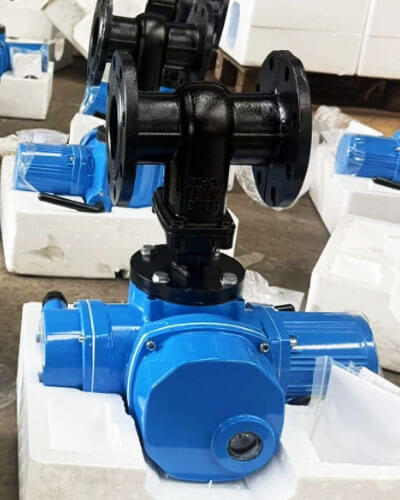
Olağanüstü Boyutlu Doğruluk
Hassas dökümün başlıca avantajlarından biri, olağanüstü boyutsal tutarlılığa sahip net şekle yakın bileşenler üretme yeteneğidir..
Karmaşık valf gövdeleri, kaportalar, takozlar, ve iç akış geçitleri minimum boyutsal değişiklikle dökülebilir, ikincil işleme operasyonlarını önemli ölçüde azaltır.
Doğru flanş boyutları, eşmerkezli gövde delikleri, ve hassas şekilde şekillendirilmiş sızdırmazlık yüzeyleri, güvenilir valf tertibatına ve sızdırmazlık performansına doğrudan katkıda bulunur.
Üstün yüzey kalitesi
Seramik kabuk işlemi, balmumu desenini olağanüstü bir doğrulukla yeniden üretir, geleneksel kum dökümüne göre çok daha düzgün döküm yüzeyleri elde edilmesini sağlar.
Geliştirilmiş yüzey kalitesi işleme paylarını azaltır, üretim döngülerini kısaltır, ve potansiyel stres konsantrasyonlarını en aza indirir.
Pürüzsüz iç akış kanalları aynı zamanda çalışma sırasında sıvı türbülansını ve basınç kayıplarını da azaltır, hidrolik verimliliğin arttırılması.
Karmaşık Geometrileri Üretebilme Yeteneği
Modern sürgülü vanalar genellikle geleneksel döküm yöntemleri kullanılarak üretilmesi zor veya ekonomik olmayan karmaşık yapısal özellikler içerir..
Hassas döküm, güçlendirilmiş kaburgalar gibi karmaşık elemanlara izin verir, kavisli akış geçitleri, entegre montaj çıkıntıları, hassas kılavuz raylar, ve optimize edilmiş duvar geçişleri — doğrudan döküm sırasında oluşturulacak.
Bu tasarım özgürlüğü mühendislerin gücü artırmasına olanak tanır, gereksiz ağırlığı azaltmak, ve üretim karmaşıklığını artırmadan akış performansını iyileştirin.
Mükemmel Basınç Bütünlüğü
Basınç içeren bileşenler dahili sağlamlık ve yapısal güvenilirlik gerektirir.
Hassas döküm, metal akışı ve katılaşma üzerinde mükemmel kontrol sağlar, büzülme boşluklarının olasılığını azaltmak, Soğuk Kapatır, kapsama, ve diğer iç süreksizlikler.
Uygun geçit tasarımıyla birleştirilmiştir, küreselleşme kontrolü, ve sıkı denetim, süreç, endüstriyel valf uygulamaları için sıkı basınç testi gereksinimlerini karşılayabilecek yoğun dökümler üretir.
Geliştirilmiş mekanik performans
Çünkü hassas döküm prosesi kontrollü katılaşma ve düzgün mikro yapı gelişimi sağlar, Sünek demir bileşenler döküm boyunca tutarlı mekanik özellikler sergiler.
Uygun grafit küreselliği ve matris kontrolü, yüksek çekme mukavemetine katkıda bulunur, Mükemmel süneklik, güçlü yorulma direnci, ve güvenilir darbe performansı, vanaları zorlu basınç ve döngüsel yükleme koşullarına uygun hale getirmek.
Azaltılmış işleme ve malzeme atıkları
Net şekle yakın üretim, işleme sırasında çıkarılması gereken malzeme miktarını önemli ölçüde azaltır.
Daha az işleme, daha kısa üretim süreleri anlamına gelir, daha düşük takım aşınması, azaltılmış enerji tüketimi, ve iyileştirilmiş malzeme kullanımı.
Bu avantajlar, üretim verimliliğinin genel maliyeti doğrudan etkilediği orta hacimli ve yüksek hacimli valf üretimi için giderek daha önemli hale geliyor.
Yüksek Üretim Tutarlılığı
Hassas balmumu takımları, otomatik kabuk binası, kontrollü erime, ve standartlaştırılmış proses parametreleri, bir üretim partisinden diğerine mükemmel tekrarlanabilirlik sağlar.
Bu tutarlılık, değiştirilebilir bileşenlere ihtiyaç duyan OEM üreticileri için özellikle değerlidir, istikrarlı kalite, ve uzun vadeli tedarik güvenilirliği.
Orta Düzeyde Maliyet Verimliliği- Yüksek Hacimli Üretime
Takım yatırımı genellikle geleneksel kum dökümüne göre daha yüksek olmasına rağmen, genel üretim maliyeti genellikle orta ve büyük üretim süreçlerinde daha ekonomik hale gelir.
Azaltılmış işleme, daha düşük hurda oranları, daha kısa montaj süreleri, ve iyileştirilmiş ürün tutarlılığı, daha yüksek değerli bileşenler sunarken başlangıçtaki takımlama masraflarını karşılamaya yardımcı olur.
Geniş malzeme uyumluluğu
Hassas döküm, çok çeşitli küresel sünek demir kalitelerini destekler, ferritik dahil, perlitik, ve östemperlenmiş sünek demir (ADI).
Bu esneklik, üreticilerin mekanik gücü uyarlamasına olanak tanır, Direnç Giymek, sertlik, Temel üretim sürecini değiştirmeden belirli hizmet ortamlarına göre korozyon performansı ve korozyon performansı.
Gelişmiş Güvenilirlik ve Daha Uzun Hizmet Ömrü
Hassas üretimin birleşimi, yüksek yapısal bütünlük, tutarlı malzeme kalitesi, ve optimize edilmiş tasarım, zorlu çalışma koşullarında uzun vadeli performans sağlayabilen sürgülü vana bileşenleriyle sonuçlanır.
Azaltılmış kusur oranları, geliştirilmiş sızdırmazlık güvenilirliği, ve mekanik yorgunluğa karşı mükemmel direnç, su dağıtım sistemlerinde bakım gereksinimlerinin azaltılmasına ve çalışma ömrünün uzatılmasına katkıda bulunur, endüstriyel işleme tesisleri, enerji üretim tesisleri, ve belediye altyapısı.
5. Yatırım için Sfero Demir Malzemeler Döküm Sürgülü Vanalar
Uygun olanı seçme sünek demir kalite, sürgülü vana imalatında en önemli mühendislik kararlarından biridir.
Farklı kaliteler belirli çalışma ortamları için optimize edilmiştir, belediye su sistemlerinden yüksek basınçlı endüstriyel boru hatlarına kadar.
Sürgülü Vanalar için Ortak Sfero Döküm Kaliteleri
| Standart | Seviye | Gerilme mukavemeti (MPa) | Verim gücü (MPa) | Uzama (%) | Temel özellikler | Tipik uygulamalar |
| ASTM A536 | 60-40-18 | ≥414 | ≥276 | ≥18 | Mükemmel süneklik ve darbe dayanıklılığı | Belediye su temini, alçak basınçlı boru hatları |
| ASTM A536 | 65-45-12 | ≥448 | ≥310 | ≥12 | Dengeli güç ve süneklik | Genel endüstriyel vanalar |
| ASTM A536 | 80-55-06 | ≥552 | ≥379 | ≥6 | Daha yüksek basınç kapasitesi ve aşınma direnci | Endüstriyel işleme sistemleri |
| ASTM A536 | 100-70-03 | ≥690 | ≥483 | ≥3 | Yüksek mukavemet ve sertlik | Ağır hizmet valfleri, madencilik ekipmanı |
| İÇİNDE 1563 | EN-GJS-400-15 | ≥400 | ≥250 | ≥15 | Mükemmel tokluk ve işlenebilirlik | Su işleri ve belediye altyapısı |
| İÇİNDE 1563 |
EN-GJS-500-7 |
≥500 | ≥320 | ≥7 | Güç ve dayanıklılık arasında iyi bir denge | Yağ & gaz, HVAC, endüstriyel borular |
| İÇİNDE 1563 | EN-GJS-600-3 | ≥600 | ≥370 | ≥3 | Yüksek mukavemet ve basınç dayanımı | Yüksek basınçlı valf gövdeleri |
| İÇİNDE 1563 | EN-GJS-700-2 | ≥700 | ≥420 | ≥2 | Geleneksel sfero dökümler arasında maksimum mukavemet | Ağır hizmet tipi endüstriyel uygulamalar |
| ASTM A897 | Austempered sünek demir (ADI) | 800–1600 | 500–1300 | 1–10 | Olağanüstü Güç, tükenmişlik, ve aşınma direnci | Madencilik, güç üretimi, aşındırıcı hizmetler |
6. Mekanik Performans ve Basınç Dayanımı
Bir sürgülü vananın uzun vadeli güvenilirliği yalnızca sızdırmazlık mekanizmasına değil aynı zamanda vana gövdesinin sürekli basınç altındaki mekanik performansına da bağlıdır., dalgalanan yükler, ve zorlu hizmet ortamları.
Hassas döküm sünek demir, mükemmel mekanik özellikleri son derece tutarlı döküm kalitesiyle birleştirir, basınç tutma valfi bileşenleri için ideal bir malzemedir.
Mükemmel Tokluk ile Yüksek Mukavemet
Gri dökme demirin aksine, doğal stres yoğunlaştırıcı görevi gören pul grafit içeren, Sünek demir, metal matris boyunca dağılmış küresel grafit içerir.
Bu mikro yapı, çekme mukavemetini önemli ölçüde artırır, verim gücü, süneklik, ve mükemmel dökülebilirliği korurken darbe direnci.
Sürgülü vanalar için kullanılan tipik sünek demir kaliteleri, 400 MPa'nın üzerinde 700 MPa, vana gövdesinin hem dahili sıvı basıncına hem de boru hattı ağırlığının oluşturduğu harici mekanik yüklere güvenli bir şekilde dayanabilmesini sağlar, titreşim, ve termal genleşme.
Mükemmel Basınç Taşıma Yeteneği
Hassas döküm yoğun üretir, Minimum büzülme gözenekliliğine ve mükemmel boyutsal tutarlılığa sahip tek tip valf gövdeleri.
Büyük döküm süreksizliklerinin olmaması, basınç bütünlüğünü büyük ölçüde artırır ve yüksek çalışma basınçları altında sızıntı veya çatlak başlangıcı riskini azaltır.
Sızdırmazlık yüzeylerinin ve flanşların hassas işlenmesiyle birleştirildiğinde, yatırım döküm sürgülü vanalar, aşağıdaki gibi uluslararası standartların gerektirdiği basınç sınıflarını güvenilir bir şekilde karşılayabilir::
- PN10, PN16, PN25
- ANSI Sınıfı 125
- ANSI Sınıfı 150
- Özelleştirilmiş orta basınçlı endüstriyel sistemler
Biten her valf gövdesi, montaj ve sevkıyattan önce yapısal bütünlüğün doğrulanması için tipik olarak hidrostatik basınç testine tabi tutulur..
Üstün Yorulma Direnci
Sürgülü vanalar tek bir aşırı yük olayı nedeniyle nadiren arızalanır. Yerine, açılmayı içeren binlerce çalışma döngüsüne maruz kalırlar, kapanış, basınç dalgalanmaları, su çekiç, ve titreşim.
Sfero döküm, küresel grafit yapısından dolayı mükemmel yorulma direnci sergiler, stres konsantrasyonunu azaltır ve çatlak başlangıcını geciktirir.
Onlarca yıldır sürekli çalışan belediye su şebekeleri ve endüstriyel hizmet sistemleri için, bu yorulma performansı doğrudan daha uzun hizmet ömrüne ve daha düşük bakım maliyetlerine dönüşür.
Mekanik Şoka Karşı Direnç
Boru hattı sistemlerinde sıklıkla pompanın çalıştırılmasından kaynaklanan geçici yüklerle karşılaşılır, vana çalışması, toplu taşıma, kurulum etkileri, veya kazara basınç dalgalanmaları.
Hassas döküm sünek demir, geleneksel dökme demirden önemli ölçüde daha iyi darbe dayanıklılığı sağlar, Beklenmedik yükleme koşulları altında gevrek kırılma olasılığını azaltmak.
Bu dayanıklılık özellikle gömülü boru hatlarında değerlidir, pompa istasyonları, ve bakım erişiminin sınırlı olduğu altyapı projeleri.
Yük Altında Boyutsal Kararlılık
Hassas döküm yoluyla elde edilen düzgün duvar kalınlığı ve optimize edilmiş katılaşma, valf gövdesi içindeki artık gerilimleri en aza indirir.
Sonuç olarak, gövde işleme sırasında boyutsal stabiliteyi korur, basınç testi, kurulum, ve uzun süreli çalışma.
Kararlı geometri şunları sağlar::
- Doğru koltuk hizalaması
- Pürüzsüz kapı hareketi
- Güvenilir kök rehberliği
- Azaltılmış çalışma torku
- Tutarlı sızdırmazlık performansı
7. Yüzey İşlem ve İşleme Seçenekleri
Hassas döküm, mükemmel boyutsal doğrulukla net şekle yakın valf bileşenleri sağlar, ancak hassas sızdırmazlık performansı elde etmek için ikincil işleme ve yüzey bitirme işlemleri temel olmaya devam ediyor, montaj doğruluğu, ve uzun vadeli dayanıklılık.
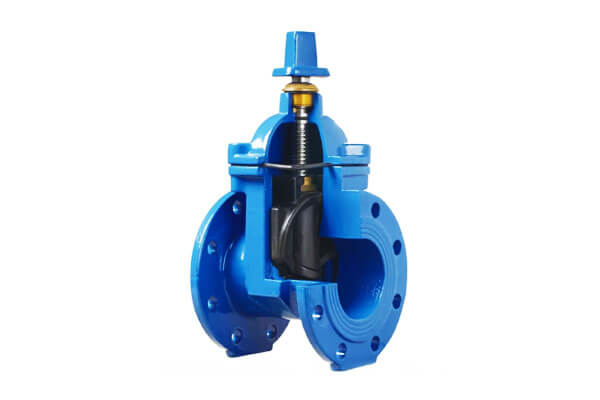
Hassas CNC işleme
Kritik fonksiyonel yüzeyler CNC tornalama kullanılarak işlenir, frezeleme, sondaj, Dar boyut toleransları ve mükemmel geometrik doğruluk elde etmek için delik işleme operasyonları.
İşleme genellikle şunları içerir::
- Flanş yüzleri
- Kök delikleri
- Koltuk cepleri
- Kılavuz yüzeyleri
- Dişli bağlantılar
- Montaj arayüzleri
Doğru işleme, kapı arasında uygun hizalamayı sağlar, kök, kaput, ve çalışma torkunu ve aşınmayı en aza indirirken bileşenlerin sızdırmazlığını sağlar.
Hassas Sızdırmazlık Yüzey İşlemi
Esnek yataklı veya metal yataklı sürgülü vanaların sızdırmazlık yüzeyleri, güvenilir kapatma performansı elde etmek için kontrollü yüzey kaplamaları gerektirir.
Valf tasarımına bağlı olarak, sızdırmazlık yüzeyleri olabilir:
- İnce işlenmiş
- Zemin
- Alıştırılmış
- Hassas cilalı
Bu işlemler sızıntı yollarını azaltır, koltuk temasını iyileştirin, ve tekrarlanan çalışma döngüleri altında sızdırmazlık ömrünü artırın.
Kumlama ve Yüzey Temizleme
Hassas döküm ve ısıl işlemin ardından, valf gövdeleri, seramik kabuk kalıntısını gidermek için kumlama işlemine tabi tutulur, oksidasyon, ve yüzey ölçeği.
Bu işlem aynı zamanda kaplamanın yapışmasını geliştiren ve dökümü sonraki işleme veya boyama işlemlerine hazırlayan tekdüze bir yüzey dokusu üretir..
Koruyucu yüzey kaplamaları
İşlemden sonra, vana gövdeleri, çalışma koşullarına ve müşteri spesifikasyonlarına bağlı olarak çeşitli koruyucu kaplamalara sahip olabilir, epoksi toz kaplama dahil, füzyon bağlı epoksi, çinko bakımından zengin astarlar, poliüretan kaplamalar, veya özel korozyona dayanıklı sistemler.
Bu işlemler yalnızca korozyon direncini arttırmakla kalmaz, aynı zamanda görünümü iyileştirir ve bakım aralıklarını uzatır..
Özel Tanımlama ve İzlenebilirlik
Modern sürgülü vanalar genellikle kalite yönetimi ve kullanım ömrü izlenebilirliği için kalıcı tanımlama gerektirir.
Yatırım amaçlı döküm bileşenleri, döküm logoları içerebilir, parça numaraları, ısı numaraları, müşteri ticari markaları, veya takım üretimi sırasında QR kodları, işleme sonrasında ek lazer markalama veya damgalama yapılabilir.
Bu entegre tanımlama, envanter yönetimini iyileştirir, bakım takibi, ve düzenleyici uyumluluk.
8. Korozyon Direnci ve Yüzey Koruma
Her ne kadar sünek demir mükemmel mekanik performans sunsa da, Korozyon direnci büyük ölçüde servis ortamına ve döküme uygulanan koruyucu sistemlere bağlıdır..
Modern yatırım döküm sürgülü vanalar bu nedenle onlarca yıl boyunca güvenilir hizmet elde etmek için optimize edilmiş malzeme seçimini gelişmiş yüzey mühendisliğiyle birleştirir.
Sfero Dökümün Doğal Korozyon Davranışı
Karbon çeliğiyle karşılaştırıldığında, Sünek demir, orta derecede atmosferik korozyon direnci sağlayan nispeten stabil bir oksit tabakası oluşturur.
Fakat, neme uzun süre maruz kalma, oksijen, klorürler, asitler, veya agresif endüstriyel kimyasallar, korunmasız bırakılırsa metal yüzeyi yavaş yavaş bozabilir.
Bu nedenle, koruyucu kaplamalar, isteğe bağlı bir sonlandırma işleminden ziyade modern sürgülü vana imalatının ayrılmaz bir parçası haline geldi.
Füzyon bağlı epoksi (Fbe) Kaplamalar
Füzyon bağlı epoksi, içme suyu ve belediye altyapısında kullanılan sünek demir sürgülü vanalar için en yaygın olarak belirtilen koruyucu sistemlerden biridir..
Önceden ısıtılmış dökümlere elektrostatik olarak uygulanır, Epoksi tozu erir ve metal yüzeye kimyasal olarak bağlanır, Yoğun bir, son derece yapışkan koruyucu tabaka.
Temel avantajlar arasında:
- Mükemmel yapışma
- Yüksek darbe direnci
- Üstün nem bariyeri
- Toprak korozyonuna karşı direnç
- Gömülü boru hatları için uzun vadeli koruma
- İçme suyu standartlarına uygunluk
Epoksi Toz Boya
Elektrostatik epoksi toz boyalar, mükemmel korozyon direnci ve çekici görünüm gerektiren genel endüstriyel uygulamalar için ekonomik bir çözüm sunar..
Bu kaplamalar yüksek sertlik sunar, aşınma direnci, Hassas döküm yüzeylerinde mükemmel yapışmayı korurken kimyasal stabilite ve kimyasal stabilite.
Çinko Bazlı Korozyon Koruması
Gömülü veya çok nemli ortamlarda, Epoksi son katlardan önce çinko açısından zengin astarlar veya çinko metalizasyon uygulanabilir.
Çinko fedakar bir koruyucu tabaka görevi görür, Kurulum veya çalıştırma sırasında lokal kaplama hasarı meydana gelse bile korozyonu azaltır.
Özel Medya için İç Kaplamalar
Bazı uygulamalar aşındırıcı çamurlara karşı ek koruma gerektirir, deniz suyu, atık su, veya hafif aşındırıcı kimyasallar.
Çalışma koşullarına bağlı olarak, iç akış geçitleri içerebilir:
- Seramik dolgulu epoksi kaplamalar
- Kauçuk astarlar
- Poliüretan kaplamalar
- Özel kimyasallara dayanıklı polimer sistemleri
Bu astar teknolojileri hidrolik verimliliği korurken valf ömrünü uzatır.
Yüzey Hazırlığı Kaplama Performansını Belirler
En yüksek kalitedeki kaplama bile uygun yüzey hazırlığı olmadan etkili bir şekilde performans gösteremez.
Yatırım döküm sürgülü vanalar, kaplama uygulamasından önce kontrollü yüzey pürüzlülüğü elde etmek için genellikle kumlama veya aşındırıcı kumlama ile temizlenir..
Bu işlem ölçeği kaldırır, oksitler, Maksimum kaplama yapışması için ideal bir ankraj profili sağlarken kirletici maddeler ve kirletici maddeler.
Uygun kaplama sistemleri, Rutin muayene ve bakımla birlikte, yatırım döküm sünek demir sürgülü vanaların daha uzun servis ömrüne ulaşmasını sağlayın 30 yıl birçok belediye ve endüstriyel ortamda.
9. Hassas Döküm Sfero Döküm Sürgülü Vanaların Endüstriyel Uygulamaları
Yatırım döküm sünek demir sürgülü vanalar, güvenilir kapatmanın gerekli olduğu endüstrilerde yaygın olarak kullanılmaktadır., yapısal güç, ve uzun servis ömrü kritik öneme sahiptir.
Hassas üretimi mükemmel mekanik performansla birleştirme yetenekleri, onları hem altyapı projeleri hem de zorlu endüstriyel proses sistemleri için uygun kılmaktadır..
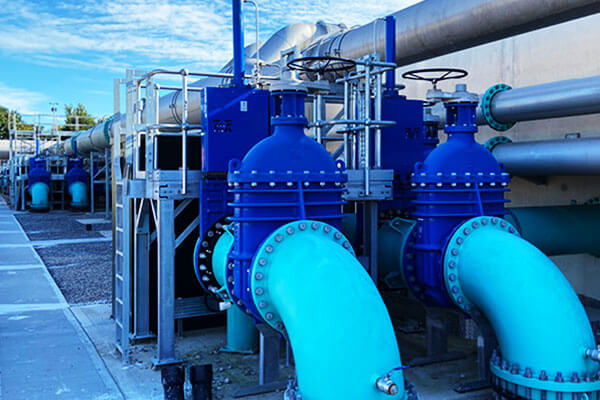
Belediye Su Temini Şebekeleri
Belediye su dağıtımı, sünek demir sürgülü vanalar için en büyük uygulama sektörü olmaya devam ediyor.
İletim şebekesine monte edilirler, dağıtım boru hatları, pompa istasyonları, rezervuarlar, güvenilir izolasyon ve minimum bakımın gerekli olduğu su arıtma tesisleri.
Yüksek basınca dayanıklılık kombinasyonu, korozyona karşı koruyucu kaplamalar, ve uzun çalışma ömrü, yatırım döküm vanalarını özellikle onlarca yıl boyunca çalışması beklenen yeraltı altyapısı için çok uygun hale getiriyor.
Atıksu ve Kanalizasyon Arıtma
Atık su sistemleri vanaları aşındırıcı parçacıklara maruz bırakır, askıda katı maddeler, nem, ve kimyasal olarak agresif ortamlar.
Epoksi kaplamalar ve korozyona dayanıklı sızdırmazlık sistemleriyle donatılmış hassas döküm sünek demir sürgülü vanalar, kanalizasyon pompa istasyonlarında güvenilir çalışma sağlar, atık su arıtma tesisleri, çamur taşıma sistemleri, ve geri kazanılmış su şebekeleri.
Yangından Korunma Sistemleri
Yangından korunma altyapısı, acil durumlarda anında güvenilirlik sağlarken minimum bakımla uzun süre çalışır durumda kalabilen vanalar gerektirir.
Yatırım döküm sürgülü vanalar yangın şebekesinde yaygın olarak kullanılmaktadır., yağmurlama sistemleri, hidrant ağları,
ve yangın pompa istasyonları basınç bütünlüğü nedeniyle, dayanıklı kaplamalar, ve uluslararası yangından korunma standartlarına uygunluk.
Endüstriyel Tesisat Boru Hatları
Üretim tesisleri soğutma suyu için güvenilir izolasyon vanalarına ihtiyaç duyar, basınçlı hava, proses suyu, ve yardımcı yardımcı sistemler.
Hassas döküm sünek demir sürgülü vanalar mükemmel bir mekanik güç dengesi sunar, maliyet verimliliği, Sürekli endüstriyel operasyon için boyutsal hassasiyet.
Enerji Üretim Tesisleri
Enerji santrallerinde soğutma suyu devreleri boyunca sürgülü vanalar kullanılır, sirkülasyonlu su sistemleri, yardımcı servis hatları, ve tesis hizmet ağları.
Sağlam yapıları ve istikrarlı mekanik performansları, değişken sıcaklık ve basınçlara sahip sürekli çalışma koşullarında güvenilir hizmet sağlar.
Sulama ve Tarımsal Su Sistemleri
Büyük ölçekli sulama projeleri, pompa istasyonları, rezervuarlar, ve tarımsal su dağıtım sistemleri, hassas döküm sünek demir sürgülü vanaların dayanıklılığından ve ekonomik avantajlarından yararlanır.
Korozyona dayanıklı kaplamaları ve basınç taşıma özellikleri, mevsimsel hava değişikliklerine maruz kalan dış ortamlarda güvenilir çalışmayı sağlar..
Madencilik ve Endüstriyel Su Yönetimi
Madencilik operasyonları sıklıkla aşındırıcı proses suyunu ve bulamacı geniş boru hattı ağları üzerinden taşır.
Ağır hizmet tipi sünek demir sürgülü vanalar, mekanik darbelere karşı direnç gösterirken güvenilir kapatma sağlar, titreşim, ve madencilikte yaygın olarak karşılaşılan zorlu çalışma koşulları, taşocakçılığı, ve maden işleme tesisleri.
HVAC ve Bölgesel Enerji Ağları
Isıtma, havalandırma, klima, ve bölgesel ısıtma veya soğutma sistemleri, bakım ve operasyonel kontrol amacıyla boruların bazı bölümlerini izole etmek için sürgülü vanalara güvenir.
Yatırım döküm valf gövdeleri doğru hizalama sağlar, güvenilir sızdırmazlık, ve uzun vadeli dayanıklılık, ticari binalarda verimli enerji dağıtımını desteklemek, endüstriyel tesisler, ve kentsel bölge enerji sistemleri.
10. Hassas Döküm Sfero Döküm Sürgülü Vana vs Dökme Çelik Sürgülü Vana
Endüstriyel sürgülü vanaları tasarlarken veya satın alırken malzeme seçimi en kritik kararlardan biridir..
| Karşılaştırma Faktörü | Sünek demir (Hassas Döküm) | Karbon Çelik (WCB) | Paslanmaz çelik (CF8 / CF8M) |
| Malzeme yapısı | Sferoidal grafit dökme demir | Karbon alaşımlı çelik döküm | Östenitik paslanmaz çelik döküm |
| Tipik Standartlar | ASTM A536, EN-GJS serisi | ASTM A216 WCB | ASTM A351 CF8 / CF8M |
| Gerilme mukavemeti | 400–700 MPa dereceye bağlı olarak | Yaklaşık olarak 485 MPa | Yaklaşık 485–550 MPa |
| Verim gücü | 250–480 MPa | Yaklaşık olarak 250 MPa | Yaklaşık 200–300 MPa |
| Süneklik | Gri demirle karşılaştırıldığında mükemmel | Ilıman | Harika |
| Darbe direnci | Çok güzel | İyi | Harika |
| Basınç Yeteneği | Genel endüstriyel hizmet için yüksek | Çok yüksek | Çok yüksek |
| Korozyon direnci | Ilıman (kaplama gerektirir) | Kaplamasız kötü | Harika |
| Klorür direnci | Sınırlı | Fakir | Harika, özellikle CF8M |
Sıcaklık özelliği |
Sınıfına bağlı olarak genellikle 300°C'ye kadar | Yaklaşık 425°C'ye kadar veya daha yüksek | Mükemmel yüksek sıcaklık kapasitesi |
| Ağırlık | Çelikten daha düşük yoğunluk | Daha yüksek yoğunluk | Karbon çeliğine benzer |
| İşlenebilirlik | Harika | İyi | Ilıman |
| Döküm özellikleri | Harika | İyi | İyi |
| Hassas Döküm ile Yüzey İşlemi | Harika | Harika | Harika |
| Üretim Maliyeti | Düşük ila orta | Orta | Yüksek |
| Bakım Gereksinimi | Uygun kaplama ile düşük | Orta ila yüksek | Düşük |
| Tipik uygulamalar | su, atık su, yardımcı programlar, endüstriyel boru hatları | Yağ & gaz, buhar, yüksek basınçlı sistemler | Kimyasal, deniz, yiyecek, farmasötik |
11. Özel Yatırım Dökme Sfero Döküm Sürgülü Vanalar için LangHe'yi Seçin
Doğru üretim ortağını seçmek, doğru valf malzemesini seçmek kadar önemlidir.
Yüksek performanslı sünek demir sürgülü vanalar, döküm teknolojisinde kapsamlı uzmanlık gerektirir, metalurji, işleme, kalite kontrolü, ve uygulama mühendisliği.
Langhe Foundry Sünek demir sürgülü vana bileşenleri için özelleştirilmiş hassas döküm çözümleri sunar, Müşterileri ilk tasarım geliştirmeden son üretim ve incelemeye kadar desteklemek.
| Yetenek | Detaylar |
| Malzemeler | Sünek demir (ASTM A536 kaliteleri 60-40-18, 65-45-12, 80-55-06). |
| Döküm işlemi | Yatırım kadrosu (Kayıp). |
| Parça ağırlığı | 0.1 kg yapmak 100 kilogram. |
| Boyutlar | Kadar 600 mm çapı. |
| Tolerans | ±0,1‑0,3 mm (ISO başına CT5‑CT7 8062). |
| Yüzey kaplaması | Ra 1,6‑6,3 µm döküm halinde; işleme mevcut. |
| Isıl işlem | Tavlama, normalleştirme. |
| Kalite | ISO 9001:2015 sertifikalı; 100% NDT ve basınç testi. |
| Kurşun zamanı | 8- Kalıplama ve ilk makaleler için 12 hafta; 2- Tekrarlanan siparişler için 4 hafta. |
12. Çözüm
Hassas döküm sünek demir sürgülü vanalar, emtia kum döküm vanaları ile birinci sınıf döküm çelik vanalar arasında yüksek değerli bir orta noktayı temsil eder.
Sfero dökümün benzersiz güç dengesini birleştirerek, sertlik, Hassas dökümün net şekle yakın hassasiyeti ile korozyon direnci ve dökülebilirlik, temiz yüzey kalitesi ve tasarım esnekliği, bu üretim rotası özel üretim için olağanüstü performans-maliyet oranı sunar, özel ve orta serili sürgülü vana üretimi.
Özelleştirilmiş sıvı kontrol çözümleri ve daha yüksek ürün tutarlılığı için endüstriyel talep arttıkça, Hassas döküm, birinci sınıf sünek demir sürgülü vana pazarındaki payını genişletmeye devam edecek, Standart emtia ürünleri için yüksek hacimli kum dökümünün yerini almak yerine tamamlayıcı niteliktedir.
SSS
Hassas döküm sünek demir sürgülü vana nedir?
Hassas döküm sünek demir sürgülü vana, birincil malzeme olarak sünek demir ile kayıp balmumu döküm işlemi kullanılarak üretilen bir izolasyon vanasıdır..
Sıvı akışını tamamen durdurmak veya izin vermek için hareketli bir kapı mekanizması kullanır ve suda yaygın olarak kullanılır., sanayi, ve yardımcı boru hattı sistemleri.
Sünek demir sürgülü vanalar korozyona dayanıklı mıdır??
Sfero döküm orta derecede korozyon direncine sahiptir ancak normalde uzun süreli hizmet için koruyucu kaplamalar gerektirir.
Yaygın korumalar arasında füzyon bağlı epoksi bulunur, epoksi toz kaplama, ve özel iç astarlar.
Sünek demir sürgülü vanalar için ortak yuva malzemeleri nelerdir??
Sünek demir sürgülü vanalar tipik olarak sünek demir yuvalara sahiptir (yayınlanan), yıldızlar (sert), Ptfe, veya EPDM. Koltuk malzemesi servis koşullarına ve gerekli sızdırmazlığa bağlıdır.
Sünek demir sürgülü vanalar buhar hizmeti için kullanılabilir mi??
Evet, 450°C'ye kadar. Daha yüksek sıcaklıkta buhar için, paslanmaz çelik veya alaşımlı çelik vanalar gereklidir.

