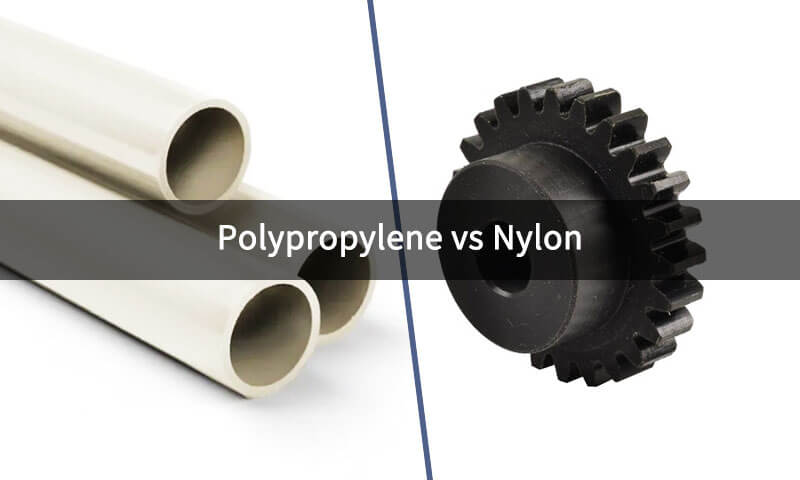
Полипропилен је полукристални полиолефин познат по својој малој густини, одлична отпорност на влагу, хемијска отпорност, отпорност на умор, и релативно лаку обраду.
Најлон, породица полиамида, је опште познат по својој већој чврстоћи и крутости, Одлична жилавост, ниско трење, отпорност на хабање, и боље перформансе на високим температурама.
Такође је важно избјећи третирање било којег материјала као једног, фиксна спецификација. ПП и најлон су материјалне породице, а не појединачне класе.
ПА6, ПА66, ПА12, најлон пуњен стаклом, ПП хомополимер, ПП кополимер, ПП испуњен минералима, а стаклом ојачан ПП може имати суштински различита својства.
Стога, а смислено полипропилен против најлона поређење треба узети у обзир не само отпорност на снагу и температуру, али и упијање влаге, Хемијска компатибилност, трења и хабања, електричне перформансе, Димензионална стабилност, понашање убризгавања, трошкови производње, и стварне услове услуге.
1. Шта је полипропилен?
Полипропилен (Пп) је широко распрострањен термопластични полимер који припада породица полиолефина.
Цењен је због мале густине, Одлична хемијска отпорност, веома ниска апсорпција влаге, добре перформансе замора, електрична изолација, и ефикасну обрадивост.
Полипропилен је посебно атрактиван када пластичне компоненте морају да комбинују малу тежину, отпорност на хемикалије и влагу, добра жилавост, понављано савијање, и економична производња.
Полипропилен се суштински разликује од најлона по својој молекуларној хемији. Његова полимерна окосница се састоји првенствено од угљоводоничних ланаца са понављајућим метил групама (-ЦХ₃) причвршћен за карбонску кичму.
За разлику од најлона, ПП не садржи поларне амидне групе способне да формирају јаке водоничне везе са молекулима воде.
Ова релативно неполарна молекуларна структура је одговорна за многе важне инжењерске карактеристике полипропилена.
Доприноси његовој веома ниској апсорпцији воде, одлична отпорност на многе хемикалије, стабилна електрична изолација, ниска густина, и добра отпорност на промене димензија услед влаге.
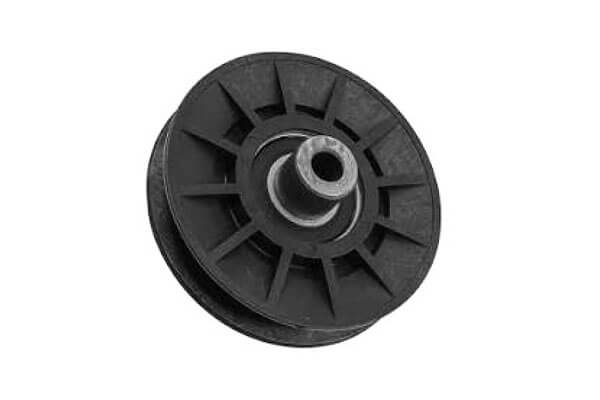
Различите формулације се могу конструисати за различите примене.
Уобичајене категорије полипропилена укључују:
- ПП хомополимер
- ПП случајни кополимер
- ПП ударни кополимер
- ПП ојачан стакленим влакнима
- ПП испуњен минералима
- ПП пуњене талком
- УВ стабилизован ПП
- Отпорни на пламен ПП
- Електрично модификовани ПП
Способност модификације ПП кополимеризацијом, пунила, влакна, а адитиви омогућавају произвођачима да уравнотеже крутост, јачина удара, хемијска отпорност, изглед, понашање обраде, и коштати.
Предности и ограничења полипропилена
Главне предности полипропилена укључују:
- Мала густина: ПП производи лаке компоненте.
- Одлична отпорност на влагу: Апсорпција воде је изузетно ниска.
- Добра хемијска отпорност: Посебно ефикасан против многих водених киселина, алкалис, соли, и детерџенти.
- Одлична отпорност у умору: Погодно за поновљено савијање и живе шарке.
- Добра електрична изолација: Корисно за електрична кућишта и изолационе компоненте.
- Одличне карактеристике бризгања: Низак вискозитет топљења и добар проток олакшавају производњу великих количина.
- Ниска цена материјала: ПП је генерално економичнији од најлона инжењерског квалитета.
- Добра флексибилност дизајна: Може се производити у различитим бојама, формулације, и изглед површине.
Међутим, полипропилен такође има ограничења.
Стандард ПП генерално обезбеђује нижа крутост и механичке перформансе при високим температурама од најлона.
Под сталним механичким оптерећењима, Посебно на повишеним температурама, ПП може доживети пузање и деформацију.
Његов релативно висок коефицијент топлотног ширења такође може бити важан у прецизним применама.
Додатно, немодификовани ПП може да се разгради при продуженом излагању ултраљубичастом зрачењу, тако да апликације на отвореном могу захтевати УВ стабилизаторе или друге заштитне мере.
2. Шта је најлон?
Најлон је породица инжењерских термопласта која припада полиамид (Отац) група.
Широко се користи када пластичне компоненте морају да обезбеде комбинацију високе чврстоће, укоченост, жилавост, отпорност на хабање, ниско трење, умор умора, и способност за повишене температуре.
Најлон се суштински разликује од полипропилена по својој молекуларној хемији.
Полимерна кичма садржи понављајуће амидне групе (-ЦОНХ-), који стварају јаче међумолекулске интеракције од оних присутних у неполарној угљоводоничној структури ПП.
Ове амидне групе су одговорне за многа пожељна инжењерска својства најлона.
Они доприносе његовој механичкој снази, укоченост, жилавост, и способност да издрже поновљено трење и оптерећење.
У исто време, поларна природа амидних група узрокује да најлон упија влагу. Ово је једно од најважнијих разматрања приликом поређења најлон против полипропилена.
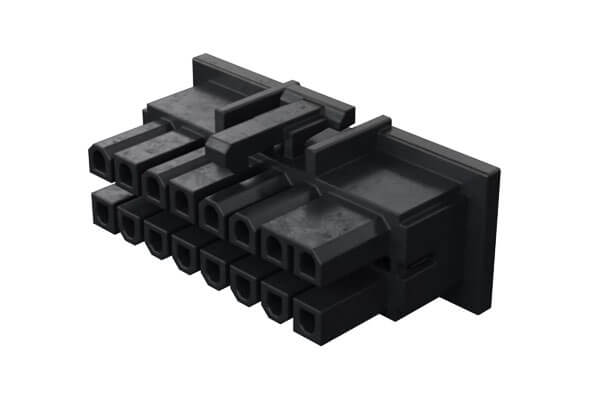
Најлон није јединствен материјал. Постоји неколико комерцијално важних породица полиамида,
укључујући:
- ПА6
- ПА66
- ПА11
- ПА12
- ПА46
- Различите врсте ПА ојачане стакленим влакнима
- ПА класе пуњене минералима
- Ватроотпорни ПА разреди
- Топлотно стабилизоване ПА класе
Међу њима, ПА6 и ПА66 су посебно честе у инжењерским апликацијама.
Најлон се широко користи за механичке компоненте јер може комбиновати структурне перформансе са релативно малим трењем.
За разлику од многих метала, такође може да обезбеди лаку алтернативу за зупчанике, чашица, ваљци, водичи, и друге покретне компоненте.
Предности и ограничења најлона
Главне предности најлона укључују:
- Висока затезна чврстоћа
- Висока крутост
- Одлична жилавост
- Добар отпор умор
- Одлична отпорност на хабање
- Ниско трење
- Добра отпорност на поновљена механичка оптерећења
- Боље перформансе на високим температурама од стандардног ПП
- Снажна погодност за механичке компоненте
Његова ограничења укључују:
- Већа апсорпција влаге
- Промене димензија у вези са влагом
- Захтевнији захтеви за сушење
- Више температуре обраде
- Већа осетљивост на услове обраде
- Већа цена материјала
- Потенцијалне промене својстава између сувог и стања условљеног влагом
3. Полипропилен против снаге најлона
Већа чврстоћа и крутост најлона
Када поредимо полипропилен и најлон за механичку чврстоћу, најлон генерално обезбеђује већу затезну чврстоћу, укоченост, и носивости од непуњеног полипропилена.
Типични непуњени типови ПП имају затезну чврстоћу од приближно 25–40 МПа, док уобичајене класе ПА6 и ПА66 обично могу достићи око 50-90 МПА, у зависности од конкретне оцене и услова испита.
Разлика је уско повезана са молекуларном структуром. Полипропилен има релативно неполарну угљоводоничну кичму, док најлон садржи поларне амидне групе које стварају јаче међумолекуларне интеракције и водоничне везе.
Ове интеракције ограничавају молекуларно кретање и омогућавају најлону да се ефикасније одупре деформацији под механичким оптерећењем.
Одличне перформансе полипропилена при савијању
Иако је најлон генерално јачи, полипропилен има важну механичку предност у поновљено савијање.
ПП може издржати екстензивно циклично савијање без пуцања када је компонента правилно дизајнирана.
То га чини посебно погодним за живе шарке, флексибилни затварачи, снап-фит карактеристике, и више пута савијене компоненте.
Стога, већа затезна чврстоћа не чини аутоматски најлон бољим материјалом за сваку механичку примену.
Режим оптерећења се мора узети у обзир заједно са снагом, укоченост, умор, утицај, и захтеве пузања.
Побољшана снага са ојачањем
Оба полимера могу бити ојачана да би се постигле знатно веће механичке перформансе.
ПП ојачан стакленим влакнима може достићи затезну чврстоћу од приближно 70-90 МПА у репрезентативним разредима, док 30% ПА6 ојачан стакленим влакнима може достићи отприлике 130–170 МПа, у зависности од формулације и услова испитивања.
Ојачање такође повећава крутост и отпорност на пузање, иако може увести већу анизотропију, разлике у скупљању калупа, и разматрања обраде.
4. Отпорност на температуру полипропилена и најлона
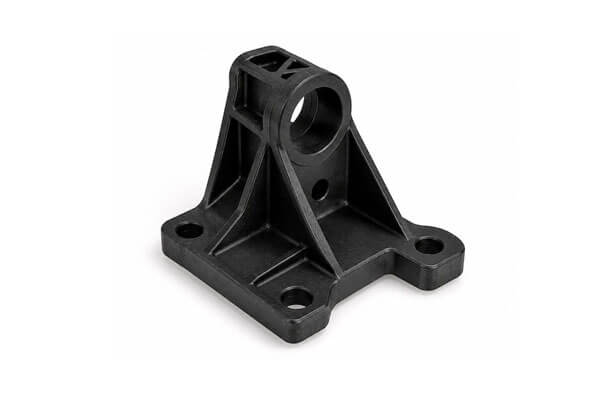
Већа отпорност на температуру најлона
Најлон генерално пружа бољу температурну отпорност од полипропилена, посебно када материјал мора одржати механичку чврстоћу и крутост на повишеним температурама.
Типични типови полипропилена имају температуру топљења од приближно 160-170 ° Ц, док се ПА6 топи око 220° Ц и ПА66 на приближно 255° Ц.
Међутим, температуру топљења не треба мешати са континуираном радном температуром.
Термопластичне компоненте обично губе крутост и способност носивости пре него што достигну тачку топљења.
Најлон генерално задржава корисна механичка својства на вишим температурама.
У зависности од степена и арматуре, најлон може да обезбеди знатно боље перформансе скретања топлоте и отпорност на деформације.
Умерена температурна способност полипропилена
Полипропилен остаје веома ефикасан у многим апликацијама које раде на умереним температурама.
Његова ниска цена, хемијска отпорност, и ниска апсорпција влаге може га учинити економичнијим од најлона када није потребна екстремна температурна отпорност.
На пример, ПП се широко користи за контејнере, канали, кућишта, компоненте цевовода, и делови унутрашњости аутомобила где радне температуре остају унутар практичног опсега материјала.
5. Полипропилен у односу на отпорност на влагу и хемикалије најлона
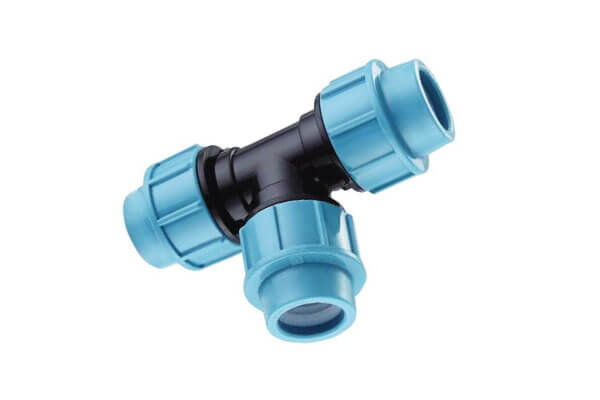
Врхунска отпорност на влагу полипропилена
Полипропилен има велику предност у односу на најлон у отпорности на влагу. Његова молекуларна структура је претежно неполарна, тако да вода има веома ограничену интеракцију са полимерним ланцима.
Типични типови полипропилена показују изузетно ниску апсорпцију воде, често около 0.01% или мање после 24 сати, у зависности од оцене и методе испитивања.
Ова ниска апсорпција влаге омогућава ПП компонентама да задрже релативно стабилне димензије, тежина, механичка својства, и електричне карактеристике у влажним или влажним срединама.
Већа апсорпција влаге најлона
Најлон се понаша другачије јер његова молекуларна кичма садржи поларне амидне групе.
Ове групе лако ступају у интеракцију са молекулима воде, омогућавајући најлону да упије знатно више влаге.
У зависности од врсте полиамида и услова околине, најлон може да апсорбује неколико процената његове тежине у води у равнотежи.
ПА6 и ПА66 су посебно осетљиви на влагу у поређењу са полипропиленом.
Влага делује као пластификатор у најлону. Како се садржај воде повећава, најлон генерално постаје дуктилнији док се његова крутост и чврстоћа смањују. У исто време, може доћи до димензионалног проширења.
Ово понашање је посебно важно за прецизне компоненте као што су зупчаници, чашица, конектори, и кућишта са чврстом толеранцијом.
Одлична хемијска отпорност полипропилена
Полипропилен такође нуди одличну отпорност на многе хемикалије, нарочито разблажене киселине, алкалис, соли, детерџенти, и водени хемијски раствори.
Ова комбинација хемијске отпорности и ниске апсорпције влаге чини да се ПП широко користи за хемијске контејнере, резервоари, цевовод, лабораторијска опрема, линијски, и компоненте за руковање течностима.
Добра, али хемијска отпорност најлона у зависности од примене
Најлон пружа корисну отпорност на многа уља, горива, масти, и индустријске хемикалије. Међутим, његова хемијска отпорност више зависи од специфичних хемијских и услова рада.
Одређене јаке киселине и агресивна хемијска окружења могу напасти полиамидне материјале. Повишена температура и механички стрес могу додатно утицати на хемијску компатибилност.
Сходно томе, најлон не треба бирати само на основу општих класификација хемијске отпорности.
Стварни хемијска концентрација, температура, трајање експозиције, ниво стреса, и најлона треба проценити.
6. Полипропилен против најлона на трење и отпорност на хабање
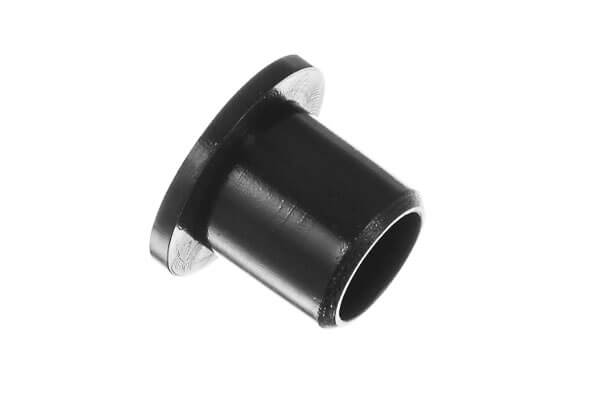
Боље перформансе механичког хабања најлона
Најлон је широко познат као користан инжењерски материјал за апликације које укључују трење, клизање, и поновљени механички контакт.
Његова комбинација снаге, жилавост, укоченост, а релативно мало трење га чини погодним за зупчанике, чашица, лежајеви, ваљци, носите траке, и компоненте за вођење.
Типични коефицијенти сувог трења за најлон могу пасти у приближном опсегу од 0.2-0.4, у великој мери зависи од оцене, контрафаце, оптерећење, брзина клизања, површинска завршна обрада, и метода испитивања.
Релативно висока механичка чврстоћа најлона омогућава му да издржи контактна напрезања без прекомерне деформације, што је посебно важно код оптерећених клизних компоненти.
Карактеристике полипропилена са ниским трењем
Полипропилен такође може да покаже релативно ниско трење и може добро да се понаша у одабраним клизним апликацијама.
Одређене врсте ПП се користе када су лагане, хемијски отпоран, а потребан је и јефтин клизни материјал.
Међутим, коефицијент трења и отпорност на хабање нису идентична својства.
Материјал може имати низак коефицијент трења док и даље доживљава релативно велики губитак материјала под сталним механичким контактом.
За тешко оптерећене компоненте или компоненте које се непрекидно крећу, најлон често пружа повољнију комбинацију механичког оптерећења и отпорности на хабање.
Специјализована једињења могу побољшати отпорност на хабање
Оба материјала се могу модификовати за триболошку примену.
Најлонска једињења могу да садрже ПТФЕ, графит, молибден дисулфид, мазива на бази силикона, или други адитиви за смањење трења и побољшање отпорности на хабање.
Полипропилен се такође може формулисати са пунилима и адитивима за подмазивање за специјализоване апликације са малим трењем.
Међутим, арматура мора бити пажљиво одабрана. Стаклена влакна могу значајно повећати крутост и носивост, али могу утицати и на механизам хабања и на понашање спојне површине.
7. Електрична својства полипропилена и најлона
Одлична електрична изолација од полипропилена
Полипропилен је одличан електрични изолациони материјал и посебно је вредан када су потребне стабилне диелектричне перформансе.
Репрезентативни типови ПП могу имати диелектричну константу од приближно 2.2–2.6 и запремински отпор реда 10¹⁶ Ω·цм, иако вредности варирају са учесталошћу, температура, формулација, и услове тестирања.
Његова комбинација високе електричне отпорности, ниска диелектрична константа, а изузетно ниска апсорпција влаге чини полипропилен корисним за електричну изолацију, кондензаторски филмови, кабловске компоненте, електронски делови, и друге диелектричне примене.
Добра електрична изолација од најлона
Најлон је такође ефикасан електрични изолатор, посебно у сувим условима.
Репрезентативни типови најлона могу имати диелектричне константе 3.5-4.0, иако тачна вредност јако зависи од врсте полимера, фреквенција, температура, и садржај влаге.
Предност најлона је у томе што комбинује електричну изолацију са знатно већом механичком чврстоћом и жилавошћу од конвенционалног полипропилена.
То га чини корисним за електричне конекторе, кућишта, компоненте за управљање кабловима, и механички захтевних изолационих делова.
8. Полипропилен против најлона за бризгање
Одлична обрадивост полипропилена бризгањем
Полипропилен је један од најраспрострањенијих термопласта за бризгање јер комбинује добар проток талине, релативно ниски захтеви за обраду, ниска осетљивост на влагу, и кратко време циклуса.
Његов релативно низак вискозитет растапања омогућава да растопљени ПП ефикасно испуни сложене шупљине калупа, што га чини погодним за компоненте са танким зидовима, снап-фит карактеристике, живе шарке, контејнери, кућишта, и други производи великог обима.
Главна предност обраде ПП-а је то смола обично не захтева опсежно претходно сушење које захтева најлон.
Пошто полипропилен упија врло мало влаге, произвођачи могу генерално да обрађују правилно ускладиштени ПП директно или са релативно једноставним процедурама кондиционирања материјала.
ПП такође има релативно широк прозор за обраду.
Типичне температуре топљења су често у распону од приближно 200-250 ° Ц, у зависности од разреда и примене, док се температуре калупа обично контролишу на знатно нижим температурама.
Тачни услови морају се утврдити из препорука произвођача смоле за обраду.
Већа осетљивост најлона на влагу
Најлон је такође веома погодан за бризгање, али су захтеви за њену обраду захтевнији.
Већина најлонских смола је хигроскопна и може да апсорбује атмосферску влагу током складиштења.
Пре калуповања, најлон генерално треба да буде правилно осушен до одређеног нивоа влаге.
Ако у смоли остане прекомерна влага, комбинација воде и високе температуре топљења може изазвати хидролитичку деградацију, смањење молекулске тежине и потенцијално смањење механичких перформанси готове компоненте.
Ово чини руковање материјалом посебно важним приликом обраде најлона.
Смолу треба чувати у амбалажи отпорној на влагу, а услове сушења треба контролисати у складу са специфичним ПА разредом.
Више температуре обраде најлона
Најлон генерално захтева више температуре топљења од полипропилена.
ПА6 се обично обрађује на температурама топљења око 240–280°Ц, док ПА66 може захтевати приближно 260-300 ° Ц, у зависности од квалитета и технологије обраде.
Виша температура обраде повећава захтеве за енергијом и поставља веће захтеве за опрему за обликовање, компоненте калупа, и контрола процеса.
Међутим, Виша температура обраде најлона такође одражава његову вишу тачку топљења и омогућава производњу компоненти које могу да пруже веће механичке и термичке перформансе.
9. Полипропилен наспрам најлона Димензиона стабилност
| Аспект | Полипропилен | Најлон |
| Апсорпција влаге | Врло низак | Високо |
| Промена димензија са влажношћу | Минималан | Значајан |
| Скупљање калупа (%) | 1.0-2.5 | 0.5-2.0 |
| Скупљање након калупа | Умерен | Значајан (кондиционирање влаге) |
| Отпорност на пузање | Умерен | Добри |
Хидрофобна природа полипропилена даје му одличну стабилност димензија у влажним срединама.
Најлон упија влагу, узрокујући бубрење делова и промену димензија. Међутим, Најлонски делови се могу кондиционирати влагом да би се постигле стабилне димензије.
10. Полипропилен против најлона: Разматрање трошкова и производње
Материјална цена
Полипропилен је генерално економичнији од најлона. Његова мала густина такође значи да може бити потребно мање материјала по тежини за производњу компоненте упоредиве запремине.
За производе велике количине, ово може обезбедити значајну предност у трошковима.
Најлон је обично скупљи јер је инжењерски термопласт са већим механичким и термичким перформансама.
Међутим, његова већа снага и крутост може омогућити дизајнерима да смање дебљину зида или величину компоненти, делимично надокнађујући вишу цену смоле.
Производња разматрања
| Фактор | Полипропилен | Најлон |
| Трошкови материјала | Углавном нижи | Генерално више |
| Густина | Нижи | Виши |
| Температура обраде | Нижи | Виши |
| Захтев за сушење | Минималан | Обично критичан |
| Убризгавање | Релативно лако | Осетљивији на процесе |
| Ефикасност циклуса | Одличан | Добри |
| Осетљивост на влагу | Врло низак | Високо |
| Сложеност алата/процеса | Углавном нижи | Генерално више |
| Типична економија примене | Висока количина, делови осетљиви на трошкове | Компоненте критичне за перформансе |
Полипропилен је обично лакши и јефтинији за обраду.
Његова ниска осетљивост на влагу поједностављује руковање материјалом, док његове добре карактеристике протока подржавају ефикасно бризгање и велике количине производње.
Најлон захтева пажљивију контролу производње. Пре бризгања, многе најлонске смоле морају бити правилно осушене да би се спречила деградација узрокована влагом и дефекти у калупу.
Температура калупа, температура топљења, време боравка, а услови хлађења такође захтевају ближу контролу.
11. Примене полипропилена против најлона
Опсег примене од полипропилен (Пп) и најлон (Отац) преклапања у многим областима, али сваки материјал је боље прилагођен различитим условима рада.
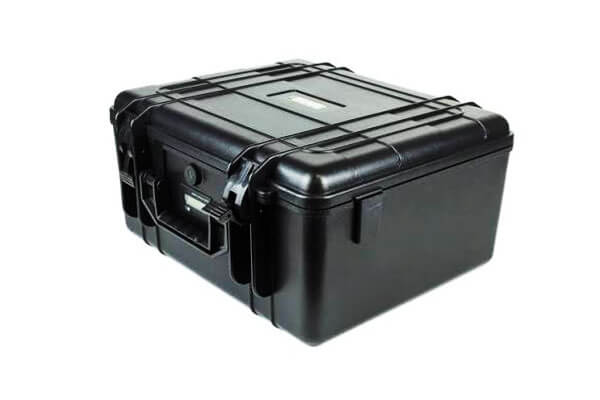
Примене полипропилена
Полипропилен се широко користи где ниска густина, ниска апсорпција влаге, хемијска отпорност, отпорност на умор, и економична прерада великог обима су важни.
| Сектор за пријаву | Типичне ПП компоненте | Зашто је изабран ПП |
| Паковање | Контејнери, чепови за флаше, затварања, ладице, амбалажа за храну | Мала густина, отпорност на влагу, хемијска отпорност, Процесност |
| Аутомотиве | Браници, унутрашња опрема, панели за врата, кућишта за батерије, резервоари за течност | Лагана, учинак утицаја, хемијска отпорност, ефикасност трошкова |
| Водовод & Ватер Системс | Цеви, фитинги, Компоненте пумпе, делови за наводњавање | Ниска апсорпција воде и отпорност на многе хемикалије |
Потрошачки производи |
Канте за складиштење, намештај, Кућишта уређаја, кућни прибор | Лагана, издржљив, економичан |
| Електрични & Електроника | Изолационе компоненте, делови који се односе на каблове, кондензаторски филмови, кућишта | Добра електрична изолација и ниска осетљивост на влагу |
| Медицински & Лабораторијски производи | Контејнери, ладице, шприцеви, лабораторијска опрема | Хемијска отпорност, ниска апсорпција влаге, доступне одговарајуће оцене |
| Индустријска опрема | Резервоари, канали, контејнери, навлаке, компоненте за руковање течностима | Хемијска отпорност, ниска тежина, економична обрада |
Најлонске апликације
Најлон се првенствено користи тамо где снага, укоченост, жилавост, ниско трење, отпорност на хабање, и перформансе на повишеној температури су важнији од минималних трошкова материјала и апсорпције влаге.
| Сектор за пријаву | Типичне најлонске компоненте | Зашто је изабран најлон |
| Аутомотиве | Зупчаници, лежајеви, чашица, Компоненте мотора, конектори, заграде | Велика снага, укоченост, отпорност на хабање, температурна способност |
| Електрични & Електроника | Кућишта конектора, терминални блокови, компоненте прекидача | Механичка чврстоћа, изолација, димензионалне перформансе |
| Индустриал Мацхинери | Зупчаници, ваљци, компоненте лежаја, Носите плоче, Делови за транспортне траке | Ниско трење, отпорност на хабање, носивост |
Причвршћивачи & Хардвер |
Везице за каблове, лудило, клипови, причвршћивачи, компоненте за спајање | Снага, жилавост, отпорност на умор |
| Механичке компоненте | Чашица, ременице, водичи, зупчаници, Структурни носачи | Висока крутост и добре триболошке перформансе |
| Влакна & Текстил | Индустријска влакна, гајтан гума, рибарска линија, филаменти четкице, технички текстил | Висока затезна чврстоћа, жилавост, Отпорност на абразију |
| Потрошачки производи | Зипперс, копче, кућишта алата, механичке компоненте | Жилавост, снага, отпорност на хабање |
Полипропилен против најлона: Одабир апликације
Избор између ПП и најлона може се поједноставити идентификацијом доминантног захтева за сервисирањем:
- Изаберите полипропилен када мала тежина, отпорност на влагу, хемијска отпорност, умор умора, и ниска цена производње су примарни захтеви.
- Изаберите најлон када висока чврстоћа, укоченост, отпорност на хабање, ниско трење, жилавост, или перформансе на повишеној температури су важније.
- Размотрите ојачани ПП када је лака конструкција важна, али је потребна већа крутост и чврстоћа.
- Размислите о ојачаном најлону када компонента мора да издржи велика механичка оптерећења, континуирани стрес, или захтевне термичке услове.
12. Закључак
Полипропилен и најлон су комплементарни инжењерски материјали, а не директни конкуренти.
Сваки од њих заузима посебну нишу перформанси дефинисану његовом основном хемијом:
полипропилен доноси ниске трошкове, одлична стабилност димензија и неосетљивост на влагу на рачун ниже чврстоће и перформанси хабања;
најлон пружа високу чврстоћу, одлична отпорност на хабање и толеранција уља на рачун веће цене, осетљивост на влагу и сложеност обраде.
Ни једно ни друго није универзално супериорно. ПП је оптималан избор за компоненте робе, прецизни делови у променљивој влажности, апликације за топлу воду и производе осетљиве на трошкове.
Најлон је бољи избор за конструкцијске компоненте високог оптерећења, носите делове, компоненте испод хаубе изложене уљу и апликације на високим температурама са стакленим ојачањем.
Најчешћа грешка при избору је навођење најлона када би ПП био адекватан уз 40–60% нижу укупну цену, или специфицирање ПП за апликације високог оптерећења где ће доћи до превременог квара.
Систематско упоређивање са стварним радним условима — без заобилажења познатог материјала — обезбеђује оптималне перформансе уз минималне укупне трошкове.
Често постављана питања
Да ли се полипропилен и најлон могу рециклирати?
Да, оба материјала се могу рециклирати. Полипропилен се широко рециклира (код смоле #5). Најлон се може рециклирати, али се ређе рециклира од полипропилена.
Да ли је најлон или полипропилен крхкији на ниским температурама?
Полипропилен је крхкији на ниским температурама. Има температуру преласка стакла од –10 до 0°Ц, испод које постаје ломљиво. Најлон остаје чврст до –30 до –40°Ц.
Да ли је полипропилен јачи од најлона?
Уопште, не. Стандардни најлон обично има већу затезну чврстоћу, укоченост, и носивости од непуњеног полипропилена. Међутим, полипропилен има мању густину и одличну отпорност на замор и влагу.
Ојачани ПП такође може постићи знатно веће механичке перформансе и може надмашити непуњени најлон у специфичним применама.
Да ли је полипропилен отпорнији на топлоту од најлона?
Уопште, најлон има бољу отпорност на топлоту од стандардног полипропилена.
Уобичајени типови најлона имају више температуре топљења и генерално боље задржавају механичку чврстоћу и крутост на повишеним температурама.
Ојачани слојеви могу додатно побољшати перформансе оба материјала при високим температурама.
Који упија више воде, полипропилен или најлон?
Најлон упија знатно више воде од полипропилена. Полипропилен има изузетно ниску апсорпцију влаге, док је најлон хигроскопан због својих поларних амидних група.
Апсорпција влаге може утицати на димензије најлона, укоченост, жилавост, и електрична својства.
Што је јефтиније, полипропилен или најлон?
Полипропилен је генерално јефтинији од најлона. ПП такође има мању густину, што може додатно смањити потрошњу материјала по тежини компоненти.
Међутим, укупни трошак треба да укључује обраду, алат за алате, дизајн делова, појачање, зарезати, и сервисни живот.
Скупља најлонска компонента може на крају бити економичнија ако обезбеђује знатно дужи радни век или дозвољава мањи, јачи дизајн компоненти.
Који има бољу димензијску стабилност, полипропилен или најлон?
Одговор зависи од окружења.
Полипропилен има велику предност у димензионалној стабилности у вези са влагом јер апсорбује врло мало воде. Најлон може доживети промене у димензијама јер упија влагу.
Међутим, ПП има релативно високу топлотну експанзију, док ојачани најлон може обезбедити одличну стабилност димензија на температури када је правилно формулисан.
За прецизне апликације, инжењери би требало да процене и промене димензија изазване влагом и температуром.