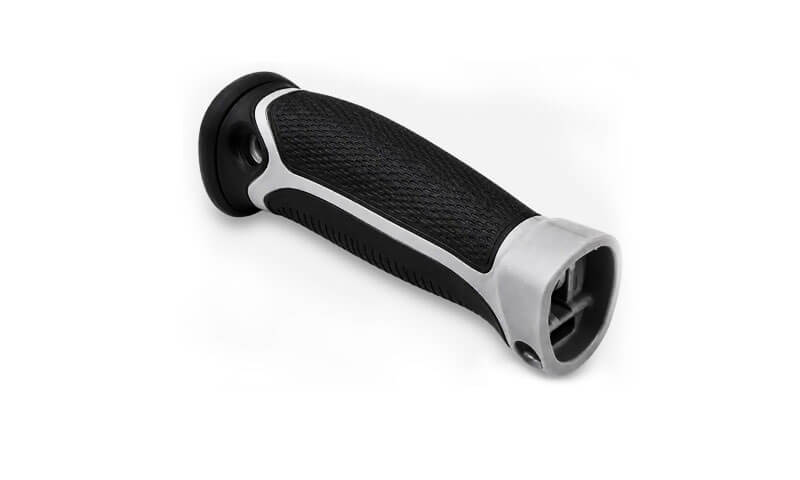
Преливање је напредно бризгање техника која се користи за комбиновање два или више материјала у једну функционалну компоненту.
Уместо да сваку компоненту производите посебно и касније их састављате, прекомерно обликовање омогућава да се секундарни материјал обликује директно преко претходно обликоване подлоге.
Резултат може комбиновати структурна својства крутог материјала са флексибилношћу, захват, заптивање, изолација, отпорност на ударце, или естетске карактеристике еластомера или другог полимера.
Процес се широко користи у производима где је материјална интеграција, ергономске перформансе, заштите животне средине, и смањење монтаже су важне.
Типични примери укључују ручке електричних алата, аутомобилски прекидачи, Електрични конектори, Кућишта медицинских уређаја, Потрошачка електроника, кабловске компоненте, хватаљке, печат, и индустријске контроле.
1. Шта је овермоулдинг?
Преливање је производни процес у којем се други материјал убризгава око или на постојећи подлоге, уметнути, или претходно обликоване компоненте да се створи интегрисани део од више материјала.
Подлога обезбеђује основну структуру компоненте, док преливени материјал додаје специфичне функционалне или естетске карактеристике.
Зависно од апликације, подлога може бити чврста термопластика, метални уметак, или другу претходно формирану компоненту.
Калуп може бити мекши термопластични еластомер (Тпе), термопластични полиуретан (ТПУ), термопластична гума, или други компатибилни полимер.
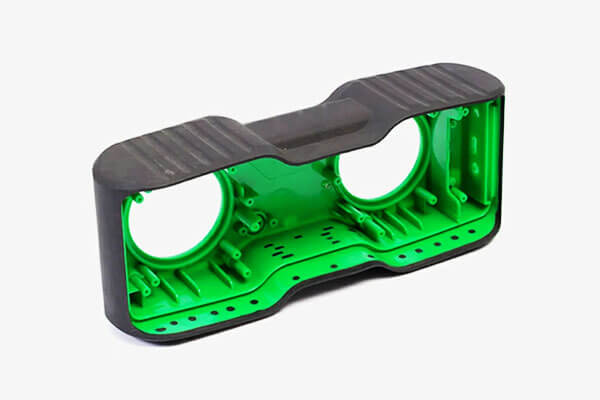
Једноставан приказ структуре је:
Подлога → Материјал за пресовање → Интегрисани готови део
На пример, размислите о ручном електричном алату. Унутрашње кућиште може бити обликовано од чврсте инжењерске пластике као што је АБС или ојачани најлон да би се обезбедила чврстоћа структуре.
Мекши ТПЕ или ТПУ слој се затим може обликовати преко одабраних делова кућишта како би се обезбедило неклизајуће приањање и побољшала апсорпција вибрација.
Уместо да произведете посебан гумени држач и инсталирате га током монтаже, овермоулдинг интегрише рукохват директно у кућиште.
Основна структура преливене компоненте
Преливени производ се углавном састоји од две функционалне зоне материјала:
| Компонента | Примарна функција |
| Супстрат | Пружа структурну подршку, Димензионална стабилност, или механичко причвршћивање |
| Овермолд | Додаје приањање, заптивање, јастук, изолација, заштита, или естетике |
| Повезивање интерфејса | Преноси терет и одржава причвршћивање материјала |
Кључна карактеристика: Мулти-Материал Интегратион
Дефинишућа карактеристика преливања је директна интеграција различитих материјала у једну готову компоненту.
Ово разликује преливање од конвенционалне монтаже. У традиционалном процесу склапања, појединачне компоненте се производе засебно и накнадно спајају помоћу причвршћивача, лепкови, клипови, пресс фитс, заваривање, или друге методе.
Прекомерно обликовање помера део те интеграције у сам процес обликовања.
Ово може произвести неколико производних предности:
- Мање појединачних компоненти
- Смањене монтажне операције
- Побољшана интеграција компоненти
- Доследно позиционирање секундарног материјала
- Боље заптивање и заштита животне средине
- Побољшана ергономија и тактилне перформансе
- Већа слобода дизајна
- Потенцијално смањење дефеката везаних за монтажу
Међутим, интерфејс између подлоге и калупа постаје критична инжењерска карактеристика.
Ова два материјала морају остати безбедно причвршћена у стварним условима рада производа.
Температурни циклус, влагу, хемикалије, механичко оптерећење, утицај, а поновљено савијање може утицати на перформансе интерфејса.
2. Врсте преливања
Преливање није јединствена стандардизована производна конфигурација.
Преливање пластике у пластику
Преливање пластике у пластику укључује обликовање једног термопласта директно преко претходно обликоване пластичне подлоге.
Обично се користи када два полимера обезбеђују комплементарне карактеристике перформанси.
На пример, крута инжењерска пластика може да обезбеди структурни оквир док мекши термопластични еластомер формира приањање, печат, дугме, или заштитни слој.
Алтернативно, два крута полимера се могу комбиновати да би се створиле различите функционалне зоне унутар исте компоненте.
Главни инжењерски изазов је постизање адекватне адхезије или механичког задржавања између два полимера уз спречавање деформације подлоге током другог циклуса обликовања..
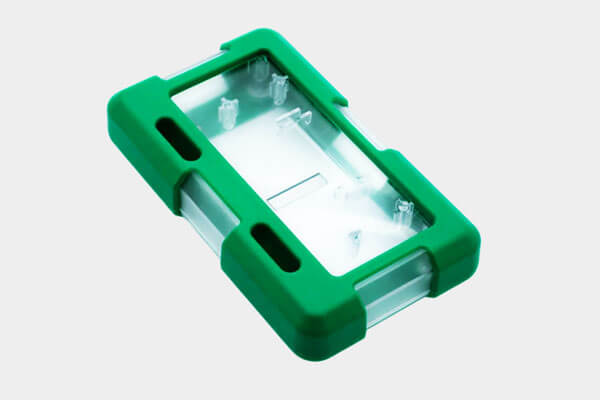
Типичне комбинације укључују:
- АБС + Тпе
- ПЦ + Тпе
- ПЦ/АБС + Тпе
- Најлон + Тпе
- Пп + ТПЕ или ТПВ
- Пбт + Тпе
- АБС + ТПУ
Није свака комбинација инхерентно компатибилна. Тачна оцена, формулација, стање површине, температура обраде, а услови обликовања морају бити процењени.
Преливање пластике у еластомер
Преливање од пластике у еластомер је један од најпризнатијих облика преливања.
Флексибилан материјал као што је ТПЕ, ТПУ, ПДВ, или је други термопластични еластомер обликован преко круте пластичне подлоге.
Сврха је обично функционална, а не чисто естетска. Еластомер може да обезбеди:
- Побољшано приањање и ергономија
- Апсорпција удара и удара
- Пригушивање вибрација
- Заптивање
- Површине меке на додир
- Отпорност на клизање
- Електрична изолација
- Заштита од контаминације животне средине
Типичан пример су ручке електричног алата. Чврста подлога пружа структурну подршку, док еластомерни калуп пружа удобан и издржљив интерфејс између алата и оператера.
Дебљина слоја еластомера мора се пажљиво контролисати. Прекомерна дебљина може повећати време циклуса, скупљање, и потрошња материјала, док недовољан слој можда неће обезбедити потребну амортизацију или приањање.
Преливање метала у пластику
Преливање од метала до пластике поставља полимер директно око металног уметка или компоненте.
Метал даје снагу, проводљивост, отпорност на хабање, Термичке перформансе, или стабилност димензија, док полимер обезбеђује изолацију, заштита, заптивање, или структурне интеграције.
Преливање метала у пластику је посебно корисно за електричне терминале, конектори, сензори, навојни уметци, ручке, контролне компоненте, и индустријских склопова.
Критичко разматрање је разлика у Коефицијент топлотне експанзије (Цте) између метала и полимера.
Током промена температуре, два материјала се шире и скупљају различитим брзинама.
Ако дизајн интерфејса не прихвата овај покрет, заостало напрезање може допринети пуцању, делавање, или димензионална нестабилност.
Инсерт Овермолдинг
Преливање уметака користи претходно обликовани уметак који се поставља унутар калупа за убризгавање пре него што се материјал за преливање убризгава.
Уметак може бити металик, пластика, керамички, електронски, или другу произведену компоненту, Зависно од апликације.
Преливање уметка може елиминисати одвојене операције склапања јер процес обликовања трајно интегрише уметак у готову компоненту.
Уметак мора бити тачно постављен и безбедно ослоњен. Лоше причвршћивање може дозволити да се уметак помери током убризгавања, што резултира димензионалним грешкама, неједнака покривеност материјала, бљесак, или оштећење калупа.
Тво-Схот Овермолдинг
Двоструко преливање, такође звани 2К ливење или двокомпонентно бризгање, производи компоненту од више материјала кроз секвенцијалне операције убризгавања, углавном у оквиру истог система калупа.
У типичном процесу, први материјал формира супстрат или геометрију прве компоненте.
Конфигурација калупа или позиција дела се затим мењају тако да се други материјал може убризгати преко одређеног региона.
За разлику од конвенционалног преливања помоћу посебно произведене подлоге, Двоструко обликовање може да интегрише две операције обликовања у високо аутоматизован производни циклус.
3. Како функционише процес преливања?
Процес преливања укључује обликовање другог материјала директно на претходно обликовану подлогу или уметак како би се створила јединствена компонента.
Иако тачан процес варира у зависности од комбинације материјала, геометрија производа, и начин производње, основни ток посла остаје доследан:
Дизајн производа → Избор материјала → Производња подлоге → Припрема калупа → Учитавање подлоге → Ињектирање преко калупа → Хлађење & Избацивање → Инспекција
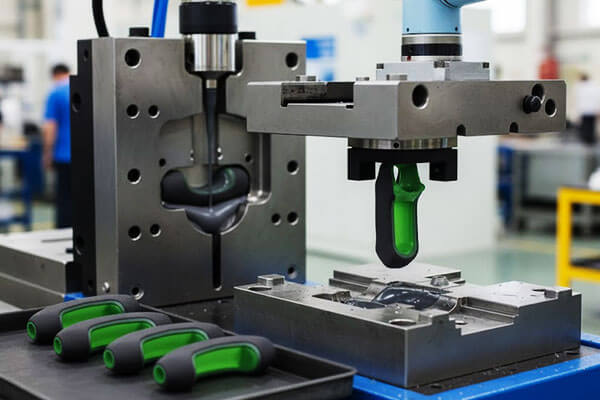
Дизајн производа и ДФМ анализа
Преливање почиње са производом и Дизајн за производњу (ДФМ) анализа.
Инжењери процењују геометрију подлоге, дебљина калупа, нацрт углова, линије растанка, локације капија, одзрачивање, подрезати, и критичне димензије.
Подлога мора бити довољно чврста да издржи притисак убризгавања и топлотну изложеност током друге операције обликовања.
Карактеристике механичког задржавања као што су ребра, жлебови, рупе, или подрези такође могу бити уграђени када је потребно додатно повезивање.
Избор материјала и компатибилност
Подлога и материјал за преливање морају бити одабрани заједно. Инжењери разматрају механичка својства, температуре обраде, скупљање, Термално ширење, хемијска отпорност, осетљивост на влагу, и што је најважније, међуфазна адхезија.
Комбинација материјала која добро функционише појединачно можда неће произвести поуздану везу када се обликује заједно.
За критичне апликације, компатибилност материјала треба потврдити путем података добављача, испитивања прототипа, или испитивање адхезије.
Производња и припрема подлоге
Подлога се производи пре друге операције обликовања.
Пластичне подлоге се обично бризгају, док се метални уметци могу машински обрађивати, печатом, лишити, или на други начин произведен.
Пре преливања, супстрат може захтевати:
- Чишћење и одмашћивање
- Сушење за полимере осетљиве на влагу
- Површинска обрада
- Загревање
- Димензионална инспекција
Правилна припрема помаже у спречавању контаминације, димензионална варијација, лоше пријањање, и друге недостатке у вези са интерфејсом.
Пуњење подлоге и затварање калупа
Припремљена подлога је тачно постављена унутар калупа за преливање.
Може се учитати ручно за производњу мањег обима или аутоматски користећи роботске системе за руковање за производњу великог обима.
Калуп мора безбедно да подржава подлогу и да одржава потребну дебљину калупа.
Једном постављен, калуп се затвара и примењује довољну силу стезања да издржи притисак убризгавања и спречи бљесак.
Ињектирање материјала за преливање
Други материјал се загрева до температуре обраде и убризгава у шупљину калупа.
Истопљени материјал тече око одређених подручја подлоге и формира слој преко калупа.
Примарни параметри процеса укључују:
| Параметар | Главни ефекат |
| Температура топљења | Проточност и везивање |
| Температура калупа | Пуњење, хлађење, и квалитет површине |
| Брзина убризгавања | Понашање протока и заробљавање ваздуха |
| Притисак убризгавања | Пуњење кавитета |
| Задржавање притиска | Компензација скупљања и стабилност димензија |
| Време хлађења | Чврстоћа дела и време циклуса |
Процес мора бити пажљиво избалансиран. Прекомерна температура или притисак могу деформисати подлогу, док недовољни услови пуњења могу изазвати кратке снимке, слабо везивање, или непотпуна покривеност.
Лепљење и хлађење
Како растопљени материјал за преливање долази у контакт са подлогом, интерфејс се развија кроз хемијску адхезију, механичко преклапање, или комбинација обоје.
Након пуњења и паковања, компонента се хлади унутар калупа. Хлађење се мора контролисати јер подлога и калуп могу имати различите карактеристике скупљања и термичког ширења.
Лоше контролисано хлађење може довести до кривљења, преостали стрес, судопера, или квар интерфејса.
Избацивање и инспекција квалитета
Након довољног хлађења, готови преливени део се избацује из калупа. Уклањање капије, блиц тримминг, или друге секундарне операције могу се извршити када је то потребно.
Контрола квалитета се обично фокусира на:
Димензионална тачност + прекривеност калупом + изглед површине + чврстоћа везивања + Функционалне перформансе
За захтевне апликације, произвођачи могу додатно извршити пилинг, повући, смицање, обртни момент, температурни циклус, влажност, отпорност на хемикалије, или друга испитивања животне средине.
4. Материјали који се обично користе у преливању
Избор материјала је вероватно најважнија техничка одлука у преливању. Идеална комбинација материјала мора да задовољи два одвојена захтева:
Материјали морају исправно да раде као појединачни материјали, а материјални интерфејс мора остати поуздан као интегрисани систем.
Уобичајени материјали супстрата
Подлога генерално представља структурну основу компоненте. Може бити чврста пластика или метал.
Уобичајени пластични материјали за подлогу
| Подложни материјал | Важне карактеристике | Типичне примене за преливање |
| АБС | Добра отпорност на ударце, лака обрада, добар изглед | Потрошачки производи, ручке, кућишта |
| ПЦ | Снага високог удара, опције транспарентности, добре димензионалне перформансе | Електроника, заштитна кућишта, контрола |
| ПЦ/АБС | Уравнотежена чврстоћа, изглед, и обрада | Аутомобилска и електроника |
| Отац (Најлон) | Велика снага, укоченост, отпорност на хабање | Аутомотиве, Индустријске компоненте, алата |
Пп |
Мала густина, хемијска отпорност, отпорност на умор | Аутомотиве, потрошачки производи, компоненте живе шарке |
| Пбт | Добра димензионална стабилност и електричне перформансе | Електрични конектори, Аутомобилске компоненте |
| ПОМ | Ниско трење, отпорност на хабање, Димензионална стабилност | Механичке компоненте и контроле |
| Ппс | Отпорност на високе температуре и хемикалије | Захтевне аутомобилске и индустријске примене |
Уобичајени материјали за преливање
Други материјал се генерално бира да дода функцију коју подлога не може ефикасно да обезбеди.
| Материјал за преливање | Главне карактеристике | Типичне функције |
| Тпе | Флексибилан, софт-тоуцх, обрадив | Грип, јастук, заптивање |
| ТПУ | Висока отпорност на хабање и кидање | Заштитне површине, хватаљке, флексибилне компоненте |
| ПДВ | Еластичност попут гуме са термопластичном обрадом | Аутомобилске заптивке, хватаљке, компоненте отпорне на временске услове |
ТПО |
Флексибилан, лаган, отпоран на временске услове | Аутомобилска опрема и заштитне компоненте |
| Мека ПП једињења | Лаган и хемијски отпоран | Производи широке потрошње и аутомобили |
| Системи на бази силикона | Одлична флексибилност и перформансе температуре | Специјализовано заптивање и медицинске примене |
| Специјални еластомери | Хемикалија специфична за примену, термички, или механичке перформансе | Индустријска и захтевна окружења |
5. Механичко лепљење вс. Хемијско везивање у преливању
Интерфејс између подлоге и материјала за преливање је најкритичнији регион обликоване компоненте од више материјала.
Део може имати одличне механичке особине и атрактивну завршну обраду, али и даље не ради ако се калуп одвоји од подлоге.
Мецханицал Бондинг: Пхисицал Интерлоцк
Механичко везивање се ослања на растопљену смолу од калупа која тече у унапред дизајниране подрезе, рупе, жлебови, ребрасте или текстуриране површине на подлози.
Након очвршћавања, смола формира трајну физичку браву која преноси оптерећење путем геометријске интерференције, а не међумолекуларних сила.
- Основни принцип: Растопљени полимер испуњава све негативне карактеристике на површини супстрата и учвршћује се у одговарајућу позитивну геометрију, стварање међусобног блока који се не може раздвојити без деформисања једног од материјала.
Анкери кроз рупе производе најјаче механичке везе, пошто формирају пуне полимерне заковице које су отпорне и на љуштење и на смицање. - Уобичајене карактеристике сидрења: Пролазне рупе, бочни подрези, прорези ластиног репа, ободни жлебови, пјескарена текстура, наребрене површине и обликоване бодљикаве карактеристике.
- Предности: Ради са било којим паром материјала, укључујући потпуно некомпатибилне комбинације као што су силикон преко метала или ТПЕ преко ПОМ-а; снага везе је веома предвидљива на основу геометрије; мање осетљив на површинску контаминацију и старење животне средине.
- Ограничења: Захтева додатни дизајн подлоге и сложеност алата; снага везе је локализована на тачке сидрења; није погодно за ултра танке слојеве калупа испод 0.5 мм.
Хемијски лепљење: Молецулар Интердиффусион
Хемијско везивање настаје када су смола и подлога хемијски компатибилни.
На температури обликовања, полимерни ланци из калупа дифундују у површину подлоге, формирајући интермолекуларне заплете и секундарне везе (ван дер Валсове снаге, водоничне везе, а у неким случајевима и формирање ковалентне везе путем размене естра).
- Основни принцип: Да би дошло до хемијског везивања, два материјала морају имати сличне параметре растворљивости (обично унутар 2 (цал/цм³)^0,5 један другог) а површина подлоге мора бити изнад своје температуре стакластог прелаза током ињектирања, омогућавајући мобилност ланца и међудифузију.
Резултујући међуфазни слој се обично креће од 20 нм до неколико микрометара дебљине. - Фактори утицаја: Усклађивање параметара растворљивости, поклапање температуре топљења, површинска енергија супстрата, контактни притисак, и време задржавања на интерфејсу.
- Предности: Уједначена снага везе на целом интерфејсу; нису потребне додатне карактеристике подлоге; омогућава веома танке слојеве калупа са доследним пријањањем; глатка линија везе без концентрације напрезања.
- Ограничења: Захтева компатибилне полимерне хемије; осетљив на површинску контаминацију, средства за оксидацију и ослобађање; може деградирати током времена у окружењима са високом температуром или високом влажношћу.
Хибрид Бондинг: Комбиновање механичких и хемијских механизама
За захтевне апликације, најснажније решење може бити комбиновање оба механизма.
Подлога се може дизајнирати са жљебовима, рупе, или текстурираним регионима, док одабрани материјали такође обезбеђују инхерентну међуфазну адхезију.
У овој конфигурацији, хемијска адхезија обезбеђује дистрибуирано причвршћивање док механичке карактеристике пружају додатну отпорност на љуштење, смицање, или аксијално раздвајање.
На пример, метални уметак може да добије површинску обраду и да се обликује компатибилним полимером, а такође има и рупе или нарезке.
Добијени интерфејс не зависи искључиво од хемијске адхезије или геометријског задржавања.
Овај приступ је посебно користан када квар интерфејса може да угрози безбедност или функционалност производа.
6. Предности и ограничења преливања
Цоре Адвантагес
Смањени број делова и монтажа
Преливање може интегрисати ручке, печат, изолација, јастук, и заштитни слојеви директно на подлогу.
Ово смањује број одвојених компоненти, причвршћивачи, лепкови, и монтажне операције, што може да поједностави производњу и побољша конзистентност.
Побољшана функционална интеграција
Један део може комбиновати чврсту структурну подршку, мекана ергономска дршка, заптивање животне средине и електрична изолација у једном циклусу обликовања.
Ово омогућава степеноване перформансе у различитим регионима компоненте које се не могу постићи монолитним дизајном материјала — на пример, круто структурално језгро са меким слојем за пригушивање вибрација и интегралним заптивачем за заштиту животне средине.
Побољшана издржљивост и поузданост
Интегралне преливене везе елиминишу деградацију лепка, начини отпуштања причвршћивача и неусклађености заптивки.
Преливене заптивке постижу доследну ИП67/ИП68 заштиту од уласка са 3–5к дужим веком трајања од састављених система заптивача, пошто не постоји посебна компонента заптивке за померање, деградирати или испасти .
Врхунске ергономске и сензорне перформансе
Прекривачи од меког еластомера могу се подесити за прецизно приањање, пригушење вибрација и апсорпција удара.
Пренос вибрација на корисника може се смањити за 30–60% у поређењу са чврстим ручкама од једног материјала, побољшање удобности корисника и смањење ризика од понављајућих стресних повреда.
Флексибилност дизајна и диференцијација производа
Овермолдинг омогућава вишебојност, дизајн са више текстура и више тврдоће без секундарних операција, стварање диференцијације производа уз минималне додатне трошкове алата. Такође омогућава итерацију дизајна без потпуног редизајнирања алата.
Смањени укупни трошкови власништва
Док је улагање у алате 30–80% веће од калупа од једног материјала, нижи трошак монтаже,
смањени отпад и нижи захтеви за гаранцију обично доносе 15–35% ниже укупне трошкове власништва за средње и велике количине производње.
Инхерентна ограничења
Већи трошак алата и развоја
Прилагођени алати за калупе захтевају сложенији дизајн, више шупљина или ротирајућих плоча, и дуже време развоја.
Цена алата је обично 2-3 пута већа од еквивалентних калупа од једног материјала, а развојни циклуси су 30–50% дужи.
Ограничења компатибилности материјала
Нису сви парови материјала поуздано повезани. Некомпатибилне комбинације захтевају механичко сидрење или слојеве везивања, Додавање сложености и трошкова дизајна.
На пример, ПП је ноторно тешко везати за већину ТПЕ класа, који захтевају ТПЕ класе на бази ПП или карактеристике механичког задржавања .
Ужи прозор процеса
Преливање захтева строжу контролу температуре топљења, температура калупа, брзина ињектирања и притисак задржавања него код ливења од једног материјала.
Одступање процеса може довести до квара везе, померање уметања или деламинација. Подешавање процеса обично захтева 2–3 пута више пробних радњи него калуповање од једног материјала.
Диференцијално скупљање и напон
Неусклађене стопе топлотног ширења и скупљања између подлоге и калупа стварају заостали напон на интерфејсу, што може довести до кривљења, пуцања или деламинације током термичких циклуса.
Ово је посебно изражено за крути полимер преко металног преливања.
Ограничено на материјале који се обрађују топљењем
Преливање је ограничено на термопласте и течну силиконску гуму (ЛСР).
Конвенционалне термореактивне смоле и већина керамичких материјала не могу се прелити са стандардном опремом за бризгање.
7. Уобичајени недостаци и стратегије ублажавања
Овермолдинг уводи јединствене начине квара који се односе на спајање интерфејса, позиционирање уметка и диференцијално скупљање.
Табела у наставку сумира најчешће недостатке, основни узроци и доказане корективне акције.
| Дефецт Моде | Изглед | Примарни коријенски узроци | Корективне мере |
| Деламинација / неуспех љуштења | Прекомерни слој се одваја од подлоге | Некомпатибилност материјала; хладна подлога; контаминирана површина; недовољан притисак на интерфејсу | Проверите компатибилност материјала; претходно загрејати подлогу; чисте површине подлоге; повећати притисак паковања |
| Уметни смену / неусклађивање | Подлога је померена од предвиђене позиције | Велика брзина протока убризгавања; недовољна фиксација уметка; неуравнотежен ток | Додајте игле за лоцирање; оптимизујте позицију капије да бисте смањили утицај протока; користите држаче |
| Ознаке умиваоника на интерфејсу | Депресивна површина на линији везе | Диференцијално скупљање; дебели пресек калупа; недовољно паковање | Смањите дебљину зида калупа; повећати притисак паковања; оптимизирати профил хлађења |
Фласх на интерфејсу |
Вишак смоле продире између подлоге и одвајања калупа | Лоше уклапање калупа; варијација димензија подлоге; прекомерни притисак убризгавања | Побољшајте пристајање шупљине калупа; затегнути толеранције подлоге; смањити притисак убризгавања |
| Пликови на интерфејсу | Издигнути мехурићи испод површине калупа | Заробљени ваздух; влага на подлози; испуштање гасова | Побољшајте вентилацију; сува подлога пре обликовања; смањити температуру топљења |
| Пукотине од унутрашњег напрезања | Пукотине на везној линији након хлађења | Диференцијално скупљање; некомпатибилне стопе експанзије материјала | Оптимизујте температуру калупа; смањити брзину хлађења; изаберите материјале са ближим вредностима ЦТЕ |
8. Кључне примене преливања
Преливање се користи у свим индустријама јер омогућава произвођачима да комбинују структурне и функционалне материјале без потпуног ослањања на секундарну монтажу.
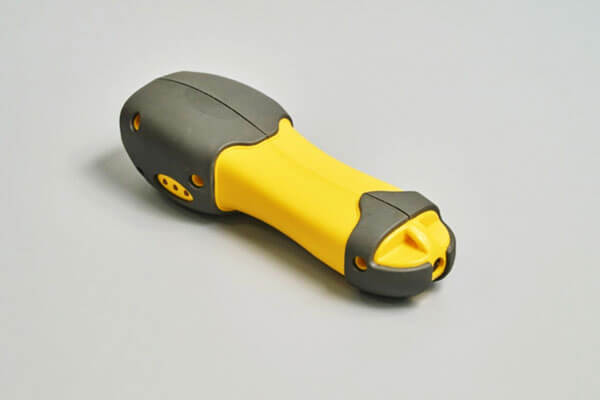
Аутомотиве Апплицатионс
Произвођачи аутомобила користе преливање за побољшање функционалности, издржљивост, удобности, и интеграцију компоненти.
Уобичајени примери укључују:
- Контроле на волану
- Прекидачи и дугмад
- Кућишта сензора
- Електрични конектори
- Компоненте заштите каблова
- Компоненте у унутрашњости
- Компоненте заптивања
- Ручке и ручке
- Заштитне навлаке
- Компоненте за пригушивање вибрација
Потрошачка електроника
Потрошачка електроника има користи од преливања јер корисници имају директну интеракцију са многим спољашњим површинама производа.
Апликације укључују:
- Додатна опрема за паметне телефоне и електронске уређаје
- Даљински управљачи
- Компоненте уређаја за ношење
- Компоненте слушалица
- Конектори за пуњење
- Крајеви каблова
- Заштитна кућишта
- Дугмад и контролни интерфејси
Медицински уређаји
Преливање се користи у медицинским и здравственим производима где је ергономија, заптивање, изолација, чисталост, а важне су контролисане тактилне перформансе.
Примери укључују:
- Дршке за медицинске инструменте
- Дијагностичке компоненте опреме
- Дршке хируршких уређаја
- Компоненте цеви и конектора
- Заптивни елементи
- Заштитна кућишта
- Компоненте уређаја за једнократну употребу
Електрични алати и ручни алати
Електрични алати су класична примена за преливање од крутог до флексибилног.
Структурални полимерни супстрат може да обезбеди потребну крутост, док ТПЕ или ТПУ могу створити ергономске зоне хватања.
Калуп се може побољшати:
- Сигурност хватања
- Удобност корисника
- Пригушивање вибрација
- Отпорност на ударце
- Површинска издржљивост
- Изглед производа
Електричне и електронске компоненте
Електричне апликације често комбинују проводне металне уметке са изолационим полимерним материјалима.
Типичне апликације укључују:
- Електрични конектори
- Терминали
- Компоненте сензора
- Склопови каблова
- Пребаците компоненте
- Изоловани контакти
- Кућишта конектора
- Електронске управљачке компоненте
Индустријска опрема
Индустријски производи често захтевају комбинације снаге, отпорност на ударце, хемијска отпорност, контрола вибрација, и ергономија оператера.
Преливање се стога користи за:
- Машинске ручке
- Контролна дугмад
- Индустријски прекидачи
- Дршке алата
- Заштитне навлаке
- Компоненте заптивања
- Кућишта сензора
- Заштита каблова
- Компоненте за пригушивање вибрација
9. Овермолдинг вс. Инсерт Молдинг вс. Тво-Схот Молдинг
Пренаседан, уметнути калуп, и ливење са два ударца су блиско повезане технологије бризгања, али се разликују по начину производње супстрата, позициониран, и интегрисан са другим материјалом.
Пренаседан
Преливање генерално укључује обликовање другог материјала преко постојеће подлоге или компоненте.
Подлога може бити претходно обликовани пластични део, машински обрађена метална компонента, печатирани уметак, или другог произведеног елемента.
Посебно је погодан када се подлога и калуп производе у одвојеним операцијама или када су потребни различити производни процеси за две компоненте.
Типичне примене укључују држаче меке на додир, заштитни поклопци, електрична изолација, печат, и компоненте за ублажавање напрезања.
Инсерт Молдинг
Уметнути калупљење поставља унапред обликовани уметак у калуп за ињектирање пре него што се пластика убризгава око њега.
Уметак се може направити од метала, пластика, керамички, или другог погодног материјала.
Метални уметак се широко користи када коначна компонента захтева снагу, проводљивост, Димензионална стабилност, или способност причвршћивања метала у комбинацији са лаганим и изолационим својствима пластике.
Уобичајени уметци укључују чауре са навојем, терминали, игле, шахтови, плоче, и заграде.
За разлику од општег преливања, калупљење уметака посебно наглашава интеграцију претходно произведеног уметка током циклуса убризгавања.
Тво-Схот Молдинг
Двоструко обликовање, такође се назива 2К или двокомпонентно бризгање, производи два региона материјала кроз секвенцијалне операције убризгавања у оквиру истог система за обликовање.
Први материјал формира почетни супстрат, након чега се калуп или део поново позиционирају и други материјал се убризгава.
Овај приступ може да обезбеди одличну регистрацију димензија између два материјала и веома је погодан за производњу великог обима.
Такође може да смањи руковање јер подлога не мора да се преноси ручно између одвојених операција обликовања.
Поређење процеса
| Значајка | Пренаседан | Инсерт Молдинг | Тво-Схот Молдинг |
| Супстрат | Претходно обликована компонента или уметак | Преформирани уметак | Обликован током првог пуцања |
| Типични материјали | Пластика, еластомер, метал | Углавном метални или чврсти уметци | Два компатибилна полимера/еластомера |
| Редослед производње | Супстрат + друга операција обликовања | Уметак је учитан + пластична ињекција | Први пуцањ + други ударац |
| Аутоматизација | Ниско до високо аутоматизовано | Ниско до високо аутоматизовано | Обично веома аутоматизован |
| Сложеност алата | Умерен до високо | Умерен | Високо |
| Главна предност | Флексибилна мулти-материјална интеграција | Комбинује функционалност уметка са пластиком | Високо прецизна производња од више материјала |
| Типичне апликације | Грипс, печат, кућишта, заштитни слојеви | Конектори, терминали, навојни уметци | Дугмад, кућишта, вишебојне компоненте |
| Најбоље одговара | Флексибилне производне стратегије | Интеграција метала и пластике | Интегрисана производња великог обима |
У пракси, термини се могу преклапати. Уметак је специфичан облик обликовања око претходно обликованог уметка, док је двократно обликовање високо интегрисани процес од више материјала у којем се супстрат обично ствара у оквиру истог циклуса обликовања.
Избор процеса стога треба да се заснива на стварној архитектури производа, а не само на терминологији.
10. Напредни трендови и иновације
Технологија преливања наставља брзо да се развија, вођен захтевом за минијатуризацијом, одрживост и побољшана функционална интеграција.
ЛСР Овермолдинг
Течна силиконска гума (ЛСР) преливање на инжењерску термопластику је најбрже растући сегмент преливања.
ЛСР пружа изузетну отпорност на топлоту (-60°Ц до 200°Ц+), биокомпатибилност и перформансе скупа компресије, чинећи га идеалним за медицинске уређаје, делови у контакту са храном и аутомобилске апликације на високим температурама.
Напредни алати за хладне воде и системи прецизног дозирања омогућавају ЛСР преливање са дебљинама зида до 0.2 мм.
Мицро-Овермоулдинг
Минијатуризација у електроници и медицинским уређајима довела је до развоја процеса микро преливања са дебљинама зида испод 0.3 мм и тачност положаја од ±0,02 мм.
Ово омогућава преливене карактеристике на микро конекторима, носива електроника и медицински уређаји за имплантацију које је раније било немогуће произвести.
Одрживо и био-базирано преливање
Развој био-базираних и рециклираних полимера са одговарајућим својствима топљења омогућава преливање парова одрживих материјала.
Ово укључује рециклиране ПП подлоге преливене рециклираним ТПЕ, и ПА на биолошкој бази преливених еластомерима на биолошкој бази.
Брендови све више одређују одрживо преливање како би испунили циљеве циркуларне економије и смањења угљеника.
Интеграција монтаже у калупу
Напредне ћелије за преливање са више станица интегришу више готових компоненти (печат, магнети, електроника) у један циклус обликовања, производњу потпуно састављених готових делова директно из калупа.
Ово елиминише читаве монтажне линије и смањује време производње за 70–90%.
Оптимизација процеса АИ
Системи машинског учења се примењују да би се оптимизовали параметри процеса преливања у реалном времену, подешавање брзине убризгавања, притисак и температура на основу података сензора у калупу и криве притиска у шупљини.
Ово смањује стопу отпада за 30–50%, побољшава конзистентност везе и смањује време подешавања за нове делове.
11. Преливање за различите захтеве производа
Преливање треба изабрати у складу са функционалним захтевима готове компоненте, него једноставно као метод за комбиновање два материјала.
| Захтеви за производ | Препоручено решење за преливање | Кључна инжењерска разматрања | Типичне апликације |
| Побољшано приањање и трење | Чврста подлога + ТПЕ/ТПУ овермолд | Тврдоћа, коефицијент трења, Текстура површине, Отпорност на абразију | Ручке алата, гусеничар, потрошачки производи |
| Заштита од удара | Чврста подлога + чврст еластомер | Апсорпција удара, јачина кидања, дебљина, покривеност ивица | Електронски кућишта, заштитна опрема, Индустријске компоненте |
| Заштита од воде и прашине | Чврсто кућиште + еластомерни заптивни слој | Континуитет интерфејса, compression, тачност димензија, отпорност на старење | Конектори, сензори, спољна електроника |
| Електрична изолација | Метални/електронски уметак + изолациони полимер | Диелектрична чврстоћа, дебљина изолације, оцена температуре, превенција празнине | Терминали, конектори, кабловске склопове |
Смањење вибрација и буке |
Чврста подлога + пригушујући еластомер | Тврдоћа еластомера, дебљина, динамички одговор, отпорност на умор | Алати за напајање, Аутомобилске компоненте, машинерија |
| Ергономско руковање | Структурно језгро + мекани ТПЕ/ТПУ | Градијент тврдоће, геометрија захвата, тактилни осећај, дуготрајно ношење | Ручни алати, Медицински инструменти, контролне ручке |
| Хемијска заштита и заштита животне средине | Супстрат + хемијски отпоран полимер | Хемијска компатибилност, температура, Ув, влагу, стабилност адхезије | Индустријска опрема, Аутомобилски делови, компоненте за руковање течностима |
| Отпорност на хабање и абразију | Чврста подлога + отпоран на хабање ТПУ/ТПЕ | Тврдоћа површине, Отпорност на абразију, контактни притисак, радна температура | Ваљци, водичи, хватаљке, индустријске контроле |
12. Услуге бризгања у индустрији ЛангХе
Лангхе индустрија пружа прилагођена решења за бризгање и преливање од развоја прототипа до производње великог обима, пратећи материјали укључујући ПП, ПЕ, АБС, ПЦ, најлон, Тпе, ТПУ, ЛСР, и завири.
Његове могућности покривају двократно обликовање, пицк-анд-плаце овермоулдинг, и уметнути лајсну за метал, керамички, пластика, и електронски уметци, подржан дизајном и производњом алата у кући.
Као ан ИСО 9001:2015-сертификовани произвођач, ЛангХе Индустрија примењује систематску контролу квалитета кроз 100% инспекција, ЦММ мерење, и системи машинског вида како би се осигурала тачност димензија, конзистентност изгледа, и поуздане перформансе производа.
Прилагођене боје, текстуре, и површинске завршне обраде су такође доступне за испуњавање специфичних захтева за примену и брендирање.
Контактирајте индустрију ЛангХе данас да разговарамо о вашем пројекту преливања или прилагођеног бризгања.
13. Закључак
Преливање је много више од једноставног додавања слоја пластике на подлогу.
То је софистицирана технологија производње од више материјала која интегрише структурне, ергономски, заптивне и козметичке функције у једну интегрисану компоненту, испоручујући перформансе које се не могу упоредити са пресовањем од једног материјала или традиционалним методама склапања.
Његова вредносна понуда почива на три основна стуба: функционална интеграција која смањује број делова и трошкове монтаже, оптимизација перформанси специфична за материјал која омогућава степеновану функционалност у једном делу, и побољшана поузданост која долази од интегралног спајања, а не од секундарног спајања.
Како се дизајн производа наставља ка већој интеграцији, минијатуризација и одрживост, овермоулдинг ће наставити да се шири у нове области примене.
Напредак у ЛСР обради, микро-преливање и одрживи материјали додатно ће проширити његове могућности, обезбеђујући своју позицију једне од најважнијих и најразноврснијих технологија за прецизну производњу савремене индустрије.
Често постављана питања
Која је разлика између преливања и уметања?
Преливање се генерално односи на обликовање другог материјала преко претходно обликоване подлоге.
Обликовање уметака посебно укључује постављање претходно обликованог уметка - често металног - у калуп и убризгавање пластике око њега. Ова два термина се могу преклапати у зависности од архитектуре компоненте.
Која је разлика између преливања и дводелног обликовања?
У конвенционалном преливању, подлога се обично производи одвојено пре него што се други материјал обликује на њу.
У двократном калупу, први материјал се обликује, а други материјал се убризгава у оквиру истог интегрисаног система за обликовање, обезбеђујући прецизну регистрацију и високу ефикасност производње.
Може ли се метал прелити пластиком?
Да. Преливање од метала до пластике се широко користи за комбиновање снаге или проводљивости метала са изолацијом, заштита, и флексибилност дизајна полимера.
Метални уметак мора бити тачно постављен и дизајниран да издржи температуру и притисак калупа.
Да ли је преливање скупље од конвенционалног бризгања?
Трошкови алата и развоја су генерално већи јер преливање захтева сложенију контролу алата и процеса.
Међутим, укупни трошкови производње могу бити нижи када процес елиминише одвојене компоненте, монтажне операције, лепкови, причвршћивачи, или секундарних процеса заптивања.